

You probably think quantum mechanics is something reserved for physicists in lab coats working on complicated equations. Here’s the thing though. This mysterious branch of science is already woven into the fabric of your everyday existence. From the moment you wake up and check your phone to the time you navigate your car to work or binge your favorite show at night, quantum phenomena are quietly making it all possible.
Most people have no idea just how deeply quantum effects have infiltrated modern technology. Let’s be real, the word quantum sounds intimidating. Yet the principles governing atoms and subatomic particles are responsible for nearly every piece of tech you touch daily. So let’s dive into the surprising ways quantum mechanics shapes your world.
Your Smartphone Runs on Quantum Tunneling

Your smartphone contains billions of transistors, each operating based on the quantum mechanical properties of semiconductor materials. These tiny electronic switches wouldn’t exist without quantum mechanics. Quantum tunneling is the principle by which semiconductors, core components of smartphones and computers, operate.
Flash memory inside USB sticks, cellphones, and other gadgets uses tunneling to inject electrons across oxide barriers into charge-trapping regions. This bizarre quantum feat allows electrons to pass through energy barriers they seemingly shouldn’t be able to cross. In smartphones, quantum tunneling enables accelerometers to detect minute movements with extraordinary sensitivity, far beyond classical sensor limits. Without this quantum trick, your phone would be bulky, slow, and nowhere near as powerful as it is today.
GPS Navigation Depends on Atomic Clocks

Atomic clocks are calibrated against the microwave frequency required to move an electron in an atom or ion from a lower quantum energy state to a higher one, and using this technology, time can be measured within a margin of error of only 1 second in up to 100 million years. That’s mind blowing accuracy. Atomic clocks are integral to global positioning systems, including those found in our mobile phones.
Every time you use GPS to find the nearest coffee shop or avoid traffic, you’re relying on satellites equipped with these ultra precise quantum clocks. GPS uses this super accurate timekeeping: Satellites have very accurate clocks that continually broadcast their time, and your GPS device can figure out where on Earth it is by noting how long it takes satellite signals to reach it. The precision needed for accurate location data would be impossible without quantum physics.
Lasers Power Your Entertainment and Communication
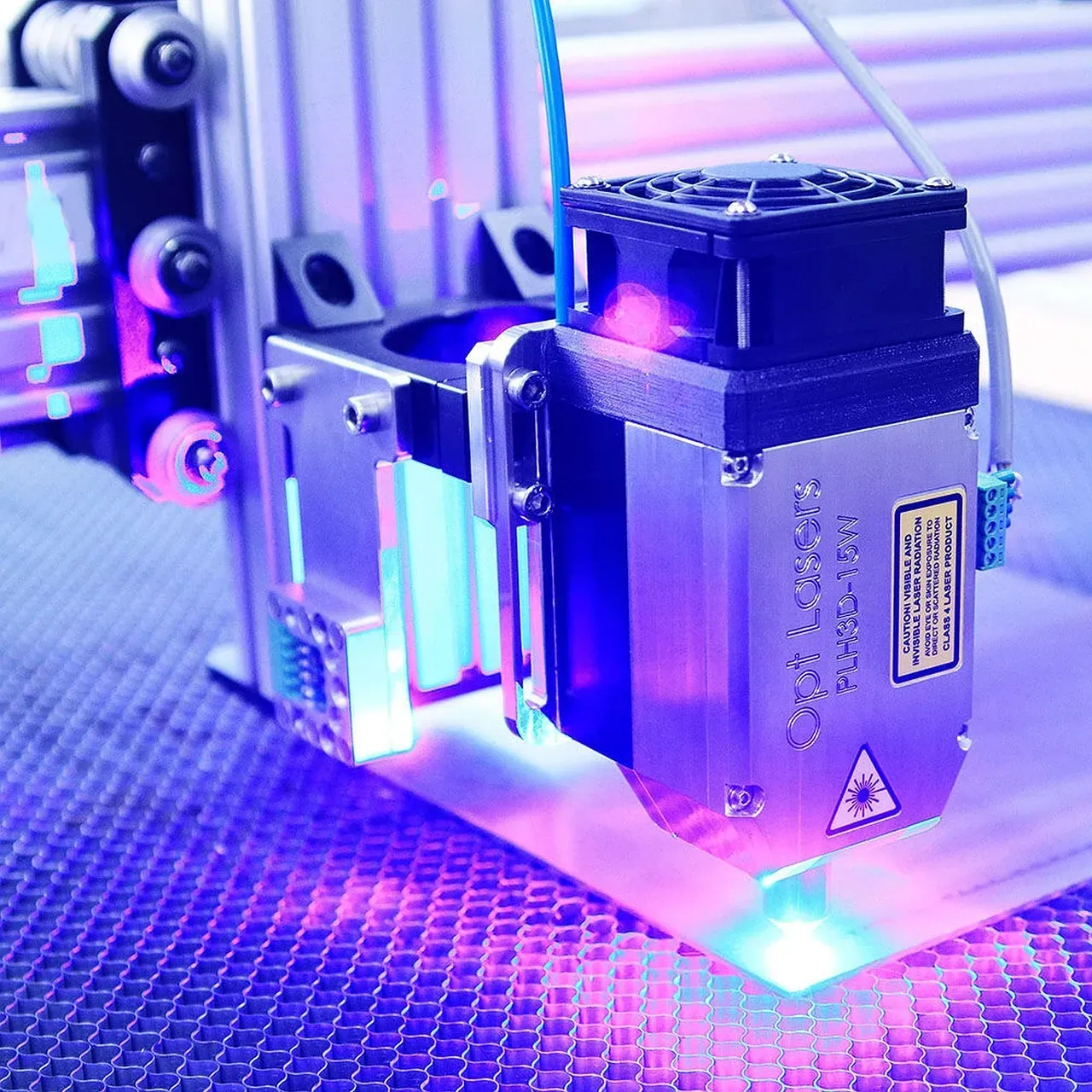
Lasers can emit concentrated beams of light because the light waves are all going in the same direction, and they are coherent, and the generation of laser light relies on a technique called stimulated emission, in which a photon is used to stimulate an already excited atomic electron to drop down to a lower quantum energy state. It’s pure quantum mechanics at work. Lasers appear everywhere in your daily routine, from scanning barcodes at grocery stores to reading DVDs and Blu ray discs.
Lasers are used for optical disk storage, surgery, fibre telecommunications and internet connections, playing with cats and many other applications. Your internet connection likely travels through fiber optic cables that use laser technology to transmit data at incredible speeds. Even that little red dot your cat chases around the room is a practical application of quantum principles. Honestly, life without lasers would look drastically different.
Medical Imaging Sees Inside You Using Quantum Spin
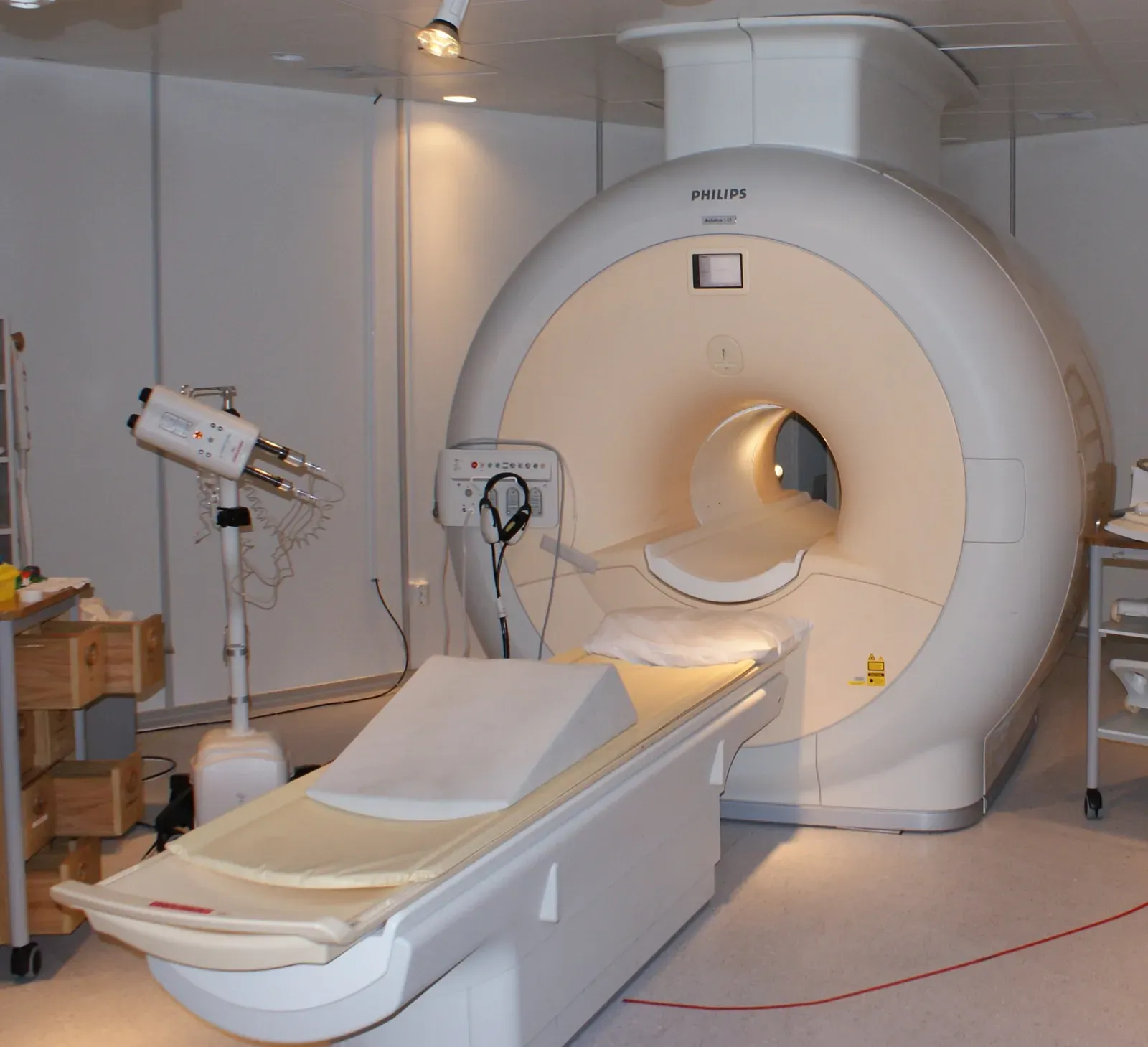
Magnetic resonance imaging has revolutionized how we diagnose diseases, providing medical professionals with a non invasive method to generate images inside human bodies, and MRI machines work thanks to the quantum property of spin. Every hydrogen atom in your body has a nucleus with quantum spin, creating a tiny magnetic moment. In magnetic resonance imaging the spin angular momentum of the proton is used, and the most available source for protons in the human body is represented by hydrogen atoms in water.
When doctors place you inside an MRI machine, MRI would not be possible without quantum physics and a detailed understanding of the behaviour of atomic nuclei in an electromagnetic field. The powerful magnetic field aligns these quantum spins, and radio waves cause them to flip. As they relax back to their original state, they emit signals that computers translate into detailed images of your organs and tissues. It’s hard to say for sure, but quantum mechanics might have saved countless lives through better medical diagnosis.
Photosynthesis Feeds the World Through Quantum Effects

This one surprised me. In photosynthesis, plants rely heavily on quantum mechanical effects for loss free energy transport. When sunlight hits a leaf, the exciton can take all the possible paths to the reaction center at the same time, and quantum superposition offers a valid explanation as to why photosynthesis is highly efficient at converting sunlight into energy.
Instead of coming to an intersection and going left or right, energy can actually go in both directions at once and explore many different paths most efficiently, and plants are employing the basic principles of quantum mechanics to transfer energy from chromophore to chromophore. Every meal you eat, every breath of oxygen you take, exists because plants have mastered quantum computation at the molecular level. Nature figured out quantum technology billions of years ago, long before humans even conceived of the idea.
Your Computer Screen Displays Colors Through Quantum Dots
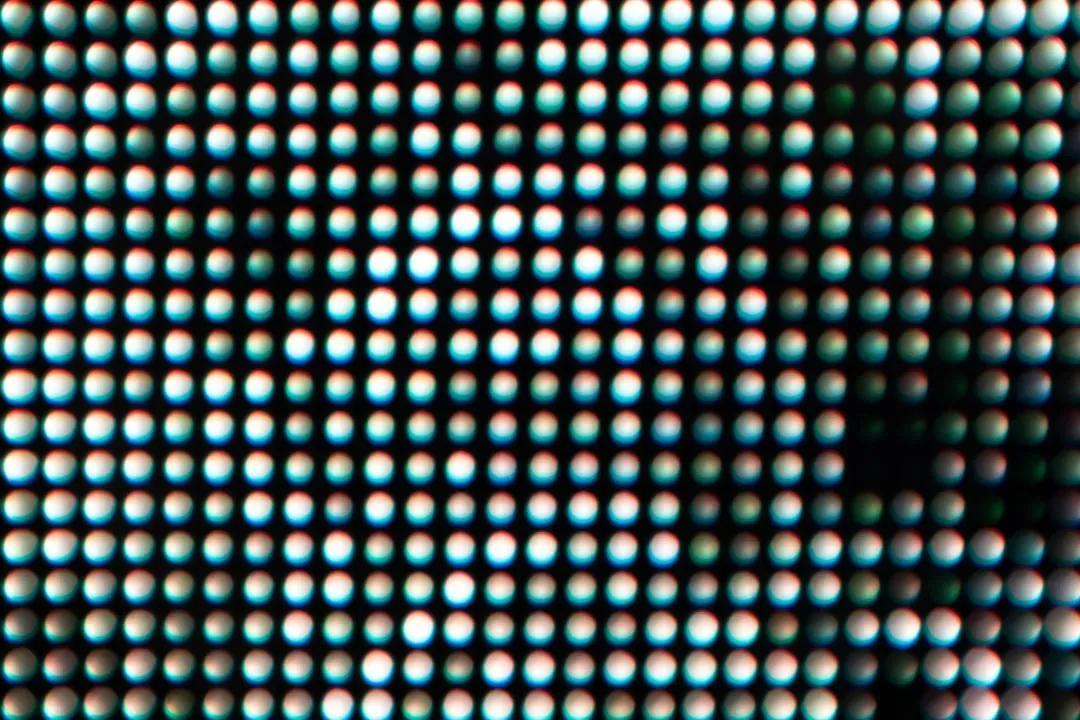
Quantum dots are nanoscale semiconductor particles whose electronic behavior can be precisely engineered, and they have applications for enhancing the colour quality of displays, improving solar cells’ efficiency, and enabling advancements in quantum dot televisions. Modern high end TVs and monitors use these tiny quantum particles to produce stunningly vibrant colors with exceptional accuracy.
These quantum dots work by confining electrons in such a small space that quantum effects dominate their behavior. When light hits them, they emit very specific colors depending on their exact size. Quantum dot sensors exploit discrete energy levels inherent to nanoscale semiconductors, where each dot emits distinct colors based on size, allowing tunable sensitivity across the spectrum. The result is the gorgeous display you see when streaming movies or playing video games.
Solar Panels Convert Sunlight Using Quantum Effects

Solar panels convert sunlight into electricity using the photoelectric effect, a phenomenon explained by quantum mechanics, and this effect occurs when light hits a material and frees electrons, generating an electric current. This was actually one of the discoveries that helped launch quantum theory over a century ago. Albert Einstein won his Nobel Prize for explaining this quantum phenomenon, not for relativity as many people assume.
Solar cells convert light into an electric current through the photovoltaic effect, which can only be explained if light comes in discrete packets called photons. Every rooftop solar panel you see is harvesting energy through pure quantum mechanics. As the world shifts toward renewable energy, quantum physics becomes even more central to our daily energy consumption. Who would have guessed that fighting climate change relies on understanding the quantum nature of light?
Fluorescent Lights Glow Because of Quantum Jumps
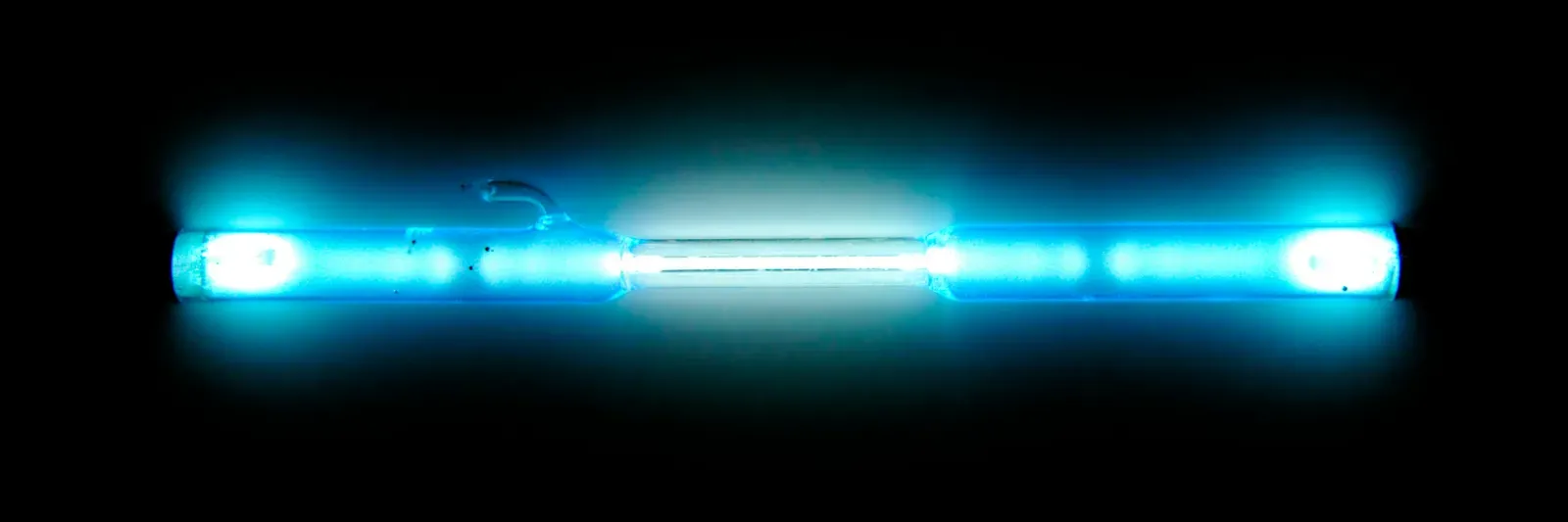
Fluorescent bulbs contain electrodes that heat up and eject electrons, these electrons bombard mercury inside the bulb, the collisions cause the mercury’s electrons to jump up to a higher quantum energy state, and high energy electrons tend to jump back down to their lower state, and when they do, photons are emitted. Those quantum jumps between energy levels produce the light illuminating your home or office.
The specific wavelengths of light emitted depend entirely on the quantum mechanical properties of the mercury atoms. Without understanding these discrete energy levels, we wouldn’t have developed efficient lighting technology. Even the LED bulbs that are replacing fluorescent lights operate on quantum principles related to semiconductors. Next time you flip a light switch, you’re quite literally triggering billions of quantum events per second.
Conclusion

Quantum mechanics isn’t some abstract theory confined to textbooks and laboratories. It’s the invisible force powering the modern world, from the device you’re reading this on to the food you ate today. The technology that makes your life comfortable, connected, and convenient would simply not exist without scientists unlocking the secrets of the quantum realm.
What’s even more exciting is that we’re just scratching the surface. Quantum computers, quantum cryptography, and quantum sensors promise to revolutionize technology even further in the coming decades. The quantum revolution isn’t coming. It’s already here, quietly working behind the scenes of your daily routine. Did you expect quantum mechanics to be this relevant to your everyday life?