
You’ve probably scrolled through photos that made you stop and think, “Wait, where on Earth is that?” The truth is, our planet holds secrets in plain sight. Landscapes so strange, so otherworldly, they challenge everything you thought you knew about what Earth should look like. Let’s be real, when scientists test Mars rovers in certain remote corners of our world, that’s your first clue these places are genuinely bizarre.
From bubbling acid pools to rainbow mountains that look hand-painted by some cosmic artist, these destinations prove you don’t need a spaceship to feel like you’ve left home. The best part? They’re all accessible with nothing more than determination and a decent pair of hiking boots. So let’s dive in.
The Danakil Depression, Ethiopia
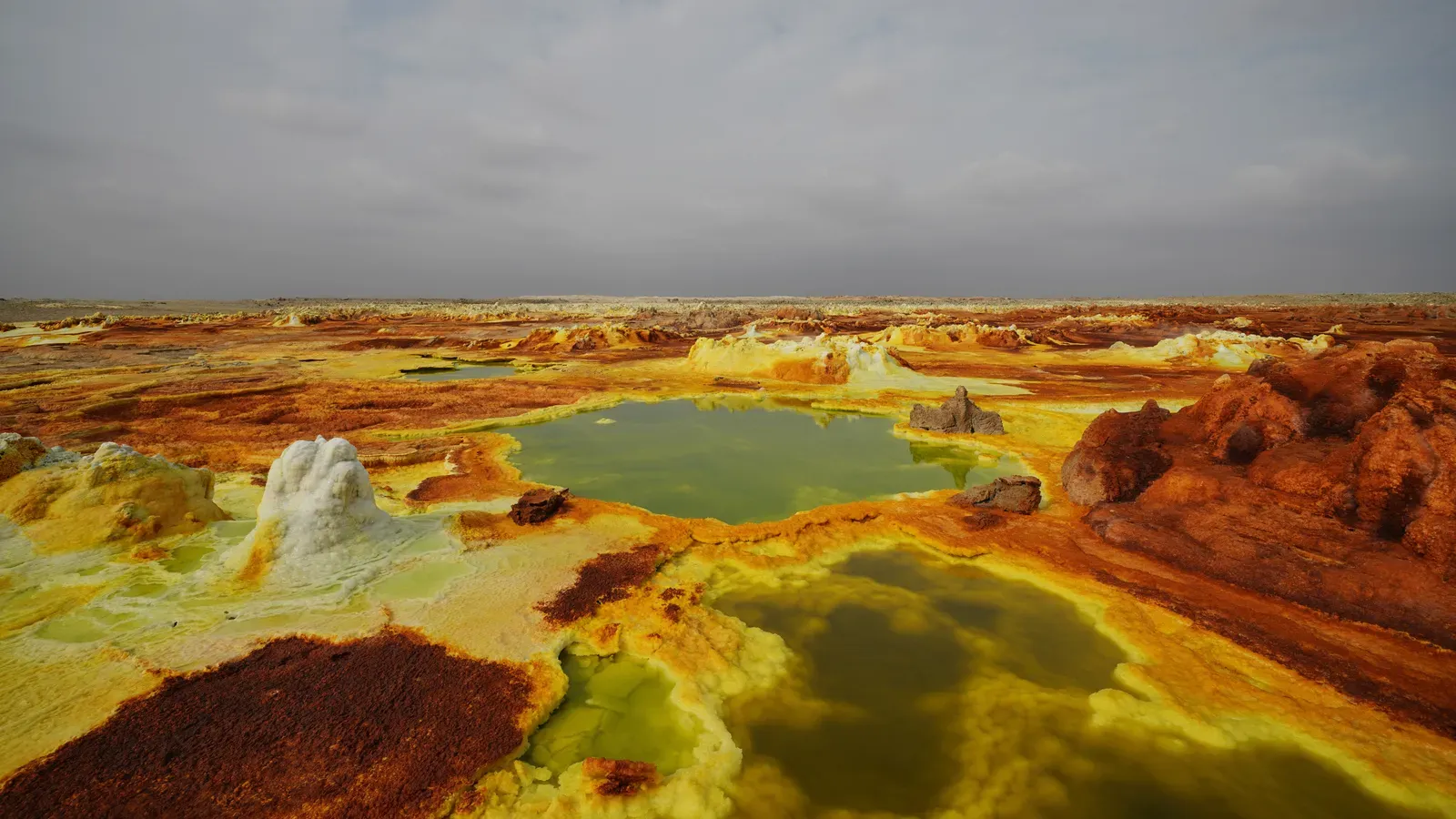
The Danakil Depression in Ethiopia ranks as one of the most inhospitable places on the planet, often called the gateway to hell, where choking sulfuric acid and chlorine gases fill the air while acid ponds and geysers pepper the landscape. Temperatures regularly reach 113 degrees Fahrenheit, making it one of the hottest places on Earth. Picture this: neon yellows, electric greens, and rust oranges swirling across the ground like some deranged artist went wild with a palette.
The depression lies over 330 feet below sea level in a rift valley. With two active volcanoes, a bubbling lava lake, geysers, acid ponds, and mineral deposits, the setting resembles something from another planet. Honestly, if Venus had a tourist destination, this would be it. The place forces you to reconsider what “livable” actually means.
Salar de Uyuni, Bolivia
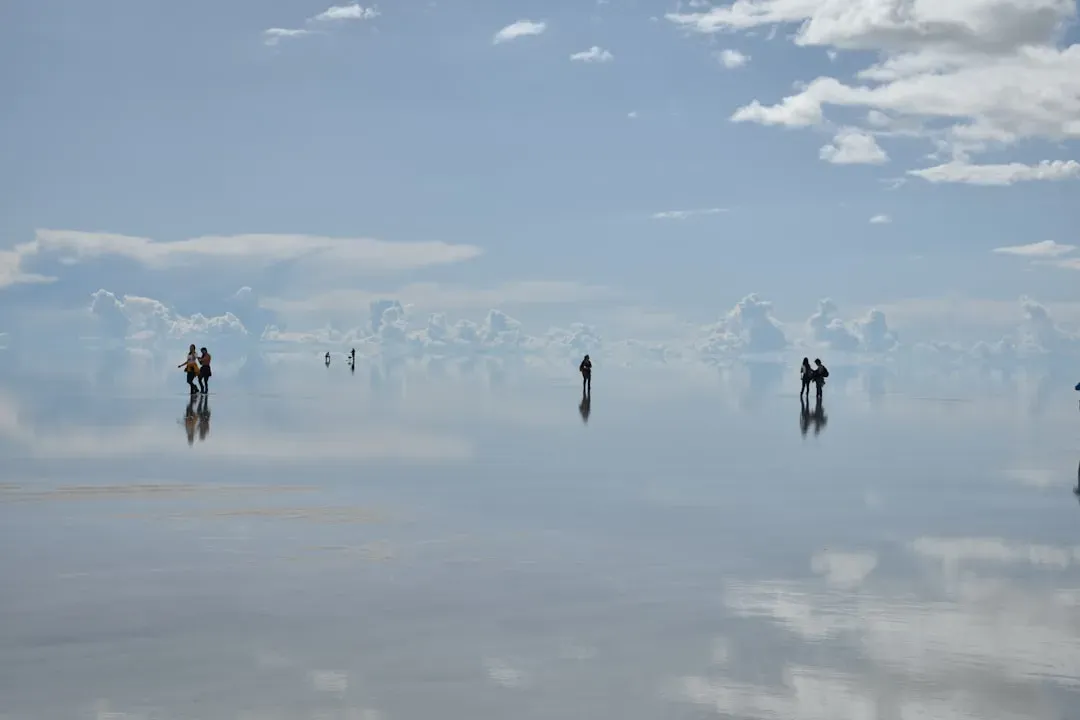
This is the largest salt flat on the planet, measuring over 10,000 square kilometers, and roughly half of the lithium on Earth is stored here. During the dry season, white cracked ground extends into the distance, but during the wet season, the basin fills with shallow water that stretches to the horizon, amazingly flat and reflective like a huge liquid mirror.
Walking across Salar de Uyuni during the rainy season feels like stepping through the sky itself. Your reflection ripples beneath your feet while clouds seem close enough to touch. Photographers have turned this Bolivian marvel into Instagram gold, creating perspective tricks that make people appear to float. The sheer expanse challenges your sense of scale in ways that mess with your brain.
Zhangye Danxia Landform, China
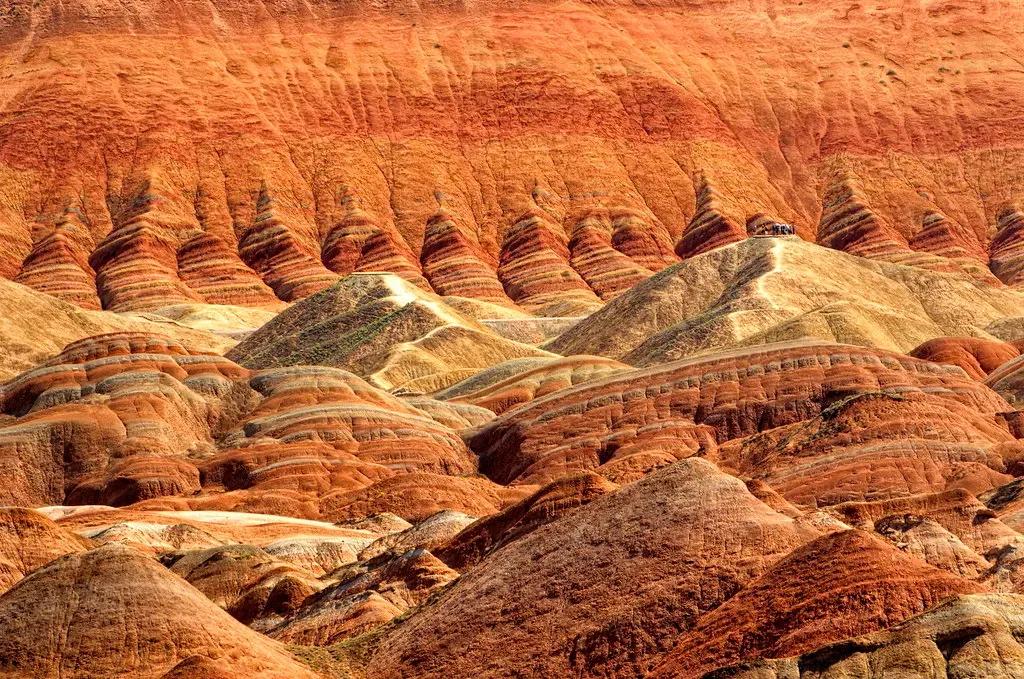
The Rainbow Mountains, also known as the Zhangye Danxia Landform Geological Park in Gansu Province, China, get their name from their colorful appearance caused by different minerals compressed and eroded over millions of years, made up of sandstone and mineral deposits formed over 24 million years ago. The different colors result from the oxidization of iron and other minerals, creating unique bands of red, orange, yellow, green, and blue.
Here’s the thing: nature doesn’t usually work in rainbow stripes. Yet here they are, rippling across hillsides like geological layer cake. The mountains span 500 square kilometers and were formed during the same geological shift that produced the Himalayas over 80 million years ago. Standing before these peaks makes you question whether you accidentally wandered into a fantasy painting.
Fly Geyser, Nevada
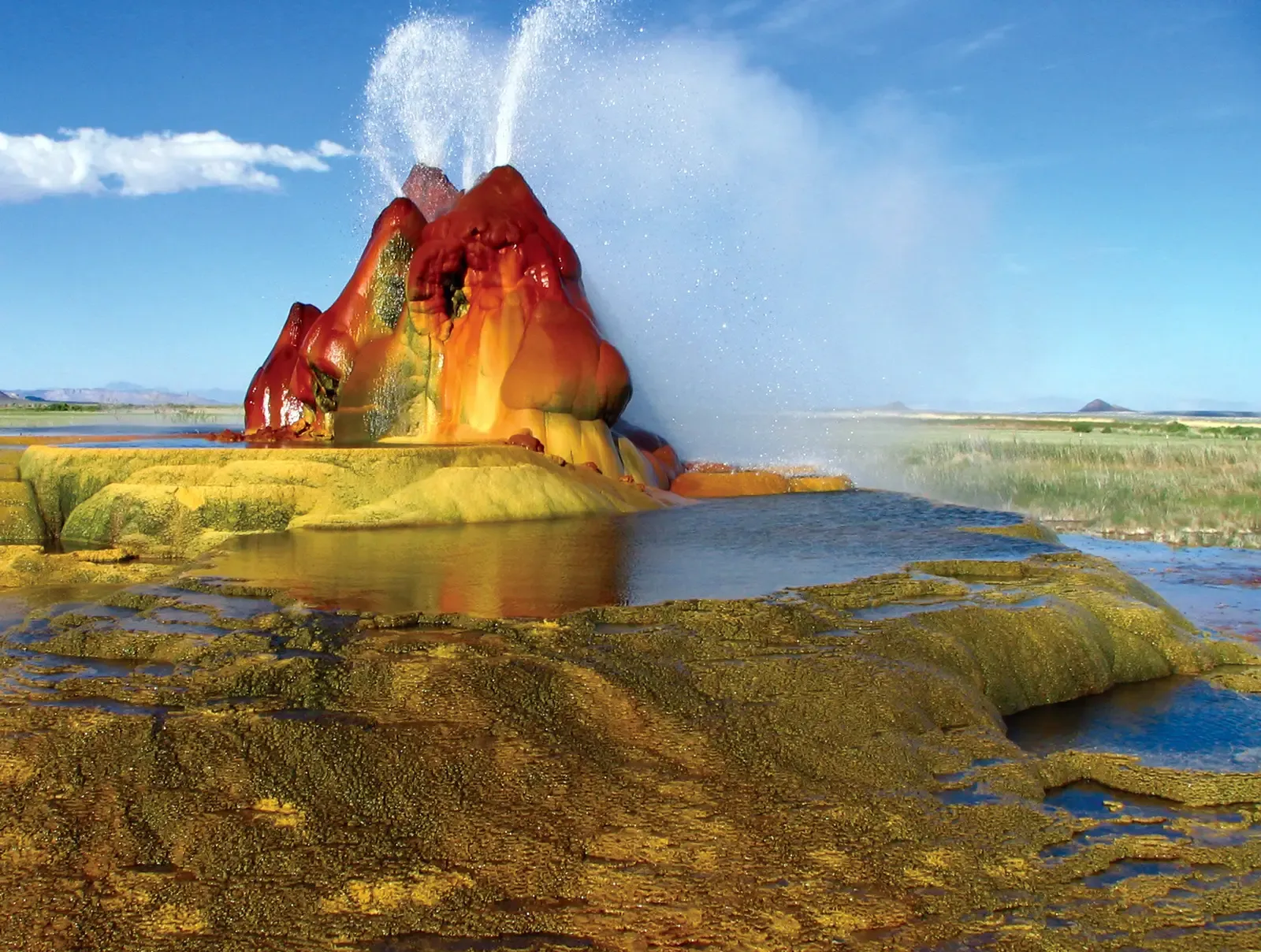
This geothermal geyser was created by accident when an area was drilled for water and resealed multiple times, causing Fly Geyser to grow from mineral deposits, with thermophilic algae creating its fantastic red and green hues. The geyser was created accidentally in 1964 when a geothermal energy company drilled the site but the water wasn’t hot enough to be useful, so the site was sealed up, though it was improperly plugged and scalding hot water pierced through the surface, creating the bizarre three-mound geyser.
It sits on private land in Nevada’s Black Rock Desert, looking like someone imported a coral reef from an alien ocean and plunked it in the middle of nowhere. Water continuously spurts from its rainbow terraces. The colors shift depending on the algae populations and mineral content. I know it sounds crazy, but human error created one of Earth’s most surreal sights.
Giant’s Causeway, Northern Ireland
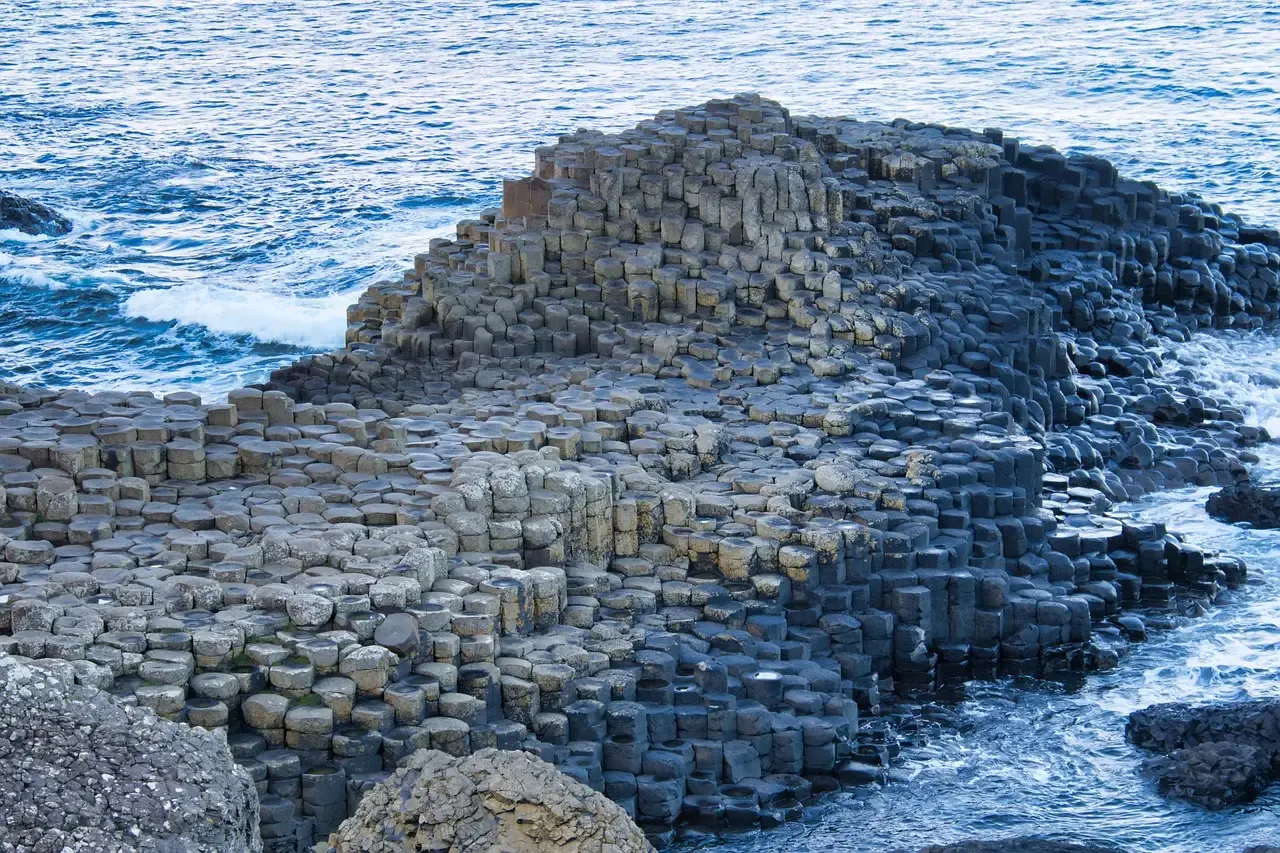
Northern Ireland’s only UNESCO World Heritage Site consists of some 40,000 hexagonal basalt columns jutting from the North Channel along the edge of the Antrim Plateau. According to geological studies, the Giant’s Causeway first formed as a lava plateau when molten rock erupted through fissures in the earth, and during a period of intense volcanic activity about 50 to 60 million years ago, differences in the lava cooling rate caused the columns to form.
The geometric precision looks engineered rather than natural. Each column fits together like nature’s jigsaw puzzle. Local legends tell of giants building this causeway to cross the sea and battle rivals, which honestly sounds more believable than the truth when you’re standing there. The interlocking stones create patterns that your brain struggles to process as random.
Pamukkale, Turkey
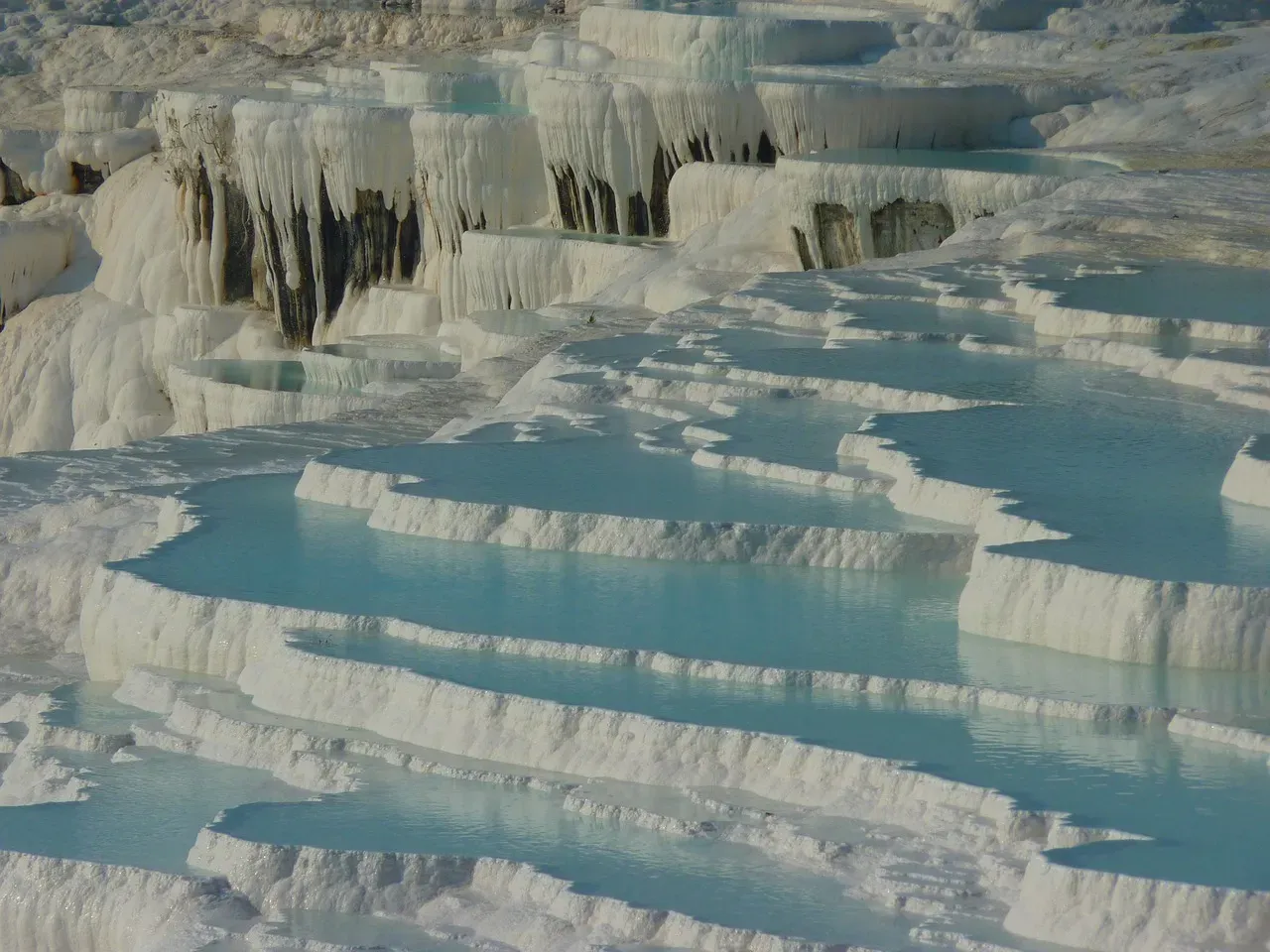
Pamukkale, meaning cotton castle in Turkish, is a natural site in southwestern Turkey known for its dazzling white terraces that cascade down the mountainside, creating a surreal landscape of bright white basins filled with warm turquoise water. Its otherworldly appearance has made it one of Turkey’s most famous natural attractions, drawing visitors for centuries, including ancient Greeks and Romans who built the city of Hierapolis at the site.
The thermal waters flow down the slopes, depositing calcium carbonate that builds up over time into these stunning formations. The thermal waters are believed to have healing properties, and the area has been used as a spa since ancient times. Walking through the warm pools feels like bathing in clouds. The contrast between brilliant white stone and azure water creates visual magic that cameras barely capture.
Chocolate Hills, Philippines
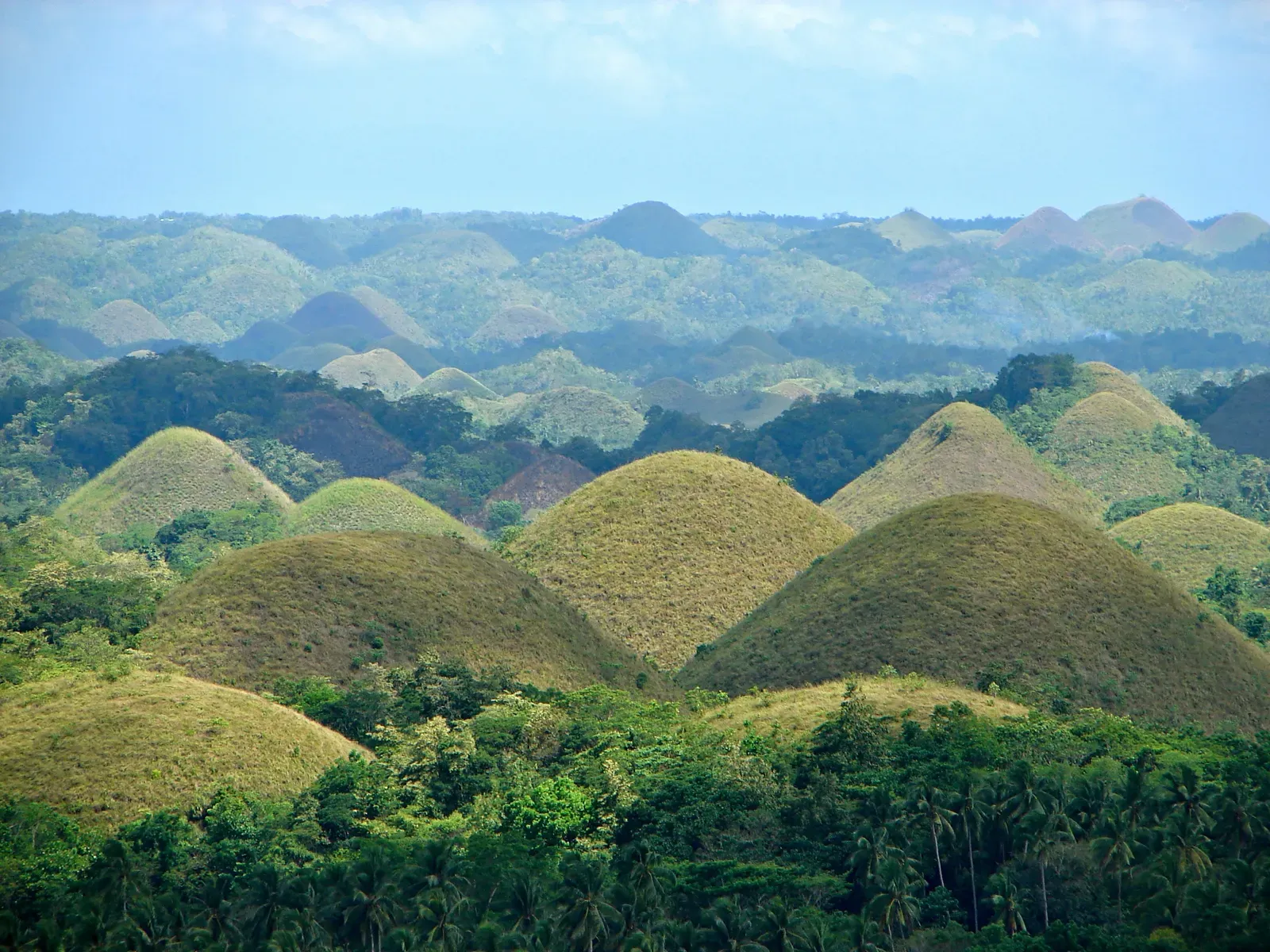
The Chocolate Hills are a geological formation in the Bohol province of the Philippines with at least 1,260 hills spread over an area of more than 50 square kilometers, covered in green grass that turns brown like chocolate during the dry season. Measuring up to 400 feet tall, the hills are made of limestone containing marine fossils dating back millions of years.
Picture over a thousand perfectly dome-shaped mounds rolling across the landscape like someone dropped massive Hershey’s Kisses everywhere. Legend says a giant wept them as he grieved the death of his human beloved. The symmetry unsettles you because hills aren’t supposed to look this uniform. During rainy season they’re lush and green, but come the dry months, they transform into their namesake chocolate color.
Mono Lake, California
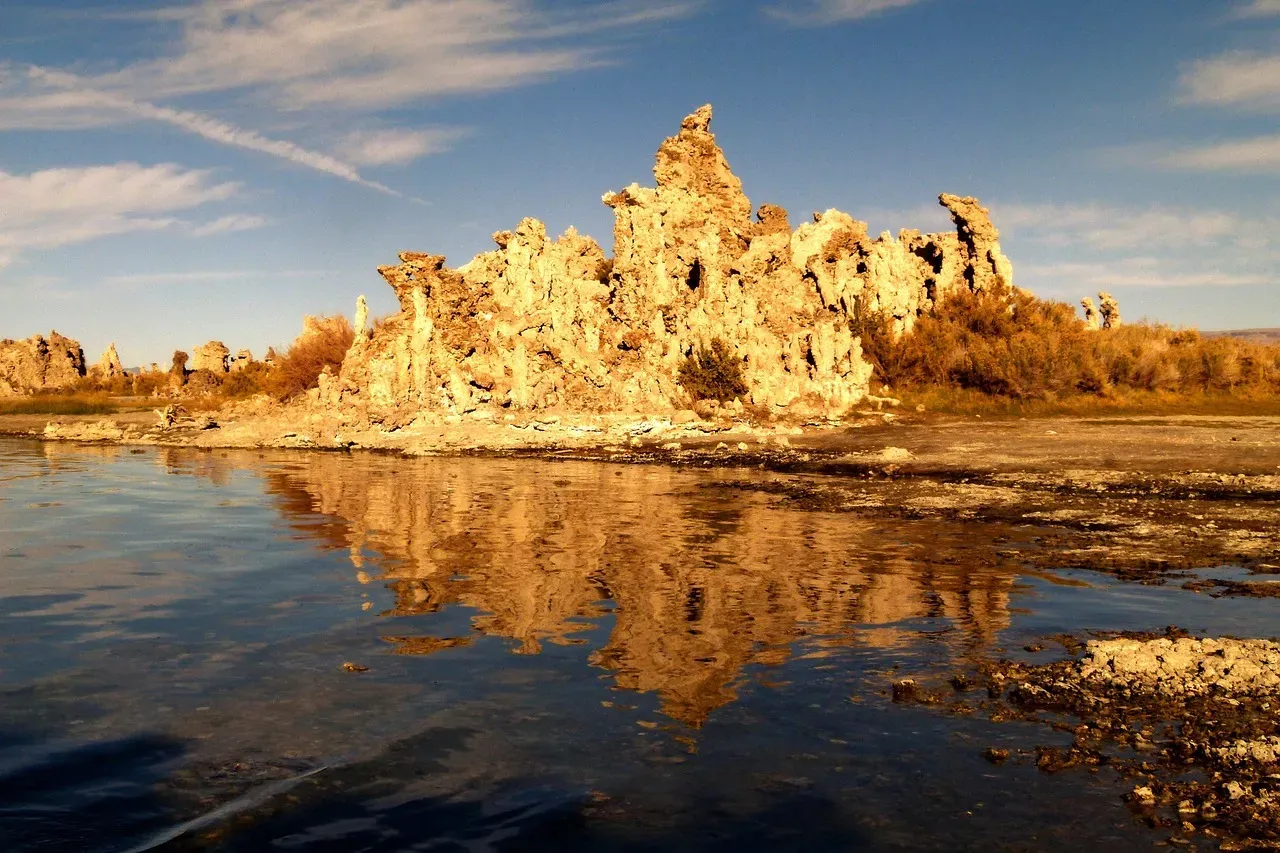
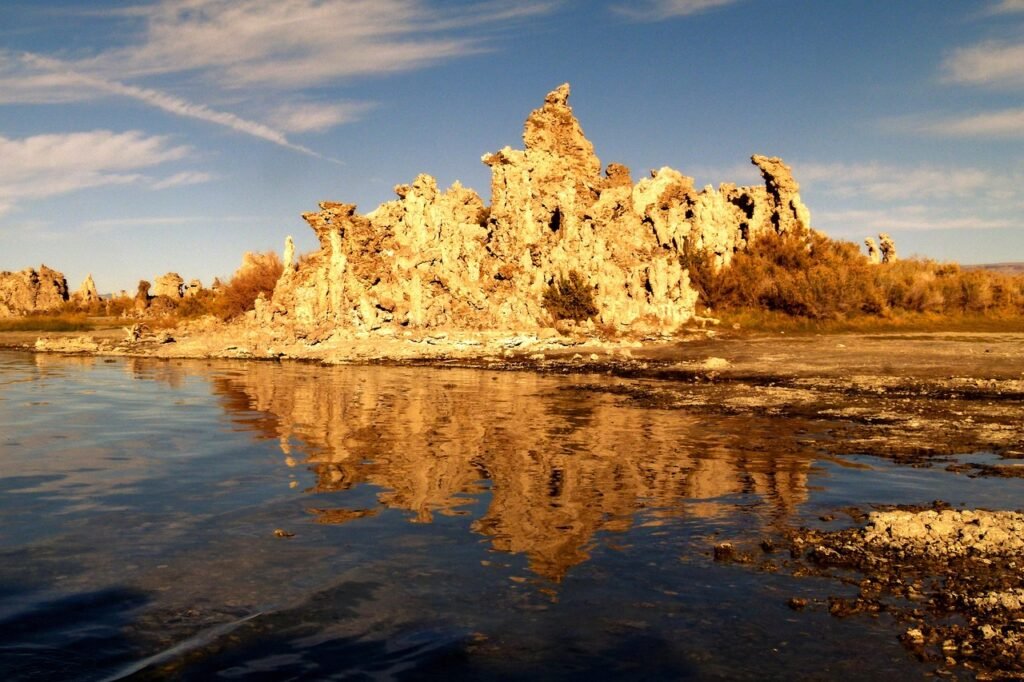
Mono Lake, located in California near Yosemite National Park, is one of North America’s oldest lakes, over a million years old, with a unique environment defined by extreme salinity of 2.5 times that of ocean water. At first glance, California’s Mono Lake seems eerily barren, with twisting limestone pinnacles called tufa towers lining its shores, some reaching heights of over 30 feet, though tufa towers grow only underwater but Los Angeles’ diversion of the lake’s tributary streams beginning in 1941 exposed the gnarled formations.
The towers rise from the lakebed like alien spires or the ruins of some forgotten civilization. They formed underwater as calcium from springs mixed with carbonates in the lake water, building up around the springs. Now exposed to air, they stand as monuments to geological processes. The stark landscape has an apocalyptic beauty that makes photographers return again and again.
Deadvlei, Namibia
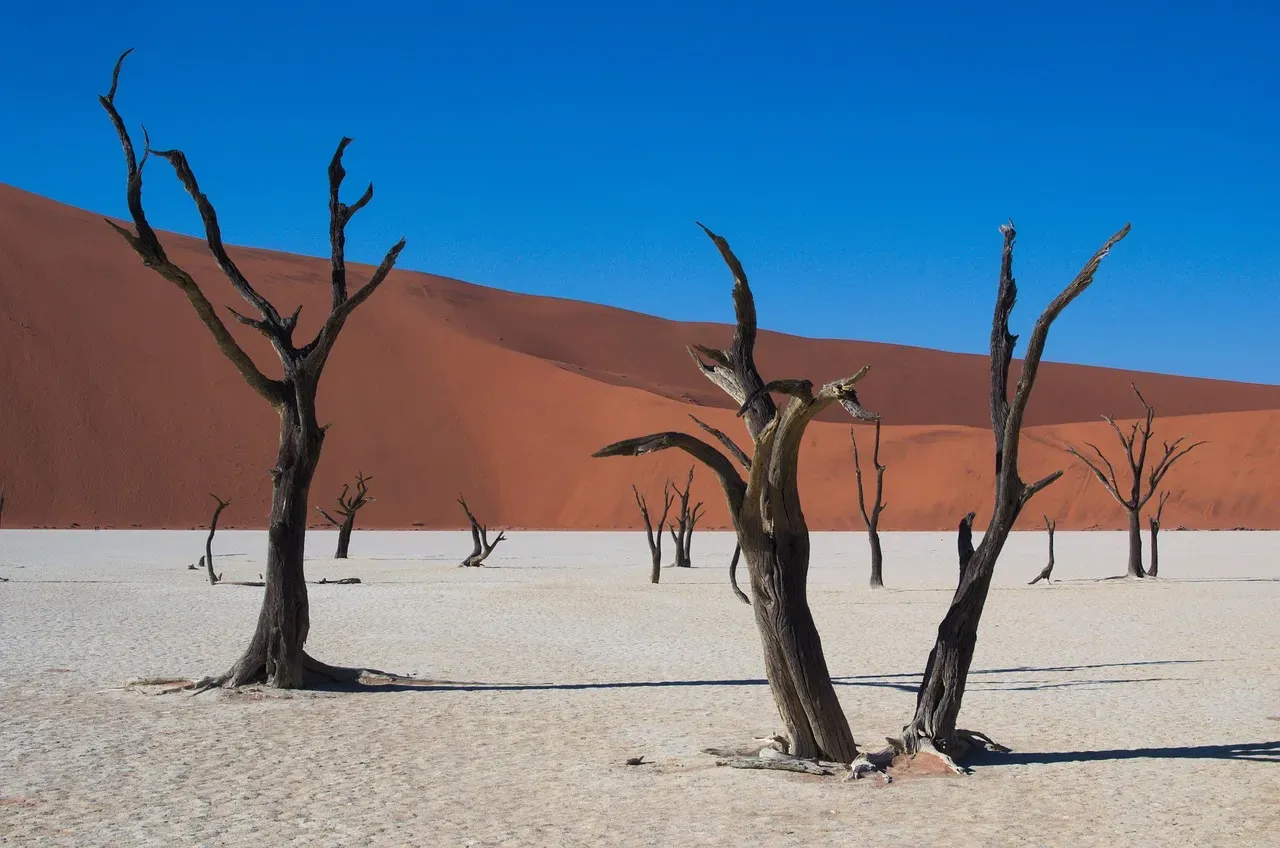
The eerie vibe of Deadvlei, Namibia, is unlike anywhere else in the world, populated by a stark palette of colors: white clay ground, petrified black camel thorn trees, red sand dunes surrounding the area, and bright blue sky overhead, with Deadvlei translating from Afrikaans as dead marsh and showing no signs of life. The trees remain rather than decomposing due to the region’s extreme aridity, as the Namib Desert is one of the driest places on Earth and Dead Vlei receives almost no rainfall, so without moisture the bacteria and fungi responsible for decomposition are virtually nonexistent, causing the trees to slowly desiccate with their wood becoming hardened and essentially mummified due to the relentless desert heat.
These blackened tree skeletons have stood for roughly 900 years, frozen in time like sculptures. The color contrast hits you viscerally. It’s hard to say for sure, but standing among these dead trees surrounded by towering red dunes creates a haunting beauty that feels more like art installation than nature.
The Wave, Arizona
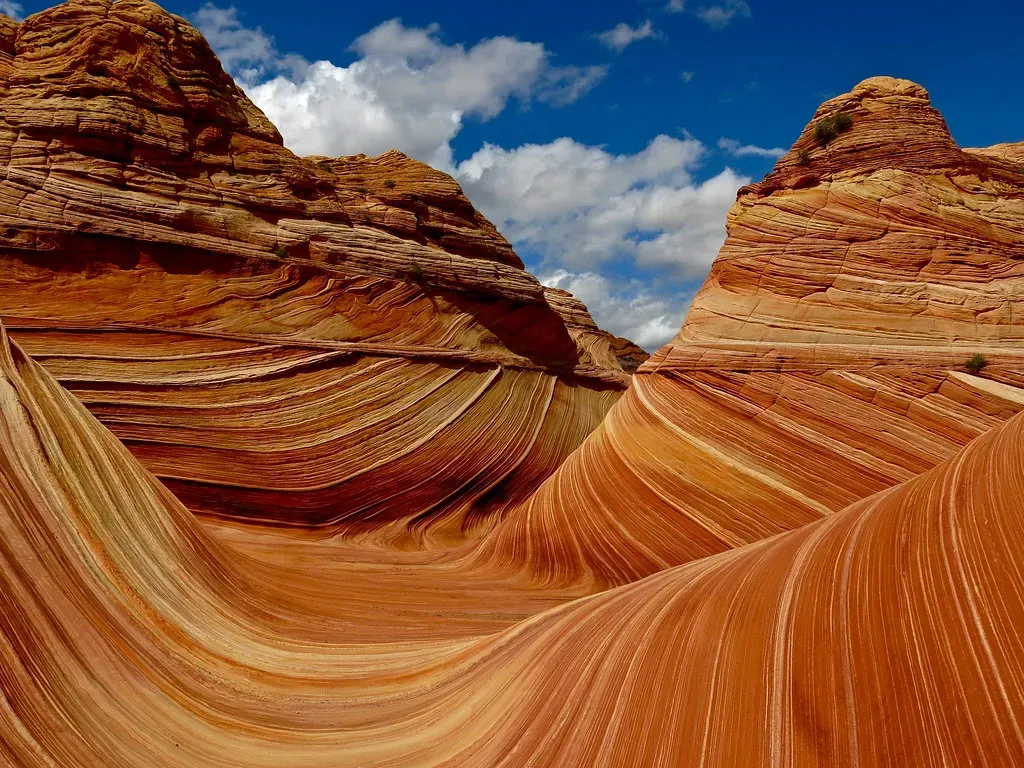
The winding, striped sandstone rock formation known as The Wave is part of the Coyote Buttes on the Arizona-Utah border. Back when dinosaurs roamed Earth, wind blew sand across vast dunes in what is now Arizona, and as winds changed direction, the sand built up one way then another gradually forming rippling cross-bedded layers, with dinosaurs crossing the dunes leaving footprints, and over years water rich with iron and manganese salts cemented the dunes into bright red rocks.
The formation looks like frozen ocean waves made of sandstone. Only 20 people per day can visit via lottery permit because foot traffic threatens these delicate formations. The swirling patterns and vivid reds create photographs that people often accuse of being edited. Yet this is raw geology, captured mid-motion millions of years ago.
Waitomo Glowworm Caves, New Zealand
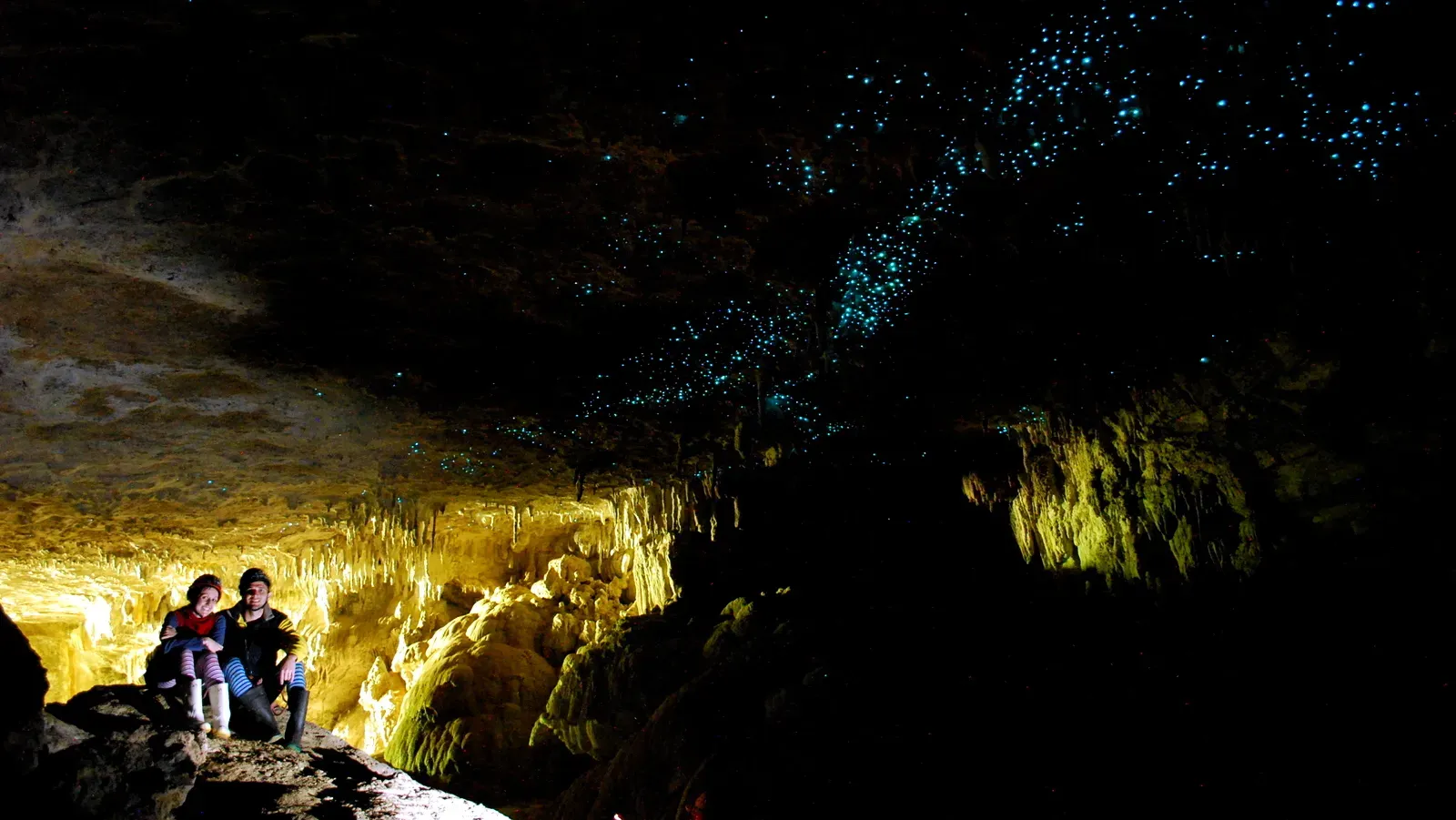
The Waitomo Glowworm Caves are like stepping into another world, imagine floating in a boat navigating through dark caves lit by thousands of tiny worms glowing in blue, as these worms create a surreal blue-green light that feels straight out of a fairytale. These bioluminescent creatures have the nickname glowworm however their official name is Arachnocampa luminosa, and these worm-like creatures live on the ceiling of the Waitomo caves and are the reason the caves are so well known.
Floating through these caves in complete silence while thousands of tiny lights twinkle above you feels like drifting through space. The glowworms are actually larvae that produce light to attract prey into their sticky threads. The effect resembles a starfield, but you’re underground surrounded by limestone formations. Photos barely do justice to the experience.
Door to Hell, Turkmenistan
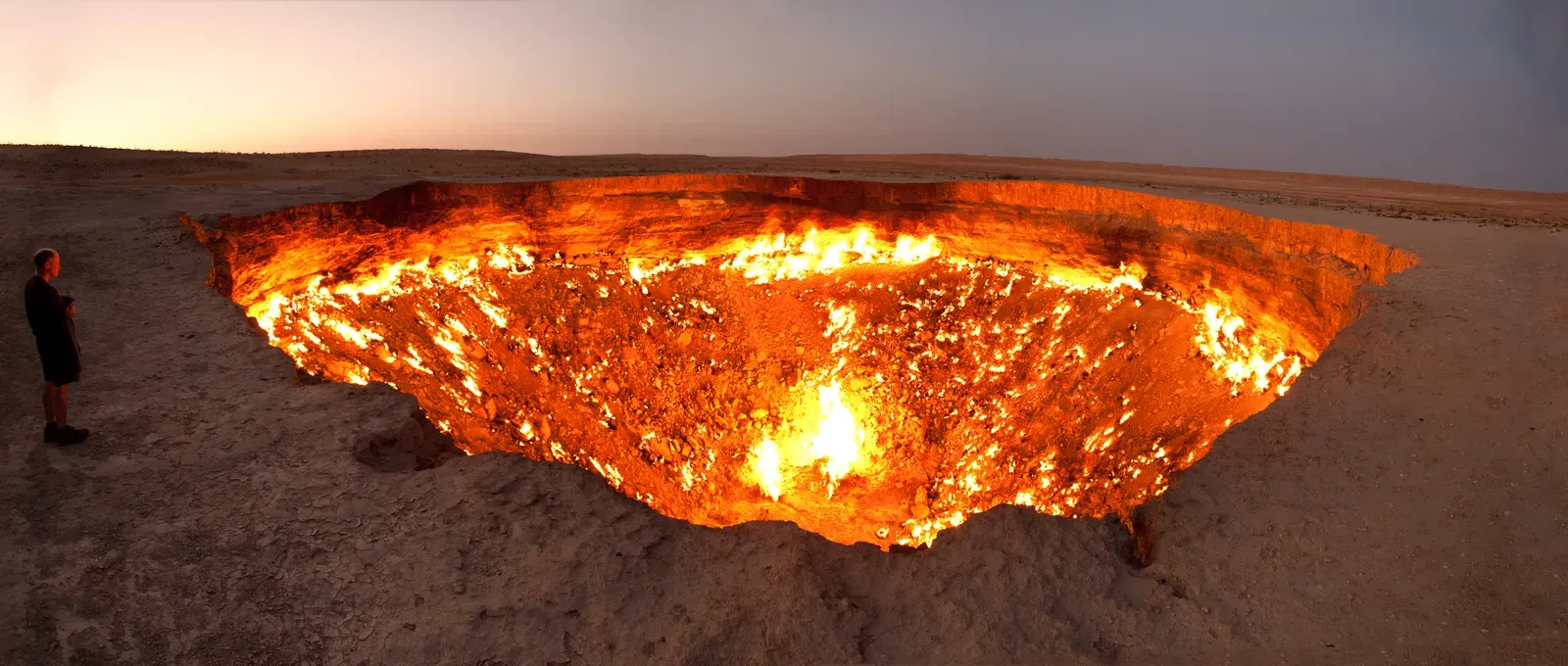
The Door to Hell in Turkmenistan has been burning its flames since 1971 and continues to burn since it was accidentally drilled into by geologists. Hundreds of tourists each year travel to the natural gas field in the village of Derweze to see the astonishing 230-foot-wide crater which once held a Soviet drilling platform, and when the rig collapsed more than 40 years ago, workers set the pit on fire in hopes of avoiding a poisonous gas leak, and it has been burning ever since.
This flaming crater in the Karakum Desert blazes day and night, visible for miles. The Soviets thought the gas would burn out in weeks. They were spectacularly wrong. Now it’s become a bizarre tourist attraction where you can camp near the rim and watch flames dance across the crater floor. The heat is intense and the sight absolutely mesmerizing.
Lake Hillier, Australia
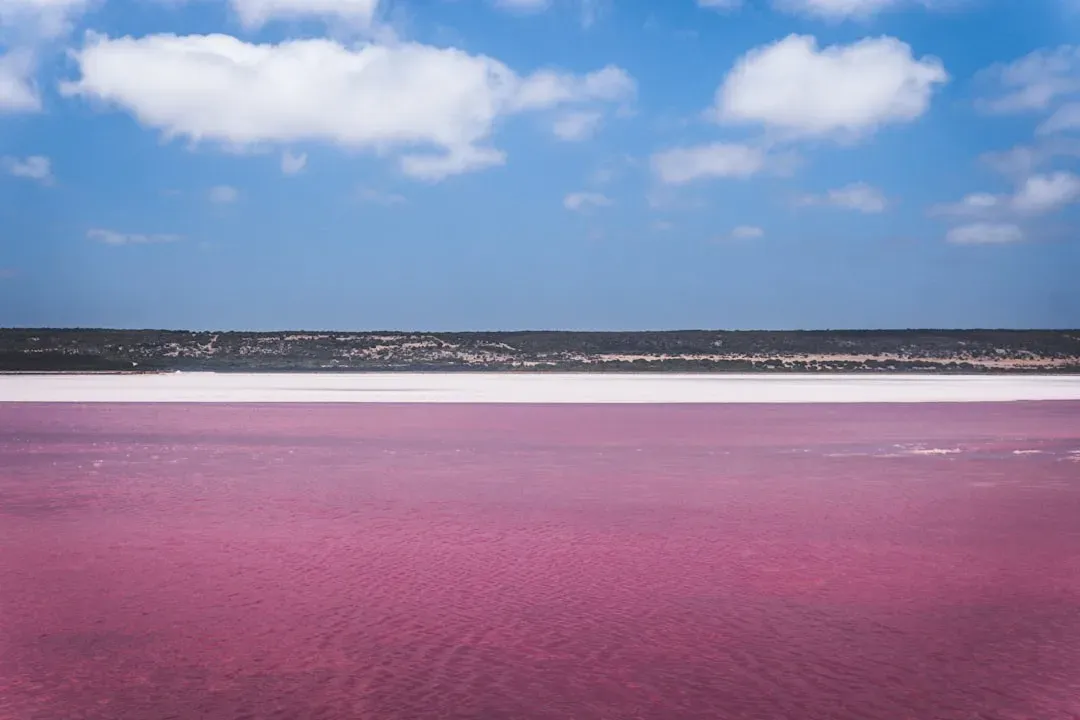
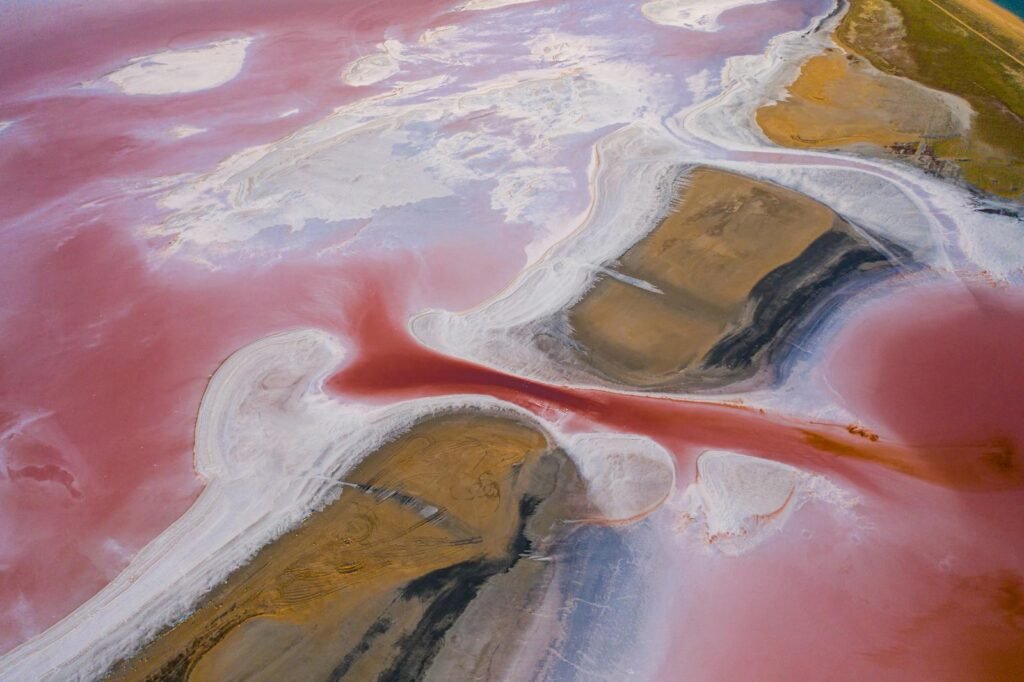
Lake Hillier, located on Middle Island, Western Australia, definitely looks like it belongs on another planet, with the stark contrast between the pink lake, dark blue waters of the Indian Ocean and luscious green forest being remarkable. Scientists are not completely sure how the lake gets its rosy pink hue, though the most likely suspect is the Dunaliella salina microalgae found in the lake which produce carotenoids, a red pigment, but halophilic salt-loving bacteria in the salt crusts may also play a role.
The bubblegum pink water looks photoshopped but it’s genuinely, permanently pink. The mysterious salmon-pink lake is approximately 2,000 feet long and 820 feet wide and is best viewed from the air. Flying over Middle Island and seeing this pink blob surrounded by green forest next to deep blue ocean creates cognitive dissonance your brain struggles to resolve.
Antelope Canyon, Arizona
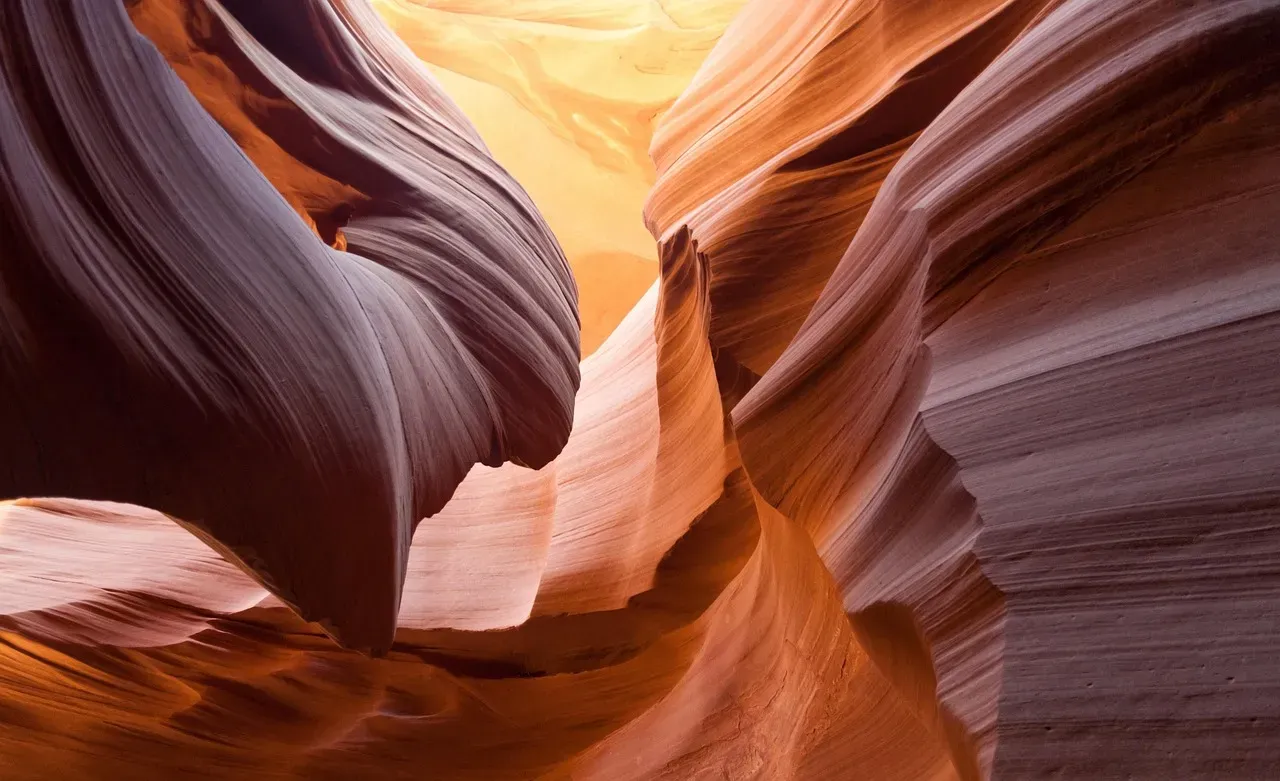
Antelope Canyon, located near Page, Arizona, is the most photographed canyon in the American Southwest, and travelers flock here to capture its masterpiece of colors while admiring its smooth, wave-like texture. The iconic slot canyon is known for its rippling walls and light beams that shine down narrow openings, creating a magical play of light on the orange sandstone walls, and as a spiritual site for the Navajo Nation, you can explore the canyon on guided tours only.
Flash floods carved these narrow passages through Navajo sandstone over millennia. When sunlight pierces the narrow openings above, it creates ethereal beams that illuminate swirling rock patterns. The canyon walls seem to flow like water frozen in stone. Colors shift from deep oranges to purples depending on time of day and season.
Blood Falls, Antarctica
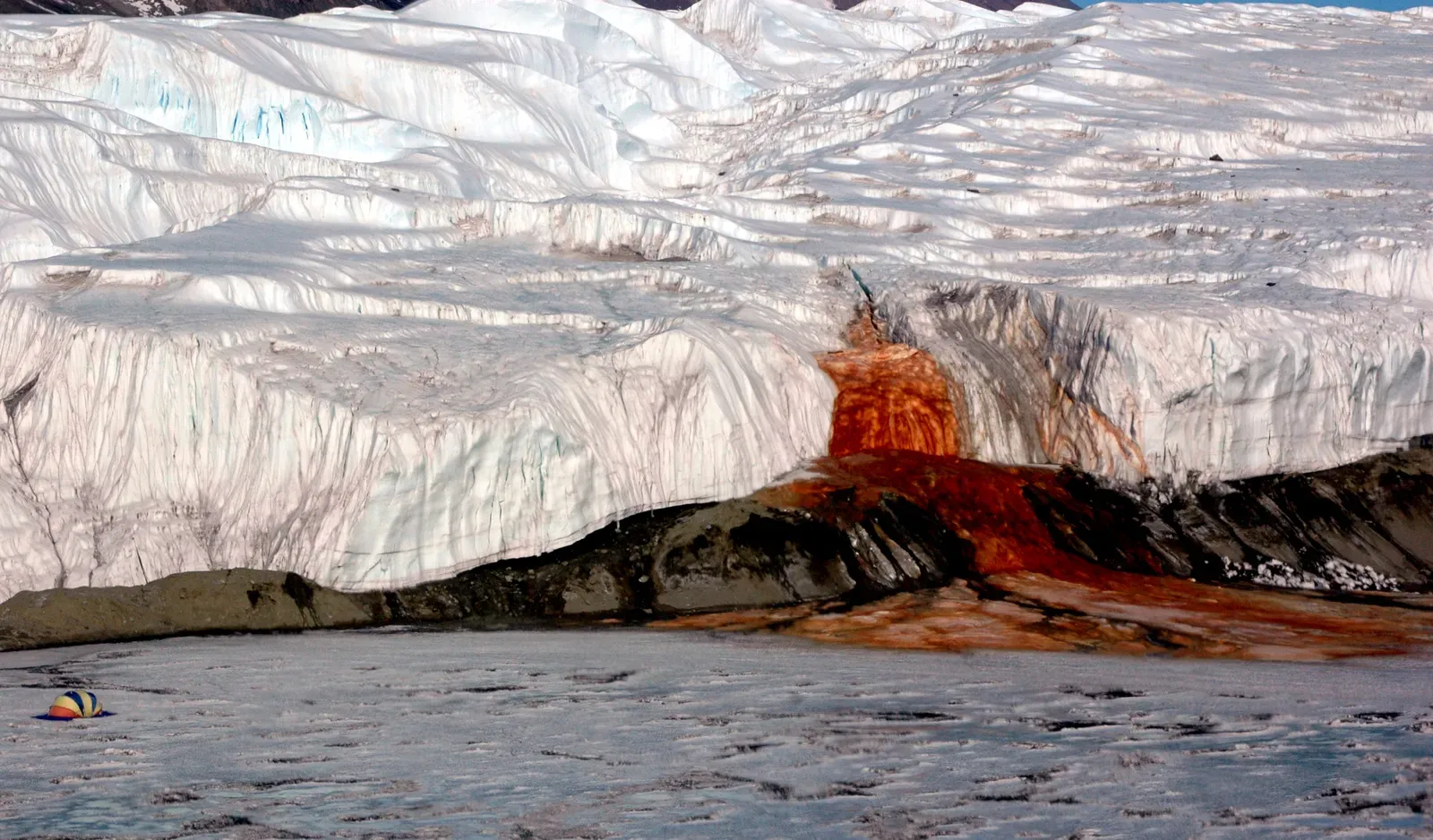
Blood Falls’ grisly appearance comes from its iron-laden waters which rust when they come in contact with the air, reddening the briny outflow as it trickles down Taylor Glacier onto ice-covered West Lake Bonney. What makes Blood Falls truly bizarre are the roughly 17 microbial species trapped beneath Taylor Glacier sans light or nutrients and with almost zero oxygen, and geomicrobiologists have posited that the microbes rely on a metabolic process never before observed in nature: using sulfate as a catalyst to breathe with ferric iron.
This crimson waterfall cascading down white ice looks like Antarctica is bleeding. The iron oxidizes on contact with air, creating the blood-red color. What’s genuinely wild is the ecosystem surviving beneath the glacier in complete darkness, surviving on iron and sulfur compounds. Life finds ways to exist in conditions that should be impossible.
Conclusion
Our planet hides wonders that rival any science fiction landscape. These 15 mysterious destinations prove you don’t need to leave Earth’s atmosphere to experience the truly alien. From acid lakes to rainbow mountains, from glowing caves to burning craters, each location challenges what we think we know about the world beneath our feet.
What strikes you most about these landscapes? Have you visited any of them, or does one call to you more than the others? Tell us in the comments which otherworldly destination you’d explore first.
Jan loves Wildlife and Animals and is one of the founders of Animals Around The Globe. He holds an MSc in Finance & Economics and is a passionate PADI Open Water Diver. His favorite animals are Mountain Gorillas, Tigers, and Great White Sharks. He lived in South Africa, Germany, the USA, Ireland, Italy, China, and Australia. Before AATG, Jan worked for Google, Axel Springer, BMW and others.