Have you ever wondered what secrets our planet still holds? Even in 2025, with all our advanced technology and scientific knowledge, there are locations around the world that continue to baffle experts and leave us scratching our heads in wonder. These aren’t just old ruins or unusual geological formations. They’re places that challenge what we thought we understood about ancient civilizations, human capabilities, and the natural world itself.
From massive stone structures built when humans supposedly couldn’t build such things to natural phenomena that seem to defy physics, our Earth guards mysteries that have resisted explanation for centuries. Some of these enigmatic sites were created by people who left no written records, while others appeared through processes scientists still debate. Let’s be real: the more we study them, the more questions seem to emerge. Ready to discover some places that’ll make you question everything? Let’s dive in.
The Nazca Lines: Desert Drawings Visible Only from the Sky
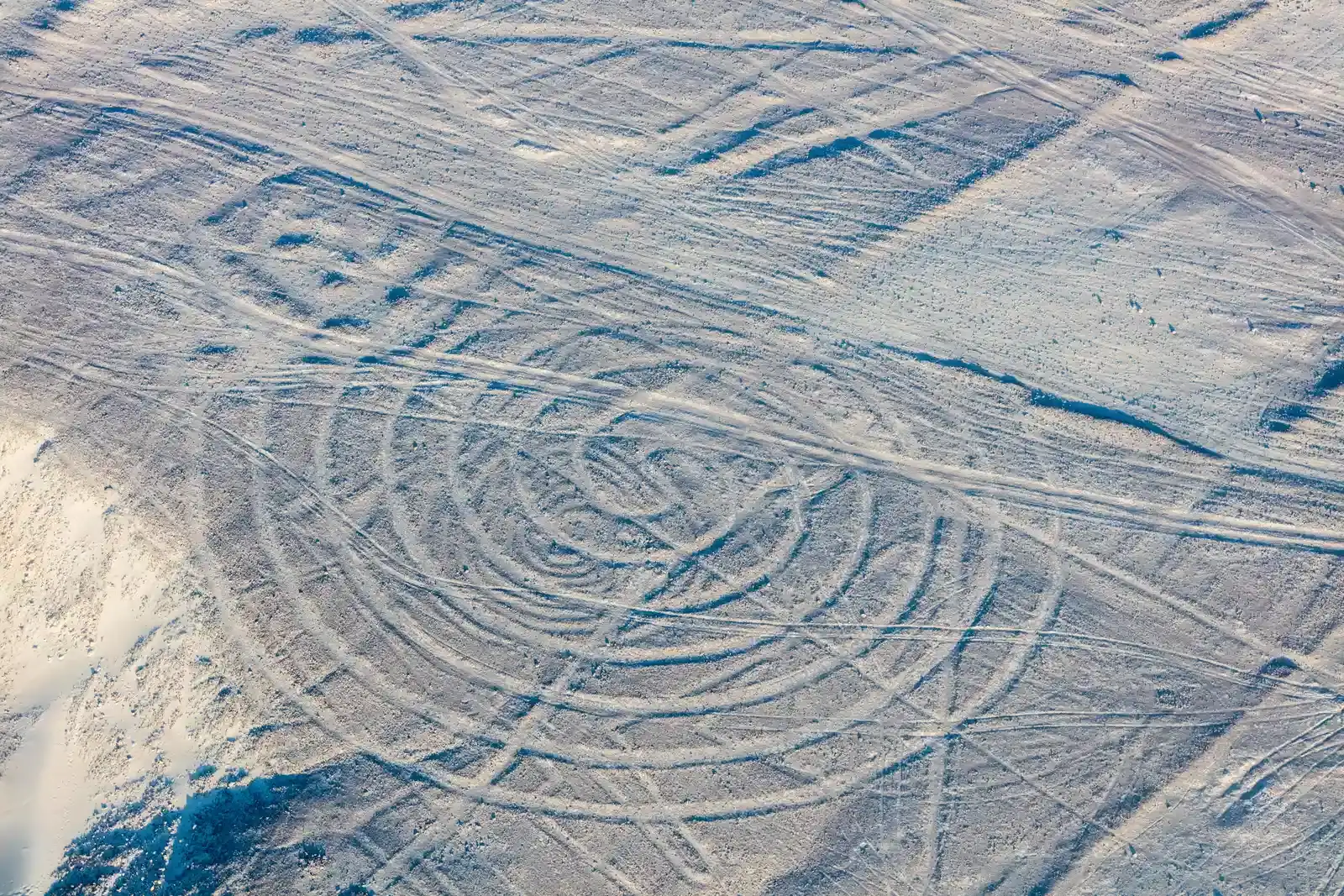
You’re standing in the middle of Peru’s coastal desert, surrounded by nothing but rocks and sand. What you don’t realize is that you’re walking across a gigantic drawing that’s been there for roughly two thousand years. The Nazca Lines are a group of over 700 geoglyphs made in the soil of the Nazca Desert in southern Peru, created between 500 BC and 500 AD by people making depressions or shallow incisions in the desert floor. The really mind-bending part? In total, there are over 800 straight lines, 300 geometric figures and 70 animal and plant designs, and many of them only make sense when viewed from hundreds of feet in the air.
Here’s the thing that keeps scientists up at night: why would ancient people create enormous images of spiders, monkeys, and hummingbirds that they could never properly see themselves? Modern researchers discovered that the straight lines and trapezoids are related to water but not used to find water, rather used in connection with rituals, with the rituals likely involved with the ancient need to propitiate or pay a debt to the gods, probably to plead for water. The region receives barely any rainfall each year, making water sacred. Still, some experts think they were astronomical markers, others believe they were ceremonial pathways, and some propose they served as an ancient communication system. What we do know is that the dry climate has preserved these fragile lines for centuries, but their true purpose? That remains one of archaeology’s greatest puzzles.
Göbekli Tepe: The Temple That Shouldn’t Exist
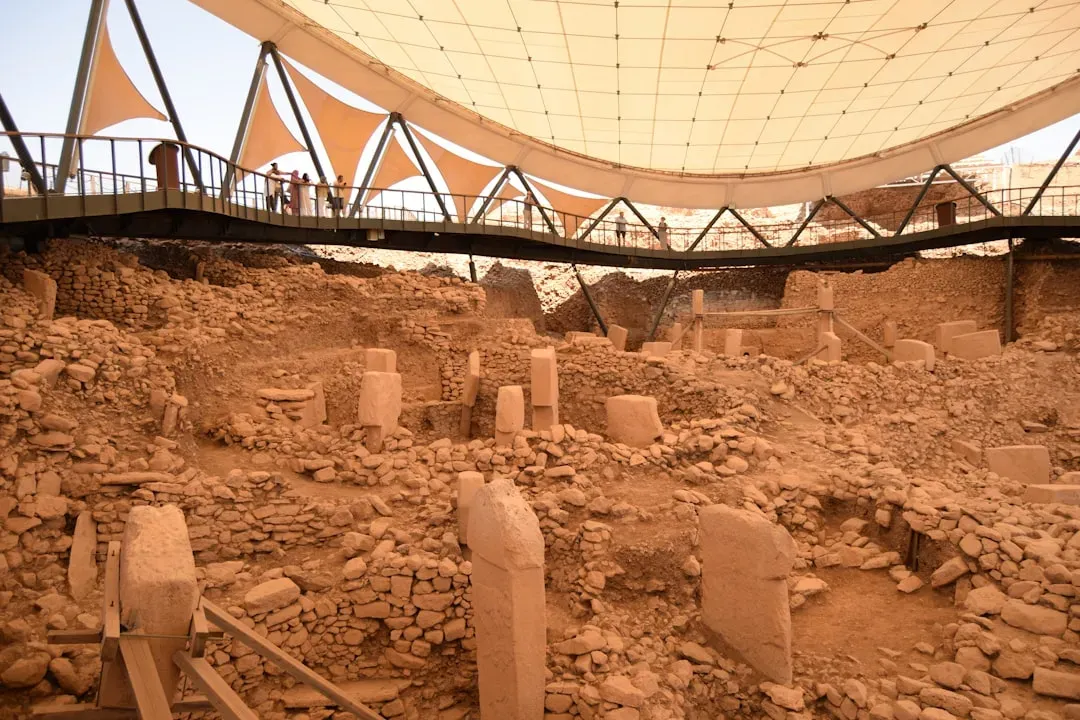
Picture this: around 11,500 years ago, long before humans supposedly organized into complex societies, someone built a massive temple complex on a hilltop in what is now Turkey. The settlement was inhabited from around 9500 BCE to at least 8000 BCE, during the Pre-Pottery Neolithic, and it is known for its circular structures that contain large stone pillars. Let that sink in for a moment. These people hadn’t invented pottery yet, didn’t have metal tools, and weren’t even farming. Yet somehow they quarried, transported, and erected stones weighing up to 50 tons, carved them with intricate images of animals, and arranged them in precise geometric patterns.
No definitive purpose has been determined for the megalithic structures, which have been popularly described as the world’s first temples. The discovery completely flipped our understanding of human history on its head. Archaeologists always believed you needed agriculture and settled communities before you could build monuments, but Göbekli Tepe suggests maybe it worked the other way around. It is unknown why the existing pillars were buried every few decades to be replaced by new stones as part of a smaller, concentric ring inside the older one. Some think it was a ceremonial gathering place for nomadic tribes, others suggest it marked the transition from hunting to farming, and a few even speculate about astronomical purposes. Whatever its function, this place rewrites the rulebook on ancient civilizations.
Stonehenge: England’s Prehistoric Puzzle
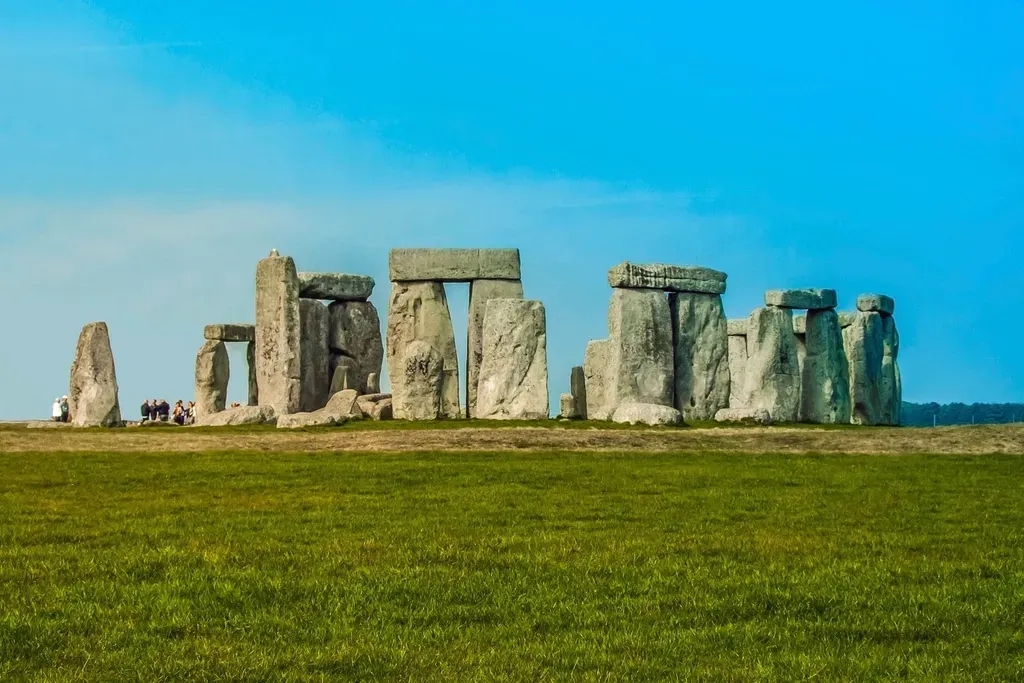
One of England’s more famous landmarks, the prehistoric wonder that is Stonehenge, remains as mysterious as the first day it was ever recorded by Roman chroniclers, with historians generally agreeing that early Britons constructed Stonehenge sometime 5,000 years ago. Those massive bluestone pillars? They came from Wales, roughly 150 miles away. Think about that for a second. People with no wheels, no machinery, and no modern equipment somehow moved stones weighing several tons across rivers, valleys, and hills.
It has never been clear as to why the structure was ever made. Was it an astronomical observatory tracking solstices and equinoxes? A healing temple where the sick came seeking miracles? A burial ground for elite members of society? Honestly, it’s hard to say for sure. The site shows evidence of cremation burials, alignment with celestial events, and centuries of modification and use. Recent excavations keep uncovering new clues, but they often raise more questions than answers. The engineering prowess required to build it is impressive enough, but the fact that ancient Britons considered it important enough to maintain for over a thousand years suggests it held profound significance we may never fully grasp.
The Stone Spheres of Costa Rica: Perfect Balls of Mystery
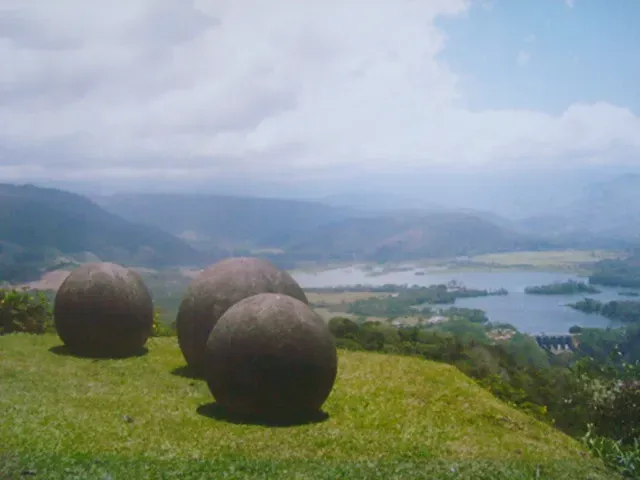
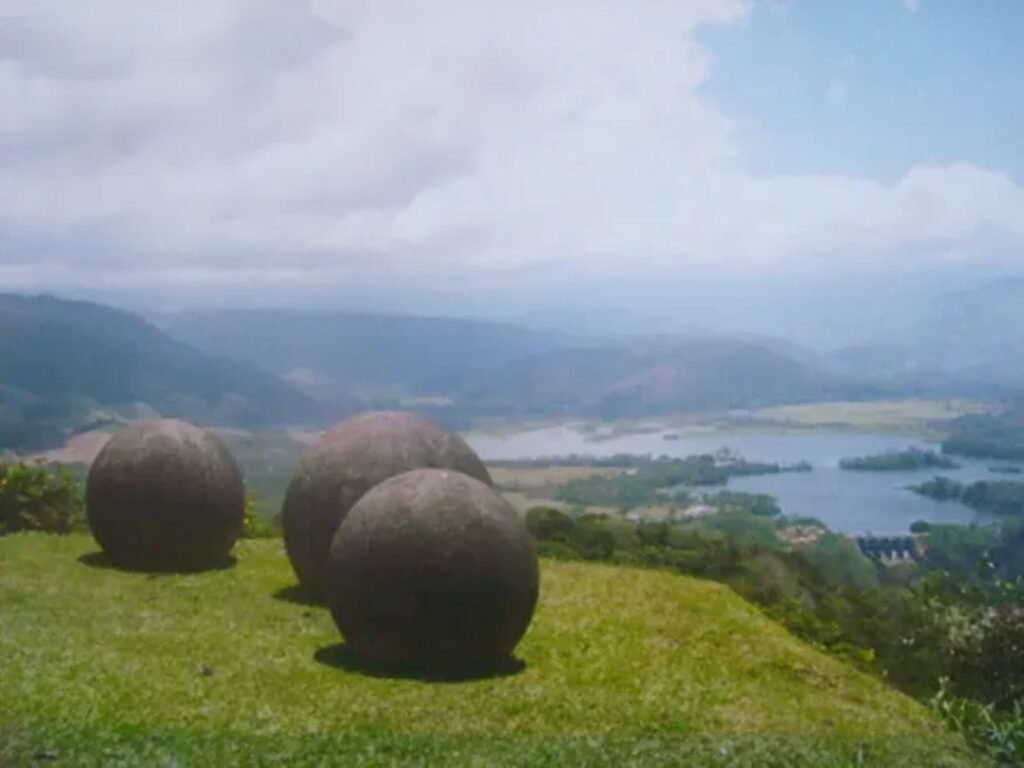
Deep in the jungles of Costa Rica, workers clearing land in the 1930s stumbled upon something utterly bizarre: hundreds of nearly perfect stone spheres, some weighing as much as 16 tons. Archaeologists have found hundreds of the gabbro-formed balls since the workers first stumbled across them, and they now believe that the mysteriously smooth rocks were handmade by the pre-Columbian cultures of Costa Rica. The precision is stunning. These aren’t just round rocks; they’re spheres so carefully crafted that some deviate from perfect roundness by only a few millimeters.
The reason for the spheres, however, remains an unanswered question, with some theories speculating that tribal leaders commissioned them to display their group’s crafting skills, while others suggest they were a symbol of wealth in the village. What really gets me is how they managed to create such geometric perfection without modern tools or measurement devices. Were they symbols of power? Astronomical markers? Territorial boundaries? We may never know. Many of the spheres have been moved from their original locations, destroying potentially valuable archaeological context. They stand as a testament to a vanished culture’s skill and purpose we can only guess at.
The Bermuda Triangle: Where Ships and Planes Vanish
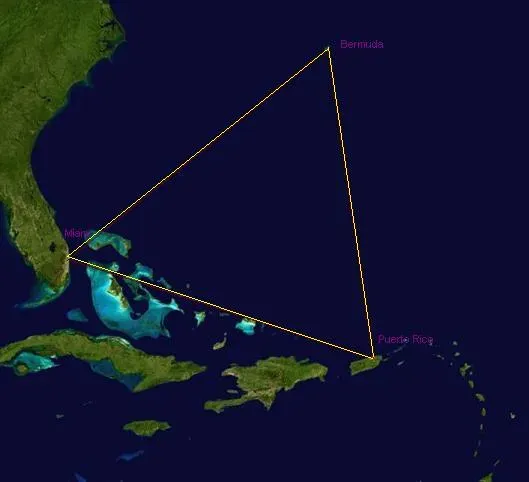
You’ve probably heard of this one. Also known as the Devil’s Triangle, this triangular region of the North Atlantic Ocean lies between Florida, Bermuda, and Puerto Rico and has a reputation for unexplained or mysterious disappearances of ships and aircraft since World War II. Dozens of vessels and planes have reportedly gone missing in these waters under circumstances that seem to defy easy explanation. Instruments malfunction, communications cut out, and sometimes entire craft simply vanish without a trace.
While some believe rogue waves or magnetic anomalies are to blame, no single explanation accounts for all the vanishings. Skeptics point out that the Bermuda Triangle is one of the busiest shipping lanes in the world, so statistically, more accidents should happen there. Others note that many disappearances can be explained by bad weather, human error, or equipment failure. Yet some cases remain genuinely puzzling, with experienced pilots and sailors disappearing in good conditions. The truth probably lies somewhere between mundane explanations and the genuine mysteries of how unpredictable our oceans can be.
The Hessdalen Lights: Norway’s Unexplained Sky Show
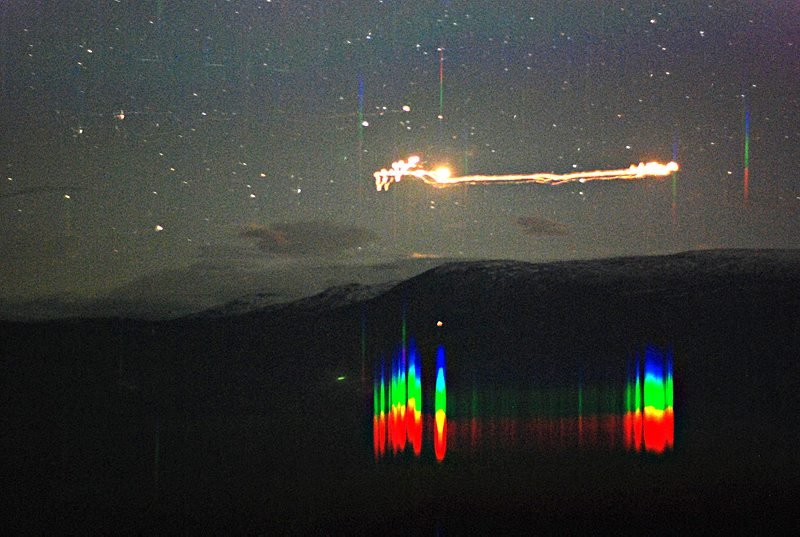
In the small, central Norwegian town of Hessdalen, people have witnessed hundreds of strange lights where only stars should be, with the lights randomly illuminating the night sky and sometimes appearing as big as a car, remaining for as long as a few hours. What makes this particularly fascinating is that these aren’t just stories from the past. The phenomenon continues today and has been documented by multiple scientific research teams.
This remote valley in Norway experiences strange, glowing lights that appear without warning, and unlike ordinary auroras, these lights hover, move unpredictably, and have even been studied by scientists, yet their origin remains unexplained. Researchers have set up automated monitoring stations, recorded the lights on camera, and measured their electromagnetic signatures. Theories range from ionized gas particles to geological factors creating plasma, but nothing fully explains the variety and behavior of these lights. Some appear and disappear in seconds, others drift slowly across the valley for hours. It’s one of the few genuinely unexplained natural phenomena that scientists can actually study in real time, yet it keeps its secrets stubbornly hidden.
The Fairy Circles of Namibia: Patterns in the Desert
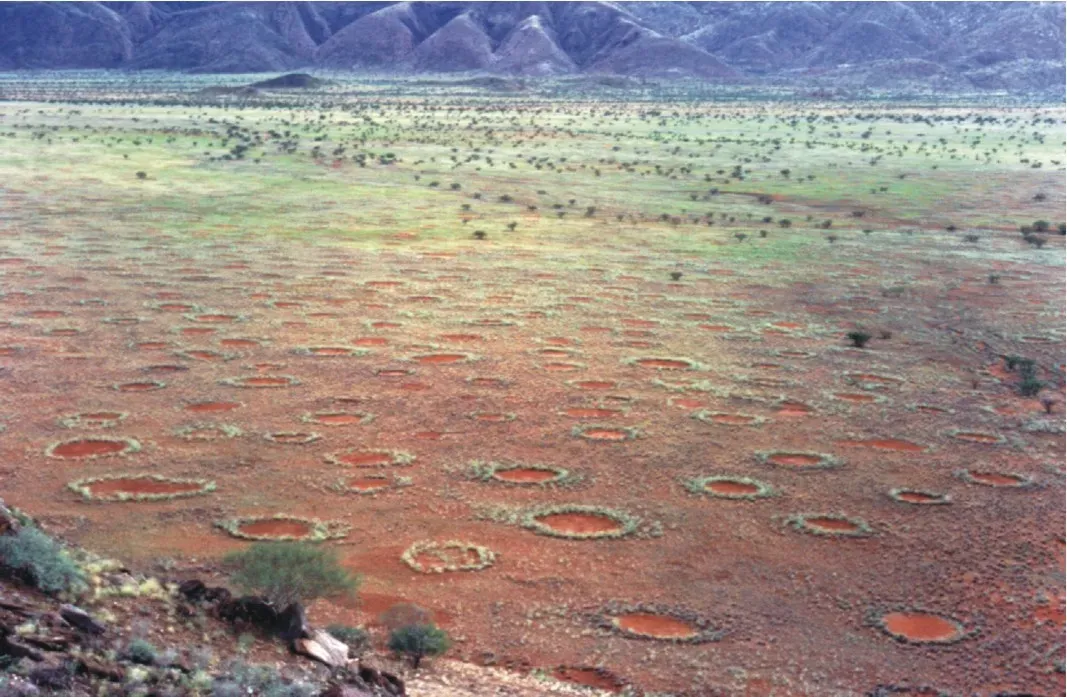
In the grasslands of southern Africa’s Namib Desert, a series of unexplained fairy circles have baffled scientists for years, with short grasses ringing the barren, circular patches that range from 10 to 65 feet in diameter, with thousands of these mysterious rings stretching out over hundreds of miles of desert. From the air, they look like some giant’s polka-dot pattern stamped across the landscape. Up close, they’re even stranger: perfectly circular bare spots surrounded by healthy grass in an otherwise harsh environment.
Some say termites formed the fairy circles by clearing the vegetation around their underground habitat in order to create natural rainwater reservoirs, while others believe plants caused the circles by competing for much-needed water, yet what they can’t explain is why the pattern of the circles is so regular, as the rings appear in an evenly spaced arrangement. Some scientists think both theories might be correct, working together. The regularity is what really puzzles experts, because nature rarely creates such uniform spacing without some organizing principle at work. They appear, persist for decades, then vanish and reform elsewhere following patterns nobody quite understands.
Devil’s Kettle Falls: Where Half a River Disappears
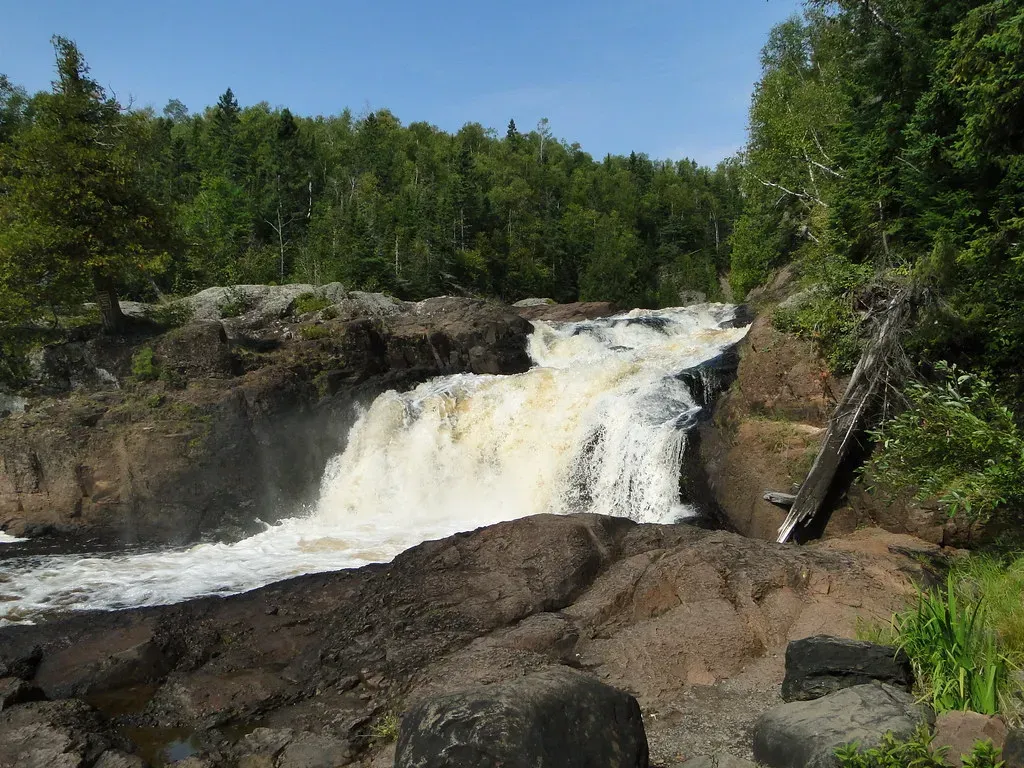
The waterfall with the funny name, Devil’s Kettle, is located in Minnesota and is one of the most mysterious places on earth, as this waterfall takes half the current of the river into the unknown, with it dividing into two streams at a certain place, where one stream goes straight into the upper bole, and the second is unclear as to where it goes. Imagine watching a river split in two, with one half tumbling normally over the falls while the other half plunges into a hole in the rock and simply vanishes.
Scientists do not understand exactly where the streams end and where the water gets to. People have thrown ping-pong balls, dye, and all sorts of tracers into the hole hoping to see where they emerge. Nothing has ever been recovered. The prevailing theory now is that the hole eventually reconnects with the main river somewhere underwater, but for years this was a complete mystery. It’s the kind of place that reminds you how little we sometimes understand about what’s literally right beneath our feet. The Earth still has hidden plumbing we’re only beginning to map.
Movile Cave: Life in Complete Darkness
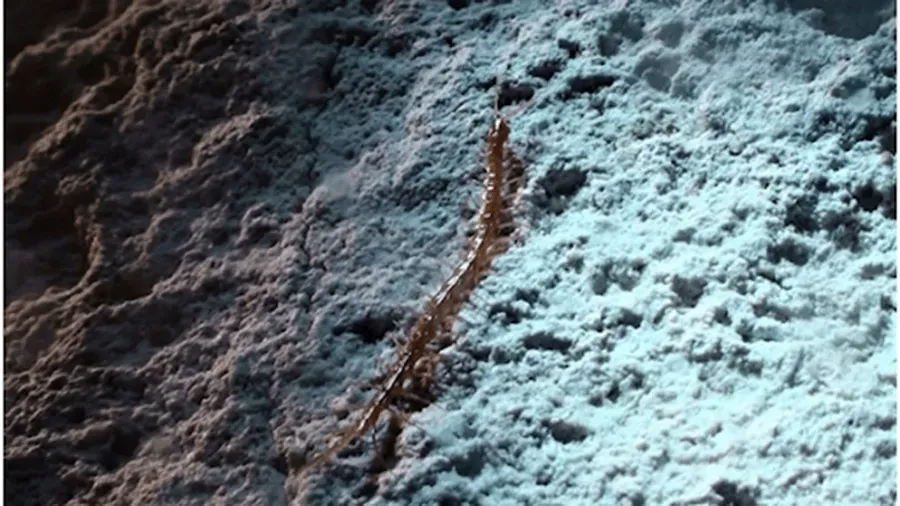
In southeastern Romania, Movile Cave remained sealed in complete darkness for an astonishing 5.5 million years, and once opened, scientists discovered a unique ecosystem thriving within, including 33 species found nowhere else on Earth. This isn’t just an interesting cave. It’s a completely isolated ecosystem that evolved separately from the rest of the planet for millions of years, sustained by chemical reactions rather than sunlight.
The cave’s toxic air, rich in hydrogen sulfide and carbon dioxide, is unlike anything found on the surface. The creatures living there survive through chemosynthesis instead of photosynthesis, getting their energy from sulfur-based chemicals. It’s basically an alien world right here on Earth. Scientists study Movile Cave to understand how life might exist on other planets with harsh, sunless environments. The fact that such a complex ecosystem could develop and thrive in total isolation challenges our assumptions about what life needs to survive. How many other hidden biospheres might exist beneath our feet, still waiting to be discovered?
Sacsayhuamán: Incan Walls That Fit Like Puzzles
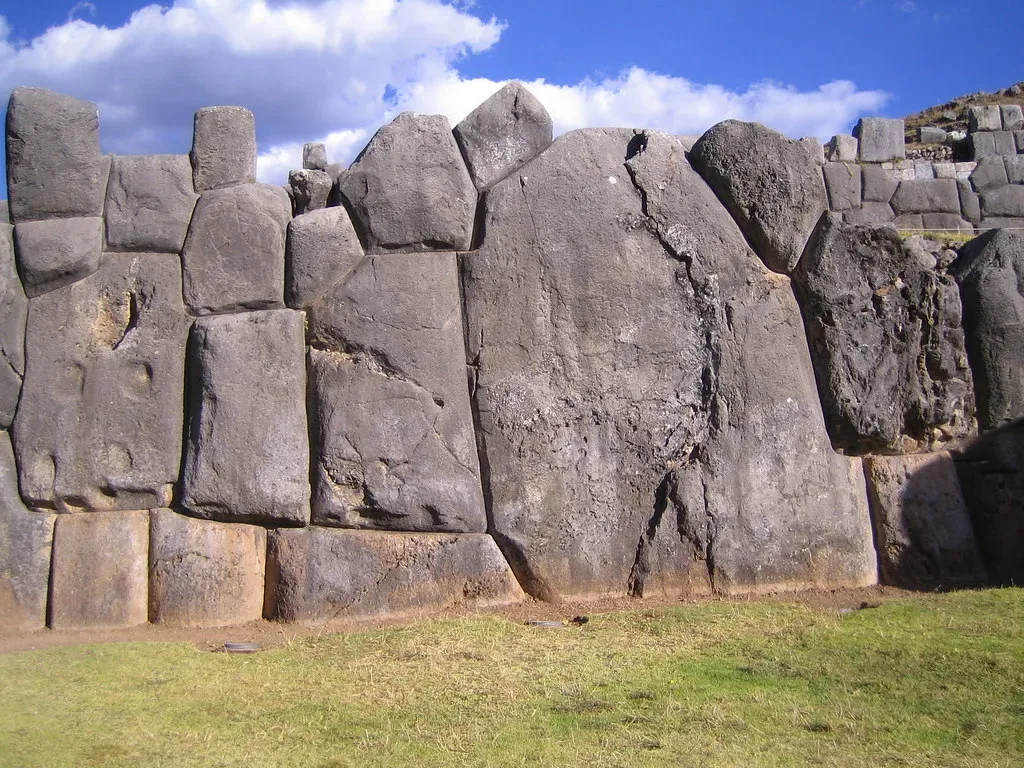
Sacsayhuamán is the name given to a massive Incan stone structure that was built in the mountains of Peru, with its exact date of construction not clear, as some ascertain that it was built in the 14th century, but others suggest it was much earlier. The stonework is absolutely mind-blowing. Massive boulders, some weighing over 100 tons, are fitted together so precisely that you can’t slide a knife blade between them. No mortar, no cement, just stone against stone with such perfection that the walls have survived centuries of earthquakes that destroyed other buildings.
Many questions surround the Incans’ stone structure in Cusco, Peru, as it was initially thought to be a fortress, but later evidence suggested it was used for ceremonies. The stones have irregular shapes with dozens of angles, yet somehow they interlock perfectly like some impossible three-dimensional jigsaw puzzle. How did the Incas shape these massive rocks with such precision using only bronze tools and stone hammers? How did they transport them up mountain slopes? The engineering knowledge required seems almost supernatural. Modern stonemasons admit they’d struggle to replicate this work even with power tools and computer modeling.
Conclusion: The Earth’s Enduring Secrets
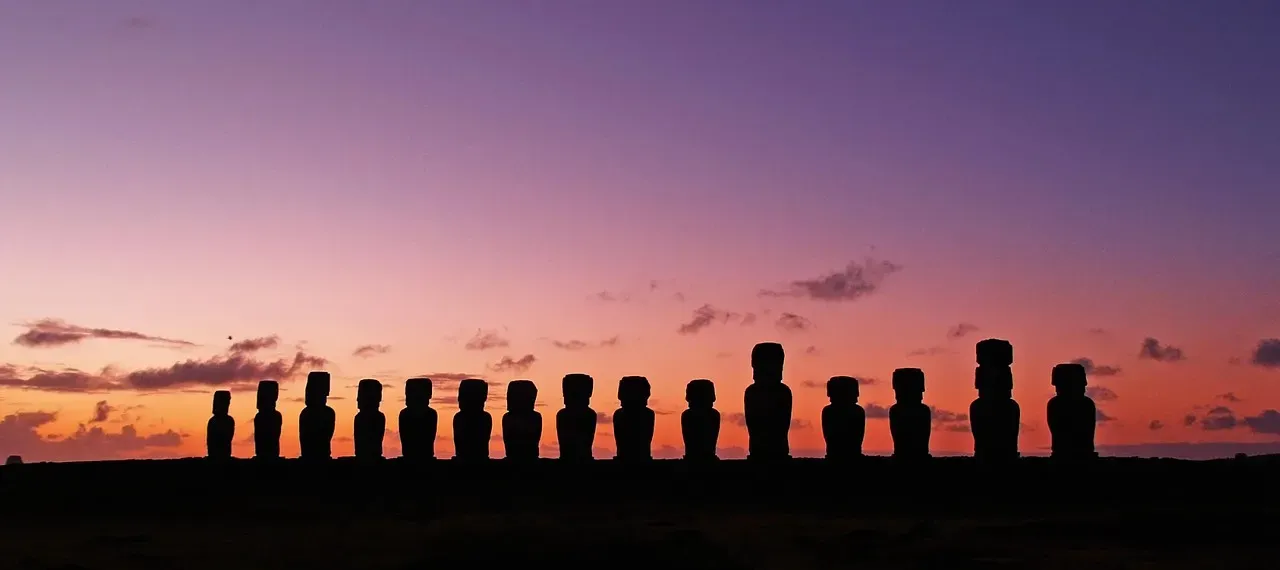
Standing at these mysterious places, you can’t help but feel humbled by how much we still don’t know. Our ancestors accomplished feats we struggle to explain even with all our modern technology and scientific understanding. These ten locations represent just a fraction of Earth’s unexplained wonders, each one challenging our assumptions about ancient capabilities, natural processes, and the very history of human civilization.
Perhaps that’s what makes these mysteries so captivating. They remind us that despite satellites, ground-penetrating radar, DNA analysis, and supercomputers, our planet still guards its secrets jealously. Each new discovery seems to raise two more questions. Maybe future technology will finally unlock these puzzles, or perhaps some will remain forever enigmatic, testament to knowledge and purposes lost to time.
What strikes me most is how these places connect us to people thousands of years gone who looked at the same stars, walked the same earth, and left behind questions that echo across millennia. They built, carved, and created things that still make us wonder why. In a world where we often feel like everything has been mapped and explained, these mysterious places offer something precious: genuine wonder and the thrilling possibility that the past still has surprises waiting to be discovered.
What do you think about these unexplained mysteries? Which one fascinates you the most?