
Across the United States, animals are quietly rewriting the rules of survival as the climate warms, storms intensify, and seasons slip out of sync. Biologists tracking everything from backyard birds to deep-sea corals are watching a slow-motion upheaval that rarely makes headlines but is already reshaping ecosystems. The story is not just about polar bears on distant ice, but salmon in the Pacific Northwest, fireflies in Appalachian forests, and even the squirrels in your local park. Some species are adapting in ingenious ways; others are hitting biological dead ends. The mystery now is not whether climate change is altering American wildlife, but how far those changes will ripple – and whether we will act in time to soften the blow.
The Hidden Clues: Animals Are Moving the Map of the United States
One of the clearest fingerprints of climate change on wildlife in the US is geographic reshuffling: animals are literally redrawing the map. As average temperatures climb, many species are creeping northward or climbing to higher elevations in search of cooler conditions. Birders in New England now routinely spot species that once stuck to the Southeast, while some high-elevation mammals in the Rockies are getting squeezed onto shrinking “islands” of habitat. Scientists call this a range shift, but on the ground it looks like ecological musical chairs – except the music is heat, and not every species finds a new seat.
Long-term datasets, some stretching back several decades, show that many North American bird species have shifted their winter ranges north by dozens of miles. Small mammals, insects, and even freshwater fish are showing similar patterns, particularly in regions where warming has been fastest. Yet this movement is not uniform or simple; some species are blocked by cities, highways, or farms, turning natural responses into risky gambles. The hidden clue for many researchers is that where animals live is no longer a stable fact, but a moving target that could scramble predator–prey relationships and upend conservation plans built on older maps.
Seasonal Whiplash: When Migration and Breeding Fall Out of Sync
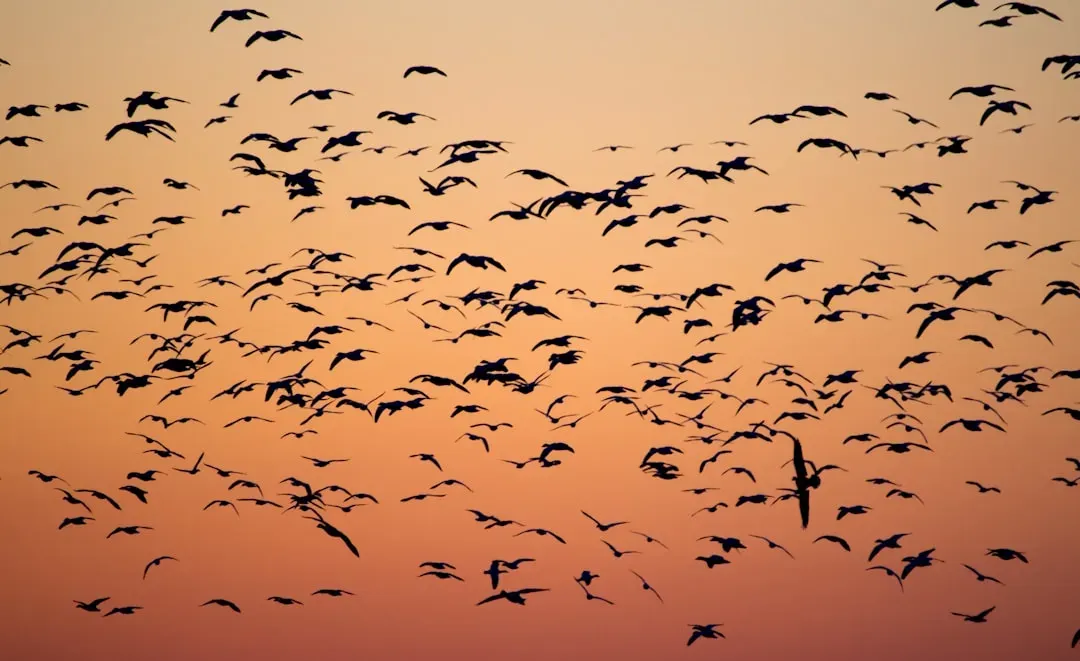
Wildlife depends on timing in a way most of us rarely think about: arriving at the right place in the right week can mean the difference between thriving and starving. Climate change is shifting the timing of spring and fall, causing plants to leaf out earlier, insects to hatch sooner, and snowmelt to rush off mountains weeks ahead of historical norms. Many migratory birds still cue their journeys off day length, which does not change, while their food sources respond to temperature, which is changing rapidly. The result is a growing mismatch, like showing up to a banquet after the tables have already been cleared.
Biologists have documented several species of songbirds arriving on their US breeding grounds to find the peak of insect abundance already past. In some cases, chicks hatch into landscapes where food is scarcer, and even small drops in survival can add up over generations. Similar problems are emerging for species like caribou farther north, whose calving used to align with the greenest plants but now can miss that window. This seasonal whiplash does not always lead to immediate collapse, which makes it deceptively easy to ignore. Yet over time, the steady erosion of “perfect timing” may be one of the most powerful ways climate change reshapes animal populations.
From Coral Reefs to Kelp Forests: Ocean Heat Waves Hit American Coasts
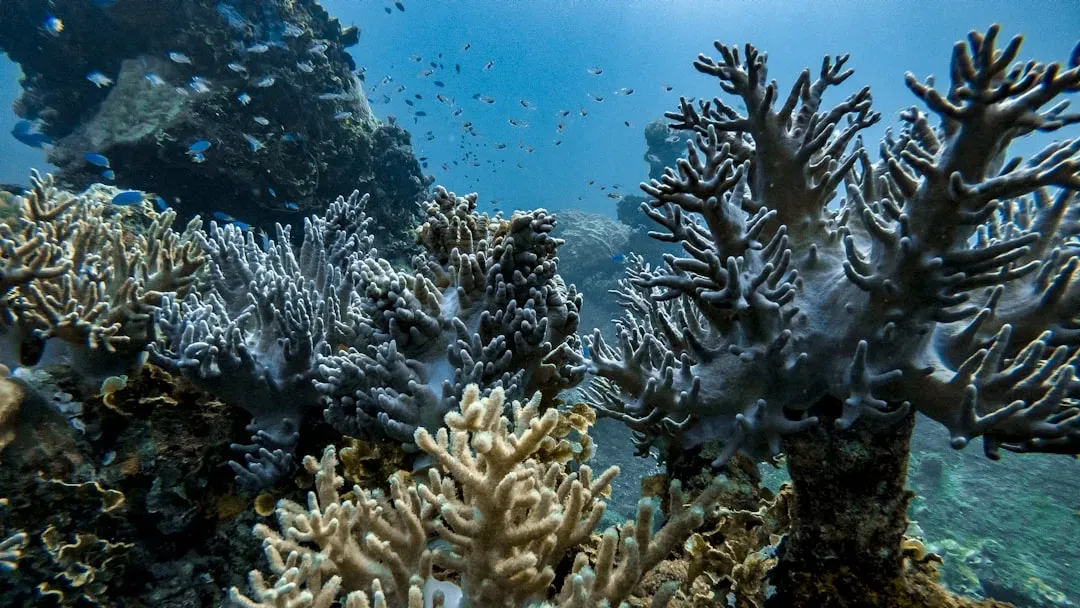
On US coastlines, climate change’s impact on wildlife often arrives as a sudden shock: an ocean heat wave that turns entire ecosystems upside down. Along Florida and the broader Southeast coast, repeated marine heat waves are pushing corals past their thermal limits, causing mass bleaching events where corals expel the algae that feed them. When these events last too long, corals can die, taking with them the intricate three-dimensional structures that shelter fish, crabs, and countless invertebrates. Farther north and west, along California and the Pacific Northwest, episodes of unusually warm water have been linked to die-offs of sea stars and collapses in kelp forests, which support fish, sea otters, and seabirds.
These marine upheavals can ripple onto land in surprising ways. When kelp forests shrink, abalone and some fish species lose critical habitat, affecting coastal tribes, recreational divers, and small fisheries. Ocean heat waves have also been tied to shifts in seabird feeding grounds, sometimes contributing to mass starvation events when prey move farther offshore. Unlike slow background warming, these events feel more like extreme weather in the ocean, spiking rapidly and stressing animals with little time to adjust. Scientists warn that as the climate continues to warm, such heat waves are expected to become more frequent, pushing already stressed marine wildlife into uncharted territory.
Fire, Smoke, and Ash: How Megafires Are Rewriting Forest Life

In the American West, climate change is colliding with decades of fire suppression to create megafires that are hotter, larger, and more frequent than many forests have evolved to handle. These infernos do not just burn trees; they rearrange entire wildlife communities. Species that can flee quickly, such as elk or black bears, may escape the flames but still face scorched food sources and fragmented shelter afterward. Slower or more specialized creatures – salamanders in leaf litter, cavity-nesting birds, or small mammals relying on dense understory – often suffer heavy losses during and immediately after the blaze.
The damage does not end when the last ember goes out. Post-fire landscapes can become ecological boom towns for some species and dead zones for others. Woodpeckers may temporarily thrive on the abundance of beetle-infested snags, while certain shrubs and wildflowers burst into dominance, drawing in pollinators. But when fires burn so severely that soils are sterilized or repeatedly hit the same region before it can recover, forests may convert to shrublands or grasslands. That shift can strand species adapted to dense forests, changing everything from bird songscapes to the diversity of mammals roaming the understory. Climate-fueled megafires are essentially forcing a renegotiation of who can live where in America’s iconic forests.
Invisible Stress: Heat, Disease, and the Physiology of Survival
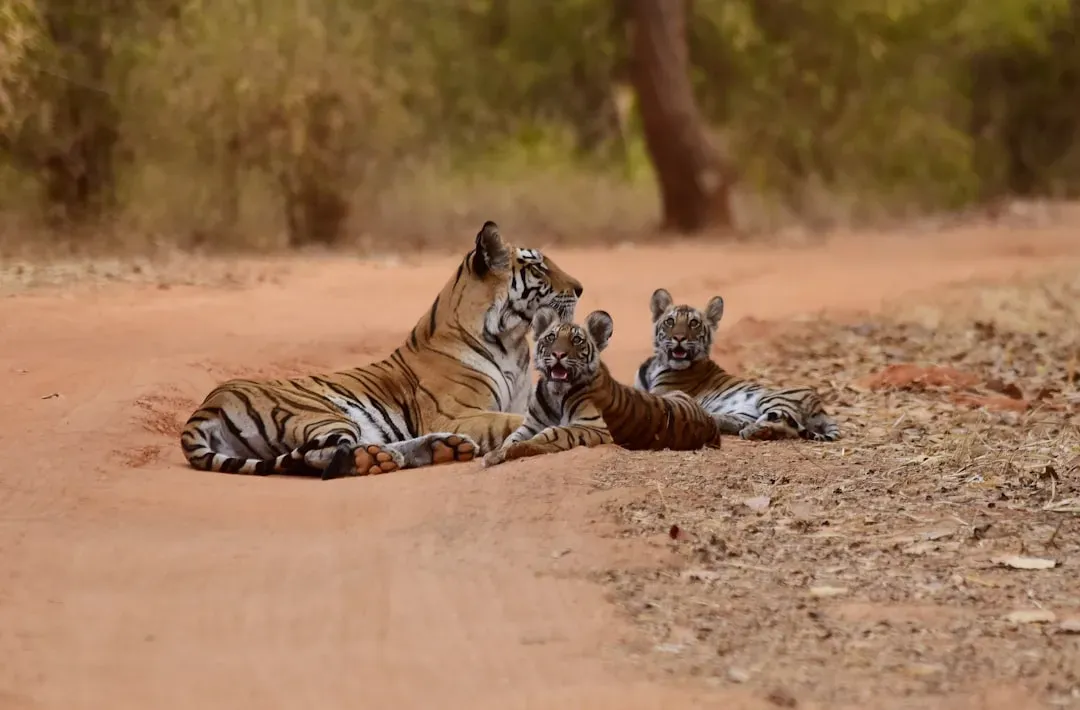
While some climate impacts are dramatic and visible, many of the most consequential changes are hidden inside animals’ bodies. Warmer temperatures can push species closer to their physiological limits, altering heart rates, hormone levels, and immune responses. For cold-adapted animals like pika in the western mountains, even a slight increase in average summer temperature can turn talus slopes into thermal traps where overheating becomes a daily risk. Amphibians, already vulnerable to fungal diseases and habitat loss, now face added stress from warming waters that can make pathogens more virulent.
Climate change is also shifting the geography of diseases and parasites that affect US wildlife. Ticks and mosquitoes capable of carrying pathogens are expanding into new regions as winters become milder and shorter. That places additional strain on animals like moose, which in some northern states have been heavily impacted by exploding tick populations. In coastal areas, warmer waters can influence harmful algal blooms that produce toxins, occasionally sickening marine mammals and seabirds. These invisible stresses compound other human pressures, creating layered challenges that even otherwise healthy populations may struggle to overcome.
Why It Matters: Wildlife as Early Warning Systems for Our Own Future
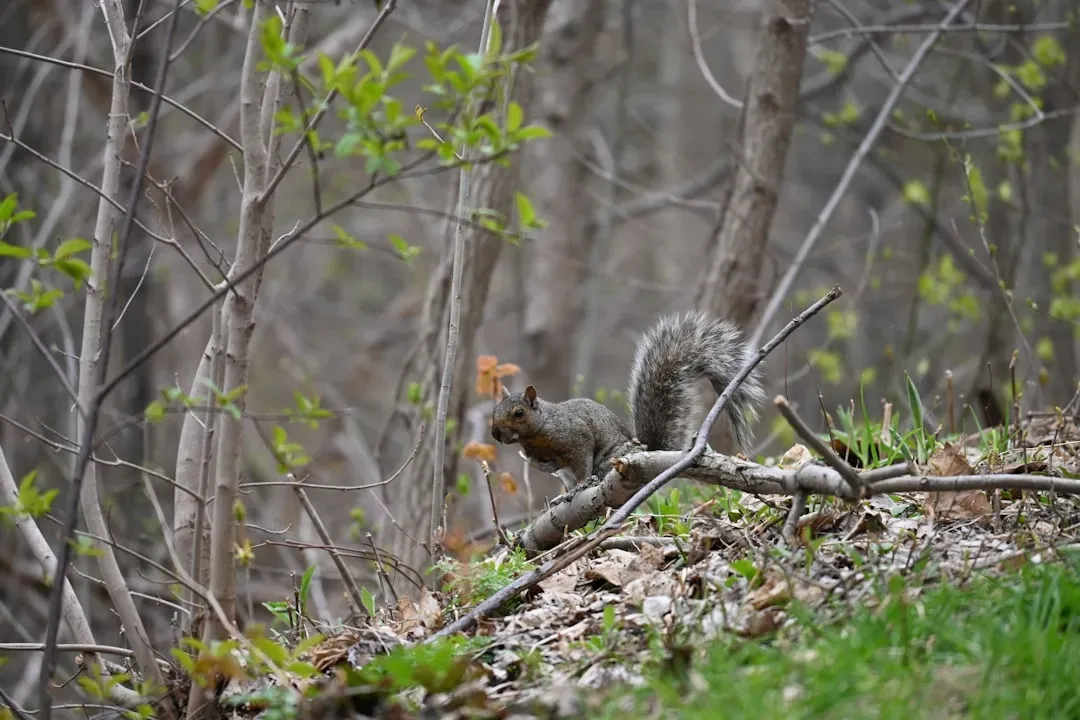
It is tempting to see climate impacts on wildlife as heartbreaking but distant from everyday life, yet ecologists argue the opposite: animals are acting as early warning systems for broader instability. When birds shift migrations, fish abandon traditional spawning grounds, or forest species vanish after repeated fires, they signal that entire ecosystems are straining under new conditions. Those same systems provide services humans rely on, from clean water and pollination to coastal protection and fisheries. In that sense, tracking changes in wildlife is a little like watching cracks spread in the foundation of a house – it tells you something essential about the structure you live in.
Compared with traditional environmental indicators like temperature graphs or atmospheric measurements, animal responses offer something more intuitive and visceral. People notice when the fireflies that once lit up their childhood yards appear less often, or when their favorite local beach no longer hosts seals or shorebirds as it used to. Wildlife stories can transform abstract climate statistics into lived experience, making the problem harder to ignore. At the same time, scientists use these shifting patterns to test models, improve predictions, and refine conservation strategies. The changes we see in US wildlife today do not just document damage; they help chart the choices we still have left.
Winners, Losers, and Uncomfortable Surprises in a Warming World
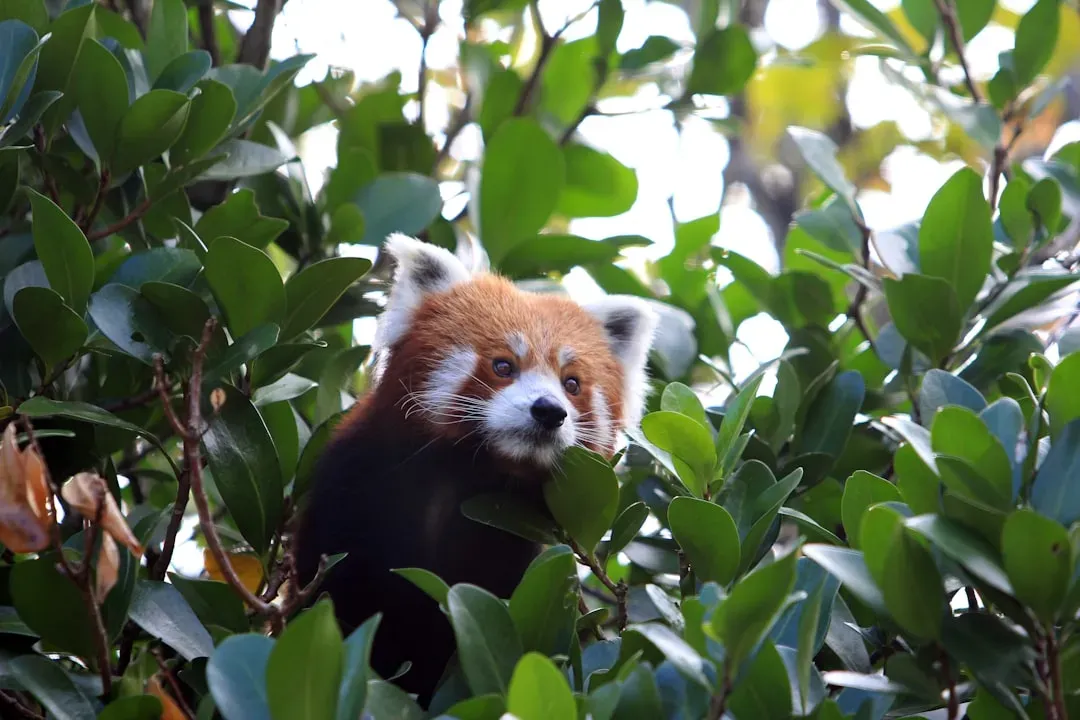
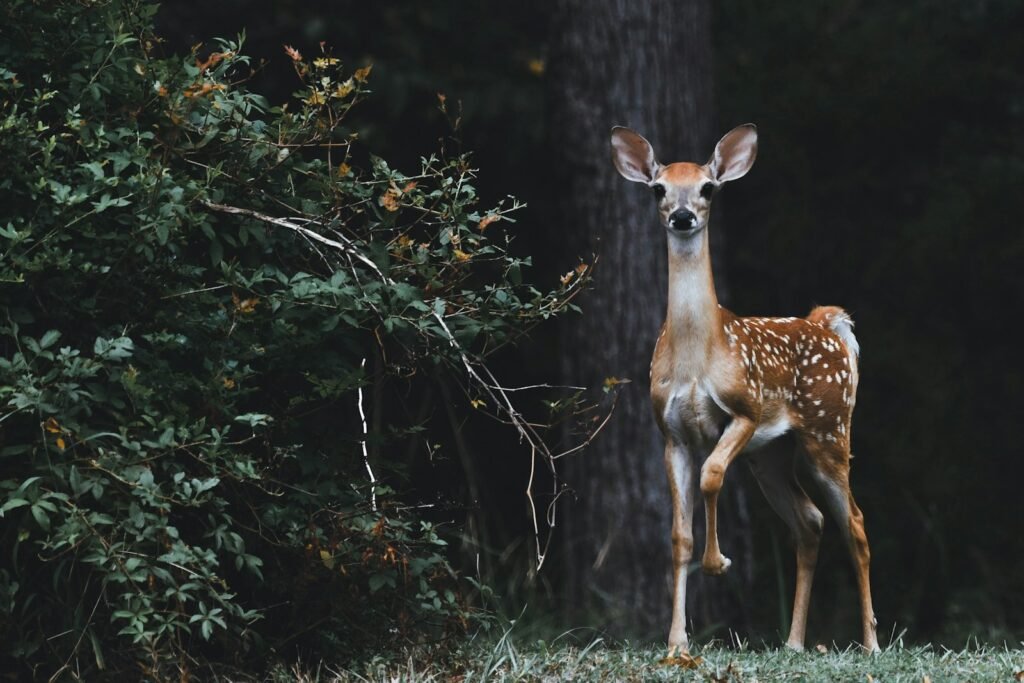
Climate change does not treat all species equally, and that unevenness may be one of its most unsettling aspects. Some generalist animals – species that can eat many foods or thrive in varied habitats – may actually benefit in the short term from longer warm seasons or expanded ranges. Raccoons, white-tailed deer, and certain adaptable songbirds can sometimes exploit human-altered, warming landscapes, leading to local population booms. By contrast, specialists that rely on narrow temperature bands, specific foods, or tightly timed life cycles often find themselves with shrinking options.
Scientists are cautious about labeling any species a true “winner,” because gains can be temporary and come with hidden costs. For example, a migratory bird that expands northward might initially find abundant resources but later encounter new predators or diseases. Some invasive species may also seize opportunities created by climate disruption, further squeezing native wildlife. These shifts can feel like a slow, quiet re-sorting of the animal world into those that can bend without breaking and those that cannot bend at all. The uncomfortable surprise is that familiar backyard or emblematic species may end up on the losing side more often than many people expect.
The Future Landscape: Conservation in an Era of Moving Targets
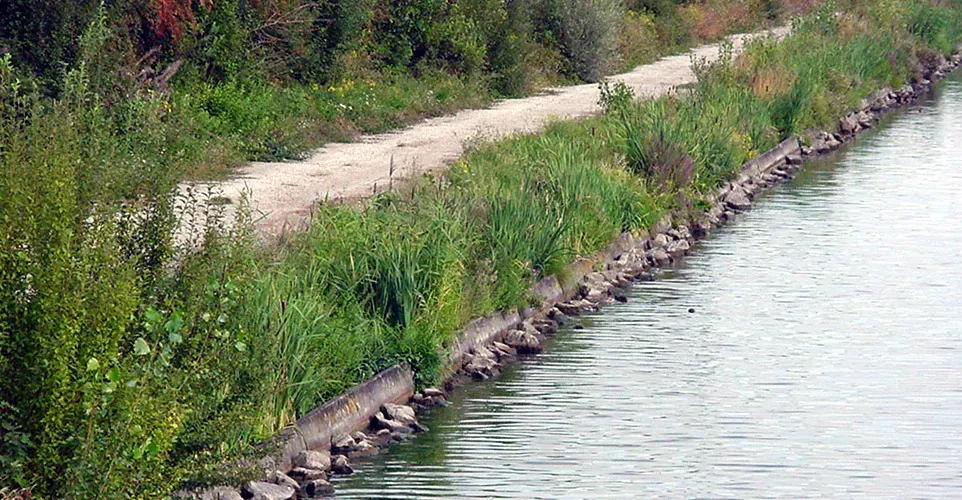
Traditional conservation in the US often assumed that protecting the right patch of habitat would be enough to safeguard a species, but climate change is blowing holes in that strategy. When animals are on the move and seasons keep sliding, fixed boundaries such as park lines or refuge borders may not match where species actually need to go. In response, some scientists and land managers are experimenting with ideas like wildlife corridors that connect fragmented habitats and allow safer movement. Others are considering more controversial steps – such as assisted migration, where humans help relocate species to new, more suitable climates.
The future toolkit for helping wildlife cope with climate change is likely to be messy, innovative, and occasionally uncomfortable. Land-use planning that anticipates future climate rather than just past conditions will become more important, especially as cities expand and coastal communities adapt to sea-level rise. New technologies, from satellite tracking to advanced climate–habitat models, are already helping identify future refuges where wildlife might stand the best chance. Yet all of these efforts hinge on policy choices, funding, and public support. As the climate continues to shift through the rest of this century, the US will be forced to decide whether to let wildlife fend largely for itself or actively reshape the landscape to help more species hang on.
How People Can Help: From Backyard Habits to Big-Picture Change
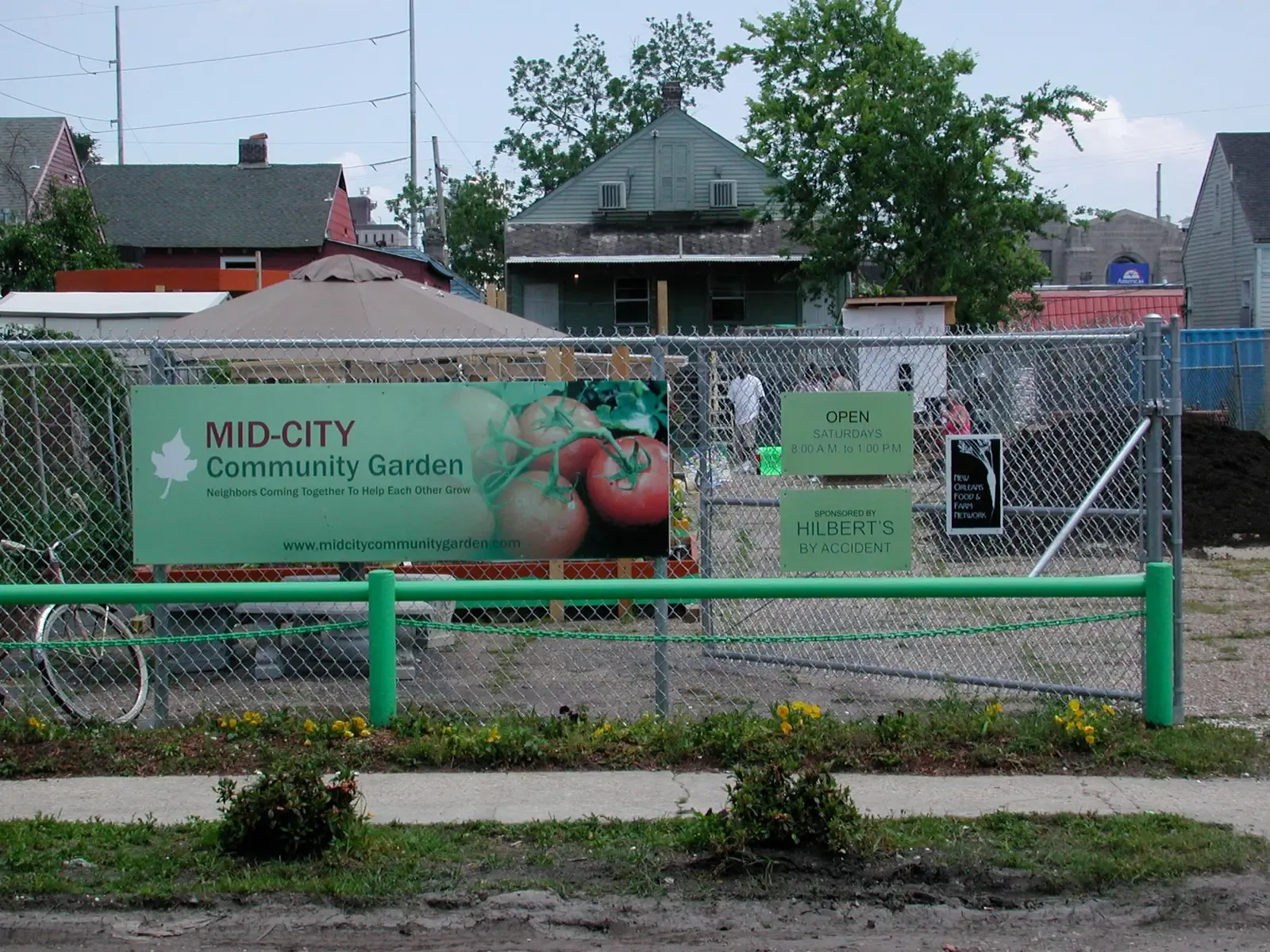
For many readers, the scale of climate change and wildlife loss can feel paralyzing, but the pathways for action are more varied than they first appear. At the most local level, what happens in backyards, schoolyards, and community parks still matters, especially for birds, pollinators, amphibians, and small mammals. Planting native trees and flowers, reducing pesticide use, and leaving some dead wood or brushy corners can create micro-refuges that help animals cope with heat and habitat fragmentation. Supporting local land trusts, tribal stewardship projects, and conservation organizations can amplify these small efforts across larger landscapes.
On a broader scale, choices about energy, transportation, and land use are deeply tied to the future of US wildlife. Supporting policies that reduce greenhouse gas emissions, protect and restore critical habitats, and factor climate projections into planning can give animals more room and time to adapt. Citizen science projects, such as bird counts or wildlife observations submitted through apps, also provide real data that researchers rely on to track change. The story of how climate change reshapes American wildlife is still being written, and human decisions will influence every chapter. The question now is not whether we are part of that story, but what role we decide to play.
Suhail Ahmed is a passionate digital professional and nature enthusiast with over 8 years of experience in content strategy, SEO, web development, and digital operations. Alongside his freelance journey, Suhail actively contributes to nature and wildlife platforms like Discover Wildlife, where he channels his curiosity for the planet into engaging, educational storytelling.
With a strong background in managing digital ecosystems — from ecommerce stores and WordPress websites to social media and automation — Suhail merges technical precision with creative insight. His content reflects a rare balance: SEO-friendly yet deeply human, data-informed yet emotionally resonant.
Driven by a love for discovery and storytelling, Suhail believes in using digital platforms to amplify causes that matter — especially those protecting Earth’s biodiversity and inspiring sustainable living. Whether he’s managing online projects or crafting wildlife content, his goal remains the same: to inform, inspire, and leave a positive digital footprint.