Most people meet an opossum in a flash of headlights, a rustle near the trash can, or a blurry backyard security cam clip – and then promptly dismiss it as a creepy, rat-like nuisance. But behind those beady eyes and prehensile tail is one of North America’s strangest and most underrated wildlife success stories. Scientists have been steadily uncovering how this ancient marsupial is rewriting what we think we know about urban wildlife, disease control, and climate adaptation. The mystery is simple: how did an animal so maligned become so ecologically important? The emerging answer is far more surprising – and a lot more hopeful – than most people realize.
The Hidden Clues in a “Scary” Face
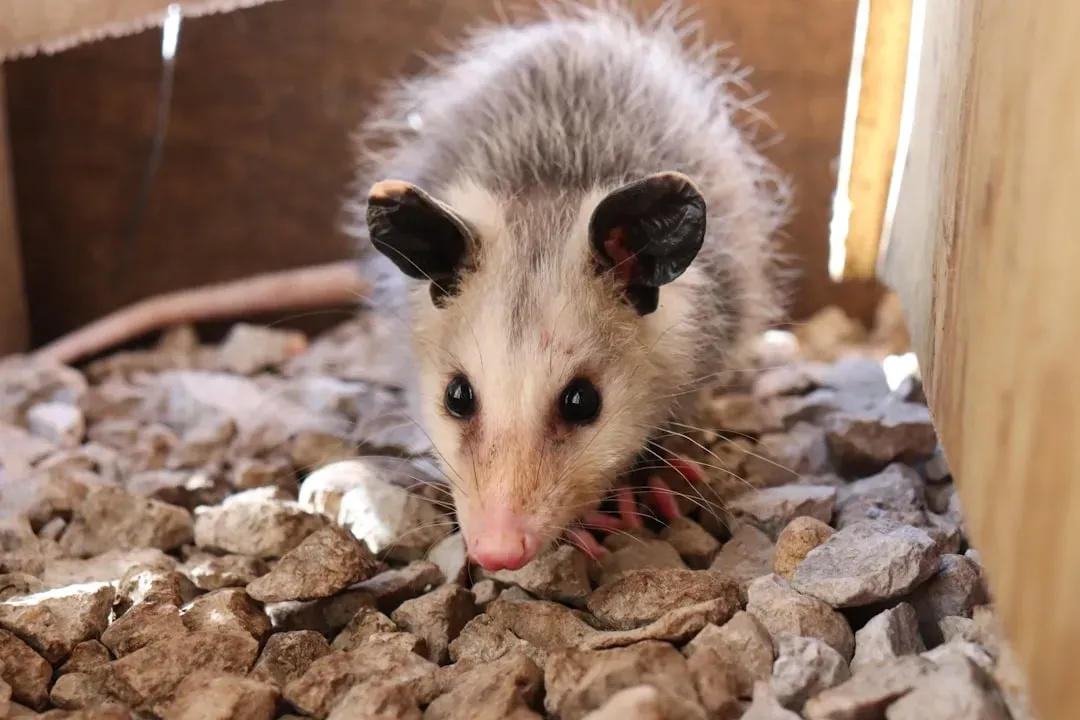
The first time I saw an opossum up close, it was frozen under my porch light, mouth gaping in a silent snarl that looked straight out of a horror movie. Only later did I learn that this dramatic display is mostly theater, a bluff designed to convince you it’s far more dangerous than it really is. Opossums are shy, slow-moving, and far more interested in avoiding conflict than starting it. That open-mouthed hiss, all forty to fifty teeth on full display, is usually their last-ditch attempt to make a predator – or startled human – back off without a fight. In scientific field notes, researchers often remark how quickly an opossum calms down once it realizes it isn’t in immediate danger.
Once you get past the first impression, smaller clues begin to tell a different story. The large ears and long whiskers are tools for navigating the night, allowing them to pick up subtle sounds and textures in the dark. Their bare, pink tail works more like an extra hand than a threat, wrapping around branches or steadying them as they climb. Even the black eyes that some people find unsettling are an adaptation for low-light vision, tuned to the twilight hours when they do most of their foraging. The “scary” face, in other words, is a mask worn by a nervous, surprisingly gentle survivor.
From Ancient Relics to Urban Survivors
Opossums look like they stumbled out of another era, and in a way, they did. Their lineage traces back to ancient marsupials that roamed alongside early mammals tens of millions of years ago, long before modern cities, highways, or backyard decks existed. The Virginia opossum, the species found in the United States and southern Canada, is a relative latecomer that expanded northward over the past few centuries, taking advantage of human-altered landscapes. As forests were cut, farms spread, and food waste accumulated, opossums found a way to thread their lives through ours. What many people now see as a “trash animal” is actually a textbook case of evolutionary flexibility.
Their success in cities may be one of the most underappreciated wildlife stories in North America. While some mammals vanish when suburbs sprawl – wolves, cougars, and many ground-nesting birds – opossums slip into the gaps we create. They den under sheds, in woodpiles, in abandoned burrows, and sometimes in forgotten corners of garages. They eat what we discard, from fallen fruit to spilled pet food, and in doing so they quietly clean up after us. In an age when many native mammals are declining, the opossum has managed not only to hang on but to expand its range northward, hinting at how some species might navigate a human-dominated future.
Secret Weapons: Built-In Pest Control and Disease Resistance
One of the most startling secrets about opossums is that they may be doing more for your yard than your expensive pest service. Studies have found that a single opossum can consume large numbers of ticks in a season as it grooms its fur, effectively vacuuming up parasites that might otherwise end up on deer, pets, or people. Because their body temperature runs slightly cooler than that of many other mammals, opossums are poor hosts for some pathogens, including the rabies virus, which struggles to replicate in their bodies. That doesn’t make them immune to every disease, but it does mean they are far less likely to be rabid than raccoons, foxes, or bats. For an animal so often stereotyped as “dirty,” that’s an ironic twist.
Researchers have also been fascinated by opossum blood. They produce special proteins capable of neutralizing certain snake venoms, including those from pit vipers like rattlesnakes and copperheads. Laboratory work has shown that these molecules can protect test animals from otherwise lethal doses of venom, sparking interest in whether they could one day inspire new antivenom drugs. Add to that their robust immune systems and low rates of some infections, and you start to see an animal that is not simply surviving in tough environments but doing so with remarkable biochemical tools. Quietly, in ditches and fencerows, they are running a natural pest-control and disease-mitigation service for free.
Playing Dead: The Neuroscience of “Possum Mode”
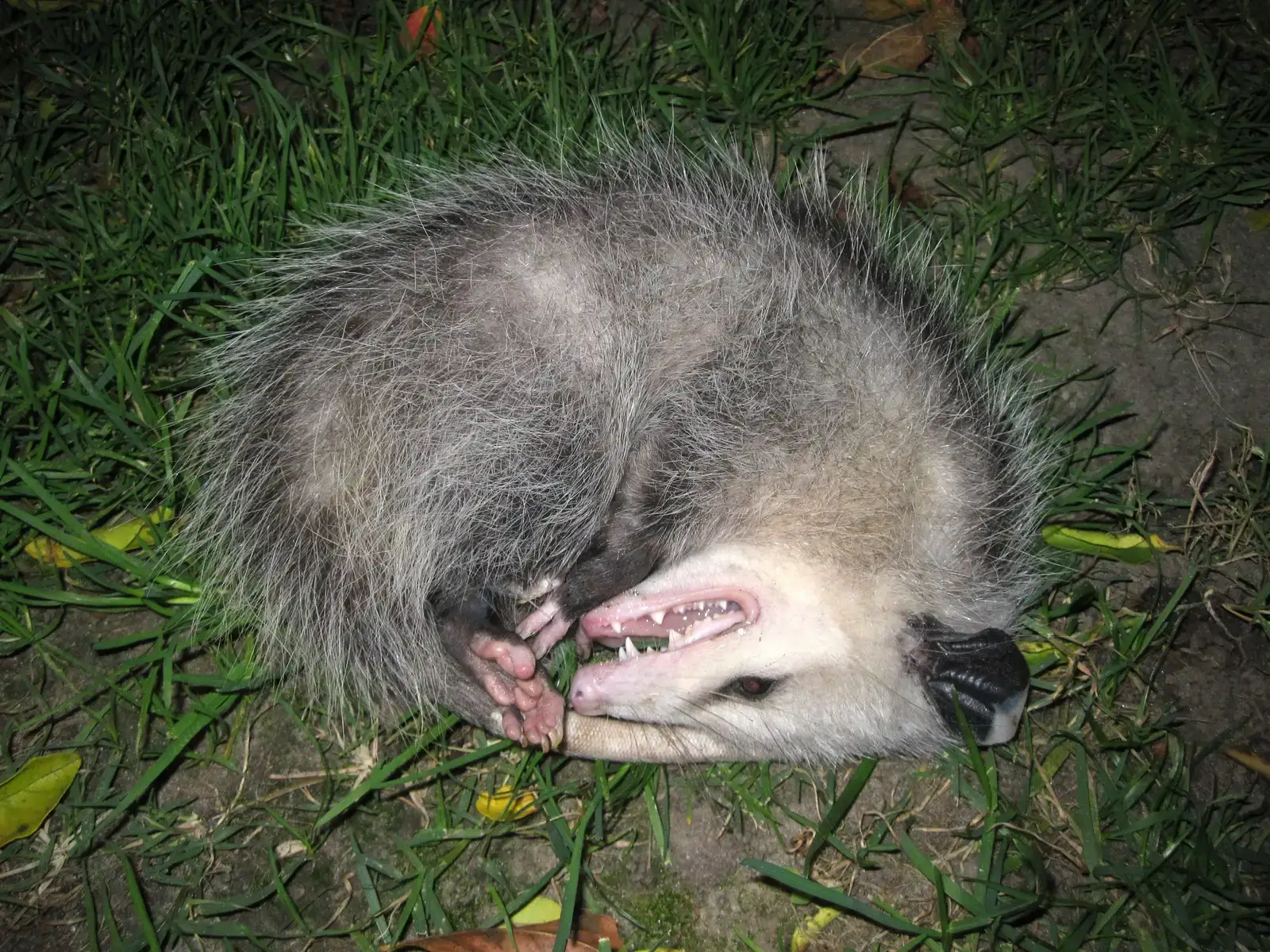
Everyone knows the phrase “playing possum,” but the biology behind it is stranger than the cliché. When an opossum is truly overwhelmed – cornered, bitten, or terrified beyond its usual limits – it can enter a catatonic state that looks convincingly like death. Its body goes limp, its tongue may loll out, and a foul-smelling fluid can seep from its anal glands, mimicking the scent of a decaying carcass. Predators that prefer live prey or avoid scavenging will often lose interest and wander off. Unlike a conscious acting job, this is an involuntary response driven by the animal’s nervous system, more like an extreme faint than a deliberate trick.
Scientists studying this behavior compare it to certain stress responses in other animals, including “tonic immobility” in birds and small mammals, where the body temporarily shuts down in the face of trauma. In opossums, this can last minutes to hours, with the animal unresponsive even to handling during the episode. Heart rate and breathing slow, conserving energy and reducing movement that might attract attention. Once the threat has passed, the opossum gradually regains control, sometimes stumbling away groggily as its muscles and senses come back online. It is a survival strategy that looks comical to humans but has likely saved countless opossums over evolutionary time.
The Hidden Engineering: Tails, Thumbs, and Night Vision
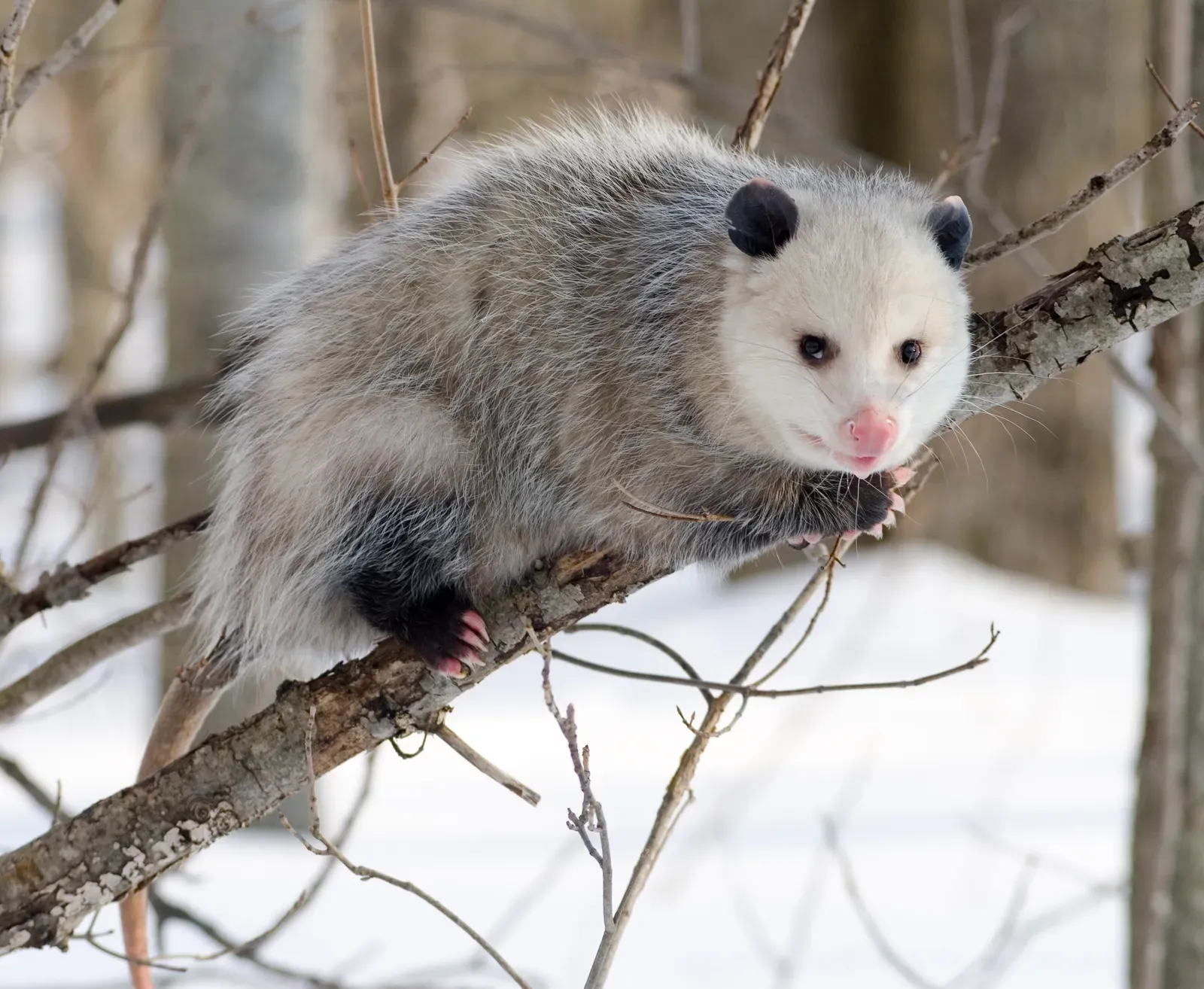
Under the scruffy fur, the opossum’s body is a collection of clever design solutions. Their prehensile tail, often dismissed as ugly, can grasp branches and steady the animal as it moves through shrubs and low trees. Contrary to popular myth, adults do not usually hang upside down from their tails for long periods, but young opossums can briefly dangle as they practice climbing. Their hind feet feature an opposable “thumb” without a claw, which works a bit like a human thumb, allowing precise gripping of bark, twigs, and even wire fencing. This combination of tail and thumbed feet gives them a surprising agility in cluttered environments, from tangled thickets to junk-filled backyards.
Their senses are tuned to the night in ways we are only starting to appreciate. Large whiskers spread across the face and even the tail help them feel their way through tight spaces, detecting obstacles and textures in complete darkness. Their eyes, though not as dramatically reflective as a cat’s, gather what little light is available at dusk and dawn, when they are most active. Inside their skulls, a relatively large olfactory system processes a world of scent that humans barely perceive, from ripe fruit to decaying matter to the trails of insects. Taken together, these features paint a picture of an animal built not for speed or glamour, but for deliberate, methodical exploration of the shadowy edges where other species overlook resources.
Why It Matters: Rethinking “Trash Animals” and Urban Nature
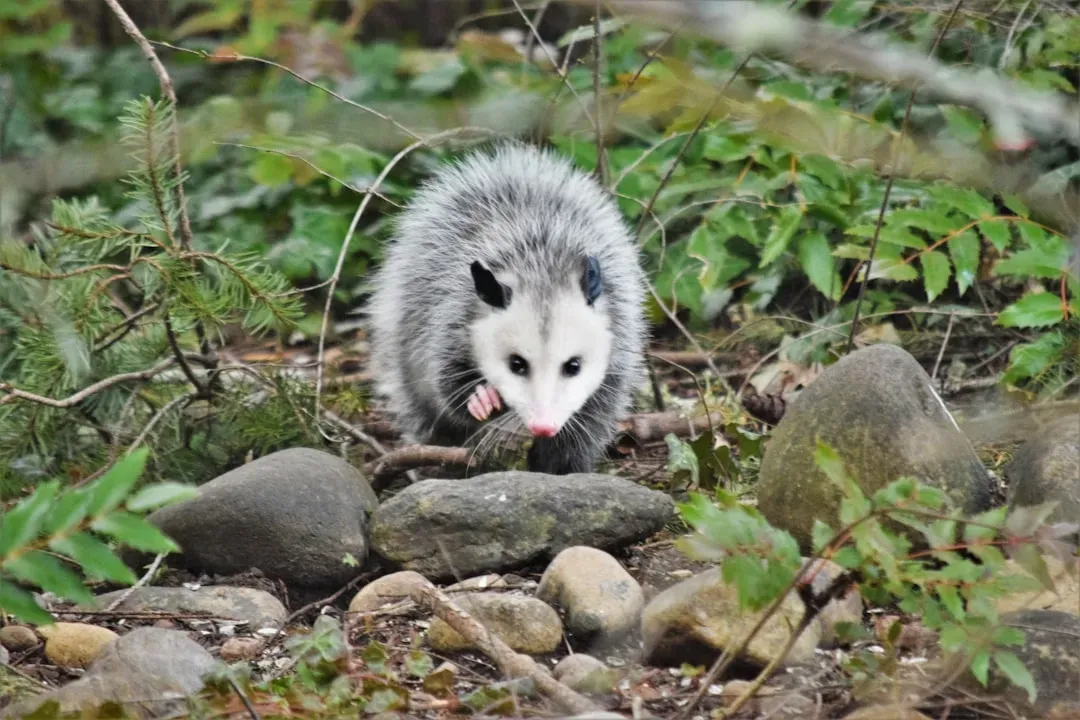
Opossums force an uncomfortable question: how many other animals do we dismiss simply because they do not fit our idea of beauty or charisma? When we label a species as a pest or “trash animal,” we usually stop asking what role it plays in the ecosystem, or what we might learn from it. Yet opossums show how such quick judgments can blind us to valuable allies. They reduce tick numbers, scavenge carrion that might otherwise harbor disease, and clean up food waste that would attract rats or flies. In a time when cities and suburbs are expanding, that quiet labor is not trivial.
Comparing our traditional view of wildlife with newer research reveals a stark gap. For decades, conservation conversations have focused on big, dramatic species – bears, wolves, eagles – while largely ignoring the smaller, less glamorous creatures living under our decks and along our fences. Science is now catching up, showing that those overlooked species can have outsized ecological effects and may carry genetic or biochemical tools with medical potential. Ignoring them is like throwing away pages of a book we have not yet finished reading. With opossums, the challenge is not just to tolerate them, but to recognize that they are part of a larger web of urban biodiversity that keeps our environments healthier than we realize.
The Future Landscape: Climate Shifts, Expanding Ranges, and New Questions
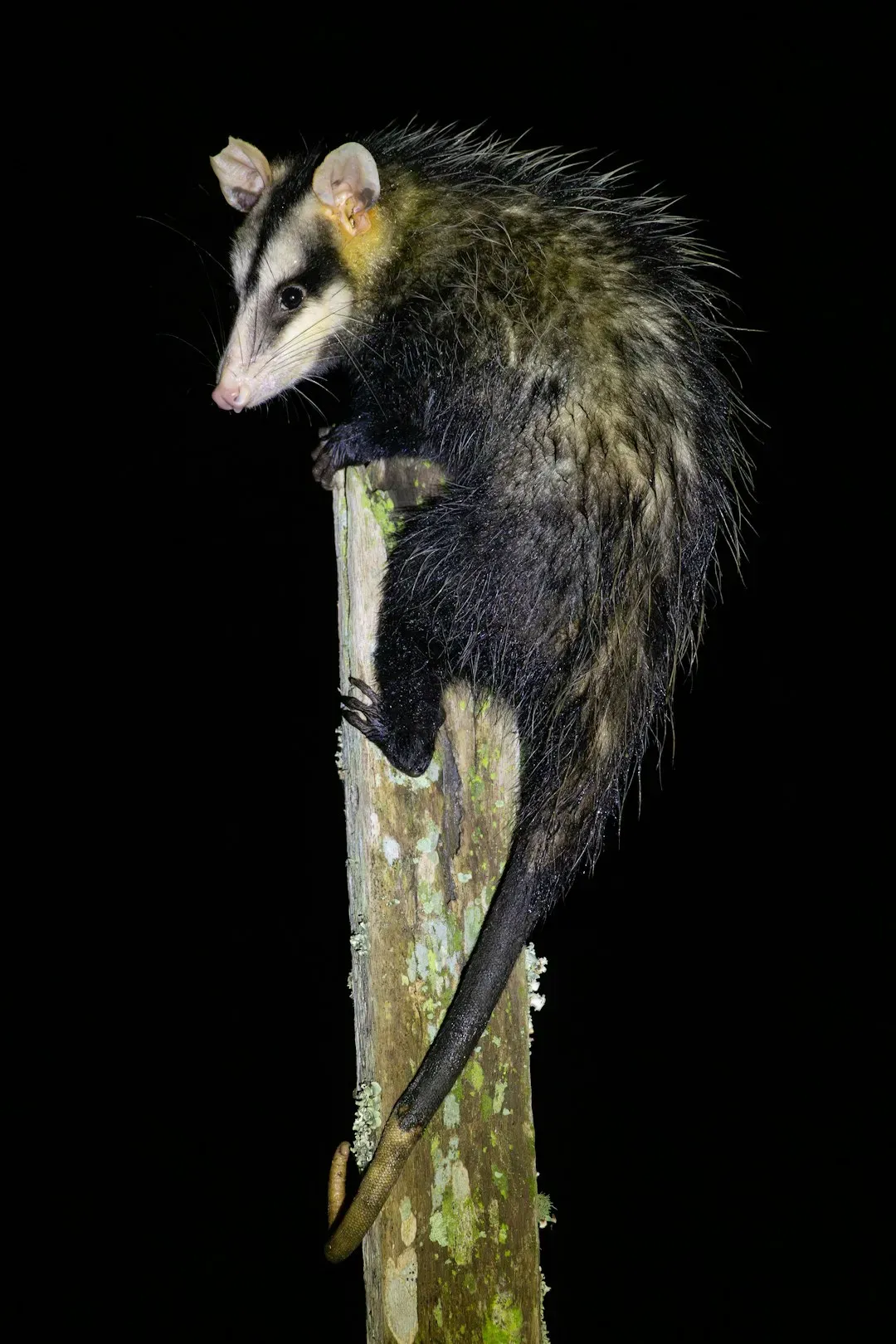
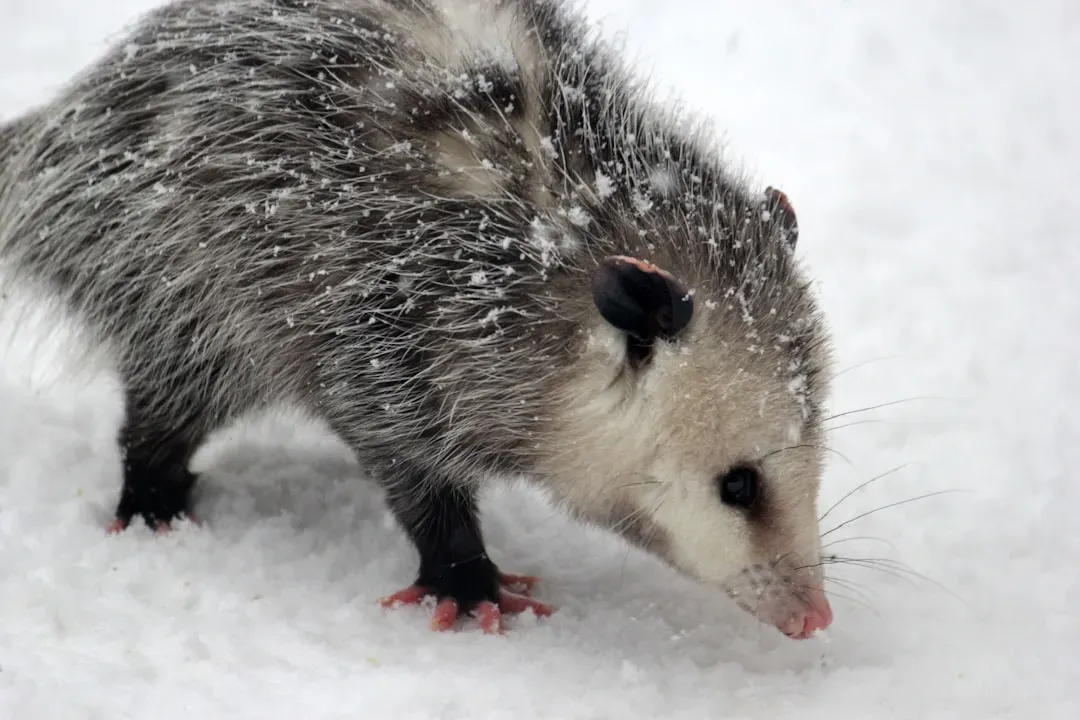
As the climate warms, opossums are quietly marching north, turning up in places where winter once kept them at bay. Warmer nights, shorter cold snaps, and more urban heat islands give them new footholds in regions that were previously too harsh. This expansion raises complicated questions: will they compete with local species, or simply fill vacant ecological niches created by habitat loss and shifting conditions? Wildlife biologists are already tracking new sightings, mapping where opossums appear along roads, in camera traps, and in suburban neighborhoods. Their spread is becoming an accidental experiment in how a native species responds to rapid environmental change.
At the same time, emerging technologies are opening fresh windows into their secret lives. Tiny GPS collars, thermal cameras, and environmental DNA sampling from soil and water let researchers follow opossums without disturbing them. These tools can reveal where they den, how they move through fragmented landscapes, and what they eat in different seasons. On the medical front, scientists are probing opossum venom resistance and immune responses, looking for molecules that might inspire new treatments for snakebites or infections. Yet with every answer, more questions appear: How far north will they go? Will they adapt to even denser cities? And will humans change their attitudes quickly enough to see opportunity instead of nuisance?
Living With Opossums: Simple Ways to Turn Fear Into Stewardship
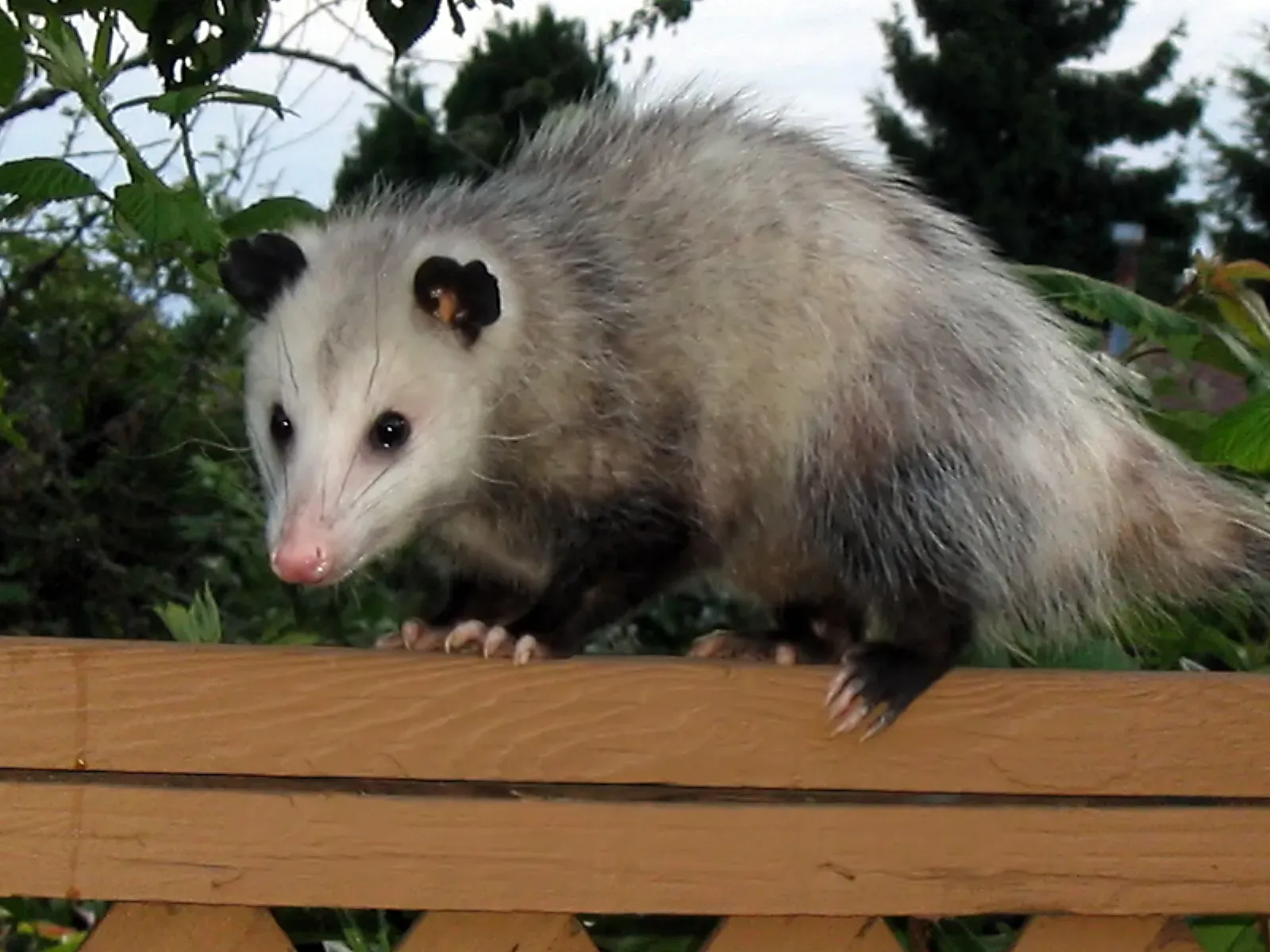
For most people, the first step is not to become a scientist – it is simply to pause before reacting. If you see an opossum in your yard, the easiest and often best response is to do nothing and give it space. They usually pass through in search of food and shelter, moving on within hours or days. Securing trash cans, bringing pet food indoors at night, and closing off access to spaces under decks or sheds can reduce unwanted close encounters without harming the animals. These small changes protect both your home and the opossums that wander nearby.
If you want to go further, there are gentle ways to tilt your backyard toward coexistence instead of conflict. You can:
- Support local wildlife rehabilitators who care for injured opossums and release them back into the wild.
- Plant native shrubs and ground cover that provide natural food and shelter for a diversity of species, not just opossums.
- Share accurate information with neighbors, challenging myths about rabies, aggression, or “dirtiness.”
- Encourage local decision-makers to consider urban wildlife corridors and green spaces in planning.
None of these steps require you to become an opossum enthusiast, but they do ask for a shift in perspective – from fear to curiosity, from disgust to respect. The next time one of these ghostly, prehistoric-looking creatures shuffles across your driveway, you might see not a villain, but a tough little survivor carrying millions of years of evolutionary history on its back. And that, in a world changing as fast as ours, is a neighbor worth getting to know.
Suhail Ahmed is a passionate digital professional and nature enthusiast with over 8 years of experience in content strategy, SEO, web development, and digital operations. Alongside his freelance journey, Suhail actively contributes to nature and wildlife platforms like Discover Wildlife, where he channels his curiosity for the planet into engaging, educational storytelling.
With a strong background in managing digital ecosystems — from ecommerce stores and WordPress websites to social media and automation — Suhail merges technical precision with creative insight. His content reflects a rare balance: SEO-friendly yet deeply human, data-informed yet emotionally resonant.
Driven by a love for discovery and storytelling, Suhail believes in using digital platforms to amplify causes that matter — especially those protecting Earth’s biodiversity and inspiring sustainable living. Whether he’s managing online projects or crafting wildlife content, his goal remains the same: to inform, inspire, and leave a positive digital footprint.