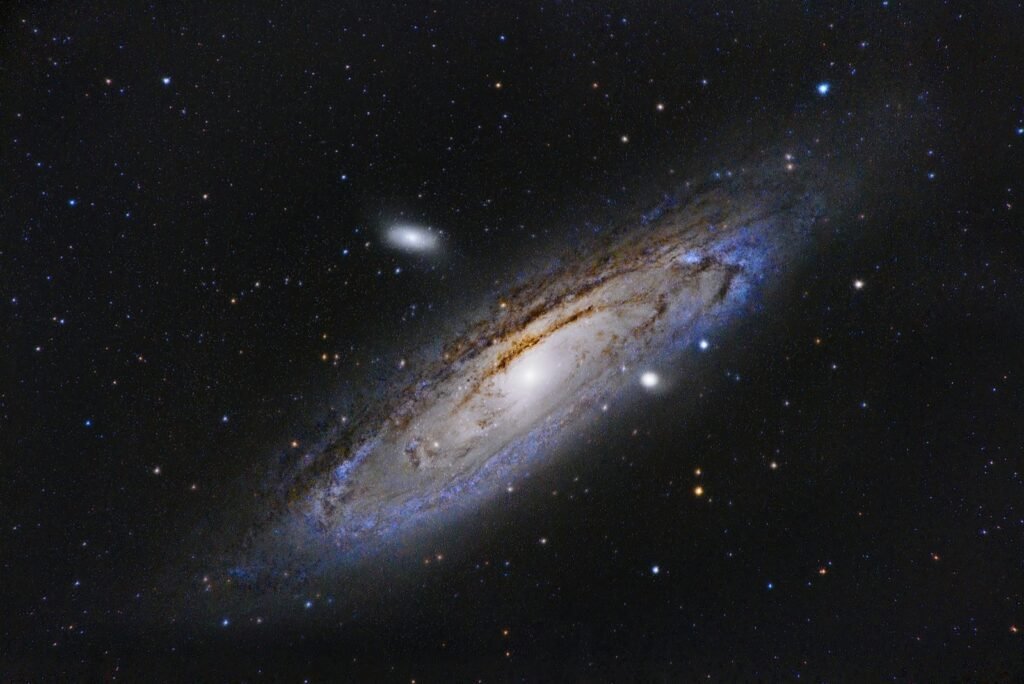

On the face of it, our universe looks reassuringly solid: planets orbit stars, atoms cling together, and your coffee cup stays in one piece long enough for you to drink it. But peel back the familiar surface and a very different picture appears, one in which empty space seethes with invisible energy, particles flicker in and out of existence, and the basic math says the universe should have torn itself apart – or never formed at all. Physicists now openly admit that some of the most important forces holding reality together are not just poorly understood, but almost outrageously unlikely. This is not the tidy clockwork cosmos many of us grew up with; it is a fantastically delicate arrangement that seems to balance on the edge of impossibility. As experiments probe ever smaller scales, the mystery only deepens, and the big question becomes unavoidable: why is any of this here in the first place?
The Hidden Clues in Empty Space
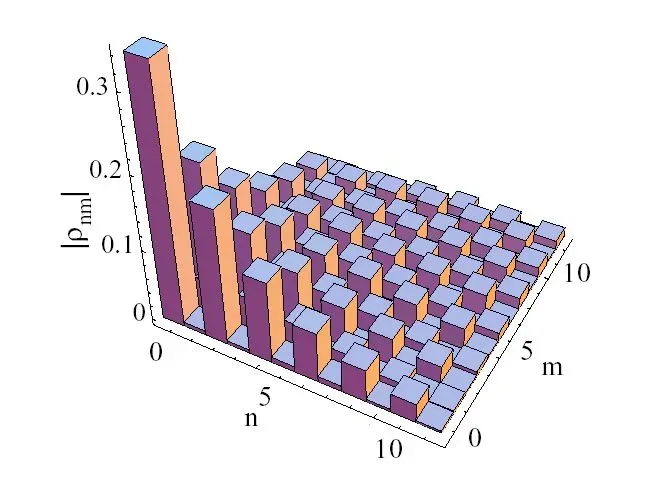
It sounds absurd, but the emptiest vacuum you can imagine is anything but empty. According to quantum field theory, what we call “nothing” is a restless ocean of fields, constantly bubbling with fleeting particles that pop into existence and disappear again almost instantly. These so‑called virtual particles have real effects, nudging the orbits of electrons, subtly shifting energy levels in atoms, and even dragging metal plates together in the famous Casimir effect. When I first read about this as a teenager, it felt less like physics and more like a magician’s reveal: the void is alive.
One of the strangest clues from this busy vacuum shows up in the form of dark energy, the mysterious pressure causing the expansion of the universe to speed up instead of slow down. Quantum theory predicts a vacuum energy that is mind‑bogglingly larger than what astronomers actually infer from cosmic observations – by many orders of magnitude, an off‑by-everything kind of error. If the vacuum energy were as big as the equations naively suggest, galaxies would never have formed; space would have blown apart too quickly for stars or humans to appear. Yet the measured value is tiny but not zero, just enough to gently push cosmic structures apart over billions of years. Somehow, the universe has landed in a shockingly narrow zone between chaos and collapse, and nobody can yet explain why.
The Quantum Glue That Defies Common Sense
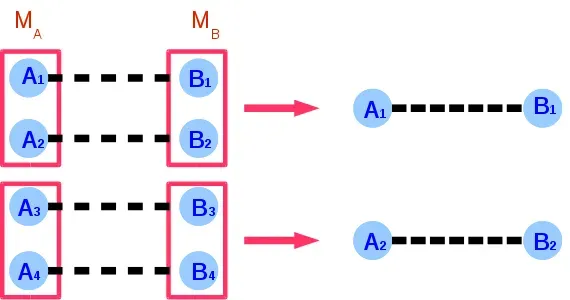
On everyday scales, things feel local and straightforward: push here, something moves there, and causes precede effects in orderly chains. At the quantum level, that intuition breaks down in unsettling ways. Particles can become entangled, meaning their properties are mysteriously linked no matter how far apart they are later separated. Change the setup for one, and the statistics for its partner respond instantly, as though the universe has skipped the usual messaging system and gone straight to a shared script. Einstein famously bristled at this, but decades of experiments have confirmed that quantum entanglement is real and robust.
This quantum “glue” underlies technologies that are already leaving the lab, from emerging quantum communication networks to prototype quantum computers. In some materials, collective quantum effects let currents flow without resistance or allow particles to move in lockstep in ways no classical system could manage. To me, the weirdest part is not that nature permits these correlations, but that they seem to be a natural, almost default state when systems are cooled and isolated enough. The universe appears to prefer a deeply interconnected, probabilistic reality over the neat billiard‑ball picture we grew up with. What keeps this strange quantum theater from spilling into our everyday coffee‑and‑keys world is another open question, tied to decoherence and the measurement problem – and it remains one of physics’ most fiercely debated frontiers.
Questioning Reality: Why These Forces Matter
It might be tempting to file all this under “quirky physics trivia” and go back to more tangible concerns, but the stakes are bigger than that. The strange forces and narrow balances that keep our universe together touch on some of the oldest human questions: why are we here, and could things have been otherwise? In traditional cosmology a few decades ago, the universe was often described in relatively simple, deterministic terms – a smooth expansion, predictable star formation, a handful of fixed constants. Quantum discoveries and precision measurements have shattered that comfort, replacing it with a cosmos that feels improbably tailored yet born from blind, indifferent laws.
Compared with earlier scientific revolutions, such as Newton’s mechanics or even Einstein’s relativity, the current tension is more existential. Those older frameworks expanded our understanding without seeming to undermine the idea of a fundamentally comprehensible universe. By contrast, the fine‑tuning problems, dark energy mysteries, and quantum oddities suggest that we may be missing enormous chunks of the story. For a curious reader, especially someone who grew up with a “solid” universe in the textbooks, this can be both unsettling and thrilling. It invites us to rethink what we mean by explanation itself: is a mathematical description enough, or do we crave a deeper narrative about why the cosmic dice landed this way and not another?
From Cosmic Coincidence to New Physics
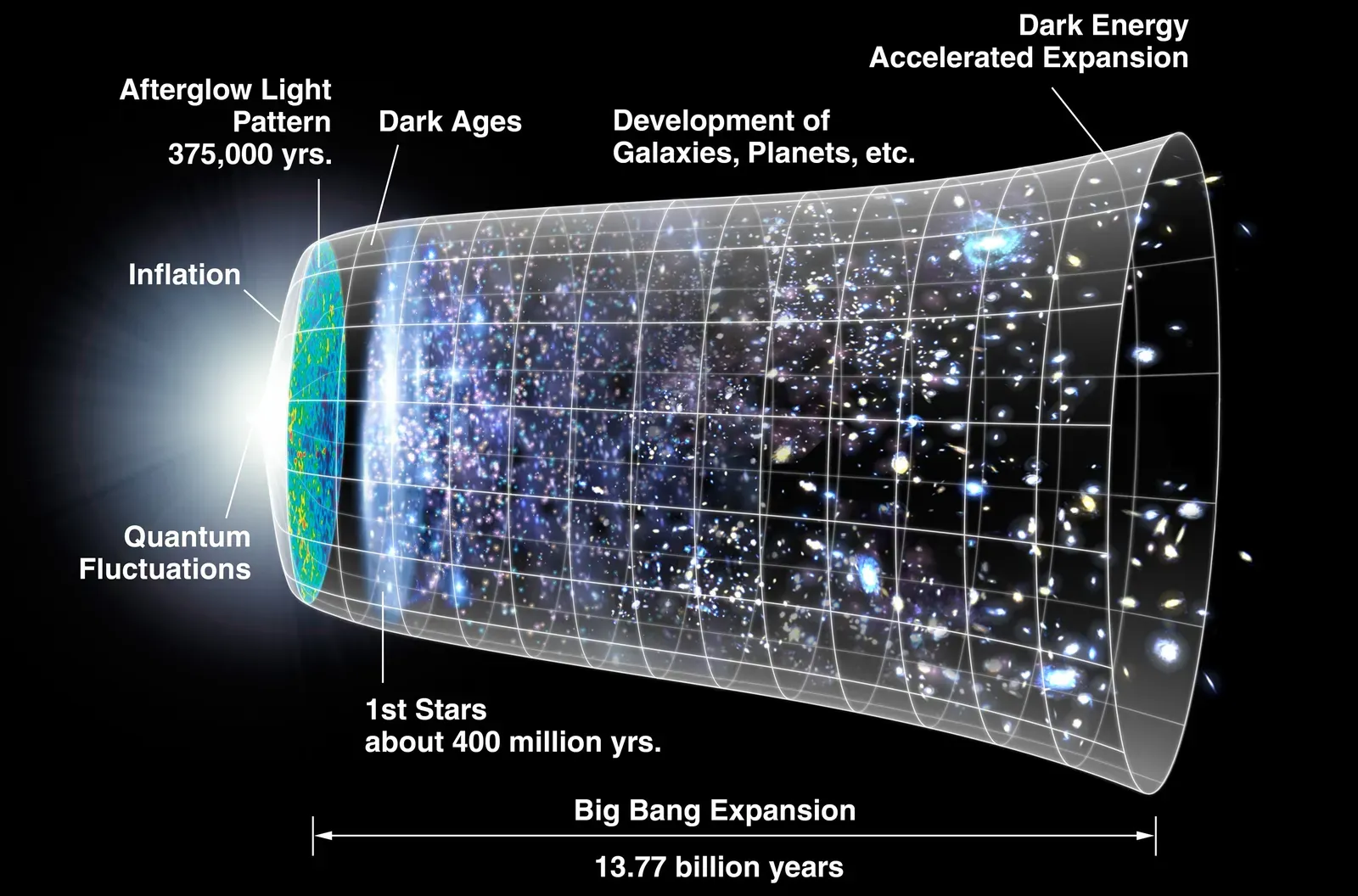
Physicists do not like coincidences, especially when those coincidences show up in the fundamental structure of reality. The delicate value of the cosmological constant, the near‑perfect yet imperfect balance of matter and antimatter, the tight window of forces that allow stable atoms – all of these have pushed researchers to explore bold ideas beyond the standard models of particle physics and cosmology. Some have turned to the concept of a multiverse, a vast collection of universes with different physical constants, in which we naturally find ourselves in one of the rare “Goldilocks” pockets that permit complexity. Others look for hidden symmetries, new particles, or deeper dynamical principles that could pin these values in place without invoking an ensemble of universes.
These efforts are not just philosophical games; they have concrete experimental stakes. Searches for dark matter candidates, precision measurements of the Higgs boson, surveys of the cosmic microwave background, and gravitational wave observatories all probe, in different ways, whether our current theories are only approximations to a richer underlying framework. When an anomaly appears – an unexpected bump in collider data or a tiny mismatch in the way galaxies cluster – it can send ripples of excitement through the community. I sometimes think of this period as a kind of scientific adolescence for cosmology and quantum theory: we know enough to see the gaps in our story, but not yet enough to fill them. The sense that we are on the brink of a deeper understanding is part of what makes following this field so addictive.
The Future Landscape: New Eyes on an Impossible Universe
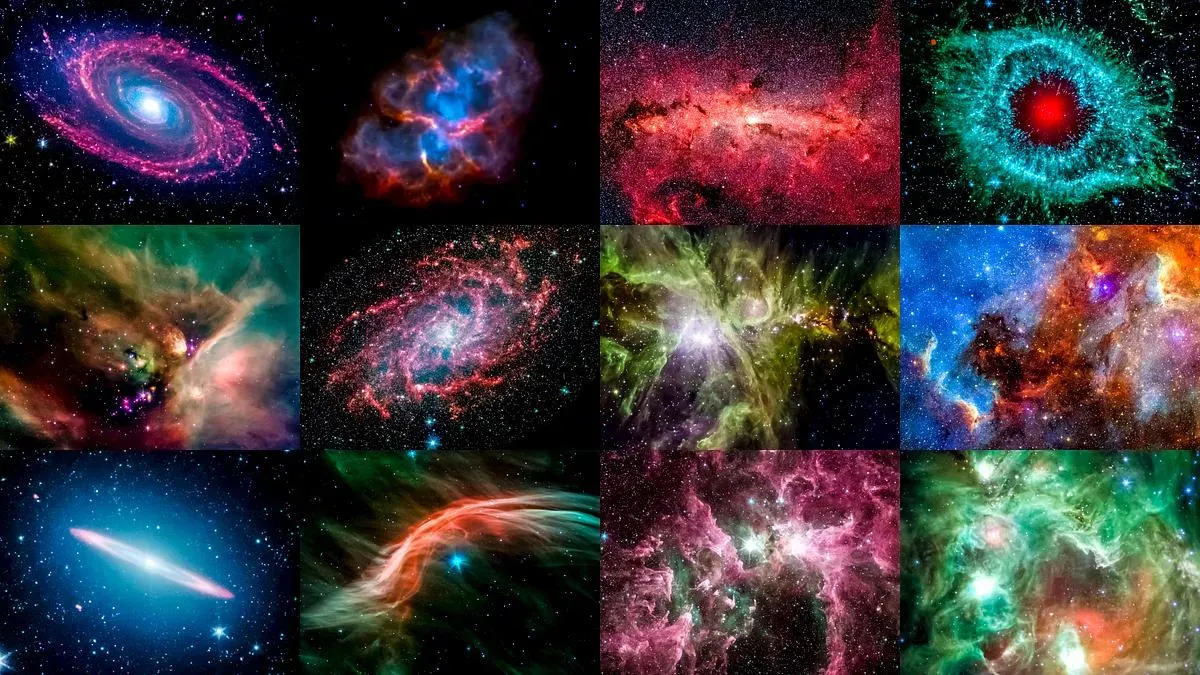
The next few decades promise a flood of new data on these strange forces that hold everything together. Powerful telescopes on the ground and in space are mapping the distribution of galaxies with unprecedented detail, hoping to pin down how dark energy has shaped cosmic history. Upcoming surveys of gravitational waves could reveal signals from the very early universe, perhaps even from phase transitions when the fundamental forces themselves separated. At the same time, upgraded particle accelerators and novel tabletop experiments are probing the vacuum more directly, testing whether exotic fields or hidden particles lurk just beyond our current reach.
Alongside these big‑ticket projects, rapidly advancing quantum technologies are turning the weirdness itself into a tool. Quantum sensors can detect tiny shifts in fields and forces, opening possibilities for measuring gravity or vacuum fluctuations with almost absurd sensitivity. Prototype quantum networks may eventually rely on entanglement to send information securely across continents, using the same non‑local connections that once seemed like a philosophical headache. There are serious challenges – funding, international collaboration, sheer technical difficulty – but the global scientific community is remarkably committed to chasing these questions. If even one of these efforts reveals a crack in our current theories, the resulting shift in our understanding of why the universe exists in this bizarrely balanced form could be as transformative as any past revolution in science.
Why It Matters for Us, Here and Now
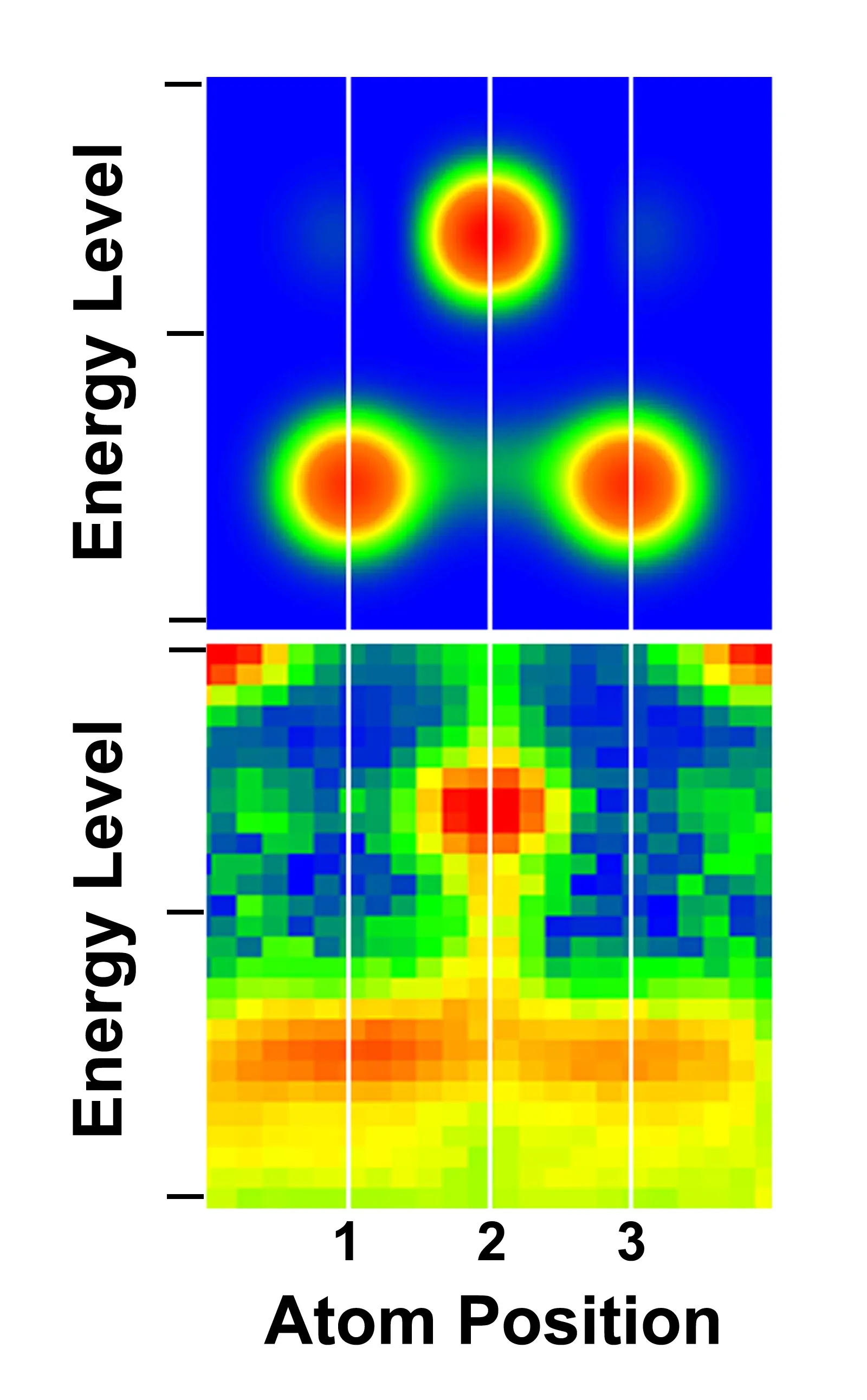
For a reader outside the lab, it is fair to ask what any of this has to do with daily life. The answer is that our modern world is already built on yesterday’s weird physics: quantum mechanics gave us transistors, lasers, MRI scanners, GPS timing, and the entire digital infrastructure most of us now take for granted. The same equations that predict virtual particles in the vacuum are woven into the design of your smartphone’s chips. Historically, advances in fundamental physics have had a habit of turning into practical technologies a few decades later, even when no one at the time could have predicted the path. So betting that today’s puzzles about dark energy, entanglement, and fine‑tuning will remain “purely theoretical” forever is probably unwise.
There is also a less tangible but equally important impact: these discoveries reshape our shared mental picture of reality. For many people over forty‑five, this means revising a worldview learned in school, when atoms were tiny solar systems and space was mostly empty. Coming to terms with a universe that is far stranger and more delicately arranged can be disorienting, but it is also a rare opportunity. It invites us to stay intellectually flexible, to let curiosity trump nostalgia for simpler stories. In a time when so much public debate feels polarized and cramped, there is something quietly radical about allowing the cosmos to surprise us again.
How You Can Stay Connected to the Mystery
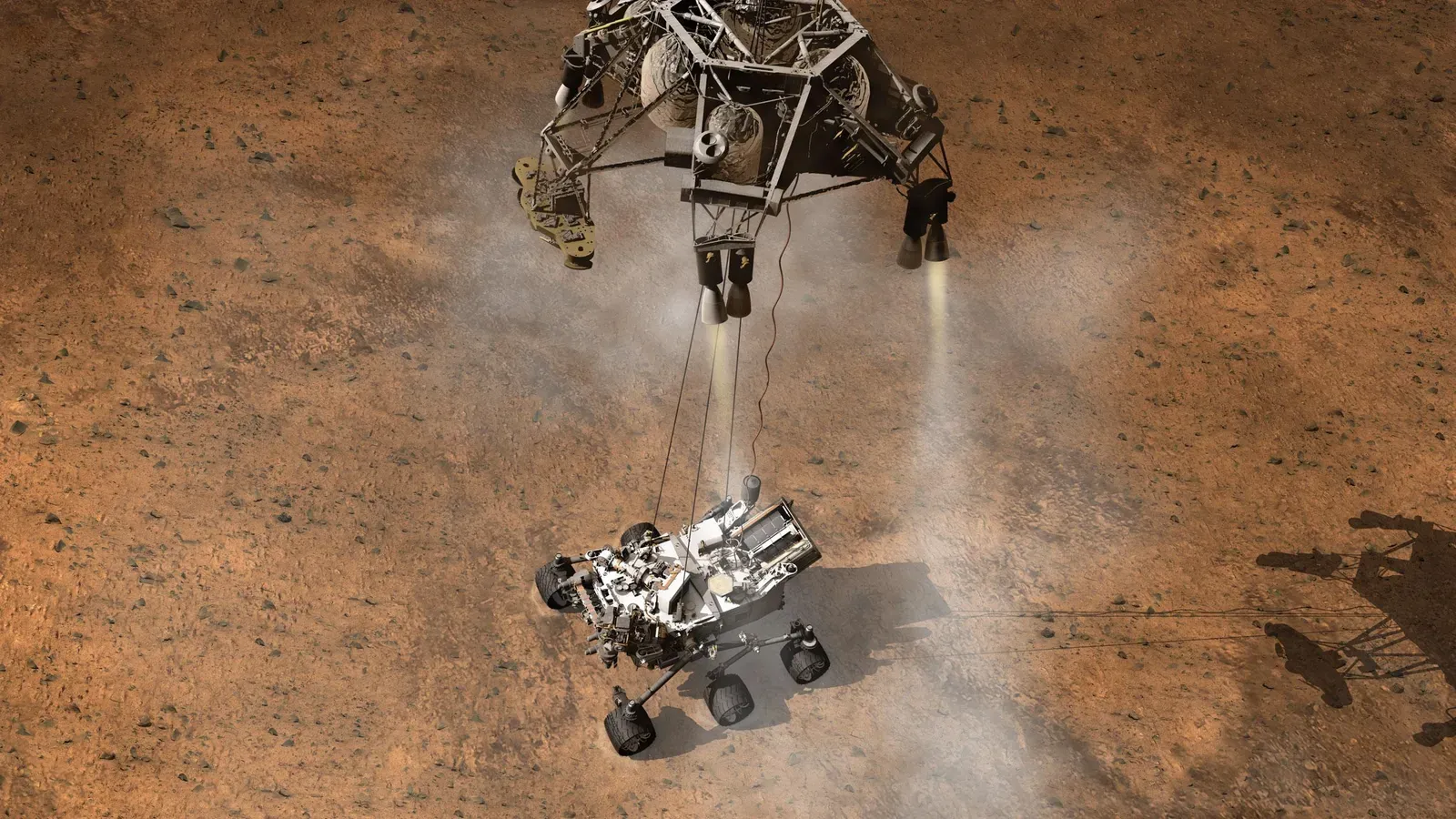
You do not need a PhD or access to a particle accelerator to engage with these questions. One simple step is to follow reputable science coverage – public radio segments, established science magazines, or talks from research institutions – which often translate cutting‑edge findings into clear, jargon‑free language. Many observatories, universities, and physics labs now stream public lectures online, where you can hear directly from researchers wrestling with dark energy, quantum puzzles, and the fate of the universe. If you are lucky enough to live near a planetarium, science museum, or university, public events can turn abstract ideas into something you can see and almost feel.
Supporting science does not always mean writing a big check; it can be as straightforward as encouraging curiosity in your family, voting for evidence‑based policies, or backing public funding for basic research. You might choose to donate to organizations that promote science education, open data, or international research collaborations, all of which help keep these big questions alive and accessible. Even carving out time to read, watch, or discuss these topics with friends keeps them from becoming a niche hobby for specialists only. In a way, the strangest forces in the universe are sustained not just by equations but by the collective decision to keep asking hard questions. That willingness to question reality might be the most important force of all.
Suhail Ahmed is a passionate digital professional and nature enthusiast with over 8 years of experience in content strategy, SEO, web development, and digital operations. Alongside his freelance journey, Suhail actively contributes to nature and wildlife platforms like Discover Wildlife, where he channels his curiosity for the planet into engaging, educational storytelling.
With a strong background in managing digital ecosystems — from ecommerce stores and WordPress websites to social media and automation — Suhail merges technical precision with creative insight. His content reflects a rare balance: SEO-friendly yet deeply human, data-informed yet emotionally resonant.
Driven by a love for discovery and storytelling, Suhail believes in using digital platforms to amplify causes that matter — especially those protecting Earth’s biodiversity and inspiring sustainable living. Whether he’s managing online projects or crafting wildlife content, his goal remains the same: to inform, inspire, and leave a positive digital footprint.