
Have you ever walked through a globe? Or contemplated the stars from inside a 19th-century surgical theater where medical history was made? isn’t just about the Freedom Trail and clam chowder. This city hides peculiar treasures in plain sight, each one echoing ancient human ingenuity that mirrors how our ancestors gazed at celestial wonders and tried to make sense of the cosmos.
From the earliest civilizations, humans looked up. The Babylonians believed the gods sent signs from heaven to warn about impending war or bad harvests, just as we still search for meaning in unexpected places today. ‘s unusual attractions offer that same sense of wonder, connecting you to something larger than yourself. Let’s explore eight remarkable spots where history, astronomy, and human creativity collide in ways you never imagined.
Walk Inside the World at the Mapparium
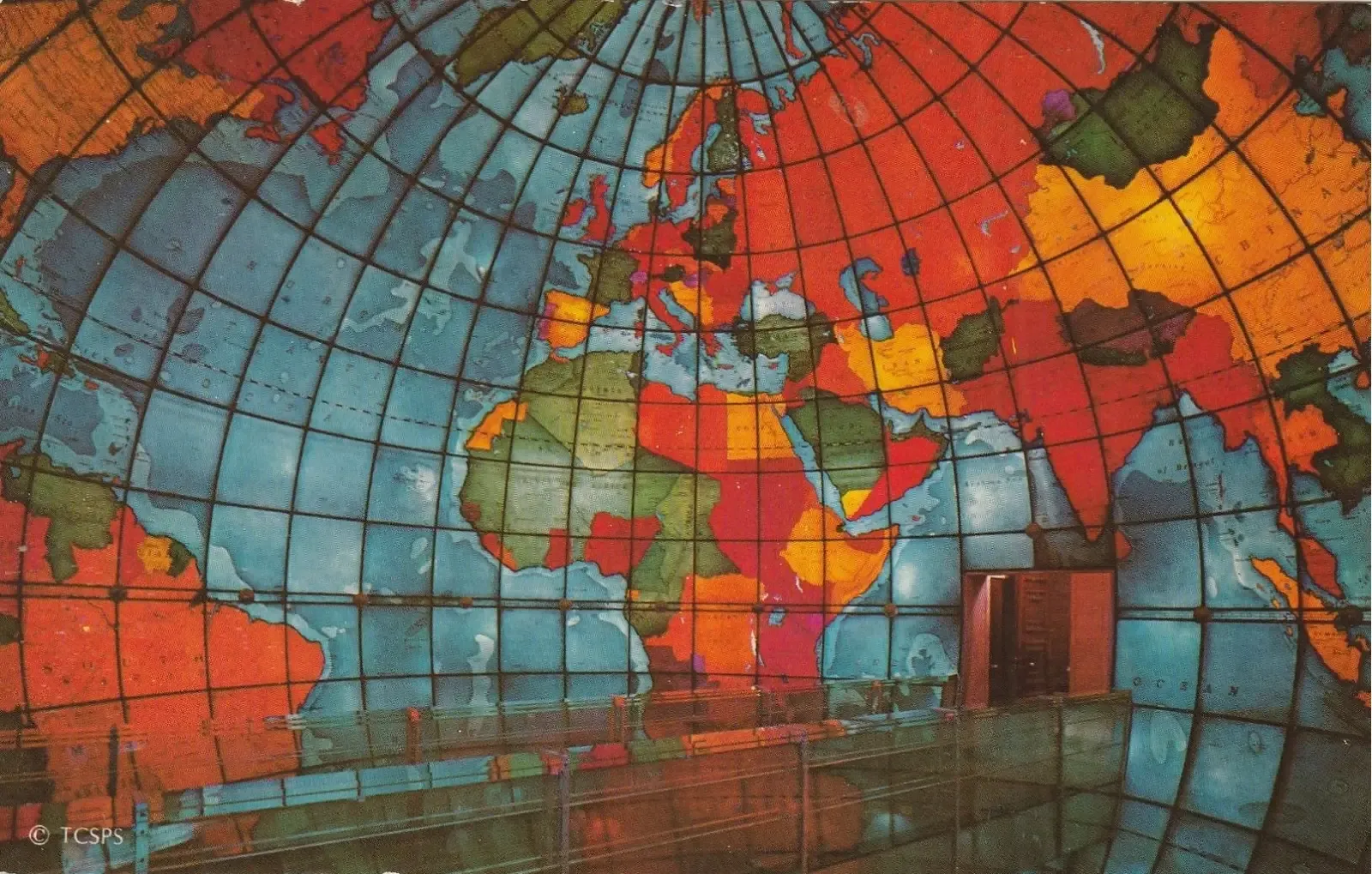
Inside The Mary Baker Eddy Library, the Mapparium is a three-story, stained-glass globe that gives you a three-dimensional view at how the world looked in 1935. You’ll stand on a glass bridge suspended through the center of this glowing sphere, surrounded by glowing continents and seas rendered in brilliant colored glass.
The acoustics here are bizarre. Whisper from one end of the bridge, and someone at the opposite end hears you perfectly. It’s like the universe decided to play with physics just for fun. The globe illustrates how countries and borders have changed over the past century, reminding you that even our carefully drawn maps are temporary. Ancient astronomers also mapped their world, charting stars and planets with painstaking precision, believing they could decode divine messages written across the night sky.
The Ether Dome Where Medical Science Met the Stars
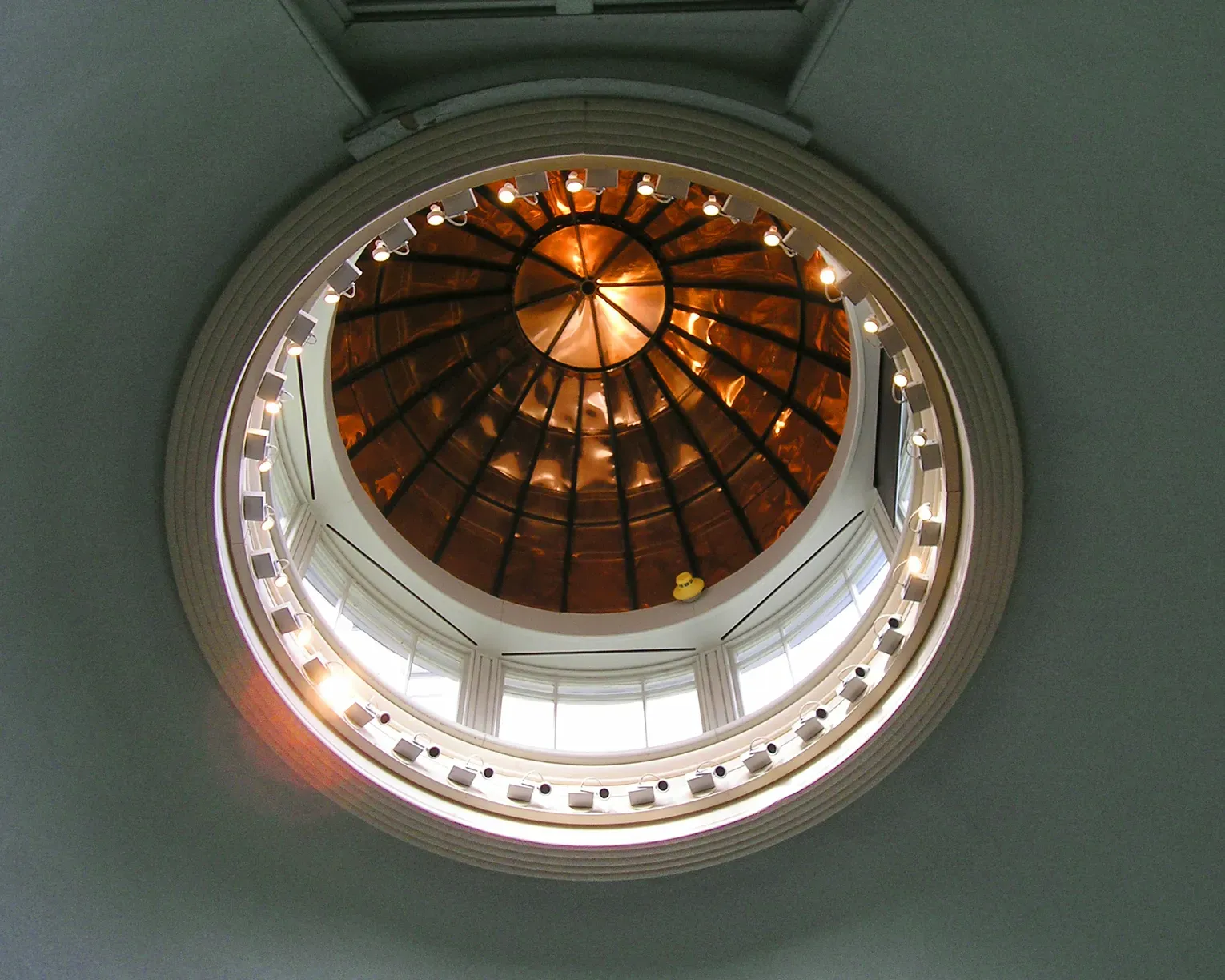
On October 16, 1846, in what is now known as the Ether Dome within Massachusetts General Hospital, a Boston dentist successfully conducted the first public surgery using ether as an anesthetic. This elegant amphitheater sits flooded with natural light, designed so surgeons could see clearly without electric illumination.
Here’s the thing: the dome’s skylight wasn’t just practical. Like ancient observatories that tracked celestial movements, this space connected earthly healing with light from above. Also on display are a mummy, a skeleton and a small collection of antique surgical implements. Standing there, you realize how humans have always sought to illuminate darkness, whether mapping constellations or pioneering anesthesia.
The amphitheater remains a teaching space today, bridging centuries of medical knowledge under that same sky-reaching dome.
The Great Molasses Flood Memorial
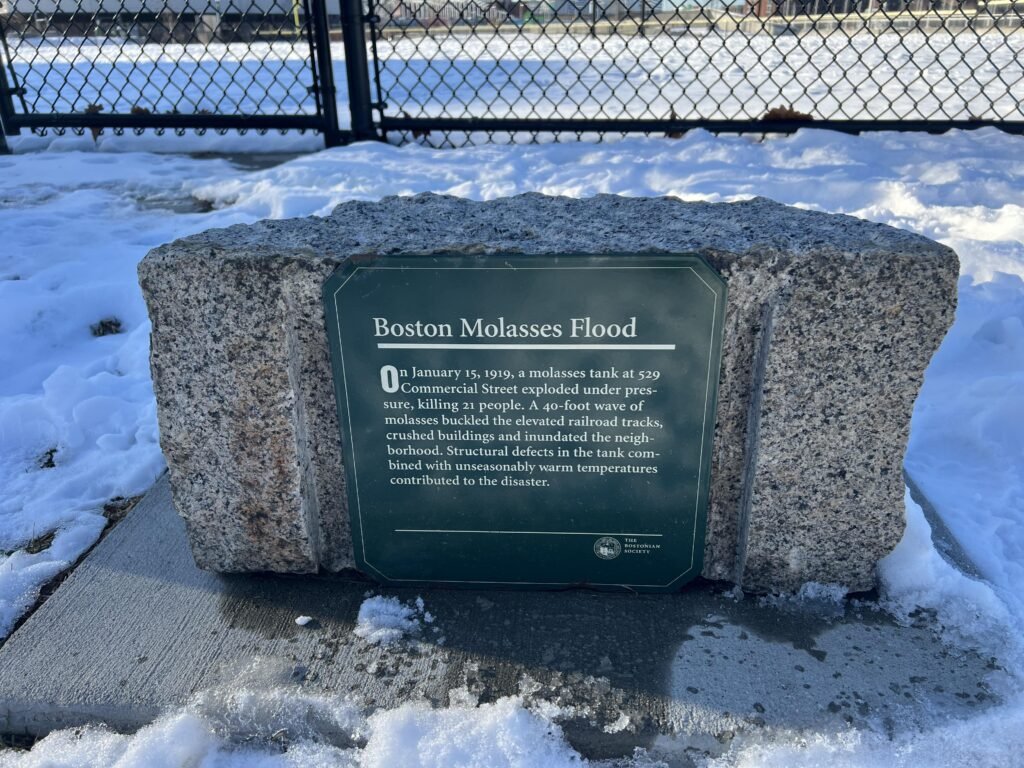
The site marks one of the strangest disasters in history – a wave of deadly molasses traveling at 35 mph. In January 1919, a massive storage tank exploded ‘s North End, unleashing over two million gallons of molasses through the streets.
It sounds absurd until you learn that 21 people died and 150 were injured in this sticky tsunami. The memorial stands as a reminder that tragedy can strike in the most unexpected forms. Ancient civilizations tracked celestial events like eclipses and comets, often interpreting them as omens of disaster. This molasses catastrophe was no celestial warning, just human error with devastating consequences.
You can still catch a whiff of molasses on hot summer days, locals swear. Whether that’s true or urban legend, the story persists like constellations passed down through generations.
Boston’s Skinny House
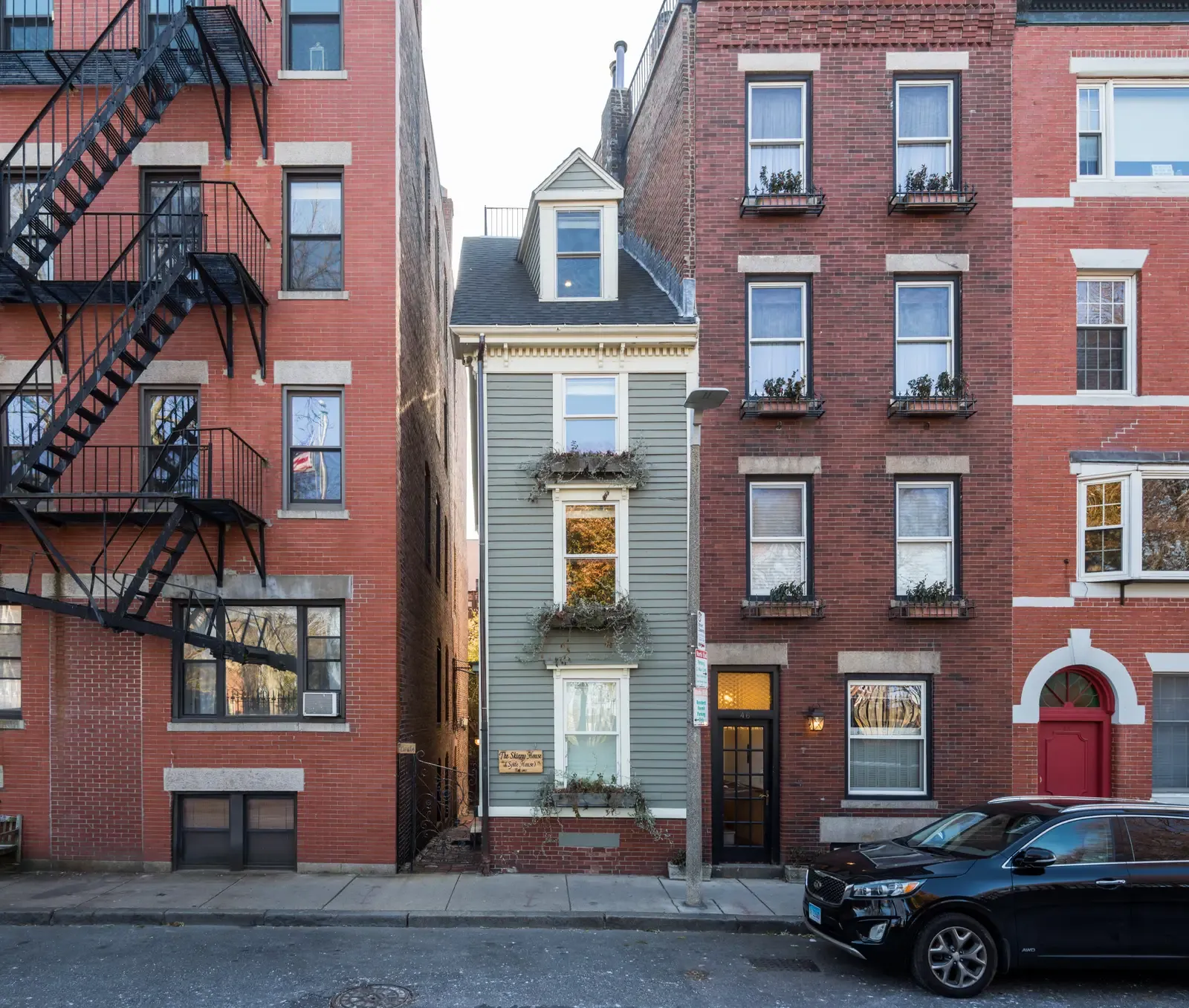
Located in the historic North End, Boston’s Skinny House stands as a testament to ingenuity and space utilization. This spite house measures just over 10 feet wide at its widest point, narrowing to a mere 9 feet at the rear. Legend says it was built by a man whose brother constructed a larger home on their shared land while he served in the military.
Upon returning, the soldier erected this impossibly narrow dwelling to block his brother’s sunlight and views. Talk about sibling rivalry. The house represents human determination to carve out space in an unforgiving environment, much like how Stonehenge was aligned so that its principal axis coincided with the direction of sunrise on summer solstice.
Both structures show humans imposing order and meaning on their surroundings, whether through celestial alignment or architectural revenge. You can’t tour inside, since it’s a private residence, but standing before its impossibly slim facade is worth the visit.
The Harbor Islands and Celestial Navigation
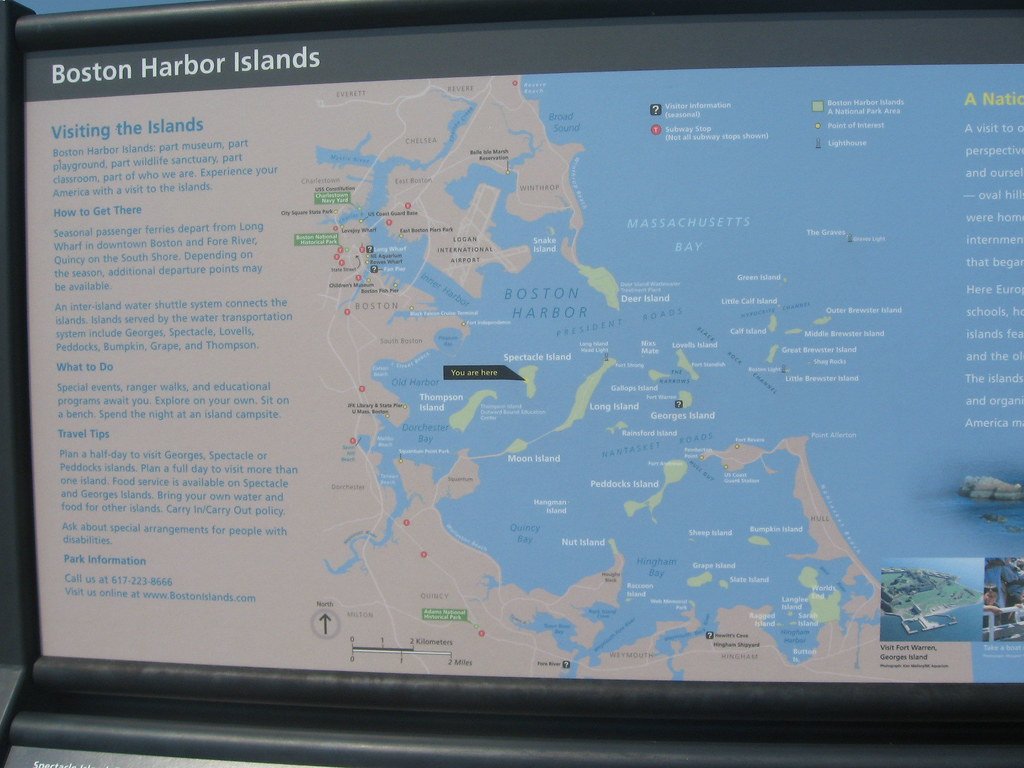
Boston is home to 30 islands, though some are off-limits to the public and only four are accessible by ferry. These islands offer escape from urban chaos, and they connect to a long maritime tradition where sailors used stars for navigation.
The astrolabe is a navigational tool that can determine local time and location in latitude based on the position of celestial objects, with 58 recognized navigational stars helping calculate the user’s location. Boston’s harbor islands once served as lookout points where watchmen scanned both sea and sky. Spectacle Island features hiking trails that lead to panoramic views where you can imagine ancient navigators charting their course by constellations.
What was once a dumping ground for dirt from the city’s Big Dig highway project is now a 105-acre island with one of the Harbor Islands’ only sand beaches and five miles of hiking trails. Standing at the island’s highest point, you’re connected to centuries of mariners who studied the heavens for guidance.
Copp’s Hill Burying Ground
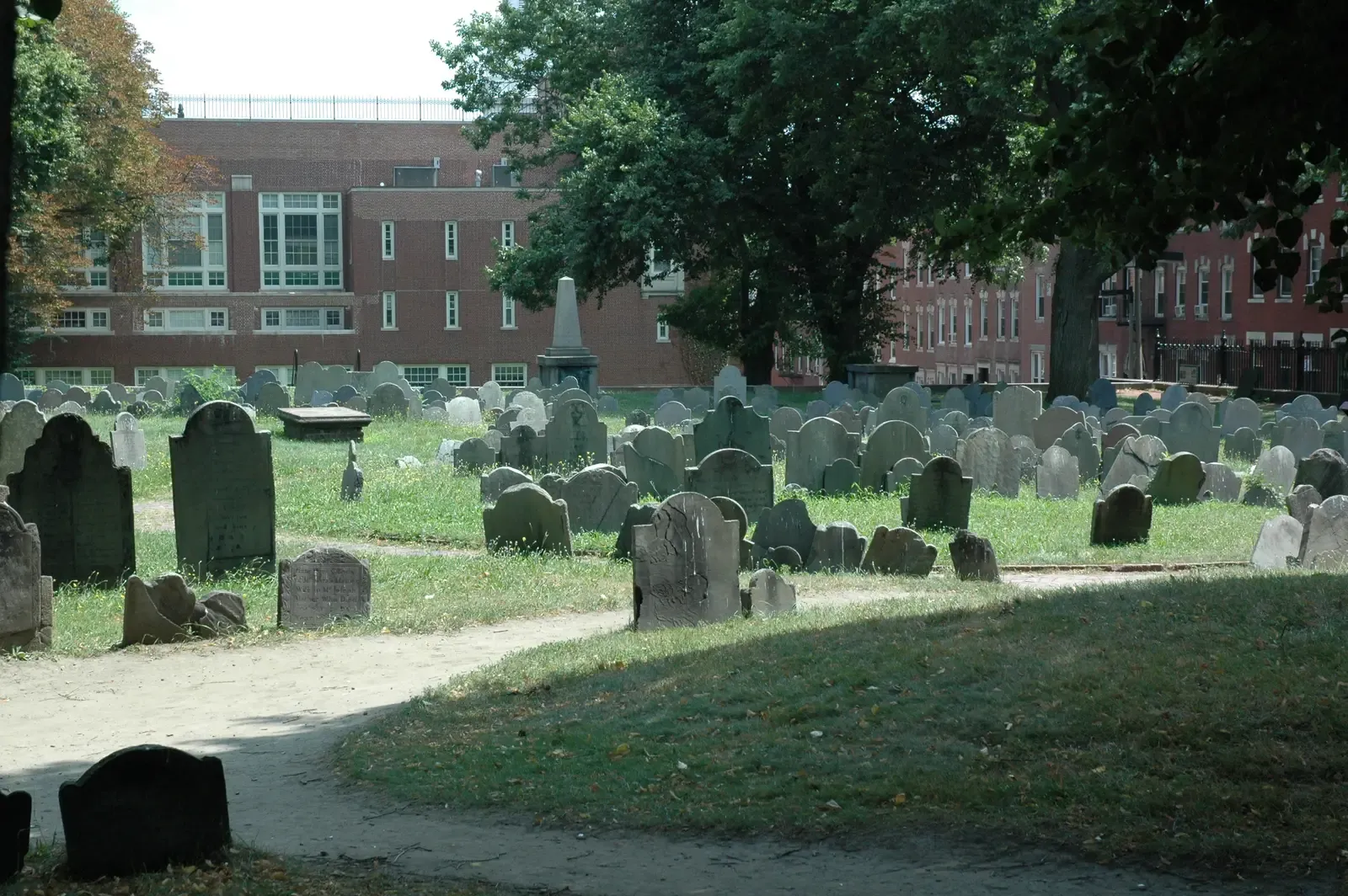
Scattered throughout Boston are 16 historic burying grounds, including many with graves dating back to the 1630s, with fascinating epitaphs and iconographies that tell the stories and beliefs of different centuries. Copp’s Hill, perched in the North End, offers stunning harbor views and gravesites of colonists, freed slaves, and Revolutionary War figures.
The headstones here feature carved symbols: hourglasses for time’s passage, skulls for mortality, and celestial imagery representing the soul’s ascension. Ancient Egyptians of 3000 years ago adopted a calendar based on a 365-day year and kept careful track of the rising time of the bright star Sirius in the predawn sky, which corresponded with the flooding of the Nile River. Similarly, Boston’s early settlers marked time and mortality with symbols connecting earthly life to cosmic eternity.
Walking among these weathered stones at twilight, when the first stars emerge, you feel the continuum of human existence stretched between earth and sky.
The Warren Anatomical Museum
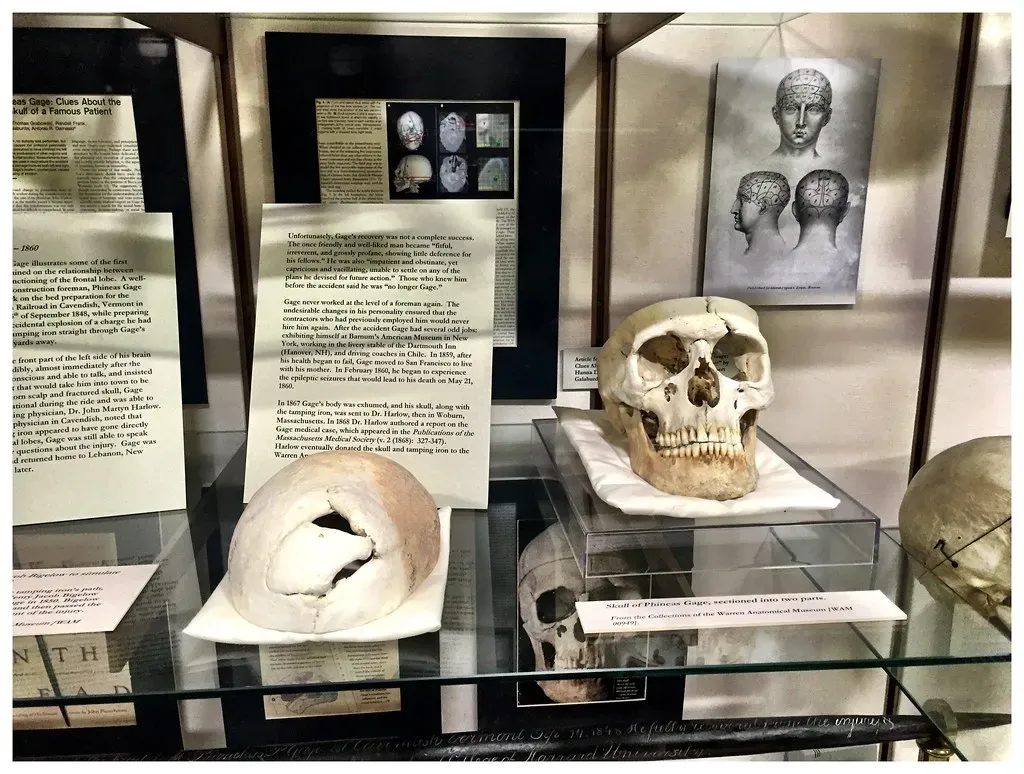
Tucked within Harvard Medical School, the Warren Anatomical Museum houses an extraordinary collection of medical artifacts, specimens, and anatomical oddities, from surgical tools and anatomical models to pathological specimens. This free museum traces medical evolution through unsettling yet fascinating displays.
The collection includes the skull of Phineas Gage, the railroad worker who survived an iron rod through his brain, forever changing neuroscience. Let’s be real, it’s not for the squeamish. Yet there’s something profound about humans documenting their own biology with the same meticulous care that ancient astronomers mapped the heavens.
In the second century BCE, the famed Greek astronomer Hipparchus of Nicaea compiled the first stellar catalogue, listing the positions of 850 stars across the sky. The Warren Museum represents that same impulse: cataloging, understanding, pushing the boundaries of knowledge. Both astronomers and anatomists sought to decode mysteries, whether written in stars or flesh.
The MIT Smoot Markings on Harvard Bridge
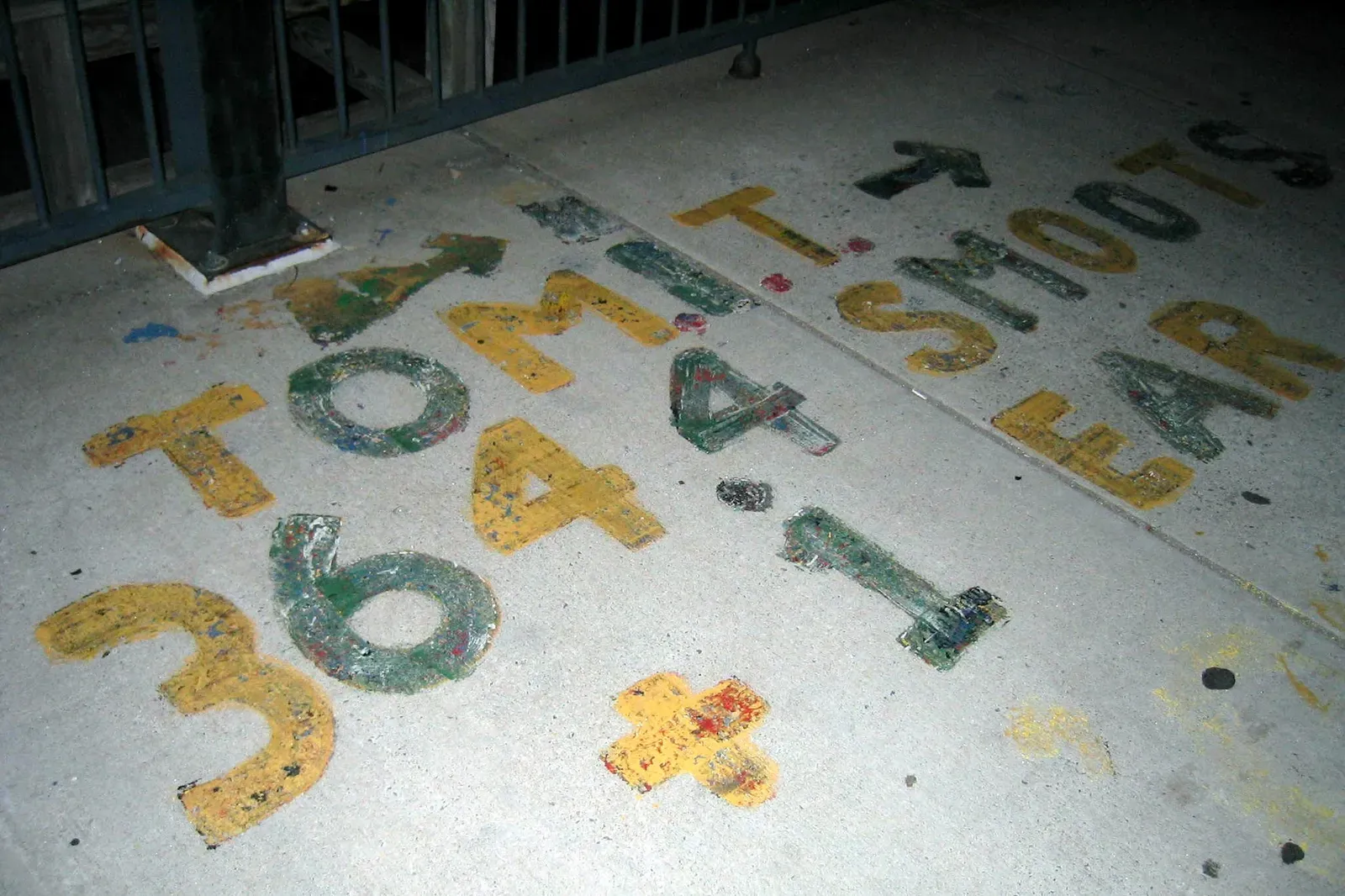
The Massachusetts Avenue Bridge crossing the Charles River features painted marks on the sidewalk indicating how many “Smoots” you have gone – a piece of MIT history that has been lovingly preserved. In 1958, fraternity pledges used Oliver Smoot’s body as a measuring unit, laying him down repeatedly across the entire bridge.
The bridge measures 364.4 Smoots, plus one ear. Honestly, only MIT students would think to measure infrastructure in human bodies. These markings persist decades later, repainted regularly by subsequent generations who refuse to let the joke die. It’s a playful rebellion against standardized measurement, much like how different ancient cultures developed unique systems for tracking celestial cycles.
Tablets dating back to the Old Babylonian period document the application of mathematics to the variation in the length of daylight over a solar year, with centuries of Babylonian observations recorded in cuneiform tablets. The Smoot markings represent the same human need to quantify our world, whether measuring bridges or tracking the sun’s journey across seasons.
Conclusion
Boston’s unusual attractions reveal something profound about human nature: we’ve always sought to understand our place in the universe. From Babylonian astronomers who watched the sky every night to keep track of what transpired, recording their observations on clay tablets, to modern Bostonians preserving quirky traditions like Smoot measurements, we’re driven to document, explore, and create meaning.
These eight spots won’t show up on most tourist itineraries, which makes them all the more valuable. They represent the intersection of human curiosity and cosmic wonder, reminding us that looking up at the stars and looking deeply into ourselves are not so different. Both require patience, precision, and a willingness to be amazed by what we discover.
Next time you’re , skip the crowds at Faneuil Hall and venture to these hidden corners instead. Which of these unusual spots intrigues you most? The answer might reveal something about how you seek meaning in this vast, mysterious universe we all share.