
Snap a twig, and it stays broken. Break a bone, and if you give it time, it quietly rebuilds itself from the inside out. That simple contrast hides one of the most astonishing facts about us: our skeleton is not a static frame, but an active, self-repairing organ system that never really stops remodeling. Every stumble, every jump, every hour you sit at a desk nudges your bones to adapt in ways you rarely notice. Yet when something goes wrong – a fracture from a fall, brittle bones with age – the stakes are suddenly very real. Scientists are now uncovering the hidden choreography behind bone repair, and what they are learning could transform how we treat injuries, aging, and even space travel.
The Hidden Drama Inside a “Broken” Bone
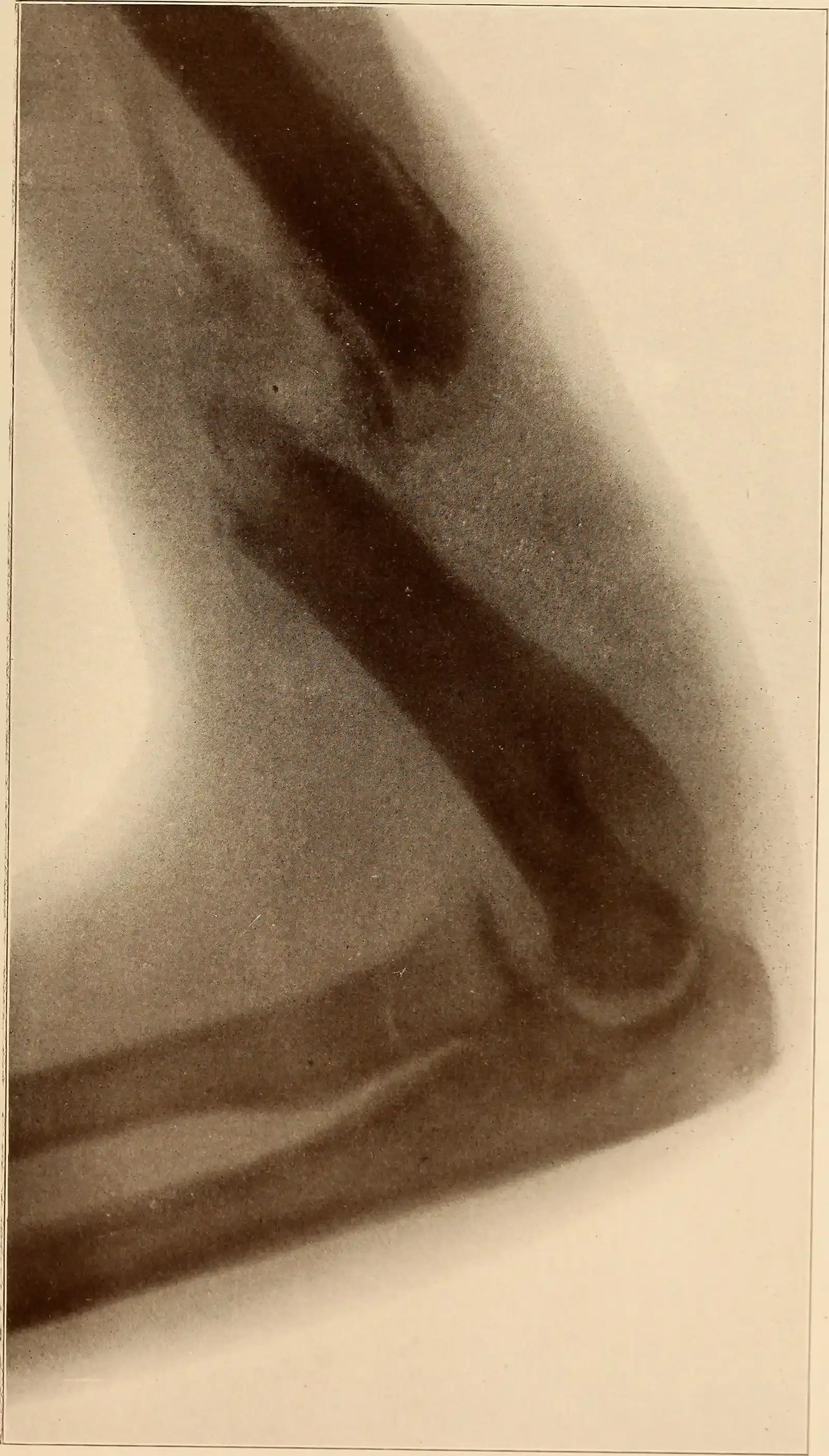
When an X-ray shows a clear fracture line, it can look like a clean and simple break, but what follows is more like a carefully staged emergency response. Within minutes of a bone snapping, blood vessels rupture and a clot forms around the break, almost like a biological sandbag wall sealing off a flooded street. This blood clot becomes a chemical announcement that something catastrophic has happened, and immune cells rush in to clear debris and signal for help. Pain, swelling, and warmth are not just annoying side effects; they are early markers that your body has thrown everything it has at stabilizing the damage.
In the days that follow, specialized cells begin to transform the scene from chaos into construction. Fibroblasts and cartilage-forming cells weave a soft, rubbery bridge known as a soft callus between the broken ends. It cannot bear much weight yet, but it keeps the fragments from drifting too far apart. Slowly, that soft scaffold is infiltrated by bone-forming cells that start laying down a sturdier material, turning the fragile bridge into something more like fresh timber across a gap. What looks like simple “healing” on an X-ray is, at the microscopic level, a fast-moving drama of destruction, rebuilding, and reinforcement.
Meet the Cellular Construction Crew: Osteoclasts and Osteoblasts
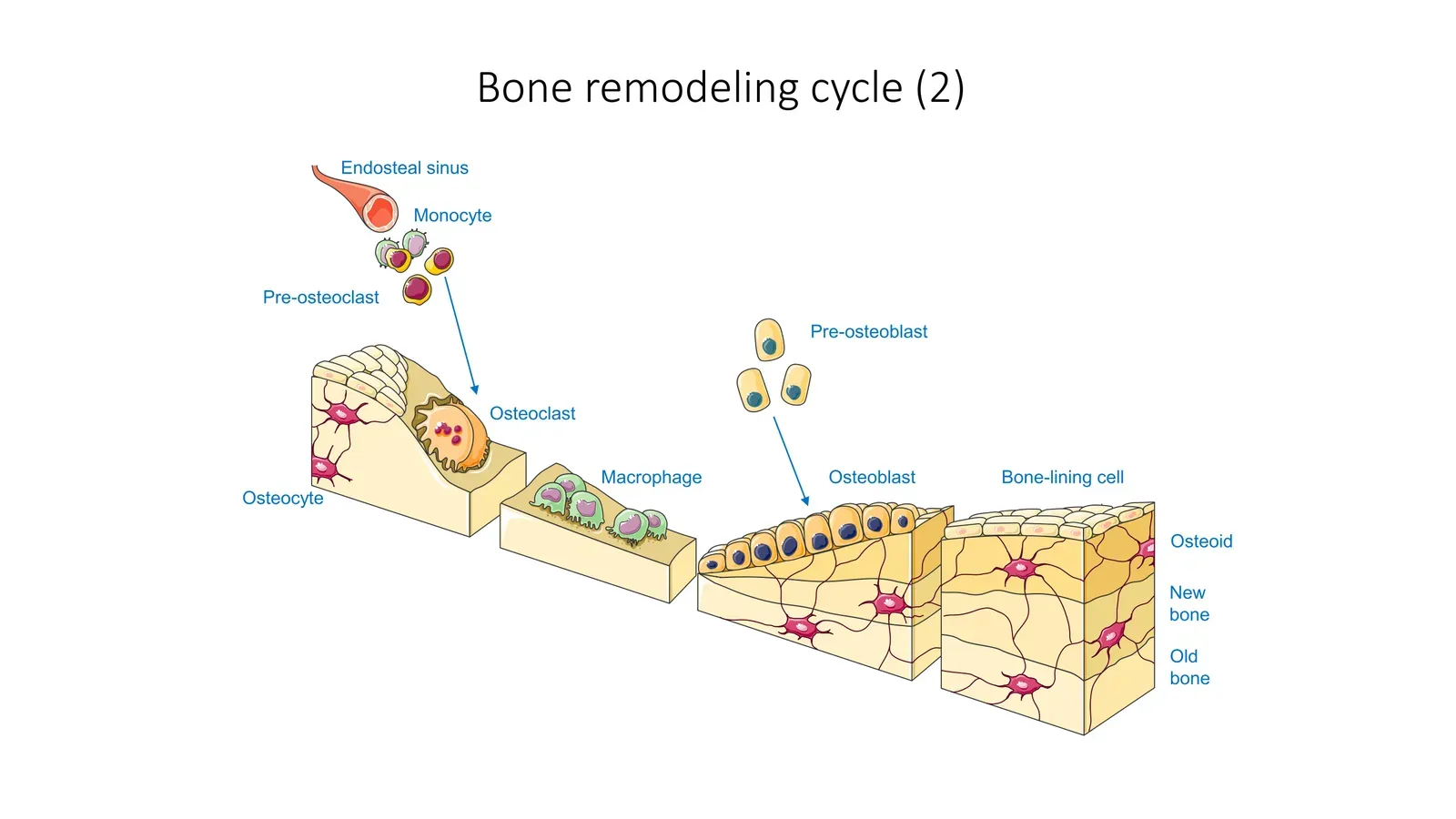
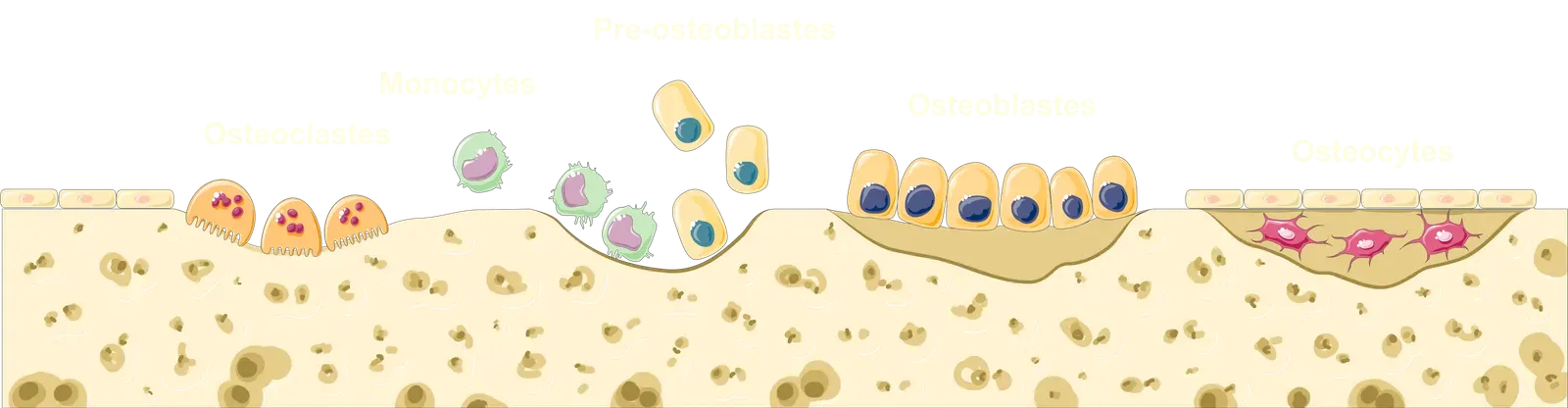
Bone repair depends on a quiet tug-of-war between two main types of cells that behave a bit like demolition and construction teams working side by side. Osteoclasts are the demolition experts, dissolving old, damaged, or poorly aligned bone using potent acids and enzymes. They carve out microscopic pits in the mineral structure, breaking down tissue that no longer serves its purpose or that was damaged in the injury. Right behind them come osteoblasts, the builders that secrete new bone matrix rich in collagen and minerals, gradually filling in the spaces osteoclasts left behind.
In a healthy adult, this balance of breaking down and building up is constant, like a city in perpetual but invisible renovation. Roughly about one tenth of your skeleton is being replaced at any given year, with some bones remodeling faster than others depending on how much stress they bear. After a fracture, that steady rhythm is turned up several notches, and more osteoblasts are recruited to stabilize and strengthen the injured site. If osteoclasts become too active, bones can turn fragile; if osteoblasts dominate, bone can become abnormally dense and stiff. The elegance of bone repair lies in how precisely the body tunes this cellular duet, usually without any conscious input from us.
From Childhood Falls to Elite Athletes: How Stress Shapes Stronger Bones
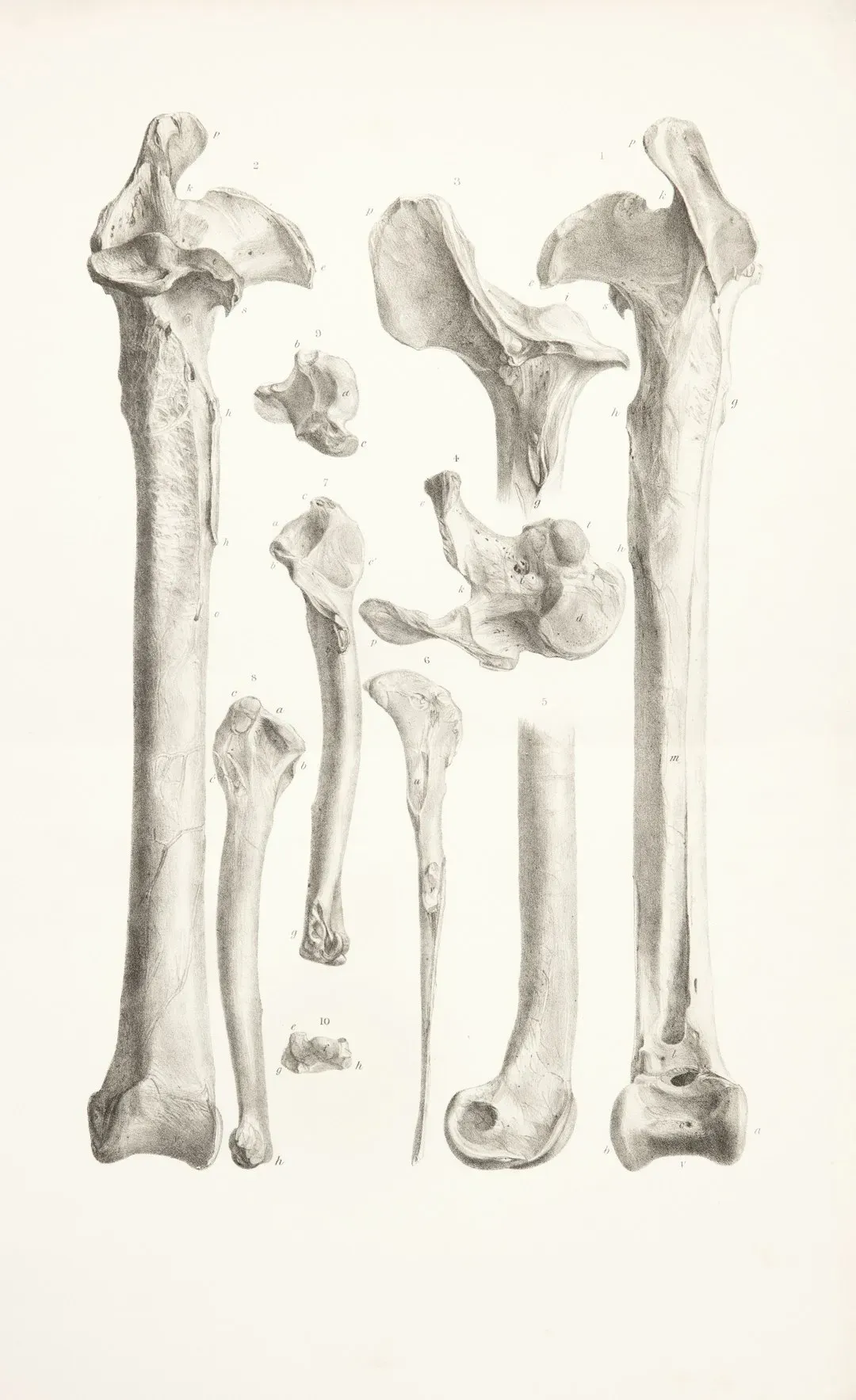
One of the most surprising truths about bones is that they actually need stress to stay strong. When children tumble on playgrounds and get away with only bruises, their bones are being trained to become denser and better aligned with the forces they experience. Everyday activities like walking, climbing stairs, or lifting groceries send mechanical signals through bone tissue that say, in effect, “reinforce here.” Over time, regions under higher stress attract more remodeling, with osteoblasts thickening and reorganizing the structure.
Elite athletes offer an exaggerated version of this same principle. A tennis player’s serving arm often shows thicker bone than the non-dominant arm because years of repeated impact push the skeleton to adapt. On the flip side, when bones are not loaded – during prolonged bed rest, severe illness, or in astronauts living in microgravity – they start to lose density and strength at a worrying pace. These patterns have led scientists to view bone as a sensitive mechanical sensor, always adjusting its architecture in response to the story your daily habits tell. That means your bones are, in a very real sense, keeping a physical diary of how you move through the world.
The Four-Stage Story of Bone Healing
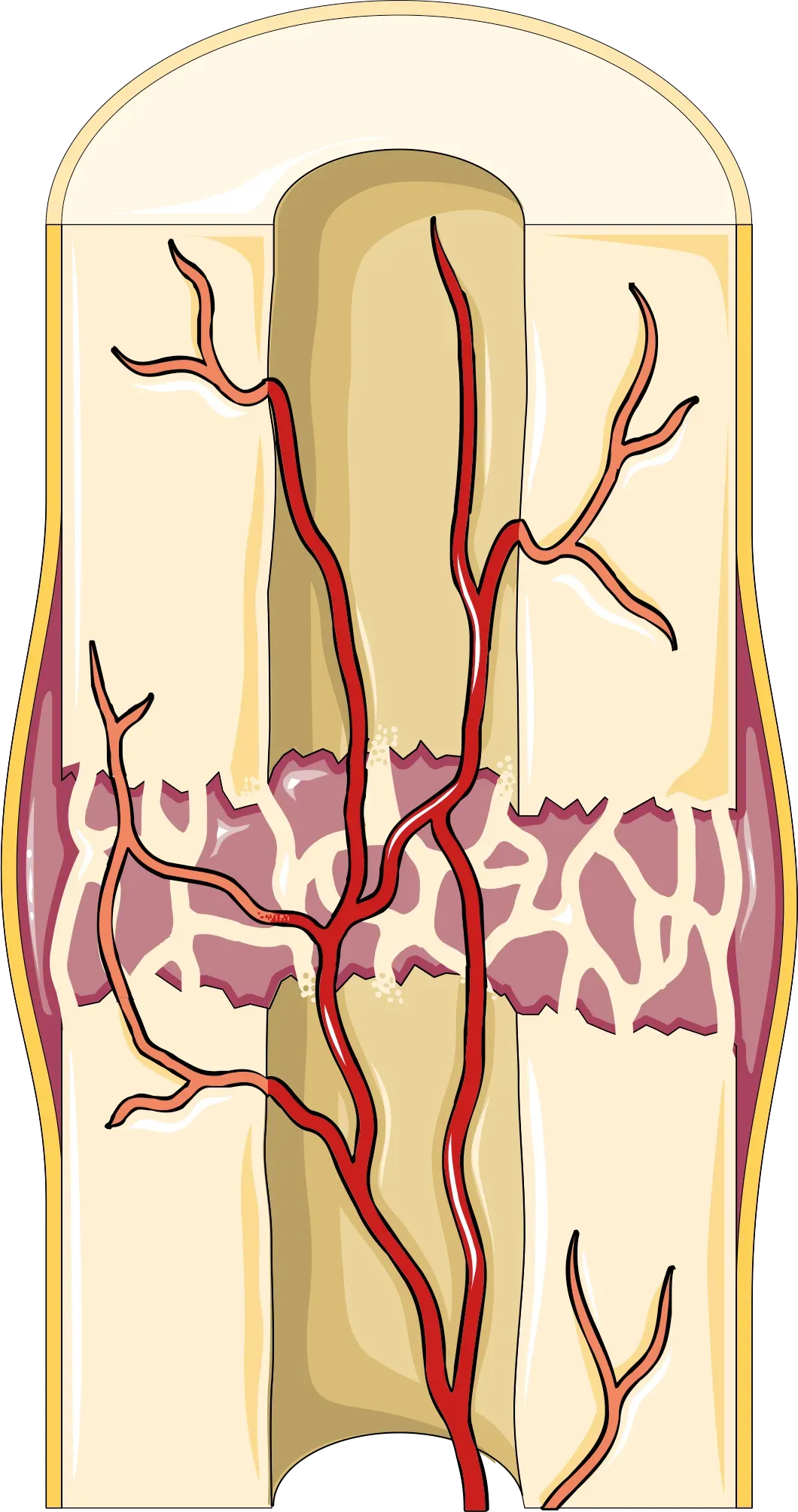
Although every fracture and every person is different, bone repair tends to follow four overlapping stages that researchers have mapped in remarkable detail. First comes the inflammatory stage, where the blood clot forms, immune cells swarm the area, and pain and swelling rise as chemical signals surge. Next is the soft callus stage, where a cartilaginous bridge forms, knitting the broken pieces into a more stable, but still flexible, structure. During this time, you might see slight improvement in movement, even though the bone is far from fully repaired.
The third stage is the hard callus phase, where that soft cartilage is gradually replaced with tougher, mineralized bone. On a scan, this can show up as a cloudy, bulky patch where the fracture once was, almost like an overbuilt patch on a wall. Finally, remodeling begins and can continue quietly for months or even years, as osteoclasts and osteoblasts refine the repaired site, smoothing excess material and aligning it with everyday mechanical forces. In many cases, the healed bone becomes nearly as strong as it was before, and sometimes even stronger at that particular spot. Far from a quick patch job, fracture healing is a long narrative arc that continues well after the cast comes off.
Why It Matters: Bone Repair as a Window into Whole-Body Health
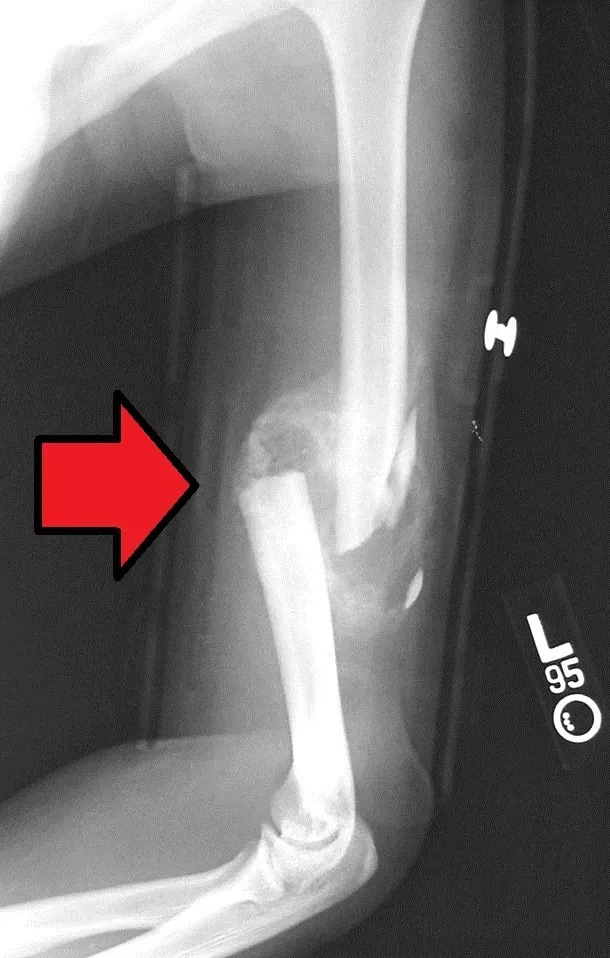
Understanding how bones repair themselves is not just about fixing breaks faster; it is a direct lens into the health of the entire body. Fractures that heal slowly, or not at all, can be early warning signs of conditions like osteoporosis, diabetes, hormonal imbalances, or chronic inflammation. In older adults, a single hip fracture can change the course of life dramatically, affecting independence, mobility, and long-term survival. That makes bone healing a public health issue, not just an orthopedic one.
Comparing what we know now with medicine from decades ago shows how much has shifted. Past approaches focused mainly on immobilizing the break and waiting, with little understanding of the microscopic processes in play. Today, researchers look at blood markers, genetic influences, and even the role of the gut microbiome in shaping bone recovery. We also know that lifestyle choices – such as regular weight-bearing exercise, adequate protein and calcium intake, vitamin D levels, and avoiding smoking – have a powerful effect on how well bones heal after injury. Bone repair has become a kind of barometer, reflecting how well the rest of the body’s systems are working together.
The Cutting Edge: From Bioprinted Scaffolds to Smart Implants
Scientists are now trying to work with the body’s natural bone-healing machinery rather than simply standing back and watching. One promising area is bioengineered scaffolds, porous structures made from biodegradable materials that can be seeded with bone-forming cells or growth factors. These implants act like temporary frameworks that guide the body’s own cells to rebuild complex or large defects that would otherwise struggle to heal. Some research teams are even exploring three-dimensional bioprinting to create custom-shaped bone grafts that match a patient’s anatomy with millimeter-level precision.
Meanwhile, “smart” implants and internal fixation devices are being developed that do more than just hold bones in place. Experimental screws and plates can slowly release drugs that encourage blood vessel growth or attract osteoblasts to the fracture site. Sensors embedded in implants may one day send real-time data on how well a break is healing, allowing doctors to tweak rehabilitation plans long before a traditional X-ray would reveal a problem. There are also advances in cell therapies, where a patient’s own stem cells are harvested, expanded, and directed to boost bone regeneration in difficult cases. While many of these approaches are still in clinical trials or early use, they point toward a future where assisting bone repair is as tailored and dynamic as the healing process itself.
Global Challenges: Aging Populations and Fragile Skeletons
The science of bone repair is colliding with a demographic reality: the world is getting older, and aging bones break more easily. In many countries, the number of hip and spine fractures has climbed as life expectancy has increased, placing enormous strain on healthcare systems. For some regions, the economic burden of treating fractures runs into billions of dollars each year when you factor in surgery, rehabilitation, lost work, and long-term care. Yet access to basic treatments like surgery, imaging, and physical therapy varies widely, leaving patients in low-resource settings at far greater risk of permanent disability.
The situation is further complicated by lifestyle patterns that weaken bones over time. Sedentary habits, low-nutrient diets, and chronic conditions like obesity and diabetes all erode the resilience of the skeleton. In certain urban environments, children may spend more hours sitting indoors than playing outside, which means their bones miss out on the regular stress that stimulates growth and strength. Public health experts increasingly see bone health and repair as part of a bigger picture that includes nutrition, exercise, environmental design, and equitable access to medical care. How societies address these issues today will shape how well future generations can bounce back from something as simple – and as devastating – as a bad fall.
Everyday Actions: How You Can Help Your Bones Help Themselves
While the science of bone repair can sound high-tech and distant, the basics of supporting your skeleton are surprisingly down-to-earth. Regular weight-bearing activities like walking, dancing, climbing stairs, or lifting light weights tell your bones that they are needed, prompting them to stay denser and stronger. A diet that includes enough protein, calcium-rich foods, and vitamin D support gives your bone cells the raw materials they need to rebuild. Spending some time outdoors in sunlight, when safe and appropriate, can also help the body produce vitamin D, which plays a crucial role in calcium absorption.
There are also simple habits that can reduce the risk of fractures in the first place. Keeping your home free of tripping hazards, using railings on stairs, and having your vision checked regularly can make falls less likely. Avoiding smoking and moderating alcohol intake can support healthier bone remodeling over time. Paying attention to medications that might affect balance or bone density and discussing them with a healthcare professional can also be important. Staying curious and informed about bone health, and encouraging family members – especially older relatives – to do the same, helps turn hidden biology into everyday resilience.
Suhail Ahmed is a passionate digital professional and nature enthusiast with over 8 years of experience in content strategy, SEO, web development, and digital operations. Alongside his freelance journey, Suhail actively contributes to nature and wildlife platforms like Discover Wildlife, where he channels his curiosity for the planet into engaging, educational storytelling.
With a strong background in managing digital ecosystems — from ecommerce stores and WordPress websites to social media and automation — Suhail merges technical precision with creative insight. His content reflects a rare balance: SEO-friendly yet deeply human, data-informed yet emotionally resonant.
Driven by a love for discovery and storytelling, Suhail believes in using digital platforms to amplify causes that matter — especially those protecting Earth’s biodiversity and inspiring sustainable living. Whether he’s managing online projects or crafting wildlife content, his goal remains the same: to inform, inspire, and leave a positive digital footprint.