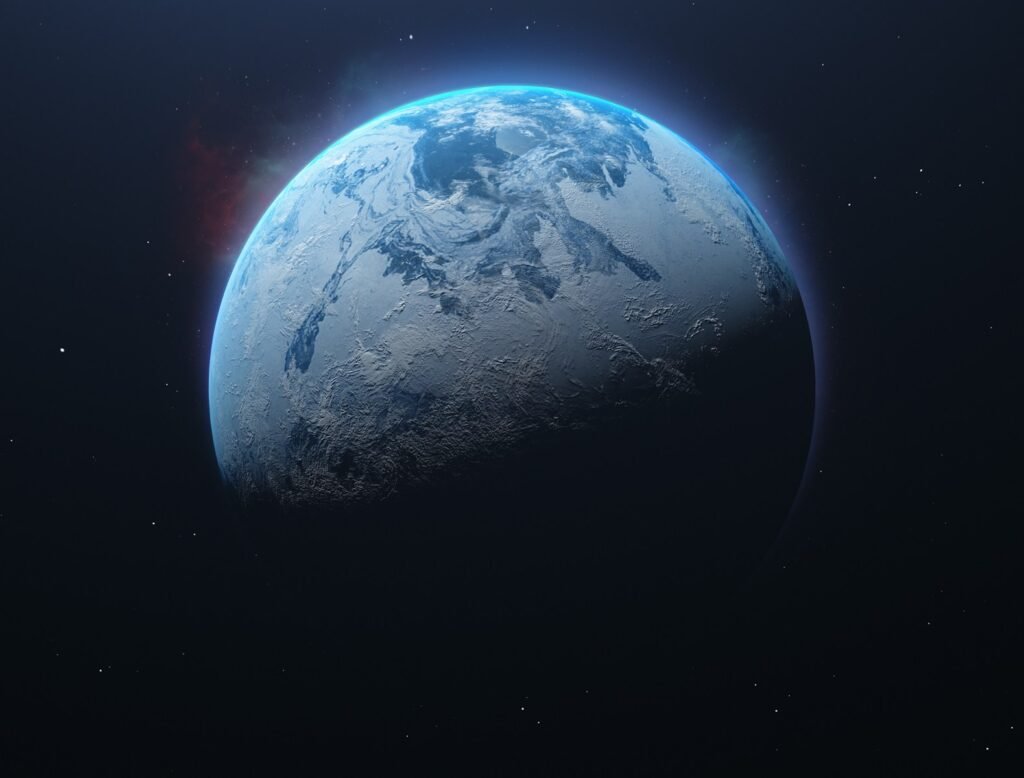

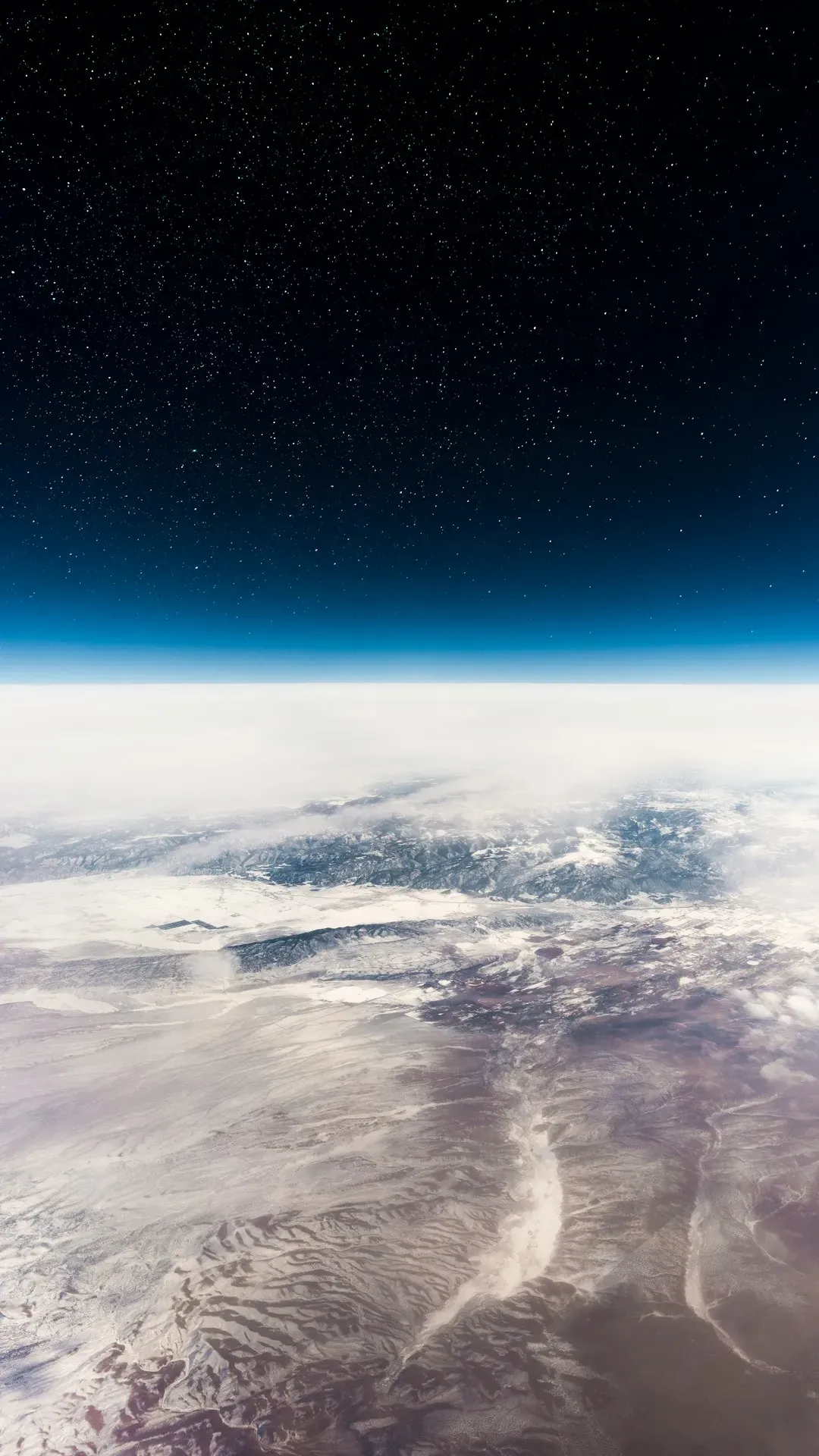
High above the familiar blue arc we see from the ground, Earth’s is doing a constant, invisible high-wire act. It is thin enough to be fragile, yet complex enough to shape climate, weather, and even the possibility of life itself. In the past few decades, scientists have begun to see this gaseous shell not as a passive blanket, but as a restless, layered engine tied to oceans, forests, deserts, and cities. From vanishing ozone to rising greenhouse gases and mysterious upper- waves, the story of our air is one of both warning and wonder. Understanding how this system works is not just an academic exercise; it is fast becoming a survival skill for a planet under pressure.
The Is Shockingly Thin for Something That Keeps Us Alive
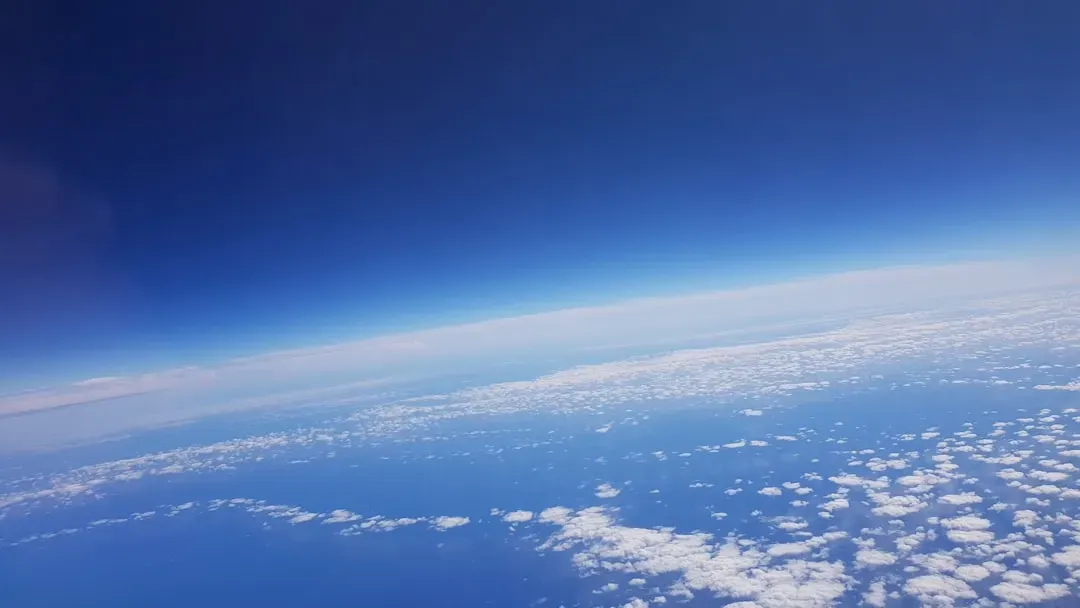
It feels like the sky goes on forever, but in planetary terms, our is more like a coat of paint on a bowling ball. Roughly about four fifths of its mass is squeezed into the first dozen or so miles above the surface, the region we call the troposphere. Commercial airliners cruise near the top of this layer, brushing the boundary where most clouds, storms, and turbulence fade. Climb higher still, and the air thins so quickly that human lungs and aircraft wings alike struggle to function.
Scientists like to compare Earth’s air to the of Mars to underline its fragility: Mars has an too, but it is so thin that liquid water cannot persist on the surface for long. Earth’s relatively dense blanket allows rivers to flow and raindrops to form, while also filtering dangerous space radiation. Yet from space, astronauts describe it as a delicate blue rim, almost flimsy. That thinness is a reminder that small changes in composition – just a few molecules out of every million – can push climate, weather, and ecosystems into unfamiliar territory.
Invisible Layers Shape Weather, Radio Signals, and Even Space Travel

Earth’s is not one uniform soup; it is sliced into distinct layers, each with its own rules of physics. The troposphere is the weather factory, where warm air rises, cool air sinks, and water cycles from vapor to cloud to rain. Above that sits the stratosphere, a calmer zone where the temperature oddly rises with height because ozone molecules soak up ultraviolet radiation from the Sun. Higher still, the mesosphere and thermosphere see temperatures spike and plummet in ways that would make a meteorologist’s head spin, shaped by solar storms and sparse, energetic particles.
These layers matter in surprisingly practical ways. Long-distance radio communications bounce off the ionosphere, a charged sub-region of the upper , allowing signals to curve far beyond the horizon. Spacecraft and satellites must punch through, glide within, or skim along these layers, timing their launches and re-entries to minimize atmospheric drag and heating. Even GPS accuracy can be nudged off course by subtle shifts in the upper ’s density. So while we may only feel what happens near the surface, the stacked structure overhead underpins everything from internet connectivity to astronaut safety.
Ozone: The ’s Sunshield That Once Started to Tear
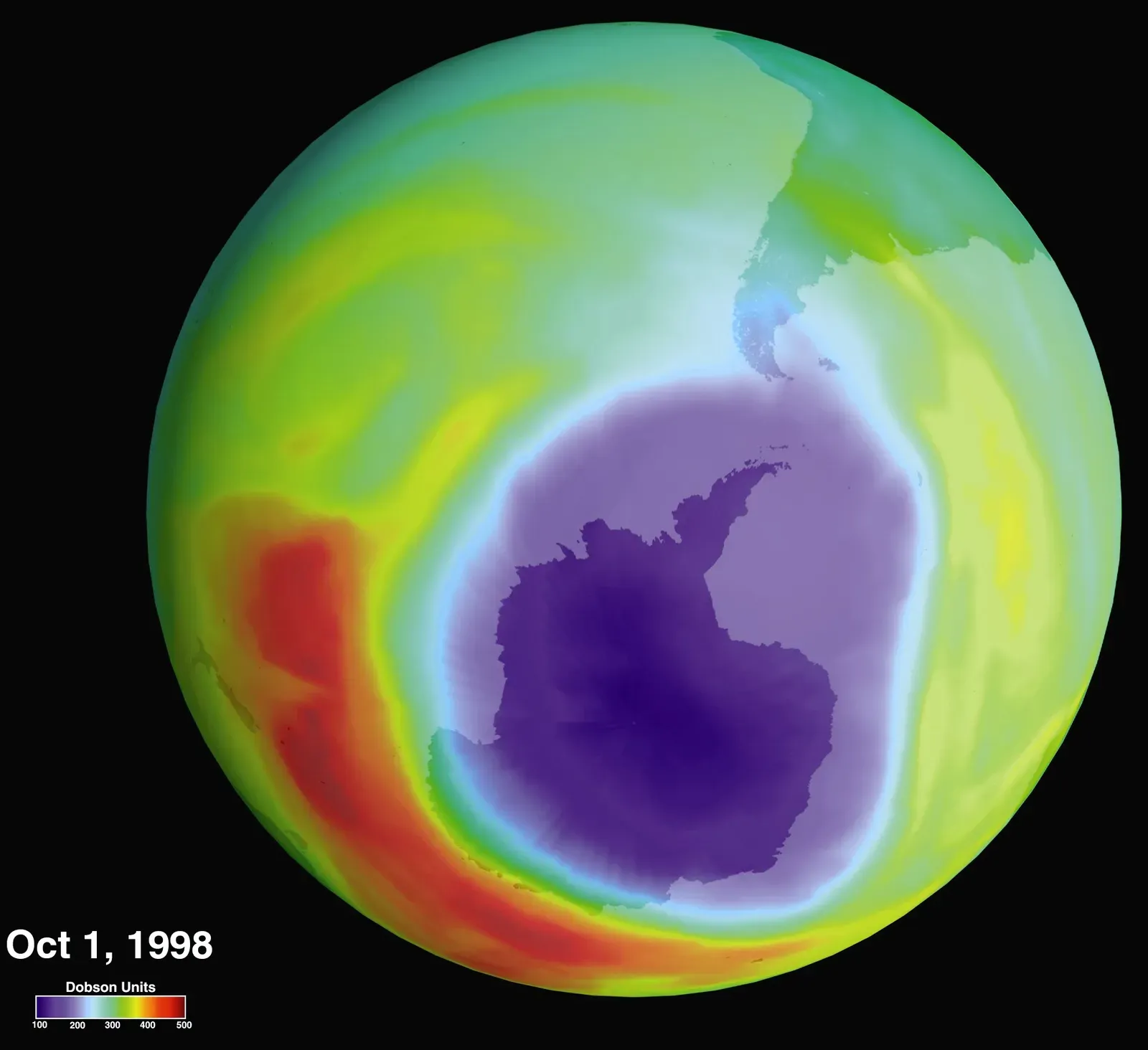
For much of the twentieth century, almost no one outside specialist circles thought about stratospheric ozone. Then scientists detected a seasonal “hole” forming over Antarctica, signaling that human-made chemicals were chewing through a molecule that quietly guards life from the Sun’s harshest ultraviolet radiation. Substances like chlorofluorocarbons, once used in spray cans and refrigerators, were rising into the stratosphere, breaking apart, and setting off chain reactions that dismantled ozone. The result was a thinning shield that could have led to surges in skin cancer, eye damage, and harm to plankton at the base of marine food webs.
The world’s response became one of the rare environmental success stories. The 1987 Montreal Protocol phased out many of the worst ozone-depleting chemicals, and satellite records now show signs of slow, uneven recovery. That healing is not uniform, and new industrial compounds still raise concerns, but the basic trajectory is cautiously hopeful. It is a vivid example of how atmospheric chemistry connects factory floors, supermarket aisles, and polar skies. It also proves that coordinated global action can, under the right conditions, reverse at least some of the damage we cause to the air above us.
The Greenhouse Effect Is Natural – But We Have Supercharged It
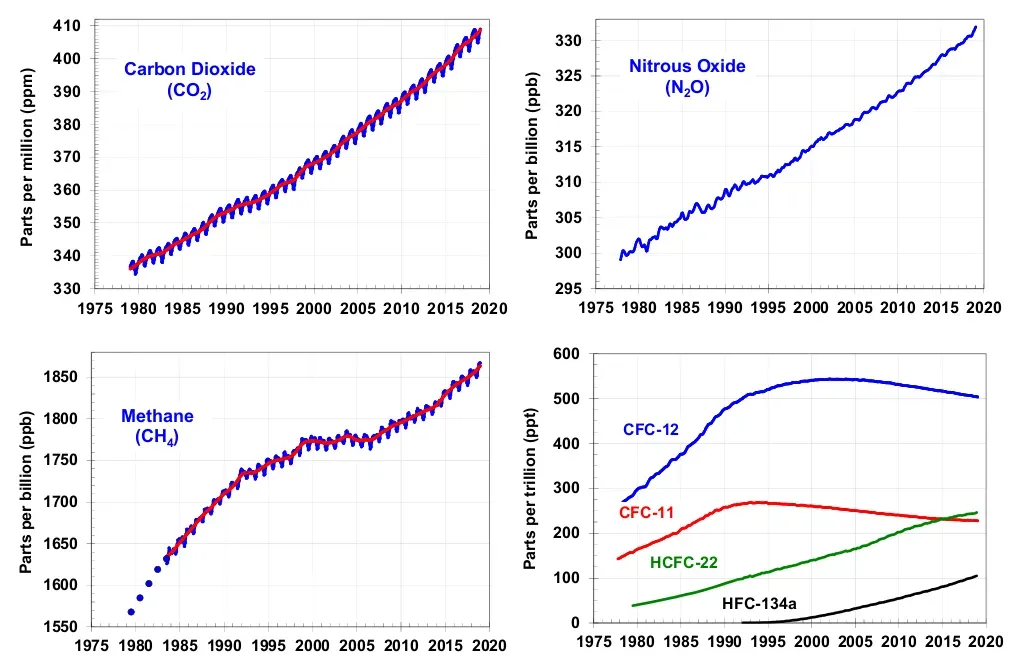
Without greenhouse gases, Earth would be a frozen rock, reflecting sunlight back into space and leaving oceans locked in ice. Water vapor, carbon dioxide, methane, and other trace gases trap a portion of outgoing heat in the lower , keeping the average surface temperature in a range where liquid water and living cells can thrive. This natural greenhouse effect is as essential to life as oxygen. The problem is not that it exists, but that human activities have been steadily thickening this invisible blanket over the past two centuries.
Burning fossil fuels, clearing forests, and certain agricultural practices have driven up greenhouse gas concentrations to levels not seen in many hundreds of thousands of years. The physics is straightforward: add more heat-trapping molecules and the planet’s energy balance shifts, tilting toward warming. That extra energy shows up as hotter heatwaves, more intense downpours, and rising sea levels as glaciers and ice sheets lose mass. Atmospheric measurements from observatories like Mauna Loa in Hawaii read like a steadily climbing pulse line. The greenhouse effect is one of the starkest reminders that while the seems vast, it is intimately sensitive to what we pump into it.
The Air Above Us Is a Global Mixing Bowl, Not a Set of National Silos
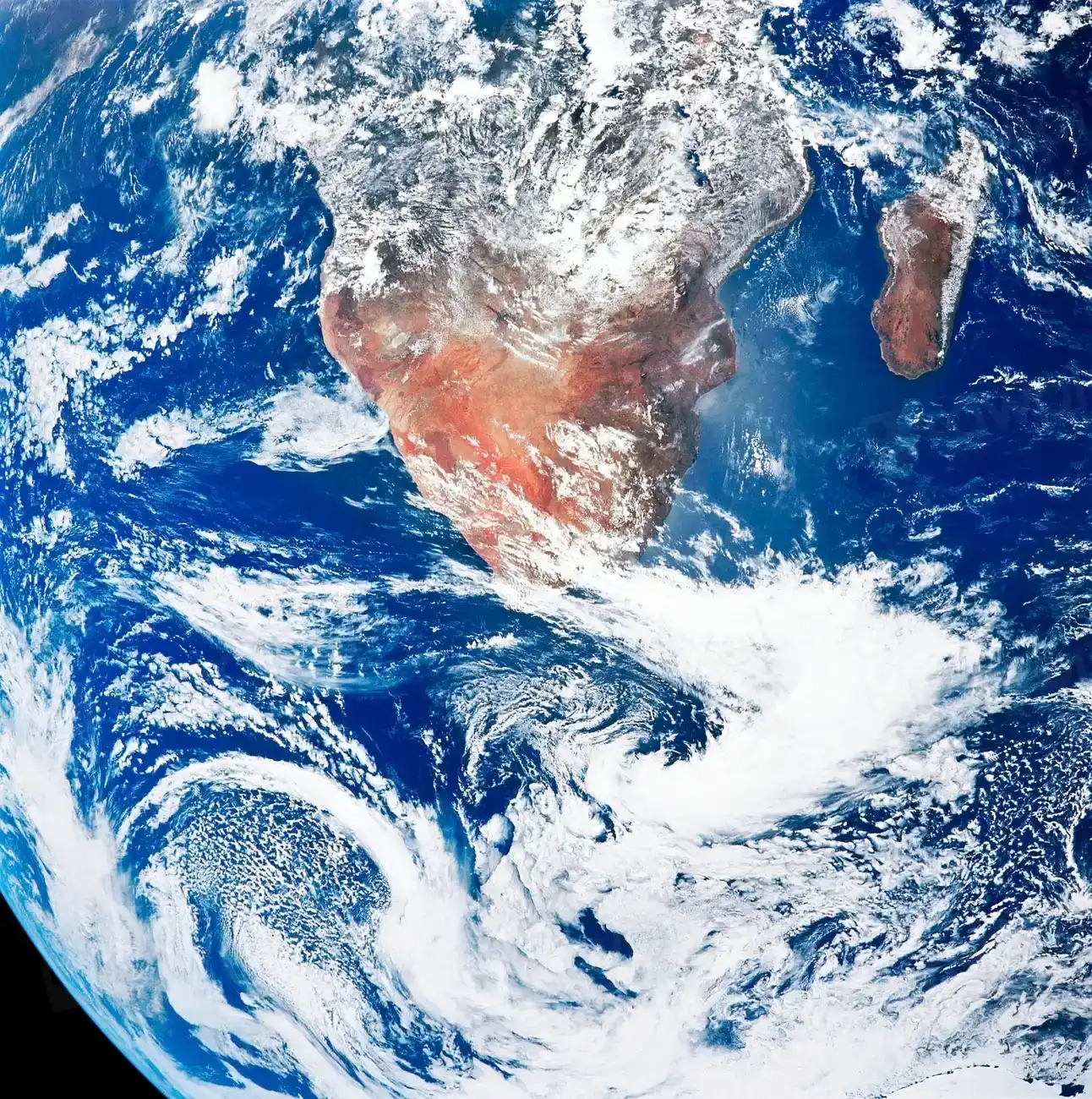
It is tempting to think of emissions and pollution as local problems – produced in one city, affecting only nearby communities. In reality, the behaves more like a planetary conveyor belt. Winds and circulation patterns carry dust from the Sahara across the Atlantic, where it can seed clouds and even fertilize the Amazon rainforest with iron-rich particles. Smoke from wildfires in one continent can paint sunsets halfway around the world, and volcanic eruptions can loft sulfur into the stratosphere, dimming global sunlight for months or years.
This global mixing has political and moral consequences. A factory plume released in one country may contribute to health risks and climate impacts in another that had no say in the original decision. It also means that improvements can scale: when one region cuts some forms of air pollution, downwind communities may see clearer skies and fewer respiratory problems. Satellite constellations now trace these flows in near real-time, mapping nitrogen dioxide, aerosols, and greenhouse gases like a moving weather report of our industrial footprint. The , it turns out, does not recognize borders, even when our policies still do.
Why It Matters: The Is the Planet’s Circulatory System
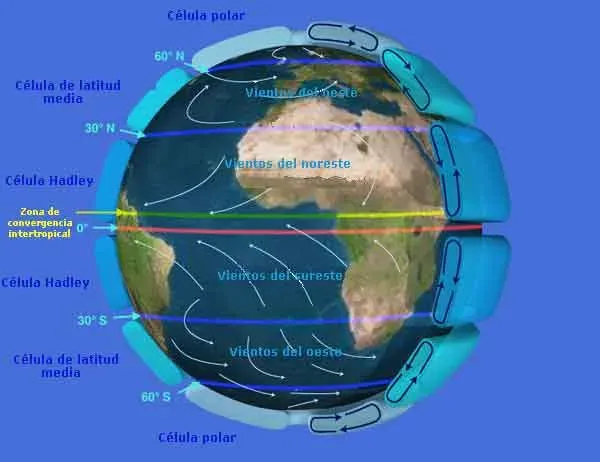
Strip away the poetry, and Earth’s is essentially a moving fluid that shuttles energy, moisture, and chemicals around the globe. In that sense, it functions like a planetary bloodstream, carrying heat from the tropics toward the poles and redistributing water through storms and monsoons. When this circulation shifts, entire regions can lurch from drought to flood, or from relatively mild seasons to disruptive extremes. Farmers, fishers, and urban planners all live downstream of atmospheric decisions they cannot see but increasingly must anticipate.
Compared with older views that treated weather as local chaos and climate as a distant backdrop, modern atmospheric science reveals a web of feedbacks. For example, warmer air holds more moisture, which can fuel heavier rainfall, but it can also dry out soils between storms, making heatwaves worse. Tiny particles from pollution can cool some regions by reflecting sunlight while simultaneously harming lungs and altering cloud behavior. Understanding these dynamics helps societies weigh trade-offs: cutting certain pollutants might warm the climate slightly while saving lives immediately, whereas reducing greenhouse gases tackles long-term risk. The matters because it sits at the intersection of health, food, water, and safety, turning abstract chemistry into daily experience.
The Future Landscape: New Eyes on the Sky and Tough Choices Below
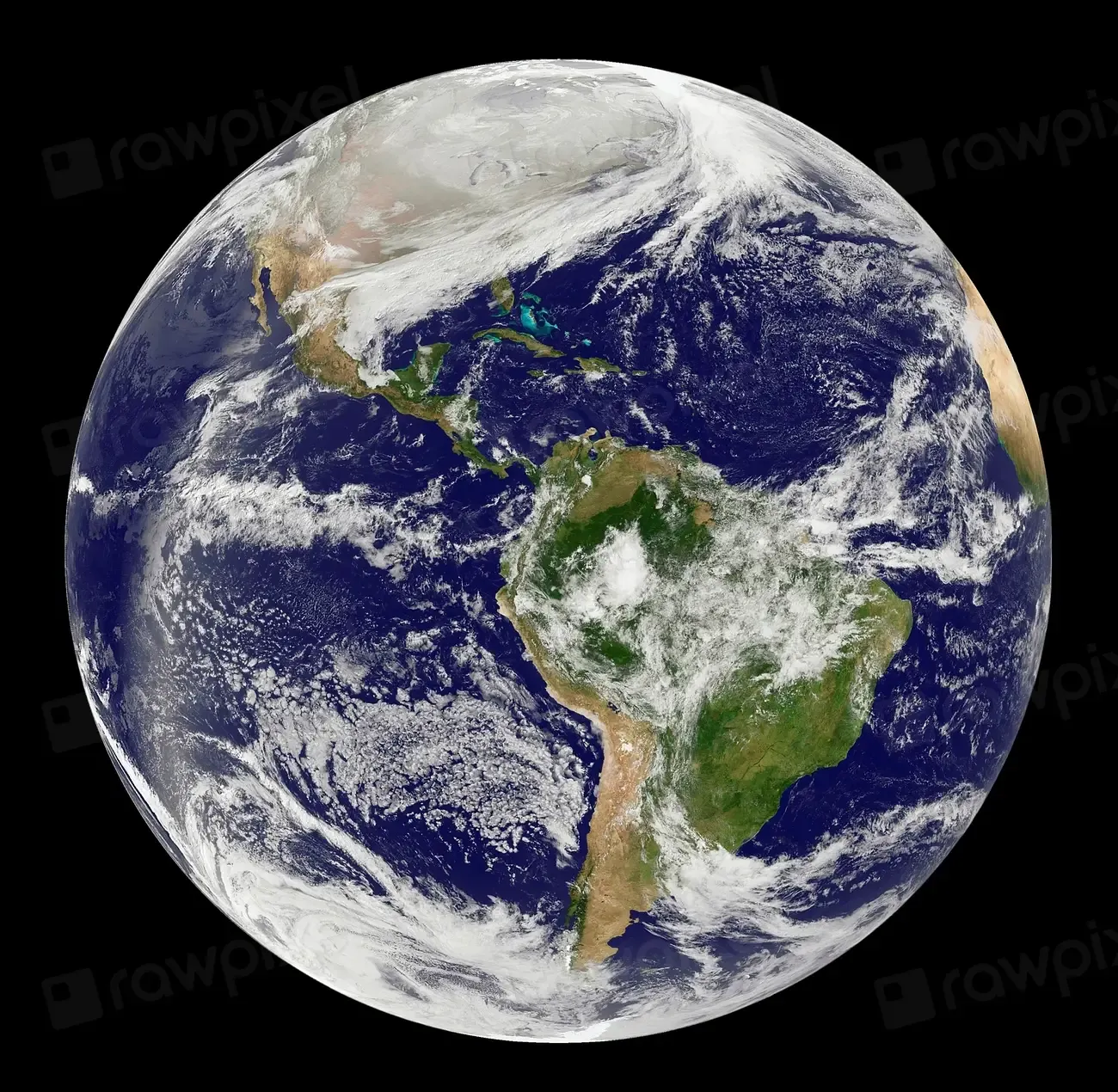
In the coming decades, the way we watch and manage the is set to change dramatically. Fleets of small satellites are already joining larger observatories, offering more frequent, detailed snapshots of greenhouse gases, pollutants, and clouds. Ground-based sensor networks and aircraft campaigns fill in gaps, tracking everything from urban smog to methane leaks from oil and gas infrastructure. Machine learning tools are starting to sift through this firehose of data to forecast extreme events, attribute pollution to specific sources, and test climate intervention ideas in simulations before anyone dares try them in reality.
At the same time, new technologies bring new dilemmas. Proposals to reflect a small fraction of sunlight back into space by brightening clouds or injecting particles into the stratosphere raise complex scientific and ethical questions. Carbon removal approaches, from direct air capture machines to reforestation at massive scales, may alter local climates and land use even as they aim to restore atmospheric balance. Nations will have to navigate who benefits, who bears risk, and who gets a say. The ’s future will not be shaped just by physics, but by politics, justice, and the choices societies make under pressure.
From Ancient Skies to Modern Forecasts: How Our View Has Transformed
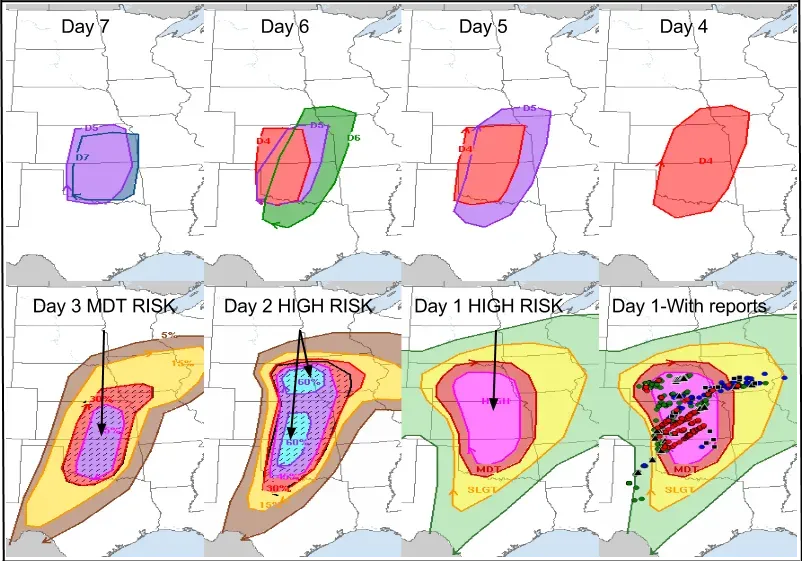
Humans have always watched the sky, but for most of history, clouds and winds were interpreted as omens rather than data. Sailors and farmers built practical wisdom from patterns they observed season after season, but they had no way to see the as a whole. That changed in the twentieth century with the spread of weather balloons, radar, and eventually satellites, which stitched together a global picture of swirling storms and jet streams. What once felt mystical became a field of equations, models, and observations.
Even so, forecasting remains an exercise in wrestling with a chaotic system. Numerical weather models now ingest vast amounts of data every day to predict storm tracks and temperature swings, but small errors can still ripple outward. Climate models zoom out to longer timescales, simulating how greenhouse gases and land changes nudge the system over decades. These tools are not crystal balls, but they have transformed risk management, from hurricane warnings to heatwave planning. Our changing view of the is a story of moving from superstition toward evidence, even as uncertainties and surprises keep scientists humble.
How You Can Engage With the Air You Never See
For something we depend on with every breath, the is strangely easy to ignore. Yet individuals and communities have more leverage over it than it might seem at first glance. At the personal level, choices about energy use, transport, and diet all ripple upward into atmospheric chemistry, whether by reducing fossil fuel demand or easing pressure on forests. Supporting local policies that expand public transit, insulate buildings, and promote clean energy can amplify that impact far beyond one household. Even paying attention to air quality alerts and heat advisories is a way of treating the as a living system rather than silent scenery.
There are also simple ways to stay connected to the science itself. Many observatories and citizen science projects invite volunteers to report local haze, track pollen, or measure rainfall with low-cost tools, feeding data into the same models used by researchers. Reading or sharing clear, evidence-based explainers helps counter misinformation about climate and air pollution that can stall action. The may be out of reach physically, but it is not out of our hands collectively. Every ton of emissions avoided, every forest protected, and every accurate forecast heeded nudges its trajectory slightly. In a system as sensitive and thin as ours, those small nudges add up faster than most people realize.
Suhail Ahmed is a passionate digital professional and nature enthusiast with over 8 years of experience in content strategy, SEO, web development, and digital operations. Alongside his freelance journey, Suhail actively contributes to nature and wildlife platforms like Discover Wildlife, where he channels his curiosity for the planet into engaging, educational storytelling.
With a strong background in managing digital ecosystems — from ecommerce stores and WordPress websites to social media and automation — Suhail merges technical precision with creative insight. His content reflects a rare balance: SEO-friendly yet deeply human, data-informed yet emotionally resonant.
Driven by a love for discovery and storytelling, Suhail believes in using digital platforms to amplify causes that matter — especially those protecting Earth’s biodiversity and inspiring sustainable living. Whether he’s managing online projects or crafting wildlife content, his goal remains the same: to inform, inspire, and leave a positive digital footprint.