
Have you ever stood beneath a starlit sky and wondered what’s really happening up there? Or looked at your own hand and thought about what it’s truly made of? The universe doesn’t work the way common sense tells us it should. In fact, when you dig deeper into the physics that governs everything around you, reality becomes far stranger than fiction.
From metals fusing together in the vacuum of space to invisible forces holding entire galaxies in place, the cosmos operates on principles that challenge everything you think you know. What follows are ten fascinating physics phenomena that reveal how bizarre and beautiful our universe truly is. Let’s get started.
Two Metals Can Fuse Together Just by Touching in Space
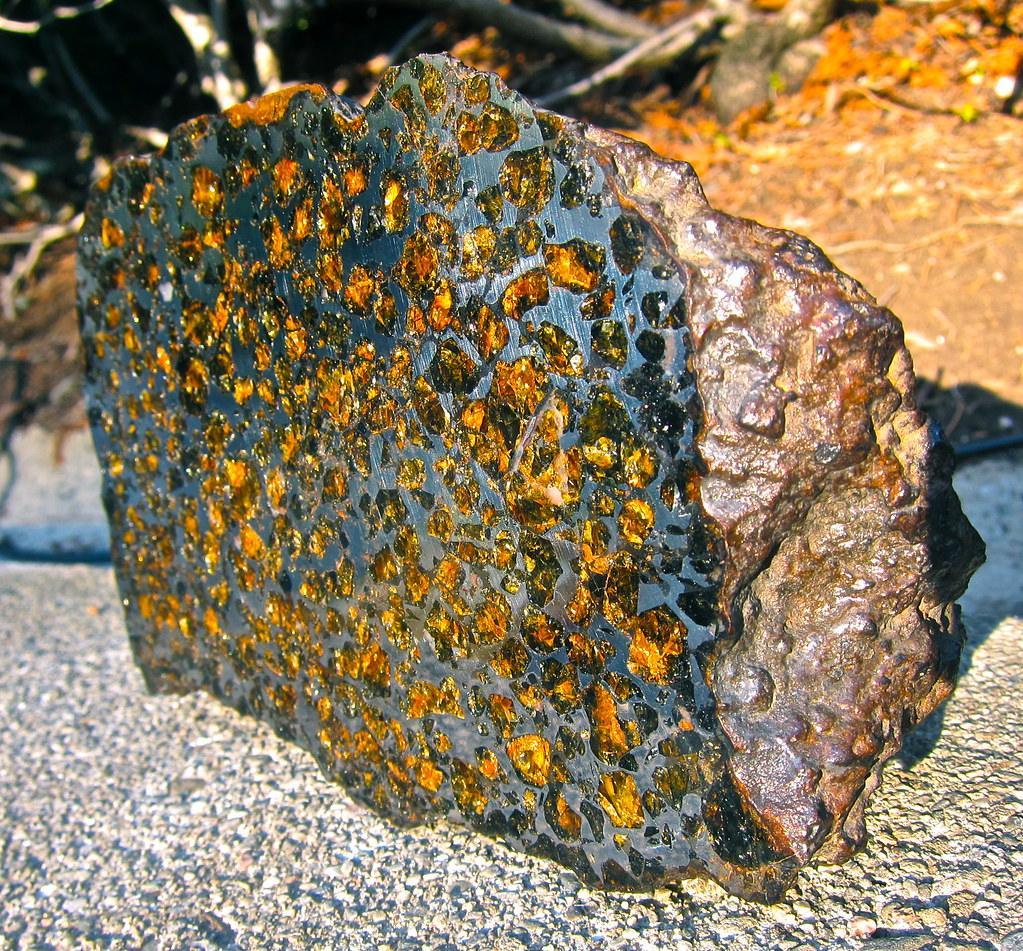
When two pieces of the same metal touch in space’s vacuum, their atoms cannot distinguish between the separate pieces, causing them to fuse permanently. This phenomenon is called cold welding.
On Earth, this doesn’t happen because oxide layers form on metal surfaces exposed to air, acting as a shield to prevent bonding. The Galileo spacecraft that visited Jupiter in the 1990s experienced this problem when its high-gain antenna failed to deploy because ribs welded together after fretting during launch. Honestly, imagine preparing a multi-billion dollar mission only to have parts stick together unexpectedly. What’s even more surprising is that cold welding doesn’t only happen between identical metals but also between different metals, though the bond is typically weaker.
You Are Mostly Empty Space
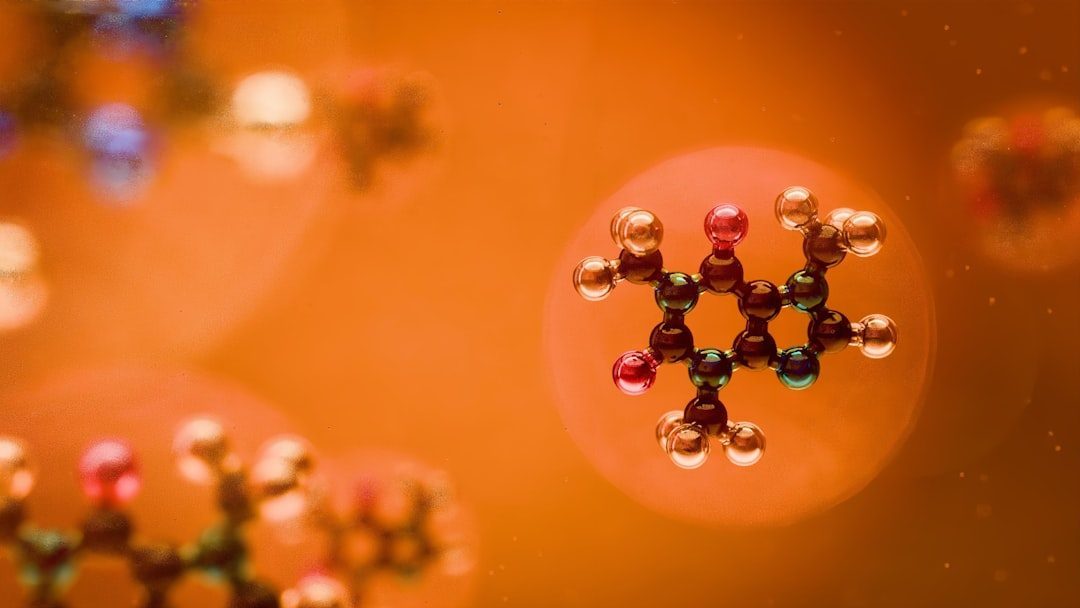
Here’s something that might blow your mind. If you removed all the empty space between atoms in every human body, all of humanity would fit into something the size of a sugar cube, though incredibly dense and heavy.
Everything you see and touch is made of atoms, which consist of protons, neutrons, and electrons with vast emptiness between them. Think about that next time you bump into something solid. What you’re really experiencing is electromagnetic forces repelling each other, not actual physical contact in the way you imagine it. Space itself isn’t even truly empty either; there are roughly three atoms per cubic meter, compared to about 250 septillion air molecules in the same volume at sea level.
Light Takes Tens of Thousands of Years to Escape the Sun

The light hitting your eyes right now was created in the Sun’s core tens of thousands of years ago. Let’s be real, that’s absolutely mind-boggling.
Photons generated through nuclear fusion in the sun’s core don’t just zip straight out into space. Instead, they bounce around endlessly, absorbed and re-emitted countless times by the dense plasma. It’s like trying to walk through the world’s most crowded concert. By the time a photon finally reaches the surface and speeds toward Earth, millennia have passed. Yet once free, that same photon takes only about eight minutes to travel the distance from the sun to your retina.
Particles Can Be in Two Places at Once
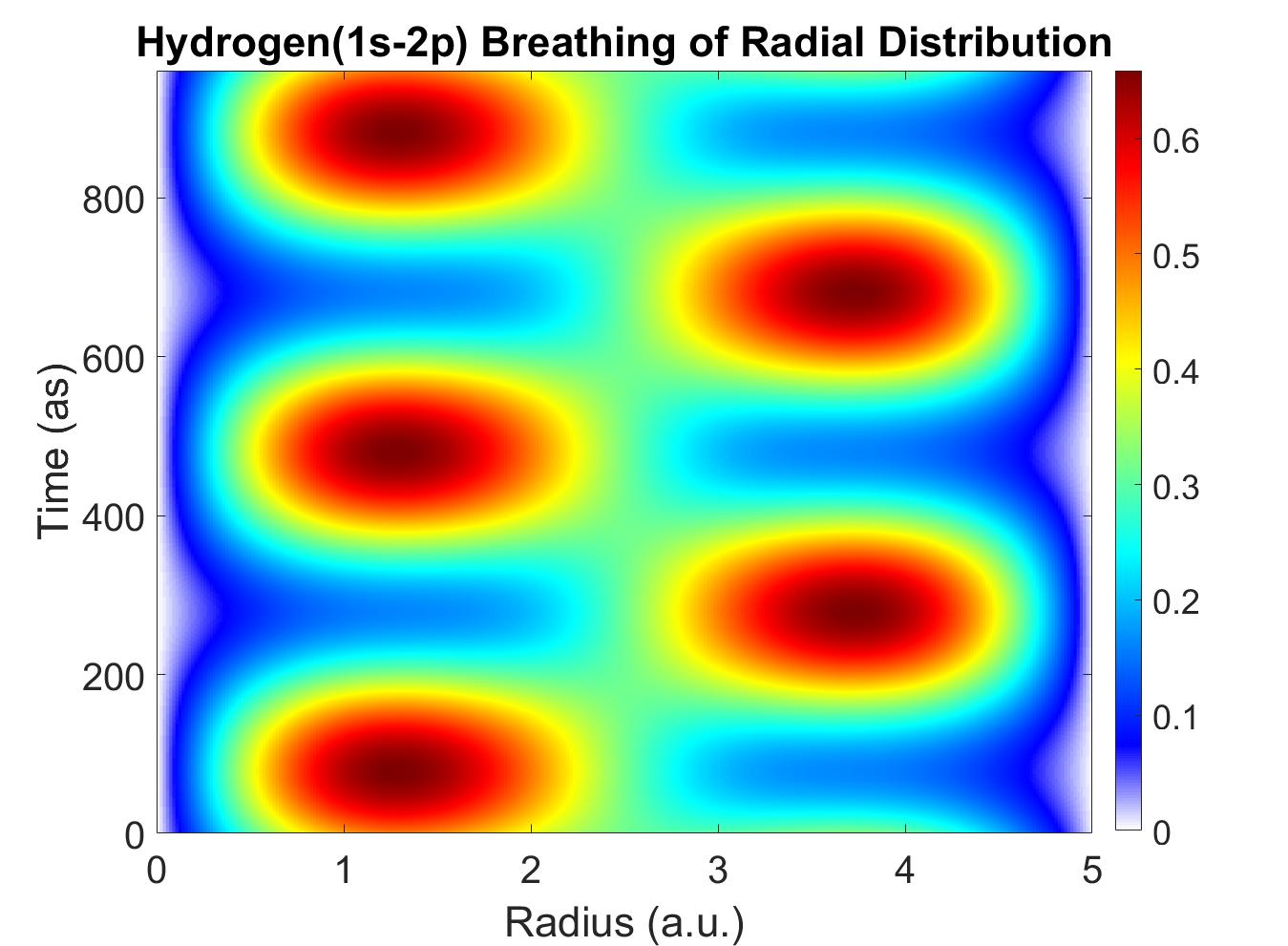
Quantum mechanics reveals that particles exist in what’s called superposition. A quantum object can be in two places at once through superposition, similar to how a water wave can split and flow through two channels simultaneously.
Schrödinger’s famous cat thought experiment demonstrates superposition, where a cat trapped in a box with radioactive material exists in two states simultaneously until measured. I know it sounds crazy, but this isn’t science fiction. Neutrinos traveling over 450 miles between Illinois and Minnesota were found to be statistically most likely in a state of superposition with no definite identity, in high tension with classical descriptions of matter. The universe simply refuses to play by our everyday rules at the quantum level.
Gravity Slows Down Time

Gravitational time dilation means that the closer a clock is to a source of gravitation, the slower time passes compared to locations with weaker gravitational potential. This isn’t theoretical speculation anymore.
Atomic clocks at different altitudes will eventually show different times, though the effects detected in Earth-bound experiments are extremely small, measured in nanoseconds. A climber’s time passes slightly faster at the top of a mountain compared to sea level, with roughly an extra 10 nanoseconds per day for every kilometer of altitude. Relative to Earth’s billions of years of age, the planet’s core is effectively about two and a half years younger than its surface. Time itself is not the universal constant we once believed it to be.
The Universe Is Mostly Made of Stuff We Cannot See
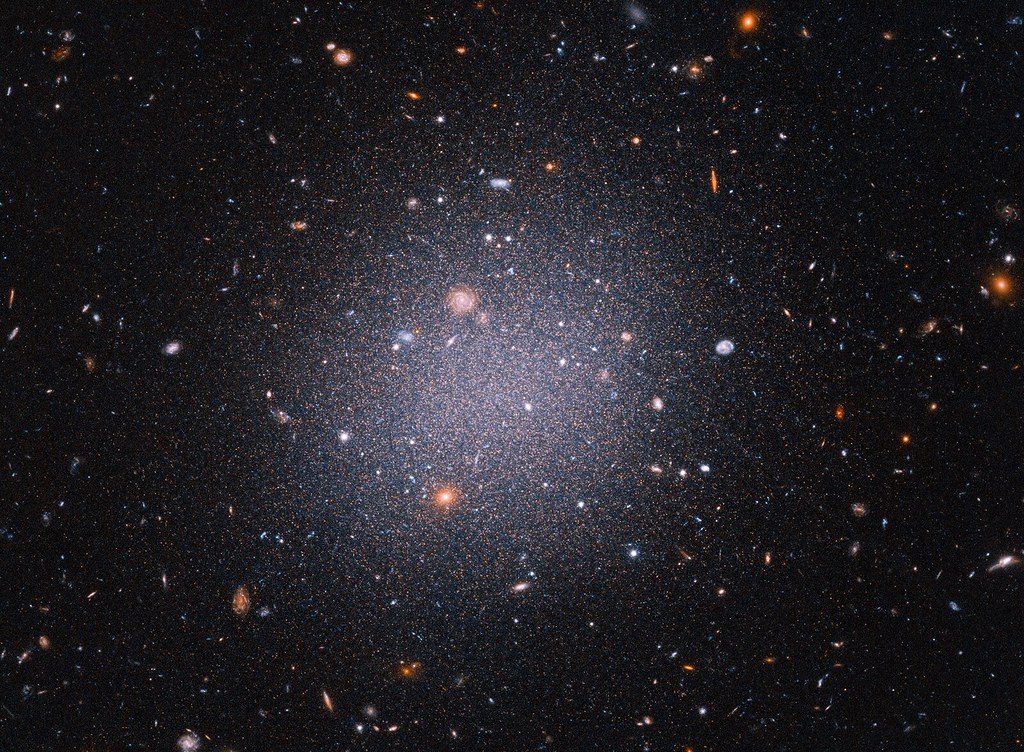
The universe is composed of roughly five percent normal matter, twenty-seven percent dark matter, and sixty-eight percent dark energy. Everything you’ve ever seen, touched, or experienced represents only a tiny fraction of reality.
Dark matter doesn’t interact with the electromagnetic spectrum at all and doesn’t absorb, reflect, or emit any light, yet it’s thought to shape the cosmos and organize galaxies on a large scale. Meanwhile, dark energy remains even more mysterious. Dark energy drives the accelerating expansion of the universe, pushing galaxies farther apart despite gravity’s pull. We’re essentially living in a universe where nearly everything that exists remains completely invisible and poorly understood.
Quantum Entanglement Connects Particles Across the Universe
Quantum entanglement means that aspects of one particle in an entangled pair depend on aspects of the other particle, no matter how far apart they are or what lies between them. Einstein famously called this phenomenon “spooky action at a distance,” and he wasn’t comfortable with it.
When you measure something about one particle in an entangled pair, you immediately know something about the other particle, even if they are millions of light years apart, seemingly breaking a fundamental law of the universe. Two subatomic particles thousands of light-years apart can instantaneously respond to each other’s motions, a phenomenon scientists have observed at the particle level. Here’s the thing: this isn’t about information traveling faster than light, but rather about the particles sharing a connection that transcends space itself.
Nothing Ever Actually Touches Anything Else

When you think you’re touching something, you’re not. Smartphone screens work because of electric charges leaving our fingers; when we touch screens with our fingers, we release small numbers of electric charges that register with the device’s mechanics.
At the atomic level, the electrons in your fingertips repel the electrons in whatever you’re “touching” through electromagnetic force. You never make actual contact. It’s all electromagnetic repulsion creating the sensation of solidity. Things like rubber and fingernails don’t register on touch screens precisely because they don’t release the right electrical properties. Your entire experience of physical reality is essentially an elaborate illusion created by forces pushing against each other.
Black Holes Aren’t Actually Black
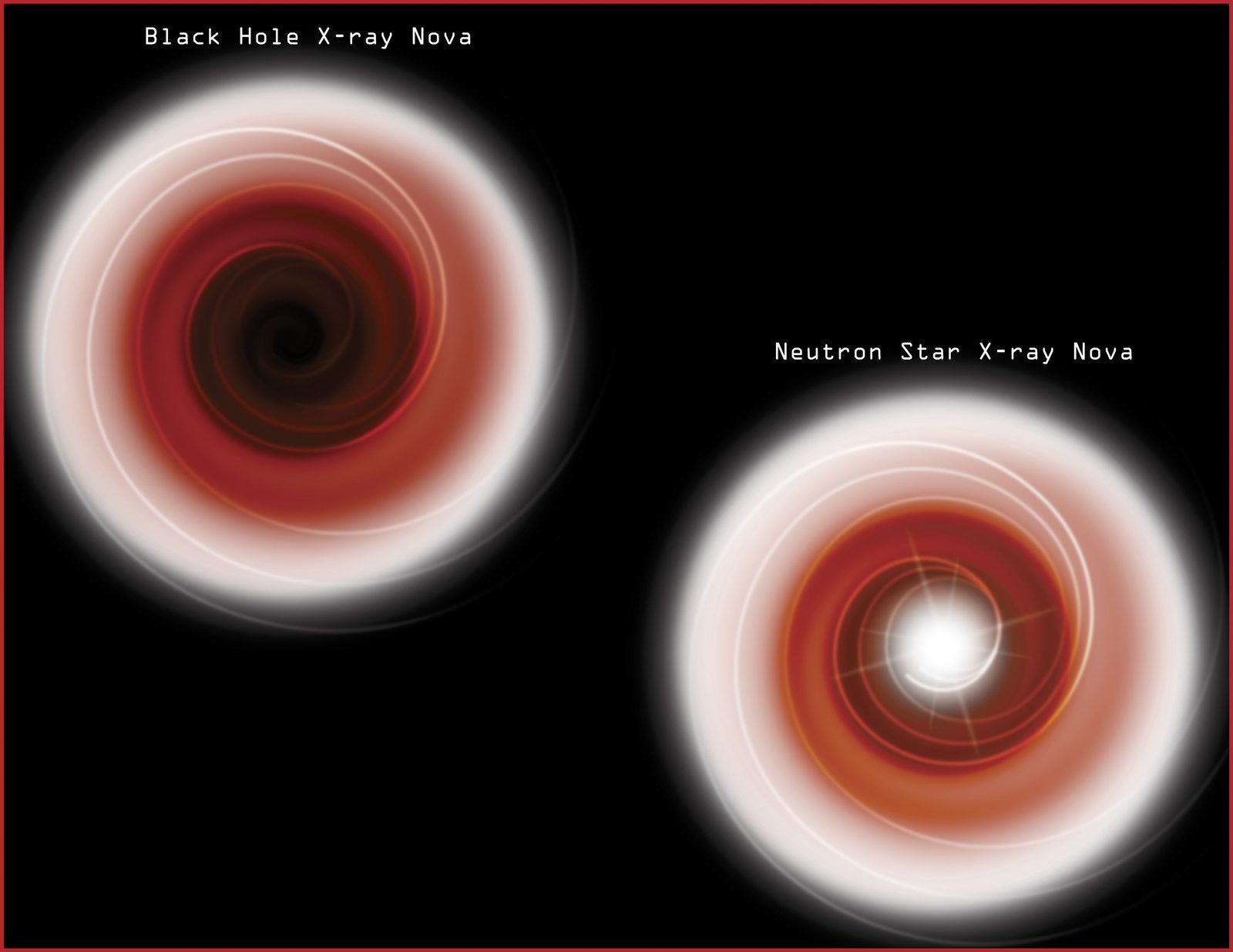
Black holes aren’t black but glow slightly, giving off light across the whole spectrum including visible light, in radiation called Hawking radiation after Stephen Hawking who first proposed its existence.
Stephen Hawking realized in 1974 that black holes emit radiation at their boundaries, where some particles escape while others are swallowed, meaning black holes eventually evaporate as they constantly shed mass and energy. This discovery fundamentally changed our understanding of these cosmic giants. Black holes aren’t eternal prisons where everything disappears forever. They’re dynamic objects that leak energy and will, given enough time, disappear entirely. Though, to be fair, we’re talking timescales far longer than the current age of the universe.
The Universe Is Expanding Faster Over Time
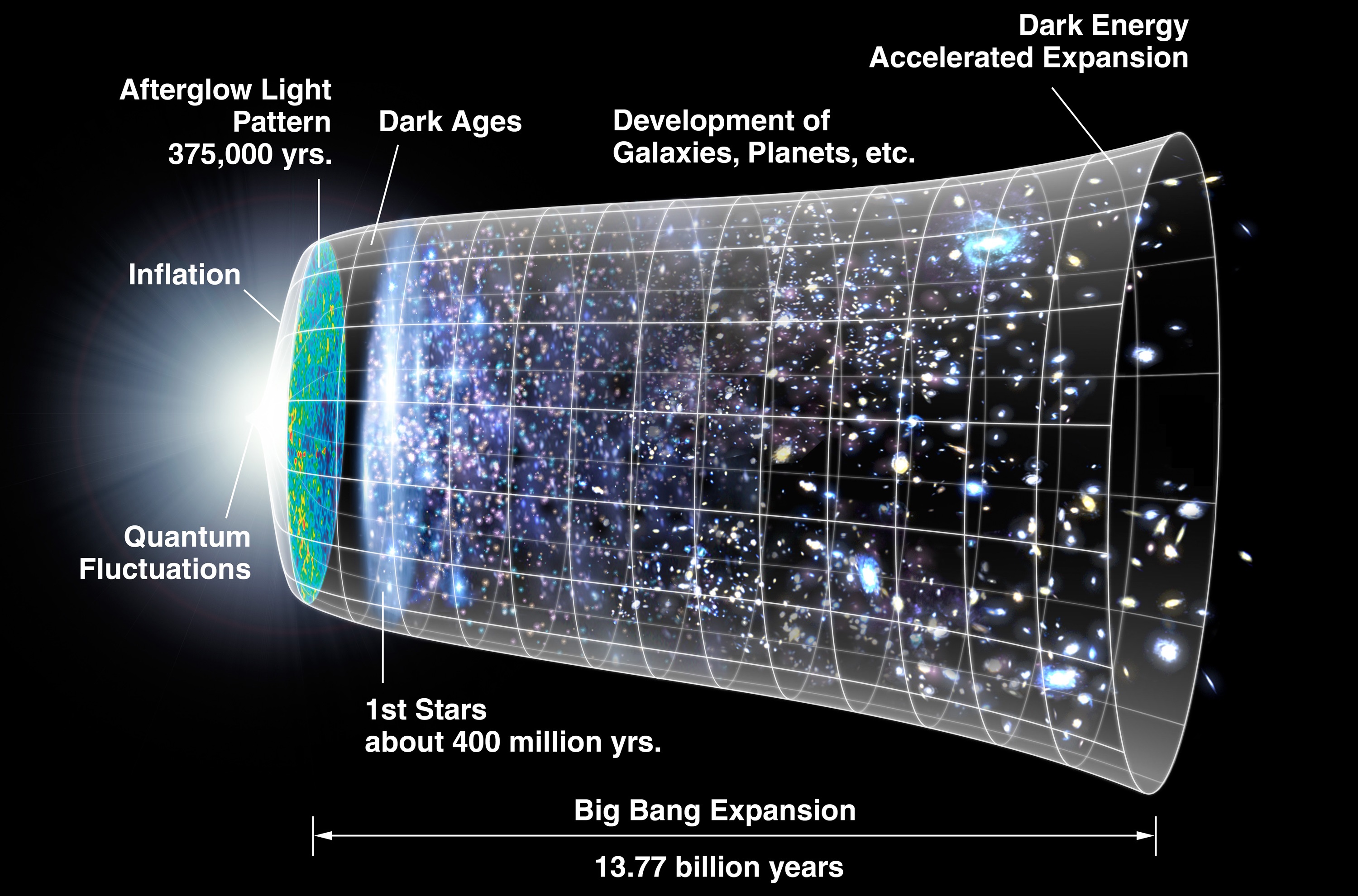
The universe started with the Big Bang explosion, flinging debris in all directions, and while we’d expect this expansion to slow down because of gravity, it hasn’t slowed down at all – in fact, the universe is expanding faster over time.
The universe is constantly expanding, getting faster and colder as time passes. Scientists discovered this accelerating expansion in 1998, completely upending expectations. This acceleration suggests some mysterious force we call dark energy is counteracting gravity. Because dark energy is a property of space itself, it wouldn’t be diluted as space expands, so as more space comes into existence, more of this energy appears, causing accelerated expansion. Where this leaves us in billions of years remains one of the great unanswered questions of cosmology.
Conclusion
Physics reveals a universe far stranger than anything our everyday experiences prepare us for. From metals bonding in space’s silence to particles existing in impossible superpositions, the fundamental rules governing reality challenge every intuitive notion we hold. Time bends, space curves, and most of what exists remains utterly invisible to us.
These aren’t just abstract concepts confined to textbooks and laboratories. They’re the actual mechanisms driving the cosmos you inhabit right now. Every breath you take, every moment you experience, happens within this bizarre framework of quantum uncertainty and relativistic effects. What would you have guessed if someone told you that nearly everything in the universe is invisible, or that you never truly touch anything? The universe works in ways that humble us, reminding us how much we still have to discover. What do you think about it?
Hi, I’m Andrew, and I come from India. Experienced content specialist with a passion for writing. My forte includes health and wellness, Travel, Animals, and Nature. A nature nomad, I am obsessed with mountains and love high-altitude trekking. I have been on several Himalayan treks in India including the Everest Base Camp in Nepal, a profound experience.