Have you ever wondered what it would feel like to stand where ancient civilizations once worshipped their gods? Where stones whisper tales of rituals long forgotten, and the air seems thick with the weight of millennia? scattered across our planet hold secrets that continue to baffle archaeologists and ignite our imagination.
These aren’t just tourist destinations or old ruins. They represent humanity’s oldest attempts to connect with something greater than ourselves. From mysterious stone circles to towering statues facing the ocean, these places reveal how our ancestors saw the world, honored their dead, and celebrated the divine. Let’s embark on a journey through time to explore ten of the that still stand today.
Göbekli Tepe: The Dawn of Sacred Architecture
You’ll find yourself standing before the oldest known man-made place of worship in southeastern Turkey, a site inhabited from roughly 9500 BCE to at least 8000 BCE. Think about that for a moment. This is the oldest man-made structure yet discovered. When you walk among these ancient stones, you’re experiencing something that predates pottery, the wheel, and even agriculture itself.
The site features circular structures containing large stone pillars, many decorated with anthropomorphic details, clothing, and sculptural reliefs of wild animals. It’s two times older than Stonehenge. Imagine hunter-gatherers organizing themselves to create such monumental architecture before they’d even settled into permanent villages. The coordinated effort may have actually necessitated settlement, not followed it. Göbekli Tepe challenges everything we thought we knew about early human civilization.
Stonehenge: Britain’s Enigmatic Stone Circle
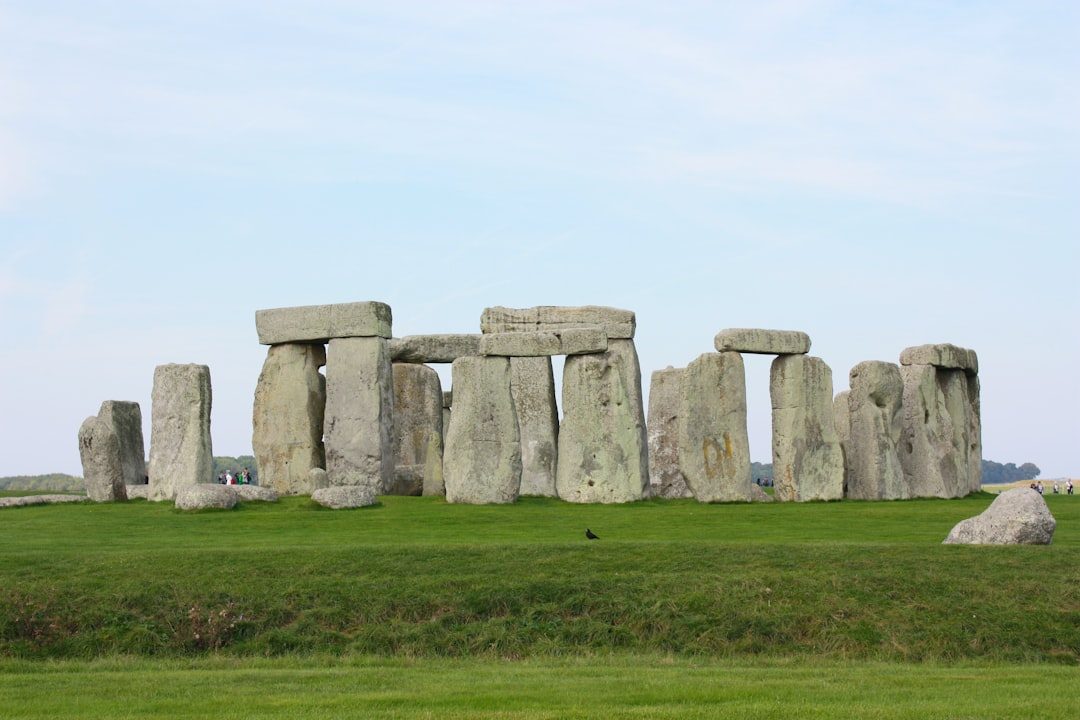
You’ve probably seen pictures, but standing before Stonehenge in person is something else entirely. This famous site is composed of earthworks surrounding a circular setting of large standing stones in southwest England. Construction began roughly 5000 years ago.
What draws millions to this windswept plain? Perhaps it’s the mystery that still clings to these massive stones. Stonehenge is composed of huge blocks that were quarried far away but have not otherwise been worked. The logistics alone boggle the mind. How did Neolithic people move these multi-ton boulders across the landscape? The most impressive thing is how they managed to bring the stone blocks there from 100km away. You’ll find yourself pondering the astronomical alignments and wondering what ceremonies once unfolded here under ancient skies.
Karnak Temple Complex: Egypt’s Monumental Sacred City
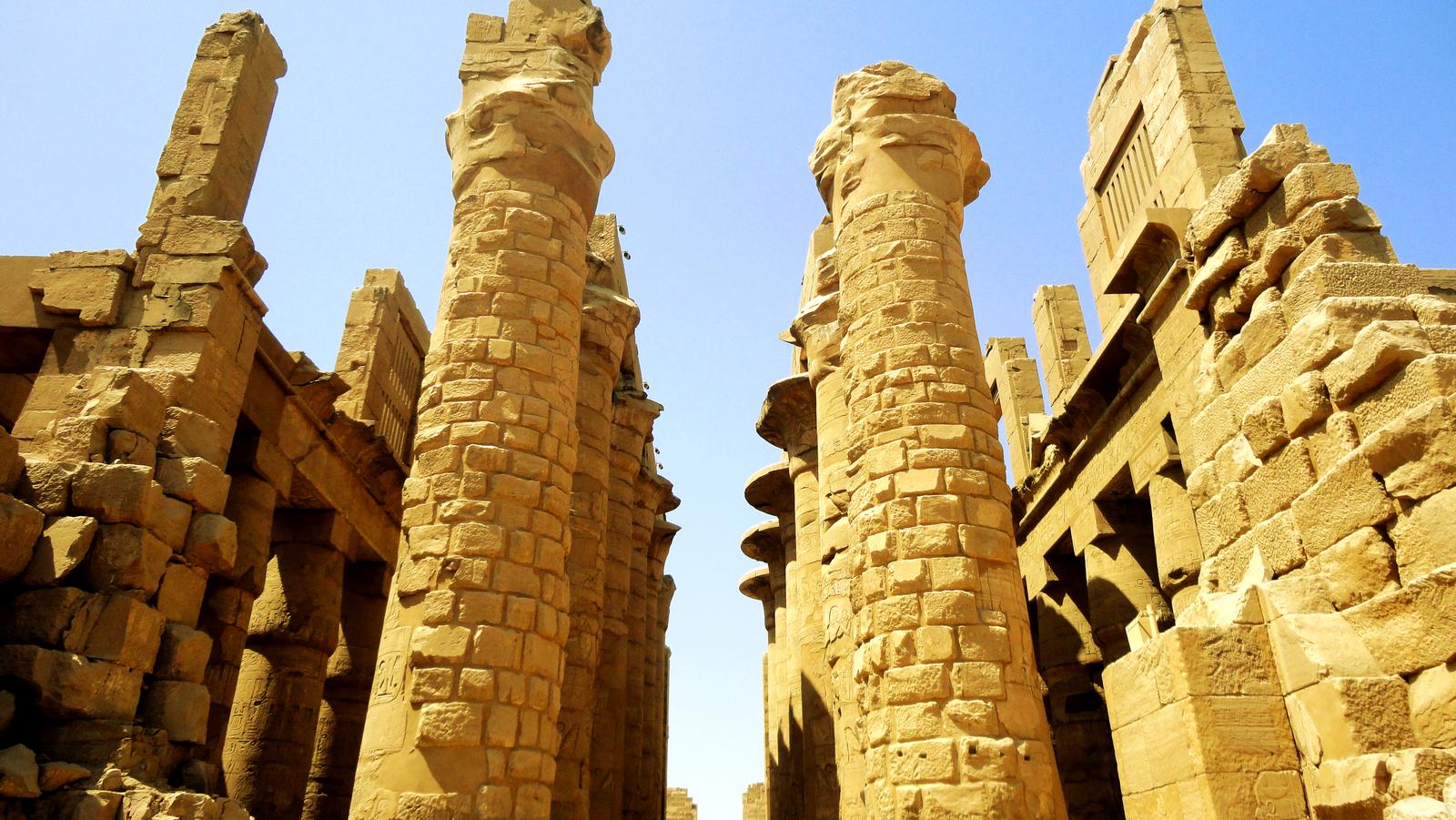
Karnak represents the largest religious building ever constructed, known to ancient Egyptians as Ipet-isu or “most select of places,” a city of temples built over 2,000 years. When you enter this vast complex, you’re walking through layers of history built by successive pharaohs.
The Hypostyle hall features 134 columns and remains the largest room of any religious building in the world at 54,000 square feet. Standing beneath those towering columns feels like entering a stone forest. The key difference between Karnak and most other temples in Egypt is the tremendous length of time over which it was developed, from the Middle Kingdom into Ptolemaic times, with approximately thirty pharaohs contributing to the buildings. Each pharaoh left their mark, creating architectural palimpsest that tells Egypt’s story in stone.
Ġgantija Temples: Malta’s Megalithic Mysteries
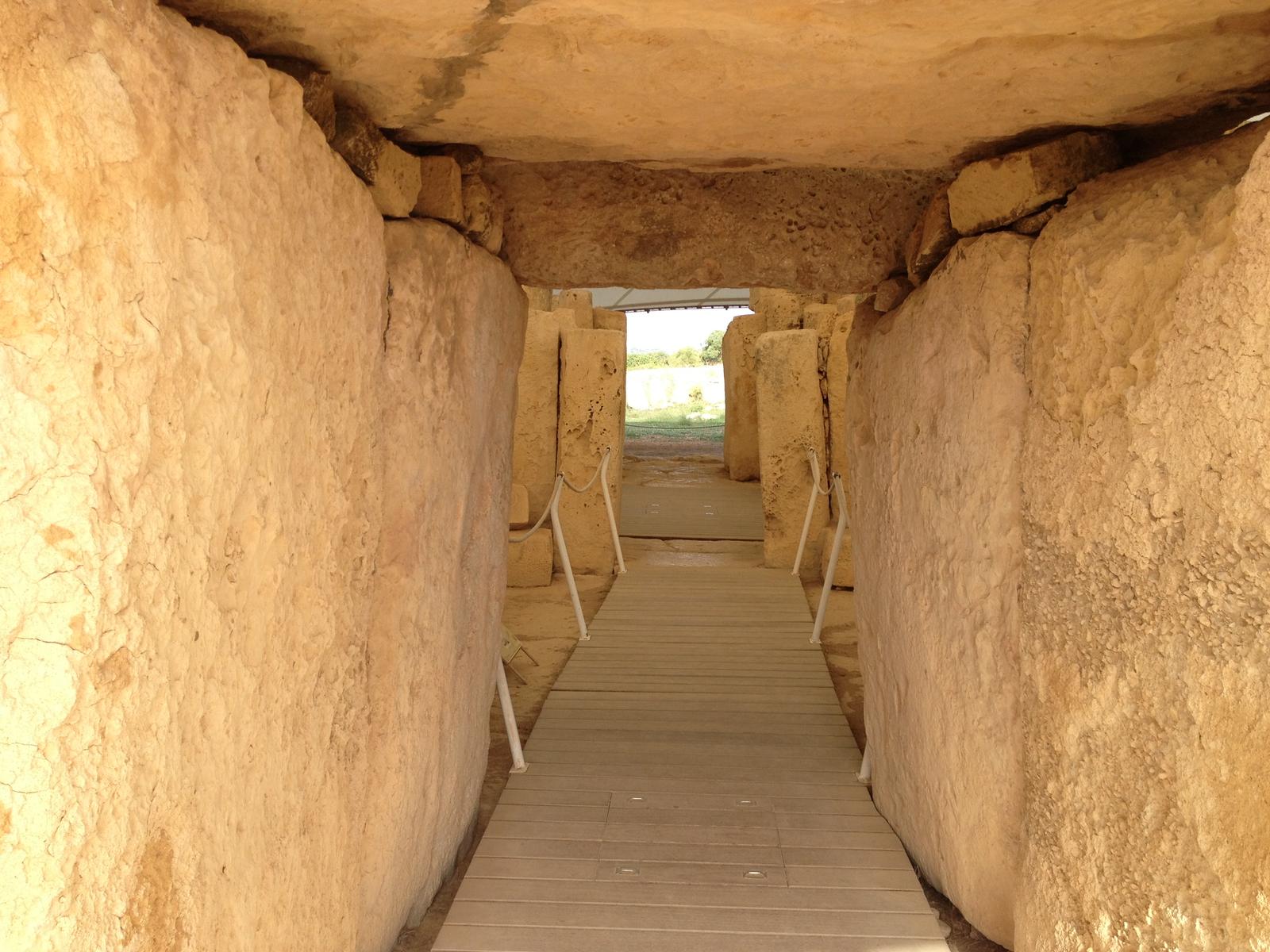
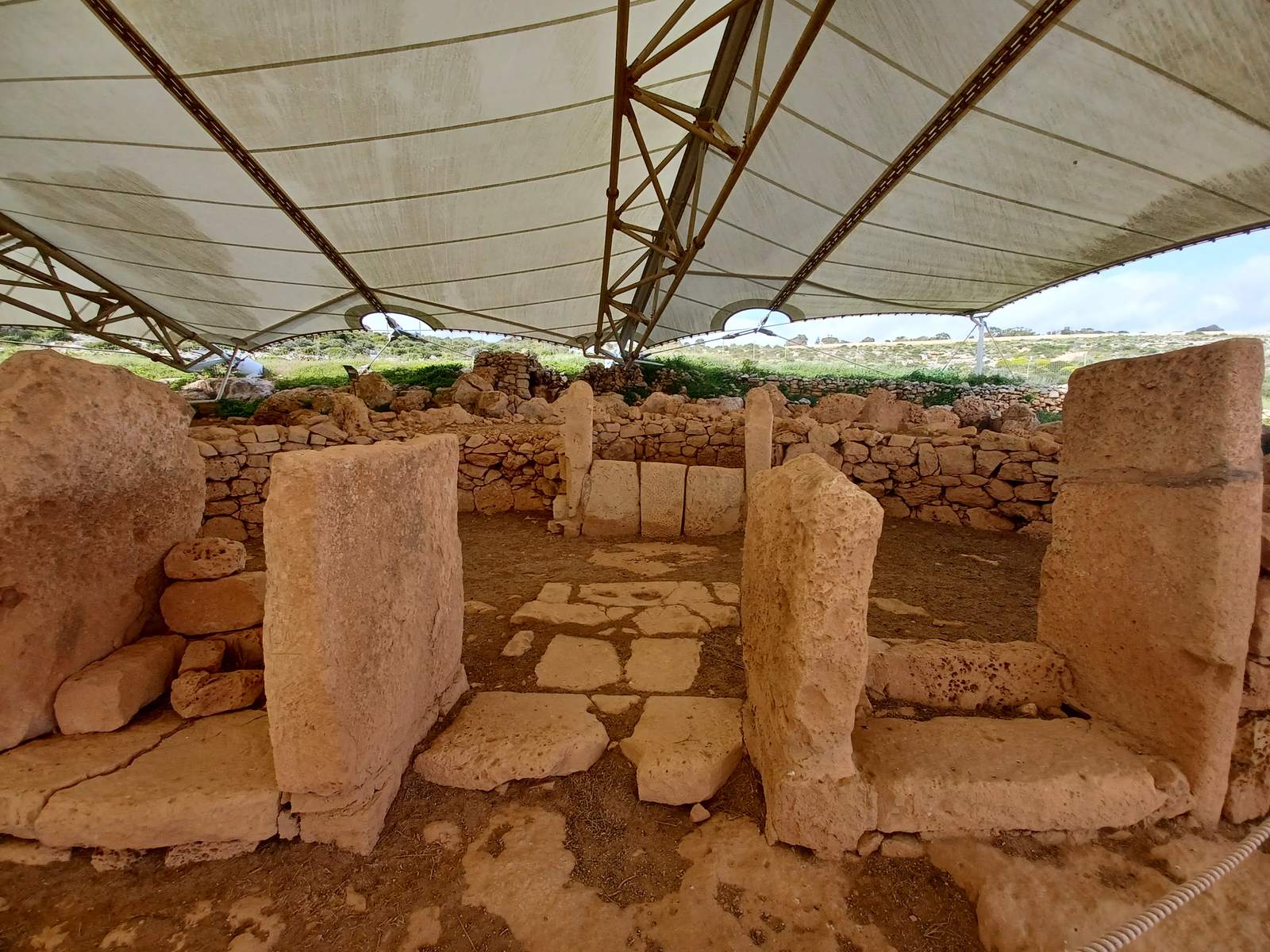
The Ġgantija Temples were built around 3,700 BCE in Gozo in the Mediterranean Sea, considered even older than the pyramids of Egypt, and were used for fertility rites. You’re looking at some of Europe’s oldest free-standing structures when you visit these temples.
Local legend adds another layer of intrigue. Ancient Maltese mythology attributed their construction to native giants. Walking through the massive stone doorways, you might understand why ancient people created such stories. This sanctuary dates back to around 3700 BC. The precision of the stonework, achieved without metal tools, makes you appreciate the skill and determination of these early builders who created sacred spaces that have endured for nearly six millennia.
Borobudur: Indonesia’s Buddhist Mountain
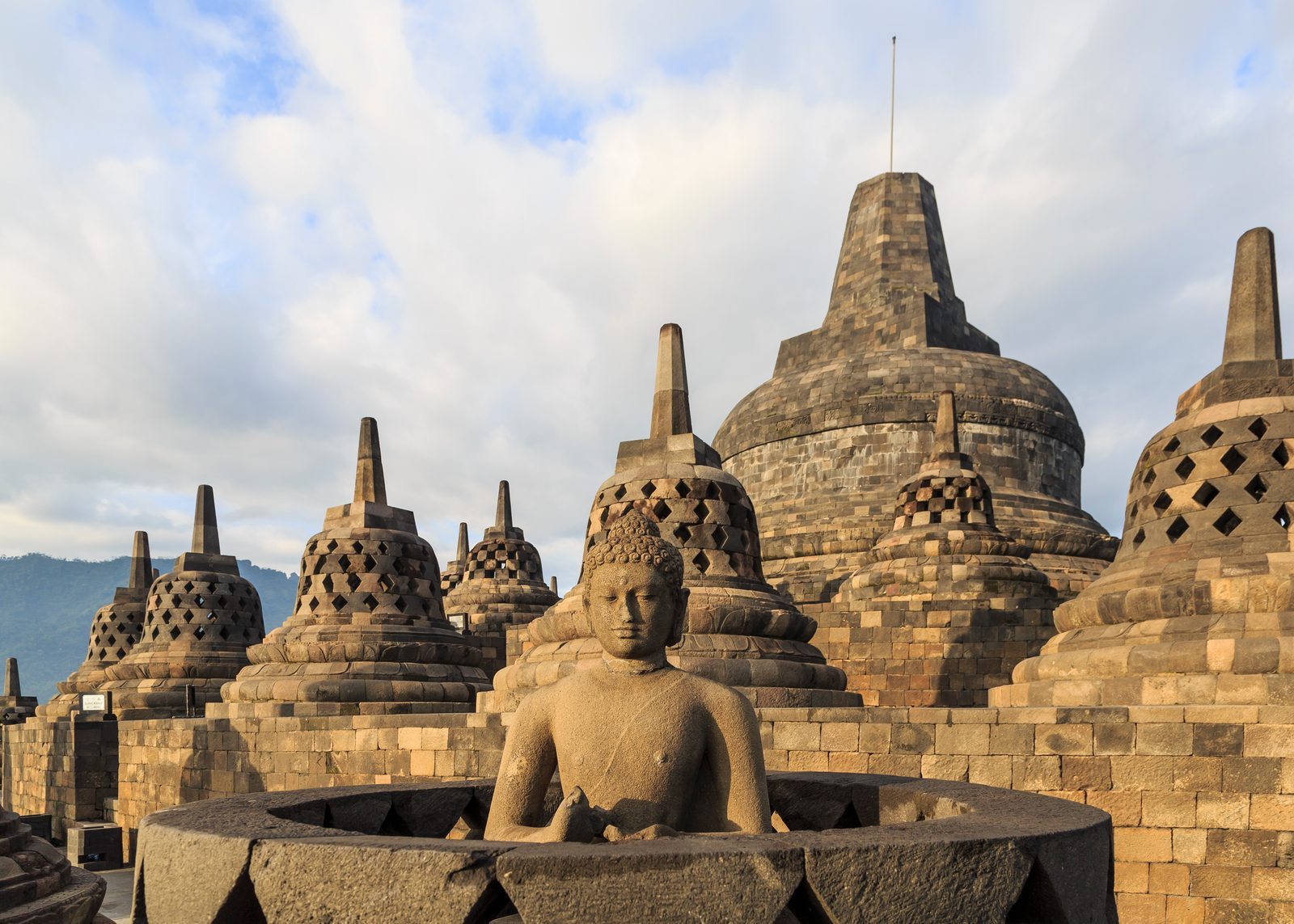
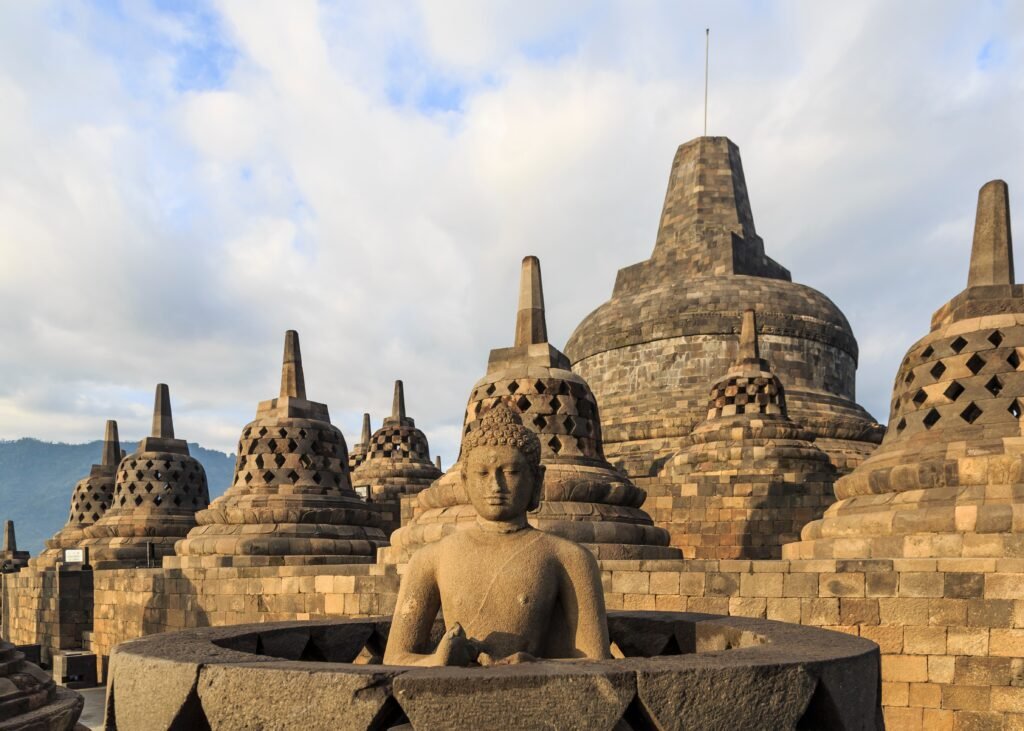
Borobudur ranks as the largest Buddhist temple in the world, alongside Bagan in Myanmar and Angkor Wat in Cambodia as one of the great archaeological sites of Southeast Asia. This magnificent Buddhist monument was built in the 8th and 9th centuries AD during the reign of the Syailendra Dynasty in Central Java, Indonesia.
The temple consists of nine stacked platforms, six square and three circular, topped by a central dome, decorated with 2,672 relief panels and originally 504 Buddha statues, with 72 Buddha statues surrounding the central dome. Climbing this structure is like ascending through levels of consciousness. The universe is divided into three spheres in Buddhist cosmology, and at Borobudur, the base represents the sphere of desires, the five square terraces represent the sphere of forms, and the three circular platforms represent the sphere of formlessness. Each step brings you closer to enlightenment, at least symbolically.
Machu Picchu: The Inca’s Sacred Mountain Citadel
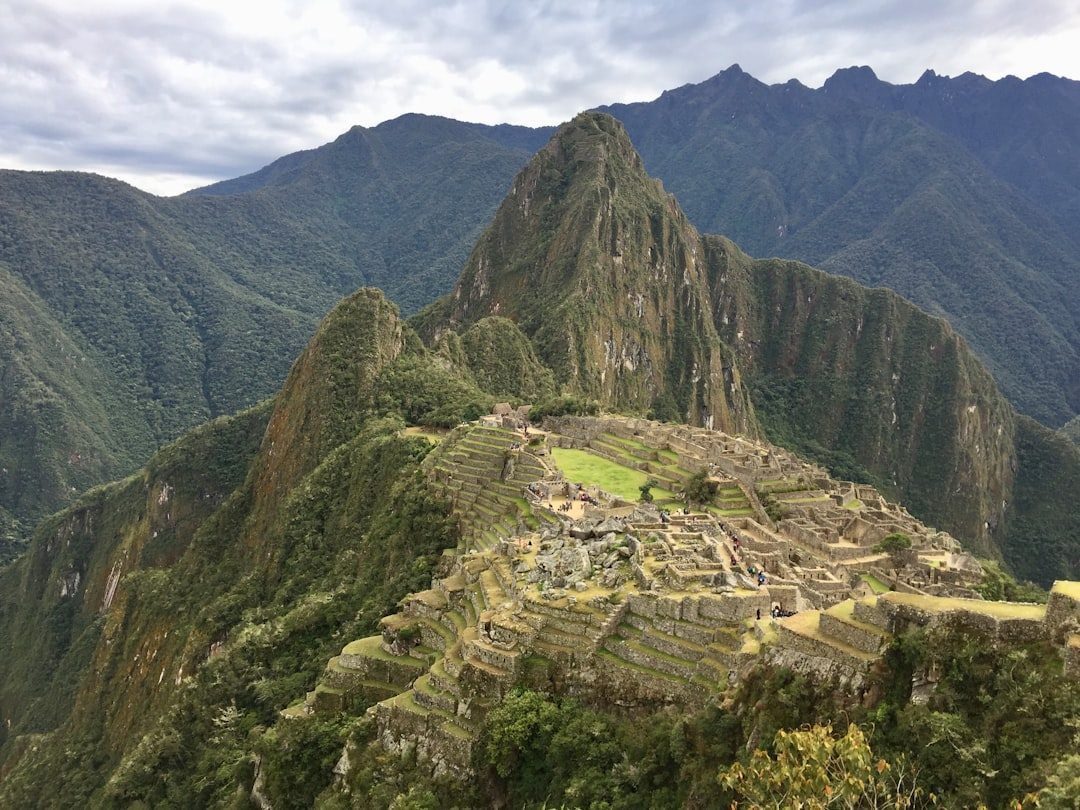
The ruins of Machu Picchu, rediscovered in 1911 by Yale archaeologist Hiram Bingham, are one of the most beautiful and enigmatic ancient sites in the world. Machu Picchu was constructed around 1450 at the height of the Inca empire and was abandoned less than 100 years later as the empire collapsed under Spanish conquest.
Invisible from below and completely self-contained, surrounded by agricultural terraces and watered by natural springs, Machu Picchu seems to have been utilized as a secret ceremonial city. The precision of the stonework astonishes modern engineers. Many building blocks weigh 50 tons or more yet are so precisely sculpted and fitted together that mortarless joints will not permit the insertion of even a thin knife blade. The site is situated in the center of sacred mountains and associated with a sacred river symbolically linked with the sun’s passage, forming a cosmological, hydrological, and sacred geological center.
Petra: The Rose City Carved in Stone
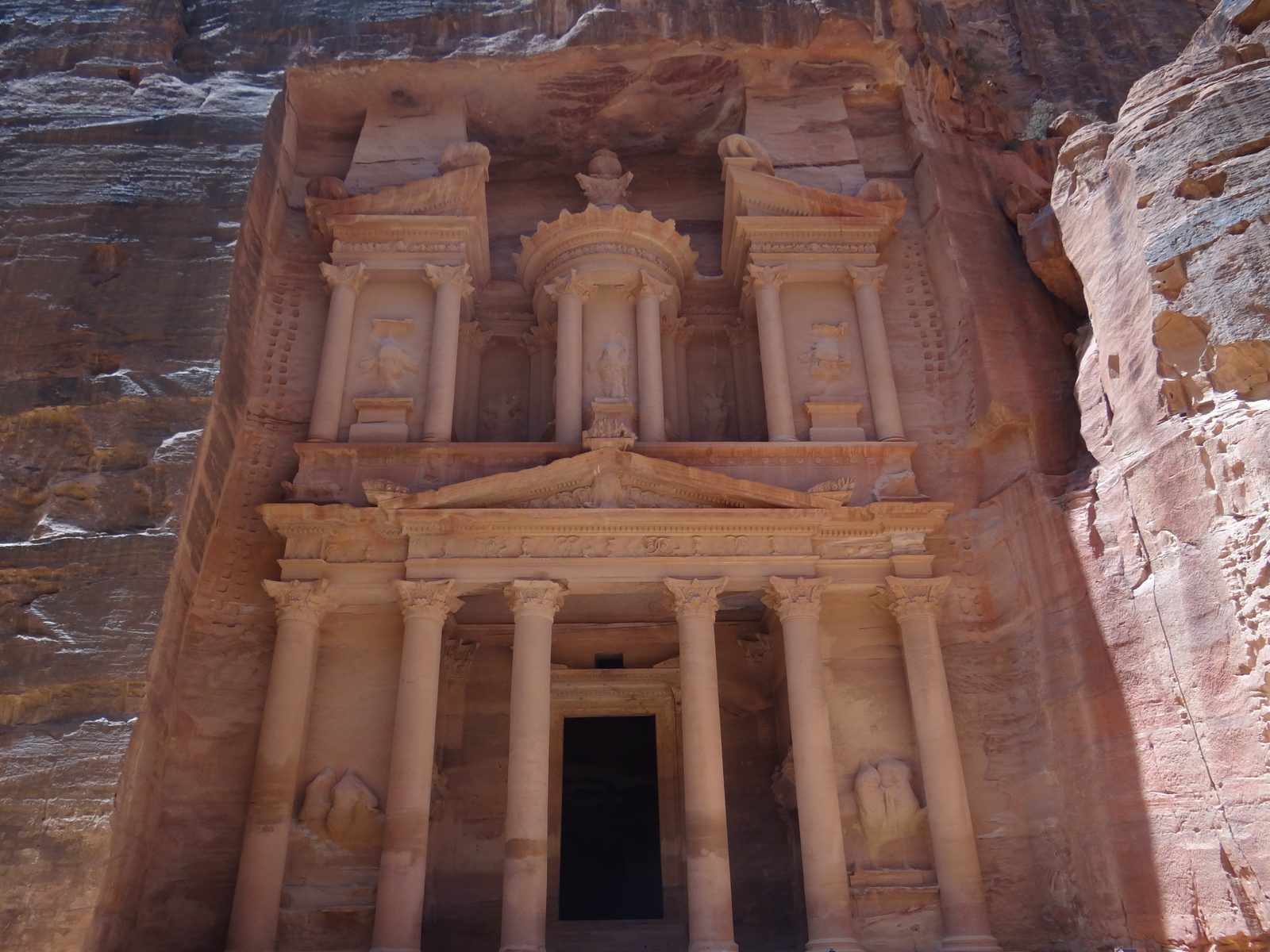
Petra, originally known as Raqmu to its inhabitants, is an ancient city and archaeological site in southern Jordan, famous for its rock-cut architecture and water conduit systems, also called the “Rose City” because of the sandstone color. The area has been inhabited from as early as 7000 BC and was settled by the Nabataeans in the 4th century BC, later becoming the capital city of the Nabataean Kingdom in the second century BC.
The Nabataeans were master engineers who created a thriving city in an unlikely location through sophisticated water management, with a complex system of dams, cisterns, and channels carved into rock faces. Walking through the narrow Siq and emerging before the Treasury takes your breath away. The first European to describe them was Swiss traveler Johann Ludwig Burckhardt during his travels in 1812. For centuries before that, Petra lay hidden, waiting to reveal its secrets again.
Angkor Wat: Cambodia’s Celestial Temple City
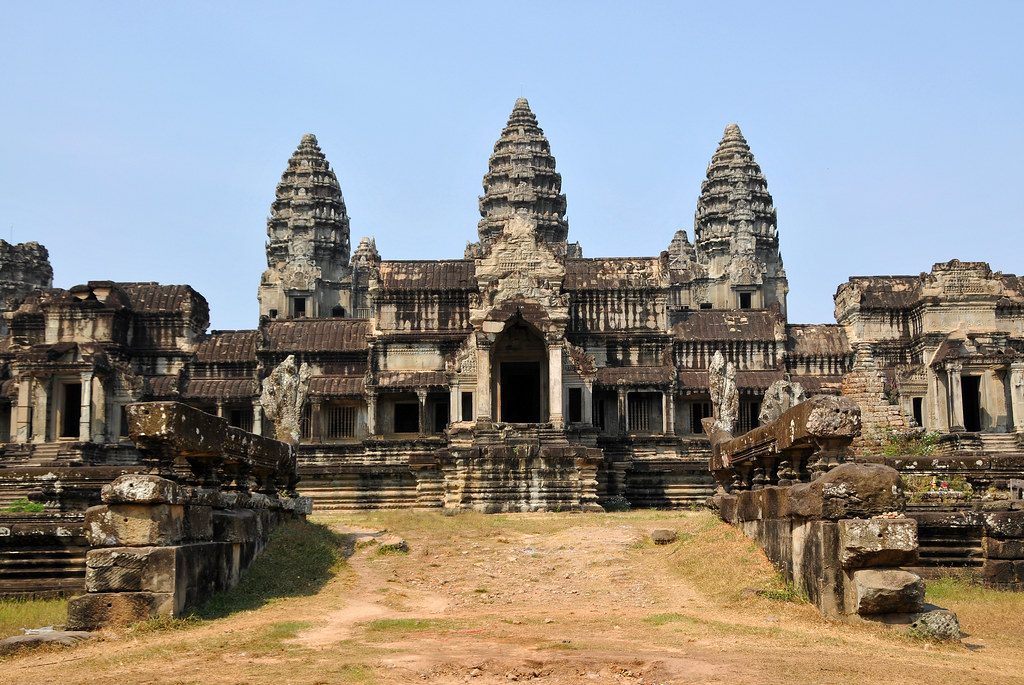
Located in the heart of Cambodia, Angkor Wat is the largest religious monument in the world, built in the early 12th century by King Suryavarman II. This temple complex represents the pinnacle of Khmer civilization, covering over 400 square kilometers and containing more than 1,000 temples, showcasing a civilization at its technological and artistic peak.
Its towers rise like lotus buds, representing Mount Meru, the mythical center of the universe in Hindu cosmology, with intricate bas-reliefs depicting epic tales from the Ramayana and Mahabharata. The temple was aligned with the stars, its layout mirroring celestial cycles, and at sunrise on the spring equinox, the sun rises directly over the central tower. You’re experiencing architecture that doubles as an astronomical calendar and a map of the cosmos itself.
Easter Island (Rapa Nui): Land of the Moai
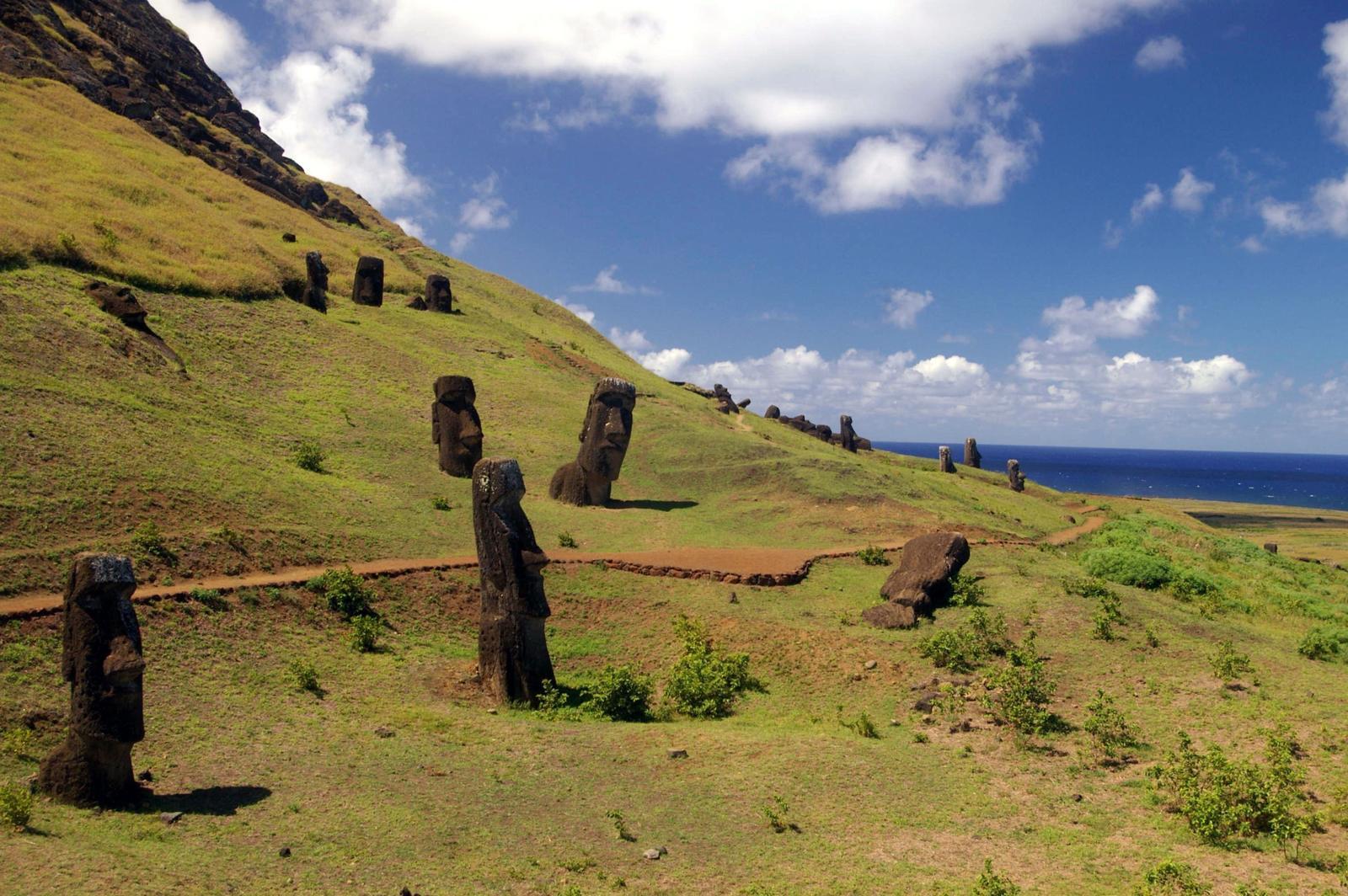
The Moai are monolithic human figures carved from stone by the Rapa Nui people on Easter Island in eastern Polynesia between the years 1250 and 1500. These massive megaliths, around 1000 statues in total, were built approximately 1400 to 1650 AD, with some weighing up to 86 tons and reaching 10 meters in height.
The statues were symbols of authority and power, both religious and political, believed to be actual repositories of sacred spirit charged with mana, representing ancient Polynesians’ ancestors. The moai statues face away from the ocean and towards the villages as if to watch over the people. The mystery of how they were transported across the island continues to fascinate researchers, with theories ranging from wooden sleds to a “walking” technique using ropes.
Delphi: Greece’s Oracle Sanctuary
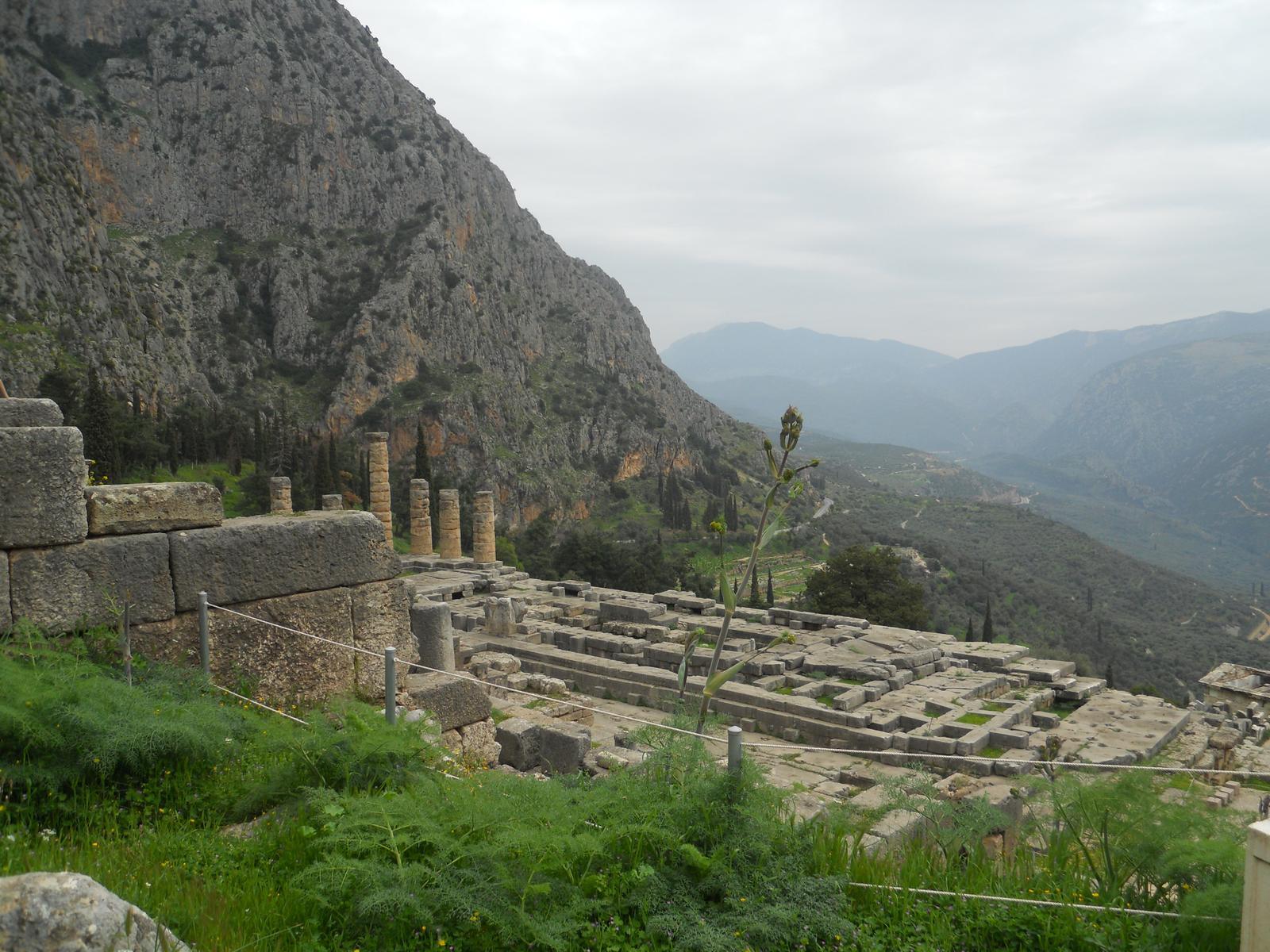
Delphi had a profound effect on the Western world as the center of the cult of Apollo, respected by all Greek city states as sacred, with the temple complex lying on the slopes of Mount Parnassus, home of the Muses. When you visit these ruins today, you’re standing where ancient Greeks sought wisdom from the gods.
The Oracle of Delphi influenced political decisions, military campaigns, and personal choices for centuries. The ruins of the temples, stadium, and shrines of Delphi still speak to an important gathering place. Kings and common people alike journeyed here, bringing offerings and questions. The priestess, known as the Pythia, would enter a trance and deliver cryptic prophecies. You can still feel the weight of those countless pilgrims who climbed this sacred mountain seeking answers from forces beyond human understanding.
Conclusion: Echoes Across Time
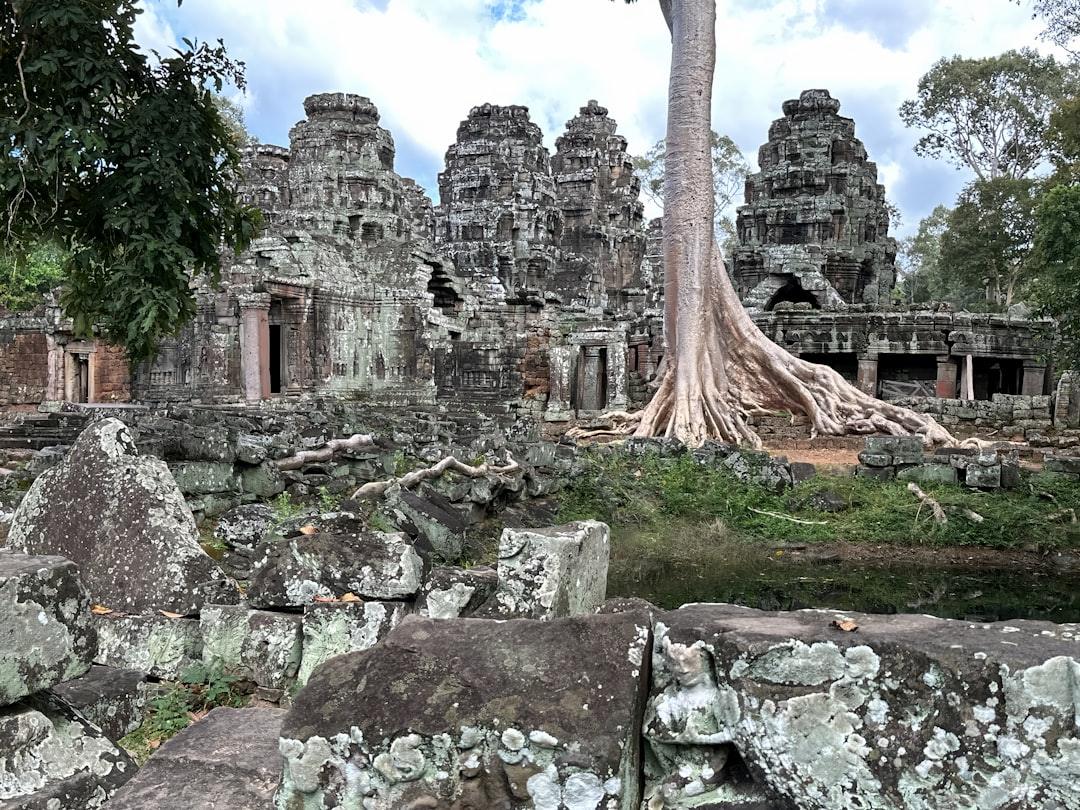
These ten represent more than architectural achievements. They’re windows into the souls of ancient peoples who looked at mountains, stones, and stars and saw connections to the divine. From Göbekli Tepe’s prehistoric circles to Easter Island’s silent sentinels, each site tells us something profound about humanity’s spiritual journey.
What strikes me most is how these places still resonate with visitors today. Whether you approach them as historical artifacts, spiritual destinations, or simply marvels of human ingenuity, they invite contemplation. They remind us that the questions our ancestors asked, about life, death, and what lies beyond, are questions we still ask today.
Next time you see photos of these ancient wonders, remember that behind each stone lies countless hours of labor, deep spiritual conviction, and a burning desire to create something that would outlast individual lives. These sites have survived wars, natural disasters, and the simple erosion of time. They’re still here, still sacred, still mysterious. What do you think drove ancient peoples to create such monumental expressions of faith? Share your thoughts in the comments.