Think about the last time you used your phone or logged onto a computer. Pretty impressive, right? We tend to assume that scientific brilliance is a modern achievement. Yet, long before anyone dreamed of smartphones or space stations, ancient civilizations were making breakthroughs that would fundamentally reshape how we understand our world. These weren’t just lucky guesses or primitive attempts at knowledge. They were sophisticated scientific achievements that still influence modern research today.
You might be surprised to learn just how advanced some ancient thinkers really were. From calculating the size of our planet with stunning precision to creating complex mechanical computers, these discoveries reveal something important: intelligence and ingenuity have always been part of the human story. Let’s dive in.
The Antikythera Mechanism: An Ancient Computer That Defied Time
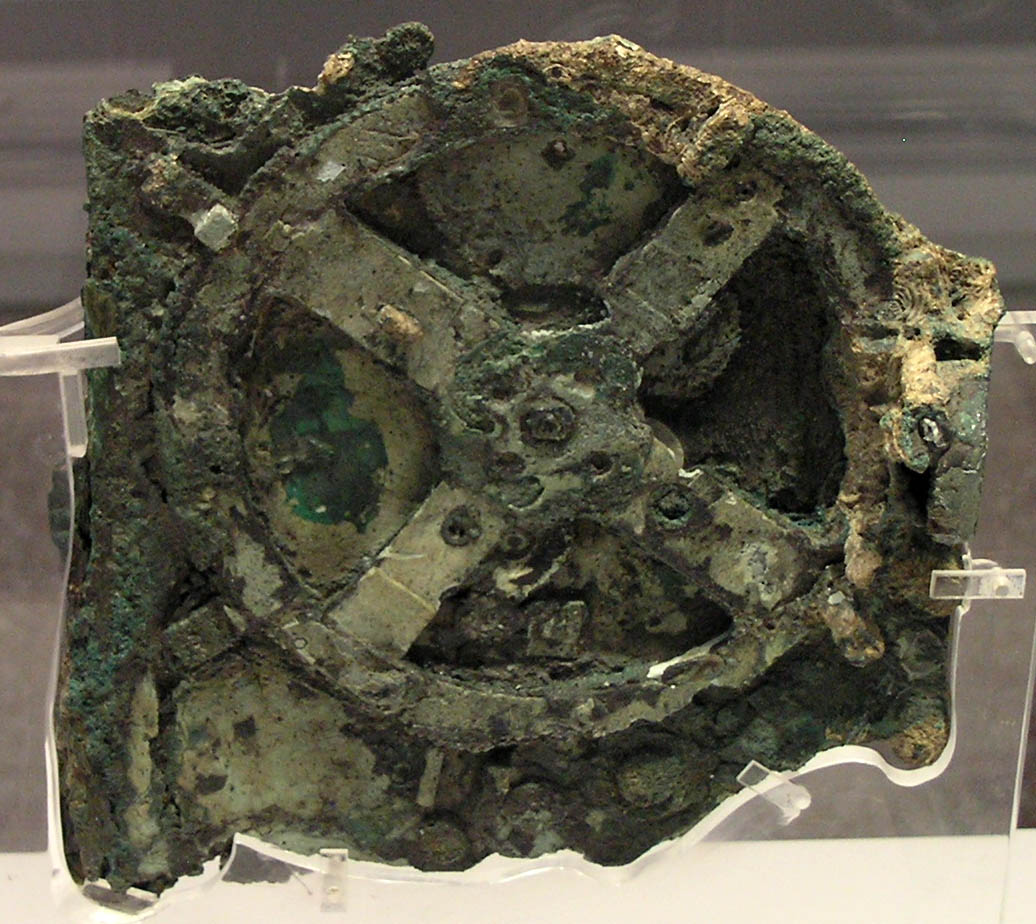
Picture a shoebox sized device made of bronze gears that could predict astronomical positions and eclipses decades in advance – and it was built over two thousand years ago. When divers discovered this corroded lump off the Greek island of Antikythera in 1901, nobody initially understood what they had found. The device is unique among discoveries from its time, single handedly rewriting our knowledge of ancient Greek technology.
This creation of genius combined cycles from Babylonian astronomy, mathematics from Plato’s Academy and ancient Greek astronomical theories. The mechanism contained at least thirty gear wheels with precision teeth about a millimeter long, allowing users to turn a crank and view planetary positions at any given date. No other geared mechanism of such complexity is known from the ancient world or indeed until medieval cathedral clocks were built a millennium later. It challenges everything we thought we knew about what ancient civilizations could achieve.
Eratosthenes and the Measurement of Earth’s Circumference
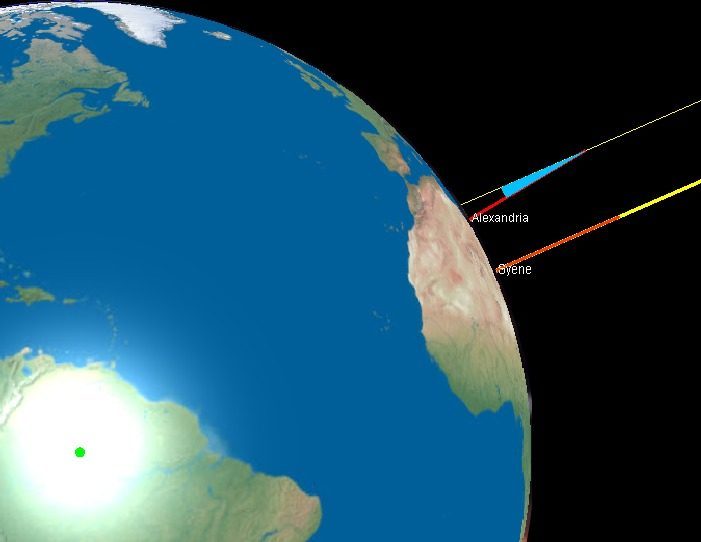
Eratosthenes measured Earth’s circumference mathematically using two surface points, noting that the Sun’s rays fell vertically at noon in Syene at the summer solstice, while in Alexandria at the same time, sunlight fell at an angle of about seven degrees from vertical. Using just shadows, a stick, and some brilliant geometry, this Greek scholar working around 240 BCE calculated our planet’s size with remarkable accuracy.
He hired bematists, professional surveyors trained to walk with equal length steps, who found that Syene lies about five thousand stadia from Alexandria, and then used this to calculate the circumference of the Earth to be about two hundred fifty thousand stadia. Depending on which stadium measurement you use, his calculation was within two to seventeen percent of the actual value. His result was about twenty five thousand miles, while the accepted measurement today is about twenty four thousand eight hundred fifty five miles – given the simple tools he had at his disposal over two thousand years ago, his calculations were quite remarkable.
Roman Concrete: The Self Healing Wonder Material
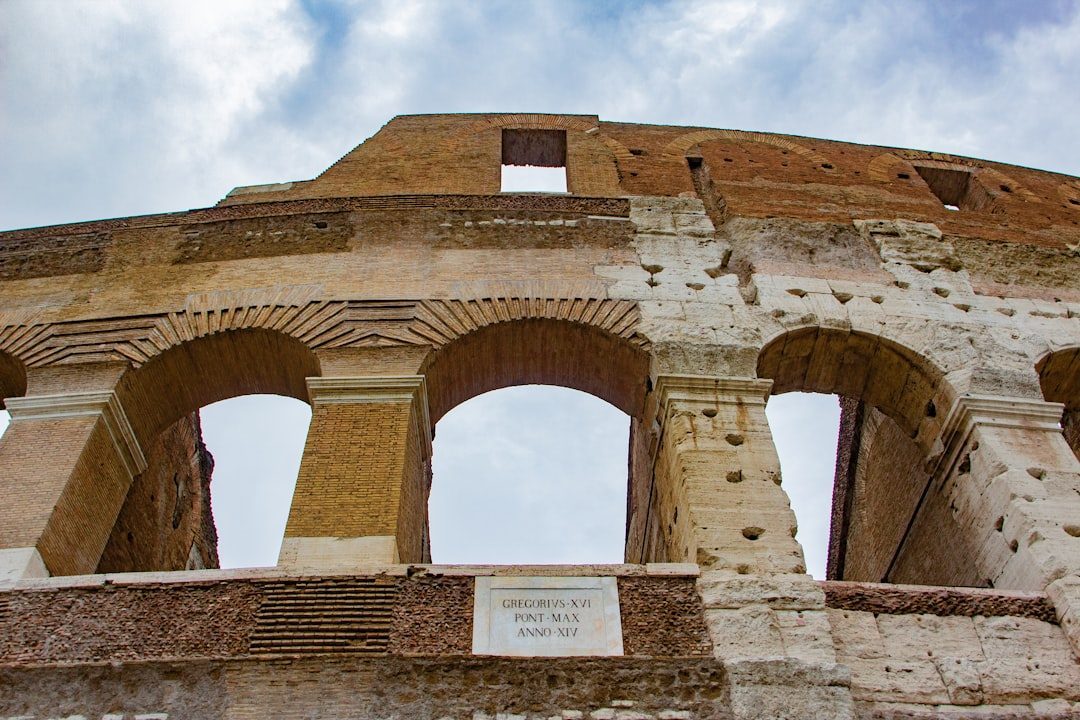
You’ve probably walked past crumbling modern concrete structures built just decades ago. Usable examples of Roman concrete exposed to harsh marine environments have been found to be two thousand years old with little or no wear, and in 2013 the University of California Berkeley published an article describing for the first time the mechanism by which a suprastable compound binds the material together. The secret? A chemical reaction that modern engineers are only now beginning to understand.
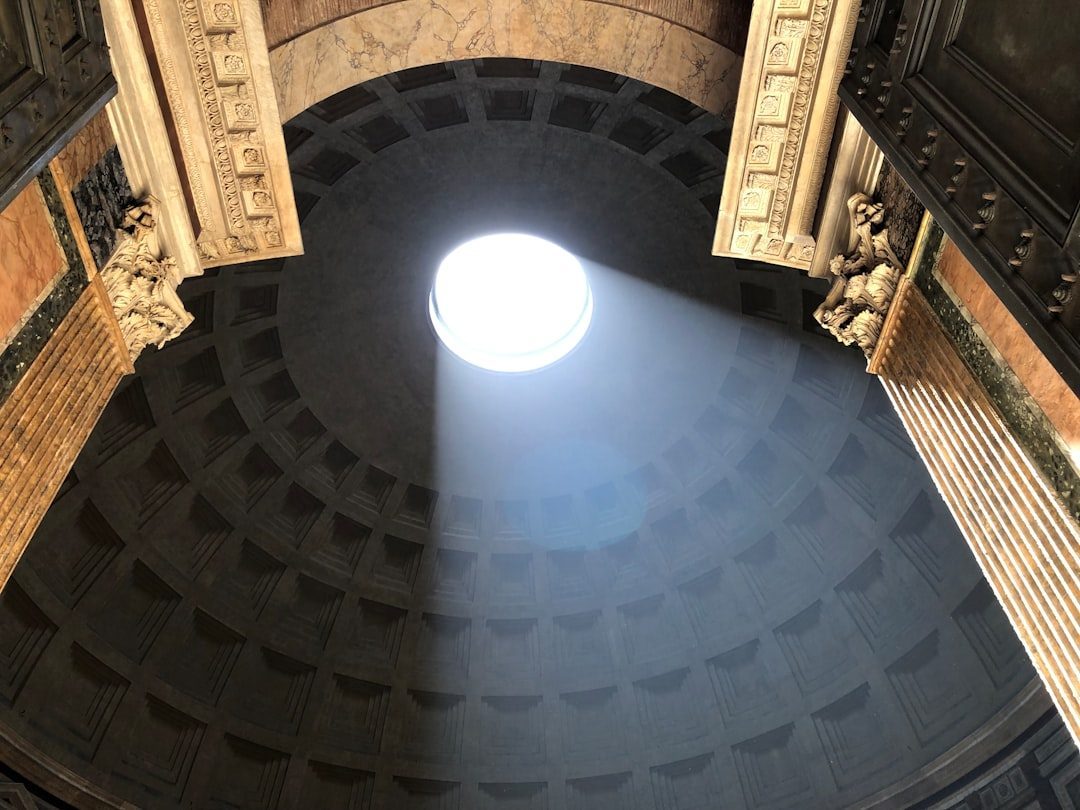
The strength and longevity of Roman marine concrete benefits from a reaction of seawater with a mixture of volcanic ash and quicklime to create a rare crystal called tobermorite which may resist fracturing, as seawater percolated within tiny cracks reacting with phillipsite naturally found in volcanic rock to create aluminous tobermorite crystals – resulting in a candidate for the most durable building material in human history. The ancient Romans constructed vast networks of roads and massive buildings whose remains have survived for two millennia – Rome’s Pantheon, dedicated in 128 CE, is still intact, and some ancient Roman aqueducts still deliver water to Rome today, while many modern concrete structures have crumbled after a few decades. That really puts things in perspective, doesn’t it?
Babylonian Astronomy: Mapping the Heavens With Mathematical Precision
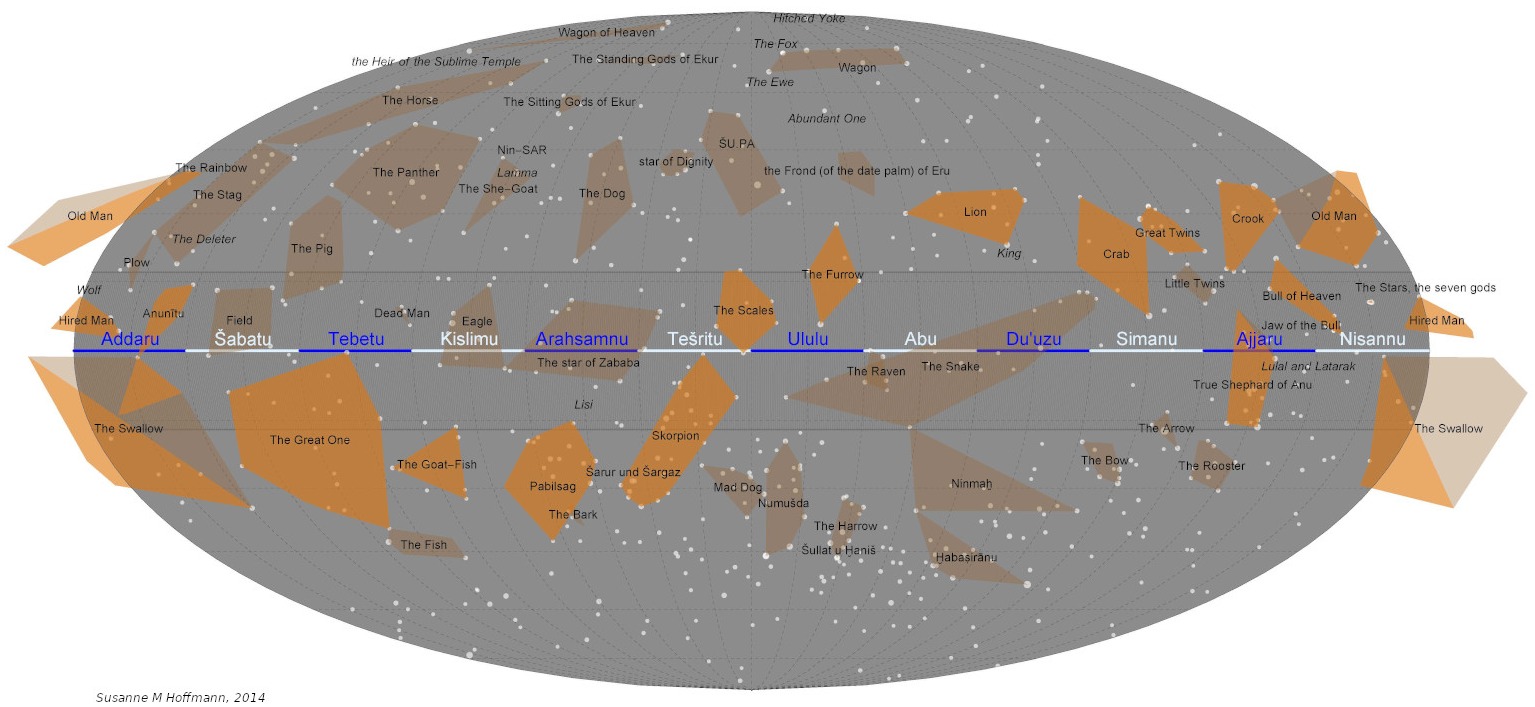
According to historian Asger Aaboe, all subsequent varieties of scientific astronomy in the Hellenistic world, in India, in Islam, and in the West depend upon Babylonian astronomy in decisive and fundamental ways. This isn’t an exaggeration. The Mesopotamians weren’t just stargazers making pretty charts. They developed sophisticated mathematical methods that formed the foundation for all astronomy that followed.
Scribes recorded observations of the cosmos on clay tablets, revealing that astronomers used mathematical calculations to observe the motions of planets, and astronomical periods identified by Mesopotamian scientists remain widely used in Western calendars including the solar year and lunar month – they developed arithmetical methods to compute the changing length of daylight during the year and to predict lunar phases, planets, and eclipses. Think about that the next time you check your calendar. Those ancient observers gave us the very framework we still use to organize time.
Greek Natural Philosophy: The Birth of Scientific Method

Scientific thought in classical antiquity became tangible beginning in the sixth century BCE with Thales and Pythagoras, as Thales, called the father of science, was the first to postulate non supernatural explanations for natural phenomena such as lightning and earthquake, while Pythagoras founded the Pythagorean school which investigated mathematics and was the first to postulate that the Earth is spherical. This was revolutionary. Before these thinkers, most explanations for natural events involved gods, spirits, or magic.
Aristotle, Plato’s student, began the scientific revolution of the Hellenistic period culminating in the third and second centuries with scholars such as Eratosthenes, Euclid, Aristarchus of Samos, Hipparchus, and Archimedes. Plato and Aristotle’s development of deductive reasoning was particularly useful to later scientific inquiry. They taught us how to think critically about the world rather than simply accepting traditional explanations. That’s a gift that keeps on giving.
Ancient Egyptian Medicine and Mathematics
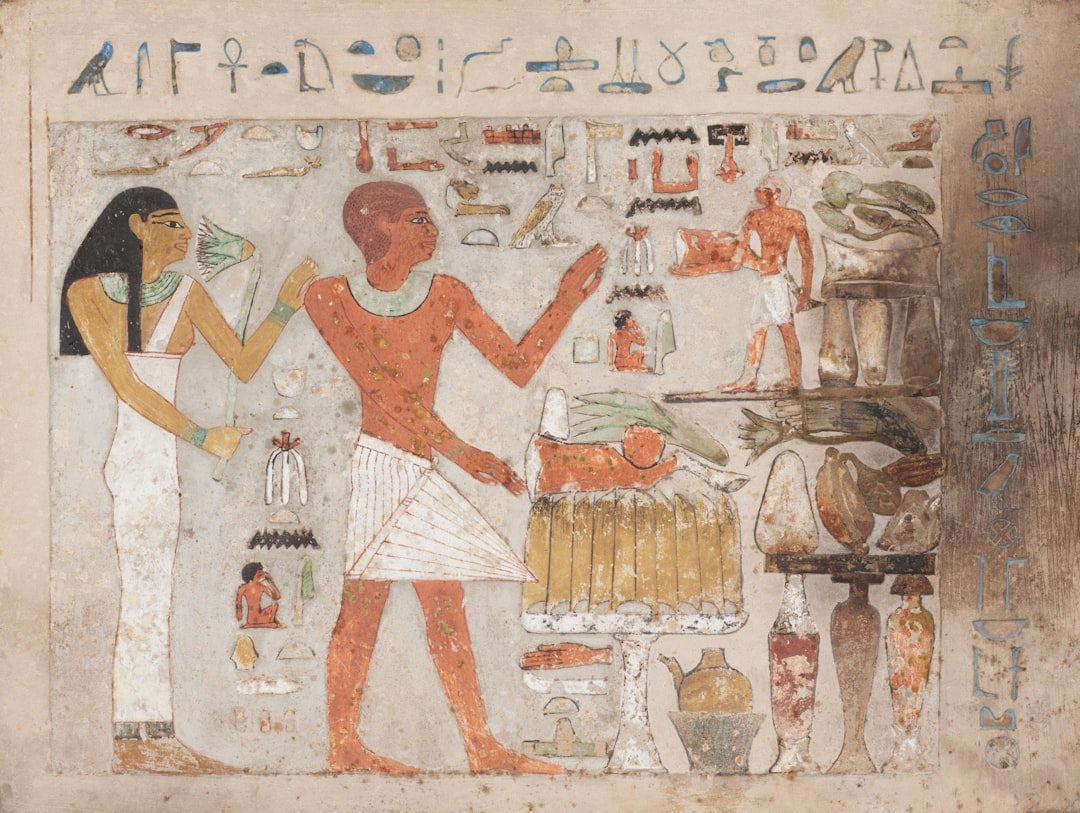
Significant advances in ancient Egypt included astronomy, mathematics, and medicine. The Egyptians developed sophisticated surgical techniques, understood anatomy better than many civilizations that came after them, and created mathematical systems that allowed them to build architectural marvels. Their knowledge of geometry enabled the construction of pyramids with precision that still amazes engineers today.
Egyptian medical papyri reveal treatments for various ailments that show genuine understanding of physiology. They knew how to set broken bones, perform basic surgery, and even had specialized physicians for different body parts. These weren’t just healers relying on superstition. They were practicing early forms of evidence based medicine, documenting what worked and what didn’t.
The Baghdad Battery: Ancient Electrochemistry or Clever Container?
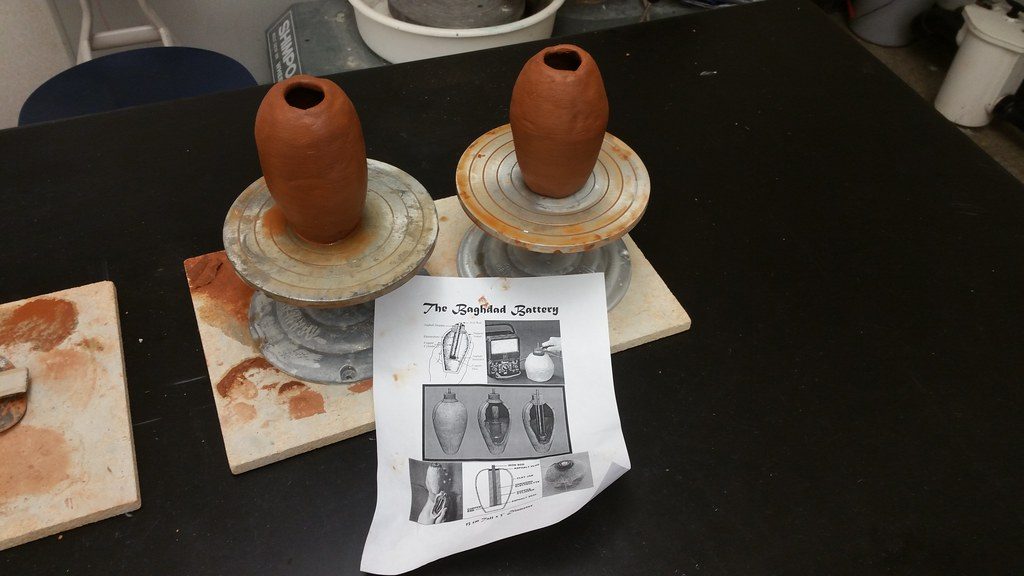
The Baghdad Battery is the name given to an artifact consisting of a ceramic pot, a tube of copper, and a rod of iron fixed together with bitumen, discovered in present day Khujut Rabu, Iraq in 1936, close to ancient Ctesiphon. Willard Gray at the General Electric High Voltage Laboratory built replicas and, filling them with an electrolyte, found that the devices could produce two volts of electricity, raising questions about what electricity would have been used for.
Modern archaeologists now generally agree this interpretation is rejected by scientists, with many believing the jars had ceremonial or storage purposes instead. Still, the fact that ancient people created something that could theoretically generate electricity fascinates researchers. Paul Keyser proposed that ancient batteries and electric eels might have been utilized for medical purposes, potentially for pain relief or anesthesia, raising intriguing questions about the Baghdad Battery. Even if the battery theory proves incorrect, it shows how ancient minds experimented with materials in ways we’re still trying to understand.
Hellenistic Advances in Anatomy and Biology
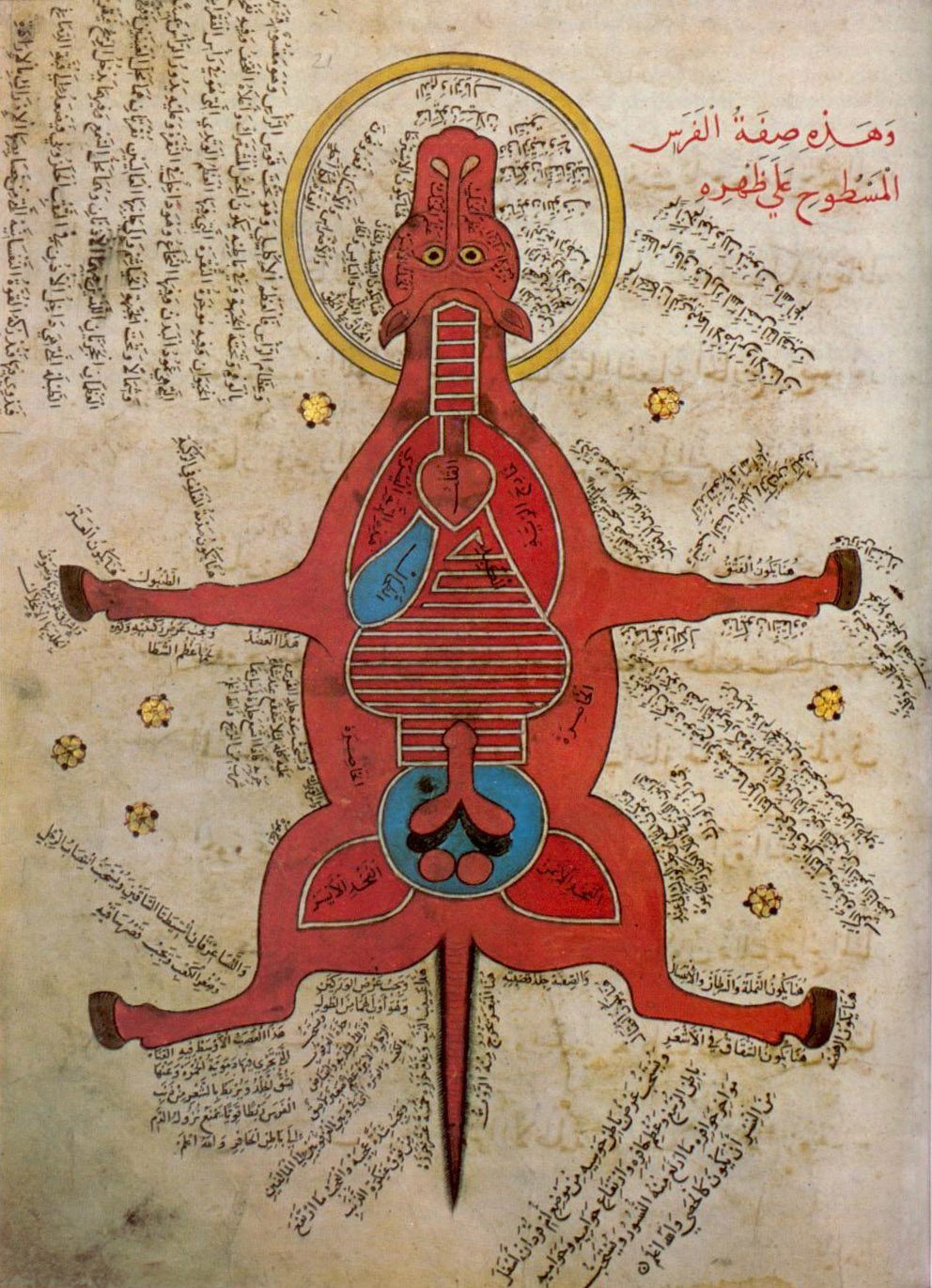
Around the time of Aristotle, a more empirically founded system of anatomy was established based on animal dissection, with Praxagoras making the distinction between arteries and veins. This was groundbreaking work. Before this, understanding of internal body systems was largely speculative. Greek physicians began systematic studies that laid the groundwork for modern medicine.
The legacy of classical antiquity included substantial advances in factual knowledge, especially in anatomy, zoology, botany, mineralogy, geography, mathematics and astronomy, as scholars advanced their awareness of the importance of certain scientific problems, especially those related to the problem of change and its causes. The Hellenistic period produced medical texts that remained authoritative for over a thousand years. These scholars weren’t just repeating old knowledge – they were actively investigating, dissecting, and discovering.
Ancient Optics and the Understanding of Light
Mozi in China gives a description of the camera obscura phenomenon during the fourth century BCE. This shows that ancient civilizations across the globe were investigating how light behaves. Greek and later Islamic scholars built on this knowledge, studying reflection, refraction, and the nature of vision itself.
Robert Grosseteste writes on optics and the production of lenses in the 1220s, while asserting models should be developed from observations and predictions verified through observation, in a precursor to the scientific method. The study of optics wasn’t just theoretical curiosity. It led to practical applications like early magnifying lenses and eventually telescopes that would revolutionize astronomy. Ancient thinkers understood that investigating light meant investigating one of the fundamental forces shaping our perception of reality.
Preservation and Transmission of Ancient Knowledge
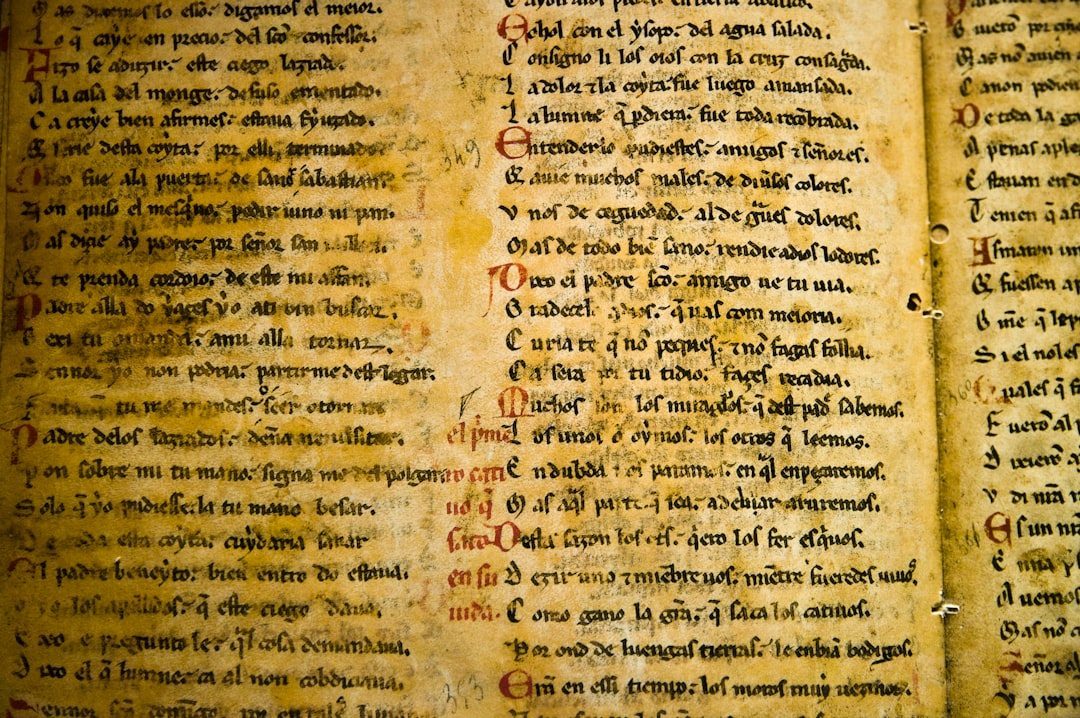
In ancient times, culture and knowledge were passed through oral tradition, but the development of writing further enabled the preservation of knowledge and culture, allowing information to spread accurately. Libraries like the one at Alexandria became centers of learning where scholars could access centuries of accumulated wisdom. Clear unbroken lines of influence lead from ancient Greek and Hellenistic philosophers, to medieval Muslim philosophers and scientists, to the European Renaissance and Enlightenment, to the secular sciences of the modern day.
This continuity matters more than you might think. Without ancient scholars carefully recording their observations and theories, much of this knowledge would have been lost. Islamic scholars during the Middle Ages preserved Greek scientific texts when Europe had largely forgotten them. This transmission across cultures and centuries shows that science has always been a collaborative human endeavor, building on foundations laid by previous generations.
These ten remarkable discoveries represent just a fraction of what ancient civilizations achieved. They calculated planetary movements, measured the Earth, developed durable materials, advanced medical knowledge, and laid the philosophical groundwork for modern science. When you look at structures like the Pantheon or read about Eratosthenes’ calculations, you realize something profound: brilliance isn’t a modern invention.
Aside from alchemy and astrology that waned in importance during the Age of Enlightenment, civilizations of the ancient world laid the roots of modern sciences. These ancient thinkers didn’t have computers or advanced laboratories, yet they made observations, formed hypotheses, tested ideas, and drew conclusions that still hold up today. Their legacy reminds us that human curiosity and intelligence have always driven us to understand the world around us. What ancient discovery surprised you most? Did you expect such sophistication from civilizations thousands of years ago?