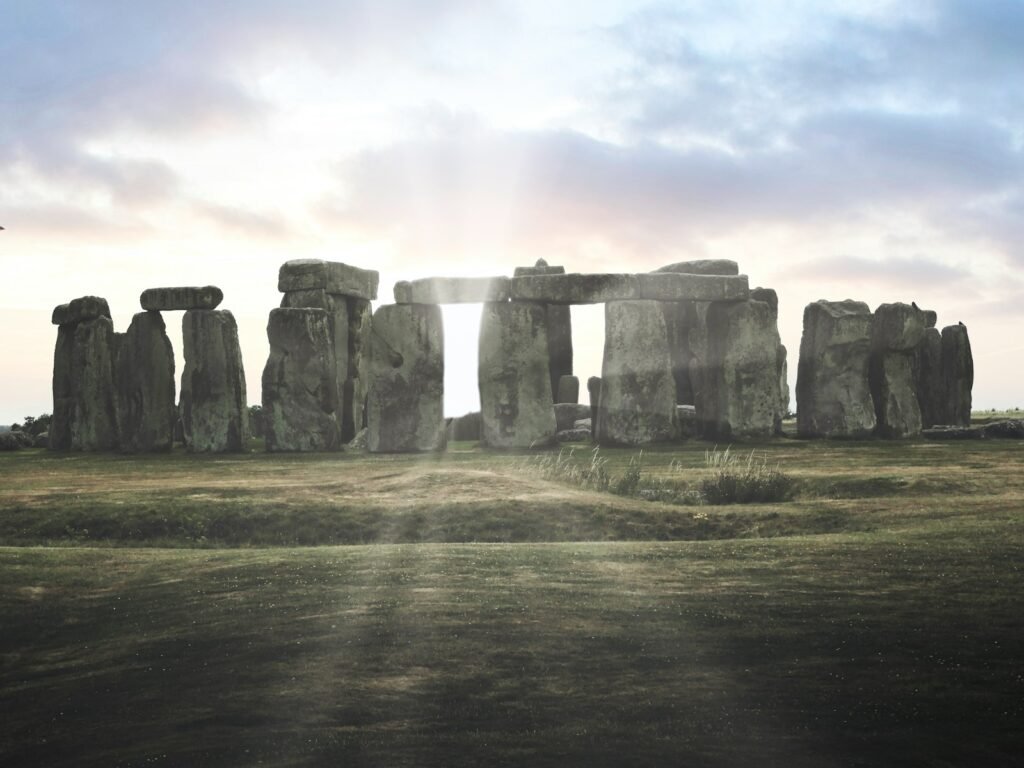
On a windswept plain in southern England, a circle of weathered stones continues to defy simple explanation, drawing millions of visitors and a small army of scientists to its side each year. Stonehenge is old enough to predate the pyramids of Giza, yet new discoveries keep rewriting what we think we know about it. Was it an observatory, a cemetery, a healing sanctuary, or something stranger that we still struggle to name? In the past few decades, archaeologists armed with satellite imaging, isotope analysis, and even ancient DNA have transformed the story from mystical guesswork into a data-driven investigation. But the deeper they dig – literally and figuratively – the more Stonehenge looks less like a single-purpose monument and more like a sprawling, evolving project of a prehistoric society that was anything but primitive.
The Hidden Clues Beneath the Grass
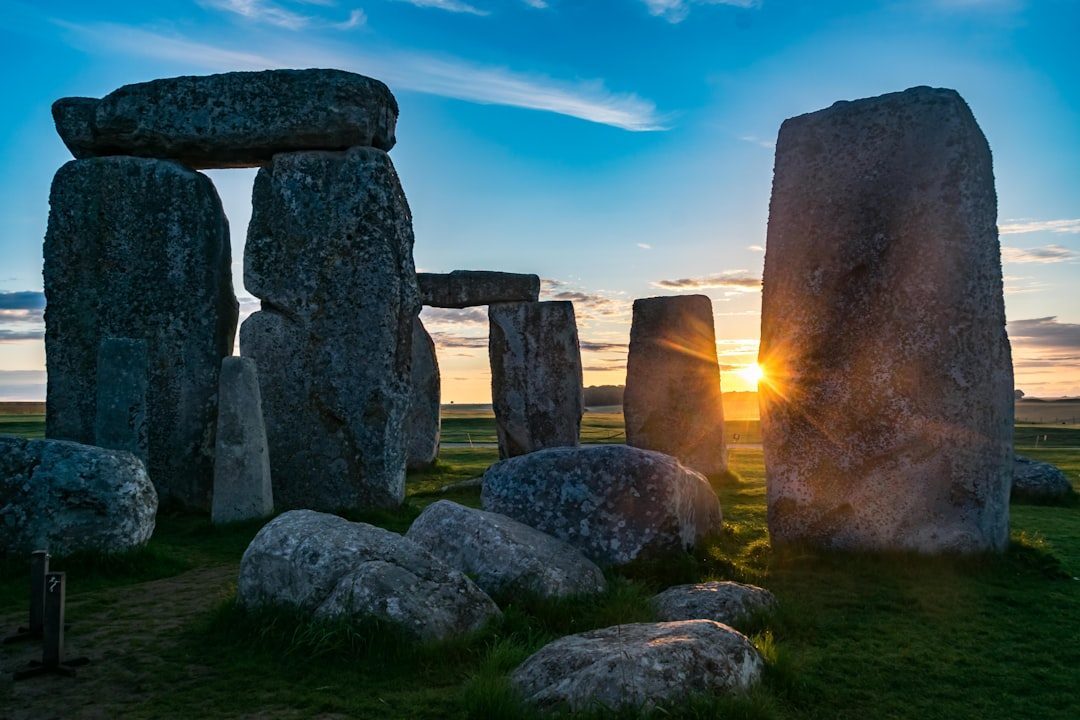
Walk up to Stonehenge today and it’s tempting to focus on the iconic circle of towering sarsen stones, but much of the real action has always been underground. Just beneath the turf, subtle soil marks and buried ditches trace out a landscape of causeways, pits, postholes, and avenues that once connected Stonehenge to other ritual sites. This wider “Stonehenge landscape” includes features like the Avenue leading toward the River Avon and the nearby circular earthwork of Durrington Walls, where a bustling settlement once housed the people who built and used the monument. From the sky or in ground-penetrating radar scans, this area lights up as a web of human activity rather than a lone ring of stones in an empty field. The impression is not of a single sacred spot, but of a choreographed ritual terrain designed to be walked, remembered, and renewed over generations.
Recent non-invasive surveys have revealed buried features that were never suspected from the surface, including lines of postholes that may once have held massive timbers. These finds suggest earlier wooden monuments that predate or parallel the stone phases, hinting that Stonehenge was not built in a single ambitious burst but through waves of reimagining. Archaeologists now see the site as part of a much larger ceremonial complex focused on movement between spaces, perhaps between the realms of the living and the dead. The hidden clues under the grass challenge that old postcard image of Stonehenge as an isolated ring and replace it with something far more dynamic and human. In a way, the real monument is not just the stones we see, but the invisible architecture of memory that surrounds them.
From Ancient Tools to Modern Science
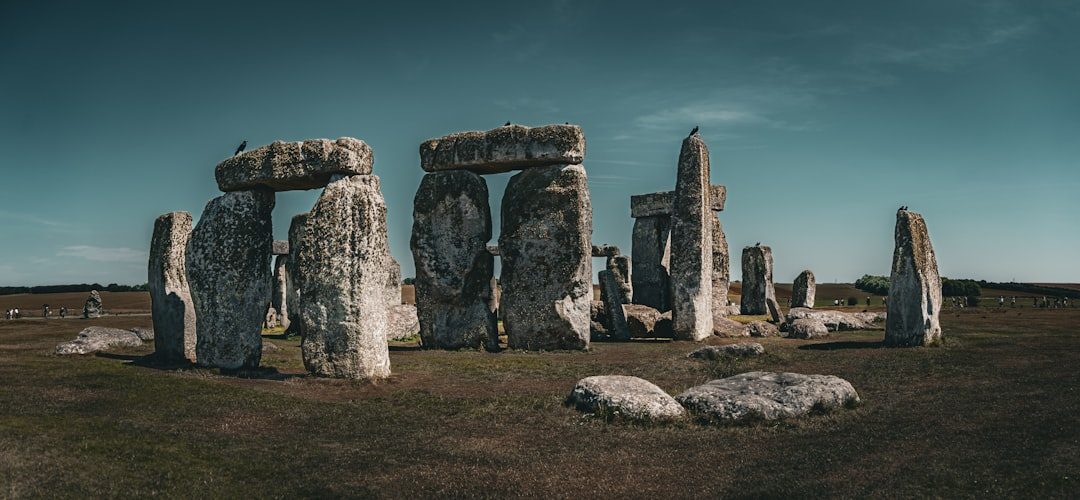
For centuries, people imagined Stonehenge was so impossibly heavy and complex that only supernatural forces or lost civilizations could have built it. Modern archaeology has quietly dismantled that myth, not with romantic stories, but with flint tools, pig bones, and laser scanners. Excavations have shown that Neolithic builders dug deep stone sockets with tools made from antler picks, and they likely used wooden sledges, ropes, and earthen ramps to move and raise the stones. Experiments with volunteer teams have demonstrated that, with enough hands and time, even multi-ton megaliths can be shifted using surprisingly simple technology. That doesn’t make the achievement any less staggering, but it pulls it firmly back into the realm of human ingenuity.
Modern science has also traced the origins of the stones themselves with remarkable precision. The smaller bluestones were sourced from the Preseli Hills in southwest Wales, roughly about one hundred and fifty miles away, a journey that likely combined river transport and overland hauling. Chemical signatures in the rocks have allowed researchers to match individual stones to specific Welsh quarries, turning vague legends into testable reconstructions. Meanwhile, radiocarbon dating of charcoal and bone fragments has built a detailed timeline that stretches from the first earthwork enclosure around 3000 BCE to later rearrangements of the stone circle centuries afterward. What emerges is not a one-off “build” but a construction project that outlived its original architects and kept evolving with the community’s beliefs and needs.
Cosmic Alignments and the Dance of Light
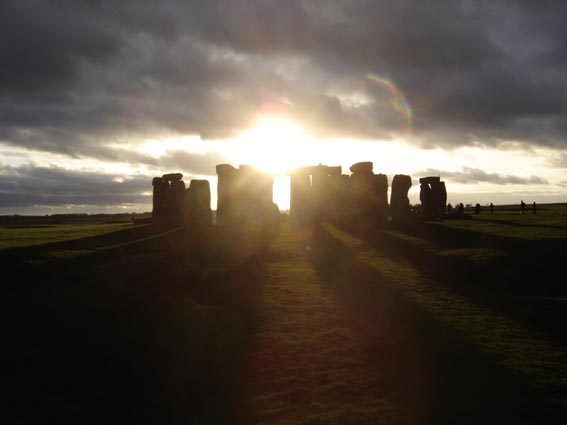
Stand within the stones at dawn on the summer solstice, and it’s hard not to feel that Stonehenge was built to catch the sky in a deliberate way. The axis of the monument aligns closely with the midsummer sunrise and midwinter sunset, a fact that has fueled generations of speculation about ancient astronomer-priests. Archaeologists today are more cautious about imagining prehistoric people as full-time sky scientists, but they largely agree the solar alignments are intentional. The solstices would have marked powerful turning points in the year, making them natural anchors for ceremonies tied to agriculture, death, or community renewal. The stones frame the light, transforming a predictable celestial event into something staged and shared.
However, Stonehenge was probably not a high-precision observatory in the modern sense, tracking every eclipse or planetary conjunction. Instead, its alignments may have been about rhythm rather than data, about anchoring social time to cosmic time. In a world without clocks or written calendars, the return of the sun along a stable path of rising and setting points would have been a reassuring pattern. The builders turned that pattern into architecture, using stone to “remember” the sky so their descendants could keep their festivals in sync with the seasons. That the same alignments still draw crowds of modern visitors shows how strongly we continue to respond to this dance of light and shadow across stone.
A Place of the Dead, the Living, or the Healing?
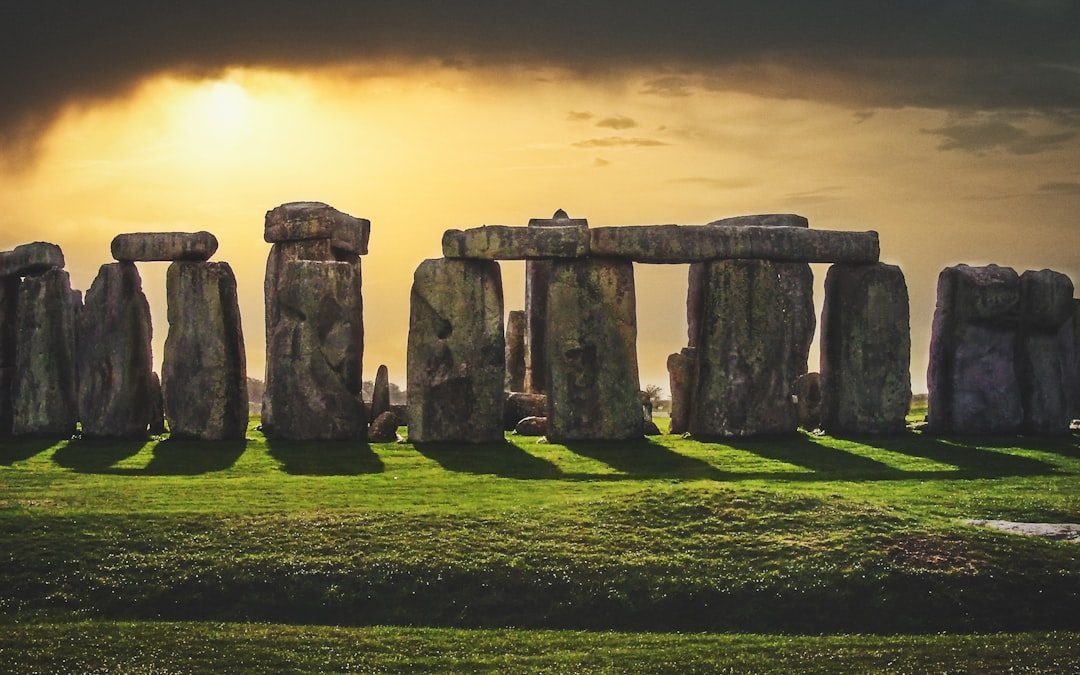
Even with all the new data, the big question remains painfully simple: what was Stonehenge for? The answer that’s gaining traction among many researchers is that it was not one thing, but several overlapping things across centuries. Early burials in and around the site, including cremated remains placed in the ditch and later graves, point strongly toward a role as a cemetery or memorial for an elite group. Isotope analysis of teeth and bones shows that some of the people buried there grew up far from the local area, suggesting Stonehenge attracted visitors or residents from distant regions. This reinforces the idea that it may have been a pan-regional center for ceremony, alliance-making, or ancestor worship.
There is also evidence hinting at Stonehenge as a place associated with healing or pilgrimage. Some skeletons from the wider area show signs of illness or injury, and the transporting of bluestones from Wales has been linked by some researchers to traditions that viewed those rocks as having special properties. While the “healing temple” theory is debated, it adds another layer to the picture of Stonehenge as a site people traveled to with hope as well as grief. Rather than obsessing over a single definitive label, a growing number of scholars see Stonehenge as a kind of ritual chameleon, changing functions as its builders’ world changed. That idea feels oddly modern: an iconic place that means different things to different people over time, yet remains powerfully magnetic.
Why This Ancient Mystery Still Matters
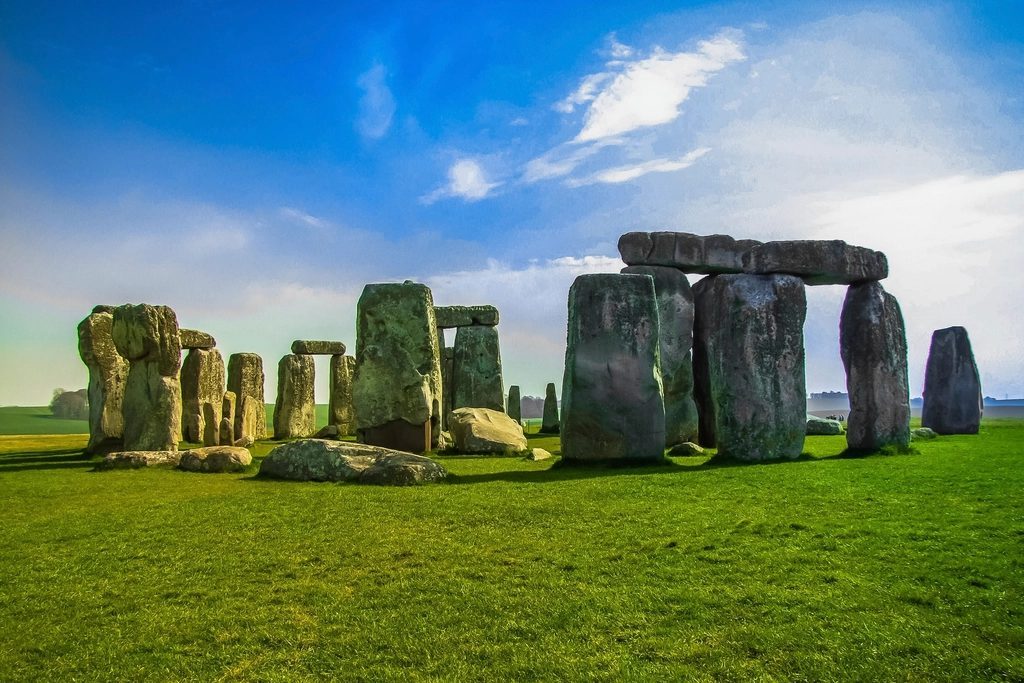
It might be tempting to file Stonehenge under “cool but irrelevant ancient stuff,” especially when our lives are dominated by climate crises, quantum chips, and social media. But how we interpret a monument like this says a lot about how we see ourselves. For a long time, older narratives treated Neolithic people as simple, superstitious, and technologically naive, the kind of folks who needed myths or aliens to explain big stones. The newer evidence pushes back hard, showing a society capable of long-term planning, large-scale cooperation, and sophisticated relationships with landscape and sky. When we update the story of Stonehenge, we’re really updating the story of human intelligence and creativity.
Stonehenge also challenges assumptions about what counts as “progress.” These were communities without metal tools, cities, or writing, yet they invested immense resources into building places that served spiritual, social, and cosmological purposes. In a world where value is often measured in economic output, there is something quietly radical about that choice. It suggests that meaning, memory, and shared ritual were important enough to justify hauling stones across entire regions. From a scientific angle, Stonehenge is a test case for how far archaeological methods can go in reconstructing belief systems that left no written record. From a human angle, it is a reminder that our desire to connect with something larger than ourselves is as old as civilization itself.
Stonehenge in a Global Web of Megaliths
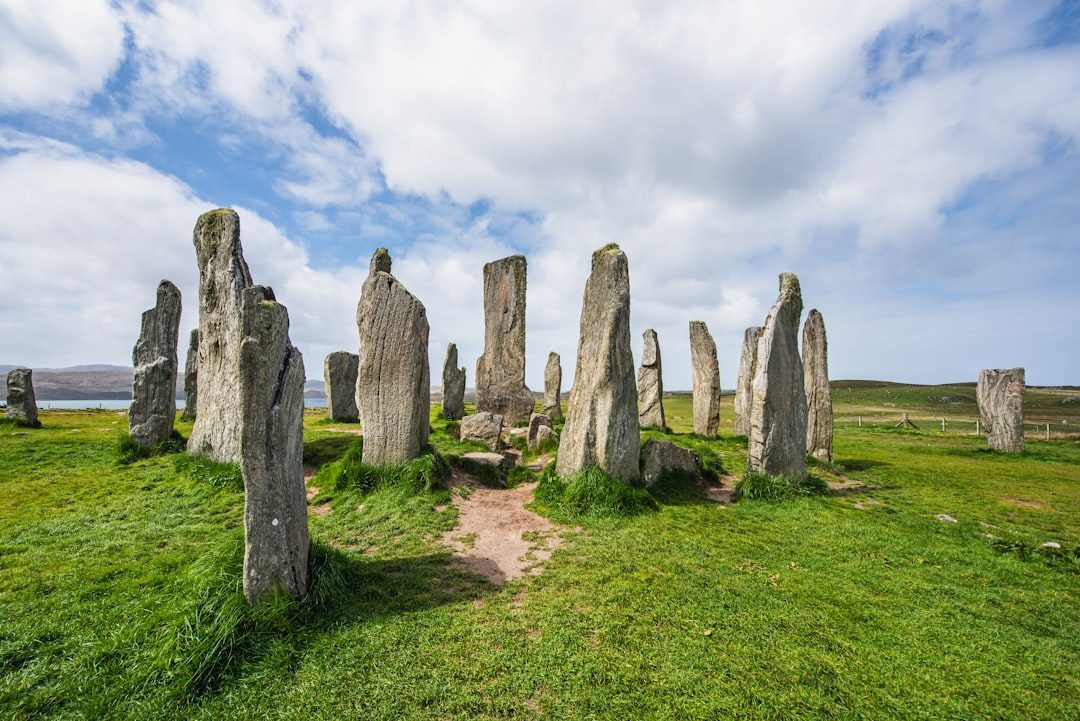
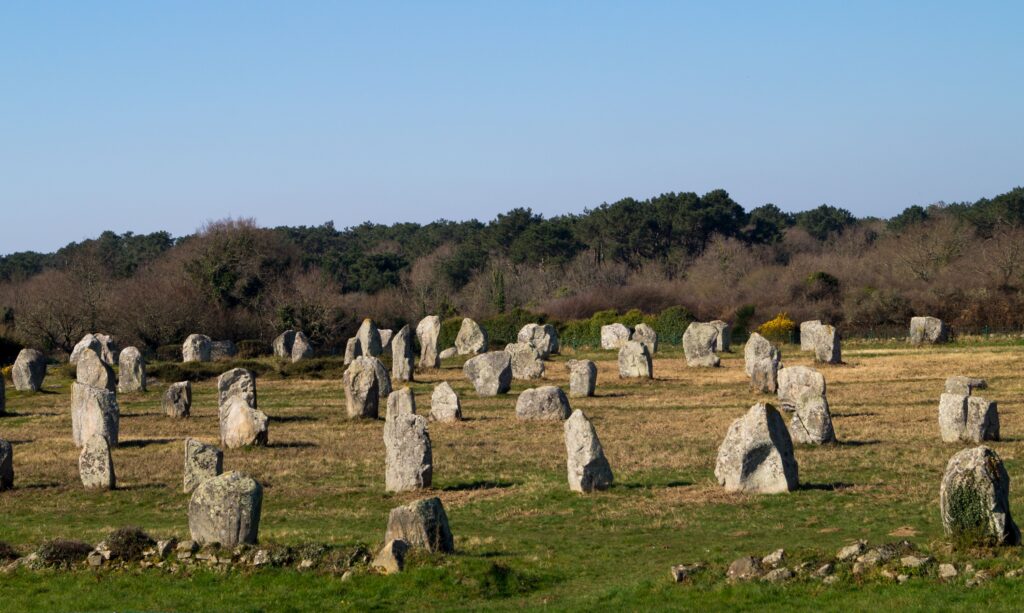
One of the most surprising shifts in recent decades has been the re-framing of Stonehenge, not as a one-off wonder, but as one node in a global story of megalithic building. Across Europe and beyond, from passage tombs in Ireland to stone rows in Brittany and circle sites in Scotland, there are cousins and distant relatives of Stonehenge. Many of these share similar themes: alignments with the sun or stars, close ties to burial practices, and locations woven into everyday landscapes rather than isolated mountaintops. When you zoom out, Stonehenge starts to look less like a bizarre exception and more like a particularly elaborate expression of a widespread prehistoric habit. That habit was the urge to give enduring, heavy form to ideas about time, ancestors, and cosmic order.
Comparisons with other sites also keep researchers honest about what is unique and what is not. For instance, solar alignment at solstices appears at numerous monuments, suggesting a shared preoccupation with seasonal turning points. But the combination of massive upright stones, lintels, and carefully engineered joints at Stonehenge is much rarer, hinting at local innovations in engineering and design. Some scholars see these monuments as a prehistoric social network, where ideas about architecture and ritual spread slowly along trade and kinship routes. Others emphasize regional distinctiveness and argue against any notion of a unified “megalithic culture.” Either way, Stonehenge is part of a conversation that spans continents and millennia, a reminder that ancient people were not isolated tribes but active participants in a connected world.
New Technologies Redrawing the Ancient Map
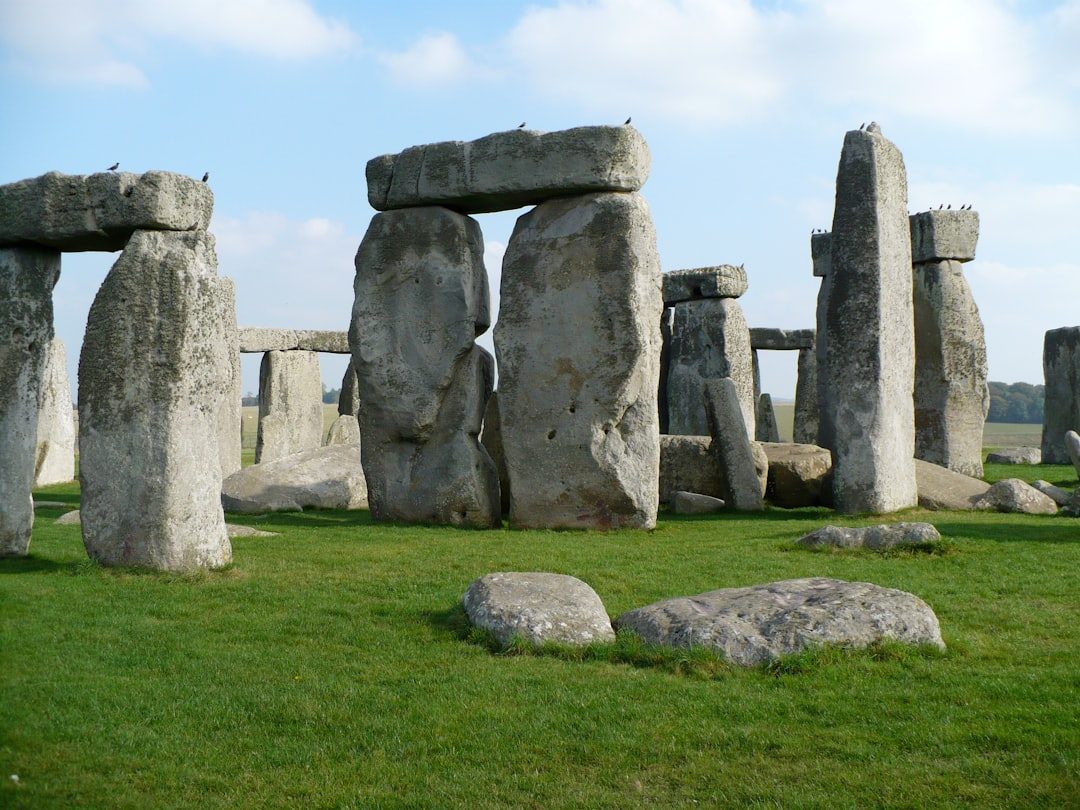
In the past, learning about Stonehenge meant digging trenches and hoping not to miss anything important; today, the toolkit looks more like something out of a planetary science lab. Ground-penetrating radar, magnetometry, and lidar scanning are mapping the ground around Stonehenge in high resolution without turning over a single spade of soil. These surveys have already revealed previously unknown pits, ditches, and possible stone settings stretching far beyond the iconic circle. They hint that what we see as “Stonehenge” is only the stone core of a much larger, phased landscape. Digital reconstructions can now stitch together these traces into immersive models, letting researchers and the public virtually walk through vanished avenues and timber halls.
Ancient DNA and isotope analysis are also changing the story by filling in the human side of the equation. By examining chemical signatures in teeth, scientists can infer where individuals grew up and how much time they spent on the move. Early results point to a surprisingly mobile population, with some people at Stonehenge and its neighboring sites originating from hundreds of miles away. This fits with a picture of Stonehenge not as a parochial shrine, but as a regional or even supra-regional focus of attention. As lab techniques get more sensitive, researchers hope to untangle kinship networks and migration patterns that shaped who came, who stayed, and who was buried here. The future of Stonehenge science looks less like chasing a single “aha” moment and more like slowly fleshing out a complex social drama.
The Future of a Fragile Giant
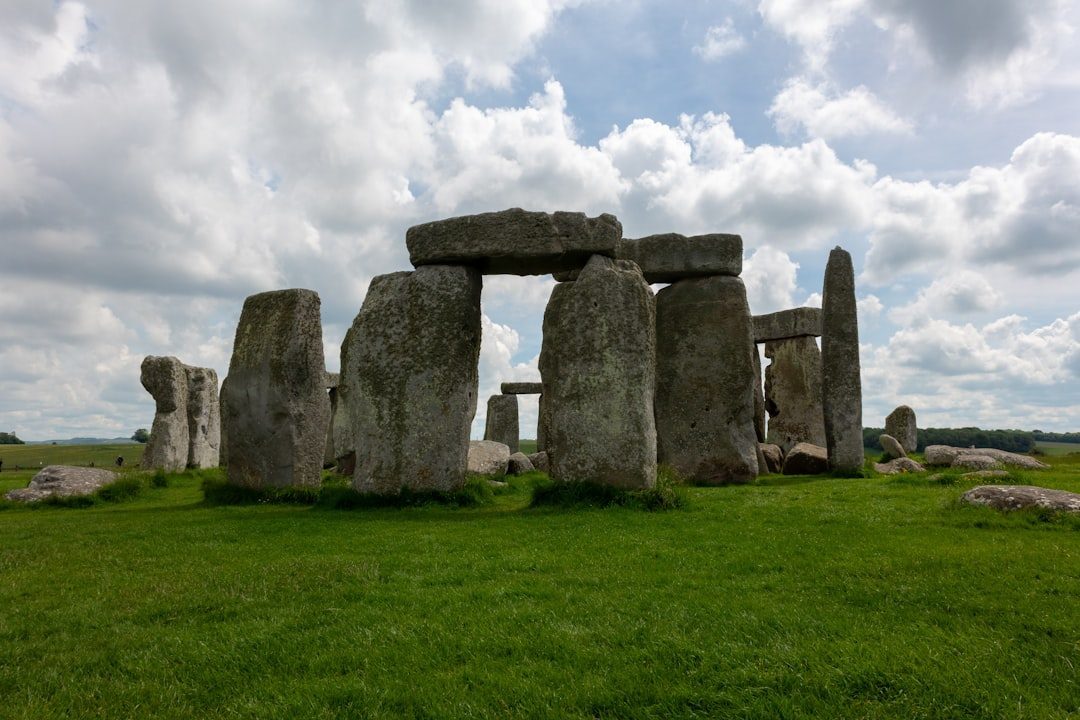
Even as science opens new windows into the past, Stonehenge faces decidedly modern pressures. Visitor numbers remain high, and managing foot traffic without damaging the archaeological layers is a constant balancing act. Conservation teams must contend with erosion, biological growth like lichen, and subtle shifts in the stones caused by weathering and temperature changes. At the same time, debates over nearby infrastructure projects, including road tunnels and highways, raise tough questions about how to protect the broader landscape without freezing local development entirely. The monument is no longer just a prehistoric puzzle; it is a living site entangled in policy decisions, tourism economies, and public emotion.
Looking ahead, the challenge will be to keep Stonehenge accessible and meaningful without letting popularity become its undoing. That may mean channeling more of the experience into virtual and augmented reality, allowing people to explore detailed digital models while limiting physical impact on the ground. It may also mean recognizing that the integrity of the surrounding landscape is as important as the stones themselves, since context is everything in archaeology. For a structure that has survived thousands of winters, it would be a bitter irony if the next few decades proved the most dangerous. The choices made now will determine whether future generations inherit a living mystery or a beautifully documented ruin.
How You Can Engage With the Mystery
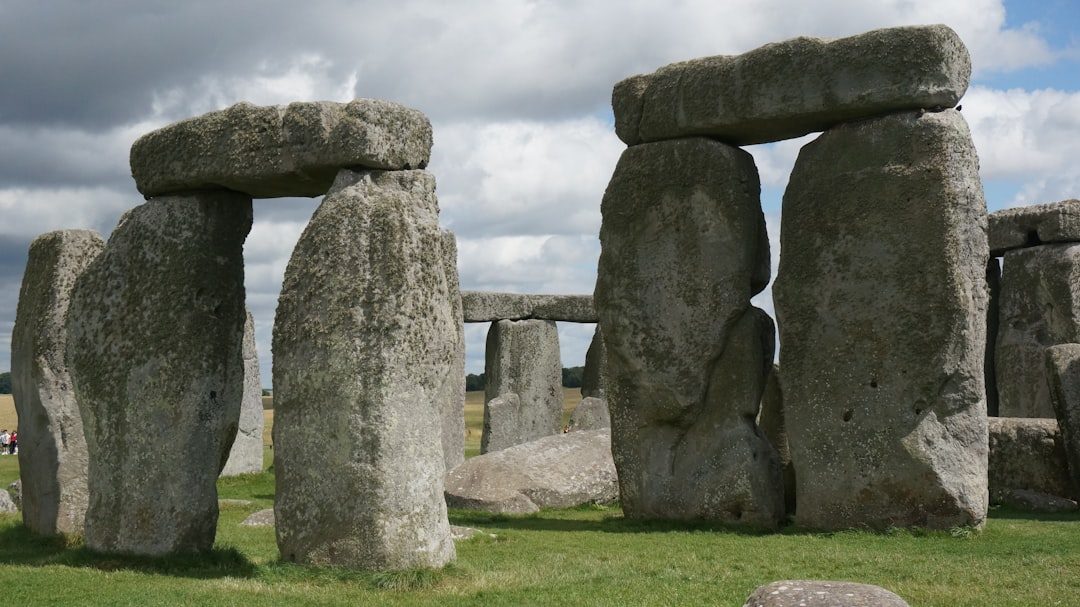
You do not have to be an archaeologist or a policy maker to play a part in the future of Stonehenge and sites like it. One simple step is to treat visits as encounters with a fragile scientific archive rather than just a dramatic backdrop for photos. Staying on designated paths, respecting barriers, and following local guidance helps preserve the ground for future research. Supporting organizations that fund archaeological work, conservation, and public education can also make a real difference, even if it is just a small membership fee or donation. If you cannot travel, many museums and heritage bodies now offer rich online resources and virtual tours that deepen understanding without adding physical pressure to the site.
You can also engage by staying curious and critical about how Stonehenge is portrayed in media and popular culture. The site will probably always attract wild theories and mystical claims, but choosing to share evidence-based explanations helps shift the conversation toward what we genuinely know and what we still need to learn. Encouraging kids, friends, or students to ask their own questions about ancient sites can spark the next generation of researchers who will push the science further. In the end, Stonehenge endures not just because its stones are heavy, but because each era finds new reasons to care about them. The real question is how we choose to use that fascination: to spin comforting myths, or to keep digging for a deeper, more complicated truth.