Every now and then, archaeologists stumble across something that makes modern engineers scratch their heads in disbelief. We’re talking about colossal stone blocks weighing hundreds of tons, precision cuts that rival laser technology, and construction techniques that shouldn’t have been possible with primitive tools. The ancient world is littered with structures that challenge our understanding of what pre-industrial civilizations could achieve. These aren’t just old buildings. They’re architectural riddles carved in stone, whispering secrets of lost knowledge and forgotten ingenuity. So let’s dive into the mysteries that continue to perplex experts and spark endless debate about the true capabilities of our ancestors.
The Great Pyramid of Giza: Precision That Still Baffles Scientists

Towering over the Egyptian desert, the Great Pyramid remains one of the most mind-boggling achievements in human history, built with millions of limestone blocks, some weighing as much as 80 tons, with alignment to true north that is eerily precise. Let’s be real here, we’re talking about a structure constructed roughly 4,500 years ago that modern builders would struggle to replicate with identical accuracy today.
Scholars still debate how such massive stones were quarried, transported, and stacked with a precision unmatched even by today’s standards. The sheer logistics of moving these blocks uphill without machinery, cranes, or even the wheel remains one of history’s greatest puzzles. Recent theories propose evidence of channels, chambers, and possible flotation systems pointing to an astonishing mastery of hydraulic mechanics, suggesting the Egyptians may have engineered a system that turned nature itself into a construction tool.
What really gets me is the mathematical precision. The pyramid’s base forms a nearly perfect square, and its sides align almost exactly with the cardinal directions. Was this purely human effort, or does it represent knowledge we’ve somehow lost to the sands of time?
Göbekli Tepe: The Temple That Shouldn’t Exist
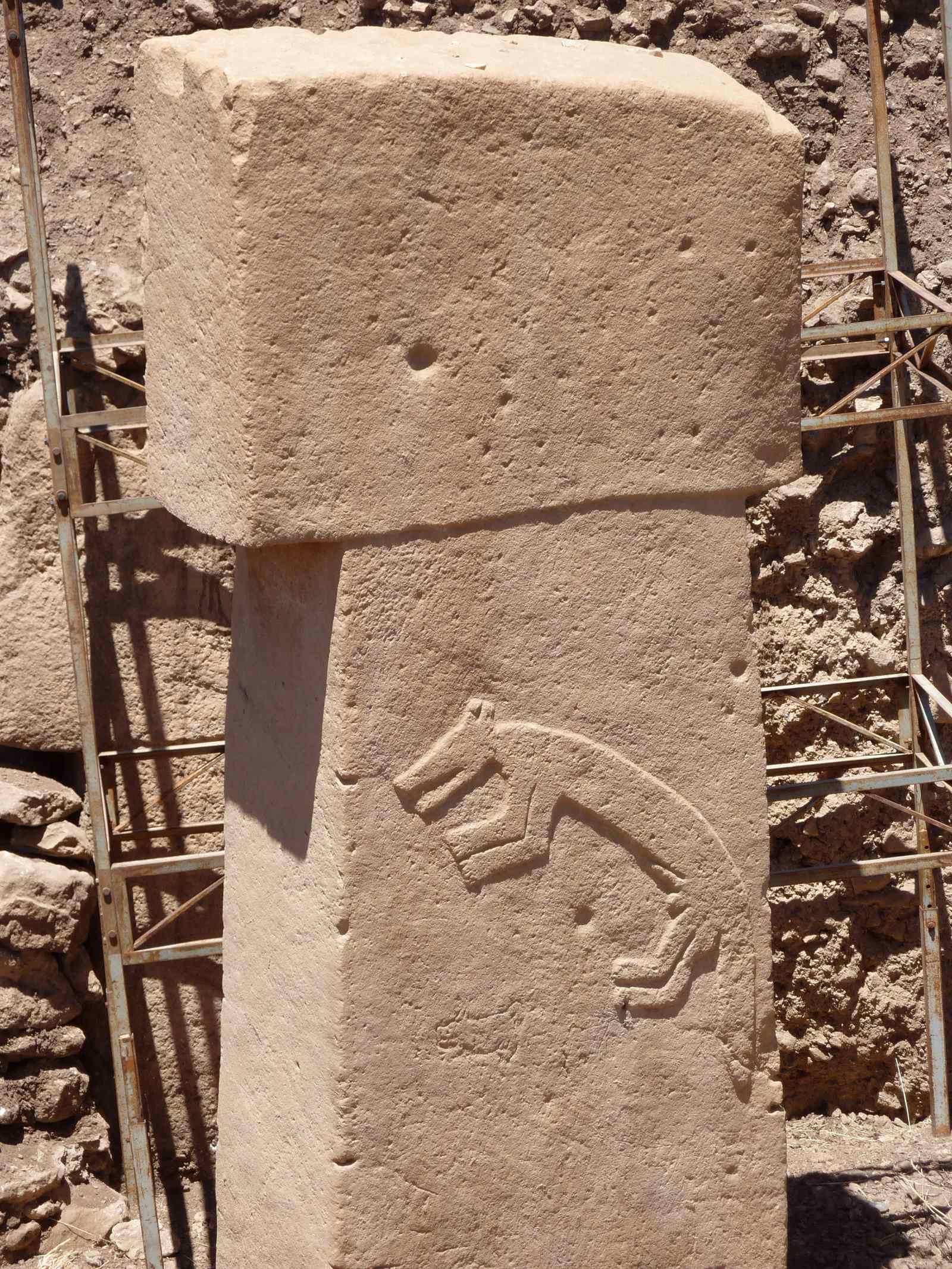
Göbekli Tepe consists of massive T-shaped pillars carved with animal figures and arranged in circular formations, predating Stonehenge by thousands of years. Radiocarbon dating places its construction at approximately 9600–9500 BCE, making it roughly 6,000 years older than Stonehenge and 7,000 years older than the Great Pyramid of Giza.
Here’s the thing that keeps researchers up at night. The carving and transportation of these heavy stones weighing around seven to ten tons are a great mystery because the temple is from an era before writing, metal, pottery, and the widespread practice of worship and sacrifice, and it is still unknown who contributed to the temple’s very construction. We’re talking about hunter-gatherers supposedly barely scraping by, yet somehow organizing the labor and expertise to create monumental architecture. This discovery fundamentally challenges the timeline of human civilization as we thought we knew it.
Puma Punku: Precision Cuts From the Past
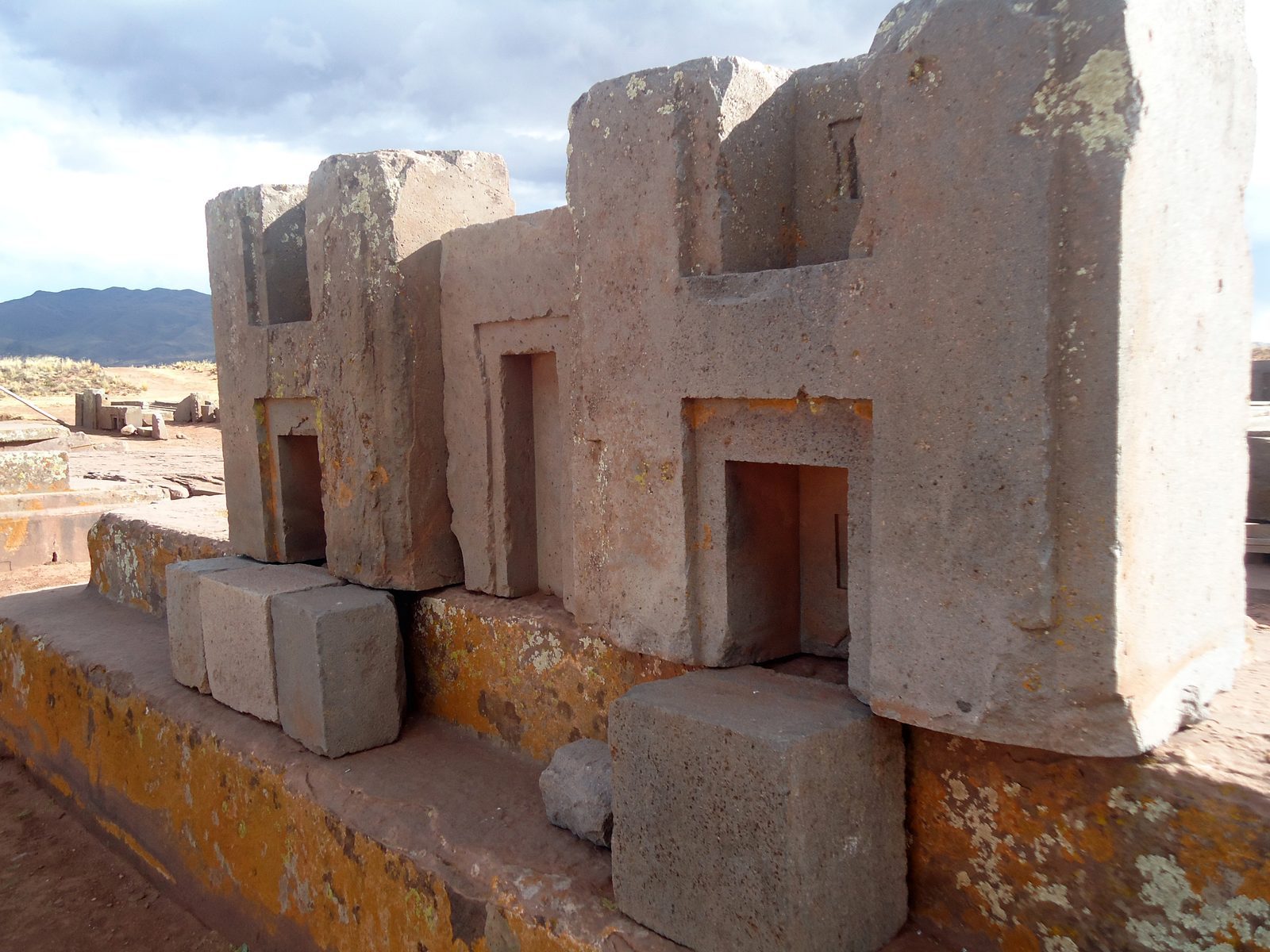
Puma Punku is a high-altitude archaeological site featuring precisely cut stone blocks, some with drill holes and interlocking shapes, with the level of geometric accuracy resembling machine-cut engineering, yet the site predates the Inca Empire. Situated at a breathtaking 12,800 feet above sea level in the Bolivian highlands, this place is genuinely mind-bending.
Cut from red sandstone and andesite, some blocks weighing over 100 tons feature perfectly flat surfaces, precise right angles, and complex interlocking joints, with some adorned with intricate channels and holes drilled at exact angles creating a modular construction system, and in many cases you cannot insert a piece of paper between the stones, a level of accuracy that rivals modern machining. Some of the stones weigh more than 100 tons, and no tools capable of such work have ever been found.
Even modern stonemasons admit they’d have difficulty replicating these carvings with a full modern toolbox. It’s hard to say for sure, but the precision suggests either lost techniques or knowledge far more advanced than traditional archaeology would have us believe.
Sacsayhuamán: The Impossible Jigsaw Puzzle
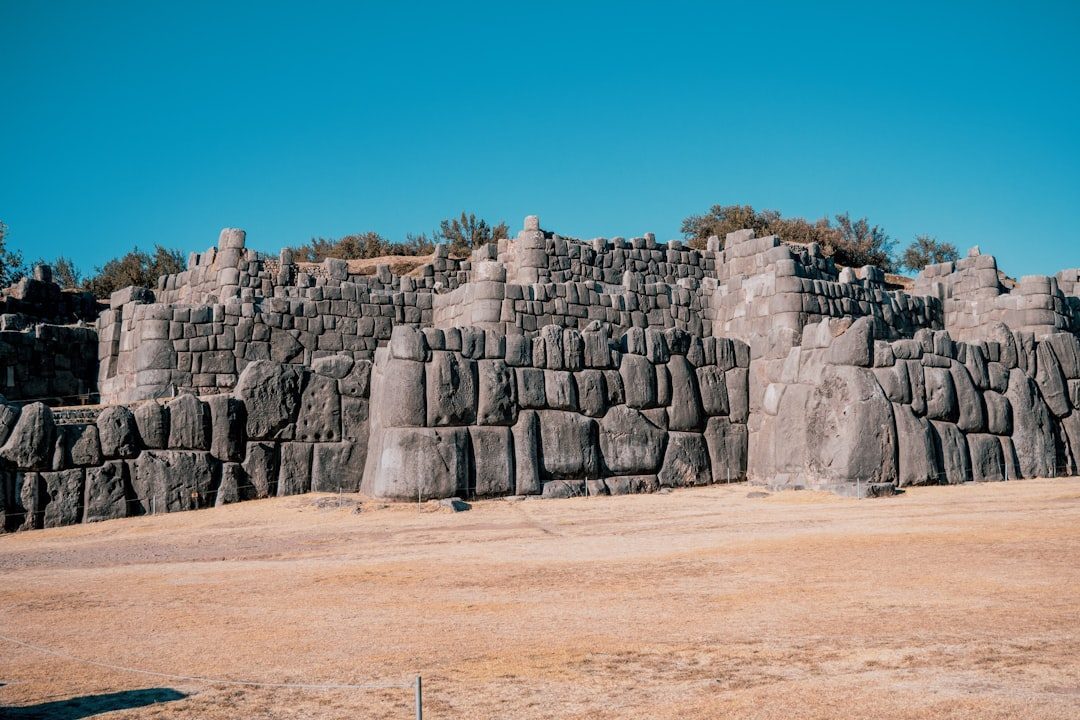
This ancient fortress near Cusco is constructed from enormous stone blocks meticulously cut and fitted together without mortar, with joints so precise that not even a piece of paper can fit between the stones, many of which weigh more than 100 tons, and the fact that these stones were quarried, transported uphill, and positioned with such accuracy remains unexplained.
What’s particularly fascinating is the irregular shapes of these massive blocks. They’re not simple rectangles or squares but complex, multi-angled pieces that interlock like a three-dimensional puzzle. The engineering skill required to visualize how these oddly shaped boulders would fit together, then execute those cuts with such precision, is absolutely staggering. There’s no blueprint, no computer modeling, yet the result is architectural perfection that has survived centuries of earthquakes in a seismically active region.
Nan Madol: The Venice of the Pacific
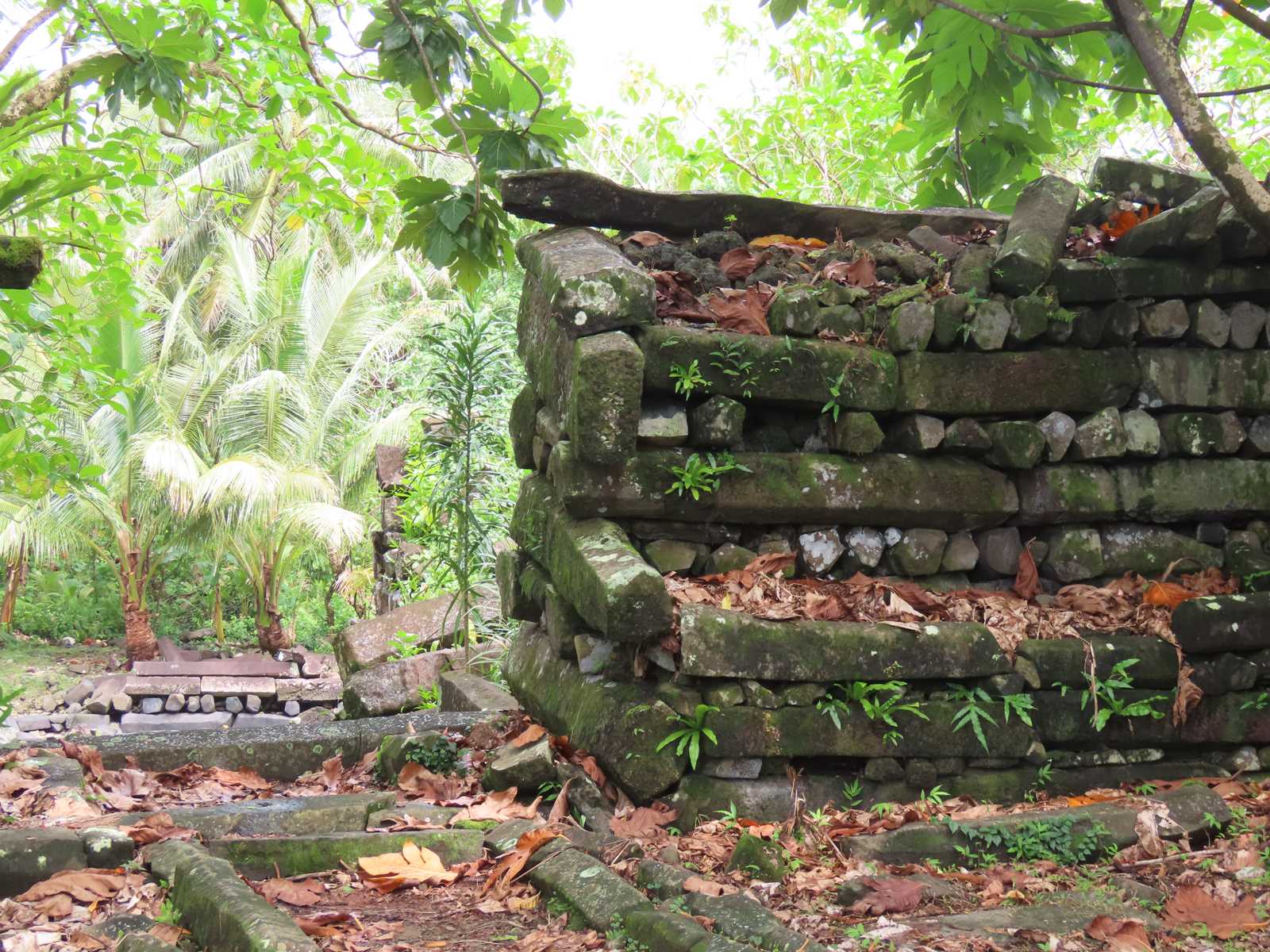
This lost city built atop a coral reef features giant basalt columns stacked like logs into mysterious ocean structures, with no known way to transport the stone across open water, let alone lift it into place, and Nan Madol challenges everything we understand about early engineering, appearing to float on the water and earning it the nickname “the Venice of the Pacific.”
All the stones moved to the site are estimated to be 750,000 metric tons, an impressive feat for people who had no pulleys, no levers and no metal, with construction of the site taking four centuries, yet even over 400 years, 1,850 tons of rock would need to be moved and placed each year, and considering the population was only 25,000 that is a monumental undertaking that has yet to be explained. Local oral histories speak of gigantic birds moving the stones, which obviously sounds fantastical, but it reflects the genuine mystery surrounding how this was accomplished.
Baalbek: The Megaliths of Lebanon
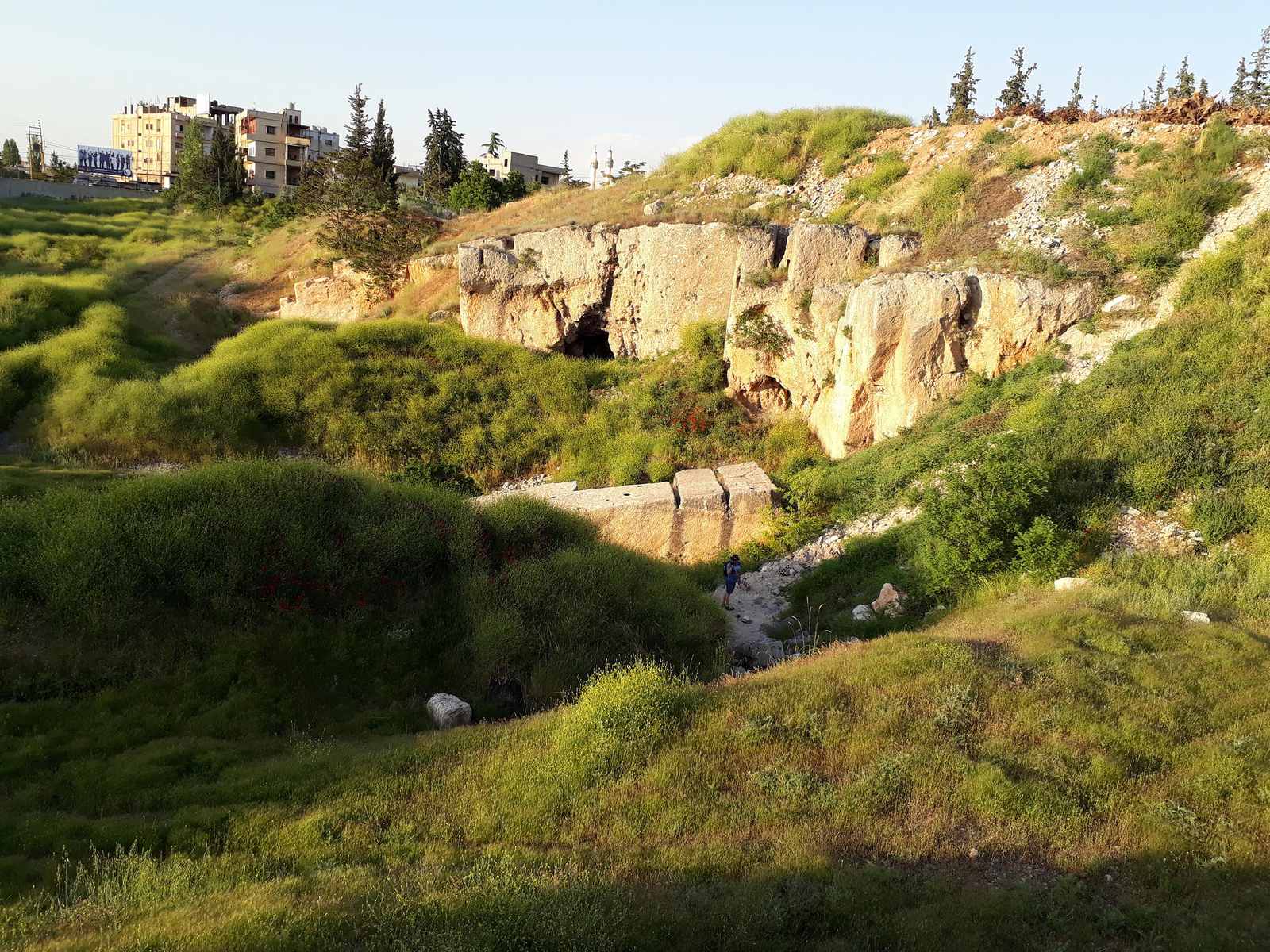
It remains unexplained how the Romans, or whoever was actually responsible for such an astounding feat of engineering, quarried, cut and transported the megaliths of Baalbek. Each of these is estimated at about 750-800 tonnes. We’re dealing with stones so massive that even modern cranes would struggle to lift them.
It’s really puzzling that they didn’t cut them up into smaller blocks and use them in the general construction of the Temple of Jupiter, which suggests very strongly that the Romans did not even know they were there. This raises an intriguing possibility. Were these stones cut by an earlier, unknown civilization whose techniques were already lost by Roman times? The mystery deepens when you consider the precision of the cuts and the engineering required to move such colossal weights.
The Longyou Caves: Carved Mountains
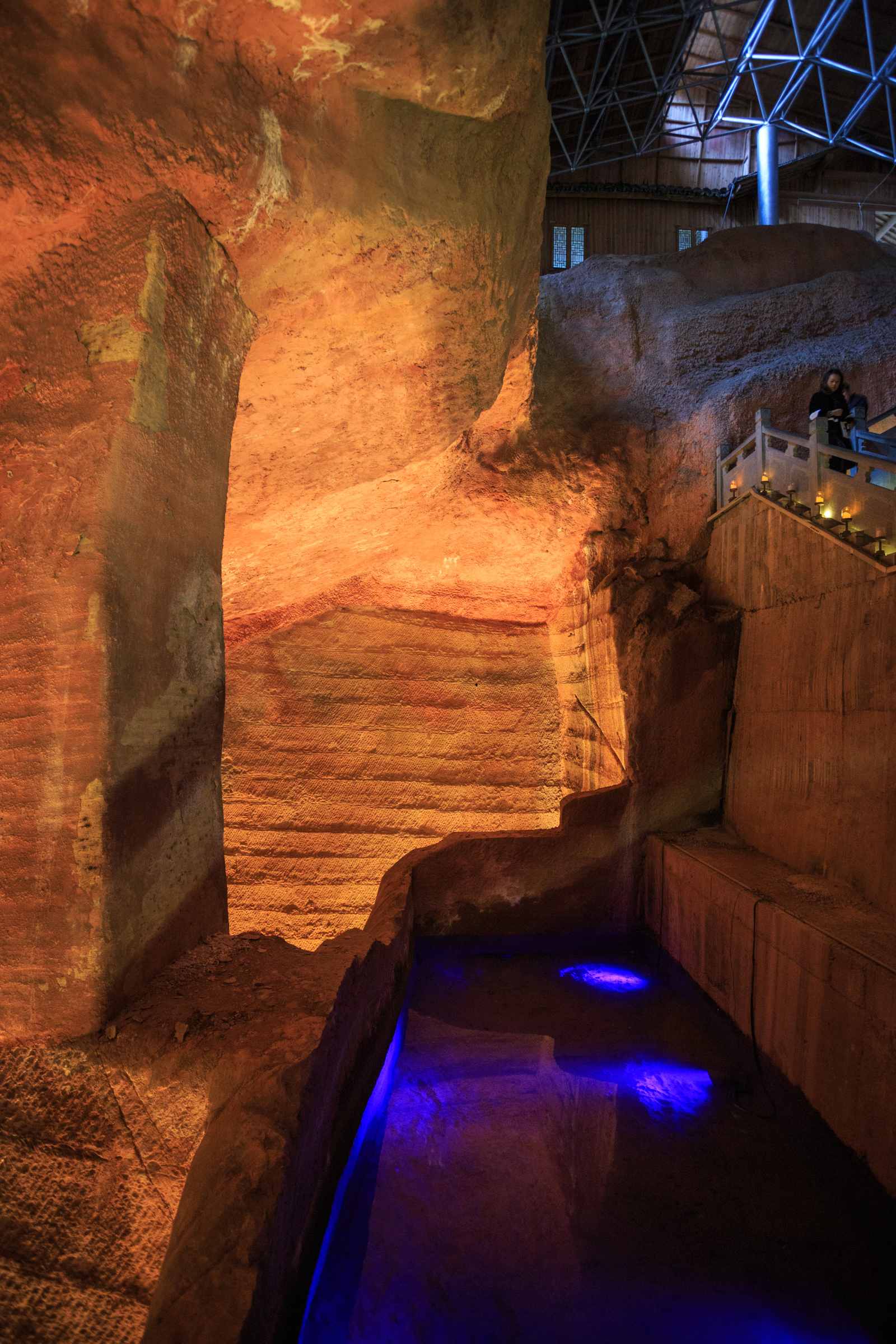
The construction of these caverns remains a mystery, as it would have taken 1,000 skilled artisans working around the clock for years to complete this project, and the whereabouts of the 1 million cubic meters of stone removed from the caves are also unknown. These hand-carved caves in China represent an engineering undertaking of staggering proportions.
What makes this even more perplexing is the complete absence of historical records. There’s no documentation, no legends, no stories passed down through generations about who carved these massive underground chambers or why. Where did all that excavated rock go? How was such an enormous project organized? The silence of history makes these caves one of Asia’s most baffling archaeological mysteries.
Great Zimbabwe: African Engineering Marvel
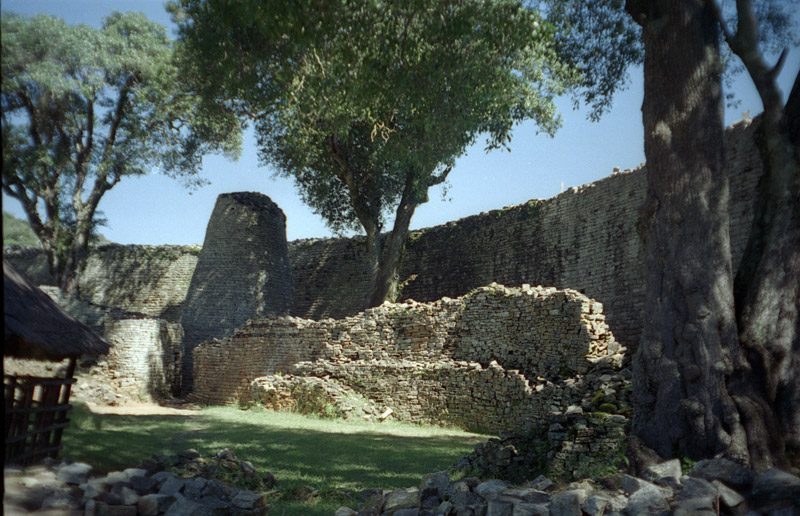
For this later period, Great Zimbabwe was an engineering marvel, and at its peak was home to around 18,000 people, with the city consisting of numerous oval-shaped buildings contained within 5-meter high city walls that were held together without mortar and built from precisely cut blocks of stone, unlike the city walls of many of its European contemporaries.
The dry-stone masonry technique used here is remarkable. Without any binding agent, the walls have stood for centuries, demonstrating sophisticated understanding of weight distribution, stress, and architectural stability. This challenges long-held misconceptions about African technological capabilities during the medieval period and stands as testament to indigenous engineering brilliance.
Moray Terraces: Agricultural Astronomy
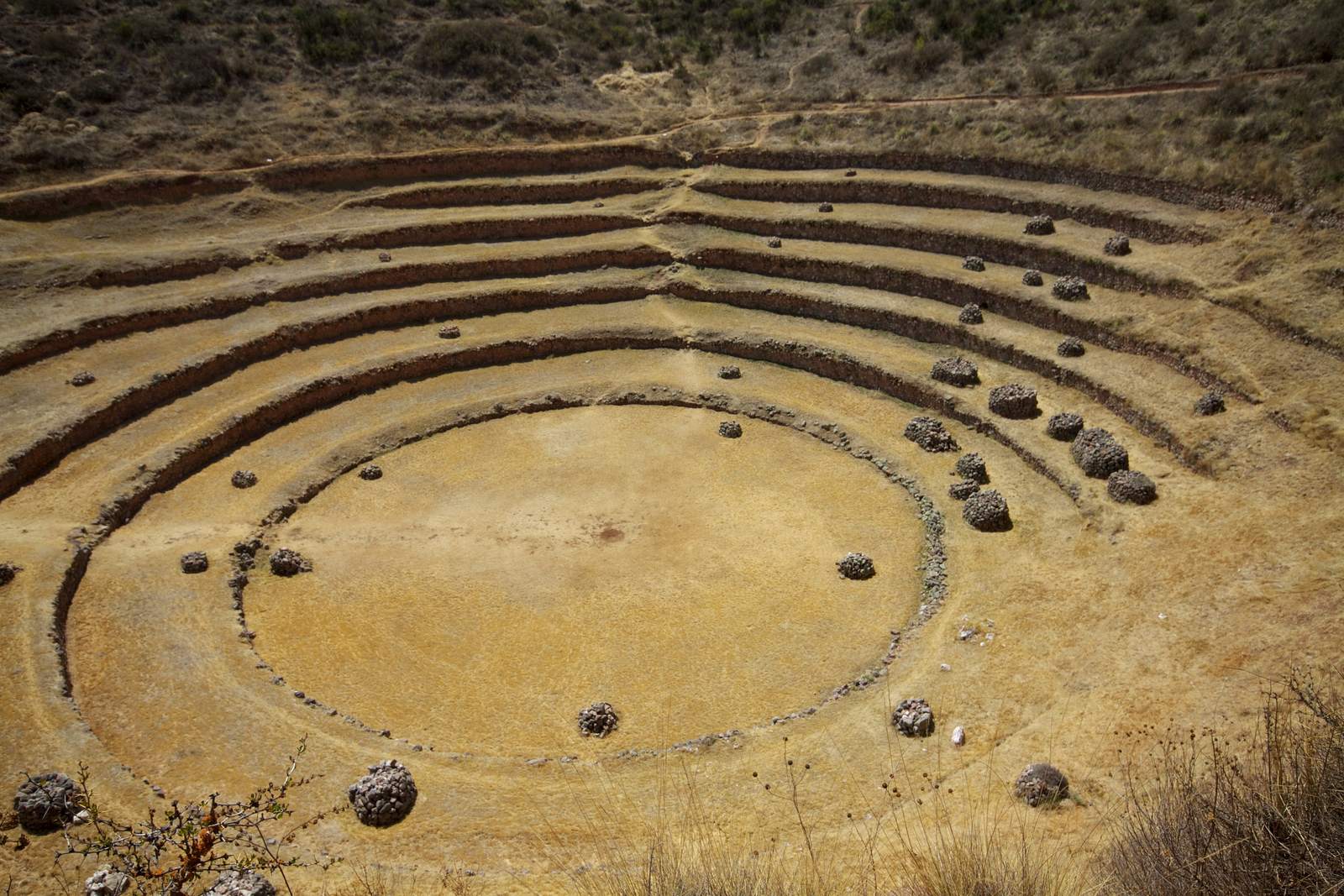
There’s spectacular drainage preventing it from becoming a very cool puddle with heavy rainfall, and there’s a 15-degree temperature difference between the bottom and top. Scientists’ best guess as to its purpose was for agricultural research, allowing the Incas to monitor how crops grew at different temperatures.
These concentric circular terraces in Peru represent something extraordinary. We’re looking at what might be the world’s first agricultural research station. The Inca created microclimates at different levels, essentially building an ancient laboratory for crop experimentation. The engineering precision required to create such dramatic temperature variations within a relatively small space demonstrates advanced understanding of thermodynamics and environmental science that seems centuries ahead of its time.
The Menga Dolmen: Neolithic Engineering Genius
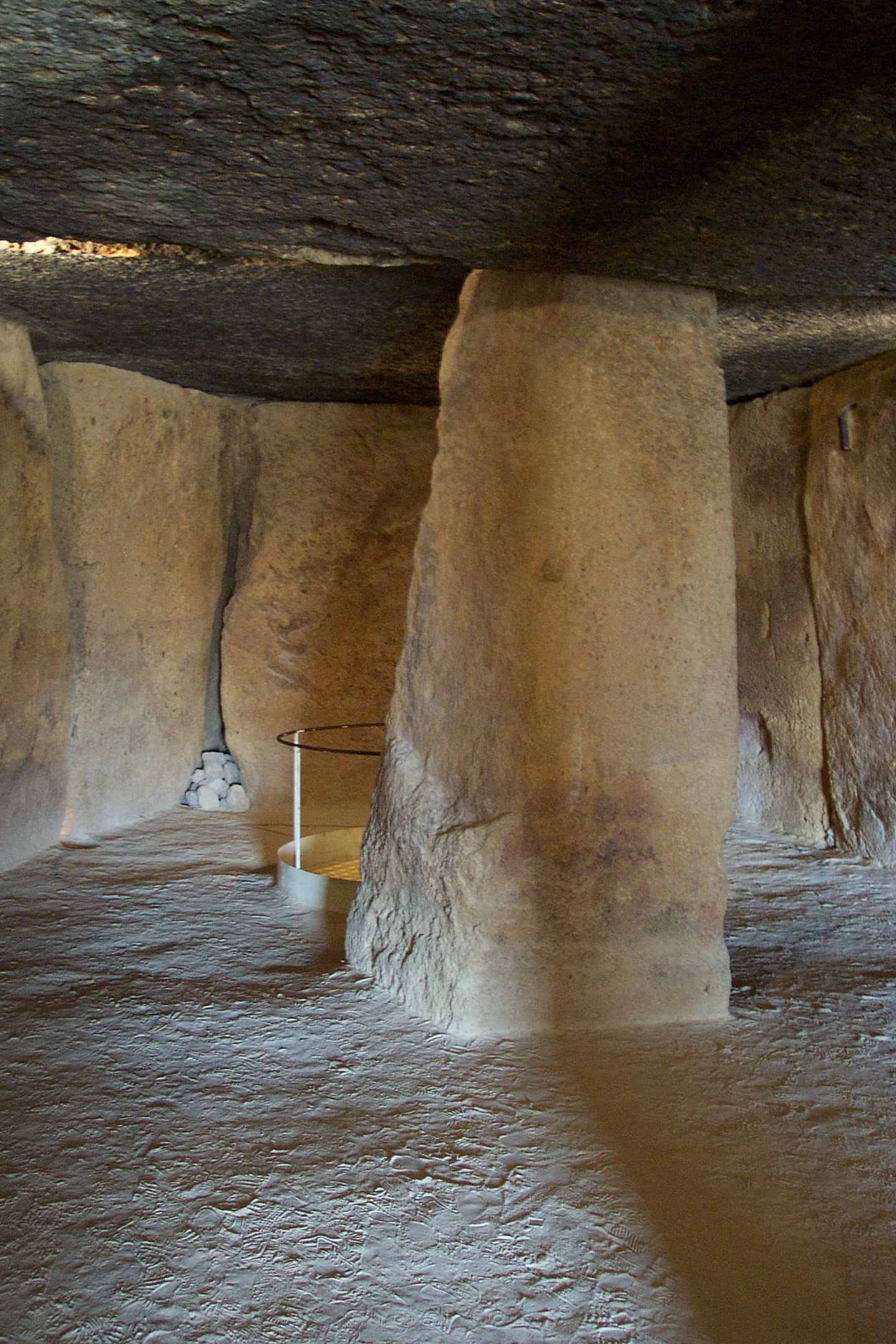
A groundbreaking study has shed new light on the remarkable engineering prowess of Neolithic builders who constructed the Menga dolmen in southern Spain nearly 6000 years ago, with research finding that the monument’s architects used advanced principles of physics, geometry, and material science to build the massive structure. The enormous capstone alone weighs approximately 150 tons, making it the heaviest stone block in any European prehistoric monument.
The monument’s engineers used a plumb bob tool and triangulation techniques to position the blocks at the desired angles, effectively employing trigonometry long before its formal mathematical development. This completely overturns the notion that Neolithic people were primitive. They understood force distribution, load-bearing capacity, and geometric principles with sophistication that rivals modern engineering. Honestly, it makes you wonder what other scientific knowledge existed in prehistory that we’ve simply lost track of.
Looking Forward: What These Mysteries Mean for Us
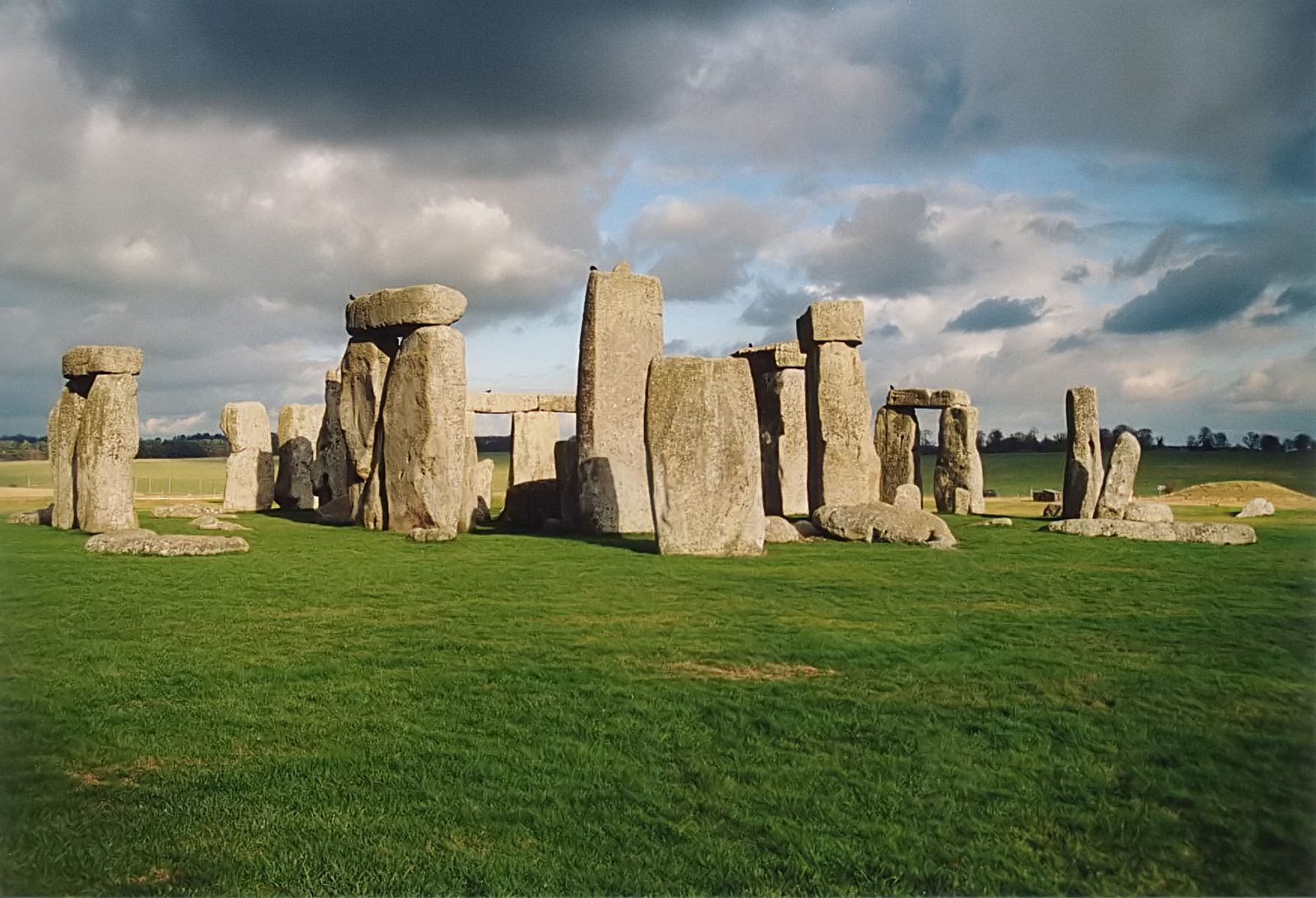
It is impossible to understand how a monument as sophisticated as Menga was built between 3800 and 3600 BCE without resorting to a notion of early science, and Menga is one of the first great monumental buildings ever engineered with colossal stones. These structures force us to reconsider our assumptions about ancient capabilities and challenge the linear progression narrative of human technological development.
Modern technologies like 3D scanning, LiDAR mapping, and advanced materials analysis are finally giving us tools to study these structures with new precision. Researchers are beginning to reconstruct ancient techniques through experimental archaeology, attempting to replicate construction methods using period-appropriate tools and materials. Each discovery reveals that our ancestors were far more sophisticated than traditional narratives suggest. The knowledge encoded in these stones might hold lessons about sustainable construction, community organization, and engineering principles that remain relevant today.
These ancient marvels remind us that human ingenuity isn’t a modern invention. Perhaps the real mystery isn’t how these structures were built, but what other knowledge we’ve lost along the way. What do you think about these ancient engineering feats? Does it change how you view our ancestors?