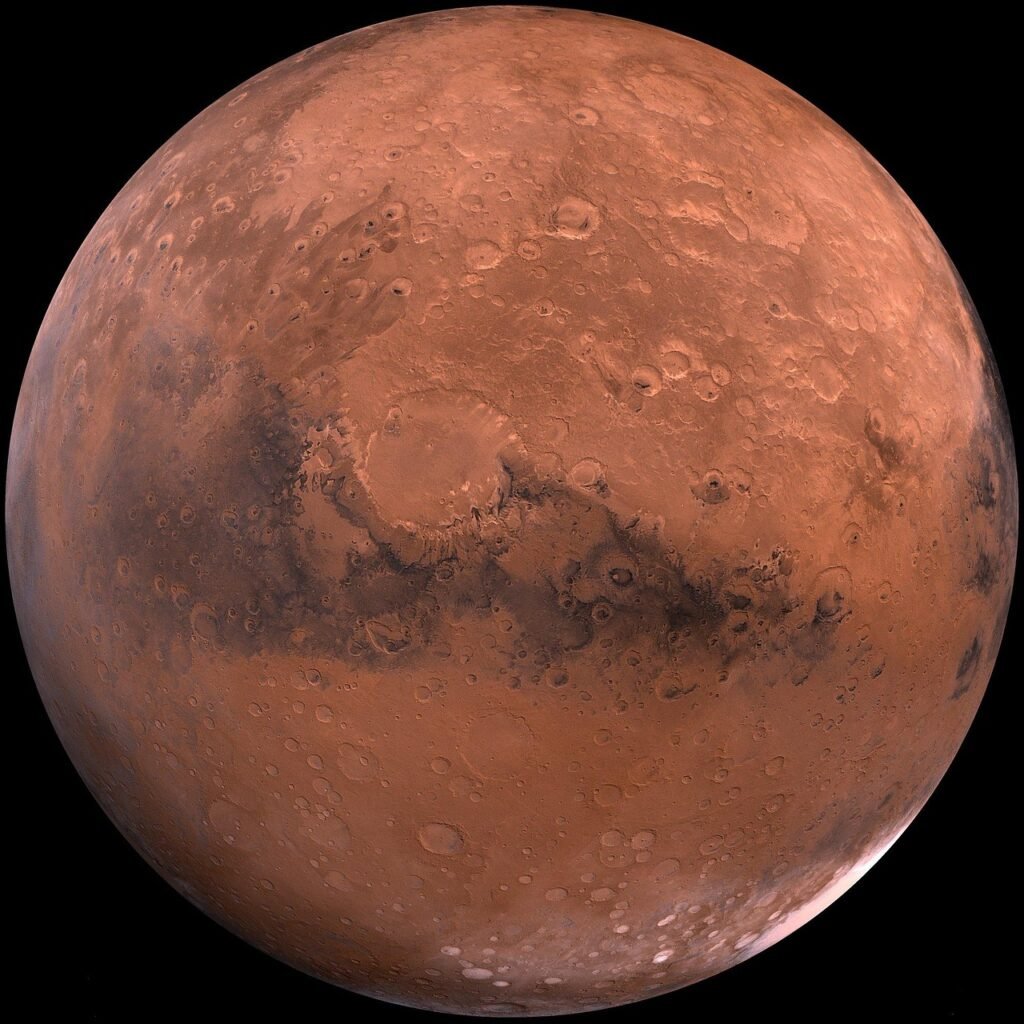

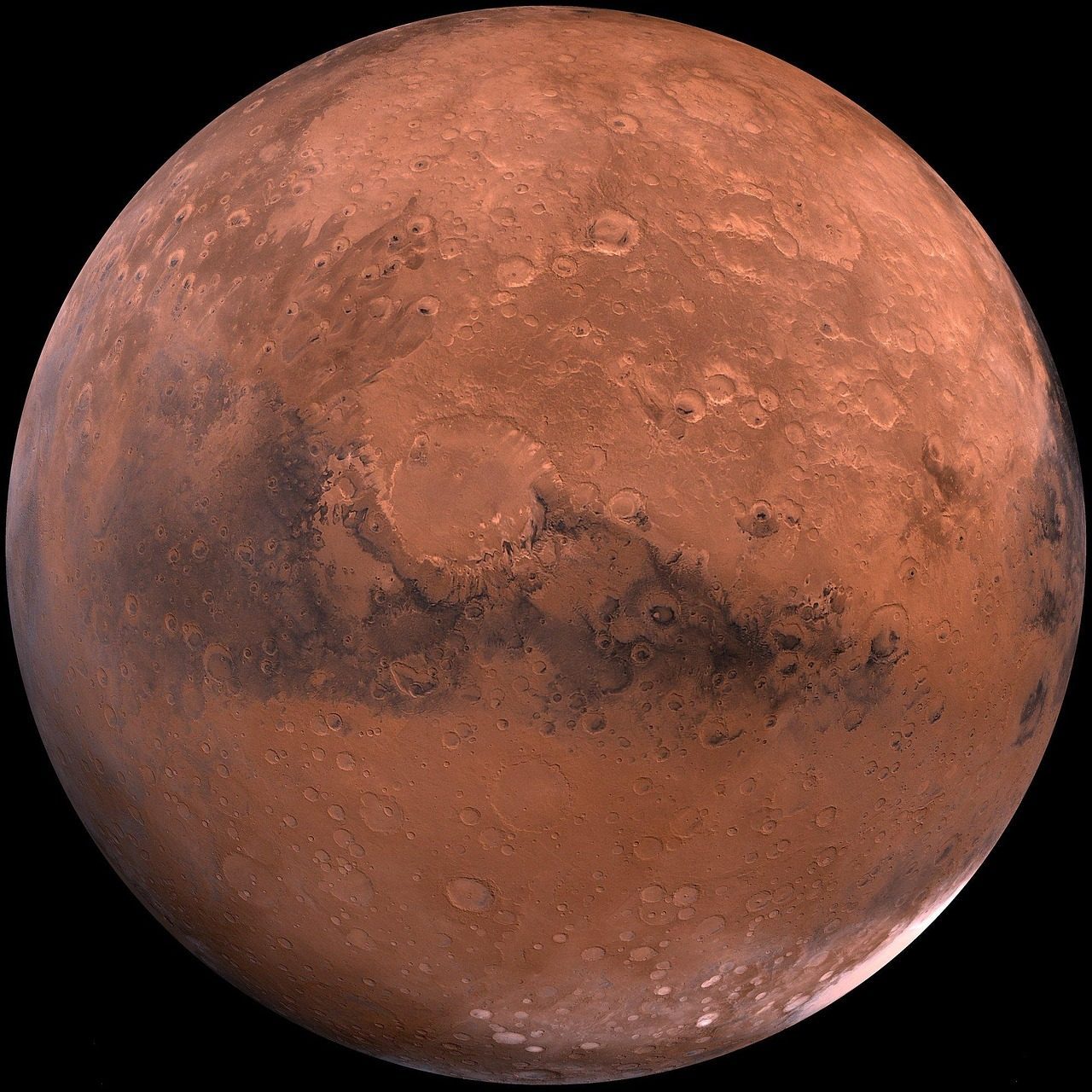
You’ve probably imagined Mars as a cold, dusty world filled with rust-colored landscapes and silent storms. Turns out, there’s something crackling beneath all that rust. Scientists have just confirmed something they’ve been debating for decades: Mars has its own form of lightning. It’s not the massive bolts we see splitting Earth’s skies during thunderstorms, though. This is something stranger, smaller, and in some ways more intriguing.
Picture this: dust devils whirling across the Martian surface, almost invisible to the human eye. But hidden within those swirling storms are tiny electrical discharges snapping like static shocks. Think about that annoying zap you get when you touch a doorknob after walking on carpet in winter. Now imagine that happening constantly, everywhere, in the middle of a desert planet’s atmosphere. Let’s dive into what makes this discovery so groundbreaking.
How Scientists Accidentally Stumbled Upon Martian Lightning
NASA’s Perseverance rover, which has been exploring Mars since 2021, used its SuperCam microphone to detect these tiny lightning bolts. The discovery actually came about by pure chance. Three years ago, scientists were analyzing audio recordings of a dust devil passing over the rover when they heard a mysterious, loud clicking sound.
Initially, researchers thought it was just debris hitting the rover’s structure. Baptiste Chide of the Institut de Recherche en Astrophysique et Planétologie in Toulouse, France, recalled the recording after attending a conference about atmospheric electricity and conducted experiments on Earth using an electrostatic generator, which revealed the same signals captured on Mars. The pattern was unmistakable: a brief electrical interference followed by an acoustic shockwave. You could say it was one of those lightbulb moments, except this time the lightbulb was millions of miles away on another planet.
What Makes These Electrical Discharges So Different From Earth’s Lightning
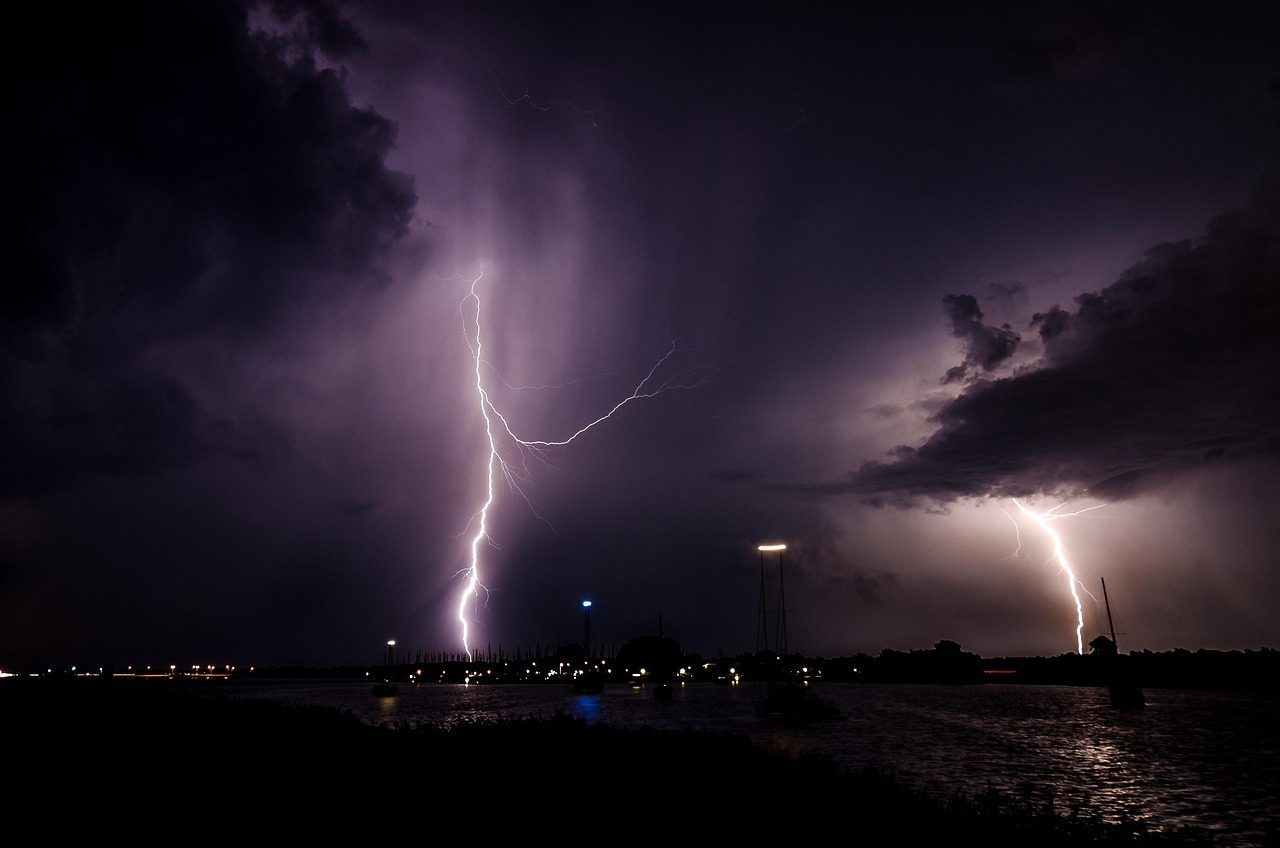
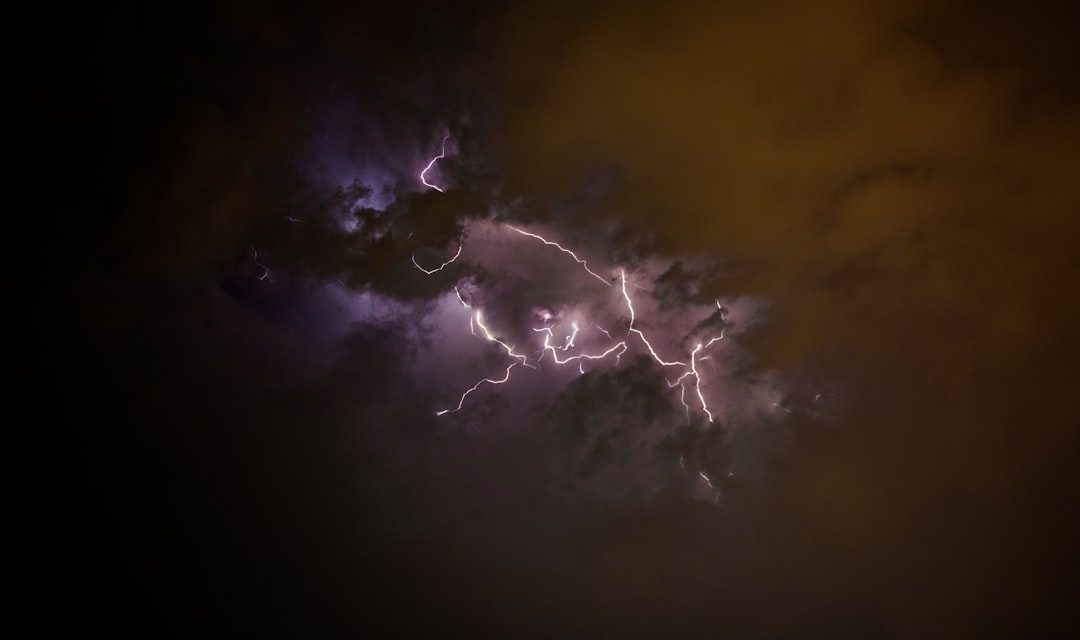
Here’s where it gets fascinating. Mars does not have thunderstorms because it lacks atmospheric water. So these aren’t the jagged, sky-splitting bolts we’re used to seeing during summer storms.
The Red Planet has what researchers call “mini lightning,” tiny electrical discharges similar to the brief zap you might feel after rubbing your feet along carpet and then touching a metal doorknob. On Mars, it is friction between dust particles that prompts the discharges. It’s the same kind of triboelectric effect you experience in everyday life. Dust grains rub against each other in whirling winds, electrons jump from one particle to another, and tiny arcs of electricity leap through the thin Martian air.
The Science Behind Mars’ Atmospheric Electricity
Chide’s team discovered 55 electrical events across 29 hours’ worth of microphone recordings, spread out across two Martian years. Each recording had a distinct signature. Initially there is a burst of static, called the overshoot, that lasts less than 40 microseconds, followed by an exponential drop in signal lasting perhaps 8 milliseconds.
The real kicker? On Mars, where the surface pressure is just 0.006 atmospheres, there is less insulating atmosphere for an electrical discharge to overcome, so the breakdown threshold is much less, around 15 kilovolts per square meter. Compare that to Earth’s three megavolts per square meter, and you realize Mars is basically primed for these little sparks. The thin carbon dioxide atmosphere makes it far easier for electrical discharges to occur, even with modest amounts of charge buildup.
Where And When These Tiny Lightning Bolts Occur
The electrical activity isn’t random. The vast majority of the events occurred during the top 30 percent of the strongest winds Perseverance recorded on Mars during the study period, with most associated with the fronts of dust storms. Sixteen events coincided with close passages of dust devils.
During one particularly strong dust devil encounter, the Sol 1,296 dust devil produced a pressure drop of 5.5 pascals and a more than 1.4 percent change in solar energy reaching the ground. Researchers found that what really matters isn’t just a hazy dusty sky overhead. Fresh dust being kicked up near the ground surface is what creates the right conditions for these discharges. It’s all about movement, friction, and just the right amount of chaos.
Energy Levels: How Powerful Are These Martian Sparks
Let’s talk power. Based on six of the seven recorded thunderclaps, most discharges were tiny, just 0.1 to 150 nanojoules, with the seventh acoustic event being the largest at 40 millijoules, consistent with a discharge from the rover into the ground. To put that in perspective, an average bolt of cloud-to-ground lightning on Earth discharges about a billion joules.
So we’re talking about vastly smaller energy releases here. Still, these sparks are real, they’re measurable, and they’re happening constantly across the Martian surface. The team found 55 electrical discharges that had occurred within roughly six feet of the rover’s microphone, with the largest producing around 40 millijoules of energy, similar to the shock of an electric bug swatter. Honestly, it’s kind of amazing that something so tiny can have such massive implications for our understanding of Mars.
Why This Discovery Matters For Understanding Mars’ Atmosphere
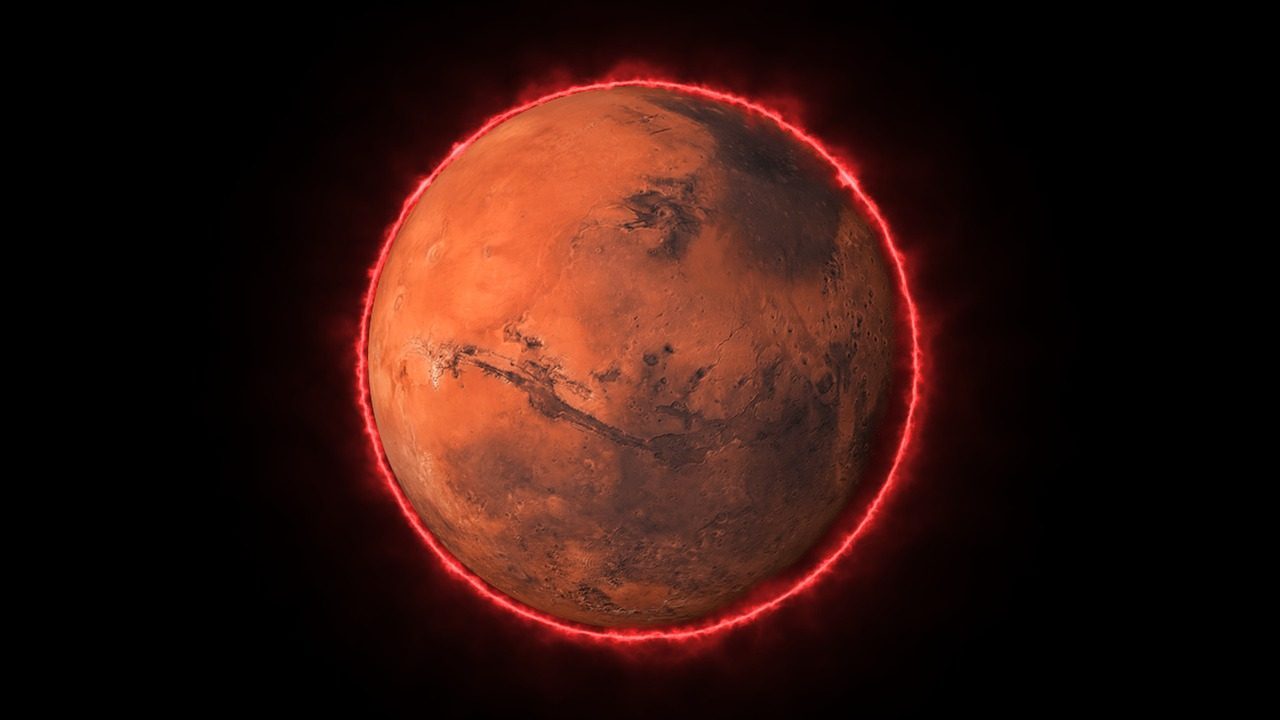
The discovery of these electrical discharges profoundly changes our understanding of Martian atmospheric chemistry, as these phenomena show that the Martian atmosphere can reach sufficient levels of charge to speed up the formation of highly oxidizing compounds that can destroy organic molecules on the surface as well as numerous atmospheric compounds. That’s huge for astrobiology.
Finding the electrical discharges has solved a major Martian mystery, namely the origin of oxidants such as hydrogen peroxide on the Red Planet, which was discovered on Mars in 2003. This discovery could explain the surprisingly rapid disappearance of methane, which has been a subject of scientific debate for several years. These electrical sparks might be destroying evidence of organic material, making it harder to find signs of ancient life. That’s both frustrating and incredibly important to know.
Implications For Future Mars Missions And Human Exploration
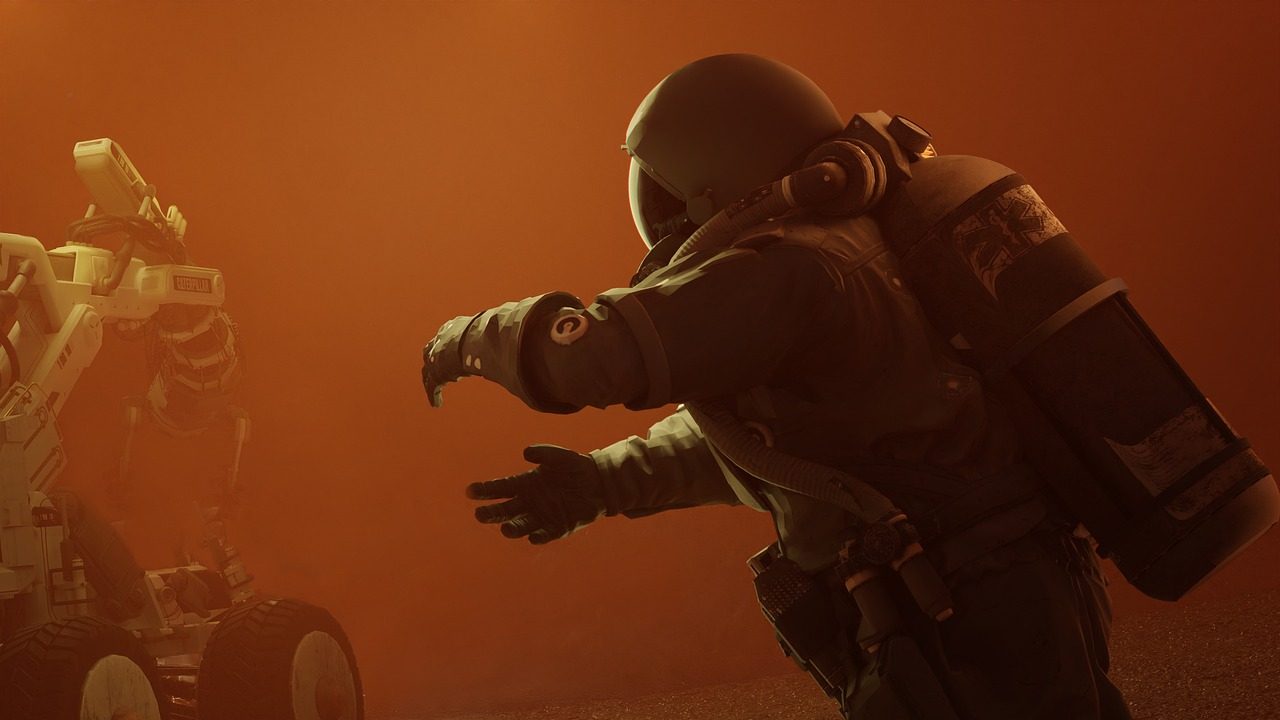
The current evidence suggests it is extremely unlikely that the first person to walk on Mars could, as they plant a flag on the surface, be struck down by a bolt of lightning; however, the existence of small and frequent static-like discharges could prove problematic for sensitive equipment. Think about it: electronic components in spacesuits, rovers, and habitats could all be vulnerable to these constant little zaps.
The Soviet Mars 3 mission landed during a dust storm and only operated for about 20 seconds on the surface before suddenly and mysteriously ending its transmission. Could it have been a victim of electrical discharges? It’s possible. Now that scientists have quantitative data on the energy of the discharges, they will be able to adjust the specification on the design of electronic boards and potentially have new constraints on the space suits needed for astronauts.
Conclusion: A New Window Into The Red Planet’s Secrets
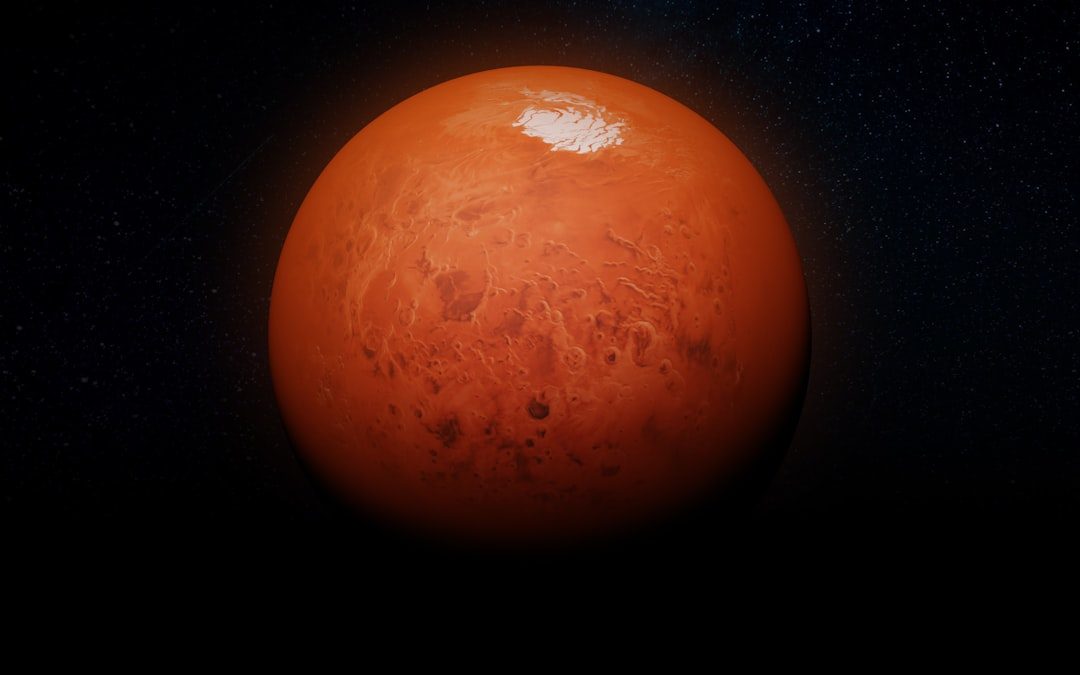
This discovery opens an entirely new chapter in our understanding of Mars. What started as a curious clicking sound picked up by a microphone has turned into confirmation of a phenomenon scientists have theorized about for decades. This is the first time that electrical discharges have been discovered on a rocky planet other than Earth, as lightning has already been discovered in the clouds of gas giants like Jupiter and Saturn.
The fact that Mars experiences its own form of lightning tells us the planet is far more electrically active than we previously thought. It influences everything from atmospheric chemistry to dust transport patterns to climate dynamics. For future explorers, robotic or human, this knowledge is essential for mission design and safety planning.
What do you think about Mars having its own kind of lightning? Does it make the Red Planet seem more alive to you? Share your thoughts in the comments below.