
Imagine waking up one morning and your bed, your body, and the entire ocean simply stop staying put. Nothing is “down” anymore, not your coffee, not your car, not the planet’s atmosphere. It sounds like a wild scene from a sci‑fi movie, but stripping gravity away, even as a thought experiment, exposes just how fragile and finely tuned our world really is. Scientists love these extreme hypotheticals because they stress‑test the laws of physics and remind us why the universe looks the way it does. Thinking through a gravity‑free Earth forces us to confront uncomfortable truths about planetary stability, life’s evolution, and our dependence on forces we can’t see yet feel every second. And along the way, it reveals how much of our future in space will hinge on understanding and engineering gravity itself.
The First Moments: Chaos in a Weightless World
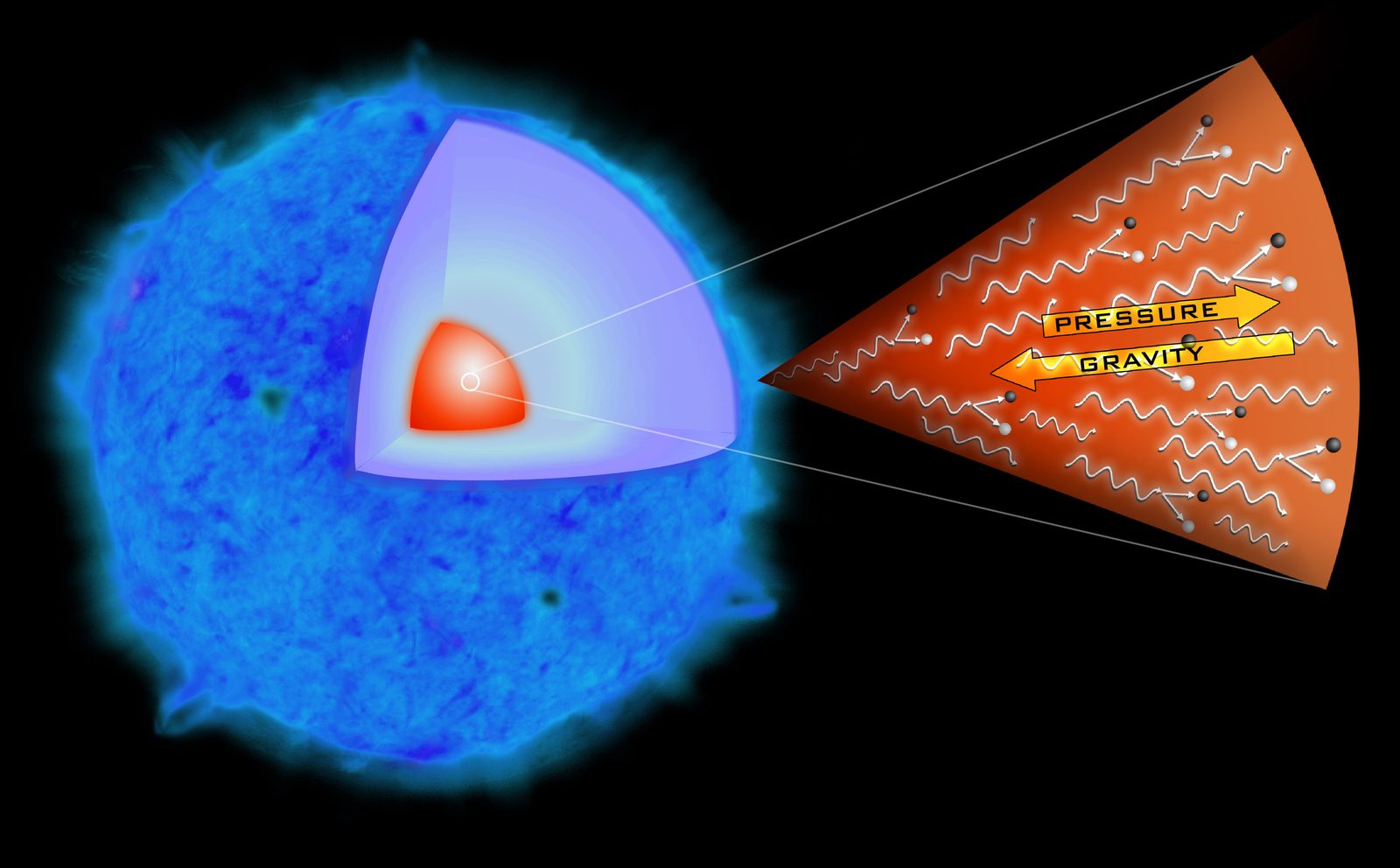
The instant Earth lost gravity, there would be no gentle transition, no time to adapt, no slow-motion drift like inside a space station. Everything not physically attached by strong forces would start moving in straight lines, following the momentum it already had, instead of falling toward the center of the planet. People sitting in chairs would lift off, cars would slide away from the roads, and loose objects would peel off shelves as if someone suddenly flipped the world sideways. The air itself would stop hugging the planet and begin dispersing into space, turning our breathable atmosphere into a thin, expanding cloud. That means the very first sensation for most people would likely be a combination of free‑fall dizziness and a terrifying inability to breathe.
Water would react just as violently, because oceans only curve around the planet and stay in place thanks to gravity. Huge swaths of seawater would bulge up and detach, drifting away as massive, fragmented blobs, then breaking up into chaotic sprays of droplets. Rivers would blast out of their channels, underground water would leak into expanding cavities, and every part of Earth’s hydrological cycle would instantly collapse. Earth would not stay a familiar blue marble for long; it would quickly become a bare, scoured rock losing its fluids and gases to space. In other words, the first minutes without gravity would not just feel catastrophic to humans; they would start dismantling the key ingredients that make the planet habitable at all.
Life Unmoored: Bodies Built for a Force That Vanished
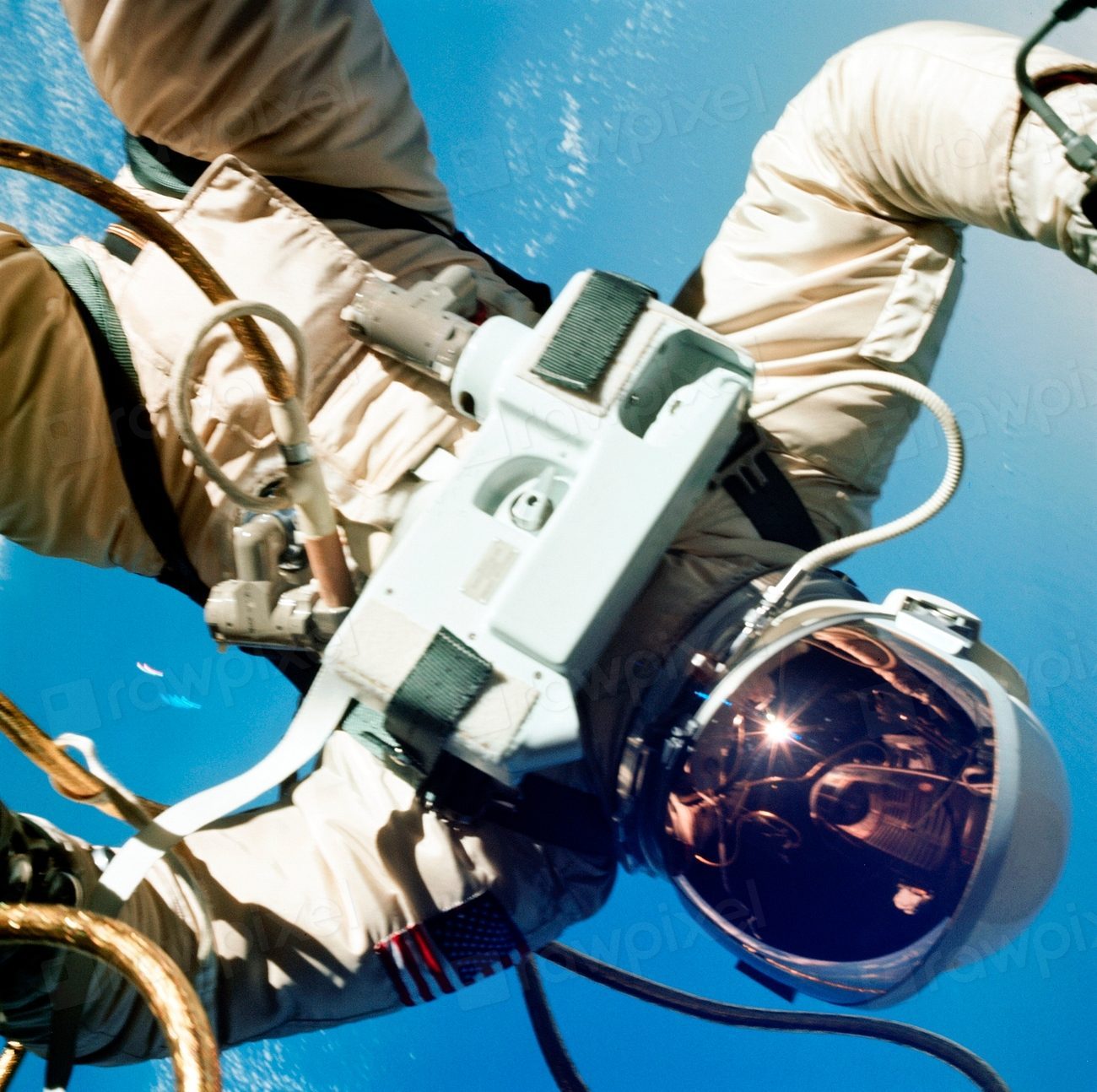
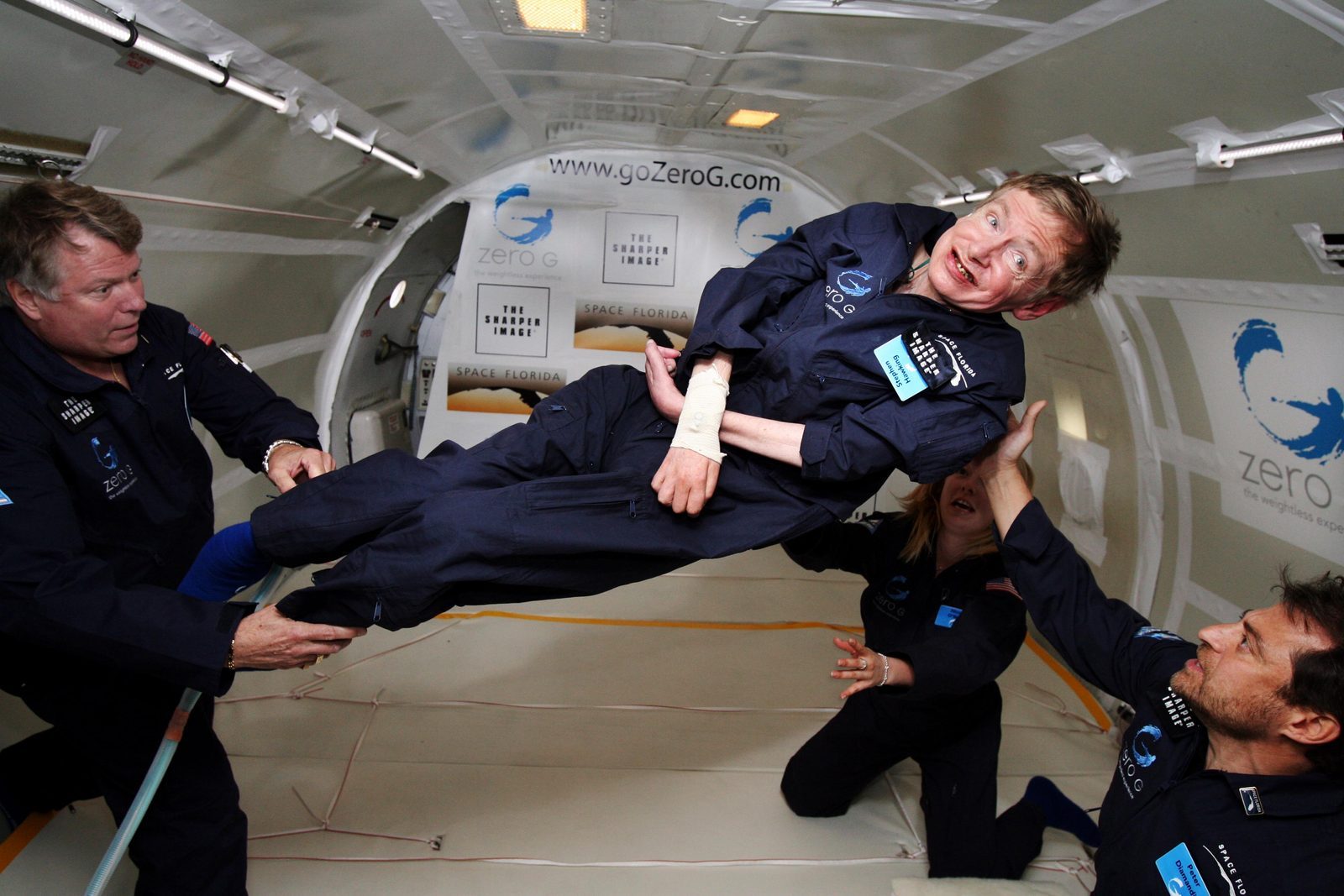
Every creature on Earth is a quiet engineering project shaped around gravity, even if we rarely think about it that way. Our bones are dense and strong because they have spent a lifetime resisting our own weight, and without that load, the body’s careful equilibrium starts to unravel. Astronauts on the International Space Station, where microgravity rules, lose bone and muscle mass even with hours of daily exercise, and that is in a controlled, breathable environment. In a sudden gravity‑free Earth, people would not just float; they would be rapidly deprived of oxygen and exposed to a collapsing ecosystem, all while their bodies’ internal systems struggled to cope with a force that had simply disappeared. Blood circulation, balance, and even basic movement would feel alien almost immediately.
Plants, too, have spent hundreds of millions of years using gravity as a guide, sending roots downward and shoots upward. Take that away, and their spatial sense collapses, with roots and stems growing in confused directions and seed dispersal turning into random drifting. Pollinators like bees, butterflies, and birds would suddenly find themselves unable to navigate or land reliably, fundamentally breaking the still‑fragile chain that connects flowers to food webs. Microbes might be the least bothered in the short term, simply floating in air and water, but even they depend indirectly on the structured environments gravity creates. Without that scaffolding, the rich vertical layering of soils, oceans, and forests that underpins biodiversity would come undone far faster than evolution could possibly adjust.
The Planet Itself: What Holds Earth Together?
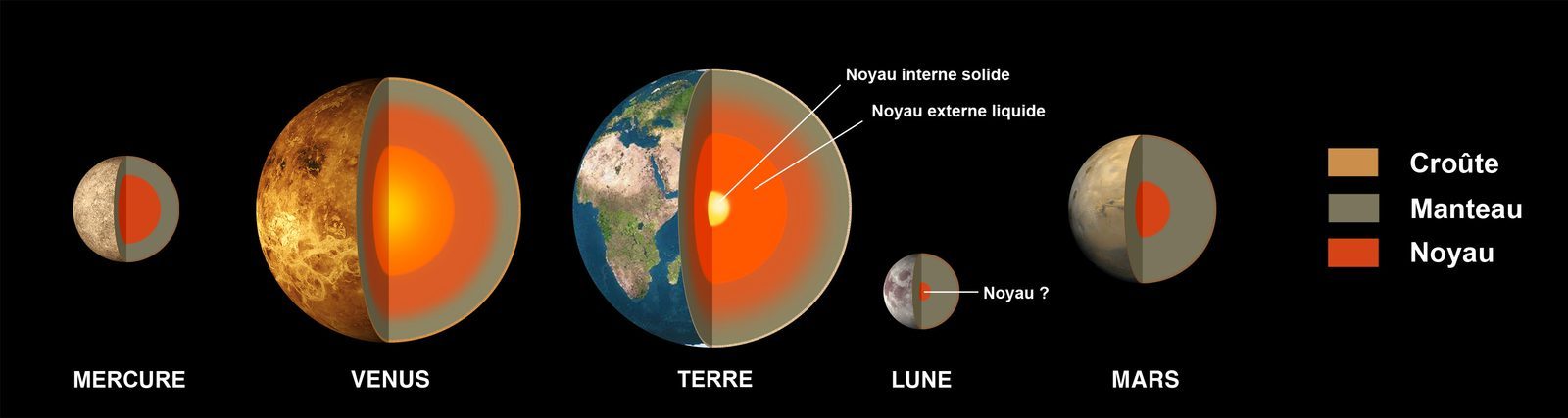
Gravity is not just the glue keeping you in your chair; it is the force that assembled Earth in the first place. Without it, the planet’s rocks would no longer be pulled toward a common center, and the long‑term stability of a spherical world would be impossible. However, Earth would not instantly explode like a popped balloon, because the atoms and minerals that make up the crust and mantle are bound together by electromagnetic and chemical forces at the local level. Mountains would not fly apart in the first seconds, but over time, stress fractures and internal pressure differences would start to reshape the planet’s solid structure. Deep inside, the molten outer core, which drives Earth’s magnetic field through its churning motion, would begin expanding and dispersing without the compressive squeeze of gravity.
That has two profound consequences for the planet’s long‑term fate. First, the loss of a functioning liquid metal core would eventually kill the global magnetic field, the invisible shield that deflects charged particles from the Sun. Without that shield and without an atmosphere held in place, Earth would be stripped and blasted by solar radiation and cosmic rays, much like Mars on a much worse day. Second, tectonic activity would grind toward a strange halt, since plate motions and convection currents are deeply tied to gravity‑driven density differences and internal pressure. Over time, the familiar dynamic Earth of volcanoes, earthquakes, and mountain building would give way to a quiet, dead, crumbling shell. The world would not just be weightless; it would be fundamentally geologically different.
The Hidden Clues: What Black Holes, Moons, and Space Stations Teach Us
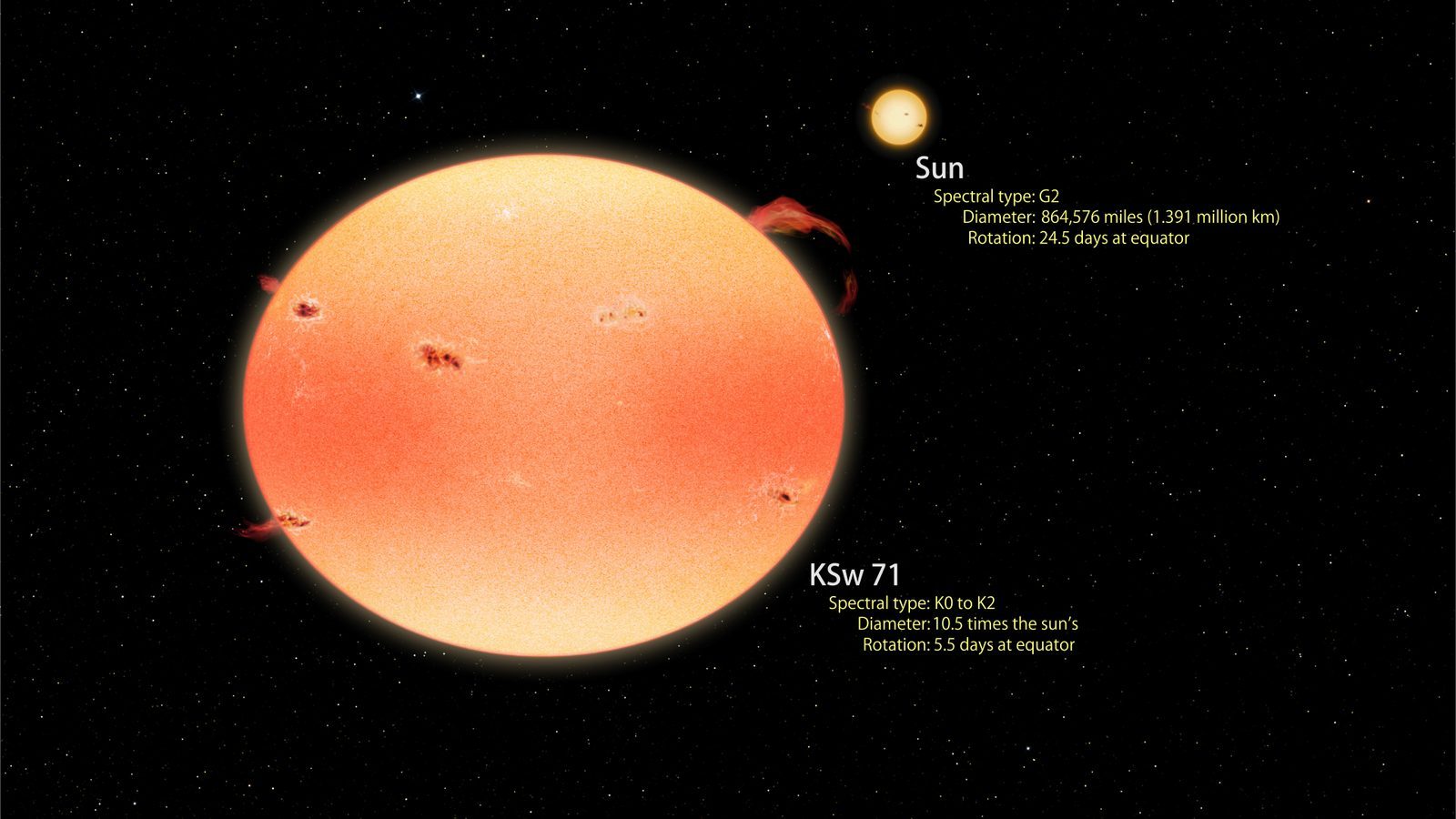
Because we cannot turn gravity off in a laboratory, scientists rely on natural experiments scattered across the universe to understand what a radically different gravitational environment looks like. Black holes show us what happens when gravity becomes almost unimaginably strong, warping space and time so violently that not even light can escape. On the other extreme, astronauts living in orbit experience continuous free‑fall, creating the microgravity conditions that weaken their muscles and bones but also reveal how fluids, flames, and growing tissues behave when weight is removed. Researchers use drop towers, parabolic flights, and orbiting labs to mimic parts of a gravity‑free world for just seconds or months at a time, and even those brief windows have reshaped our understanding of biology and physics.
Moons and small asteroids provide another set of clues, because their weak gravity already hints at some of the chaos our own planet would face if its pull faded. On tiny bodies, rocks are barely held in place, dust can loft easily, and even a light push can send you flying long distances in slow arcs. Many of these worlds lack thick atmospheres entirely, a stark reminder that gas does not stick around without sufficient gravity to hold it. By comparing these places to Earth, scientists can estimate how fast an atmosphere would leak away, how surfaces would erode, and how hard it would be for life to emerge or survive. In a sense, the solar system is a gallery of alternate futures, each shaped by different levels of the same invisible force.
Why It Matters: Gravity as the Quiet Architect of Habitability
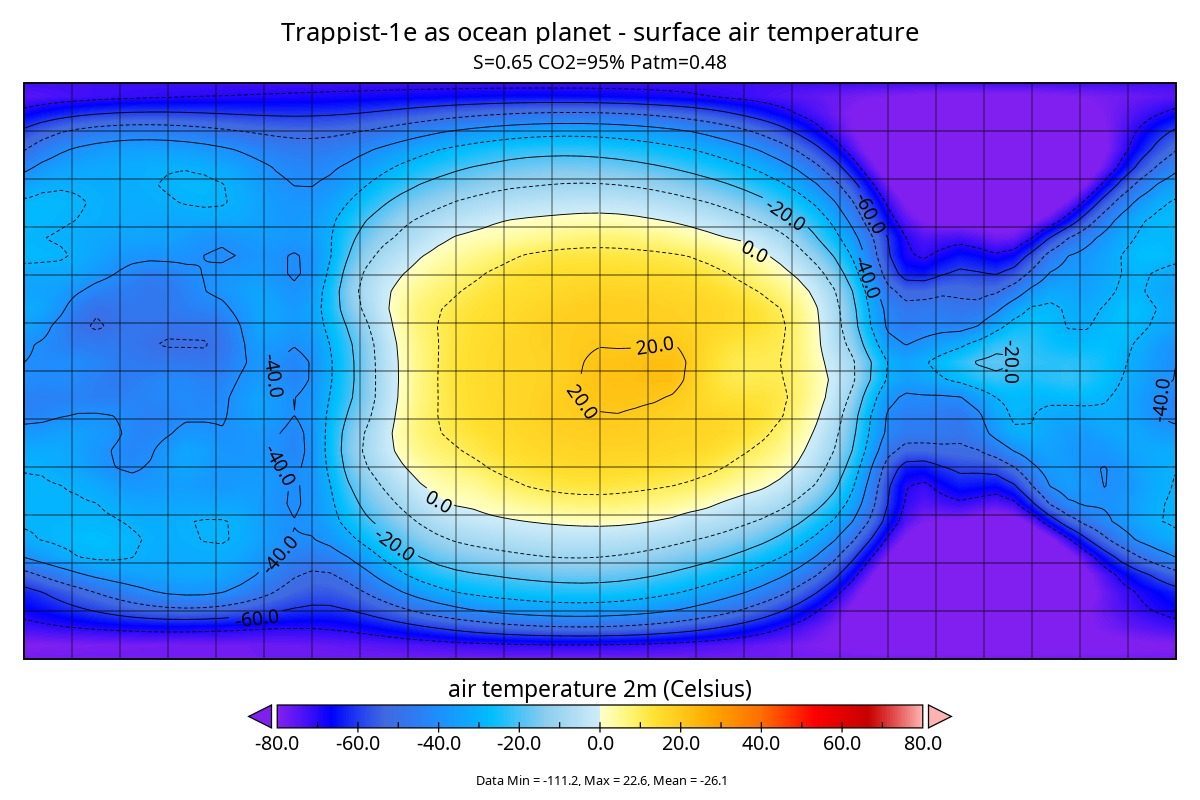
It might be tempting to treat a gravity‑free Earth as a fun mental puzzle and nothing more, but the exercise cuts much deeper than that. It forces us to see gravity not just as a background force but as the quiet architect of nearly every system we rely on, from climate patterns to crop growth to the way our infrastructure stands. When scientists model how exoplanets could host life, they are not just asking about temperature and liquid water; they are also asking whether gravity is strong enough to hold on to an atmosphere, yet not so crushing that it prevents complex life from flourishing. Without getting gravity right, any guess about alien habitability is little more than wishful thinking. Thinking through an Earth with no gravity makes that dependence uncomfortably clear.
There is also a more immediate, down‑to‑Earth reason this matters: human spaceflight is slowly shifting from brief visits to long‑term residence. As agencies and companies talk seriously about lunar bases and Mars missions, they are wrestling with how much gravity humans really need to stay healthy. Do we require something close to Earth’s pull, or could we adapt to the weaker gravity of Mars or the Moon without severe long‑term damage? The data from microgravity research strongly suggest that our bodies degrade without weight, but the exact thresholds are still uncertain. In that sense, the question of a world without gravity is not just philosophical; it is tightly linked to whether our species can become truly multiplanetary.
From Everyday Life to Global Systems: How Deep the Dependence Goes
On a personal level, losing gravity would scramble the basic choreography of daily life in ways that are both bizarre and revealing. Walking relies on friction plus weight; without it, every step would send you careening, and every object you try to hold would push you backward. Simple tasks like cooking, cleaning, or even pouring water would fall apart, because fluids cling to containers and surfaces, forming floating blobs instead of falling into neat streams. Our buildings and roads, designed to rest on solid ground, would serve little purpose once nobody stays “on” them. Even language would strain, because so many of our metaphors – falling in love, feeling weighed down, things looking up – are secretly anchored in gravity.
On a larger scale, global systems we barely think about would unravel just as fast. Weather depends on warm and cool air masses rising and sinking, ocean currents depend on density differences and the planet’s rotation acting on heavy water, and aviation depends on air staying neatly wrapped around the planet. Remove gravity, and you remove the stable layering of the atmosphere, the circulation of storms, and the conditions that allow planes and birds to generate lift. Power grids, satellite networks, and international trade all assume that the ground is solid and down is reliable. When you trace those assumptions back, you discover that gravity is not just a physical constant; it is the silent partner in modern civilization.
The Future Landscape: Engineering Gravity and Surviving Beyond Earth
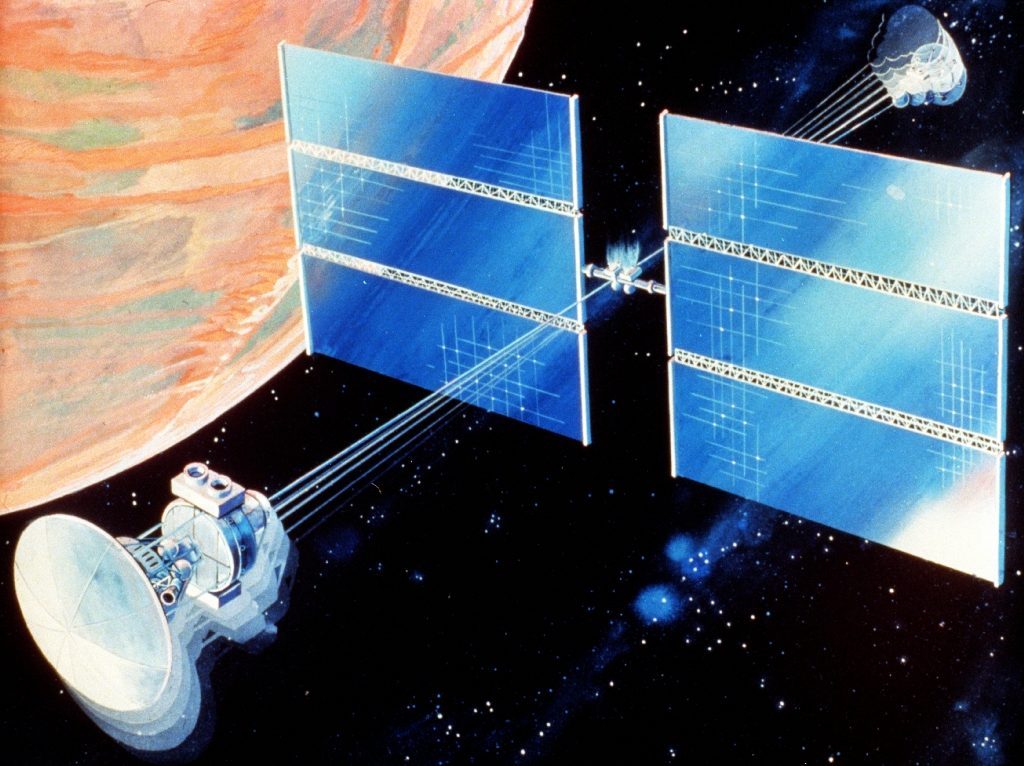
While we cannot flip a switch and turn off gravity on Earth, we are inching closer to being able to fake it elsewhere. Concepts for massive rotating space habitats use centrifugal effects to mimic the feeling of weight, letting people walk on curved interior surfaces as the structure spins. Designing these systems forces engineers to think about gravity as something you can dial in: weaker than Earth to save materials, but strong enough to keep bones and hearts functioning normally. Future lunar and Martian bases might combine local gravity with rotating modules to hit a “sweet spot” that balances human health with engineering constraints. In many ways, these projects are our first clumsy attempts to negotiate with gravity instead of just accepting it.
At the same time, planetary scientists are studying how gravity shapes the long‑term evolution of worlds so we can better predict which exoplanets are worth targeting for life‑detection missions. They model how a slightly lower gravity could alter volcanic outgassing, atmospheric loss, and even the likelihood of plate tectonics, building a library of possible planetary futures. That work feeds directly into telescope design and observation strategies, because knowing which combinations of gravity, size, and orbit are promising can save precious time and money. If we ever do find a truly Earth‑like twin, it will be because we learned to read gravity’s fingerprints across light‑years. In that context, imagining Earth without gravity is less a fantasy and more a calibration tool for understanding what “normal” really means.
How You Can Engage: Curiosity, Support, and Staying Grounded
You cannot personally switch gravity off or on, but you can choose whether to treat it as invisible wallpaper or as a doorway into deeper science. One simple step is to pay attention to the small ways gravity shows up in daily life: the way smoke rises and curls, the way rain falls in streaks, the way your muscles feel after a long hike uphill. Let those observations nudge you toward learning more about physics, planetary science, and human spaceflight, whether through books, documentaries, or public lectures. Support organizations and missions that study Earth and other planets, because their data help answer the big questions about habitability and our place in the universe. And when you hear about plans for space stations, Moon bases, or Mars trips, listen closely for the quiet, crucial question lurking underneath: how will we live with gravity, or without it?
For those who want to go a step further, there are practical ways to get involved. You can back citizen‑science projects that analyze data from space missions, join local astronomy clubs that host stargazing nights, or encourage schools to invest in hands‑on science programs that spark kids’ curiosity about forces they cannot see. If you are in a position to do so, supporting public research institutions and science journalism helps keep complex topics like gravity accessible and accurately explained. None of this will keep Earth’s gravity from vanishing – in our universe, that scenario stays firmly hypothetical – but it will deepen your appreciation for the subtle force that quietly holds your world together. And once you start noticing it, the most ordinary moment might suddenly feel just a little more astonishing.
Suhail Ahmed is a passionate digital professional and nature enthusiast with over 8 years of experience in content strategy, SEO, web development, and digital operations. Alongside his freelance journey, Suhail actively contributes to nature and wildlife platforms like Discover Wildlife, where he channels his curiosity for the planet into engaging, educational storytelling.
With a strong background in managing digital ecosystems — from ecommerce stores and WordPress websites to social media and automation — Suhail merges technical precision with creative insight. His content reflects a rare balance: SEO-friendly yet deeply human, data-informed yet emotionally resonant.
Driven by a love for discovery and storytelling, Suhail believes in using digital platforms to amplify causes that matter — especially those protecting Earth’s biodiversity and inspiring sustainable living. Whether he’s managing online projects or crafting wildlife content, his goal remains the same: to inform, inspire, and leave a positive digital footprint.