

Almost everyone has woken from a dream with their heart racing, the last image still burning in their mind, and the nagging question: what on earth was that about? For something we do every night, dreaming remains one of biology’s strangest puzzles, sitting at the crossroads of memory, emotion, and imagination. For more than a century, scientists have argued over whether dreams are meaningful messages, random brain static, or something in between. Now, advances in brain imaging, sleep labs, and even artificial intelligence are starting to turn this nocturnal mystery into measurable data. The emerging picture is messier – and more fascinating – than either pure symbolism or pure chaos.
The Night Shift in Your Brain
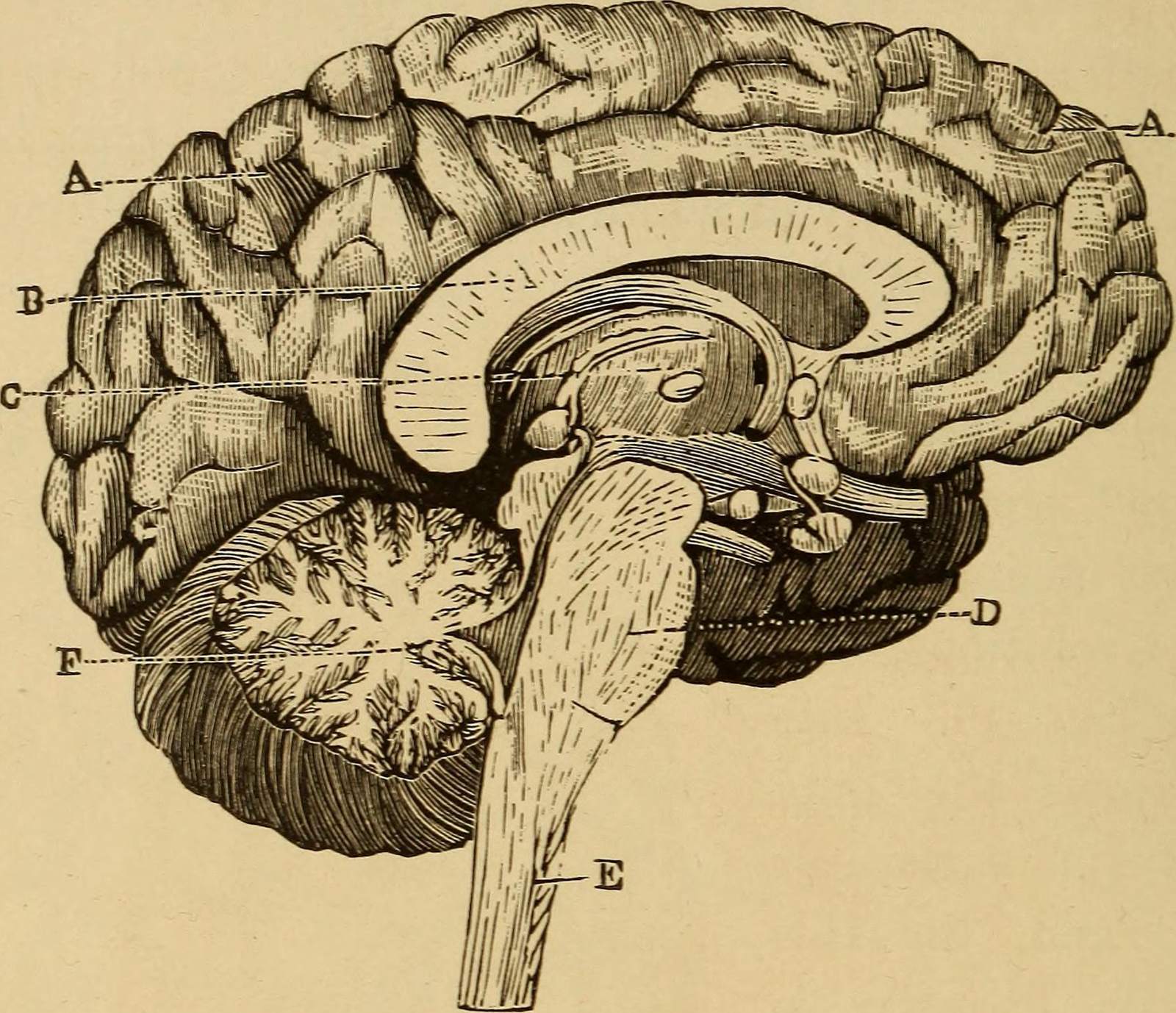
One of the most surprising facts about dreaming is just how busy the brain becomes while the body lies motionless. During rapid eye movement (REM) sleep, when vivid dreams are most likely, the brain’s activity can look almost like wakefulness on a scan, with certain regions lighting up as if you were wide awake. Areas involved in emotion, such as parts of the limbic system, become especially active, which helps explain why dreams feel so intense even when the plot is absurd. At the same time, regions linked to rational thinking and self-control, especially parts of the prefrontal cortex, dial down, leaving us more open to wild, illogical storylines.
Scientists sometimes describe this as a kind of internal theater where the emotional brain hijacks the stage, while the “editor” responsible for consistency and logic takes a break. That mismatch – feelings in overdrive, reasoning on standby – helps explain why a dream about missing a bus can feel as catastrophic as a natural disaster. Brain chemistry shifts as well: levels of certain neurotransmitters change overnight, shaping how memories are activated and combined. In that chemical swirl, scraps of your day, old fears, and half-buried memories are pulled together into improvised narratives that you experience as dreams.
From Ancient Interpretations to Modern Sleep Labs

For most of human history, dreams were treated less like a biological phenomenon and more like a message from outside – whether from gods, spirits, or the unconscious mind. Ancient cultures used dreams to predict the future, guide political decisions, and explain illness, creating elaborate manuals of symbols along the way. In the late nineteenth and early twentieth centuries, psychology transformed dreams again, turning them into windows on our inner conflicts rather than prophecies about the outer world. That shift set the stage for decades of dream interpretation focused on hidden wishes, fears, and repressed memories.
Modern sleep science takes a very different approach, trading dream diaries for electroencephalograms (EEGs) and MRI scanners. In sleep labs, volunteers doze off with wires on their scalp while researchers monitor brain waves, eye movements, and muscle tension, repeatedly waking them to collect fresh dream reports. Over thousands of nights, these experiments have built a more physical, less mystical framework for dream research. Instead of asking what a specific dream symbol “means,” scientists now ask what function the act of dreaming serves in memory, learning, and emotional processing – and how the sleeping brain builds its surreal stories from waking-life ingredients.
The Hidden Clues in Dream Content

Even if dream dictionaries oversimplify, the content of our dreams is far from random noise. When researchers systematically catalog what people report – falling, being chased, showing up unprepared – they find recurring themes across cultures and ages. Many of these themes are not glamorous fantasies but stress-laced scenarios: social embarrassment, failure, danger, or loss. This pattern has led some scientists to propose that dreams act like simulations, letting us rehearse threatening situations in a biologically safe sandbox so we can react more effectively in real life.
Dream journals collected in long-term studies also reveal that our dreams tend to be grounded in the ordinary details of our lives: familiar locations, recurring people, and ongoing worries. If you spend your day studying, there’s a good chance your brain will weave textbooks or classrooms into your dreams that night. That everyday material is often remixed with older memories, making dreams a strange mashup of present concerns and distant fragments. Rather than cryptic codes, many dreams look like emotional snapshots of what your brain currently finds important, whether you consciously agree with that priority list or not.
Why We Dream: The Leading Theories

Scientists have long abandoned the idea that there is a single, simple reason we dream. Instead, several overlapping theories are competing – and they may all be partly right. One influential idea is that dreams help consolidate memories, sorting through the day’s experiences and deciding what to strengthen, what to link, and what to quietly discard. Studies show that people who are allowed to sleep and dream after learning something new tend to perform better on related tasks later on, especially when REM sleep is intact.
Another major theory argues that dreams help regulate emotions by replaying and reframing difficult experiences in a less threatening context. In this view, the bizarre twists of a dream are not useless weirdness but a way for the brain to “defang” strong feelings. A more skeptical camp suggests that dreams might be side effects of the brain’s housekeeping processes during sleep, with meaning only arising later when we try to make sense of them. The current consensus is cautious: dreams likely contribute to memory, problem-solving, and emotional health, but not every dream is a profound psychological message. Sometimes, the brain really is just generating a strange story because that is what an active, pattern-seeking organ does when left to its own devices.
What Our Dreams Reveal About Mental Health

When dreams turn relentlessly dark or repetitive, they can be early warning signs that something deeper is going on. People with anxiety and depression, for example, often report dreams that are more negative in tone and more stuck on themes of failure, rejection, or hopelessness. In post-traumatic stress disorder (PTSD), nightmares can replay real events with terrifying clarity, sometimes for years, jolting people awake and disrupting sleep cycles. Researchers now see dream patterns as one more window into mental health, not as a diagnostic tool on their own but as part of a broader clinical picture.
Treatments that specifically target nightmares are becoming more common, from behavioral techniques that rewrite recurring dream scripts to medications that alter sleep architecture. There is growing evidence that reducing the intensity and frequency of nightmares can improve overall well-being, including daytime mood and stress levels. At the same time, clinicians are cautious about over-interpreting any single dream, focusing instead on recurring themes and how the dreams make people feel. The emerging message is that while dreams do not secretly diagnose us, they can reflect and sometimes amplify emotional struggles that are already present when we are awake.
Why It Matters: Dreams as a Window Into the Sleeping Brain
Understanding why we dream is not just a quirky side project for neuroscientists; it cuts to the heart of how the brain works when we are not in control of it. Sleep takes up roughly about one third of our lives, and a significant chunk of that time is spent in dream-prone states, which means that ignoring dreams would be like ignoring an entire continent on the map of human experience. For medicine, dream research could improve treatments for insomnia, depression, PTSD, and neurodegenerative diseases, all of which can warp the shape of sleep. If scientists can better understand how healthy dreaming supports memory and mood, they may be able to design therapies that restore those benefits when illness gets in the way.
Dream science also challenges our everyday ideas about consciousness and self. When you are dreaming, you experience a world that feels real, complete with sights, sounds, and a sense of “you” moving through it, even though that world is entirely generated inside your skull. That fact forces philosophers and cognitive scientists to grapple with what it means to say we are awake, aware, or in control. In a way, dreams are like natural experiments that the brain runs every night, and by studying them, we get rare insight into how reality is constructed in the first place. That makes dream research not just about understanding sleep, but about understanding what it means to be human.
The Future Landscape: Decoding Dreams With Technology
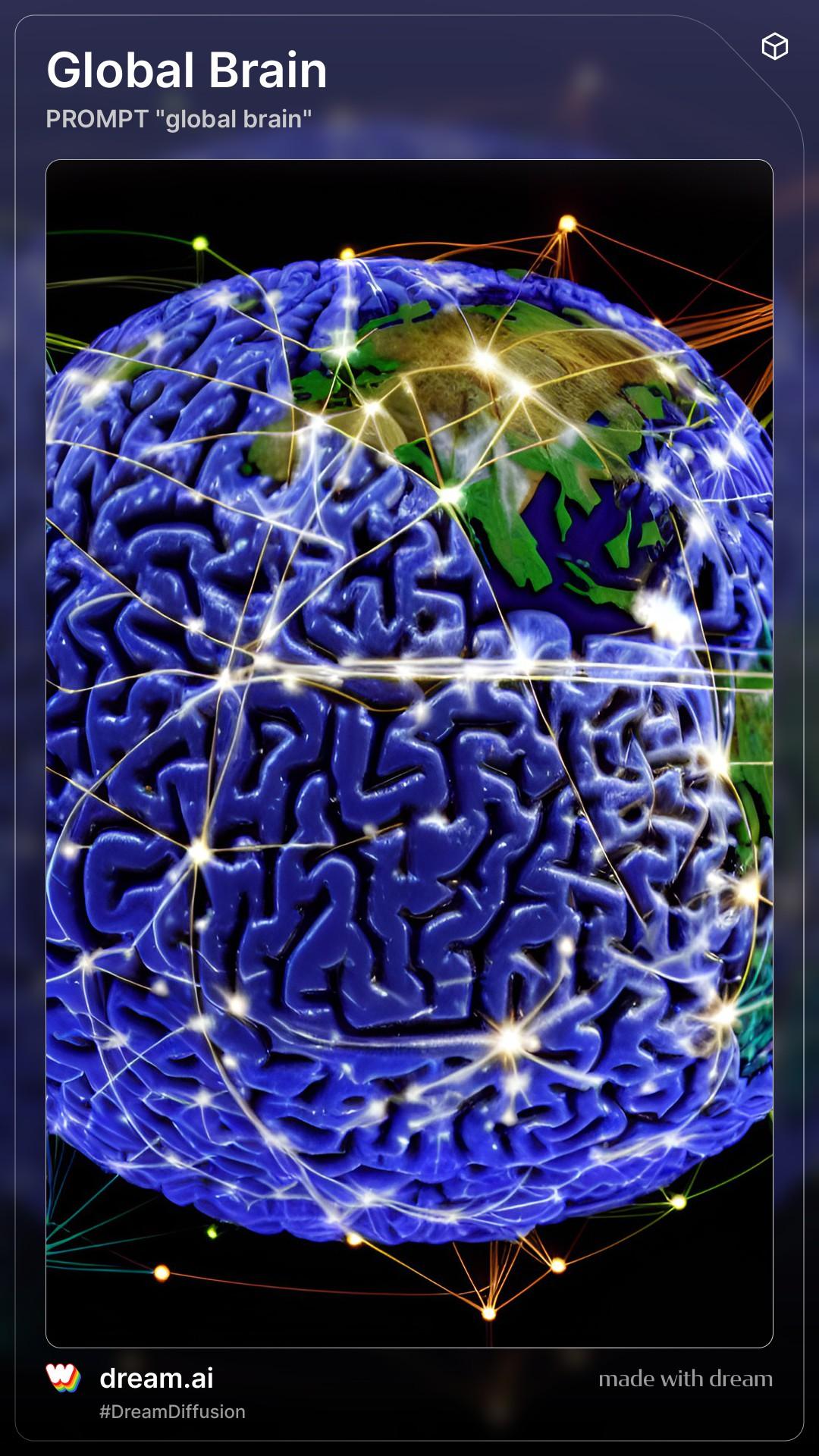
Until recently, the idea of “reading” someone’s dreams felt like pure science fiction, but that boundary is starting to blur. Experimental studies using brain imaging and machine learning have shown that, in limited ways, computers can predict elements of what a sleeping person is seeing – such as broad categories of images – by matching brain activity patterns to training data. These systems are far from mind reading, but they hint at a future in which dream content can be sketched out from neural activity alone. That possibility raises obvious ethical questions about privacy and consent, especially if similar techniques are extended beyond the lab.
On a more hopeful note, technology could also enable new treatments, such as closed-loop devices that gently influence dreams to reduce nightmares or reinforce positive memories. Researchers are already experimenting with subtle sensory cues – sounds, smells, mild electrical stimulation – to nudge dream content in particular directions. Combined with wearable sleep trackers, these tools might eventually give people more control over the quality of their nights. At the same time, scientists warn against overselling or commercializing early-stage research, pointing out that the sleeping brain is extraordinarily complex. The next decade will likely be a tug-of-war between innovation and caution as we learn just how far dream decoding and dream-shaping can go.
How You Can Engage With Your Own Dream Science
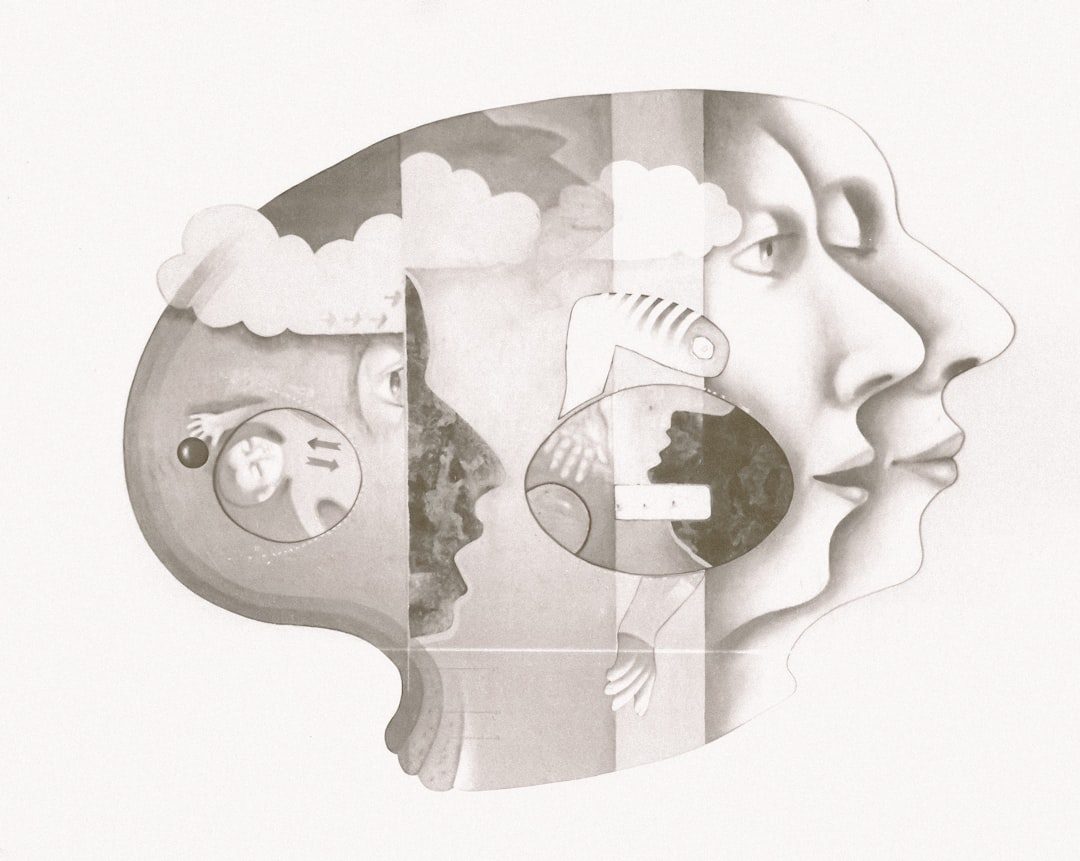
While most of us will never sleep inside a brain scanner, there are surprisingly simple ways to explore your own dreams with a bit more curiosity. Keeping a notebook or app by your bed and jotting down a few lines right after waking can dramatically increase how much you remember over time; the brain seems to treat recall as a signal that dreaming matters. Looking back at these notes after a few weeks, you may notice patterns in themes, emotions, or settings that say more about your waking life than about mysterious symbols. It is less about decoding a secret language and more about tracking what your mind chooses to rehearse at night.
You can also support the broader science by paying attention to your sleep in general: prioritizing consistent bedtimes, reducing late-night screen time, and talking to a medical professional if nightmares or insomnia become chronic. Healthy sleep is the foundation on which healthy dreaming rests, and both are tied to better mood, sharper thinking, and long-term brain health. For those who are especially fascinated, legitimate sleep studies sometimes recruit volunteers, offering a chance to contribute data to ongoing research. Even if you never enter a lab, simply treating your dreams as natural experiments rather than spooky messages can shift your relationship with them. The next time you wake from a strange scene, you might ask not just what it “means,” but what your brain was trying to do while you were off in that private, nightly world.
Suhail Ahmed is a passionate digital professional and nature enthusiast with over 8 years of experience in content strategy, SEO, web development, and digital operations. Alongside his freelance journey, Suhail actively contributes to nature and wildlife platforms like Discover Wildlife, where he channels his curiosity for the planet into engaging, educational storytelling.
With a strong background in managing digital ecosystems — from ecommerce stores and WordPress websites to social media and automation — Suhail merges technical precision with creative insight. His content reflects a rare balance: SEO-friendly yet deeply human, data-informed yet emotionally resonant.
Driven by a love for discovery and storytelling, Suhail believes in using digital platforms to amplify causes that matter — especially those protecting Earth’s biodiversity and inspiring sustainable living. Whether he’s managing online projects or crafting wildlife content, his goal remains the same: to inform, inspire, and leave a positive digital footprint.