
You know that feeling when you stumble across something that makes you rethink everything? That’s what happens when you dig into ancient history. We’re talking about civilizations that supposedly didn’t have the technology or expertise to create things we’d struggle to replicate today. It’s easy to picture our ancestors as primitive, scraping by with basic tools and limited knowledge. Honestly, nothing could be further from the truth.
Here’s the thing: ancient engineers, scientists, and craftspeople possessed capabilities that seem almost impossible considering the era they lived in. Some of these breakthroughs disappeared into history, their methods lost for centuries or even millennia. Others remain mysteries we’re still trying to crack in 2025. So let’s dive in and explore some truly remarkable inventions that reveal just how clever people were thousands of years ago.
The Antikythera Mechanism: A Computer From 100 BCE
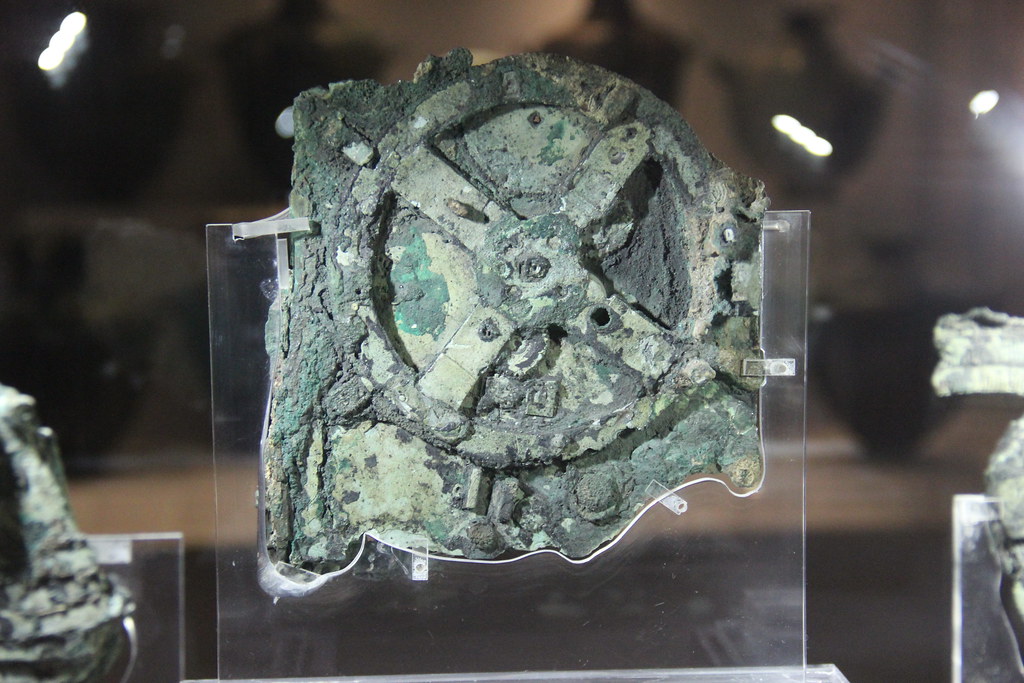
Picture a hand-powered device from ancient Greece that could predict astronomical positions and eclipses decades ahead, functioning as the oldest known analog computer. Discovered in a shipwreck off the coast of Antikythera in 1901, this bronze marvel has baffled researchers for over a century.
The mechanism contains a complex combination of at least 30 surviving bronze gears used to predict astronomical events, including eclipses and planetary positions. What makes this absolutely mind-blowing is the level of precision involved. The gears showcase intricate metalworking skills with finely carved teeth about a millimeter long, demonstrating advanced gearing not expected before the Middle Ages. This level of technology wasn’t thought to exist until the 14th century.
Damascus Steel: The Unbreakable Metal
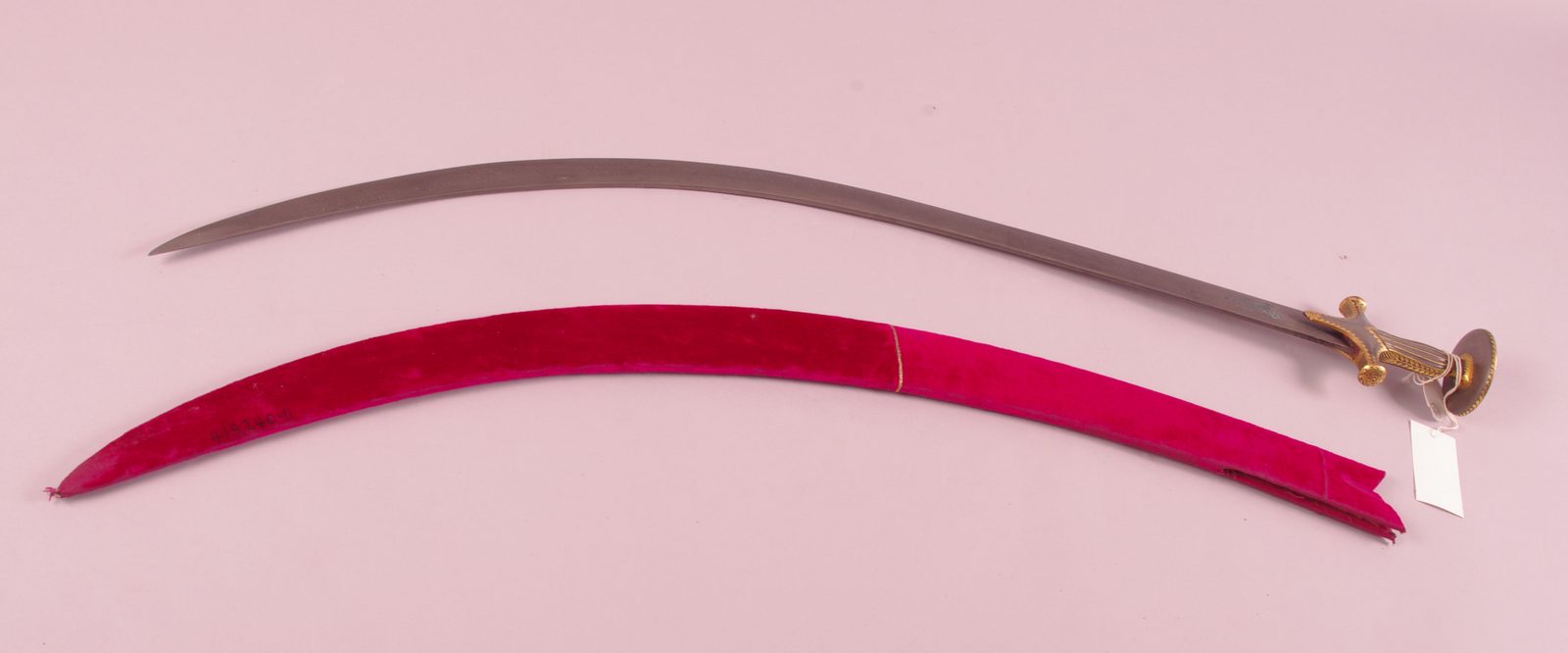
You’ve probably heard tales of swords that could slice through rock or cut silk scarves mid-air with barely a touch. Damascus steel was the high-carbon crucible steel characterized by distinctive water-like patterns, reputed to be tough, resistant to shattering, and capable of being honed to a sharp, resilient edge. The fascinating part? The technique for making wootz steel was lost in the 1700s.
The blades were manufactured in the Near East from ingots of wootz steel imported from Southern India. The secret ingredient wasn’t just the forging technique. Recent research established that the distinct surface patterns result from carbide-banding produced by microsegregation of minor amounts of carbide-forming elements present in wootz ingots, which may have only come from specific regions of India with appropriate impurity-containing ore deposits. The technique wasn’t actually lost – it just stopped working when the mining region changed in the 19th century, and new ingots had slightly different impurities than the prior ones.
Roman Concrete: The Self-Healing Wonder

Why are buildings from ancient Rome still standing while modern concrete structures crumble after just a few decades? Usable examples of Roman concrete exposed to harsh marine environments have been found to be 2000 years old with little or no wear. That’s remarkable, but scientists recently discovered something even more astonishing about this material.
White chunks in the concrete, referred to as lime clasts, gave the concrete the ability to heal cracks that formed over time, previously overlooked as evidence of sloppy mixing. These lime clasts were reservoirs of calcium that helped fill in cracks, creating self-healing properties; as cracks formed, water would seep in and dissolve the calcium, which formed solid calcium carbonate, essentially creating new rock that filled in the crack. Lime clasts arose from using quicklime when mixing the concrete, and hot mixing was key to the concrete’s durable nature.
The Baghdad Battery: Ancient Electricity?
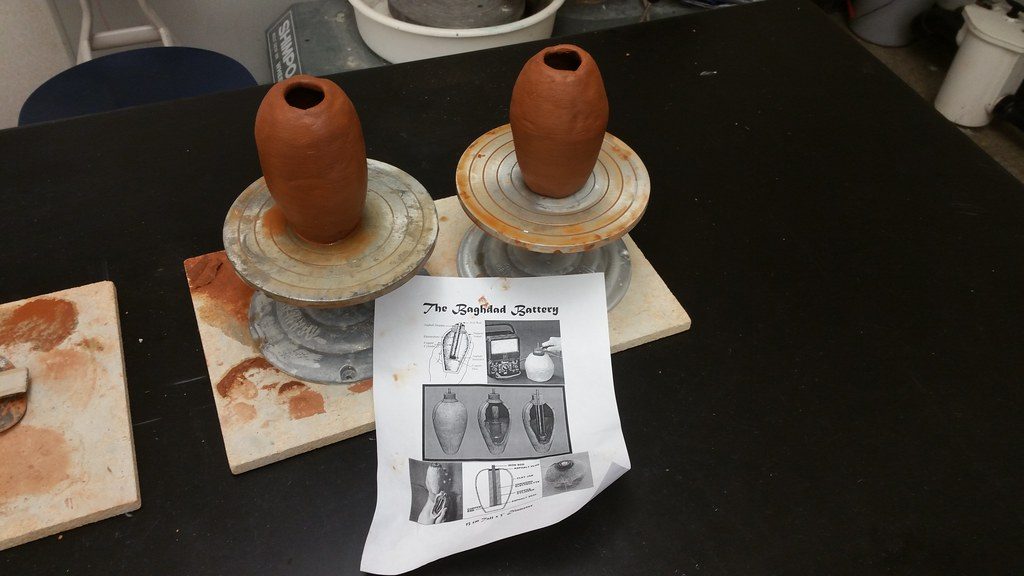
The Baghdad Battery is an artifact consisting of a ceramic pot, a tube of copper, and a rod of iron fixed together with bitumen, discovered in present-day Khujut Rabu, Iraq in 1936. Now, whether this thing actually functioned as a battery remains hotly debated among scholars, but the possibility alone is fascinating.
Experiments on replicas using lemon juice as an electrolyte demonstrated they could produce about 4 volts of electricity when connected in series, capable of minor electroplating and electrostimulation but not strong enough for a significant shock. Some researchers proposed that ancient batteries and electric eels might have been utilized for medical purposes, potentially for pain relief or anesthesia, raising intriguing questions about the true function of the Baghdad Battery. This interpretation is rejected by many archaeologists and scientists who believe it served other purposes, perhaps as a scroll container. Still, the debate continues to spark curiosity.
Greek Fire: The Unstoppable Flame

Greek fire was first used effectively against the Umayyad Caliphate, and while no recipe survives, historians speculate it might have involved petroleum or sulfur, with petroleum seeming the likeliest candidate. This wasn’t just about the fire itself though. What makes Greek fire impressive is the design of the pressure pump the Byzantines used to launch it at their enemies, and researchers still struggle to recreate a historically accurate pump that could propel its content far enough for naval battles.
Greek fire was like an ancient flamethrower that could burn on water, so intense that it could light up the ocean, used by Byzantines during naval battles, and it was so top-secret that no one knew exactly what it was made of. That knowledge vanished completely, leaving us with only accounts of its devastating effectiveness. Imagine being a sailor watching your enemies launch liquid fire that water couldn’t extinguish. Terrifying doesn’t begin to cover it.
Advanced Seismoscope: Earthquake Detection in Ancient China

Zhang’s seismoscope is respected as a milestone invention since it can indicate not only the occurrence of an earthquake but also the direction to its source. Created nearly two thousand years ago, this bronze vessel shaped like a wine jar had an ingenious mechanism inside.
While primary sources are unclear as to how the seismoscope actually worked, researchers suggest that vibrations caused a pendulum inside the pot to swing, causing a small ball to release through a dragon head and into the mouth of its corresponding toad, indicating the direction of an earthquake. This level of engineering sophistication for detecting and locating seismic activity is impressive by any standard. The ancient Chinese were monitoring earth movements with purpose-built instrumentation centuries before similar technology emerged elsewhere.
Precision Stonework at Puma Punku
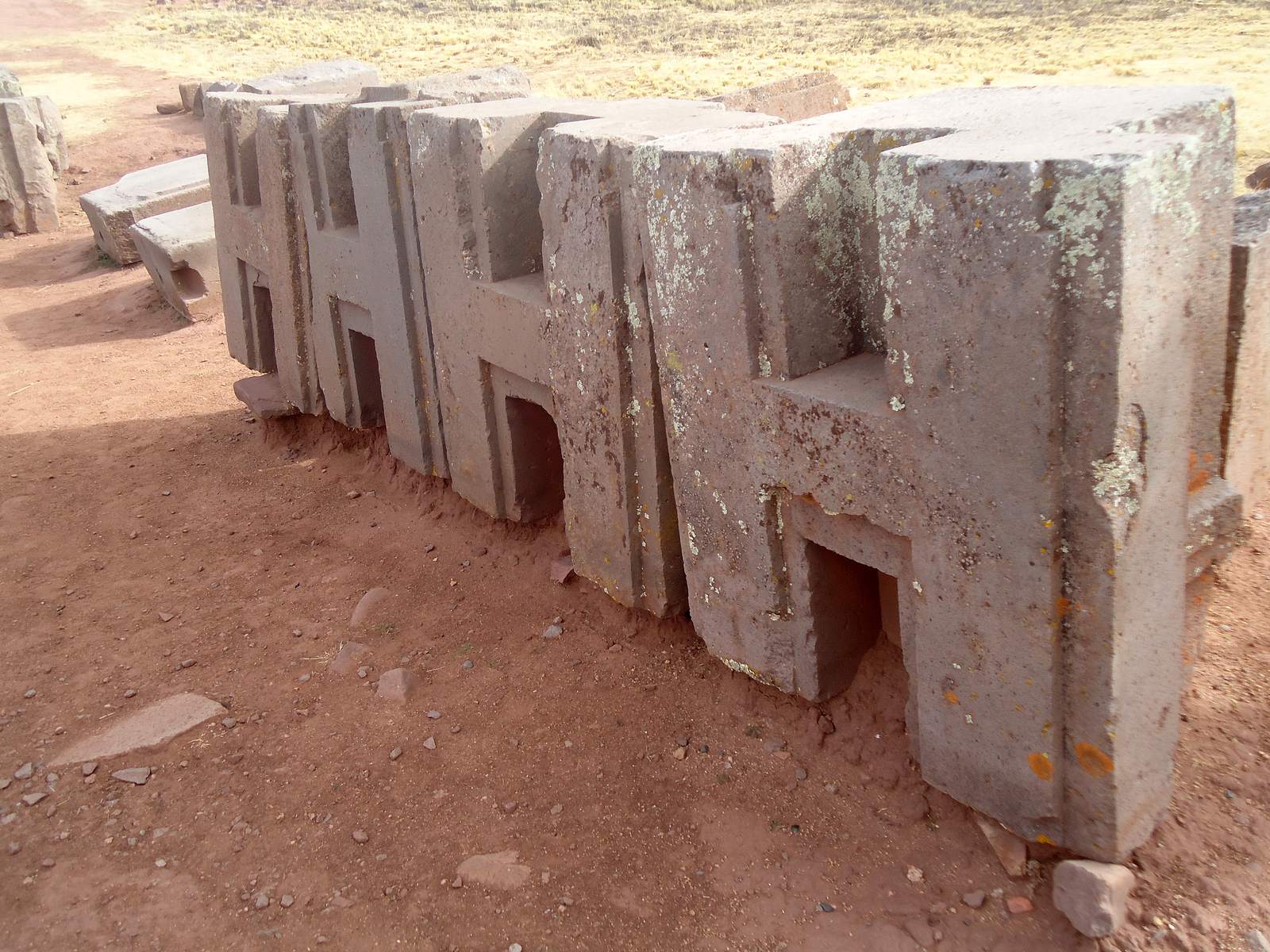
The Tiwanaku complex in modern-day Bolivia features Puma Punku, well known for its incredible high-precision stonework, with stone blocks weighing up to 100 tons cut and connected together with almost alien precision.
The precision is so advanced that even modern engineers would struggle to replicate the techniques used, with super smooth cut surfaces and astronomically straight cuts, with blocks interlocked without any use of mortar whatsoever. This suggests the builders utilized advanced tools or technologies lost to history, and archaeologists were unable to uncover any evidence for tools or methods used to shape the stones. Let’s be real, the mystery surrounding how they achieved this level of accuracy without modern equipment remains unsolved.
Ancient Surgical Instruments and Techniques
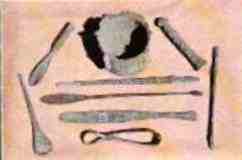
Babylonian medicine used logic and recorded medical history to diagnose and treat illnesses with various creams and pills, employing both magical and physical practices on the same patient. The sophistication went far beyond what most people imagine. Ancient civilizations developed remarkably advanced medical knowledge.
Bronze and iron needles unearthed in Seleucia could have been utilized for acupuncture, while ancient Greeks and Romans employed electric fish for treating ailments such as headaches and gout. Roman physician Scribonius Largus prescribed placing a living black torpedo fish under the feet of individuals with foot gout while standing on a beach, so the affected area would become numb up to the knees. These weren’t random folk remedies – they represent systematic medical approaches that achieved real results.
The Archimedes Screw: Perpetual Motion for Water
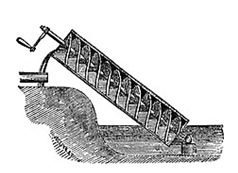
According to assyriologist Stephanie Dalley, the earliest pump was the screw pump, first used by Sennacherib, King of Assyria, for water systems at the Hanging Gardens of Babylon in the 7th century BC, though this attribution is disputed. Regardless of its exact origins, this device revolutionized water management.
It is still commonly used in irrigation systems, water treatment plants, and sewage treatment facilities due to its simplicity and attractive design, making it one of the most timeless and effective pieces of ancient technology still being used today. Think about that for a moment. A device conceived thousands of years ago remains so perfectly designed that we continue using the same basic principle in modern infrastructure. That’s not just clever engineering – that’s timeless genius.
Conclusion: Lessons From Ancient Innovation
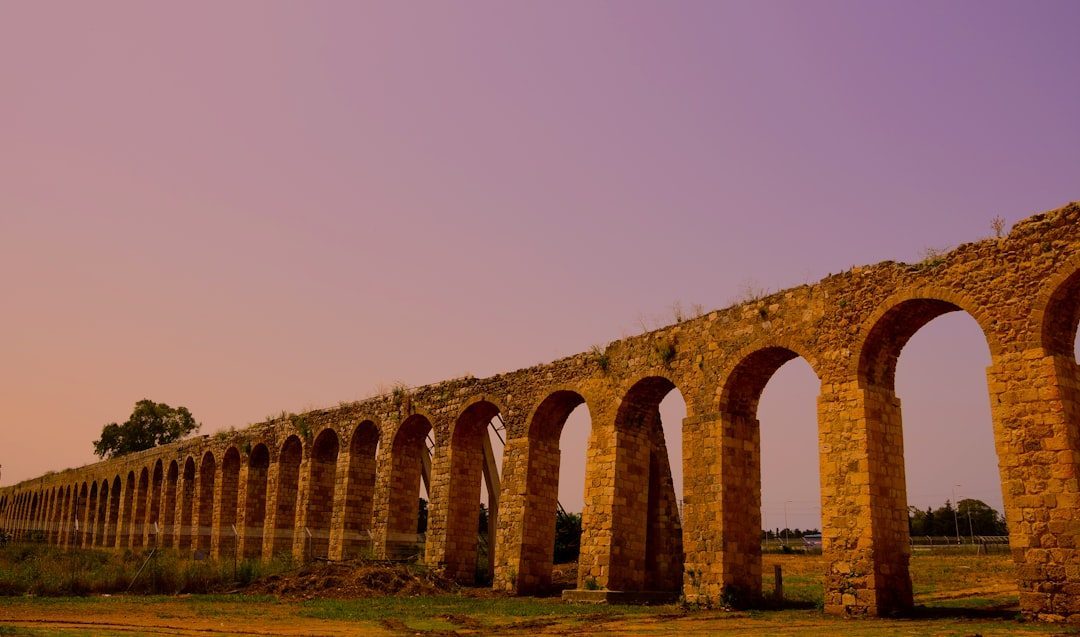
Ancient artisans possessed knowledge and techniques much more advanced than we first thought, and these feats of ancient engineering prove our distant ancestors were sophisticated, with an eye for art and magnificence, suggesting we should think of them in a higher regard and admit we are not all-knowing in our modern age.
These nine inventions represent just a fraction of the ingenuity that flourished in ancient times. Some techniques have been rediscovered, others remain tantalizingly out of reach, and still others continue to function exactly as designed millennia ago. It appears there are still ancient technologies waiting to be discovered.
What strikes me most is how these innovations challenge our assumptions about progress. We tend to imagine history as a straight line of advancement, but the truth is messier and far more interesting. Knowledge was gained, lost, and sometimes rediscovered centuries later. Which makes you wonder: what other secrets are buried in the ruins of ancient civilizations, waiting for us to be humble enough to recognize them? What do you think – could our ancestors have been even more advanced than these examples suggest?