Life exists in the most improbable corners of our planet. From the scorching sands of the Sahara to the frozen depths of the Antarctic, animals have found ways not just to survive, but to flourish where conditions seem impossibly harsh. You might think these environments would be lifeless, yet they pulse with creatures that have evolved extraordinary adaptations. What secrets do these survivors hold, and how do they manage to call such hostile places home?
Freezing Without Dying: The Wood Frog’s Remarkable Winter Survival
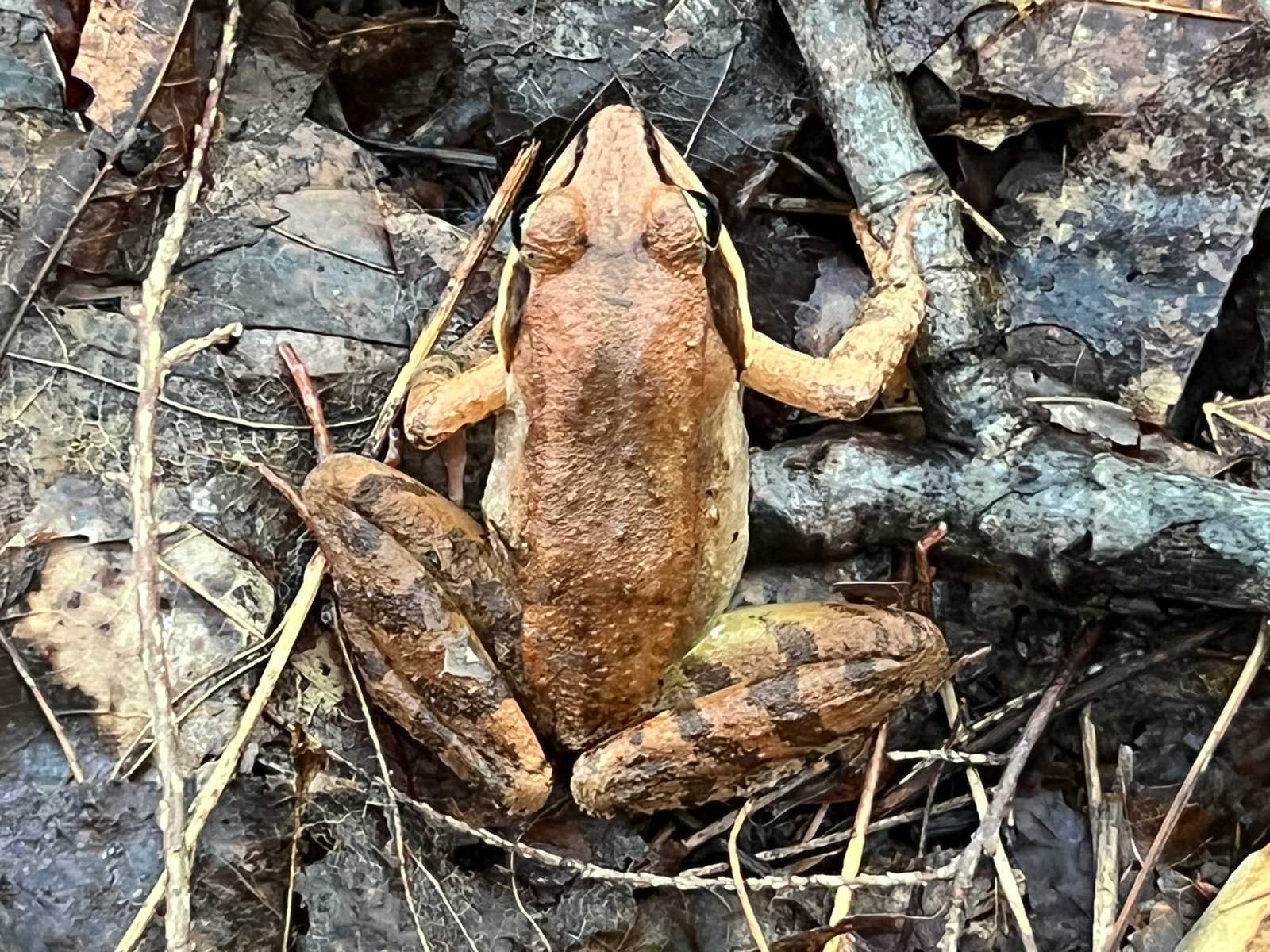
Imagine your body freezing solid for months and then coming back to life when spring arrives. That’s exactly what wood frogs endure in North America’s coldest regions, where temperatures can plummet to around minus 45 degrees Celsius. These remarkable amphibians have adapted an almost supernatural survival mechanism that challenges everything you thought you knew about life and death.
Here’s the thing: wood frogs remain frozen for up to eight months, with ice filling their abdominal cavity and forming between layers of skin and muscle, while their liver produces massive amounts of glucose that prevents their cells from freezing. During hibernation, they have no heartbeat and do not breathe, but in spring their hearts start beating again once they thaw. This adaptation allows them to become active much earlier than their competitors, giving them access to breeding pools that would otherwise dry up. It’s hard to say for sure, but this frozen state might represent one of nature’s most extreme survival strategies.
Living at Earth’s Hottest Gates: The Pompeii Worm’s Heat Resistance
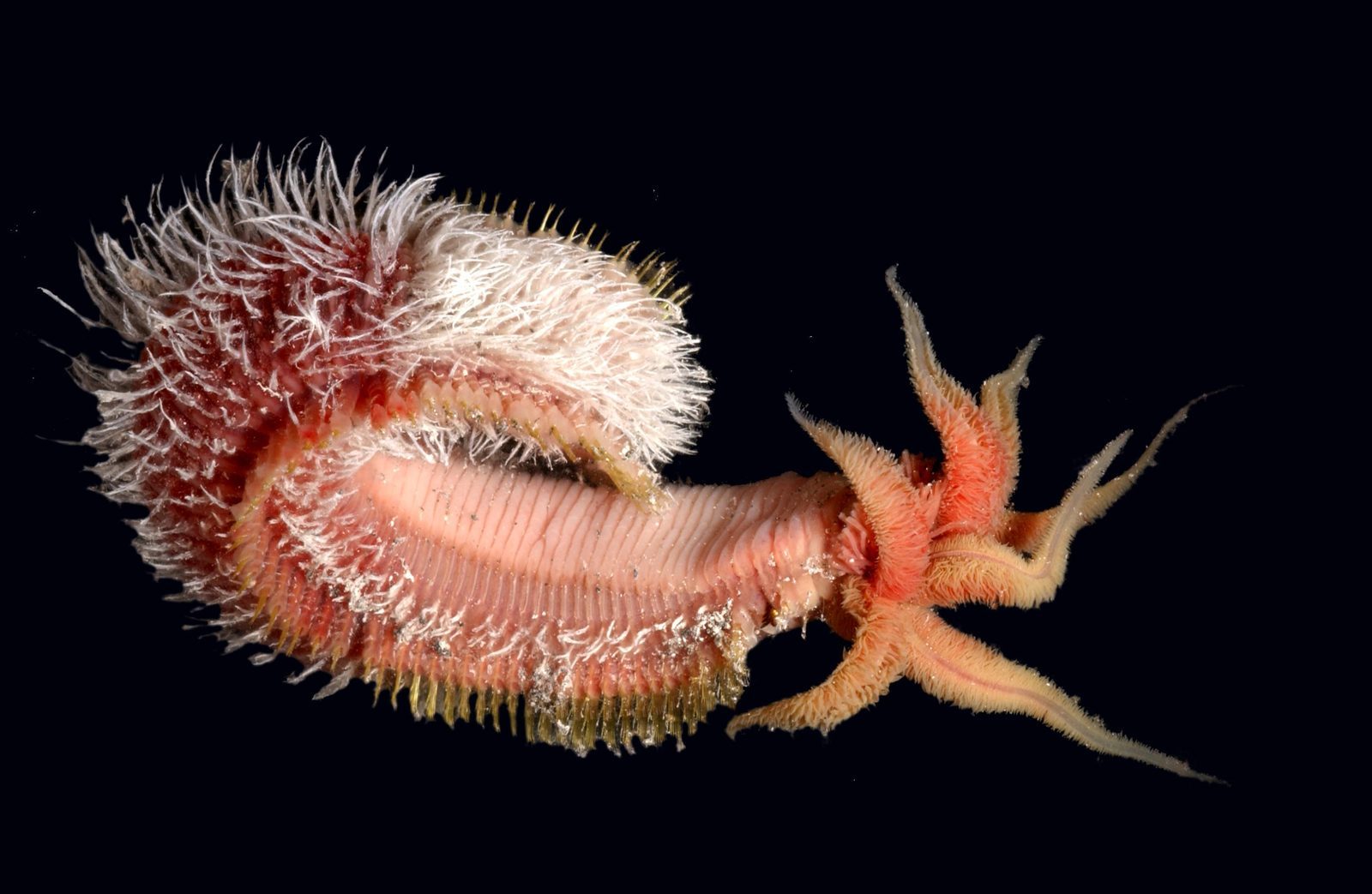
The Pompeii worm was discovered in the 1980s near deep-sea hydrothermal vents, where temperatures reach up to 80 degrees Celsius alongside crushing pressure and toxic chemicals. You’d expect nothing to survive such conditions, yet these incredible creatures have found their niche in what might be Earth’s most extreme habitat.
The worm’s unique body structure allows its head to stay cooler than its tail, helping it regulate temperature and preventing overheating. A protective layer of chitin covers its body, shielding it from corrosive chemicals, while chemosynthetic bacteria in its specialized gill structures provide a constant food supply. This partnership between worm and bacteria demonstrates how life adapts through cooperation, not just individual resilience. The Pompeii worm reminds you that extreme environments often foster the most creative biological solutions.
Desert Masters: How Sahara Ants Survive Scorching Heat
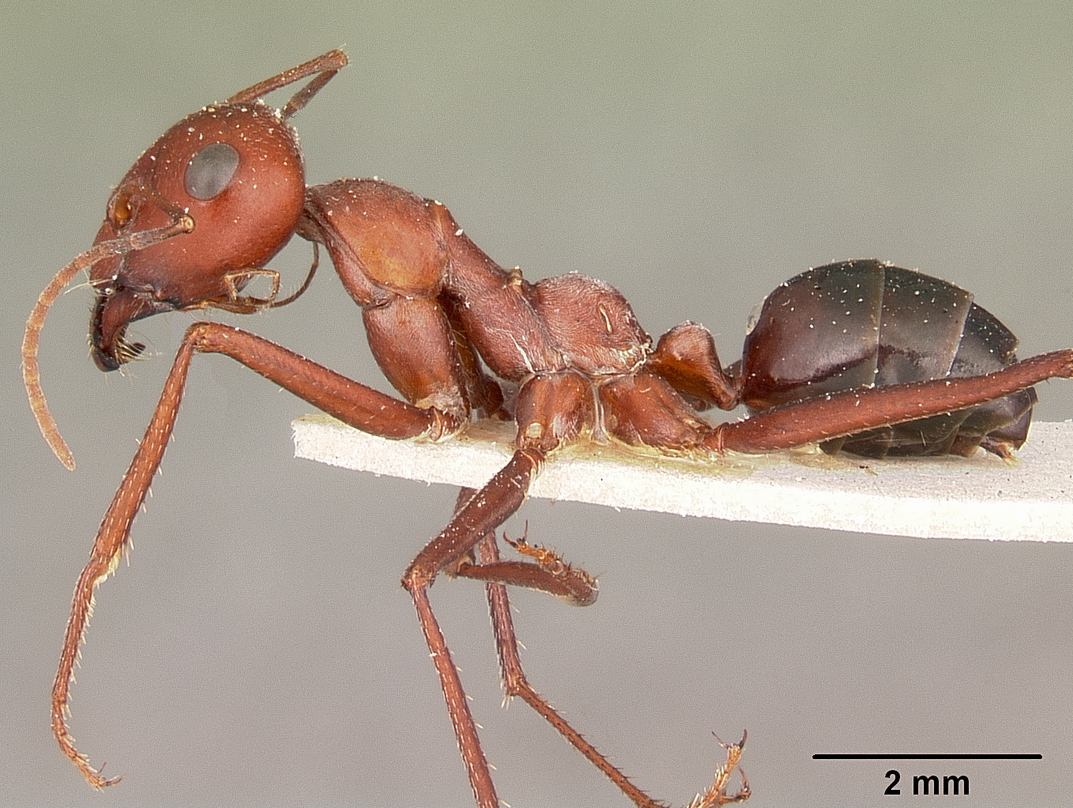
The Sahara Desert ant has adapted to survive in extreme desert climate with limited food and no water for extended periods. These tiny insects operate in conditions that would quickly kill most creatures, yet they thrive where temperatures can exceed levels that seem incompatible with life.
The ant’s body is covered in small silver hairs that reflect sunlight, preventing overheating. It uses polarized light to navigate long distances while searching for food, and changes the angle of its body relative to the sun to control heat exposure. These remarkable creatures also store water in a specialized organ called the crop. Let’s be real: navigating by polarized light while managing body temperature in one of Earth’s harshest deserts shows an incredible level of evolutionary sophistication packed into such a small package.
Pressure Adaptation: Deep-Sea Creatures and Their Molecular Secrets
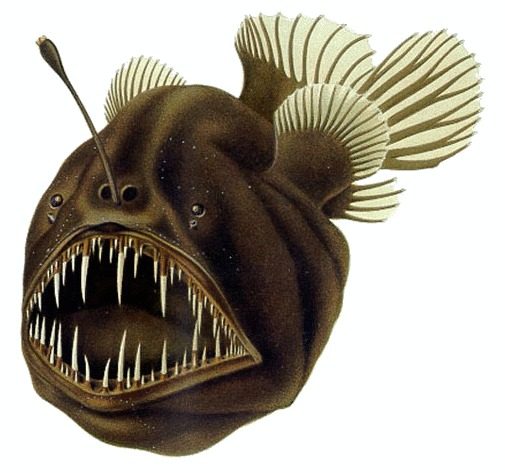
In the deep sea, hydrostatic pressures crush unprotected structures, while hydrothermal vents spew fluids exceeding 350 degrees Celsius loaded with toxic chemicals. You might wonder how anything could withstand such crushing force, but researchers have discovered that TMAO levels are significantly elevated in hadal species, with a strong positive correlation between TMA and TMAO, suggesting a pressure-regulated transformation process.
TMAO plays a critical role in maintaining protein structure and cellular function in deep-sea environments. This compound acts as a molecular stabilizer, counteracting the destructive effects of immense pressure on cellular proteins. Think about it this way: while you need specialized equipment to explore these depths, these animals carry their own molecular diving suits built right into their cells. Recent research has revealed how specific enzymes evolved to work more efficiently under extreme pressure, showing evolution at work on a microscular level.
Arctic Survival: Antifreeze Proteins and Blubber Insulation
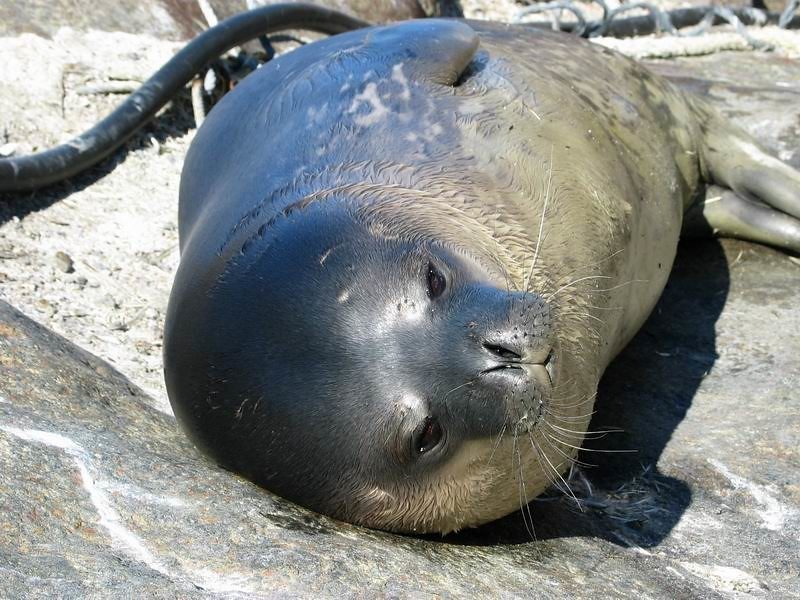
Arctic fish have adapted to extreme cold and can survive in water temperatures close to freezing by possessing antifreeze proteins that prevent ice crystals from forming in their blood. Meanwhile, the bowhead whale has the thickest blubber of any whale, with some 40 to 50 centimeters encasing the animal as a vital insulatory layer beneath the skin.
The discovery of antifreeze proteins has led to potential applications in preserving transplant organs and improving cryopreservation techniques. Nature’s solutions inspire human innovation in unexpected ways. Harp seal pups develop a thick layer of protective fat as they nurse, helping keep them warm in cold water. The variety of adaptations across Arctic species reveals how different evolutionary paths can solve the same problem: how to stay warm when surrounded by ice. Honestly, the resourcefulness of these animals makes human winter clothing seem almost primitive by comparison.
Behavioral Adaptations: Migration and Timing Shifts
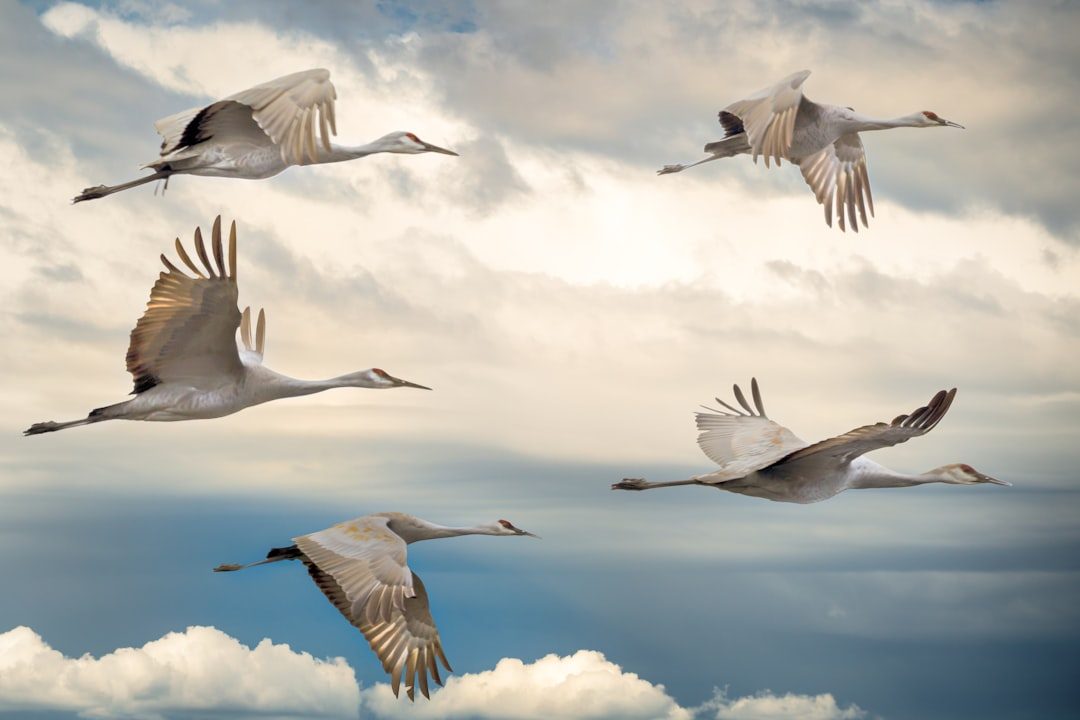
Researchers discovered that the eastern three-lined skink has begun nesting four weeks earlier over the short course of a decade. American pikas now only emerge from their burrows during dawn, dusk, or night when temperatures are moderate, and are nestling deeper than ever before where subsurface temperatures can be nearly 10 degrees Celsius cooler.
These aren’t genetic changes but behavioral flexibility that allows animals to respond to environmental pressures in real time. Reptiles including the Chinese alligator and American crocodile have made nesting changes to avoid high temperature stress, while Kemp’s ridley sea turtle has moved farther north to find nesting sites. Animals aren’t passive victims of their environments but active problem-solvers constantly adjusting their strategies. You’re witnessing evolution playing out not over millions of years but within decades, showing how rapidly life can respond when pressured by changing conditions.
High-Altitude Champions: Oxygen Storage and Efficiency
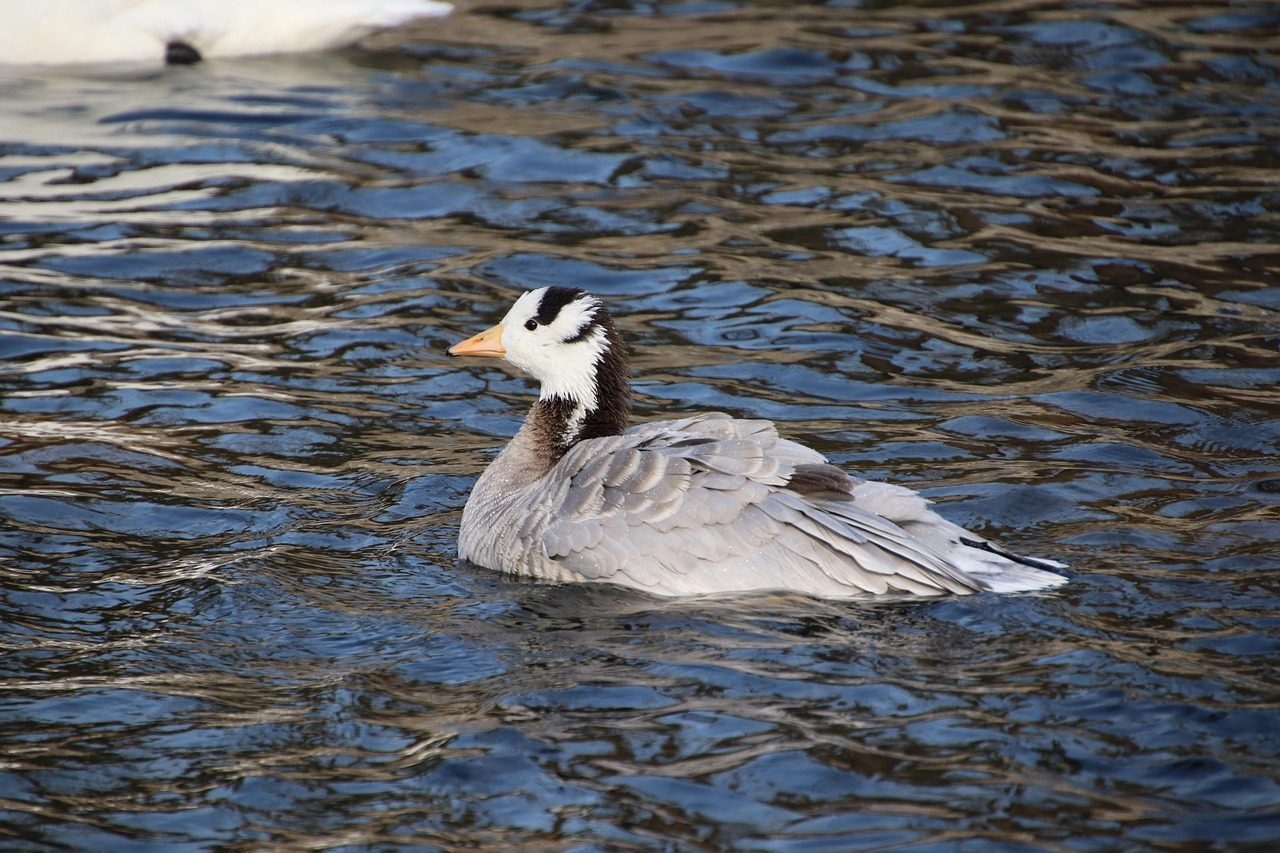
Both sperm whales and bar-headed geese have evolved the ability to store far more oxygen in their blood cells than other animals, though for separate reasons: sperm whales need to hold their breath during deep dives, while bar-headed geese must maintain energetic flight over the Himalayan mountain range where air is oxygen-poor. These animals face the challenge of operating where oxygen becomes a precious commodity.
Birds are unparalleled in the animal kingdom for making spectacular migrations across vast scales, with flight being particularly demanding and the pulmonary system evolved into an unidirectionally ventilated system permitting huge rates of oxygen consumption. The bar-headed goose can fly at altitudes where human climbers need supplemental oxygen, demonstrating how evolutionary pressure creates biological marvels. These high-altitude specialists show you that extreme environments demand extreme solutions, whether through enhanced blood chemistry or revolutionary respiratory systems.
Conclusion
The adaptations you’ve explored reveal something profound about life on Earth. From frozen frogs to heat-loving worms, from desert ants to deep-sea creatures, nature has equipped its inhabitants with an astounding toolkit for survival. These aren’t just curious biological facts but demonstrations of life’s incredible tenacity and creativity when faced with seemingly impossible challenges.
What strikes you most is how these extreme survivors inspire both wonder and practical innovation. The antifreeze proteins of Arctic fish could revolutionize organ transplantation. The heat resistance mechanisms of deep-sea creatures might inform materials science. Each adaptation represents millions of years of trial and refinement, offering solutions that human engineering is only beginning to understand.
As climate change reshapes habitats worldwide, understanding these adaptations becomes increasingly urgent. Some species show remarkable flexibility, adjusting behaviors within decades. Others possess specialized traits that took eons to develop. The diversity of survival strategies reminds you that nature’s resilience deserves both our admiration and our protection. Which of these amazing adaptations surprised you the most?