Think about walking through your city today. You pass over bridges, beneath buildings with soaring ceilings, along paved roads that stretch for miles. Ever wonder where all that started? The Romans basically wrote the playbook on infrastructure. Two thousand years ago, they were building stuff that still makes modern engineers scratch their heads and ask how they managed it without computers or power tools.
What made their accomplishments even more remarkable was the sheer scale. We’re talking about an empire that stretched from Britain to the Middle East, and somehow they figured out how to move water uphill, heat floors without electricity, and construct domes so massive they’d remain unmatched for over a millennium. Let’s get into what made Roman engineering so revolutionary.
The Pantheon’s Impossible Dome
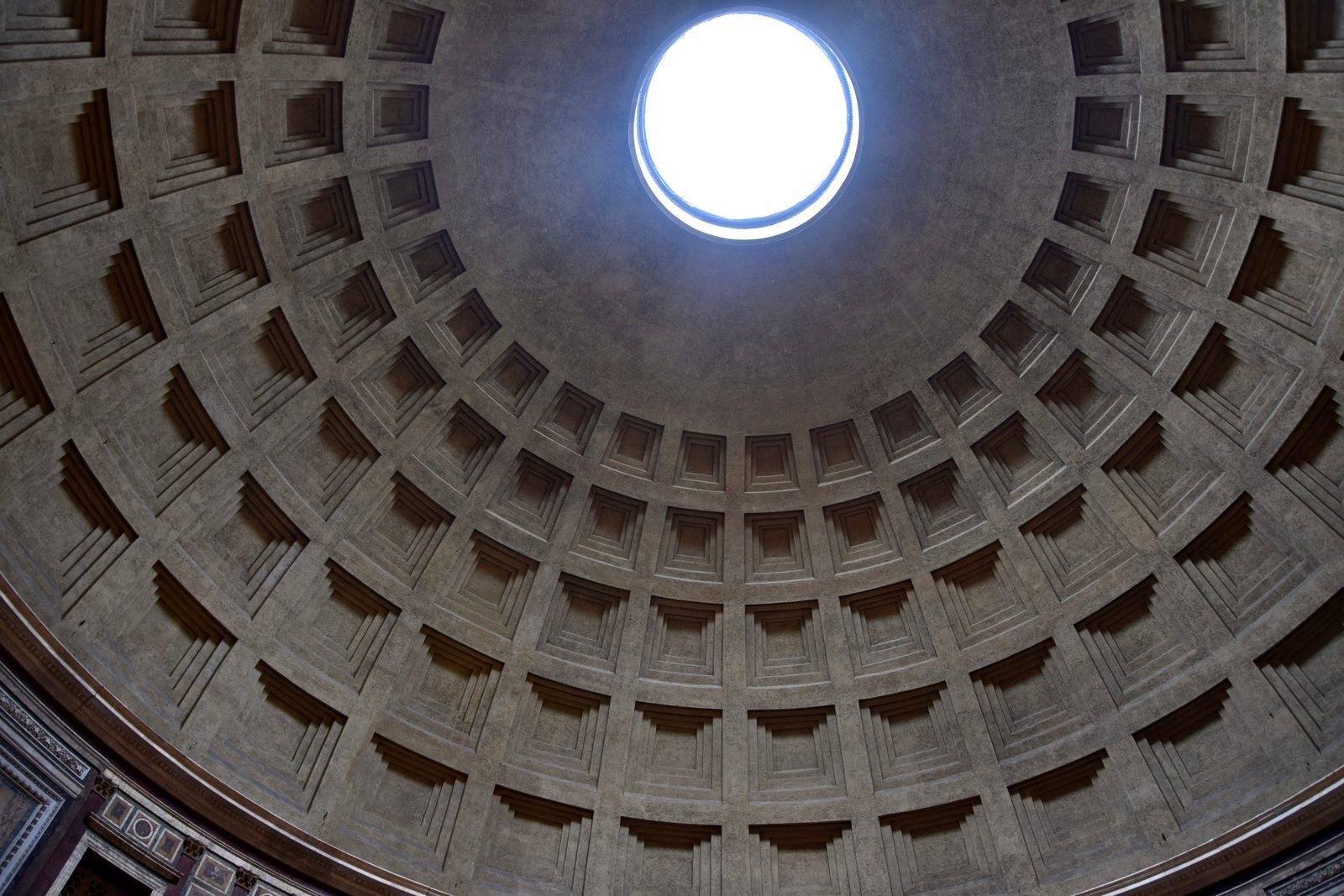
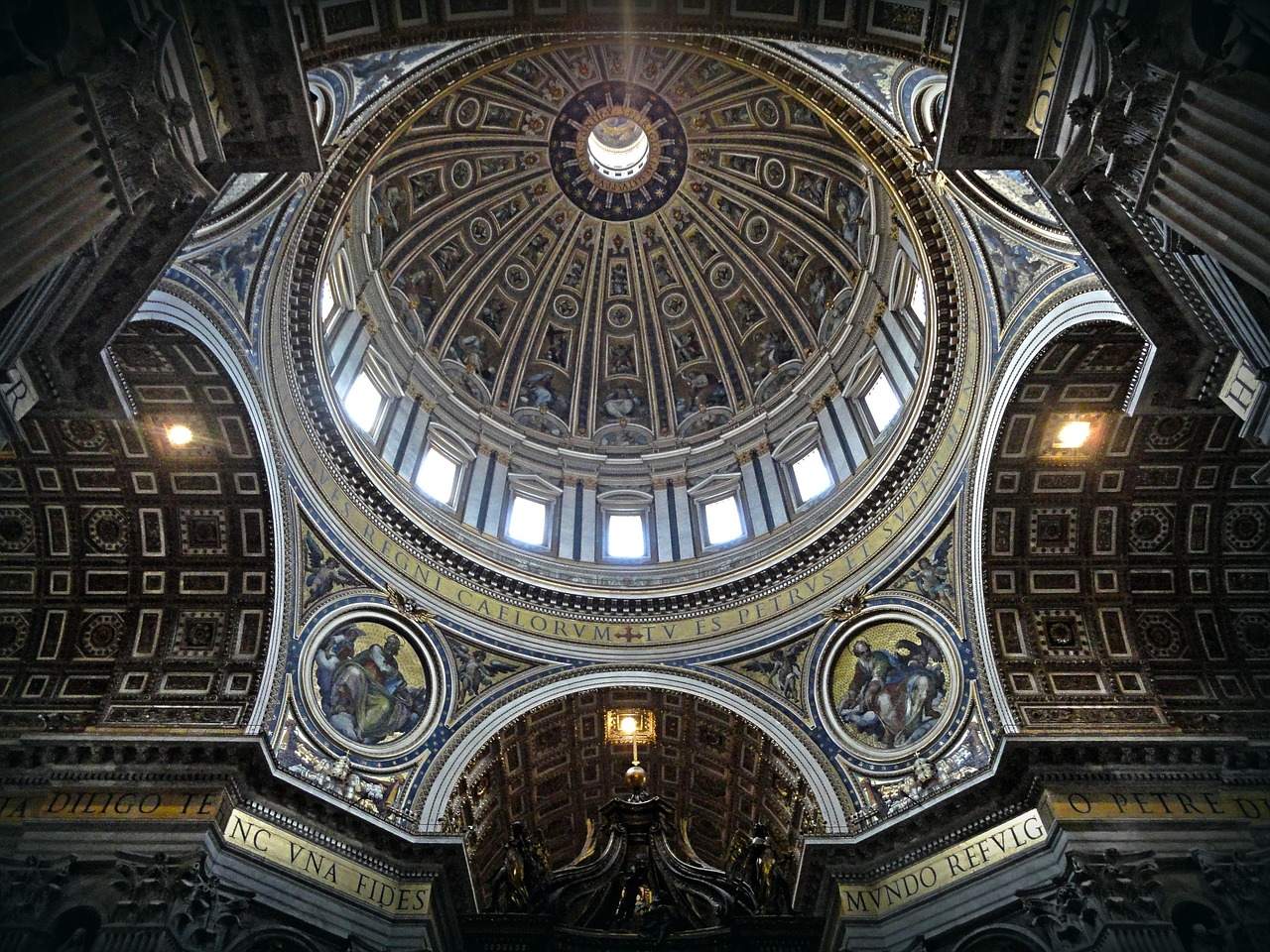
You’re looking at the world’s largest unreinforced concrete dome, and it’s been standing there in Rome since around 126 AD. The dome spans roughly 142 feet in diameter, creating an interior space that feels almost otherworldly when you step inside.
The Romans used carefully selected and graded aggregate material, ranging from heavy basalt in the foundations through brick and tufa to the lightest pumice toward the vault’s center. Honestly, it’s hard to believe they figured out material science at that level without modern testing equipment. The circular opening at the dome’s top, called the Oculus, serves as the only light source while also reducing the dome’s weight.
The genius lies in those coffers you see when looking up. The recessed panels reduce weight and enhance acoustic properties, turning an engineering necessity into visual poetry. This building influenced everything from Renaissance cathedrals to the U.S. Capitol, proving that sometimes ancient solutions remain the best ones.
Roman Concrete That Defies Time
This unique mix of sand, lime, and volcanic ash proved so durable that it has barely started to decompose over two millennia. Think about that for a second. Modern concrete starts cracking after a few decades, yet Roman structures are still standing strong after two thousand years.
Roman concrete was invented in the late third century BCE when builders added volcanic dust called pozzolana to mortar, creating a chemical reaction that dramatically strengthened cohesiveness. They even developed versions that could set underwater, which opened up entirely new possibilities for harbor construction.
Recent research determined that Romans used quicklime mixed with water and pozzolans at high temperatures, creating concrete with self-healing qualities. The material essentially repairs its own cracks over time. We’re still trying to replicate that today with all our advanced chemistry labs.
Aqueducts That Conquered Gravity
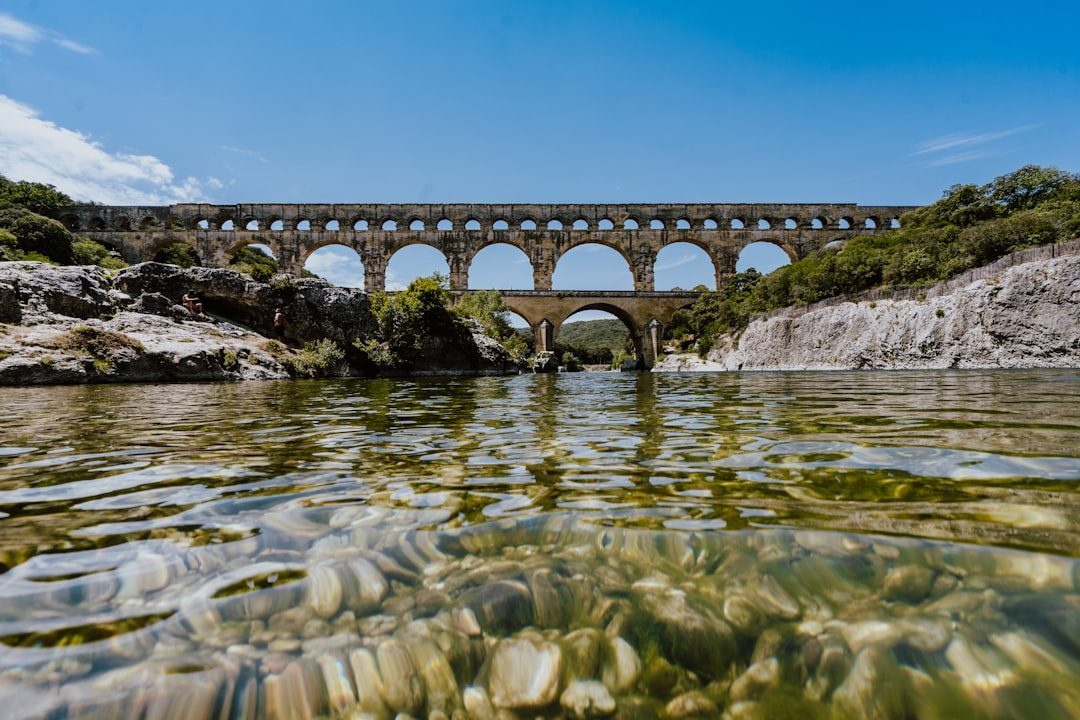
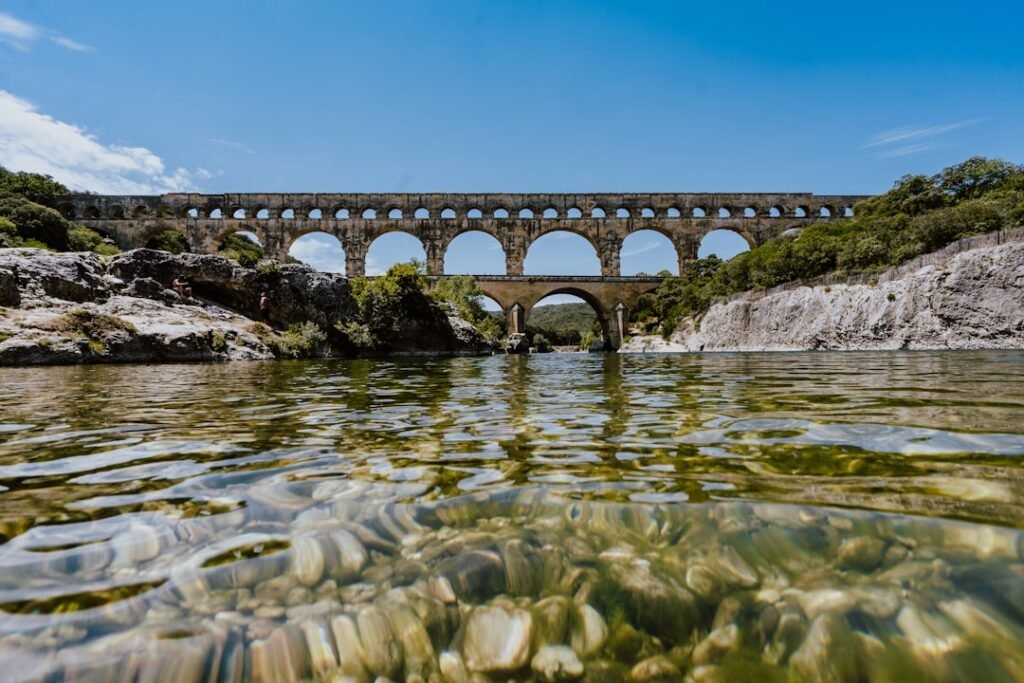
Eleven different aqueducts brought roughly one million cubic meters of water into Rome daily. Rome’s first aqueduct was built in 312 BC, and by the third century AD, the city had eleven aqueducts sustaining a population exceeding one million.
The engineering precision required was staggering. The structure’s construction allowed an average gradient of roughly 1 in 3,000. Get that slope wrong, and either the water moves too slowly and stagnates, or it flows too fast and damages the channels.
The Pont du Gard in southern France carried an estimated 20,000 cubic meters of water daily over 50 kilometers. The bridge stands nearly 160 feet high with three tiers of arches. Walking beneath it today, you can’t help but feel tiny against something humans built without modern machinery. Most of these aqueducts ran underground, but when they needed to cross valleys, the Romans built those iconic stone bridges we still photograph today.
The Via Appia: Queen of Roads
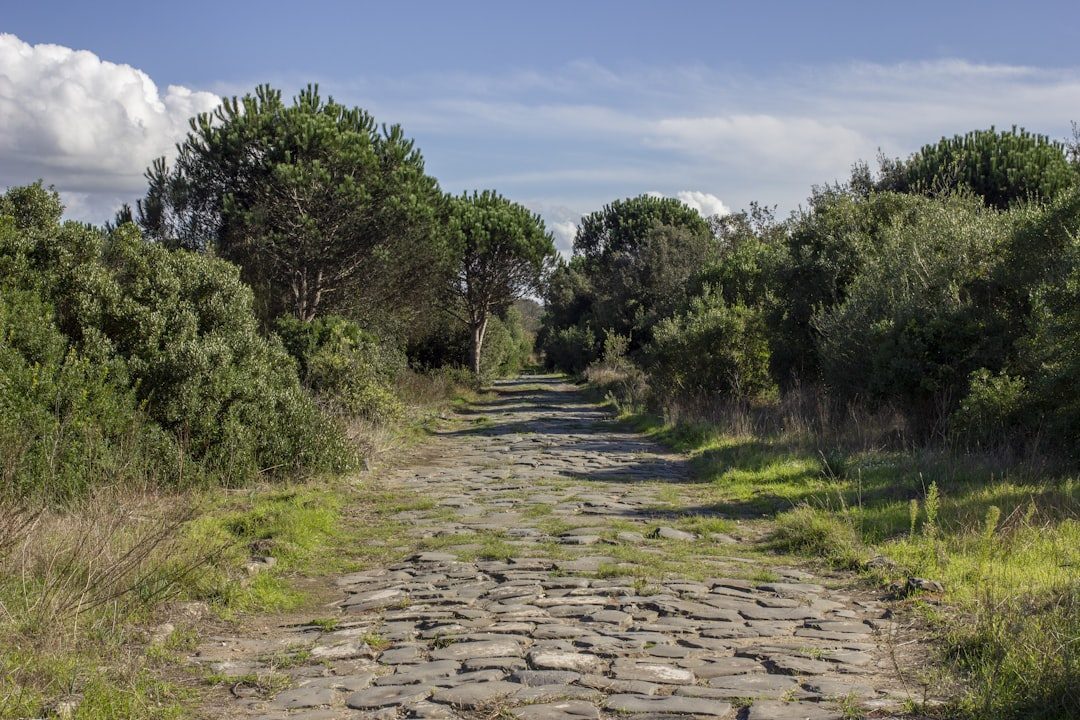
Construction of the Appian Way started in 312 BC, beginning as a leveled dirt path topped with small stones and mortar, then gravel, and finally tightly fitting interlocking stones. The road’s foundation consisted of heavy stone blocks cemented with lime mortar, topped with polygonal lava blocks smoothly fitted together.
Historian Procopius remarked that the stones fit so securely they appeared to have grown together rather than been set by hand. That’s the kind of craftsmanship that makes modern construction look sloppy by comparison. The Via Appia contains the longest stretch of straight road in Europe, totaling 62 kilometers.
The Roman road network stretched from northern England to southern Egypt, totaling no less than 120,000 kilometers during the Empire. Roads weren’t just for moving troops quickly. They connected markets, facilitated trade, and helped spread Roman culture across three continents. Parts of these roads are still in use today, which tells you everything about their durability.
The Colosseum’s Architectural Marvel
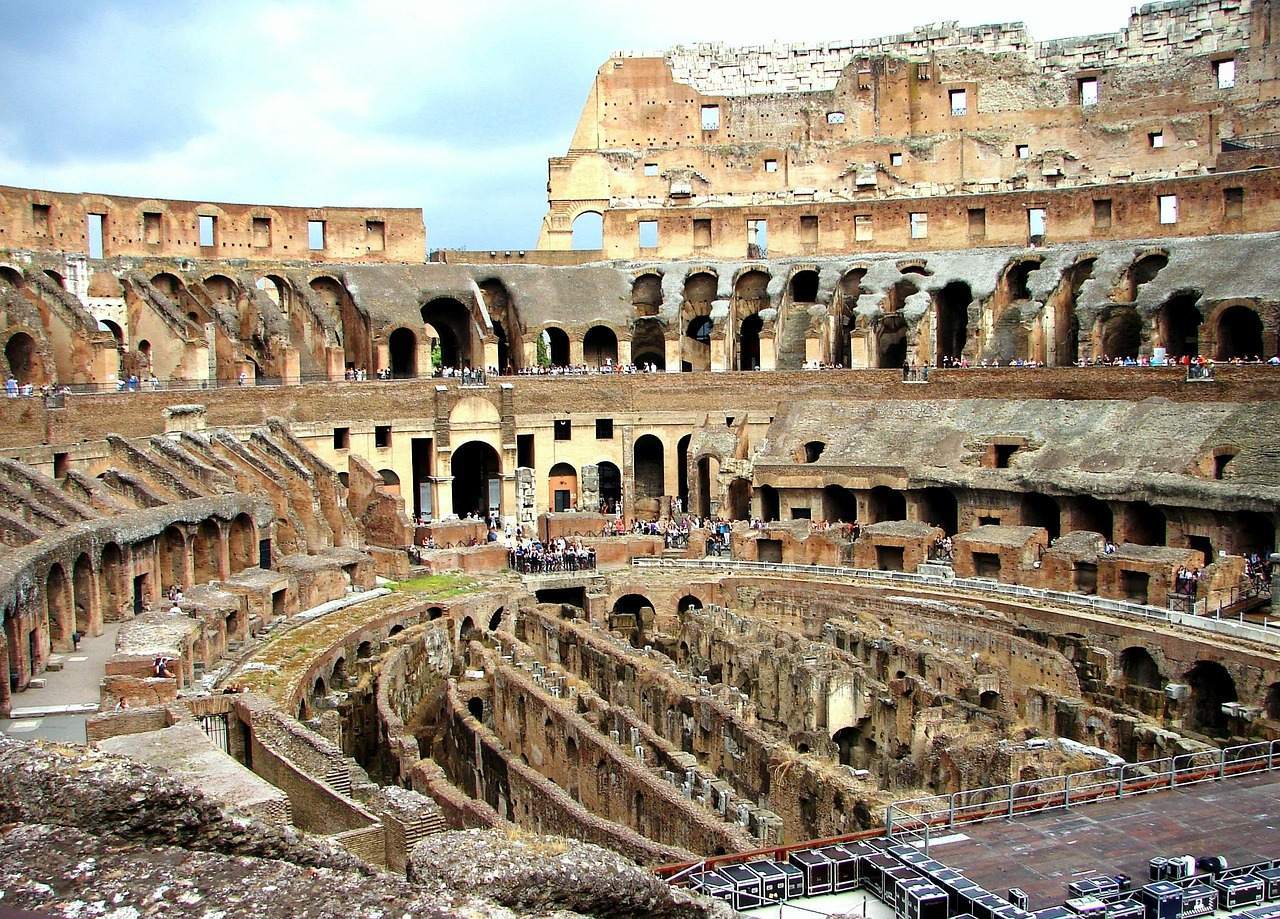
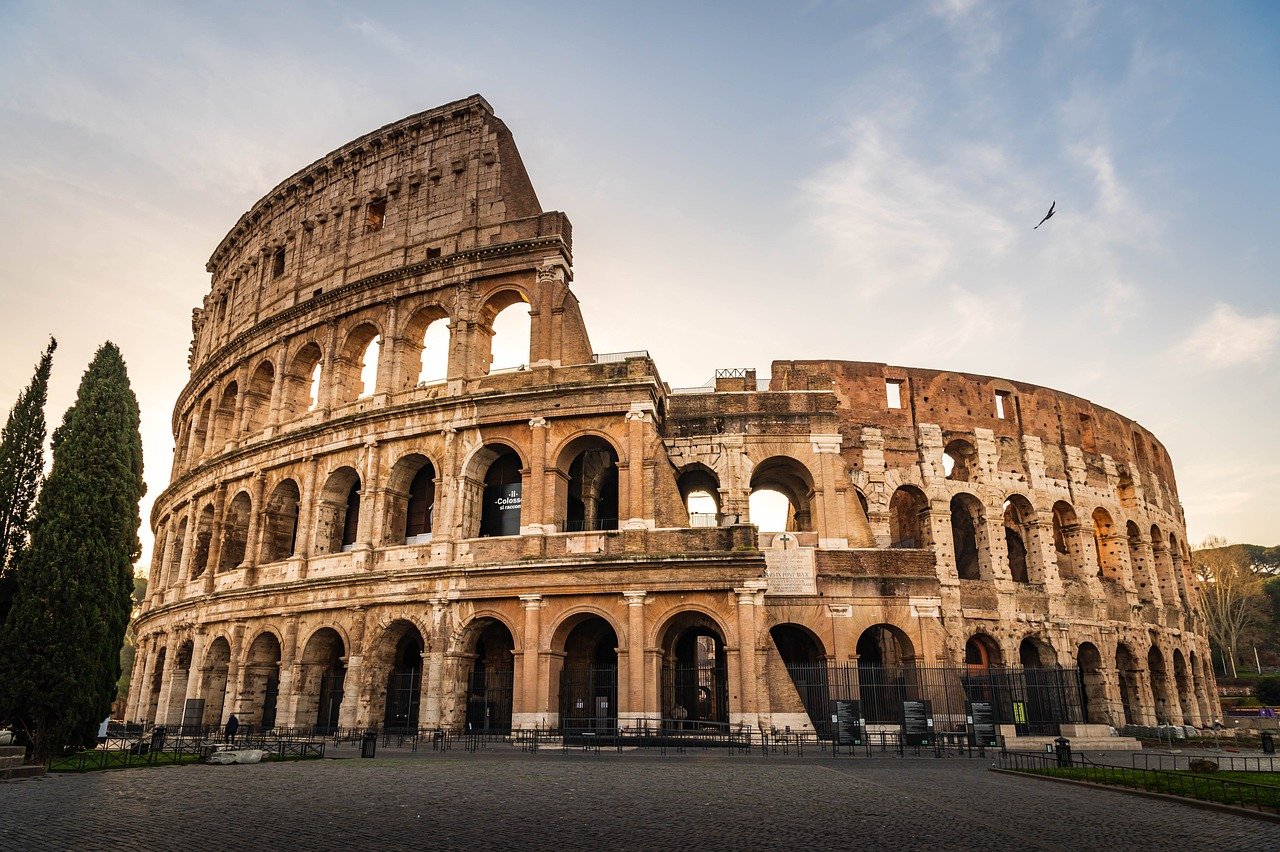
The Colosseum measured 510 feet wide and 615 feet long, comfortably accommodating 50,000 spectators. Let’s be real, building something that massive using ancient techniques required both engineering brilliance and sheer determination.
Romans improved arch functionality by flattening shapes to create segmental arches, ensuring weight was evenly distributed across multiple supports to prevent crumbling. The Colosseum exemplifies Roman mastery of creating arches for structural strength and durability.
Its intricate network of arches, vaults, and tunnels facilitated efficient movement of crowds, gladiators, and animals, while the velarium retractable awning provided shade. The underground hypogeum system beneath the arena floor housed elaborate machinery for special effects during events. Though earthquakes and stone robbers damaged parts of it over centuries, what remains still dominates the Roman skyline.
The Cloaca Maxima Sewer System
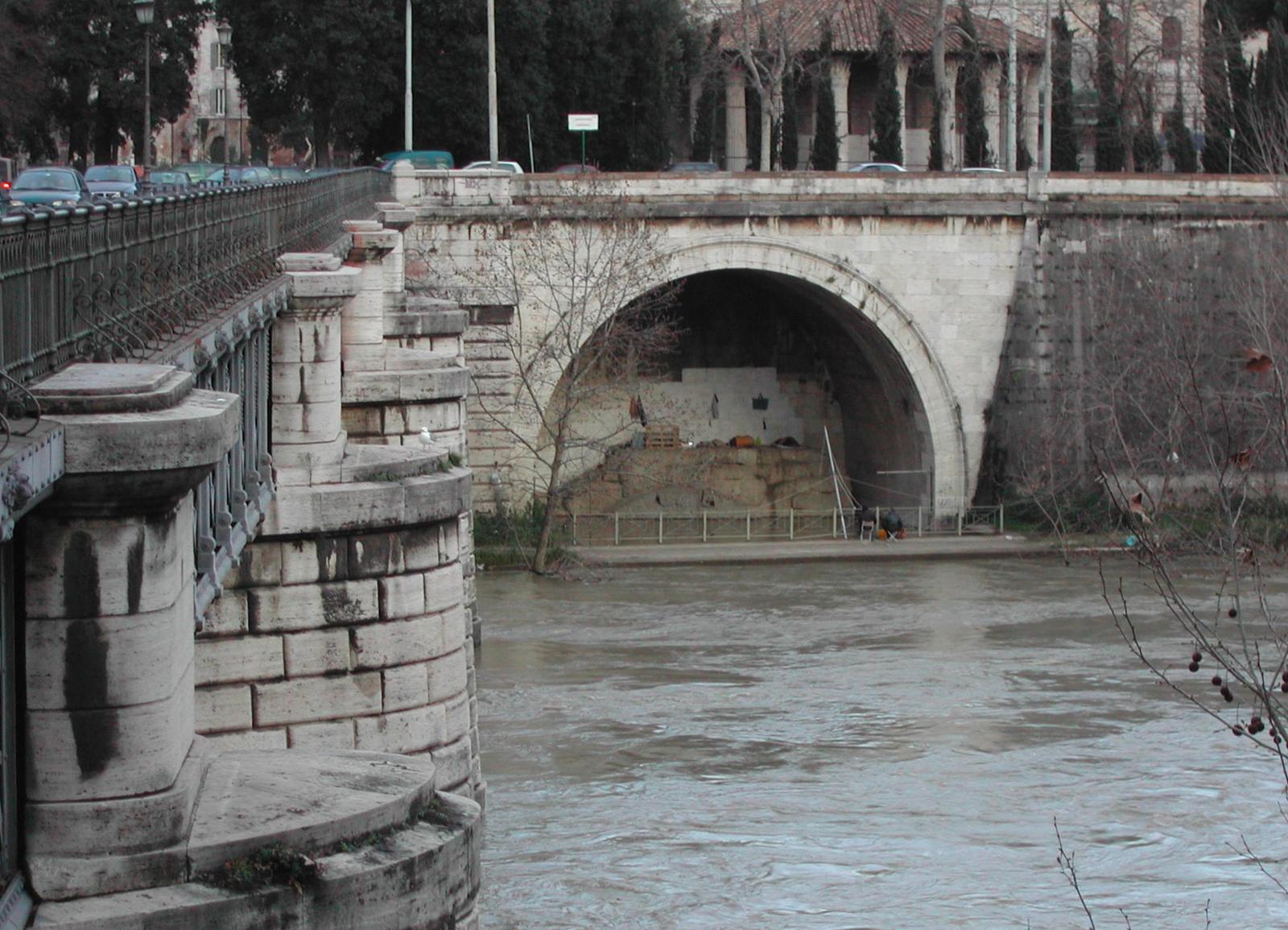
Originally built to drain rainwater from Rome, the Cloaca Maxima is one of the world’s earliest drainage systems, constructed to drain local marshes and remove waste. According to tradition, it may have been constructed around 600 BC under orders from King Tarquinius Priscus.
Pliny the Elder described the early Cloaca Maxima as large enough to allow passage of a wagon loaded with hay. That’s one seriously impressive sewer. By the first century AD, all eleven Roman aqueducts were connected to the sewer, helping supply public baths like the Baths of Diocletian.
The Cloaca Maxima was well maintained throughout the Roman Empire’s life and even today drains rainwater from the center of town. A two thousand year old sewer system still functioning? Most modern cities would be thrilled if their infrastructure lasted fifty years. The Romans understood something fundamental about public health that wouldn’t be rediscovered in Europe for over a thousand years after the Empire fell.
Hypocaust Heating Systems
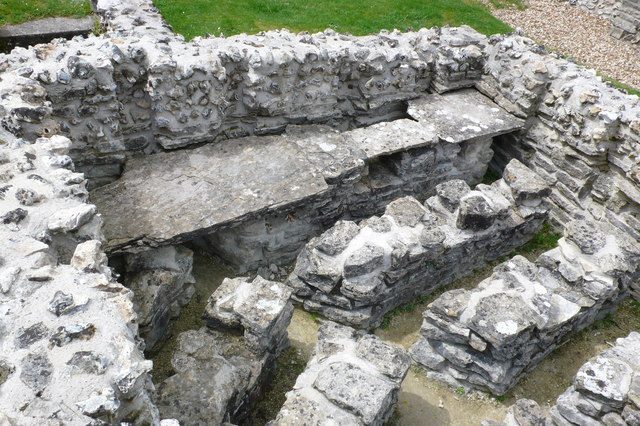
Hypocausts consisted of hollow clay columns spaced below floors supported by concrete pillars, with hot air and steam circulated from an underground fire. Basically, the Romans invented underfloor heating nearly two millennia before it became a luxury home feature.
Vitruvius described their construction in his work De architectura around 15 BC, including details about fuel conservation by building hot rooms for men next to those for women. The heating system could make rooms reach 120 degrees Fahrenheit when operated efficiently.
Flues were built into walls allowing heat to rise to higher floors, with fumes eventually vented through the roof. Running a hypocaust was expensive and labor intensive, requiring constant fire tending, but it provided comfort levels unmatched anywhere else in the ancient world. This technology was crucial for Roman baths, where different rooms required different temperatures.
Roman Bridge Construction
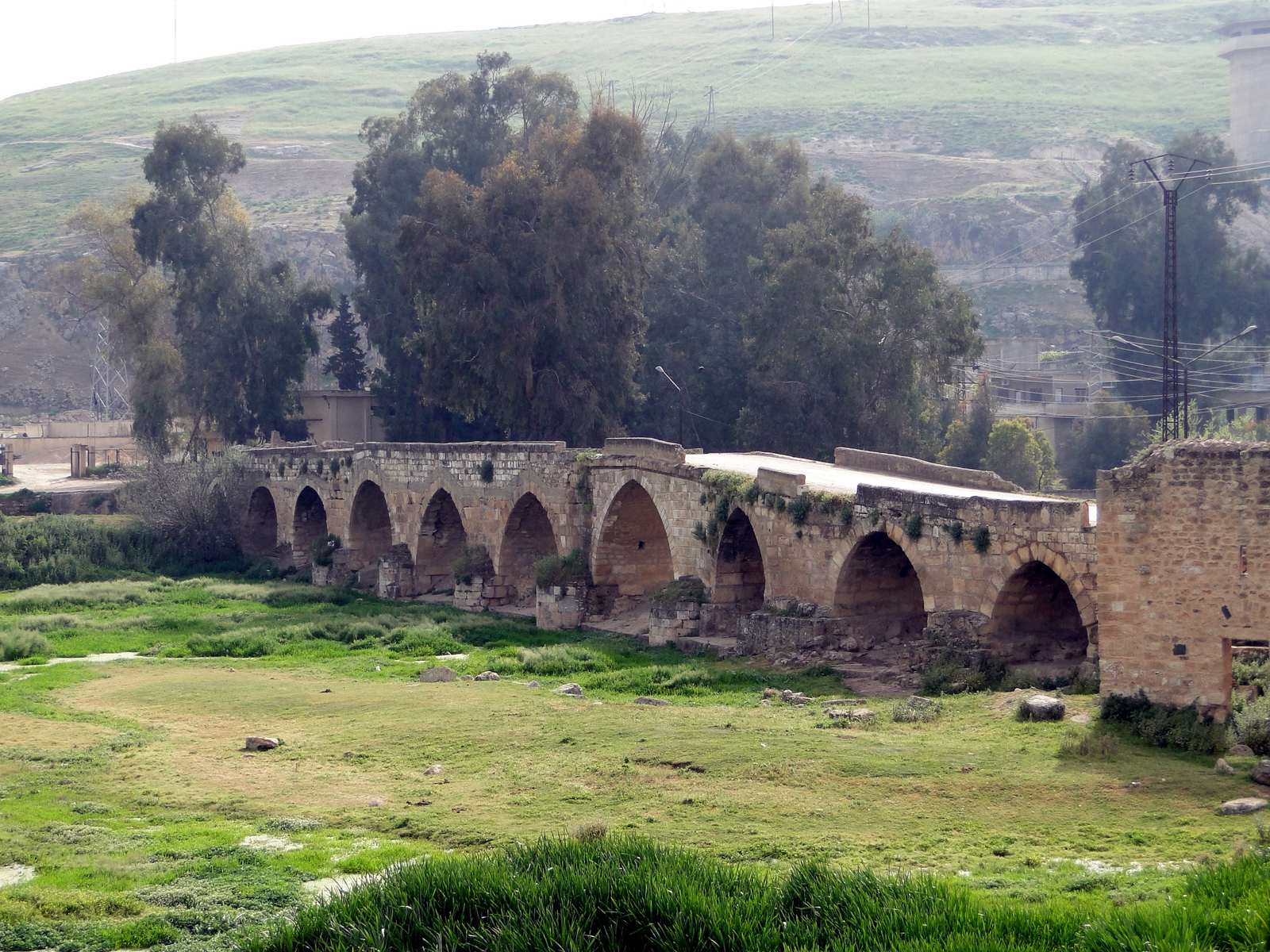
The bridge over the Tagus River at Alcántara, Spain features arch stones weighing up to eight tons each, so perfectly shaped that no mortar was needed in the joints, and it still stands two thousand years later. That’s precision engineering at its finest.
The arch structure allowed for longer spans and made Roman bridges incredibly strong, with engineers favoring semicircular arch bridges but also utilizing segmental designs. For making concrete piers in riverbeds, they developed the cofferdam, which diverted water for shaping and setting piers.
Romans were the first civilization to build large permanent bridges, typically formed with curved stone arches that accommodated sprawling designs and offered more permanence than wood structures. These weren’t just functional structures. Many featured decorative elements and inscriptions celebrating the emperors who commissioned them. Crossing a Roman bridge meant experiencing imperial power firsthand.
Military Engineering and Caesar’s Rhine Bridge
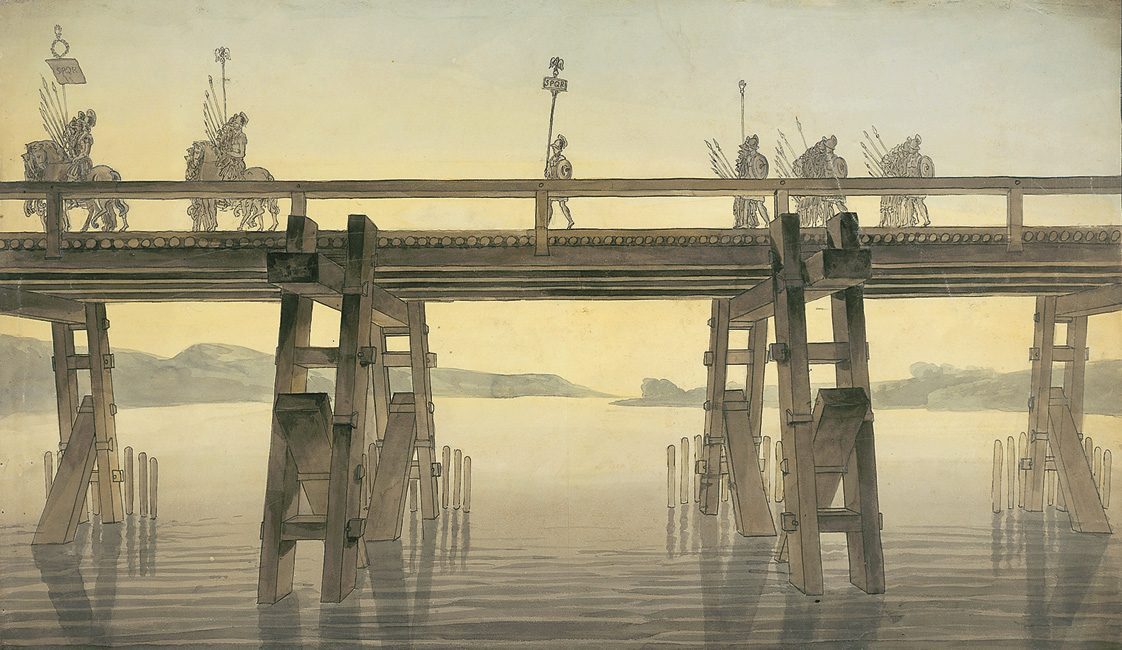
One of the most notable examples of military bridge building was Julius Caesar’s bridge over the Rhine River, completed in only ten days by a team of engineers. Ten days to bridge one of Europe’s major rivers? That’s the kind of speed that terrified Rome’s enemies.
Engineering was institutionally ingrained in the Roman military, who constructed forts, camps, bridges, roads, ramps, palisades, and siege equipment. Roman legions weren’t just soldiers. They were construction crews capable of building fortified camps every single night during campaigns.
Roman engineers improved the ballista design by adding metal components that made it lighter and easier to assemble while improving accuracy by approximately 25 percent, and they invented the carroballista, a cart mounted ballista that added mobility. Military engineering gave Rome tactical advantages that helped them conquer and hold territories across three continents. The ability to rapidly construct bridges, siege equipment, and fortifications meant Roman armies could operate in terrain that would bog down other forces.
Water Management and the Barbegal Mill
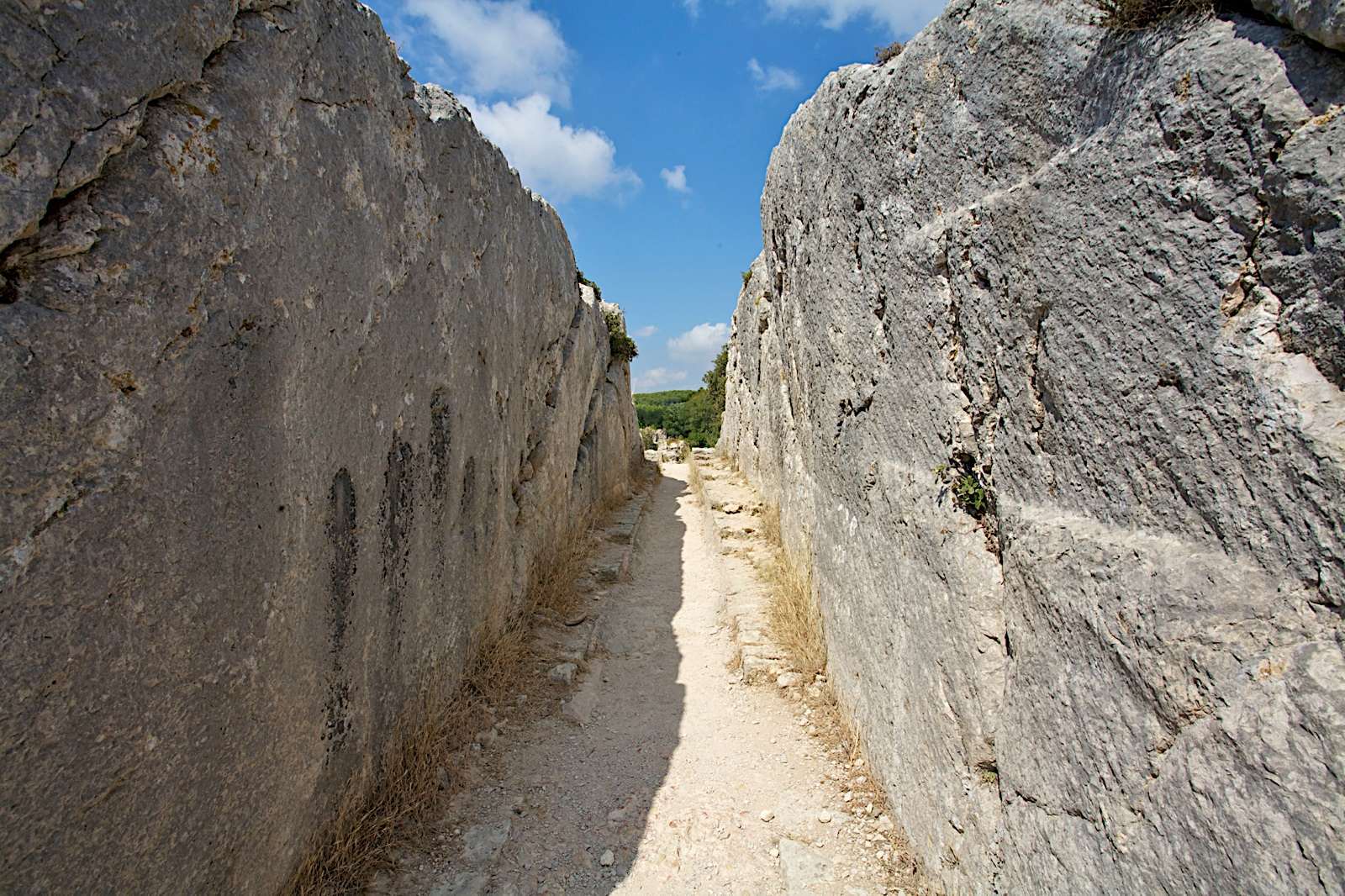
The largest complex of water wheels existed at Barbegal near Arles, where the site was fed by a channel from the main aqueduct, comprising sixteen separate overshot water wheels arranged in two parallel rows down the hillside.
The watermill at Barbegal was one of the largest industrial complexes in the ancient world before the Industrial Revolution, with 16 waterwheels to grind flour for surrounding communities. This was mass production at a scale unmatched until much later periods of history.
Roman expertise in water management extended beyond just moving it from place to place. They understood hydraulic power and how to harness it for industrial purposes. The Barbegal mill complex demonstrates sophisticated understanding of cascade systems and water pressure. Flour production at this scale required careful planning of the entire supply chain, from grain storage to distribution of finished product.
Conclusion: Engineering That Transcends Time
Roman engineering achievements weren’t just impressive for their time. Many remain functional or influential today. Romans are known for remarkable engineering feats in roads, bridges, tunnels, and aqueducts, with their constructions serving as testament to superior engineering skills and ingenuity.
The Romans proved that great engineering requires more than just technical knowledge. It demands vision, organization, and willingness to invest in infrastructure that benefits society for generations. They built with permanence in mind, using materials and techniques designed to last centuries rather than decades.
What’s your take on Roman engineering? Could you imagine modern infrastructure being usable two thousand years from now? Share your thoughts in the comments.