You live in a universe dominated by something you can’t see, touch, or measure directly. It’s not some abstract philosophical concept. It’s real, and it makes up nearly seventy percent of everything that exists. We call it dark energy, and honestly, we have no clea what it actually is.
Think about that for a second. The vast majority of the cosmos is composed of something so mysterious that decades of research have only deepened the puzzle. Scientists can observe its effects, track its influence across billions of years, but the fundamental nature of this force remains frustratingly out of reach. Let’s dive in and explore why this cosmic enigma keeps physicists awake at night.
The Discovery That Changed Everything
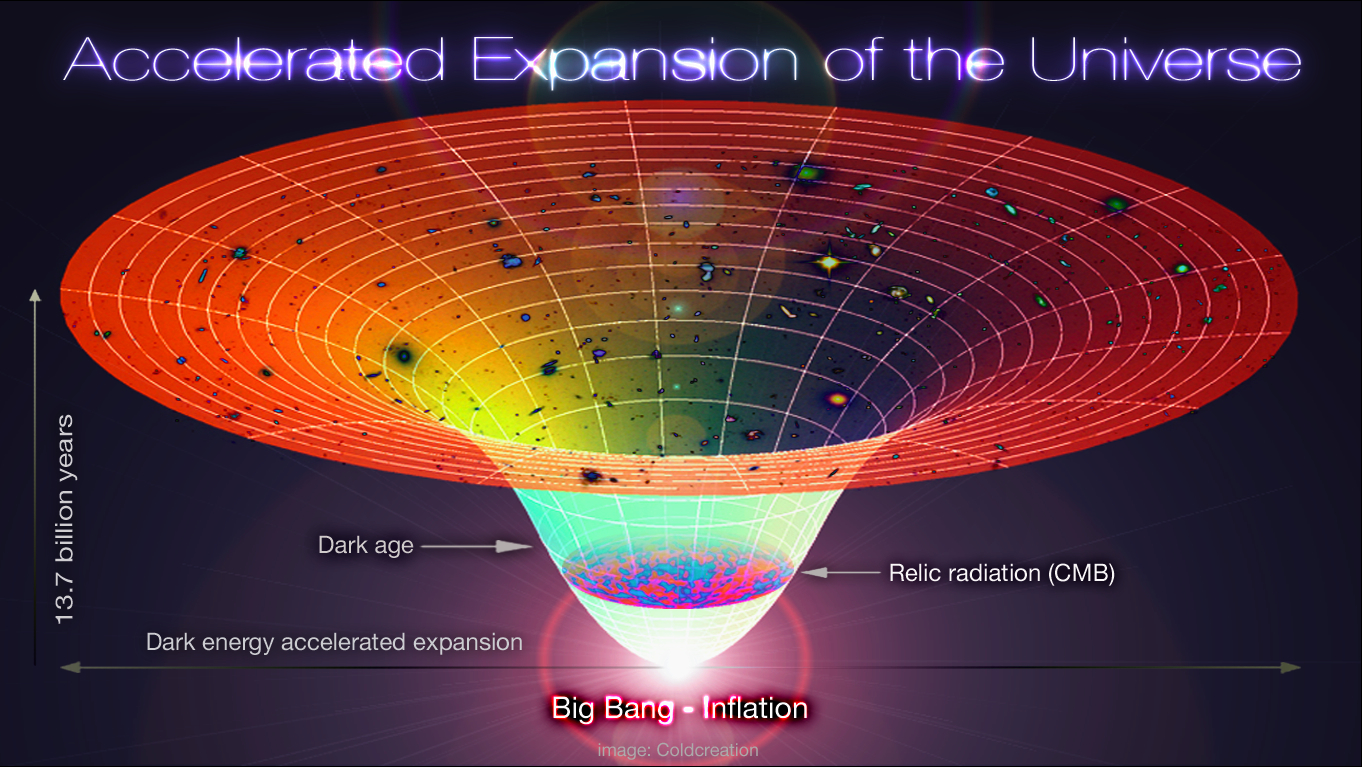
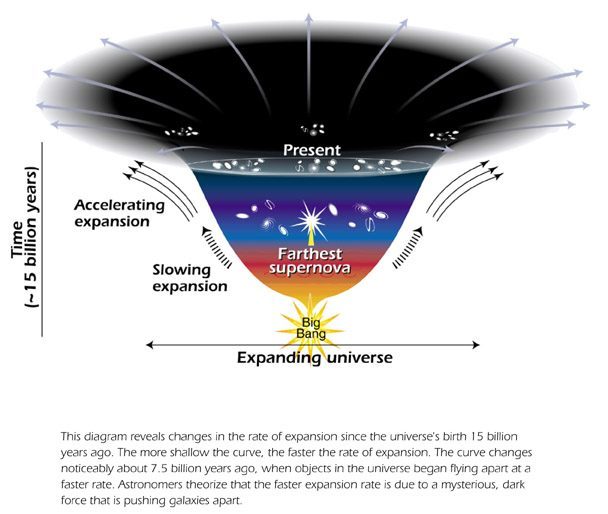
In 1998, two teams of astronomers made distance measurements using supernovas in faraway galaxies and stumbled upon something completely unexpected. The High-Z Supernova Search Team and the Supernova Cosmology Project suggested that the expansion of the universe is accelerating.
This wasn’t supposed to happen. Scientists had assumed gravity would slow the universe’s expansion down over time, like a ball thrown into the air eventually falling back to Earth. Instead, they discovered the universe was speeding up, as if some invisible force was pushing everything apart. The 2011 Nobel Prize in Physics was awarded to Saul Perlmutter, Brian P. Schmidt, and Adam G. Riess for their leadership in the discovery.
Dark energy was just a placeholder name granted to the force driving this acceleration, with scientists hoping a better explanation would eventually emerge. That was more than twenty-five years ago. We’re still waiting.
What Exactly Is Dark Energy Supposed to Be
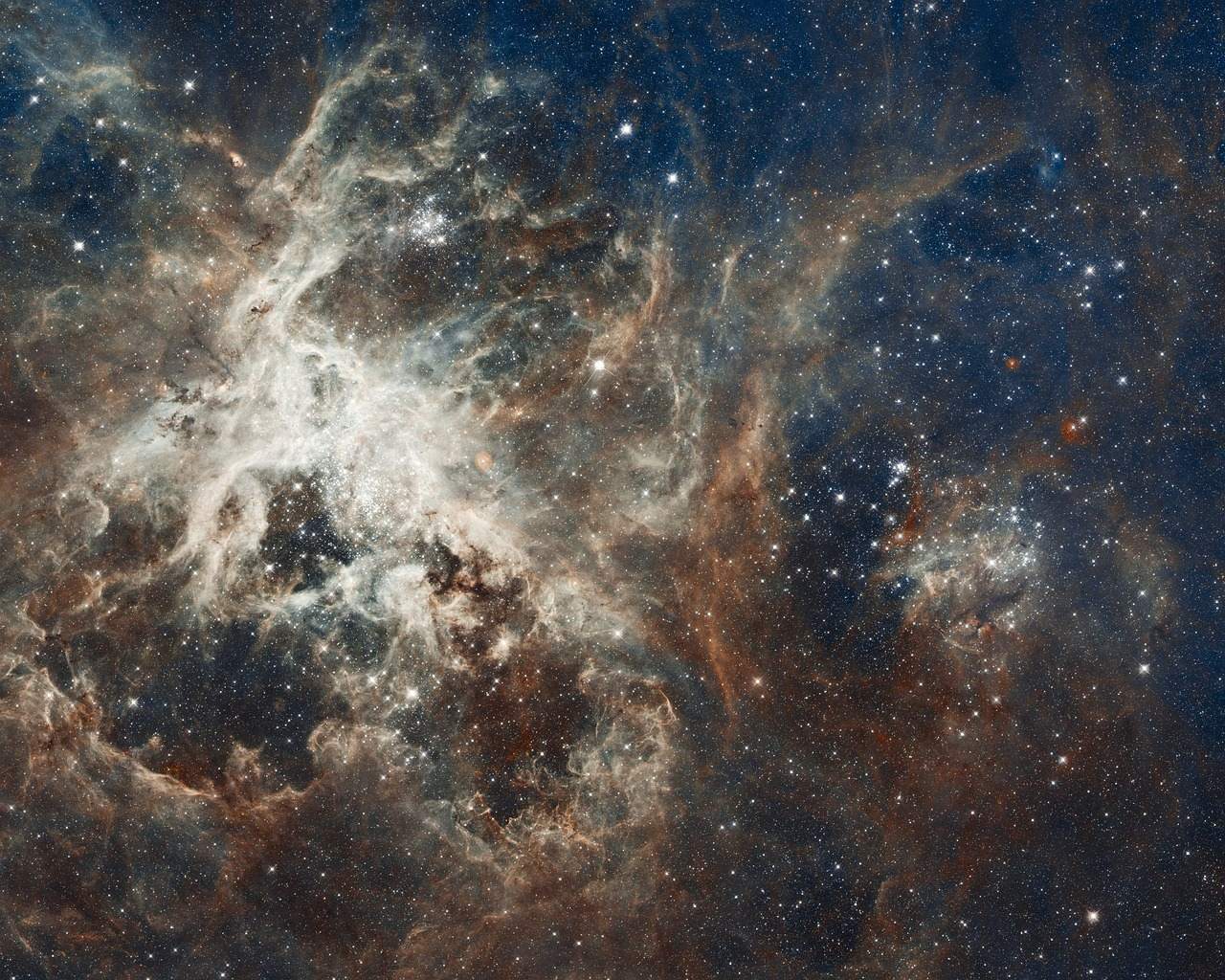
Dark energy is a proposed form of energy that affects the universe on the largest scales, and its primary effect is to drive the accelerating expansion of the universe. The weird thing is, nobody has ever seen it or touched it in a lab.
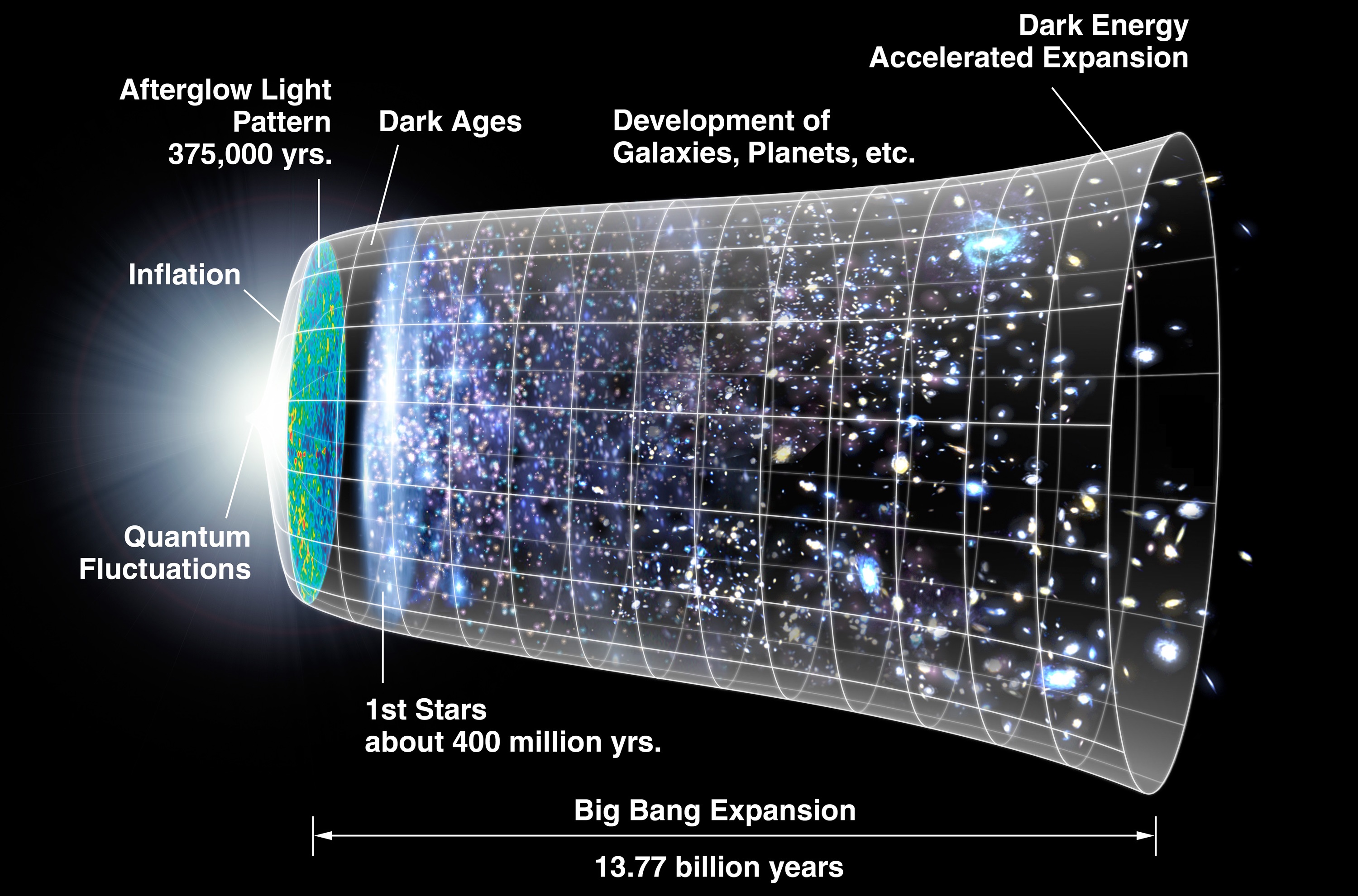
Here’s where it gets truly mind-bending. Dark energy dominates the universe, contributing 68% of the total energy in the present-day observable universe while dark matter and ordinary matter contribute 27% and 5%, respectively. So you, me, the Earth, every star and galaxy visible through our telescopes – all of that represents just five percent of what’s out there.
Dark energy’s density is very low: 7×10⁻³⁰ g/cm3, much less than the density of ordinary matter or dark matter within galaxies. Yet it uniformly fills otherwise empty space, which is why it has such a profound effect despite being incredibly dilute.
Einstein’s Biggest Blunder That Wasn’t
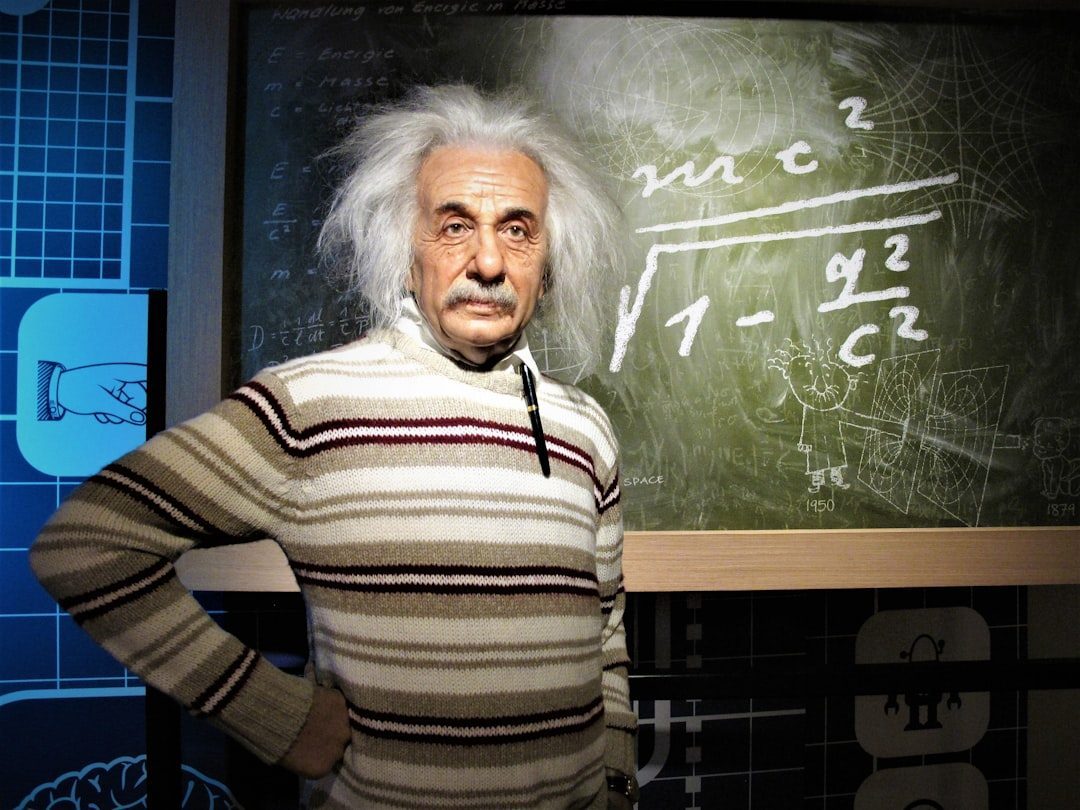
Ironically, Einstein had already thought of something similar a century ago. In his theory of gravity, Einstein noted a mathematical slot for a cosmological constant – energy that has a constant density and pressure everywhere, causing repulsion.
Einstein originally introduced this constant to keep the universe static, which everyone believed at the time. When Hubble’s study of nearby galaxies showed that the universe was in fact expanding, Einstein regretted modifying his elegant theory and viewed the cosmological constant term as his greatest mistake.
Turns out, Einstein might have been onto something after all. Now cosmologists have re-introduced the cosmological constant because it could be the simplest way to explain the observations. Sometimes your biggest mistake is actually your most brilliant insight.
The Instruments Mapping Our Cosmic Fate
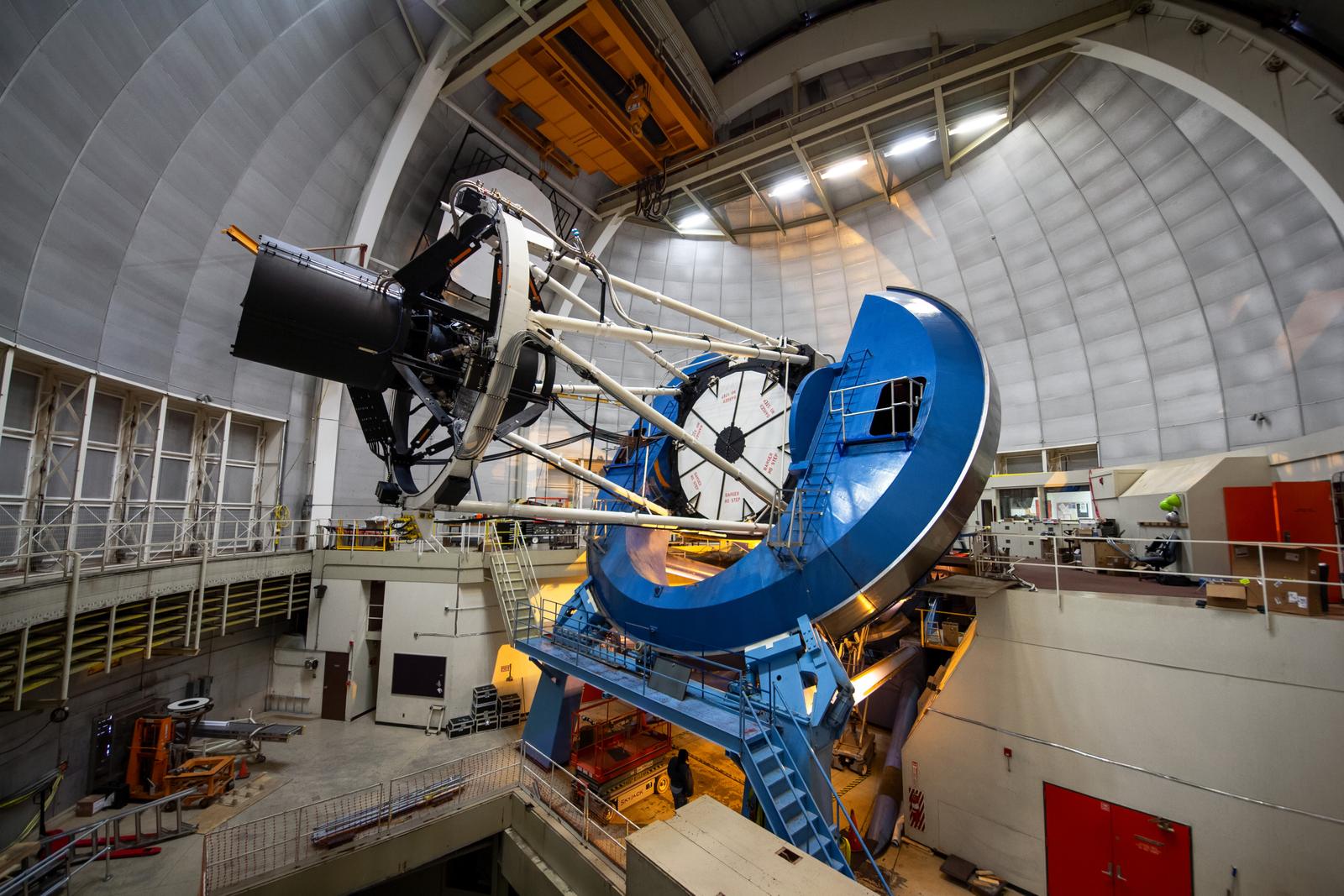
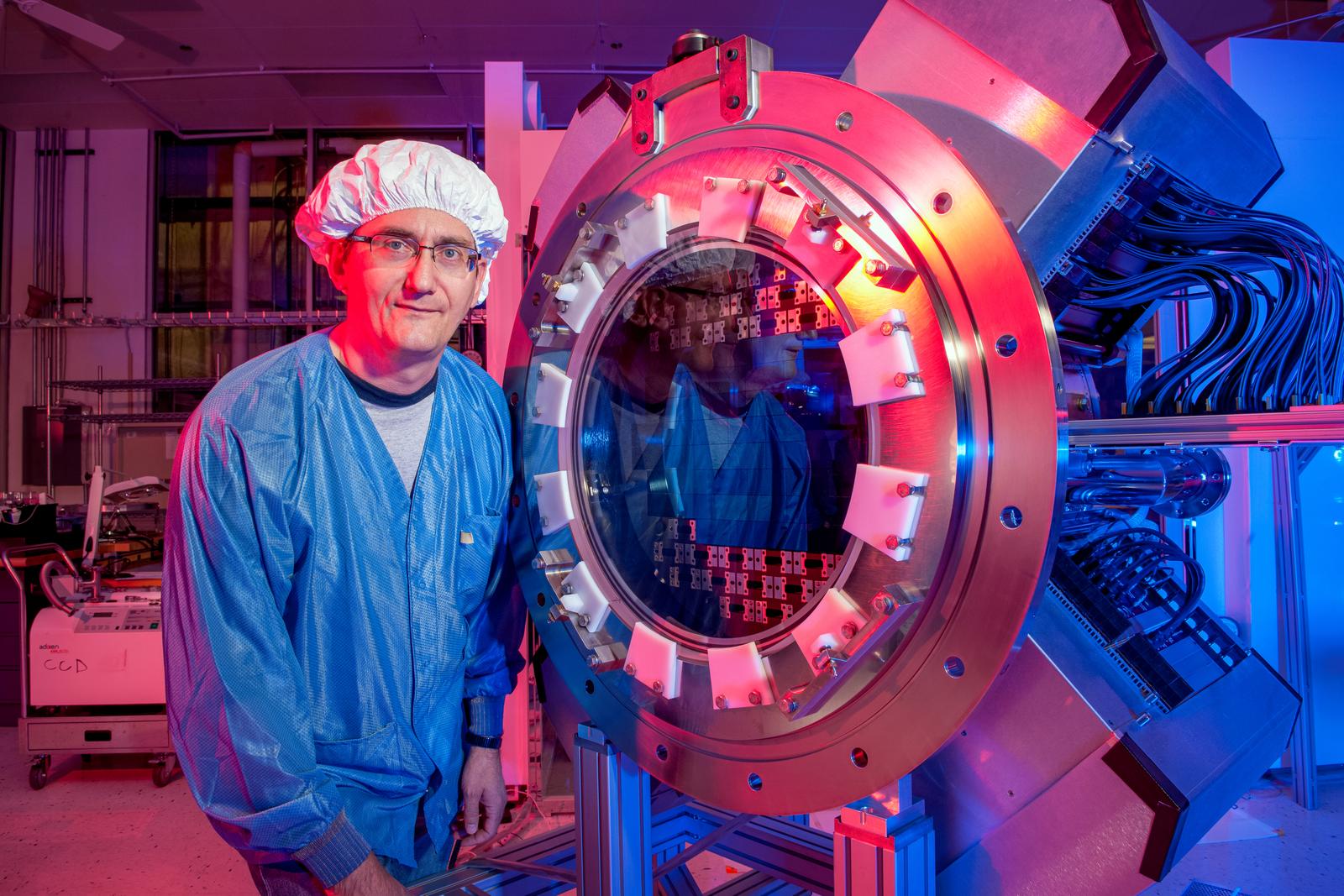
To understand dark energy, you need to map the universe itself. Enter the Dark Energy Spectroscopic Instrument, or DESI. DESI measures the effect of dark energy on the expansion of the universe and obtains optical spectra for tens of millions of galaxies and quasars, constructing a 3D map spanning the nearby universe to 11 billion light years.
This isn’t some modest telescope setup. DESI’s main components are a focal plane containing 5,000 fiber-positioning robots, and a bank of spectrographs which are fed by the fibers. Picture five thousand tiny robots working simultaneously on a mountaintop in Arizona, capturing light from distant galaxies.
The new analysis uses data from the first three years of observations and includes nearly 15 million of the best measured galaxies and quasars – a major leap forward, improving the experiment’s precision with a dataset that is more than double what was used in DESI’s first analysis.
Dark Energy Might Be Changing Over Time
Here’s where things get really interesting. A team of nearly 1,000 cosmologists announced that dark energy might be slackening, and today they report that they have analyzed more than twice as much data as before and that it points more strongly to the same conclusion: Dark energy is losing steam.
Let me be clear – this is absolutely shocking to physicists. For decades, the prevailing assumption was that dark energy remained constant throughout cosmic history. Spectra that probe the past 11 billion years of cosmic history suggest that dark energy appears to be weakening, becoming less pushy over time.
We are much more certain than last year that this is definitely a thing, said Seshadri Nadathur, a member of the DESI collaboration. The implications are staggering. If dark energy is truly evolving, it means our standard model of cosmology needs serious updating.
What Happens If Dark Energy Keeps Weakening
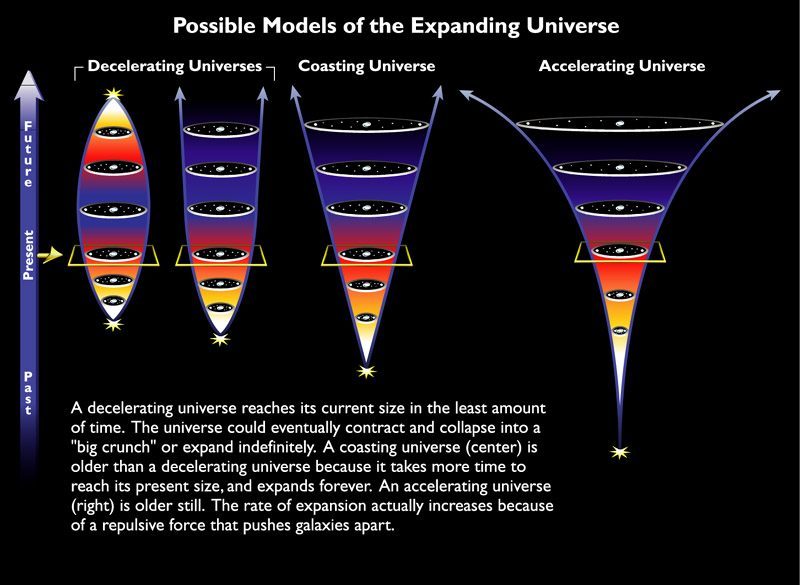
So what does this mean for the future of everything? If dark energy continues weakening, the universe’s expansion could eventually stop or even collapse. That’s right – instead of expanding forever into a cold, dark void, the universe might eventually start contracting.
If DESI’s results are right and its density continues to fall, the outcome could be subtly different – weaker acceleration, a less rapid kind of Big Freeze, or if the density falls far enough, gravity’s influence could eventually become stronger than dark energy’s, potentially leading the universe to expand at an increasingly slower pace.
On the flip side, if dark energy continues to significantly weaken with time, it may become not only less pushy, but perhaps even sucky, causing the universe to contract rather than expand. The cosmic endgame is very much up for grabs.
The Cosmological Constant Problem Is Physics’ Worst Prediction
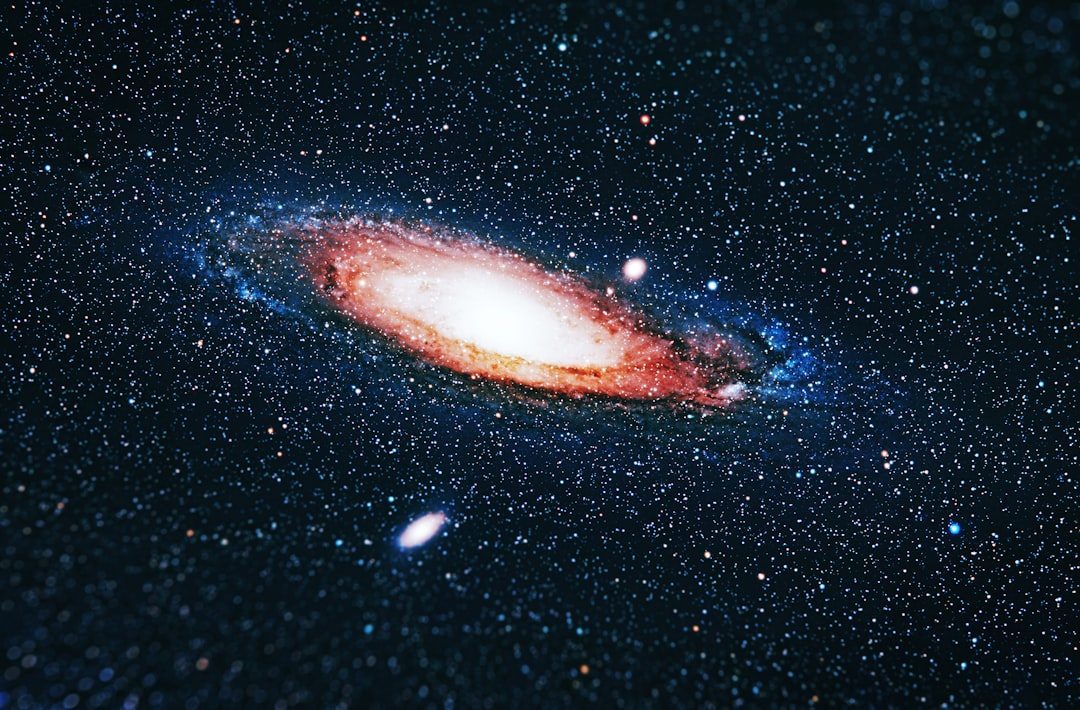
If you think scientists have this all figured out, think again. There’s a problem with the cosmological constant that has been called the worst theoretical prediction in physics history. The observed density of the cosmological vacuum energy density is about 10^{-9} ergs per cubic centimetre; the value predicted from quantum field theory is about 10^{111} ergs per cubic centimetre – a discrepancy of 10^{120}.
Let that sink in. The theoretical prediction differs from observation by 120 orders of magnitude. That’s not a small error. That’s like predicting someone’s height to be the size of the observable universe when they’re actually five feet tall.
This discrepancy has been called the worst theoretical prediction in the history of physics, and this issue is called the cosmological constant problem – one of the greatest mysteries in science with many physicists believing that the vacuum holds the key to a full understanding of nature.
Alternative Theories Challenge Everything We Know
Not everyone is convinced dark energy even exists. A team of physicists and astronomers are challenging the status quo, using improved analysis of supernovae light curves to show that the Universe is expanding in a more varied, lumpier way.
The new evidence supports the timescape model of cosmic expansion, which doesn’t have a need for dark energy because the differences in stretching light aren’t the result of an accelerating universe but instead a consequence of how we calibrate time and distance – it takes into account that gravity slows time.
Some scientists propose modifying Einstein’s theory of gravity itself. Others suggest a mysterious field called quintessence. Another possible theory is known as evolving dark energy or quintessence, in which there is another, previously unknown field that has the opposite effect of matter and normal energy. The truth is, we’re exploring every possibility because the stakes couldn’t be higher.
What the Next Generation of Telescopes Will Reveal
The search for answers continues with increasingly powerful instruments. Further insights will likely come from the Vera C. Rubin observatory, which will not only expand the supernova dataset, but provide a flood of new data on BAOs and the evolution of large-scale structure over cosmic history – the first images from the observatory were released in June 2025.
Another set of informative data could come from the European Space Agency’s Euclid satellite, which launched in 2023 and has been making high-quality galaxy cluster maps spanning 10 billion years of cosmic history – its first cosmological results will appear in October of next year.
These aren’t just incremental improvements. We’re talking about revolutionary instruments that will map the universe with unprecedented precision. Within the next few years, we might finally have enough data to determine whether dark energy is truly evolving – or whether something even stranger is going on.
The Mystery That Defines Our Cosmic Future
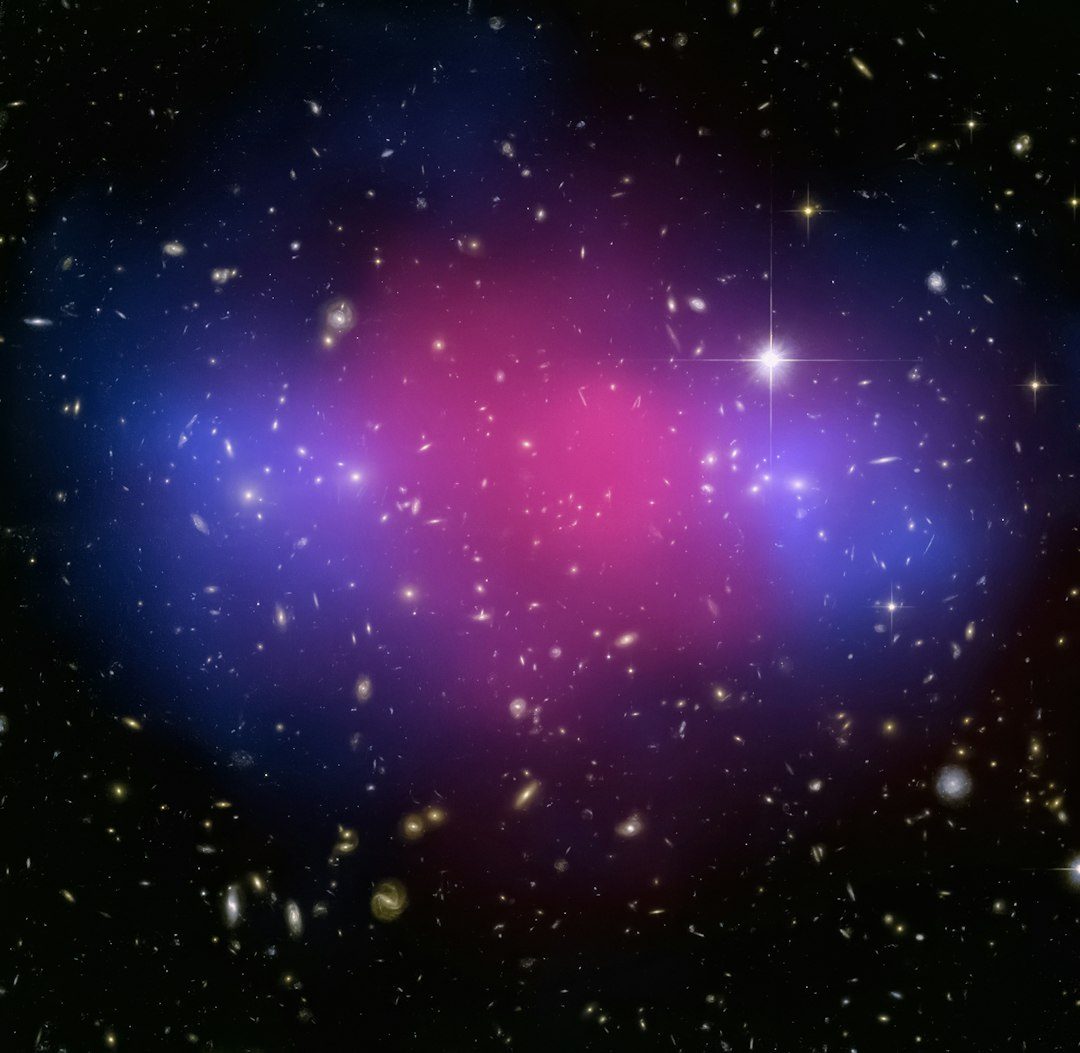
Dark energy has remained in our recipe of the universe, its presence acting as a reminder that the main ingredient of the cosmos remains a mystery. And that’s both humbling and thrilling.
It’s looking more and more like we may need to modify our standard model of cosmology to make these different datasets make sense together – and evolving dark energy seems promising. We’re at a crossroads in our understanding of the universe.
What makes this all so captivating is the realization that we’re living through a pivotal moment in cosmology. The observations we’re making right now, the data we’re collecting this very year, could fundamentally reshape our understanding of reality itself. The universe is full of dark energy, and scientists remain baffled – but that mystery is precisely what drives us to keep looking, keep questioning, keep pushing the boundaries of human knowledge.
What do you think will ultimately explain dark energy? Will it turn out to be something we’ve already theorized, or will the answer be something nobody has even imagined yet?
Hi, I’m Andrew, and I come from India. Experienced content specialist with a passion for writing. My forte includes health and wellness, Travel, Animals, and Nature. A nature nomad, I am obsessed with mountains and love high-altitude trekking. I have been on several Himalayan treks in India including the Everest Base Camp in Nepal, a profound experience.