Thousands of meters beneath the waves, in a place no sunlight has ever reached, life is quietly rewriting the rules of biology. Down there, pressures can crush steel, temperatures hover just above freezing, and yet animals not only survive but thrive with alien elegance. Over the past two decades, a new generation of deep-diving robots, pressure-resistant cameras, and daring expeditions has peeled back the darkness of deep-ocean trenches, revealing creatures that look more like dreams – or nightmares – than anything from a field guide. These discoveries are forcing scientists to rethink where life can exist and what it can look like, with implications that reach from climate science to the search for life on other worlds. The deeper we go, the stranger it gets – and we have barely skimmed the first few pages of this story.
The Hidden Clues Lurking Eleven Kilometers Down
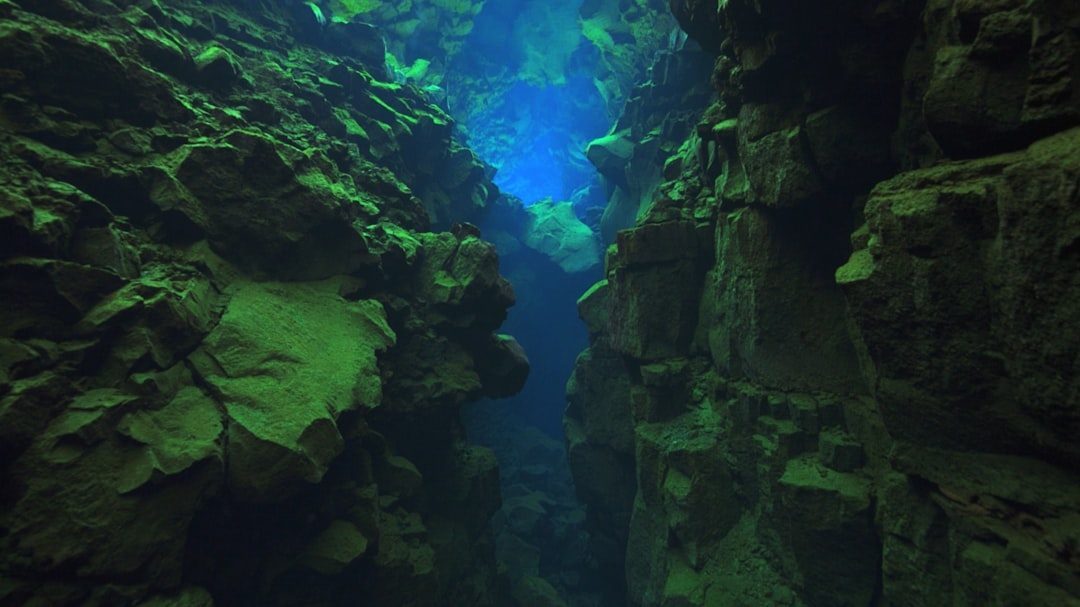
Imagine standing at the bottom of the Grand Canyon, then dropping another eight kilometers into a darkness so complete it feels like a physical weight – that is the realm of the deepest trenches. In places like the Mariana Trench’s Challenger Deep, pressures climb to more than a thousand times what you feel at sea level, turning water itself into something dense and heavy. For a long time, many scientists suspected that only microbes could persist in such a hostile realm, if anything at all. That assumption crumbled as remotely operated vehicles (ROVs) and landers began capturing footage of ghostly snailfish, amphipods the size of a human hand, and gelatinous, almost transparent animals drifting like living glass. Each new image and sample became a clue, hinting that the deep trenches are not lifeless abysses but complex ecosystems hiding in plain sight beneath our ships.
The way researchers uncover these clues is surprisingly patient and methodical for such dramatic surroundings. Free-falling landers, loaded with bait, cameras, and sensors, drop silently through the water column for hours before settling into the mud at the bottom. Sometimes they record nothing but drifting snow-like debris; other times, they capture frenzied feeding scenes of crustaceans, snailfish, and mysterious worms converging from the dark. Over years, these scattered glimpses have built up a picture of trenches as biological hotspots, funnels that capture organic material sinking from the surface and channel it to specialized creatures below. The result is a portrait of a world that is harsh yet surprisingly rich – if you know how and where to look.
From Early Bathyscaphes to Robot Explorers
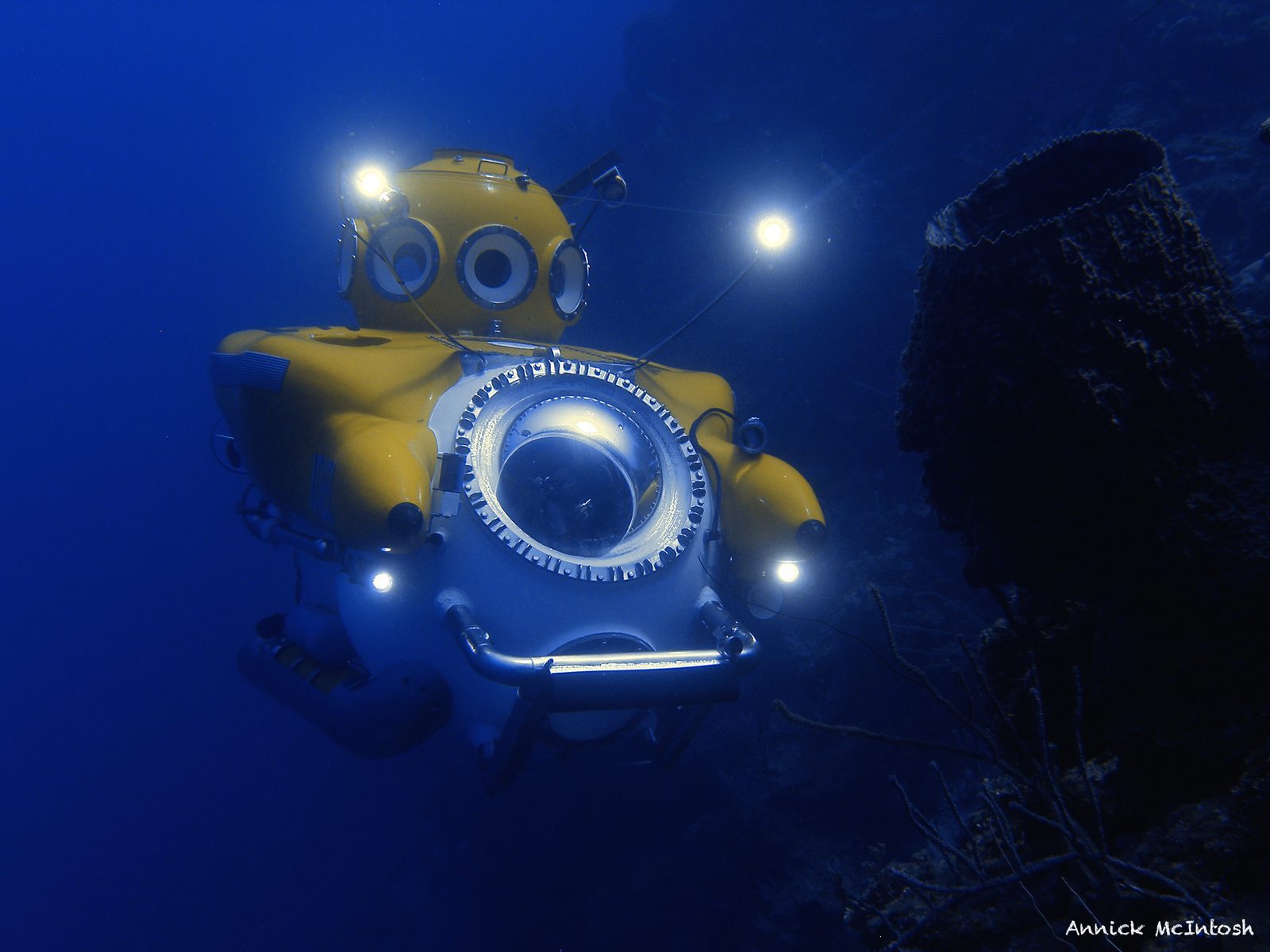
The quest to see the world’s deepest trenches began with hardware that looked more like improvised spacecraft than scientific instruments. In the 1960s, the crewed bathyscaphe Trieste descended into the Challenger Deep, a remarkable engineering feat that still relied on grainy, limited observations from a thick glass porthole. For decades after, such descents were so rare, expensive, and risky that only a handful of people had ever seen the trench seafloor with their own eyes. That scarcity meant our understanding of hadal life – the term scientists use for the deepest ocean zones – was built mostly on dredged-up mud, broken animals, and scattered sonar readings. It was like trying to describe a rainforest from a few leaves caught in a net.
The story changed dramatically with the rise of modern ROVs, autonomous underwater vehicles (AUVs), and free-fall landers equipped with high-definition cameras and pressure-hardened electronics. These machines can spend hours or even days in the abyss, hovering, filming, sampling, and returning to the surface with intact animals preserved at high pressure. In the past fifteen years, they have revealed new species of snailfish living at depths once deemed impossible for vertebrates, and amphipods coated in strange aluminum-rich gels scavenged from surrounding sediments. They have also shown that each trench can host a distinct community, with animals in the Mariana differing from those in the Kermadec or Japan trenches, much like island faunas separated by vast stretches of sea and time. As the tools improve, the boundary between “unreachable” and “routine” keeps shifting deeper.
Creatures That Redefine What an Animal Can Be
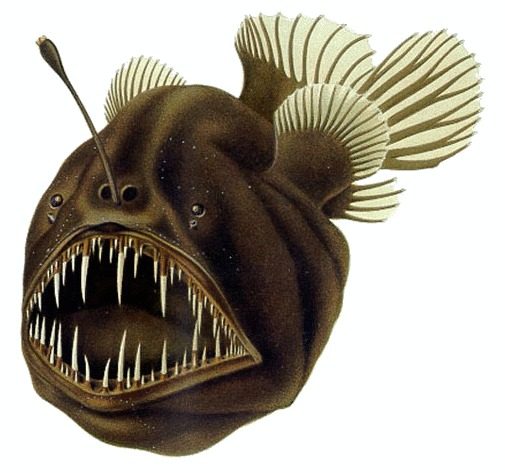
The animals of the deepest trenches look less like familiar fish and crustaceans and more like experiments in alternative biology. Hadal snailfish, for example, are pale, nearly translucent, with gelatinous bodies and skulls so lightly built they would collapse in shallow water; oddly, that softness is exactly what allows them to withstand extreme pressure. Many trench-dwelling crustaceans carry special molecules in their cells known as piezolytes that prevent their proteins from deforming, functioning almost like microscopic shock absorbers. Others rely on flexible membranes packed with unsaturated fats, keeping their cell walls from becoming rigid in the bone-crushing environment. These adaptations make them fragile at the surface but perfectly tuned to a world humans will never experience directly.
At the same time, the behavior of these animals challenges our image of the deep sea as slow and static. Baited cameras at trench depths sometimes record intense feeding frenzies, with dozens of amphipods shredding a carcass in minutes, their movements quick and coordinated despite the cold. Some species appear to migrate up and down the trench slope, using tiny changes in depth to access shifting food supplies. Others show remarkable specialization, such as worms that burrow into nutrient-rich patches of sediment or scavengers that can detect a falling whale carcass from surprising distances. Taken together, these traits suggest that trenches are not just passive sinks but dynamic arenas where evolution runs tough, long experiments in survival.
The Trenches as Chemical Factories and Carbon Vaults
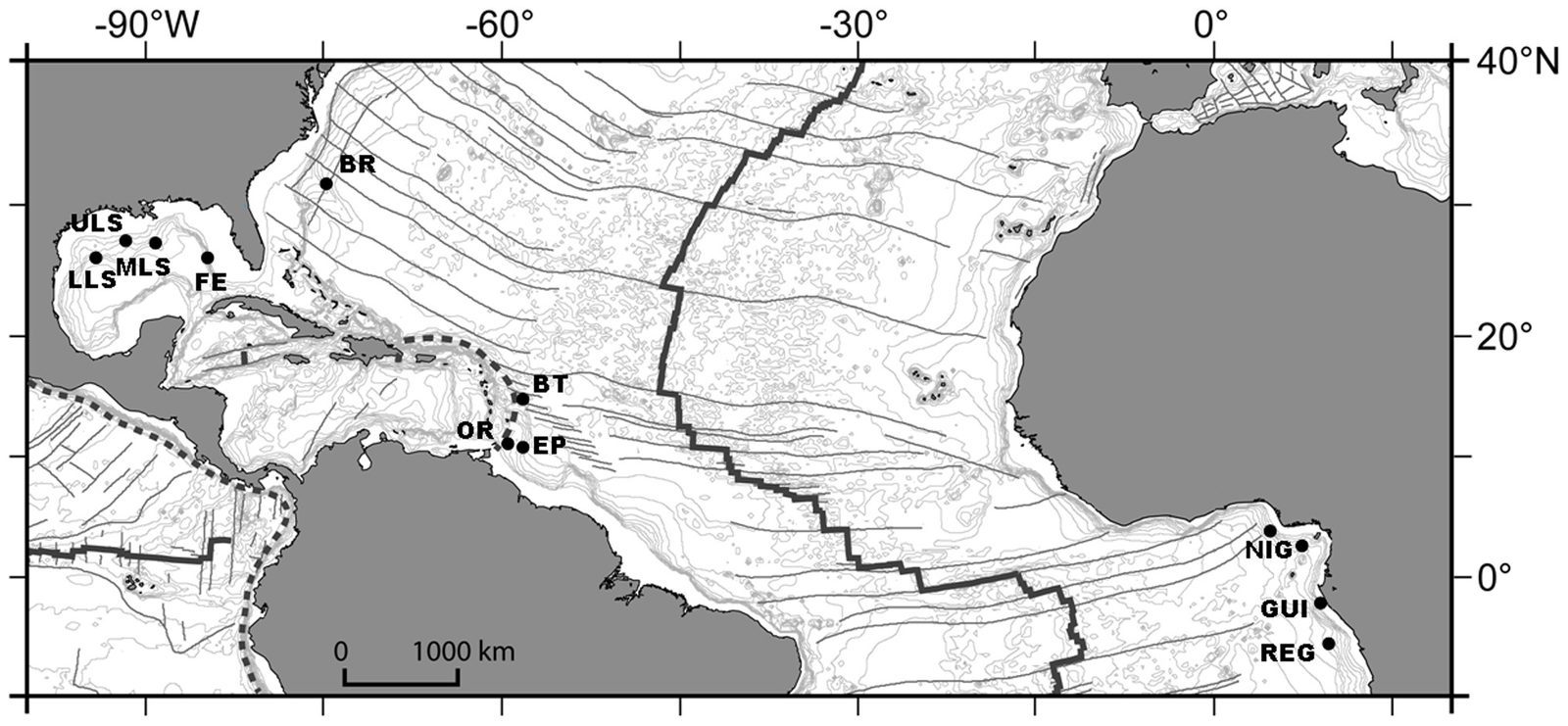
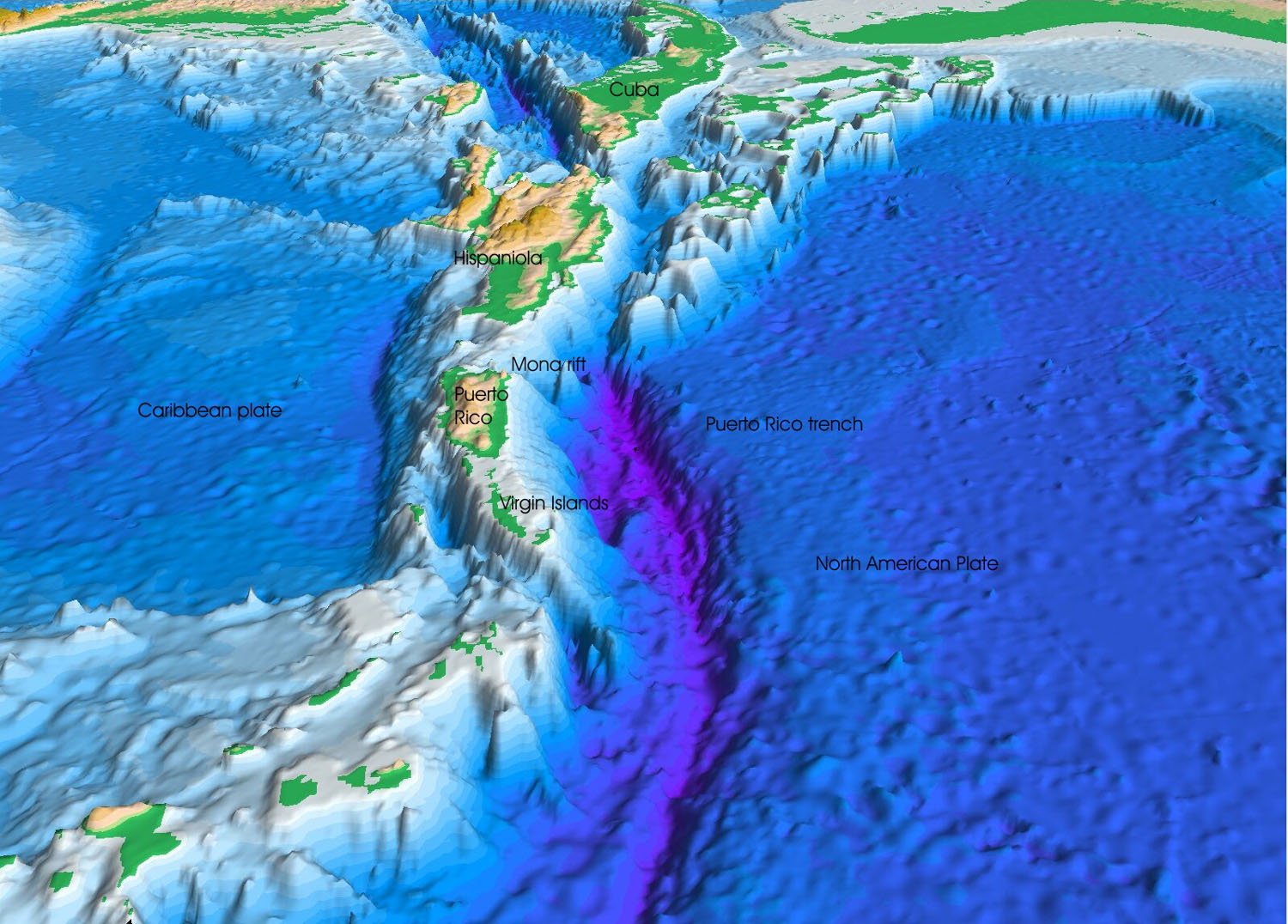
The deep trenches are not only visually strange; they are chemically and geologically intense. Many lie along subduction zones where one tectonic plate plunges beneath another, dragging sediments, organic matter, and even microplastic pollution into the Earth’s interior. As this material accumulates in trenches, it feeds dense microbial communities that break down organic carbon under crushing pressure and low temperatures. Some of that carbon is respired back into the surrounding water, while another portion may be buried and locked away for geological timescales. In effect, these narrow scars on the seafloor may act as hidden levers in the global carbon cycle, quietly influencing how much carbon dioxide remains in the atmosphere over millennia.
Recent expeditions have also revealed that certain trenches host pockets of unusual chemistry – methane seeps, mineral-rich fluids, and steep redox gradients – that nourish chemosynthetic microbes. These microorganisms, which can thrive without sunlight by tapping into chemical energy, form the base of food webs for specialized worms, crustaceans, and other animals. There are hints that microbial life at trench depths may be exceptionally diverse, adapted to both high pressure and complex geochemical conditions. Understanding these microbial communities matters because they help determine how nutrients, metals, and contaminants move through the deep ocean. The trenches, in other words, act not only as physical depressions but as slow, sprawling chemical reactors at the bottom of the world’s largest ecosystem.
Why It Matters: Rethinking Life, Climate, and Even Other Planets
It might be tempting to see hadal creatures as oddities, the biological equivalent of curiosities in a cabinet, but their significance runs far deeper. First, they have reshaped scientific ideas about the limits of life, showing that complex animals can function in conditions once thought lethal to anything with a backbone. That has obvious implications for astrobiology: if vertebrates can adapt to pressures in Earth’s trenches, then microbial life in the subsurface oceans of icy moons like Europa or Enceladus looks less far-fetched. At the same time, the way trenches capture and transform organic matter feeds directly into models of how the planet stores and releases carbon over long timescales. Climate projections that ignore this vast, pressurized realm risk missing a subtle but important piece of the global puzzle.
There is also a more immediate, concrete reason to care: human impacts are already reaching places we have barely begun to understand. Tiny fragments of plastic, industrial chemicals, and traces of persistent organic pollutants have been found in trench sediments and even inside the tissues of resident amphipods. That means our waste has traveled to one of the most remote environments on Earth, entering food webs we do not yet fully comprehend. For me, that realization lands harder than any dramatic deep-sea image; it suggests a kind of planetary footprint that outpaces our curiosity. Knowing what lives in the trenches, and how those ecosystems function, is not a luxury of pure exploration – it is part of understanding the full reach of our own actions.
Global Perspectives: Few Windows into a Giant Hidden World
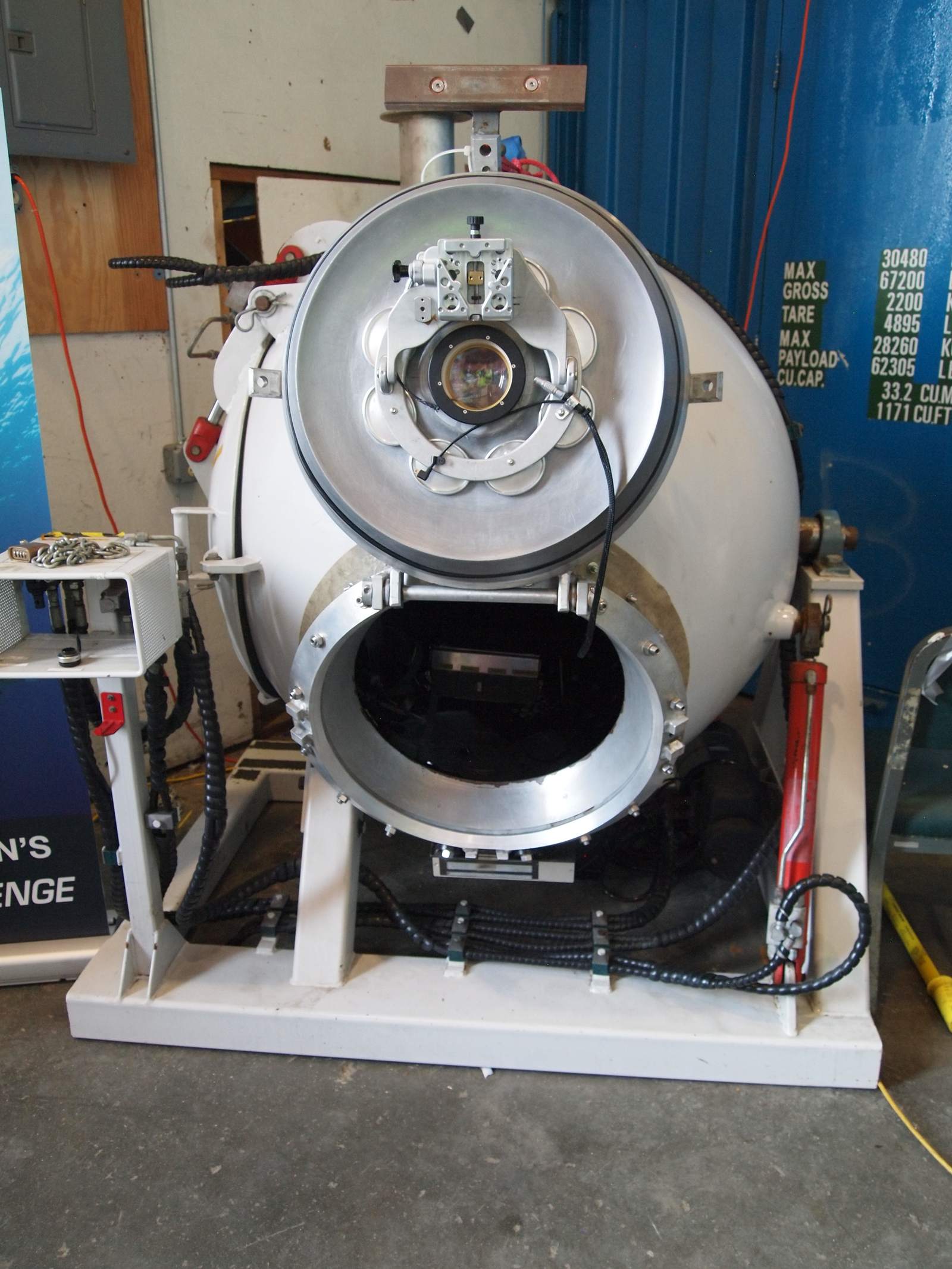
Despite the growing buzz around deep-sea exploration, only a tiny handful of nations and institutions actually have the tools to reach the deepest trenches. Research vessels and full-ocean-depth submersibles are staggeringly expensive to build and operate, and they require teams of engineers, pilots, and scientists working in sync. As a result, a disproportionate share of trench data comes from a small number of expeditions mounted by countries with advanced oceanographic programs and philanthropic partnerships. That concentration risks leaving vast stretches of hadal terrain essentially unvisited, particularly in regions where funding and infrastructure are limited. It also means that global scientific understanding of these ecosystems is based on just a few geographic snapshots rather than a comprehensive map.
At the same time, there is a growing recognition that deep-ocean research must be more collaborative and inclusive. International projects are beginning to share data, ship time, and technology, allowing scientists from coastal nations bordering trenches to participate more fully in research. There is talk of global observing systems that would treat the deep ocean a bit like a shared space telescope, with time and resources allocated across countries. For the public, this shift can feel subtle, but it matters: it changes who asks the questions about the deep sea and whose perspectives shape future policy. The trenches may lie at the boundaries of tectonic plates, but the way we study them is increasingly a test of how well we can cooperate across political ones.
The Future Landscape: Mining, Monitoring, and New Eyes in the Dark
As technology races ahead, the deepest trenches are poised to become both better known and more contested. Improved AUVs are being designed to map trench walls in fine detail, gliding along vertical slopes the way drones trace the edges of skyscrapers. New sensors can eavesdrop on faint chemical signals and low-frequency sounds, potentially detecting everything from subtle microbial processes to the distant boom of submarine landslides. Some researchers envision long-term observatories fixed to trench floors, quietly streaming data about currents, seismic activity, and biological rhythms over years instead of hours. These tools could transform our view of the trenches from occasional snapshots to continuous, evolving stories.
But there is a shadow side to this technological surge. Interest in deep-sea mining has grown, with some proposals targeting mineral-rich areas close to trench systems, raising questions about sediment plumes, noise, and disturbance reaching hadal habitats. Regulations and environmental assessments for activities at such extreme depths are still emerging, often racing to keep pace with industrial ambitions. Future trench exploration will therefore have to navigate not only engineering challenges but ethical and legal ones. How we decide to use – or leave alone – these remote environments over the next few decades will say a lot about what we value as a species. In that sense, the hadal zone is not just a scientific frontier but a moral one.
How You Can Engage with the Deep You’ll Never Visit
Most of us will never see a trench snailfish or watch amphipods swarm over a baited camera in real time, but there are surprisingly direct ways to connect with this hidden world. One of the simplest is to follow and support the organizations that publish open-access deep-ocean data, films, and expedition logs; many now stream dives live, turning exploration into a shared public event. Reducing plastic use and supporting policies that cut pollution might sound abstract, yet these steps directly influence whether microplastics and chemicals keep raining down into trench sediments. If you donate to conservation groups, look for those that explicitly include the deep ocean in their mission, not just colorful coral reefs or charismatic coastal animals.
For me, the most powerful shift comes from changing how we talk about the sea in everyday life. When we think of the ocean, we often picture beaches and waves, not pitch-black valleys deeper than Mount Everest is tall. Simply recognizing that such places exist – and that they host animals as real and complex as anything on land – can nudge conversations about climate, biodiversity, and exploration in a broader direction. Sharing a trench documentary with a friend, asking a policymaker how deep-ocean habitats factor into marine plans, or encouraging a curious teenager toward ocean science can all ripple outward in ways we cannot predict. The ocean’s deepest trenches may seem impossibly remote, but the choices we make on the surface are already shaping their future.
Suhail Ahmed is a passionate digital professional and nature enthusiast with over 8 years of experience in content strategy, SEO, web development, and digital operations. Alongside his freelance journey, Suhail actively contributes to nature and wildlife platforms like Discover Wildlife, where he channels his curiosity for the planet into engaging, educational storytelling.
With a strong background in managing digital ecosystems — from ecommerce stores and WordPress websites to social media and automation — Suhail merges technical precision with creative insight. His content reflects a rare balance: SEO-friendly yet deeply human, data-informed yet emotionally resonant.
Driven by a love for discovery and storytelling, Suhail believes in using digital platforms to amplify causes that matter — especially those protecting Earth’s biodiversity and inspiring sustainable living. Whether he’s managing online projects or crafting wildlife content, his goal remains the same: to inform, inspire, and leave a positive digital footprint.