You know how we’ve mapped Mars and sent rovers across its surface, yet somehow the deepest parts of our own oceans remain largely unseen? It’s wild, honestly. We’re talking about nearly three quarters of our planet that exists in a state of near total darkness, where pressure can crush almost anything and temperatures hover just above freezing. Despite all our technology, we’ve only explored about five percent of what’s down there.
The truth is, our oceans hide things that seem pulled from science fiction. Strange sounds echo through the depths that we can’t quite explain. Creatures glow in patterns we don’t fully understand. Vast stretches of water turn luminous for reasons that still puzzle researchers. Every expedition brings back something that challenges what we thought we knew. So let’s dive in and explore what remains hidden in Earth’s last great frontier.
The Eerie Symphony of Unexplained Ocean Sounds
Back in 1997, researchers listening for underwater volcanic activity recorded something strange and powerful in the southern Pacific using hydrophones placed over 2,000 miles apart. They called it the Bloop. The sound was detected by sensors up to 3,000 miles apart and was several times louder than any whale noise or any other animal noise.
In 2012, oceanographer Robert Dziak and his team determined the Bloop had been caused by the collapse of a massive block of ice near Antarctica. Yet here’s the thing. The Bloop was far louder than any recorded icequake, and the same hydrophone stations picked up stranger sounds still including clicks, moans, and metallic whines from the deep. The Upsweep, present since recording began in 1991, consists of a long train of narrow band upsweeping sounds of several seconds in duration each. Scientists speculate it’s volcanic, but honestly, nobody knows for certain what creates this seasonal tone that rises and falls like the ocean tuning an invisible violin.
The Incomprehensible Depths of the Mariana Trench
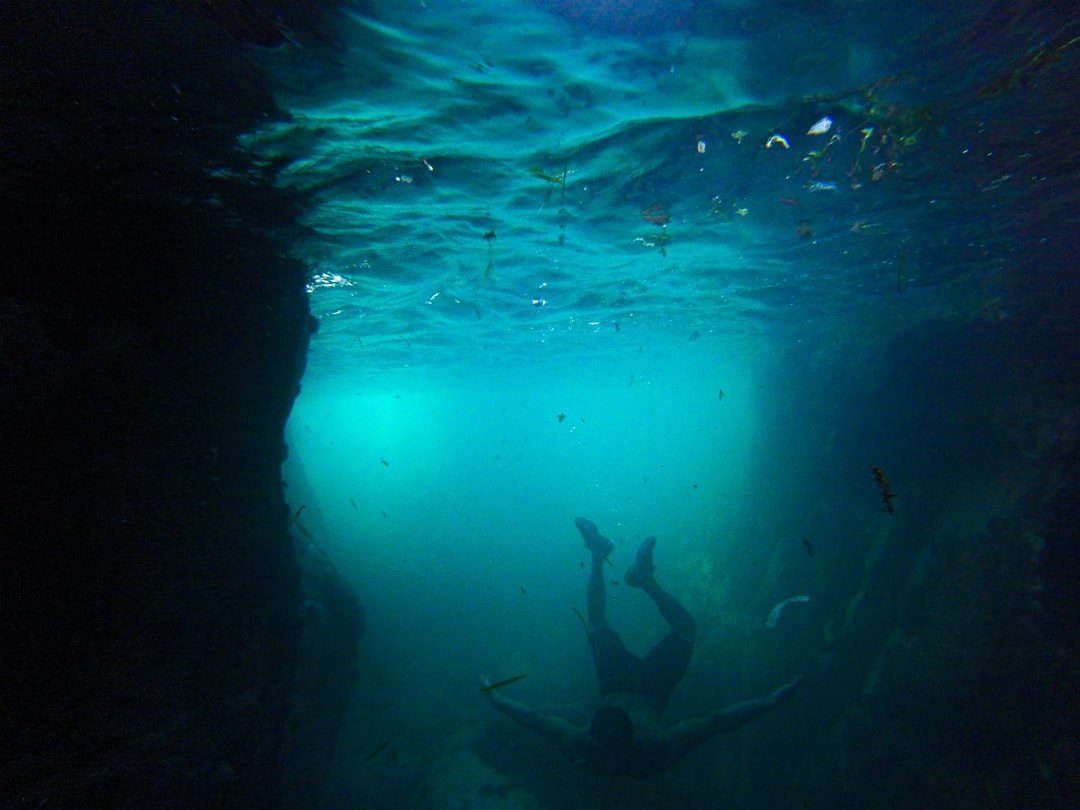
Picture this. You’re standing at sea level experiencing about 15 pounds of pressure per square inch. Now teleport to the bottom of the Mariana Trench and you’d experience pressures of about 15,800 PSI. The Mariana Trench is located in the western Pacific Ocean, stretches about 1,580 miles in length, and its deepest point, the Challenger Deep, sits about 36,037 feet deep.
New research reveals the Mariana Trench comprises five isolated areas, each potentially harboring unique life forms, and the hadal zone extends beyond the trenches to encompass a much wider area. Until recent decades, scientists had almost no clue as to what lifeforms might be hovering there, and if you plunge deeper than 3,280 feet into the ocean, there’s no sunlight to spawn life. Yet life persists in ways that defy our understanding. The creatures that exist in those crushing depths have evolved mechanisms we’re only beginning to glimpse, and frankly, we’re still trying to wrap our heads around how they manage to survive at all.
Creatures That Glow Without Explanation
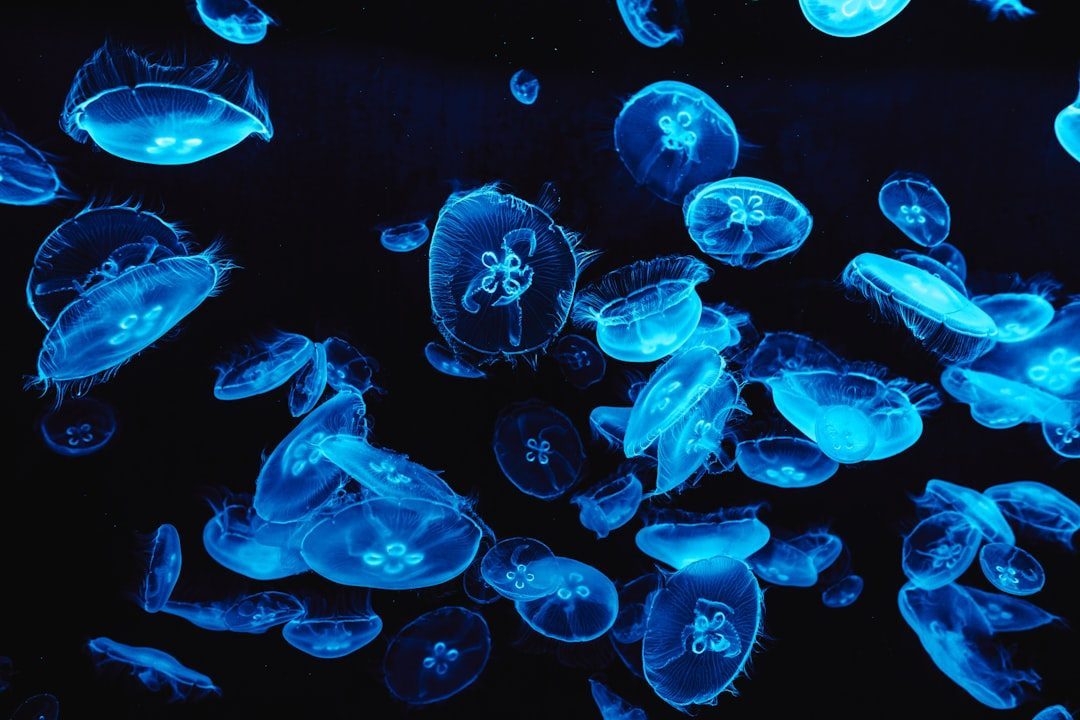
Bioluminescence is extremely common in the deep sea, being found in 80 percent of the animals living between 200 and 1,000 meters depth, and these animals rely on it for communication, feeding, or defense. Simple enough, right? Except not quite. In 2024, scientists found that bioluminescence first emerged in octocorals around 540 million years ago, but we still don’t know what sparked animals to emit light in the first place.
How animals with photophores can so precisely match the downwelling irradiance has remained a long standing mystery, though new preliminary evidence suggests photophores contain photopigment proteins that allow for light detection, raising the exciting possibility that some shrimp can see from structures other than their eyes. Think about that. These creatures may literally see through their glowing organs. Although many marine species are able to produce this living light, much about bioluminescence remains a mystery, and scientists have yet to learn why bioluminescence is common in the ocean water column but not in freshwater.
The Milky Seas Phenomenon That Defies Logic
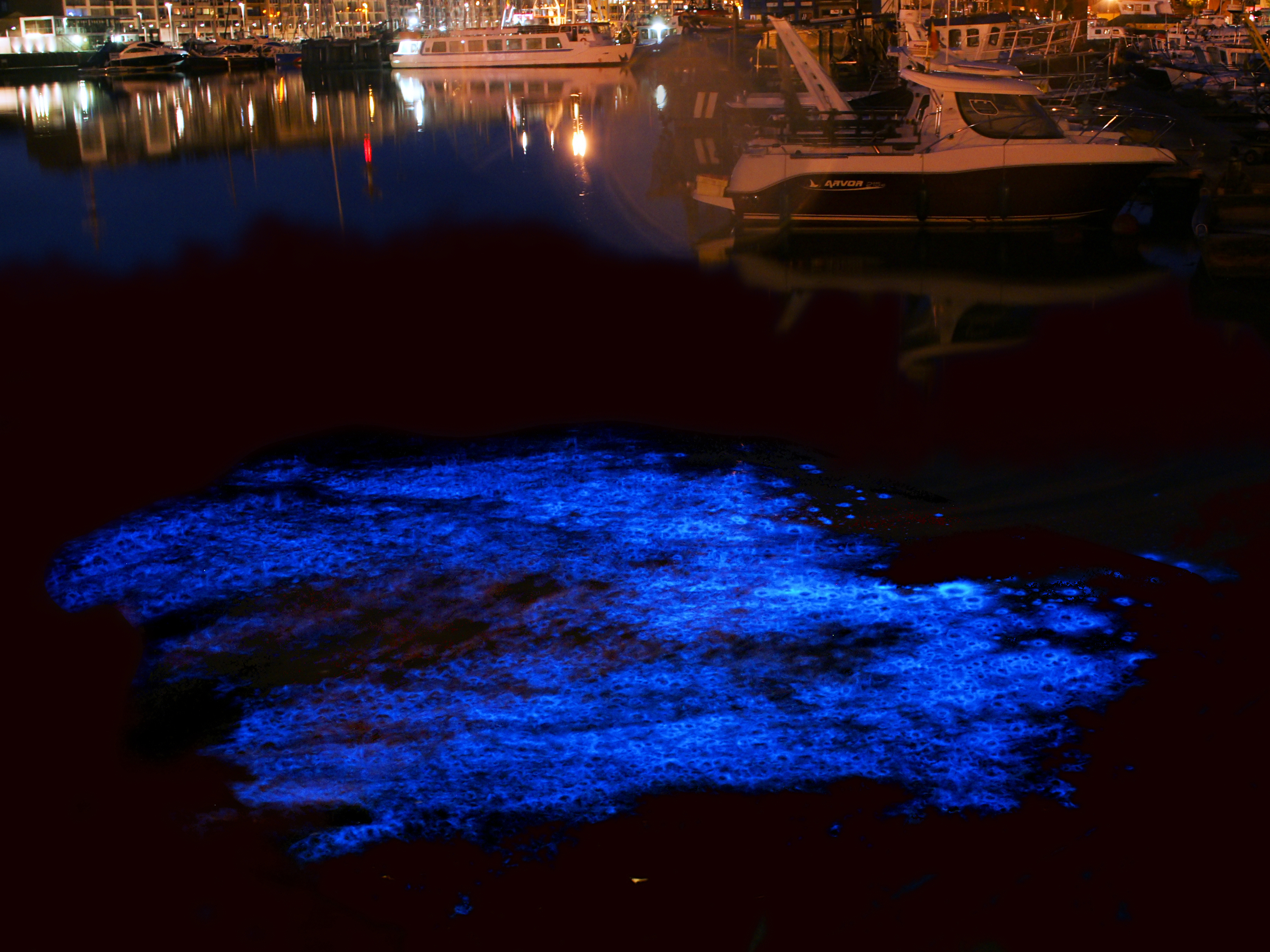
Imagine sailing through pitch darkness when suddenly the entire ocean around you begins glowing a uniform, eerie green. Milky seas are a luminous phenomenon in which large areas of seawater up to 39,000 square miles appear to glow diffusely and continuously in varying shades of blue. The glow has been reported by sailors to be strong enough to read by, and these events can last for months on end, stretching as wide as 100,000 square kilometers, with larger ones visible from space.
Scientists believe it’s likely a byproduct of high concentrations of bioluminescent bacteria called Vibrio harveyi based on a 1985 chance encounter when a research vessel collected and tested a water sample. The circumstances for how they form and how they set about causing the entire ocean to glow like that is still highly unknown. What triggers these bacteria to suddenly light up entire regions of ocean? Why do they appear in specific locations and seasons? We’re still searching for answers to questions that have haunted sailors for centuries.
Strange Life Forms That Shouldn’t Exist
Setting the ultimate record at 8,143 meters was a completely unknown variety of snailfish which stunned scientists when it was filmed several times, with the white translucent fish having broad wing like fins and an eel like tail. It stunned scientists because in other trenches there is only one fish species at this depth, and this fish is really different from any other deep sea fish that scientists have ever seen.
The adaptations are mind boggling. Scientists found single celled organisms at depths of 10.6 kilometers that were the same size as a mango, measuring four inches long, discovered using dropcams with lights and recording devices. Scientists discovered that supergiant amphipods use aluminium to strengthen their exoskeletons, making them the first known species to use aluminium for such a purpose. How these organisms ingest and process aluminum in a way that helps them survive remains one of those biological puzzles that keeps researchers up at night.
Barreleye Fish With Transparent Heads
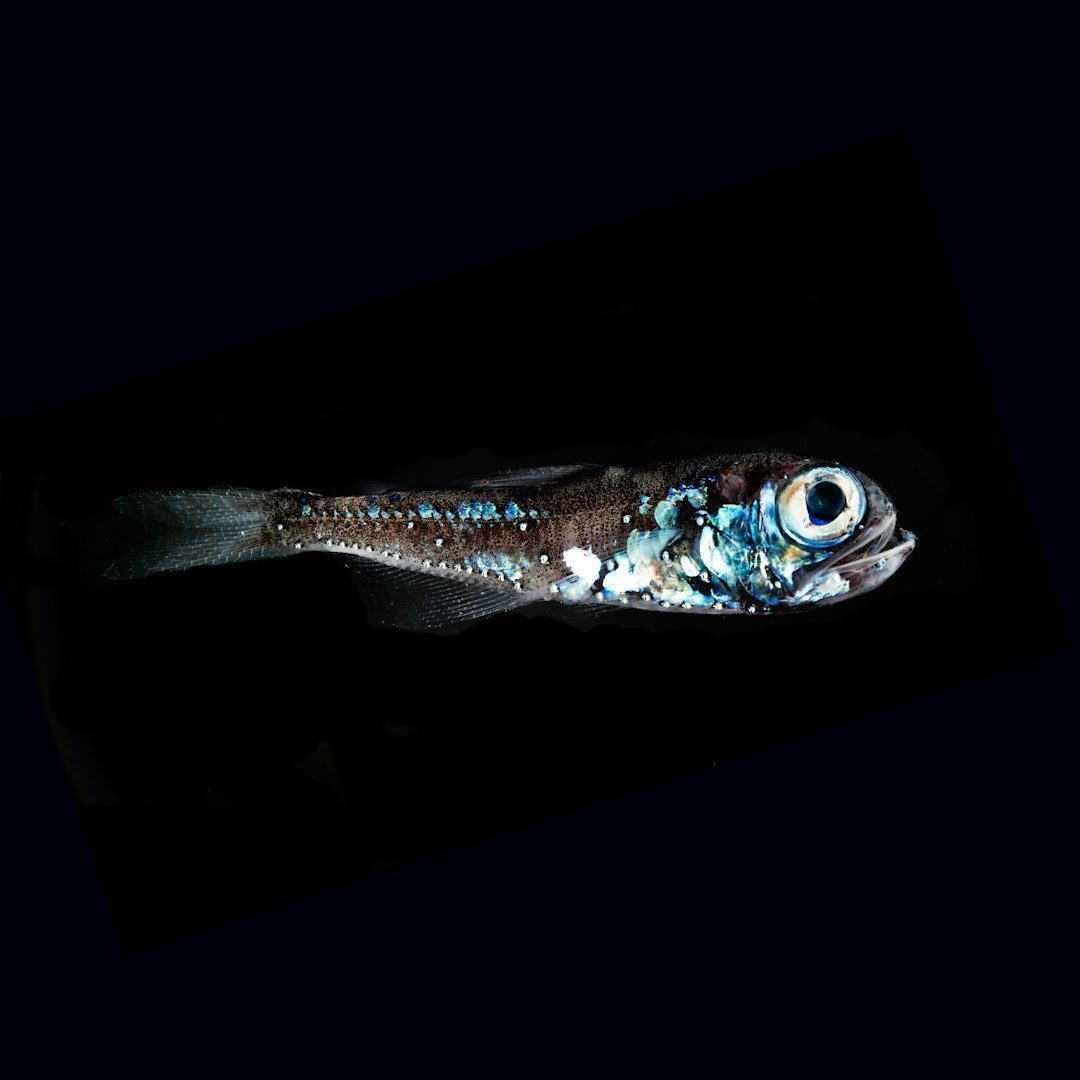
Light is rare and precious in the midnight zone, and the ability to detect even a glimmer of sunshine can mean the difference between catching a meal and being one, so creatures like the barreleye fish evolve unusual features to use shreds of light to their advantage. This fish has a see through head, and inside that head are two sensitive barrel shaped eyes which are most frequently pointed upwards, and scientists think this feature may simply allow the fish to collect just a little more light. The evolutionary pressure required to develop a completely transparent skull is difficult to fathom, yet there it is, swimming around in the darkness with a head like a biological spotlight.
The Seafloor We’ve Never Truly Mapped
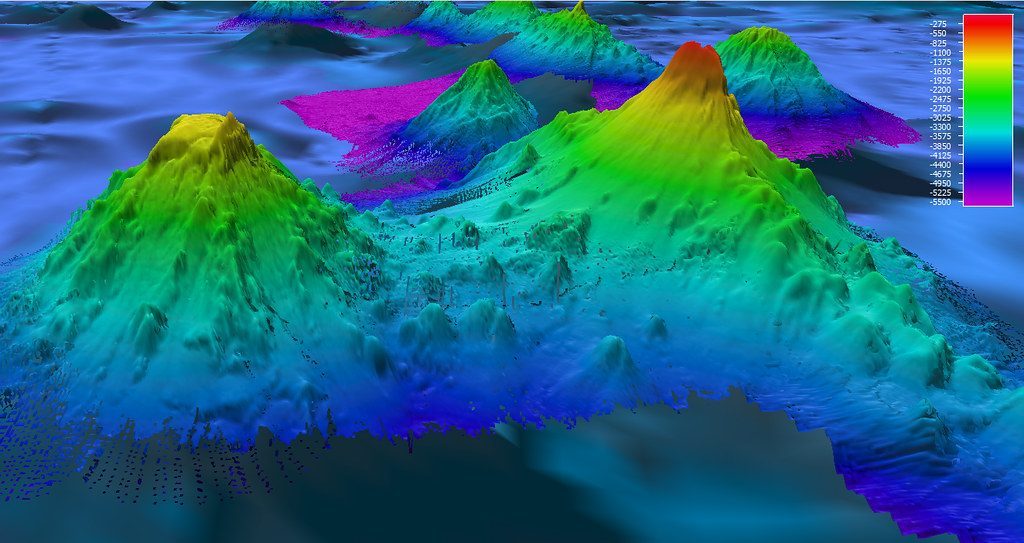
As of June 2024, just 26.1 percent of the seafloor had been mapped with high resolution technology. Let that sink in for a moment. We’ve sent robots to Mars and taken detailed pictures of distant galaxies, yet roughly three quarters of our own ocean floor remains unmapped in any meaningful detail. While the entire seabed has been mapped using data collected from satellites, these images only provide a general sketchy picture, and whole topographical features such as seamounts are missing while intriguing relics like shipwrecks cannot be seen.
Seamounts provide crucial rocky habitats for deep sea corals, sponges, and a host of invertebrates, and experts estimate that there are at least 100,000 undiscovered seamounts in the world’s oceans. Each of these underwater mountains could be hosting ecosystems we’ve never encountered. Honestly, it’s hard to say for sure what we’re missing down there, and that uncertainty represents one of the greatest scientific frontiers left on our planet.
Underwater Volcanic Mysteries and Dark Oxygen
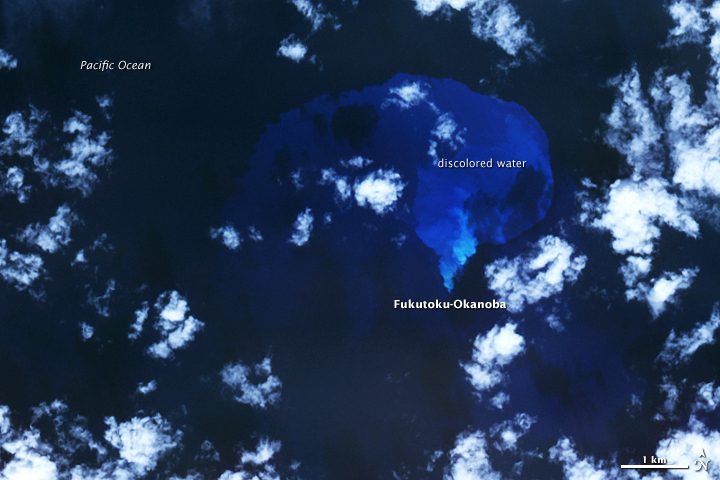
One of the world’s largest volcanoes lies 3,000 feet below the sea’s surface, the Havre volcano, producing the largest deep water eruption ever recorded. About 70 percent of volcanic eruptions occur beneath the water, but scientists still have difficulty understanding these phenomena, and these volcanic eruptions create different types of lava because pressure and the interaction between water and cooling magma aren’t the same as on land.
Then there’s the 2024 discovery that completely upended our assumptions. New research in the Pacific Ocean revealed oxygen production occurs in complete darkness at the seafloor by metallic nodules almost 2.5 miles below the ocean surface where no light can reach. Scientists theorize this oxygen likely supports a plethora of life underwater, but deep sea mining companies are already eyeing up the nodules since they contain valuable metals like lithium and copper. We discovered a completely new way oxygen can be produced, something we thought was impossible without photosynthesis, and our first instinct is to mine it. The implications for the origin of life itself are staggering.
The Twilight Zone’s Iron Deficiency Puzzle
The ocean’s twilight zone is deep, dark, and iron deficient, with no sunlight reaching this region 200 to 1,000 meters below the sea surface where levels of iron are so low that the growth of bacteria is restricted. To compensate, these bacteria produce molecules called siderophores which help them scavenge trace amounts of iron from surrounding seawater.
Researchers collected water samples from the upper 1,000 meters during an expedition through the eastern Pacific Ocean, and what they found surprised them, as concentrations of siderophores were high in surface waters but also elevated in waters between 200 and 400 meters deep. Nobody expected to find these molecules in the twilight zone. This discovery changes how we understand microbial processes in the deep ocean and potentially how carbon is stored in our seas, which has enormous implications for climate models.
The Unexplored Hadal Zone and Its Secrets
In January and February of 2024, a Pacific Ocean expedition off the coast of Chile uncovered more than 100 unknown marine species. Using advanced lab techniques, researchers recently unveiled 14 new species from ocean depths exceeding 6,000 meters, including a record setting mollusk, a carnivorous bivalve, and a popcorn like parasitic isopod. A major highlight is the detailed anatomical study of Myonera aleutiana, a carnivorous bivalve, marking only the second bivalve species documented entirely through noninvasive micro CT scanning, found between 5,170 and 5,280 meters, about 800 meters deeper than any previously known specimen.
In a March study, researchers revealed that some of the ocean’s deepest points have likely been experiencing previously unknown heat waves, and a computer model using surface temperatures and ocean currents showed that the seafloor is probably experiencing what researchers refer to as bottom marine heat waves. These deep sea heat waves threaten creatures living in an environment we barely understand, and we’re only now beginning to realize they exist at all. The hadal zone continues revealing surprises faster than we can document them.
Conclusion: What Lies Beneath
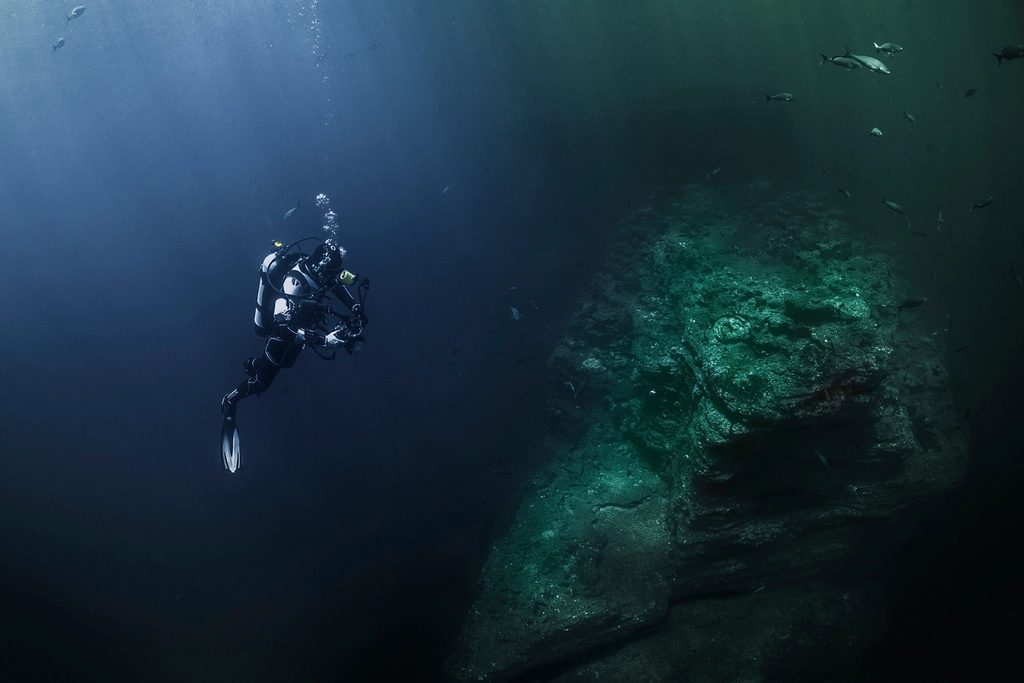
Here’s the thing about ocean mysteries. Every answer we find seems to spawn a dozen new questions. We thought we understood how oxygen was created until metallic nodules started producing it in complete darkness. We assumed bioluminescence was straightforward until we discovered shrimp might see through their glowing organs. We mapped the surfaces of distant planets while leaving our own seafloor largely unexplored.
In some ways it’s easier to stick humans into space than to send them to the crushing pressures of the planet’s watery depths, and while our understanding of the oceans is improving all the time, we still have plenty to learn and there are some mysteries that have scientists completely stumped. The deep ocean remains Earth’s final frontier, holding secrets about life’s origins, evolution’s strangest paths, and potentially even clues about life on other worlds. What do you think we’ll discover next down there? Will it be something that rewrites biology textbooks, or just another creature with a transparent head doing impossible things in the dark?
Hi, I’m Andrew, and I come from India. Experienced content specialist with a passion for writing. My forte includes health and wellness, Travel, Animals, and Nature. A nature nomad, I am obsessed with mountains and love high-altitude trekking. I have been on several Himalayan treks in India including the Everest Base Camp in Nepal, a profound experience.