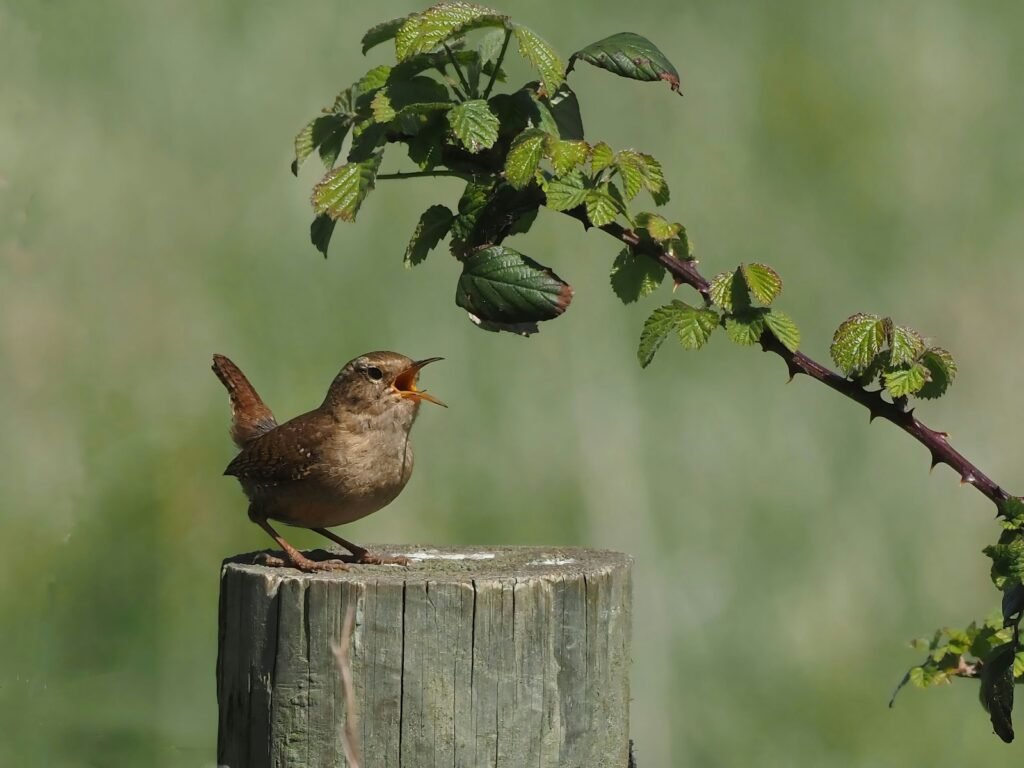
Just before sunrise, when streets are still empty and windows are dark, an invisible concert starts above our heads. Sparrows, robins, thrushes, and wrens launch into layered, intricate songs that sound almost improvised but are anything but random. For centuries, people assumed these melodies were simply expressions of joy or signs of a “happy” nature. Now, scientists are uncovering a far more complex story: each note carries information, strategy, and sometimes even deception. The mystery is no longer just why birds sing, but how such small creatures came to wield sound with such precision and power.
The Hidden Clues in Every Note
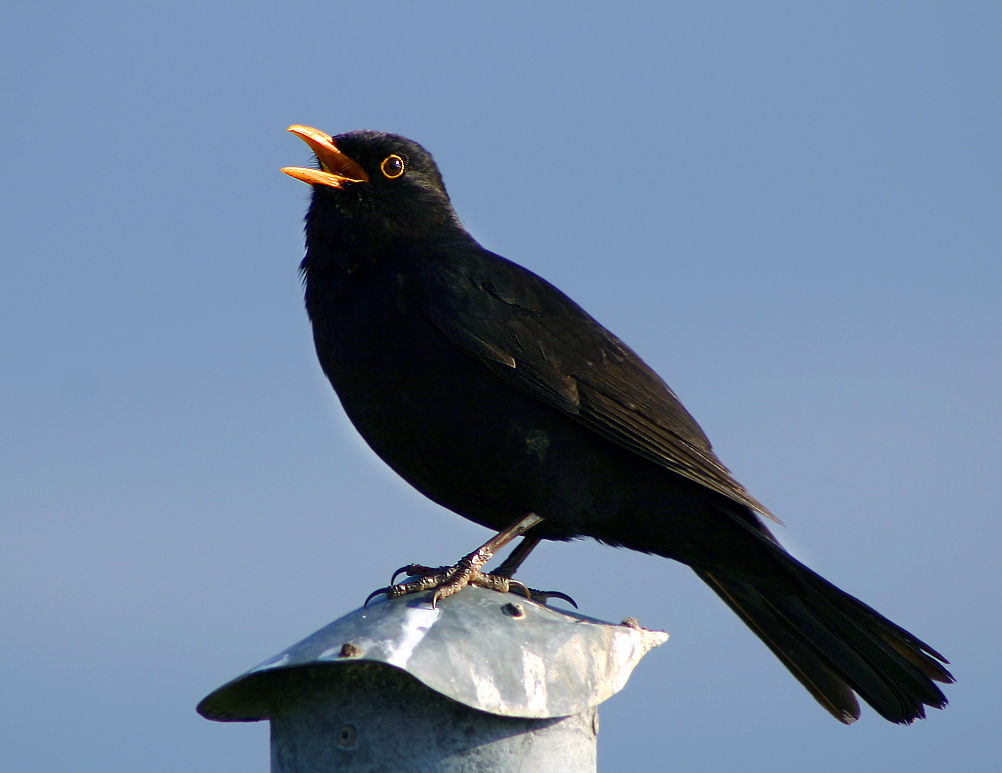
Stand under a tree in spring and you’re not just listening to music, you’re eavesdropping on a high-stakes negotiation. A single male’s song can reveal his species, his physical condition, his age, and even whether he grew up in a noisy city or a quiet forest. Subtle features like how fast a bird sings, how wide a pitch range it uses, or how accurately it repeats complex phrases all act like tiny data points, broadcasting details to potential mates and rivals. To another bird, an impressive trill is closer to a résumé than a love poem.
These hidden clues matter because song is energetically expensive and requires fine motor control of the syrinx, the unique vocal organ found only in birds. Some species, such as nightingales and canaries, pack hundreds of distinct elements into their repertoires, and being able to deliver them cleanly indicates a brain and body in top working order. In that sense, bird song functions like a fitness test that must be passed in real time, in front of a very critical audience. What sounds like casual background music to us is, for the birds themselves, a form of constant performance review.
Love Songs, Battle Cries, and Everything In Between
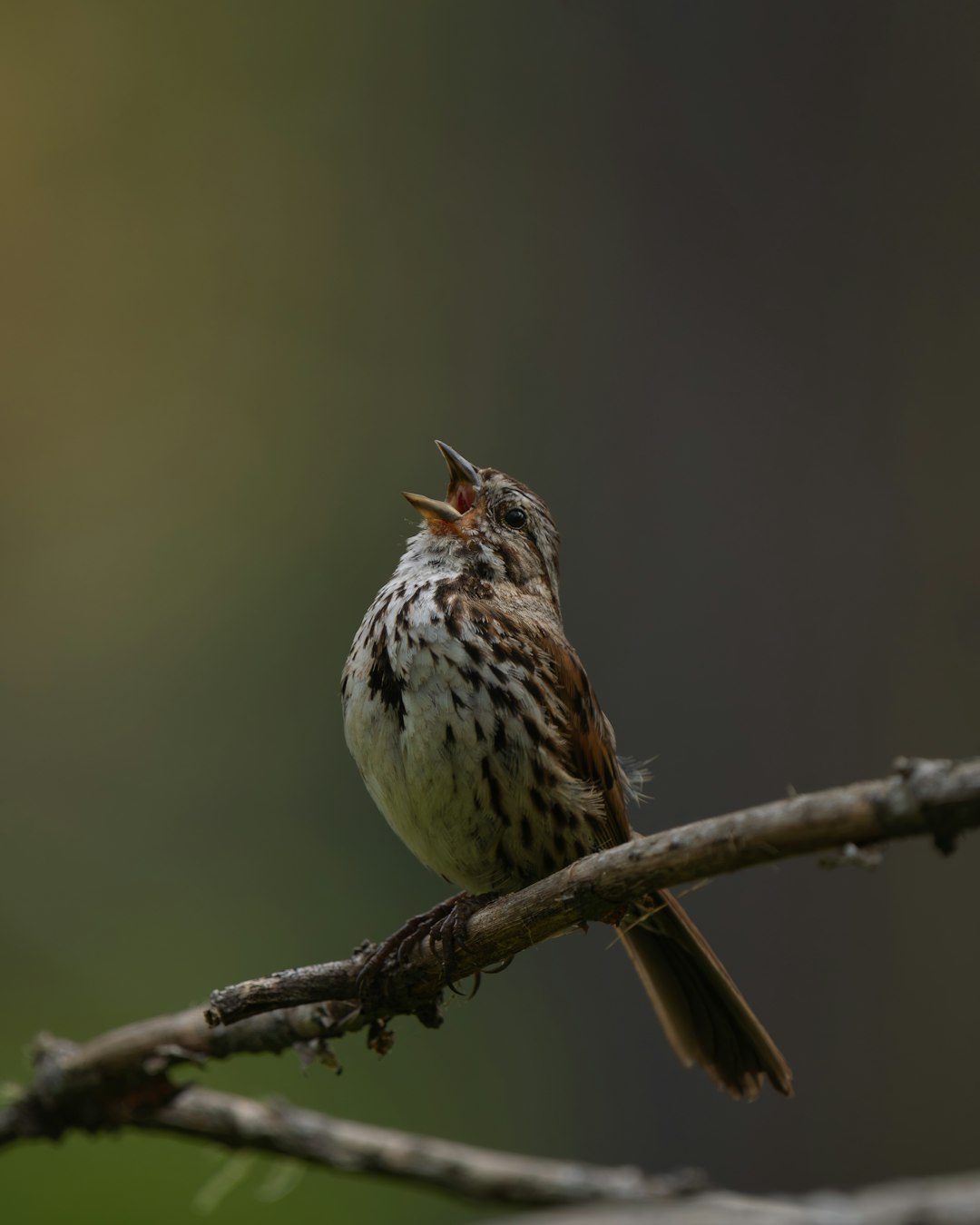
At its core, bird song evolved as a tool for survival and reproduction, not as ornament. In many songbird species, it is mostly the males that sing, and their two central goals are simple: attract a mate and defend a territory. A complex, sustained song can draw in a female that is judging his genetic quality and resource-holding potential, while a loud, repeated phrase at the boundary of a territory sends a sharp warning to rival males. It is communication finely tuned by natural selection, not random noise.
Researchers observing wild populations have found that song often works better than physical combat, which is inherently risky and draining. Two males may engage in extended song duels, matching and overlapping each other’s phrases in a kind of acoustic showdown that can settle who yields without any talons or beaks making contact. At the same time, softer, more intimate notes are used in close-range courtship or to maintain pair bonds. Within a single species, the same voice can shift from romantic serenade to aggressive challenge in a matter of seconds, all by changing tempo, volume, or phrase choice.
From Instinct to Learning: How Young Birds Master Their Tunes
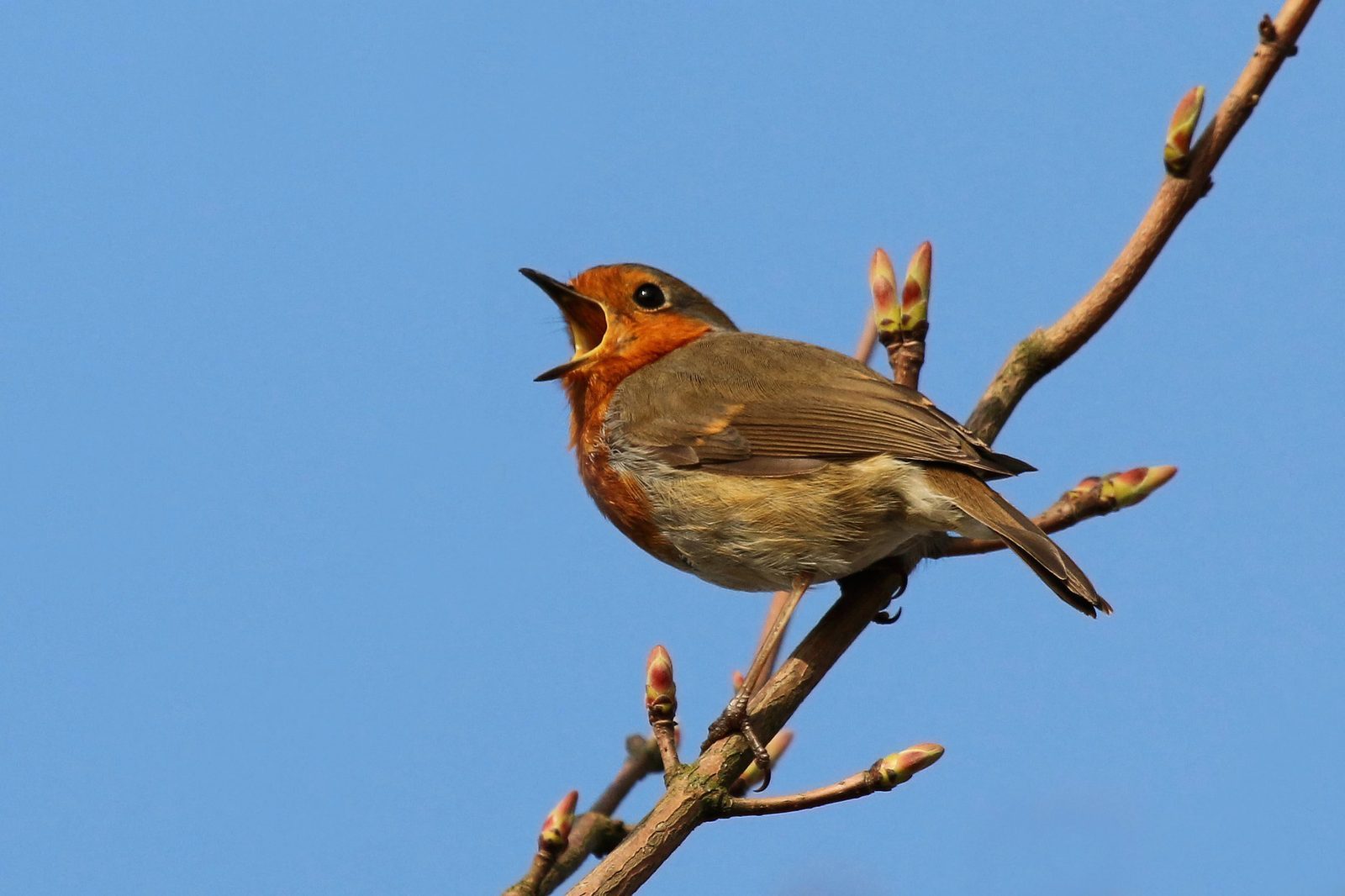
One of the most surprising discoveries in recent decades is that many birds are not born knowing their entire song; they have to learn it. Species like zebra finches, white-crowned sparrows, and swamp sparrows go through a “sensitive period” early in life when they listen to adults and create an internal template of the song they will eventually perform. Later, they practice awkward, imperfect versions known as subsong, which sound remarkably like a human baby’s babbling. Over weeks or months, this messy vocal experimentation sharpens into a polished adult song.
Inside the brain, specialized neural circuits support this learning process, including a network often called the song system, with regions dedicated to storing song patterns and others responsible for real-time motor control. Damage to some of these areas can disrupt a bird’s ability to sing correctly, a finding that has fascinated neuroscientists interested in human speech disorders. Different species show different degrees of flexibility: some are “closed-ended” learners that lock in a song once they reach adulthood, while others, like canaries, can keep adding or changing elements year after year. The result is a dynamic soundscape where culture, memory, and biology constantly interact.
City Noise, Climate Shifts, and the Changing Soundtrack of Nature
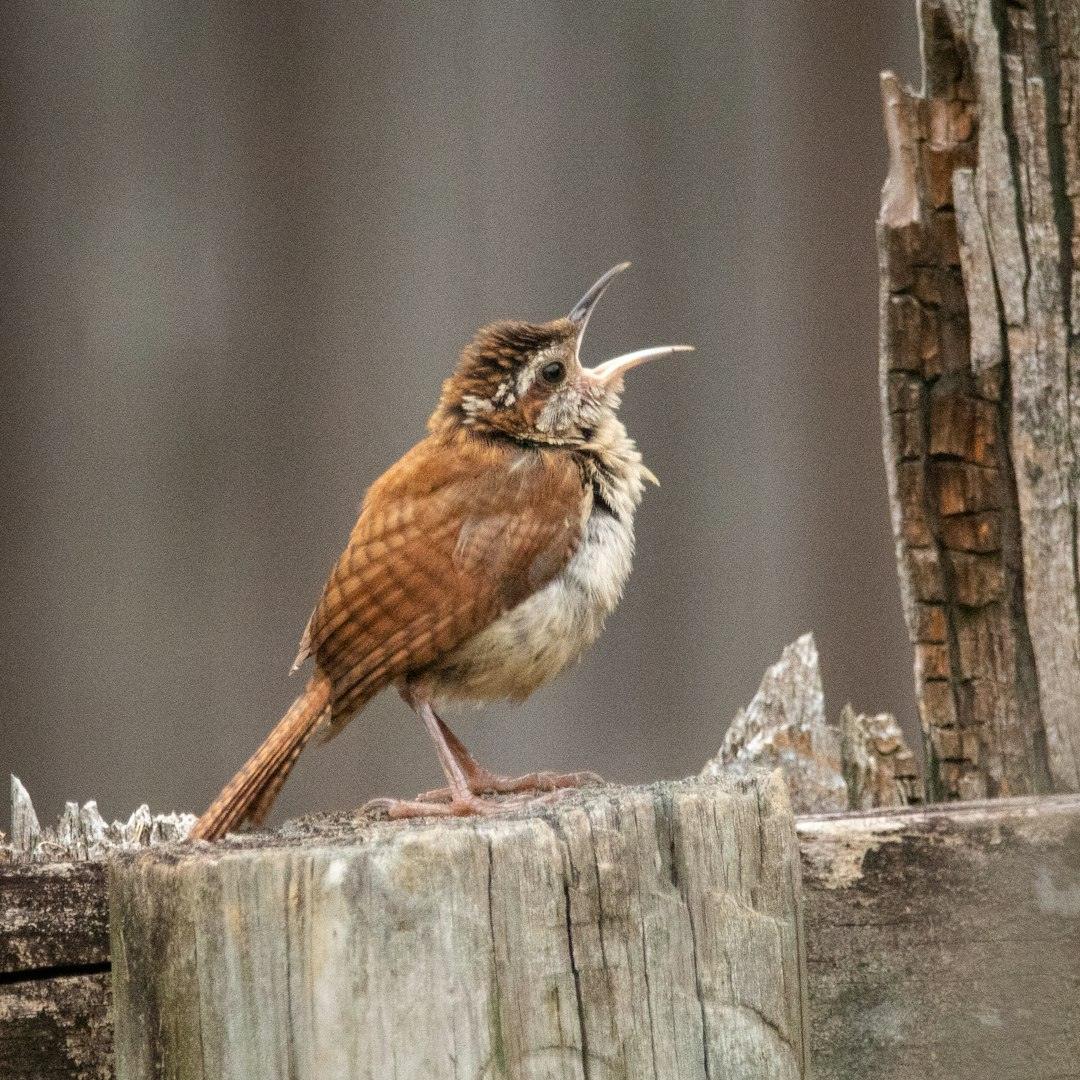
Bird songs are not frozen in time; they are being reshaped by the modern world in ways we are only beginning to understand. Urban birds, for instance, are increasingly forced to compete with low-frequency traffic and construction noise, prompting many species to sing at higher pitches or during quieter hours of the day. Studies comparing city and rural populations have found that urban singers often deliver shorter, faster songs that cut through the acoustic clutter more effectively. What sounds like the same species to us may in fact be two slightly diverging dialects, sculpted by concrete and car engines.
Climate change is altering the timing and context of song as well. Earlier springs in many regions mean that birds begin breeding and singing sooner, sometimes before their insect food sources have fully emerged. Mismatches like this can strain populations and change who succeeds in reproducing, since those that sing and mate at the “wrong” time may raise fewer young. There is also emerging evidence that shifting ranges bring formerly separate populations into new contact, mixing dialects and potentially changing how songs function in mate choice. The chorus we hear each year is, in a quiet but real sense, under pressure to adapt – or risk falling out of sync with the world around it.
Why It Matters: What Birdsong Reveals About Brains, Ecosystems, and Us
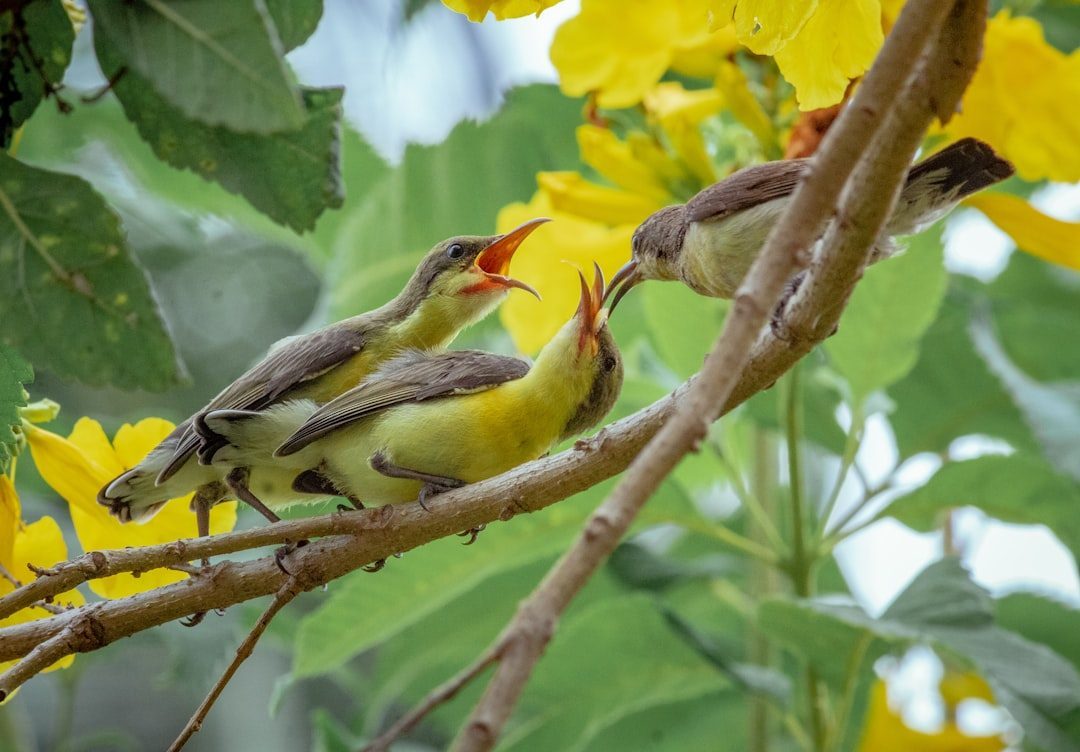
Understanding why birds sing is not just about satisfying curiosity, it is about decoding a living indicator of environmental and neurological health. Bird populations often react quickly to habitat loss, pollution, and climate shifts, and changes in their songs can be one of the earliest warning signals that something is wrong. If songs become simpler, quieter, or more irregular in a given region, it can hint at stress, reduced population density, or even exposure to certain contaminants that affect the nervous system. Listening closely, in other words, can reveal problems long before they show up in more obvious numbers.
There is also a deeply human angle here. The parallels between bird song learning and human language acquisition are striking, from sensitive periods in development to the role of social exposure and practice. Comparing different species allows scientists to test ideas about how complex vocal communication systems evolve and break down, with potential insights into conditions such as stuttering or speech apraxia. On an ecosystem level, intact dawn choruses tend to signal healthy, diverse communities, while their absence or thinning can be a red flag that a forest, wetland, or grassland is under severe pressure. In that sense, asking why birds sing is another way of asking how well our shared world is doing.
The Secret Structure: Codes, Dialects, and Double Meanings
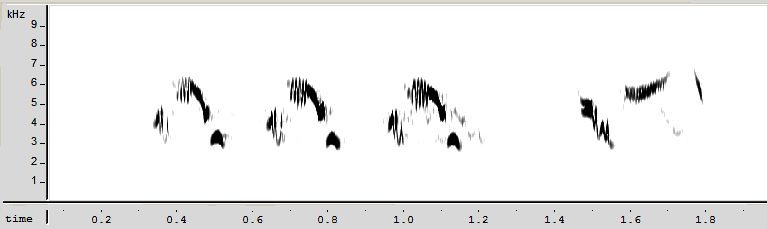
To human ears, a song might sound like a smooth, continuous stream, but zoom in with a spectrogram and another reality appears: repeated units, nested phrases, and intricate patterns that resemble musical notation. Many birds organize their songs into motifs and phrases that they recombine in flexible ways, creating variety while still staying within species-specific rules. Some species even maintain regional “dialects,” much like human accents, which can influence mate choice and territorial behavior. A female raised in one area may prefer the dialect she grew up hearing, subtly reinforcing local song cultures over generations.
Layered on top of this structure are double meanings and hidden channels of information. A song that sounds identical to us can carry different messages to different listeners, depending on context and recent interactions. Birds can also adjust timing and overlap, using the equivalent of acoustic interruption as a sign of dominance or defiance. The more researchers track individuals over time, the clearer it becomes that these are not rigid, one-way signals but part of a fluid, ongoing conversation. The “code” of bird song is not simple to crack because it is not static; it shifts as the social landscape shifts.
The Future Soundscape: Tech, Big Data, and a World Growing Quieter
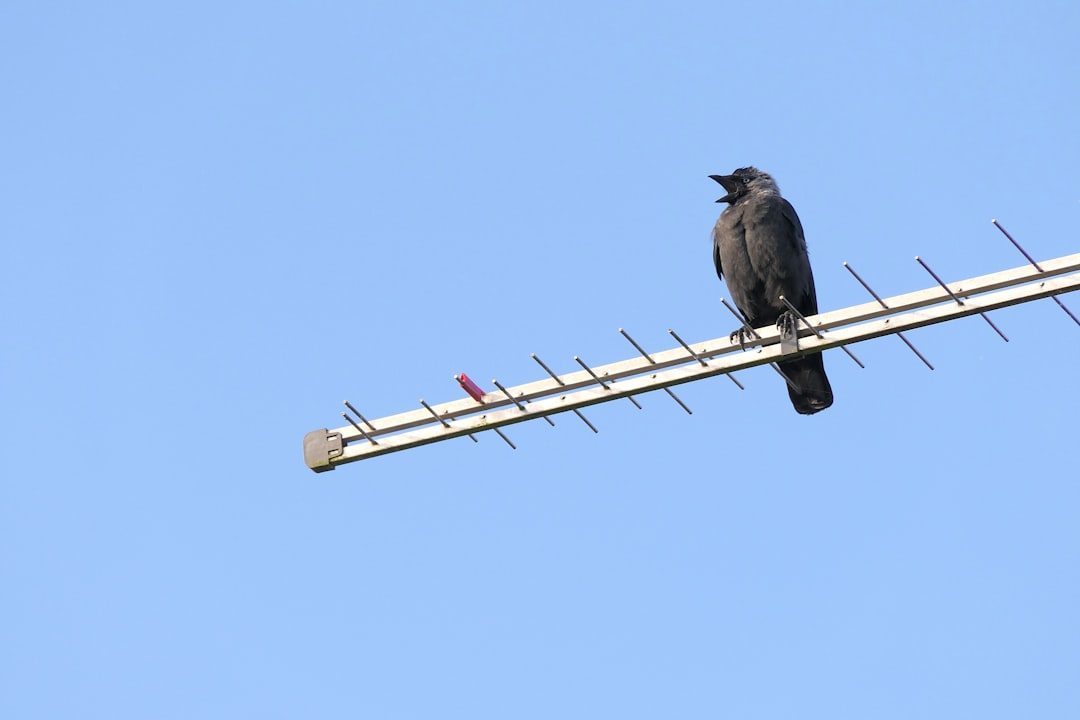
New technology is rapidly transforming how scientists study bird song, and with it, how we understand the future of these melodies. Autonomous recording units, some no bigger than a deck of cards, can sit in forests and wetlands for months, capturing thousands of hours of audio that once would have been impossible to collect. Machine learning systems are now being trained to detect species, classify song types, and flag subtle changes that might escape even a trained human observer. What used to require years of patient listening through headphones can now be done at a scale that covers entire regions or migration routes.
At the same time, there is rising concern that the world’s natural soundscapes are thinning out. Habitat destruction, pesticide use, and climate disruption are driving declines in many bird populations, and with them, the loss of local song traditions. Some conservationists talk about the risk of “silent springs” not just as a poetic idea, but as a measurable trend in acoustic diversity. Future work will likely focus on integrating bird song monitoring into environmental policy and land management, treating sound as a crucial data stream rather than just a pleasant backdrop. The question is whether these tools will be deployed widely and quickly enough to help protect the choruses they are documenting.
How You Can Listen, Learn, and Help
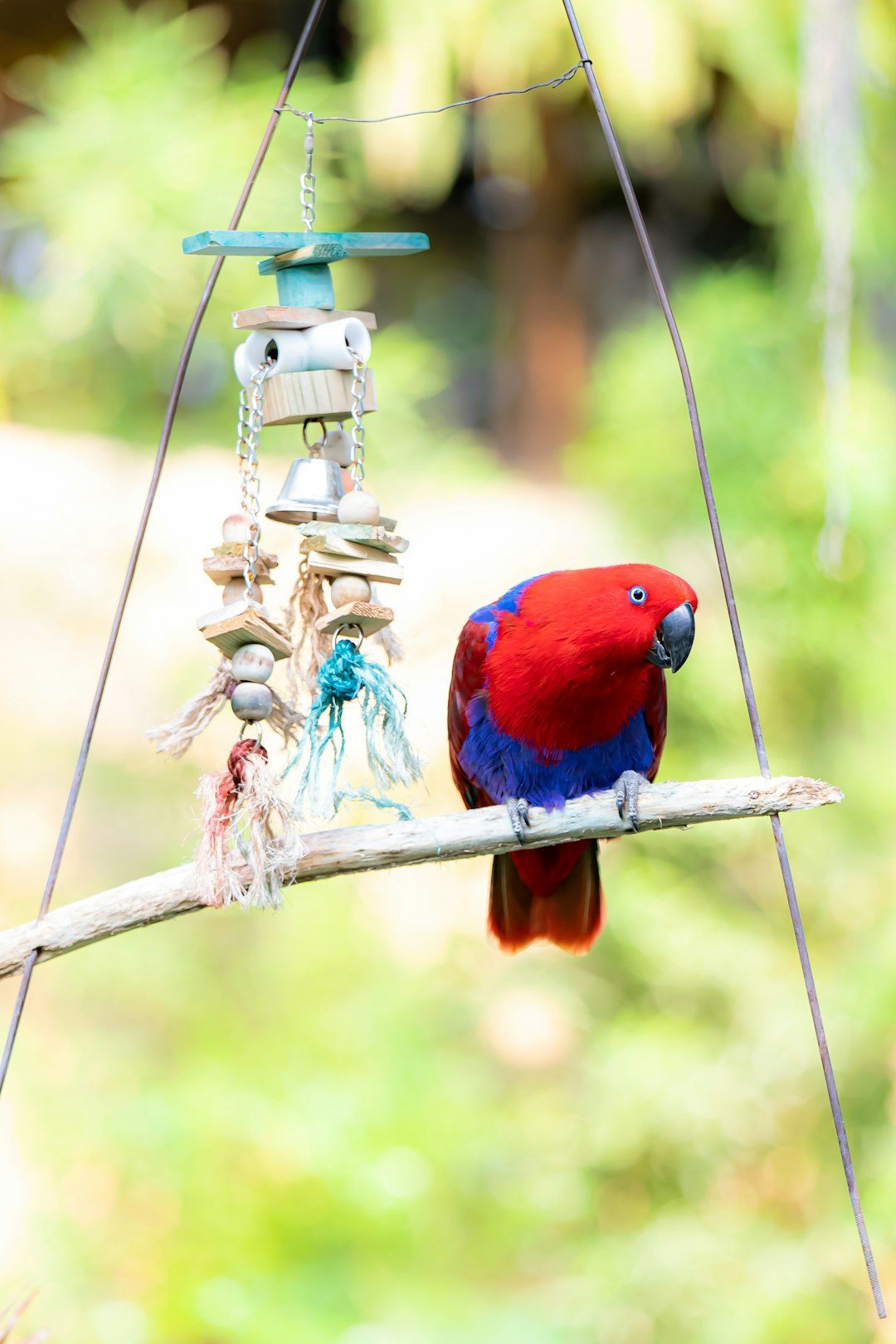
Engaging with bird song does not require a lab coat or a research grant; it starts with simply paying attention. Step outside at dawn or dusk and try to pick out individual voices rather than letting them blur together, noticing who sings from the treetops versus the shrubs or wires. Free and low-cost apps can now help identify common species by sound, turning your phone into a kind of pocket field assistant. Keeping a simple notebook or digital log of what you hear and when you hear it can contribute to broader community science projects when you are ready.
If you want to go a step further, you can support or get involved in programs that rely on public participation to map bird distributions and song changes over time. Even small actions, like planting native shrubs, reducing pesticide use, or advocating for quieter, greener urban spaces, can make local habitats more song-friendly. For many people, the moment of connection comes when they finally recognize the voice of a familiar neighbor – a robin, a chickadee, a mockingbird – and realize it has been talking around them for years. From there, it becomes much harder to ignore what is lost when these voices fade. The next time you wake up to a chorus outside your window, you might find yourself wondering not just who is singing, but what stories they are telling.