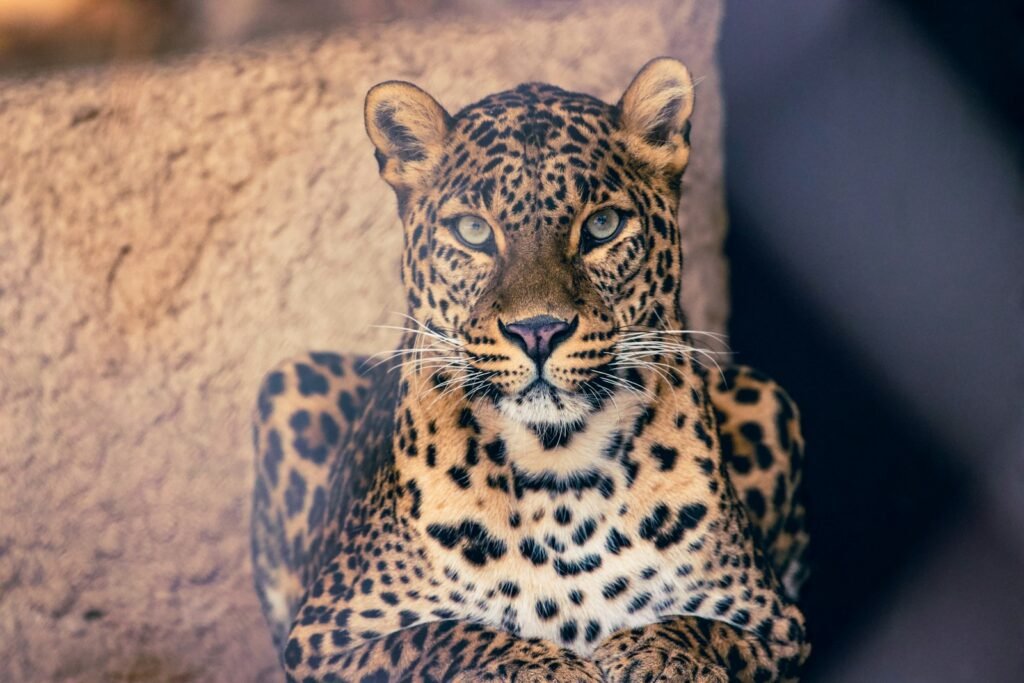
On the razor-edged escarpments of the Arabian Peninsula, a ghost still moves through the shadows: the Arabian leopard, one of the rarest big cats on Earth. Once spread across rugged mountains from Yemen to Oman, it now survives in only a handful of fragmented pockets, its future hanging by a thread. Biologists warn that we may be watching the final chapter of a species written in real time, yet new conservation efforts suggest the story is not over. As satellite collars, genetic forensics, and local community programs converge, a clearer picture of this elusive predator is finally emerging. The question is no longer just how many remain, but whether humans can change fast enough to pull this cat back from the brink.
The Last Ghosts of Arabia
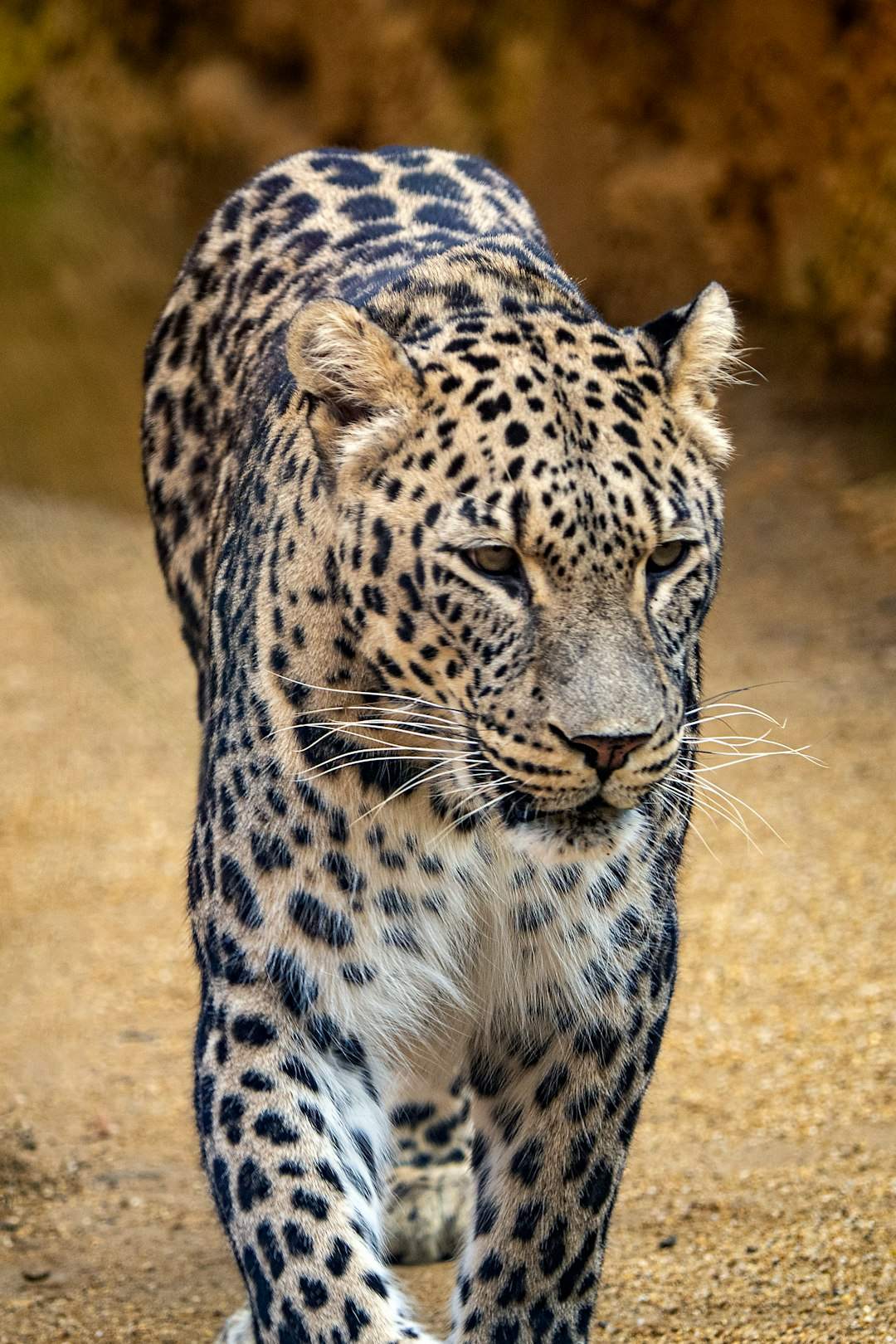
Imagine standing on a moonlit ridge in Oman or Saudi Arabia, listening to the wind scrape over rock, knowing that somewhere above you a leopard might be watching – and that there may be around 100-120 of its kind left in the wild. The Arabian leopard is classified as critically endangered, and conservationists estimate that the remaining wild population numbers around 100-120 individuals. That makes it one of the rarest big cats on the planet, far more imperiled than many better-known species. Its range has collapsed dramatically over the past century, shrinking from much of the Arabian Peninsula to scattered strongholds in rugged mountains and remote wadis.
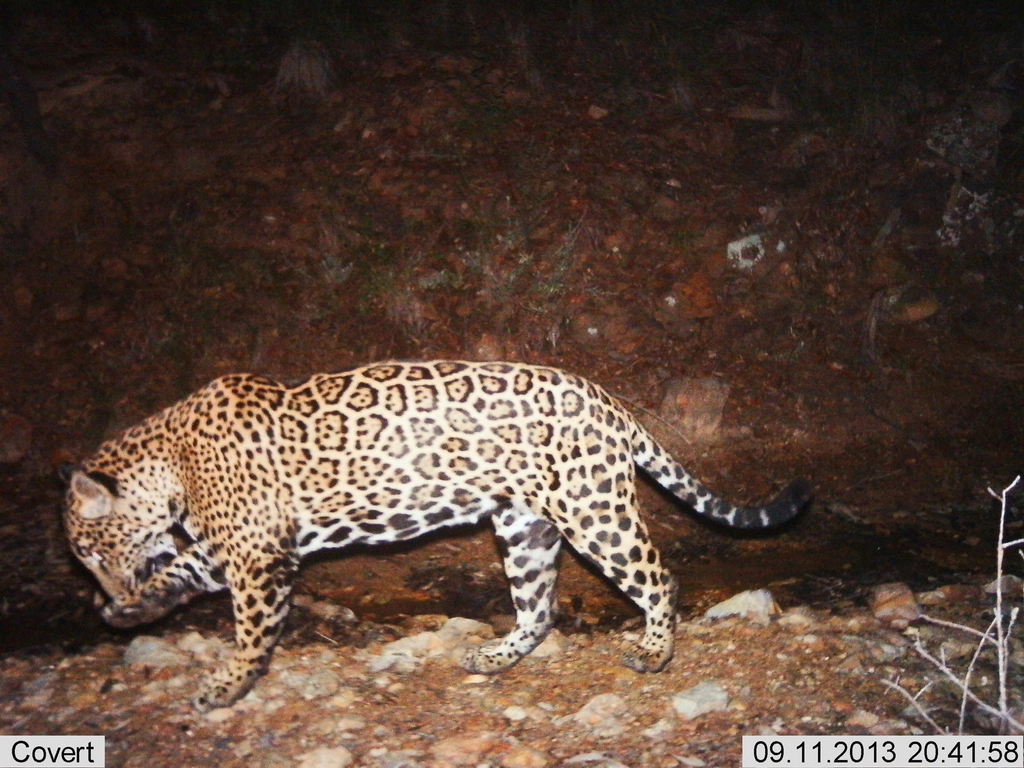
What shocks many people is how recently this collapse accelerated. As late as the mid to late twentieth century, leopards were still reported across broader swaths of Yemen and Oman, but habitat loss, prey depletion, and direct persecution rapidly erased those populations. Today, confirmed sightings from camera traps are treated almost like breaking news in conservation circles, each image a small, pixelated proof that the species still hangs on. The Arabian leopard’s near-invisibility is not just about its stealth; it is also a measure of how thoroughly human activity has pushed it to the margins.
Perfectly Built for Harsh Mountains
The Arabian leopard is not simply a smaller copy of its African relatives; it is a specialist tuned to one of the harshest landscapes on Earth. Adults are more compact and lightly built than many other leopard subspecies, an advantage when navigating razor-sharp cliffs and narrow ledges. Their coats tend to be paler and shorter, with rosettes that help them dissolve into sun-bleached rock and scrub. In these mountains, temperatures can swing dramatically between scorching days and cold nights, so efficient movement and stealth are more important than brute strength.
This cat’s hunting style is also shaped by its environment. Instead of stalking dense forest, Arabian leopards work rocky outcrops and dry ravines, ambushing agile prey such as ibex, gazelles, hares, and rock hyrax. Their ability to survive on relatively sparse prey and in low-water environments has allowed them to persist where many larger carnivores have vanished. To me, that feels a bit like watching a world-class rock climber who happens to be a marathon runner: lean, precise, and relentlessly adaptive. The tragedy is that even an animal this well adapted cannot out-climb bulldozers, highways, and expanding towns forever.
Ancient Icon, Modern Crisis
For centuries, leopards held a powerful place in Arabian cultures, appearing in folklore, poetry, and traditional stories as symbols of strength, agility, and wildness. Old hunting accounts and local place names hint at a time when these cats were part of everyday awareness, not a near-mythical rarity. Shepherds and villagers knew them as both rivals and respected neighbors, capable of taking livestock but also helping to keep wild herbivore numbers in check. That relationship has frayed badly in the past hundred years, as hunting rifles, poisons, and later motor vehicles tipped the balance in favor of humans.
The modern crisis did not come from a single blow but from a steady tightening of pressure. Overgrazing by domestic livestock ate away at the vegetation that wild prey depended on, which in turn pushed leopards toward goats and sheep and triggered retaliatory killing. Road construction, quarrying, and unregulated development carved up once-continuous habitat into shrinking islands of safety. The result is a classic conservation trap: as leopards become rarer, each remaining individual becomes more vulnerable to chance events, from a single poisoning incident to a poorly sited road. It is a stark reminder that cultural reverence alone cannot protect a species without concrete protections on the ground.
Mapped by Cameras, Collars, and DNA
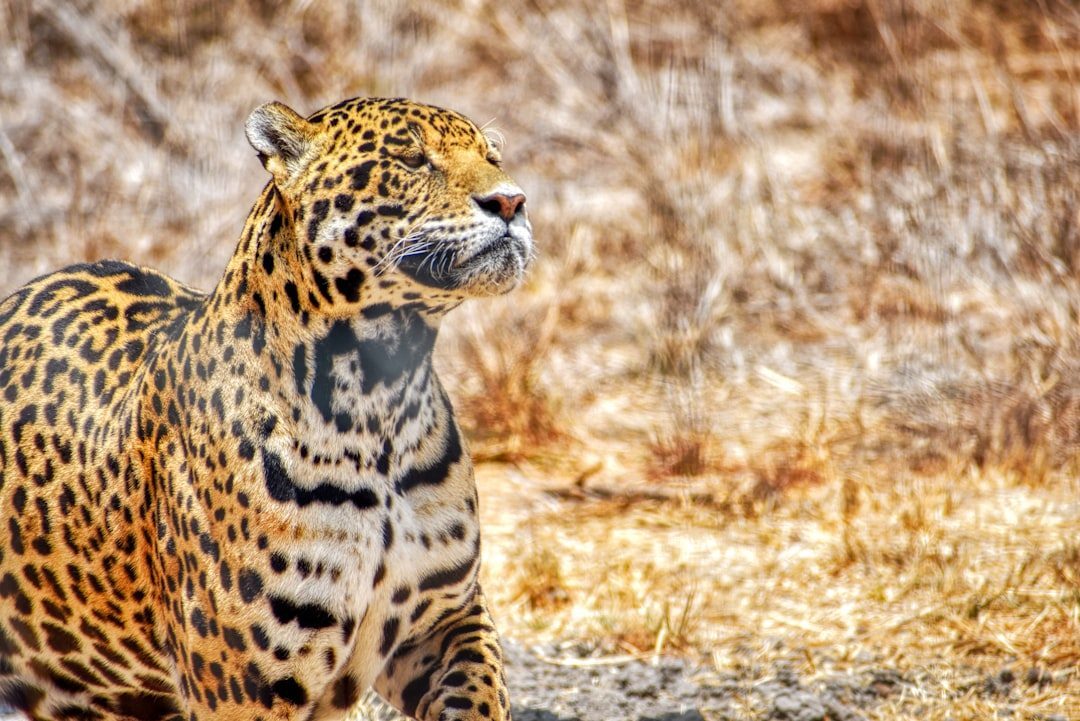
Paradoxically, researchers know more about the Arabian leopard now – when it is at the edge of extinction – than at any time in history. Camera traps scattered across remote mountains silently record night after night, and sometimes weeks pass without a single image. Then, suddenly, a spotted flank or a distinctive tail pattern appears, and scientists can confirm that a particular individual is alive and still using a territory. Over time, these images build a rough census, allowing biologists to estimate minimum numbers and track seasonal movement patterns. It is painstaking work, more like assembling a jigsaw puzzle with half the pieces missing than conducting a traditional wildlife survey.
Genetic tools are also changing the game. Hair snagged on a rock or scat found on a ledge can be analyzed in the lab to confirm species identity and even trace relationships between individuals. That matters because a tiny population is at risk of inbreeding, which can reduce fertility and resilience to disease. By comparing DNA from wild animals and those in captivity, scientists can design breeding and reintroduction plans that preserve as much genetic diversity as possible. Compared with older methods that relied on hearsay or rare visual sightings, the new toolkit feels like switching from a dim candle to a headlamp – still not daylight, but finally enough light to see the path ahead.
Why This Leopard Matters More Than You Think
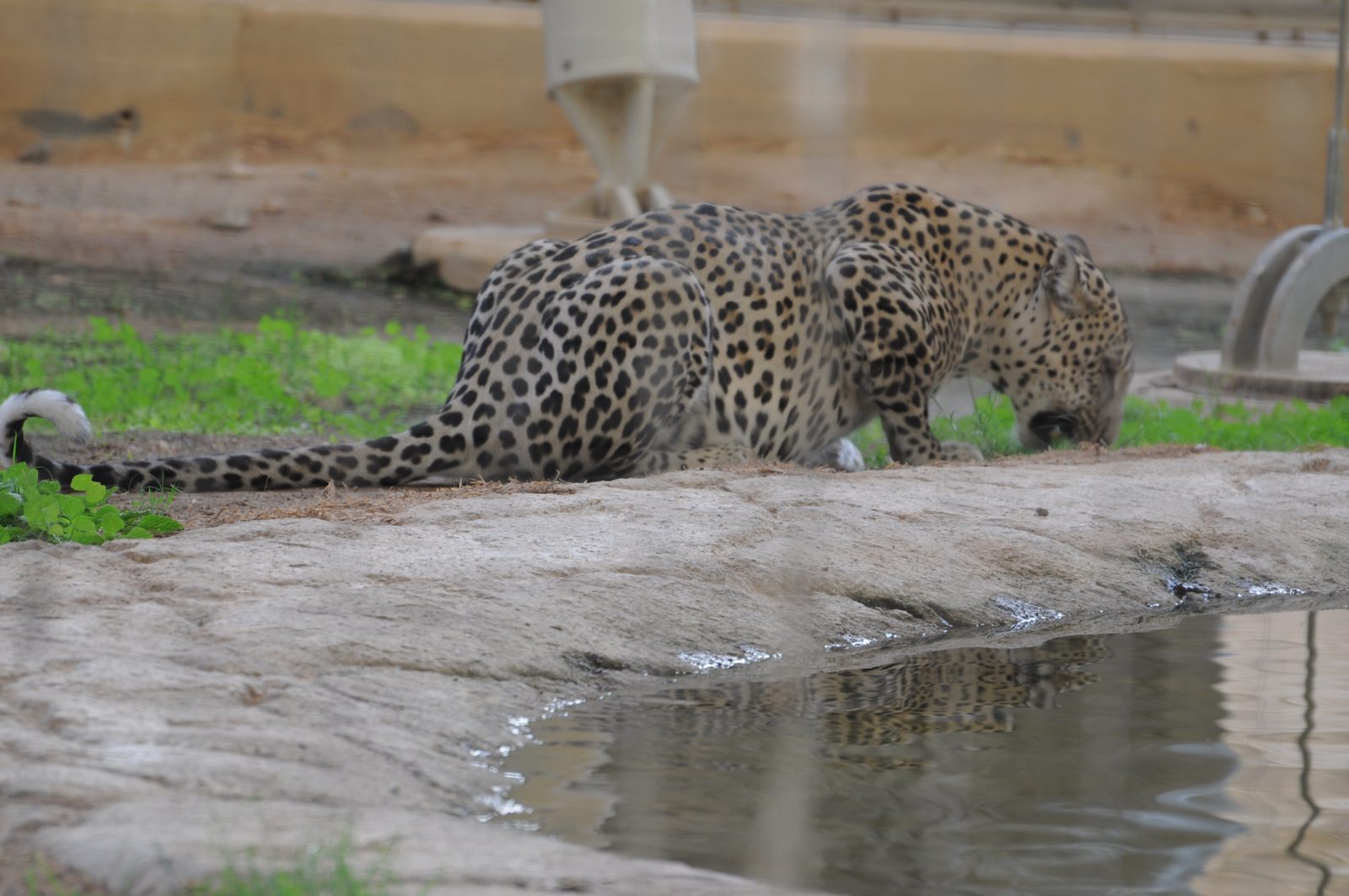
It is tempting to see the Arabian leopard as just one more victim on a long list of endangered species, but that view misses what is at stake. As an apex predator in its ecosystem, the leopard helps regulate populations of wild herbivores, which in turn shapes vegetation and water retention in fragile mountain landscapes. Remove that top predator, and you risk a cascade of changes – overgrazed slopes, erosion, and declines in plant and animal diversity that ultimately affect human communities downstream. In regions where climate change is already stressing water supplies and agriculture, losing ecological stability is not a theoretical concern; it is a direct threat to livelihoods.
There is also a deeper, less quantifiable reason this species matters. The Arabian leopard is one of the last truly wild, large mammals native to the Peninsula that still clings to a free existence. Its fate says something about how seriously societies in the region – and by extension, all of us – take the idea of sharing space with other forms of life. In a world where we can send probes to distant planets, allowing a big cat to slip quietly into extinction on our watch reveals a different kind of technological and moral failure. To me, saving the Arabian leopard is not only about conserving a species, but about deciding what kind of future we are willing to accept.
Poison, Prey Loss, and a Dangerous Reputation
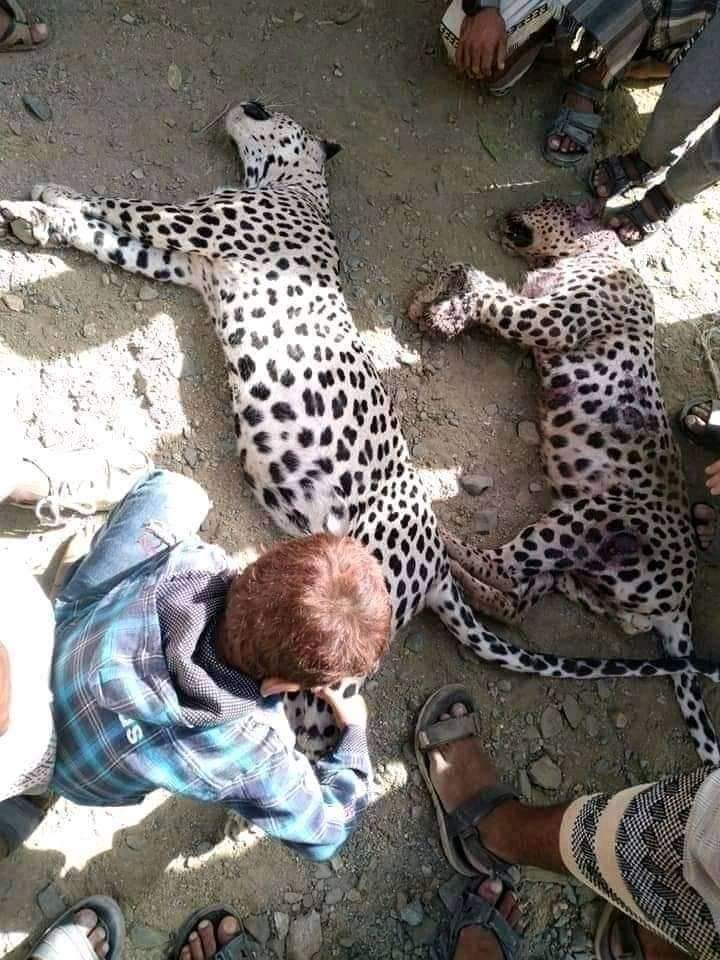
When you ask people living near leopard habitat why the animals are disappearing, the answers tend to be blunt: livestock losses, fear, and lack of options. As wild prey have declined because of overhunting and competition with domestic goats and sheep, leopards have increasingly turned to easy targets like corrals and night-time grazing flocks. A single attack can devastate a family’s income, especially in remote communities with few alternatives. In response, some herders resort to poison baits or direct shooting, sometimes wiping out not only the offending cat but scavenging eagles, foxes, and other carnivores as collateral damage.
Changing this pattern requires more than just laws on paper. In some areas, projects now support improved livestock enclosures, night-time herding practices, and compensation schemes so that families are not forced to choose between their survival and the leopard’s. Education programs help correct myths that leopards routinely attack people, which is extremely rare, and instead emphasize their ecological role and their critical status. From my own reporting on other carnivore conflicts, I have seen how quickly attitudes can shift when people feel heard, respected, and supported. Interestingly, the same tools that protect sheep – better fences, guard animals, flexible grazing plans – often improve overall livelihood security as well.
Captive Breeding and the Fragile Backup Plan
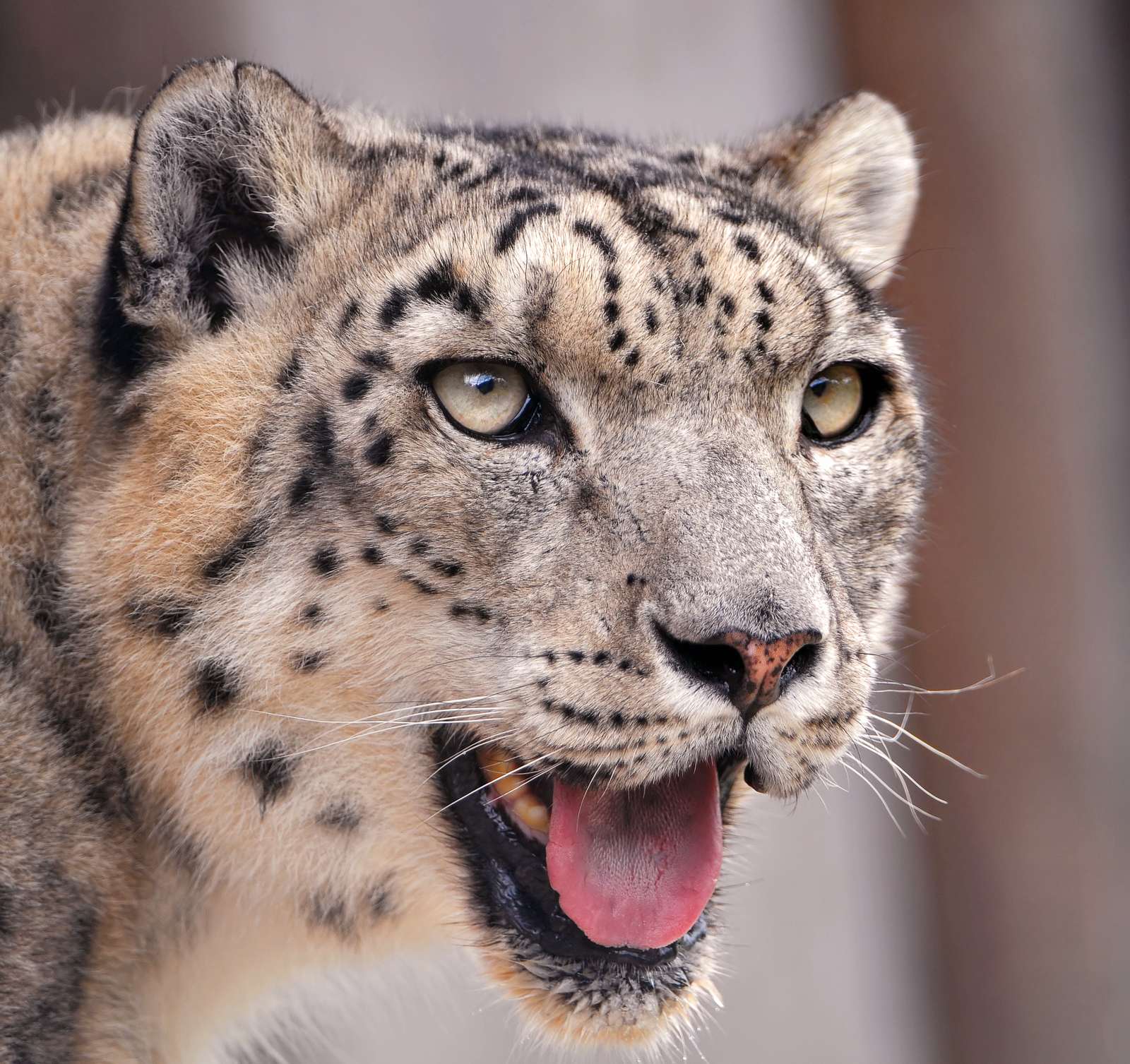
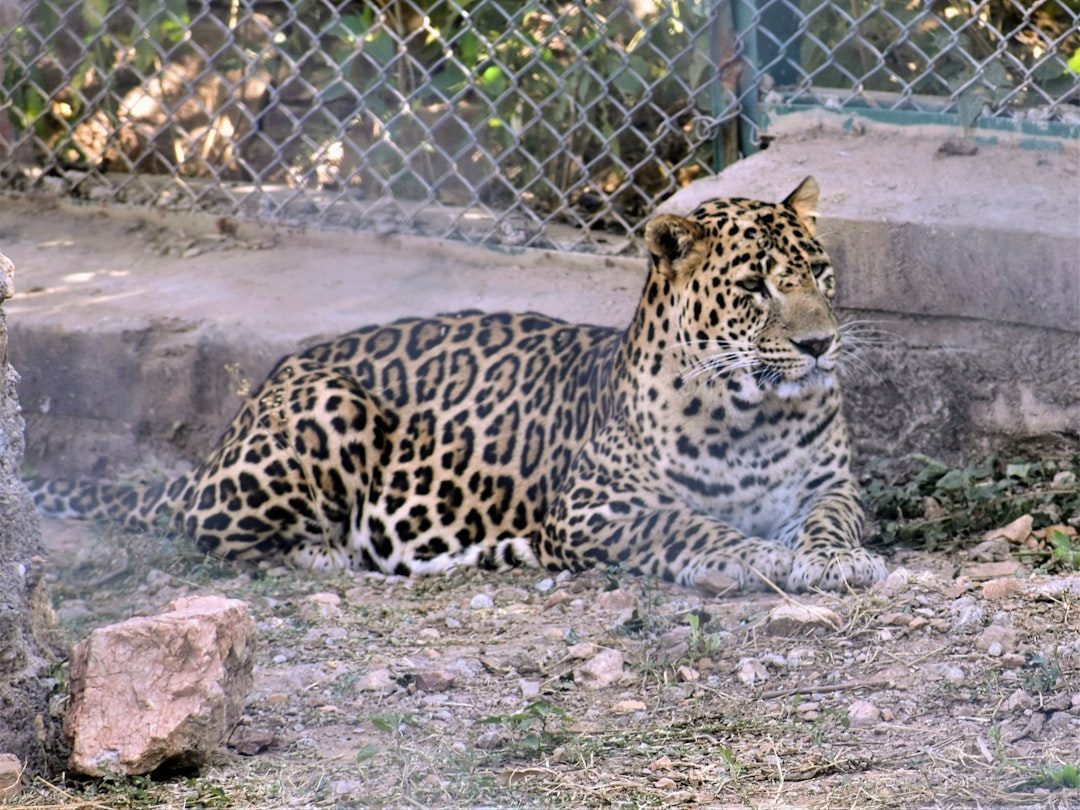
Across parts of Saudi Arabia, Oman, and the United Arab Emirates, captive breeding centers now care for a precious handful of Arabian leopards. These facilities function as an insurance policy, holding a genetically managed population that could one day bolster wild numbers. Every mating decision is logged, every cub’s family tree tracked to avoid pairing close relatives. Staff monitor health, behavior, and stress, trying to maintain the cats’ natural instincts while keeping them safe from the threats outside their enclosures. It is an odd juxtaposition: one of the planet’s most elusive hunters living behind fencing, protected from the world it once ruled.
Reintroduction, however, is not as simple as opening a gate. Suitable habitat must be identified and secured, prey populations restored, and local communities consulted and genuinely involved. Animals raised in captivity need careful preparation to learn or relearn hunting and avoidance behaviors, a process that can take years. There is also a philosophical tension here: is a population seeded from breeding centers truly wild if the landscape around it is fundamentally altered? To my mind, it is better to face that uncomfortable question than to pretend that doing nothing is a neutral choice.
The Future Landscape: Tech, Climate, and Big Decisions
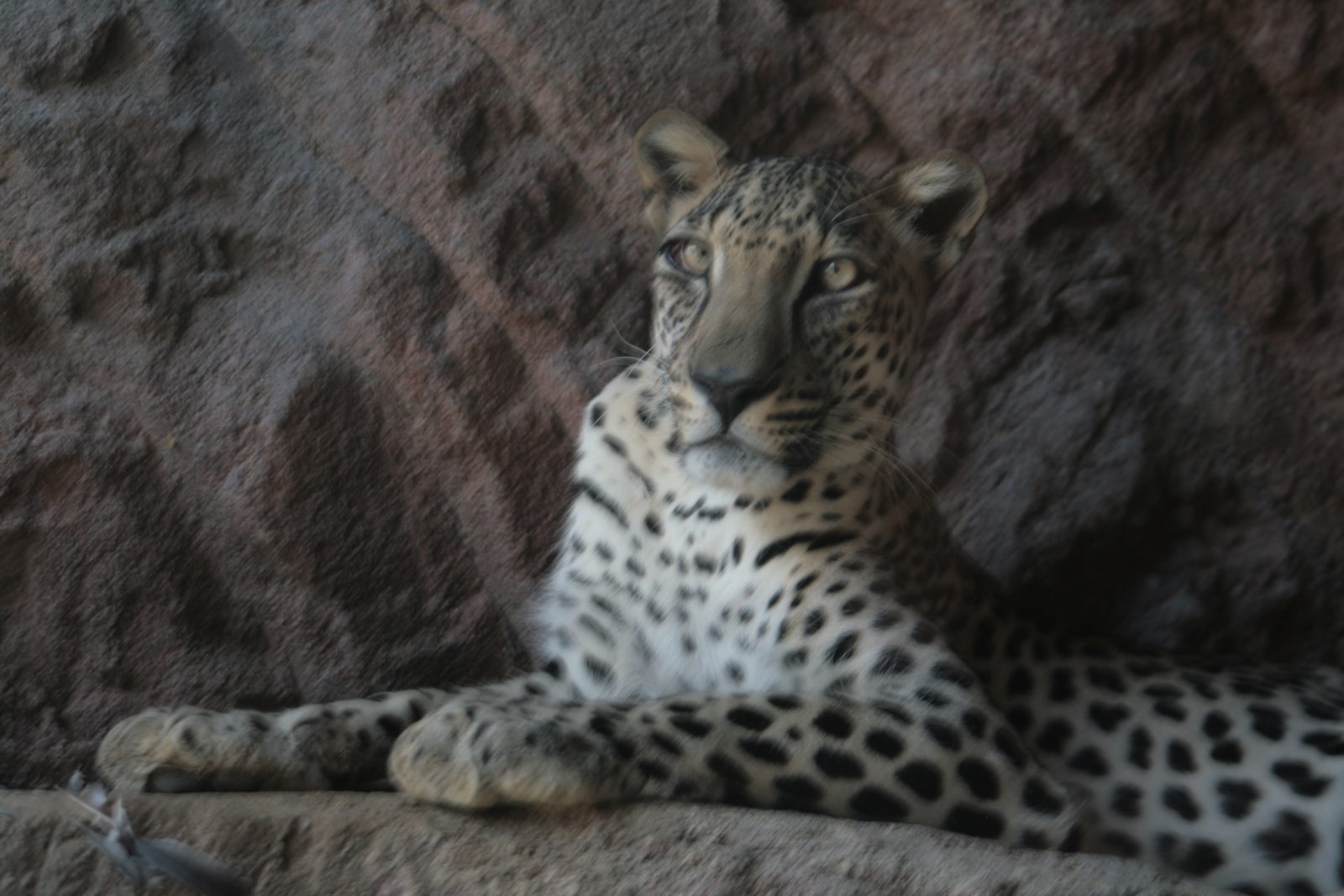
Looking ahead, the Arabian leopard’s survival will likely hinge on how quickly policy and technology can catch up to the urgency of its situation. Satellite mapping and AI-assisted image analysis are already helping researchers identify likely habitat corridors and detect leopards in massive troves of camera-trap images. With better data, conservation planners can propose protected areas and cross-border wildlife corridors that line up with how the animals actually move, not just with political boundaries. At the same time, climate projections suggest that suitable habitat zones in some parts of the Peninsula may shift or shrink, raising the stakes for smart land-use planning now rather than later.
There is also a growing recognition that conservation cannot be siloed from broader economic development. Decisions about mining, tourism, infrastructure, and agriculture will determine whether leopard habitat is chipped away or carefully integrated into a larger vision of sustainable land use. In an era when countries in the region are investing heavily in giga-projects and new cities, setting aside intact mountain refuges for a big cat can feel like a radical act. Yet those choices will echo for decades, shaping everything from biodiversity to water security. The Arabian leopard, in that sense, is a litmus test for whether high-tech futures can coexist with deep-time wildlife.
How You Can Help Keep the Spots in the Mountains
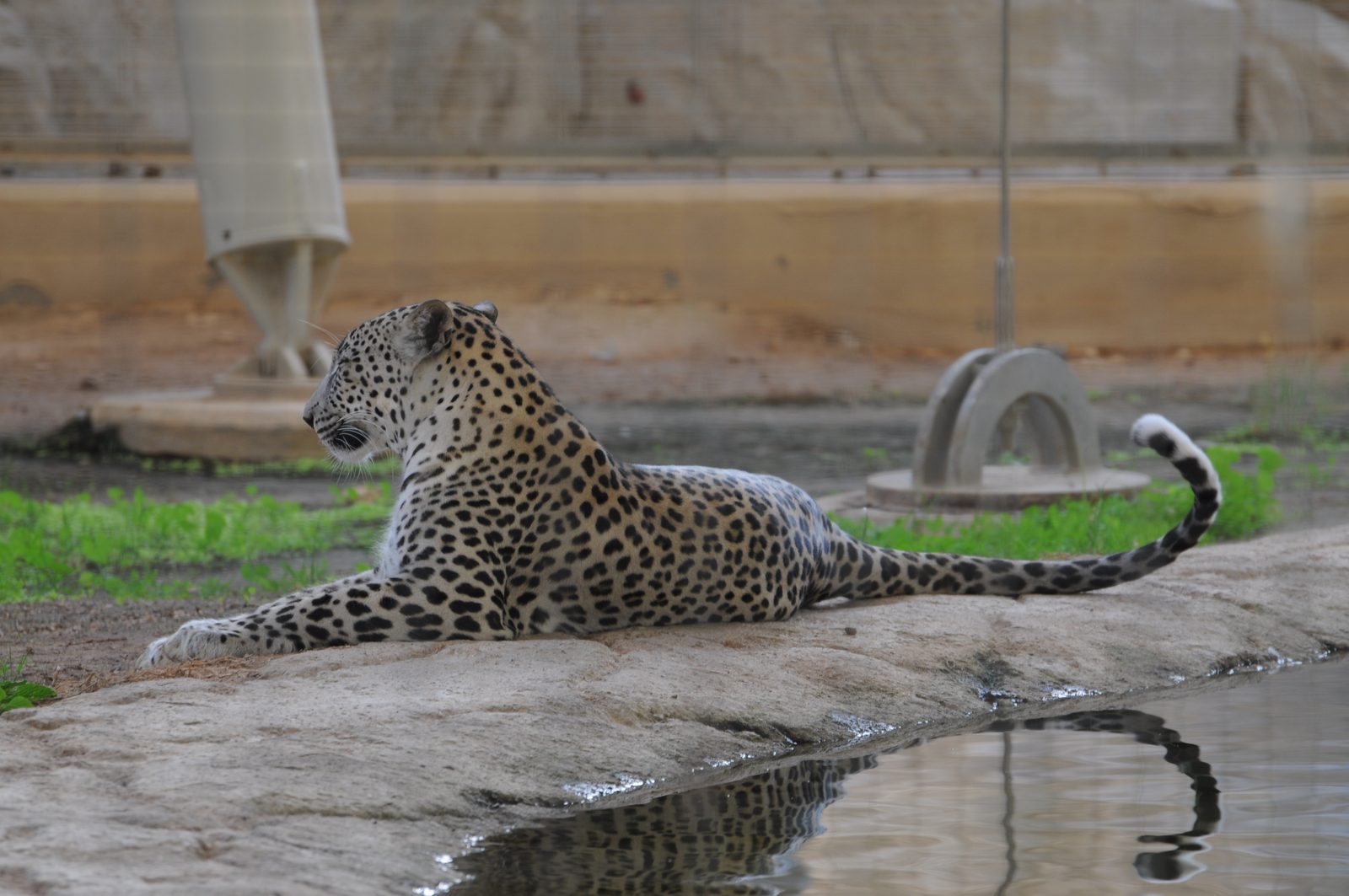
Most of us will never see an Arabian leopard in the wild, and yet our choices can still tilt the odds for or against its survival. Learning about the species and sharing accurate information counters the quiet extinction that happens when a species disappears from our imagination before it disappears from the Earth. Supporting reputable conservation organizations working in the Arabian Peninsula – especially those that partner with local communities – helps fund camera-trap surveys, conflict mitigation, and habitat protection. Even small, regular donations can sustain long-term projects that rarely make front-page news but quietly keep field teams going.
There are also indirect ways to help. Reducing your overall ecological footprint, from energy use to meat consumption, chips away at the global pressures driving habitat loss and climate change that affect species like the Arabian leopard. If you travel to the region, choosing responsible operators and asking questions about wildlife policies sends a message that visitors care about more than just luxury and landscapes. I think of it this way: every species pushed to the edge is a mirror held up to our priorities. When you picture that ghost cat on a moonlit ridge, do you want the story to end with a footnote in a field guide, or with a living animal still padding through the rocks?