

If your tiny companion turns their nose up at mealtime like a food critic judging a subpar restaurant, you’re not alone. Plenty of small dog owners wrestle with the frustration of trying to convince their picky pup that dinner is, in fact, worth eating. Sometimes it feels like you’re running a gourmet kitchen service rather than simply filling a food bowl.
The truth is, many small dog breeds have earned a reputation for being selective about their meals, and there are real reasons behind this behavior. From delicate digestive systems to learned habits reinforced by well-meaning owners, fussy eating among toy breeds is more common than you might think. Let’s explore which little dogs are most likely to give you grief at dinnertime and what you can actually do about it.
1. Chihuahua
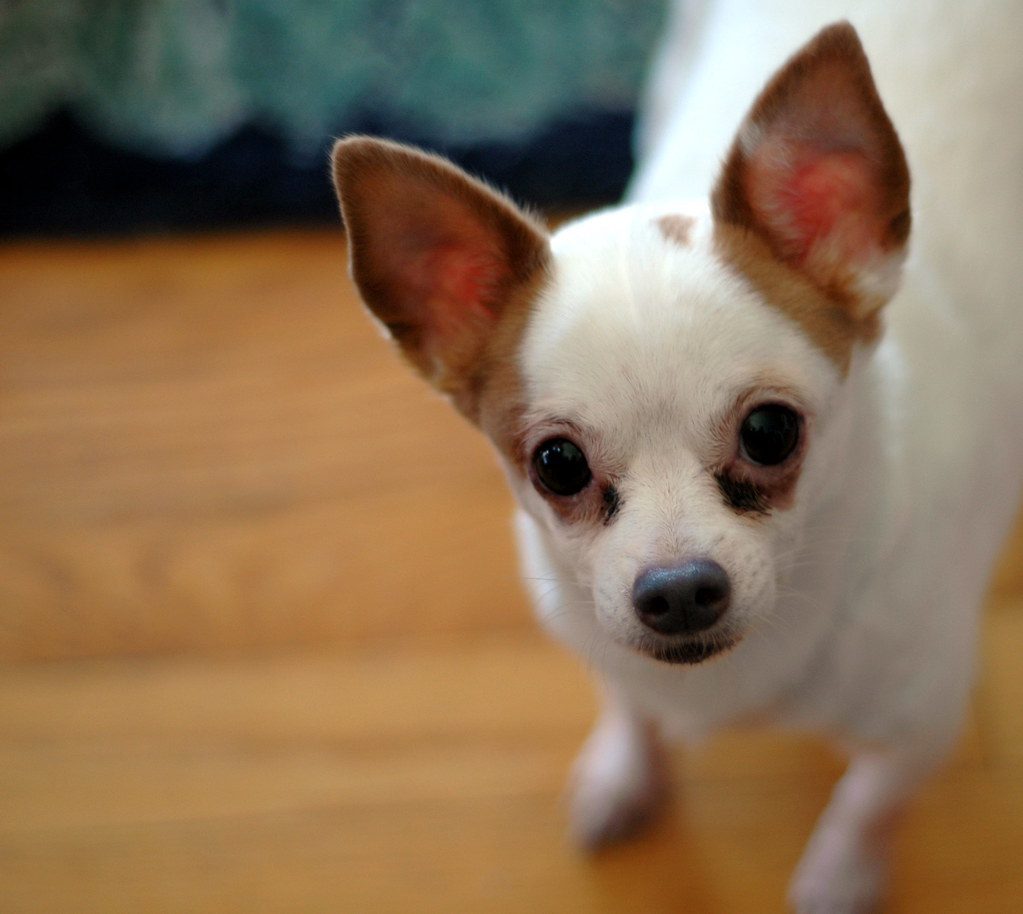
Chihuahuas are notorious for being picky eaters, which often stems from their small size and unique dietary needs. Their small size means they require less food, but it needs to be nutrient-rich to support their high energy levels, and they may refuse food based on texture, taste, or even the size of the kibble. Your Chihuahua might sniff their bowl, give you a side-eye, and simply walk away if they’ve decided the meal doesn’t meet their standards.
They can also be easily spoiled with human food, leading to a preference for certain flavors and textures, and owners need to be cautious not to indulge these preferences excessively, as it can lead to nutritional deficiencies and health issues. When a dog is hungry, he will eat, so if you hold steady, he will eat the food you offer if there is no other choice. The key with Chihuahuas is consistency and not caving to their demands for something better.
2. Yorkshire Terrier

Fussy eating with Yorkshire Terriers can manifest in various ways, including lack of interest in meals, selective eating, and holding out for something better. Your Yorkie might approach the food bowl with enthusiasm, take one sniff, and then wander off like they’ve been personally offended. Yorkshire Terriers are small dogs with big personalities and selective eating habits, and their tiny stomachs require smaller, nutrient-rich meals while they tend to reject food that’s bland or too large for their mouths.
Subpar dog food with artificial additives such as food colorings and chemical preservatives can significantly impact the digestive well-being of Yorkshire Terriers, causing symptoms like nausea and upset stomach, and when these negative reactions become associated with mealtime, Yorkshire Terriers may start to exhibit finicky eating habits to avoid discomfort. These dogs are also sensitive to their environment, and changes in routine, noise, or unfamiliar surroundings can affect their appetite. Creating a calm feeding environment makes a real difference.
3. Maltese

The Maltese breed is another example of small dogs with particular eating habits, often preferring smaller kibble sizes due to their tiny mouths and may reject food that is too large or too hard, and can also be sensitive to the taste and smell of their food. It is very common for Maltese puppies and dogs to be perceived as picky or finicky eaters, and owners may need to hover over them as they eat to encourage them or watch as they only nibble and pick at their food.
Honestly, dealing with a Maltese who won’t eat can feel like a full-time job. Their delicate digestive systems require high-quality, easily digestible food to avoid gastrointestinal issues, and owners need to be mindful of their specific preferences and dietary needs, often resulting in a trial-and-error approach. Maltese dogs and similar small breeds are known for being fussy with their food, and choosing home cooked style dog food that contains human-grade meats can help keep your picky pooch interested, while rotating between a variety of recipes helps keep things exciting at mealtime.
4. Shih Tzu

Shih Tzus are known for being particularly fussy when it comes to their meals, can be quite selective about the taste and texture of their food, and might refuse to eat if they are not satisfied with the flavor or if the food is not fresh enough. These little dogs with their adorable faces and long coats have mastered the art of making you feel guilty for serving them anything less than a five-star meal.
Small or toy breeds like Shih Tzus often have more delicate appetites, and their smaller stomachs and unique dietary preferences can make them more selective about what they eat. You might find yourself standing in the pet food aisle far longer than necessary, reading ingredient lists and wondering which formula will finally win your Shih Tzu’s approval. Their pickiness can sometimes be linked to sensitivity, so keeping their food fresh and appealing is essential.
5. Pomeranian
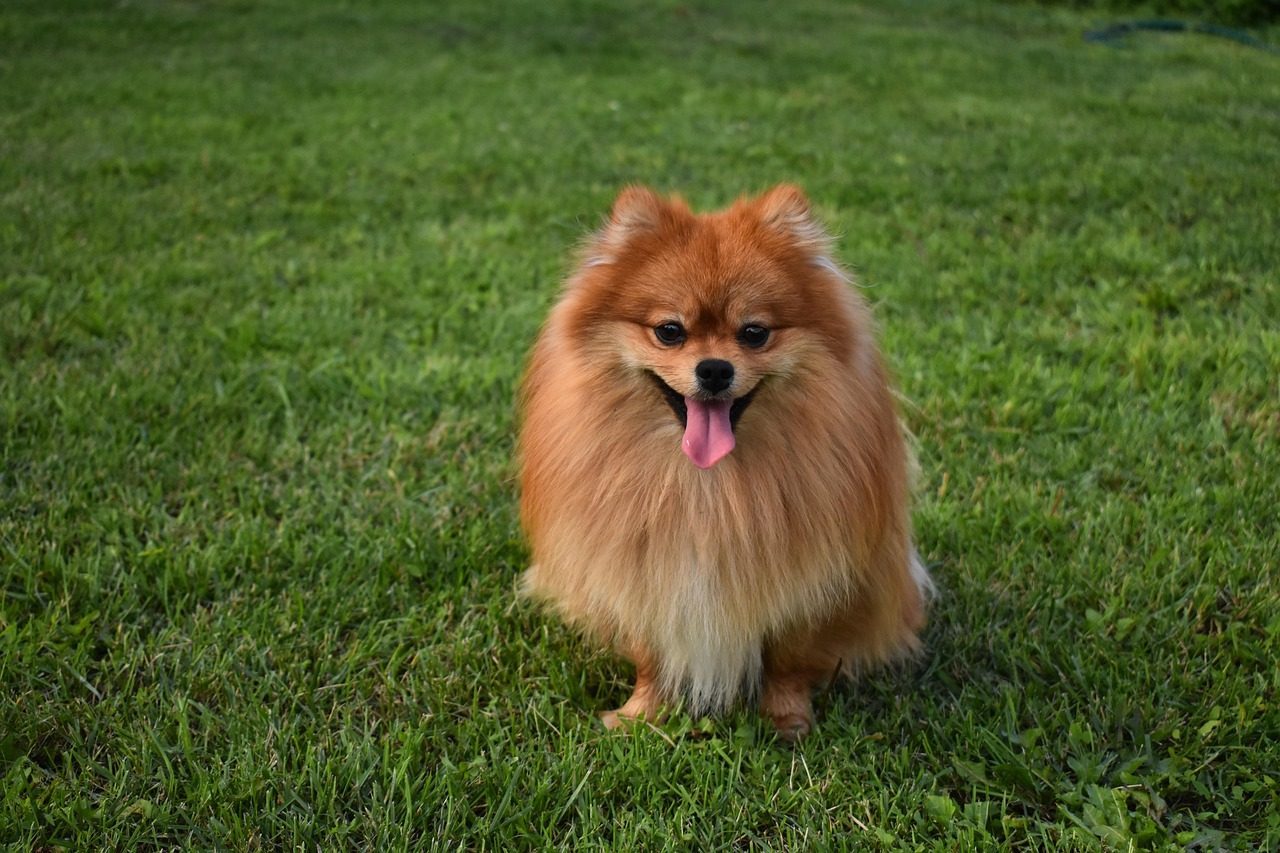
Pomeranians are among the small or toy breeds that often have more delicate appetites. You have most likely been feeding your Pomeranian the same food each day for quite a while, so it’s hardly surprising that they start not wanting to eat it, and your dog won’t eat dry food anymore because they don’t like it. Like humans who get tired of eating the same lunch every day, Pomeranians crave variety.
A fussy Pomeranian may be underweight or, in some cases, overweight if you have fed them too many treats, and if underweight, they may have bone density, liver, and kidney issues and are more likely to get skin infections. Feed them at different times of the day to see what time is best for them, as some like to eat just after you arrive home, while others prefer to eat during the afternoon. Finding the right feeding schedule can actually solve a lot of problems with Pomeranians.
6. Papillon
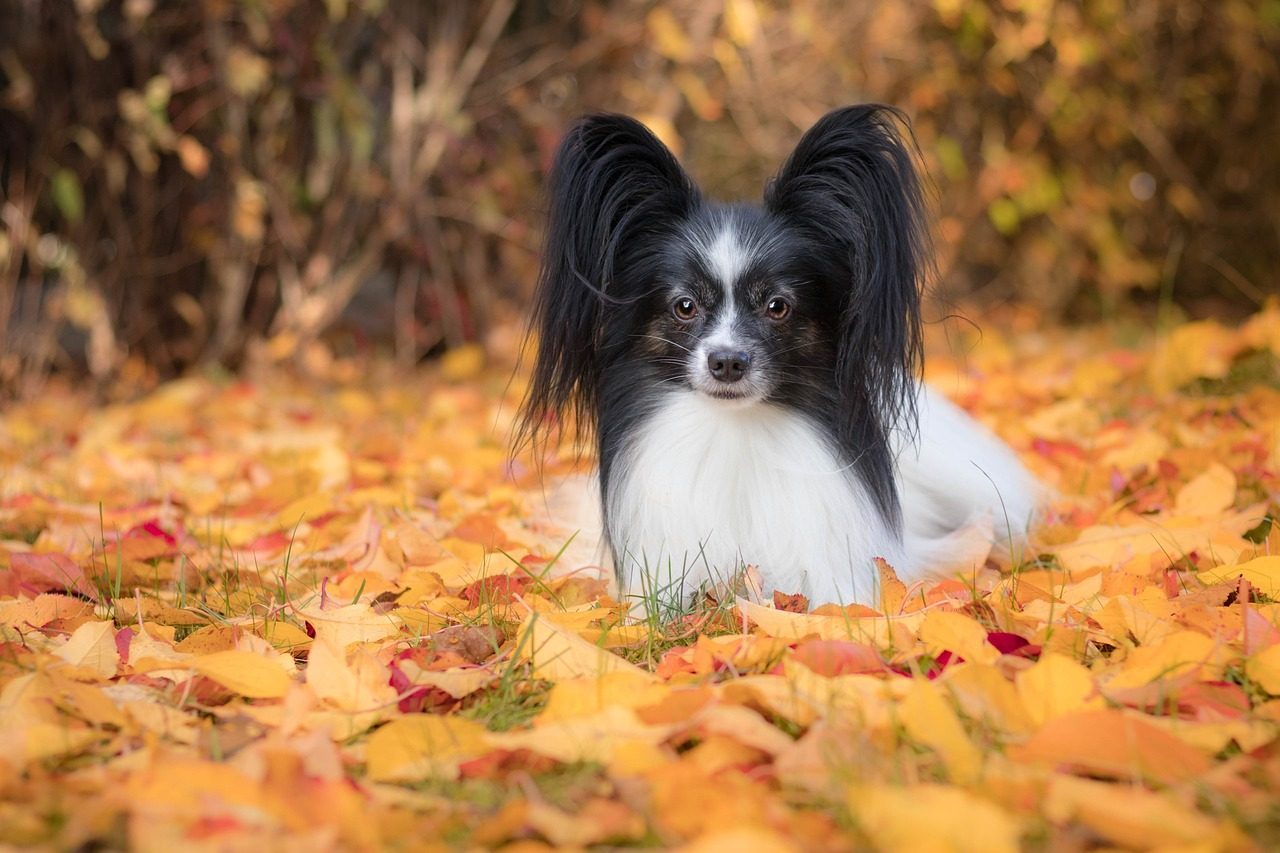
Papillons, known for their elegant butterfly-like ears, are another breed that can be picky about their food, and this breed’s selective eating often stems from their small size, requiring smaller kibble that is easier to chew, while they may also show a preference for certain flavors or textures. Their dainty appearance matches their dainty eating habits, making mealtime a potential challenge.
Their delicate digestive systems require high-quality, nutritious food to maintain their health, and owners may find that offering a mix of dry and wet food, or adding in some freshly cooked ingredients can help entice a Papillon to eat regularly. It’s hard to say for sure, but Papillons seem to appreciate meals that offer texture variety. Don’t be afraid to experiment a bit, as long as you’re making changes gradually to avoid upsetting their sensitive stomachs.
7. Bichon Frise

Bichon Frises, with their fluffy white coats and cheerful disposition, can sometimes be finicky eaters. Bichon Frises’ fussy eating is often attributed to the fact that they are prone to allergies, and even though they love lean meat, owners need to provide variety in their diets, which often doesn’t go over well with these picky eaters.
Here’s the thing about Bichons: they need variety but they’re fussy about change. It’s a bit of a paradox that can drive owners crazy. There are quite a few smaller dog breeds that are known to be picky eaters, including breeds like the Bichon Frise. Working with their allergy sensitivities while trying to keep them interested in their food requires patience and careful observation of what works and what causes problems.
8. Pekingese
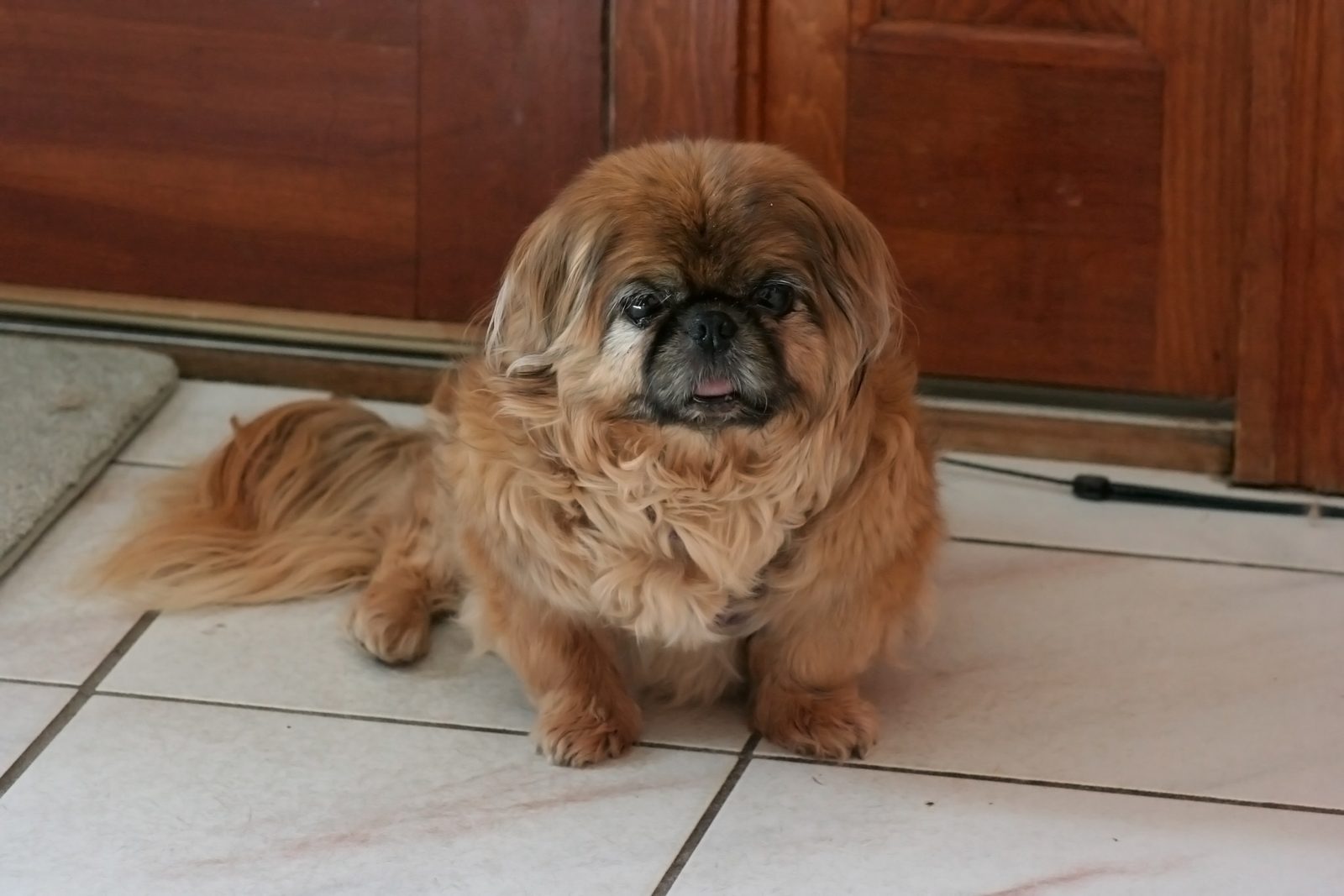
The Pekingese loves treats so much that it tricks its owners and notoriously turns its nose up at regular meals. These regal little dogs with their lion-like appearance seem to believe they deserve royal treatment, and that includes gourmet meals served exactly to their liking.
There are quite a few smaller dog breeds that are known to be picky eaters, including breeds like the Pekingese. The challenge with Pekingese is breaking the cycle where they hold out for treats instead of eating their nutritionally balanced meals. You’ll need to be firm about limiting treats and making sure their regular food is the main attraction, not an afterthought they’re willing to skip.
9. Boston Terrier
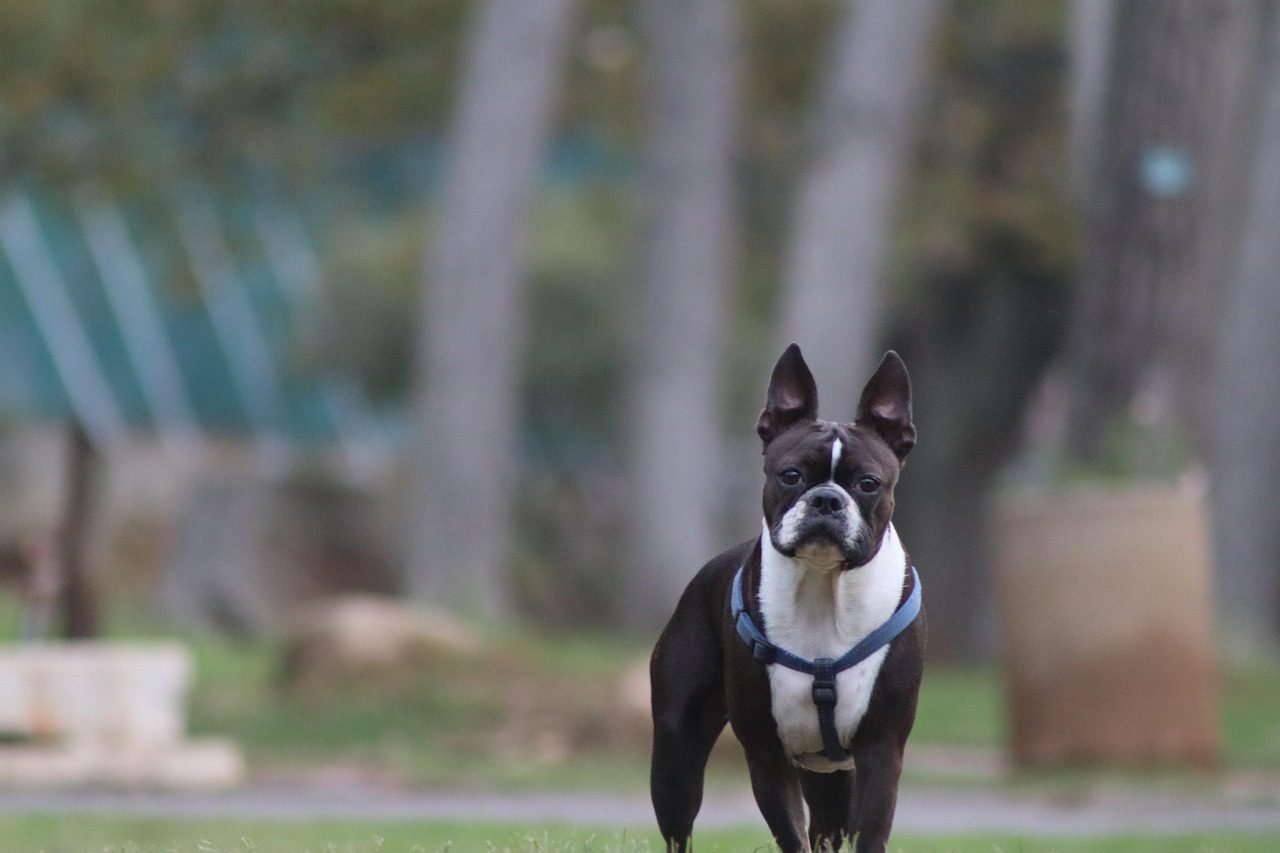
Boston Terriers, with their distinctive tuxedo-like markings, can also be quite selective about their food, and this breed may exhibit pickiness due to digestive sensitivities, requiring a diet that is easy on their stomachs, while they might show a preference for certain types of food and reject others. Their adorable bug eyes might look up at you pleadingly, but don’t let that fool you into constantly switching foods.
To accommodate a Boston Terrier’s selective eating habits, owners often need to explore different high-quality dog food formulas and consider incorporating some healthy, fresh foods to enhance the appeal of their meals. Unlike some breeds where pickiness is purely behavioral, Boston Terriers often have legitimate digestive reasons for being selective. Finding a formula that agrees with their sensitive tummies is half the battle.
10. French Bulldog
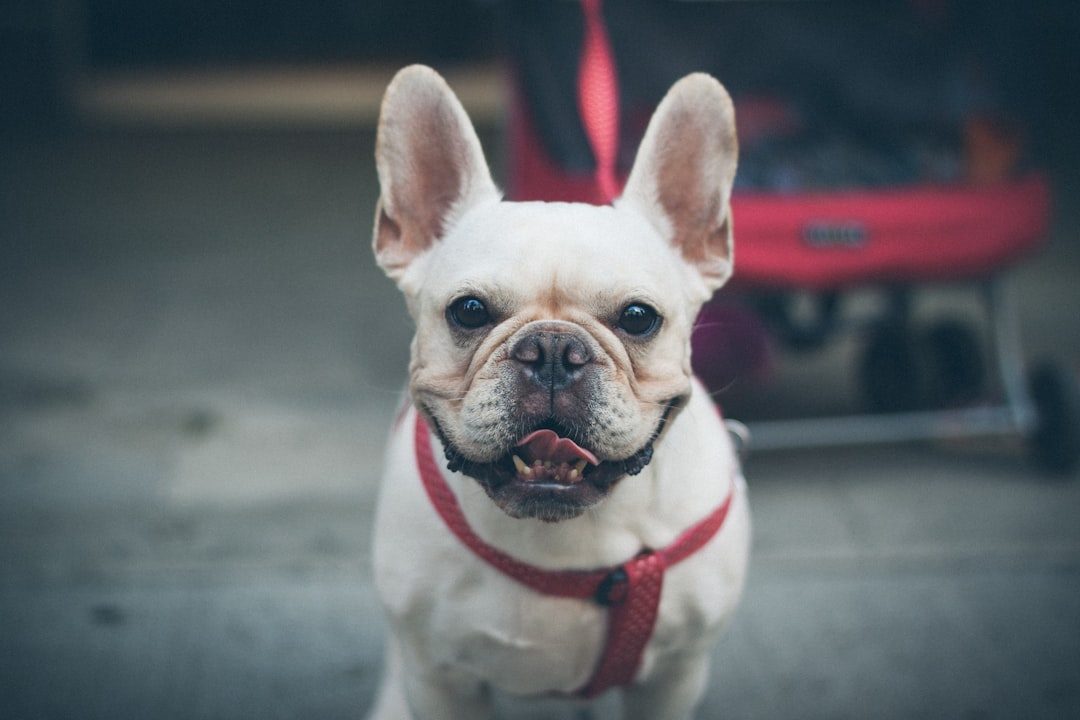
Small or toy breeds like French Bulldogs often have more delicate appetites, and their smaller stomachs and unique dietary preferences can make them more selective about what they eat. French Bulldogs combine stubbornness with selectivity, creating a perfect storm of mealtime drama. They know what they like and they’re not afraid to let you know when dinner doesn’t measure up.
Not every dog is food-driven, especially the smaller breeds, and for some, it just isn’t all that important as they don’t see food as the ultimate reward and may want your attention or praise instead. With French Bulldogs, sometimes the issue isn’t the food at all but rather their priorities. They might be more interested in playing with you or getting belly rubs than eating, which means establishing a consistent routine becomes even more important.
What You Can Do About Fussy Eating
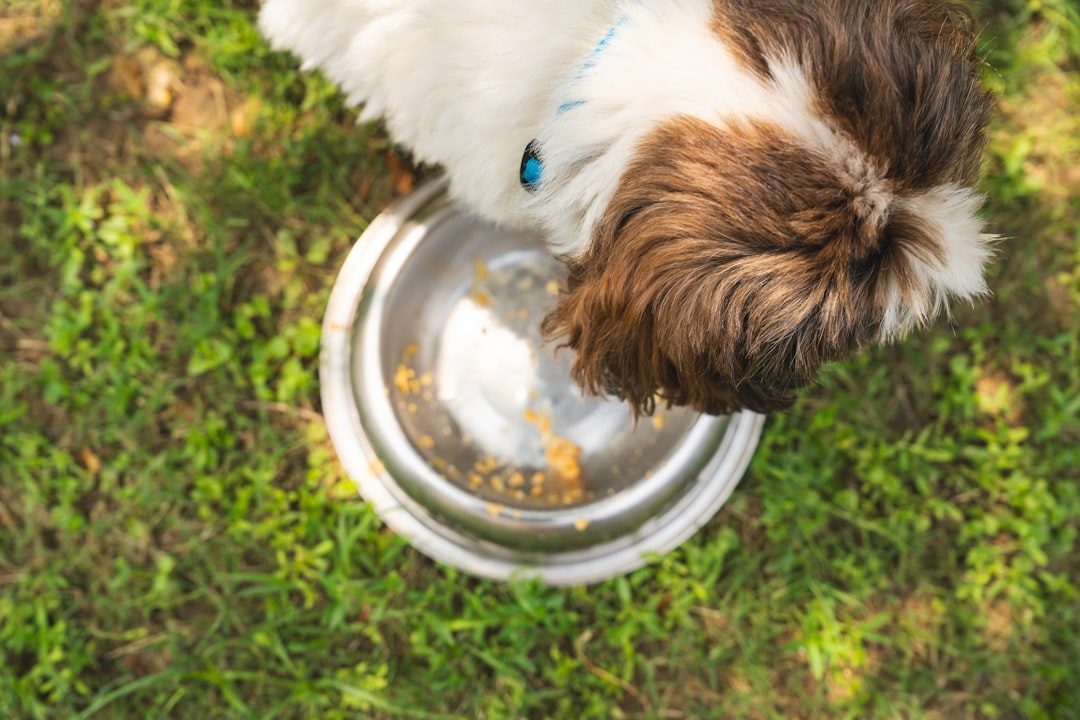
Offer a meal at the same time each day, and give your pet a certain amount of time to eat it, say 15 or 20 minutes, and if they don’t eat within that time, take the food away and try it at the next meal. This tough love approach actually works. Small dogs were found to be less focused on their food and easily distracted, and this lower focus could be perceived as lesser food enjoyment or being more finicky by dog owners, while research also found that small dogs may be more sensitive to palatability differences.
Sharing food with your dog may seem generous, but it can do more harm than good, as the scraps can add up and make them full by mealtime, and you might think it’s a tiny bite when it’s actually a lot of food for a small dog. It’s unlikely that your dog was born a fussy eater, and instead their picky eating habits probably suggest that they’re a very smart dog, as by holding out long enough, they’ve realized that if they ignore their average daily meals, they are more likely to get attention and a better tasting alternative. Recognizing this dynamic is the first step toward fixing it.
What do you think about your small dog’s eating habits now? Have you been unknowingly encouraging the pickiness, or does your pup have legitimate preferences? The important thing is finding a balance between meeting their nutritional needs and not letting them run the show. With patience, consistency, and the right approach, even the fussiest eater can learn to enjoy mealtime without all the drama.
Hi, I’m Andrew, and I come from India. Experienced content specialist with a passion for writing. My forte includes health and wellness, Travel, Animals, and Nature. A nature nomad, I am obsessed with mountains and love high-altitude trekking. I have been on several Himalayan treks in India including the Everest Base Camp in Nepal, a profound experience.