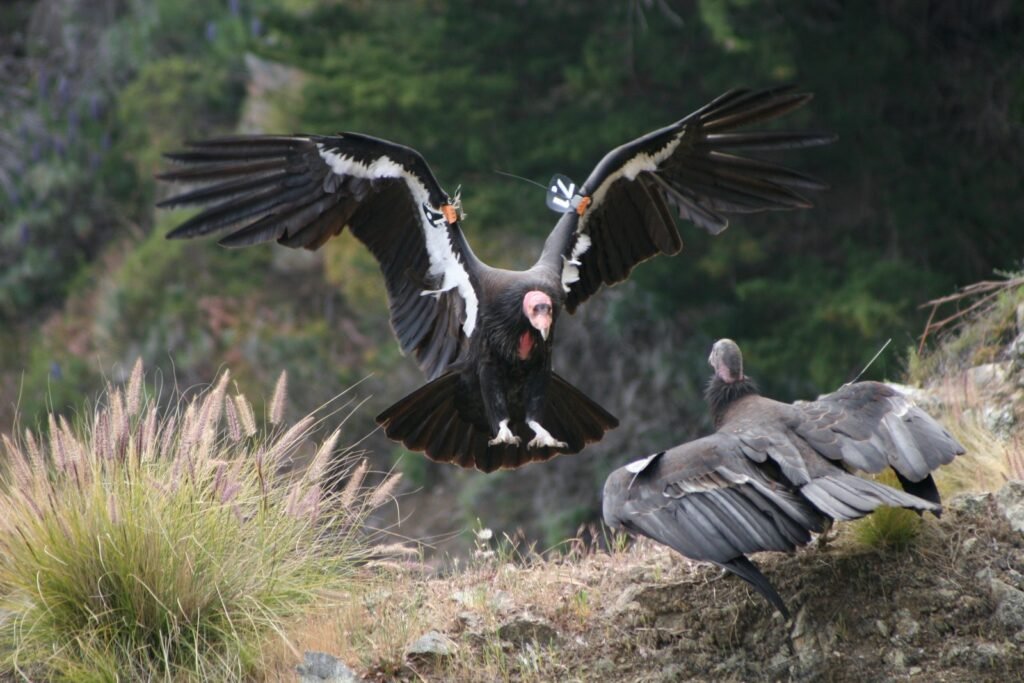
High over the canyons of California, a bird with a ten-foot wingspan once ruled the thermals like a living relic from the Ice Age. Today, that same species survives only because of round-the-clock human intervention, bar-coded ID tags, and emergency trips to veterinary hospitals. The California condor is one of North America’s great wildlife comeback stories – and one of its most fragile. As conservationists celebrate each new chick, they’re also racing against an evolving mix of threats that keep this giant vulture on the edge of extinction. Understanding why this iconic raptor is still in such deep trouble is the first step toward deciding what kind of future we want for the wild skies of the American West.
The Hidden Clues in a Vanishing Sky: A Tiny Wild Population
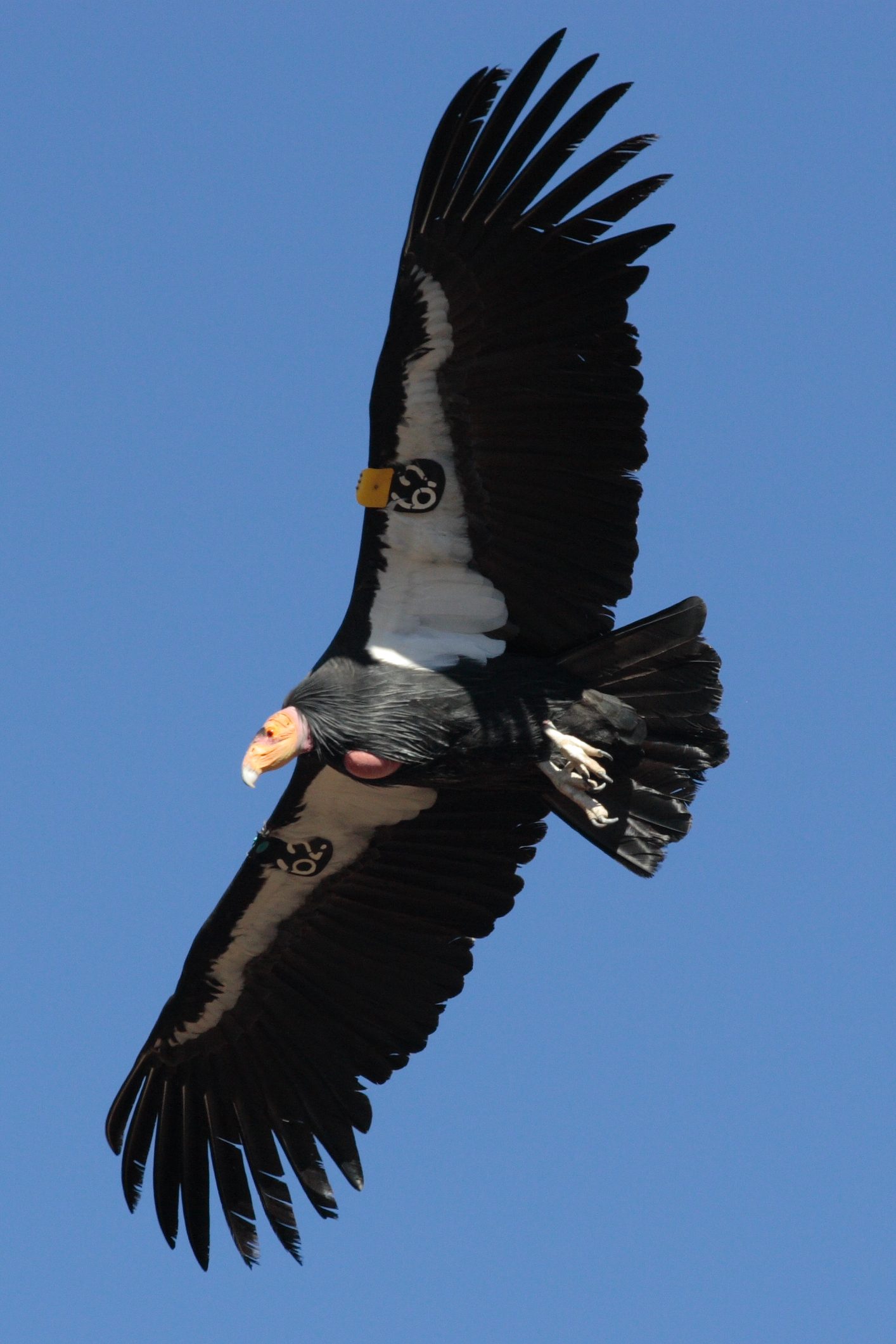
It feels almost surreal to remember that in the late 1980s, every single California condor on Earth lived in captivity. Biologists captured the last wild birds in 1987, reducing the global population to just a couple dozen individuals in breeding centers. Thanks to decades of careful management, the total population has now climbed into the hundreds, with birds reintroduced to California, Arizona, Utah, and Baja California. But those larger numbers can be misleading; the number of truly wild, breeding adults is still only in the low hundreds, scattered across a vast, fragmented landscape.
When I first saw a condor in the wild along the Big Sur coast, what shocked me was not the bird itself – but the silence around it. For long minutes, nothing else appeared in the sky, no other soaring giants to join it, only that single tagged silhouette. That lonely scene sums up the species’ reality: a bird that once ranged across much of North America is now confined to a handful of strongholds. With such a small wild population, every loss – whether from poisoning, collision, or disease – lands like a hammer blow on the species’ long-term survival.
Legacy of Lead: The Poison Still Killing Condors
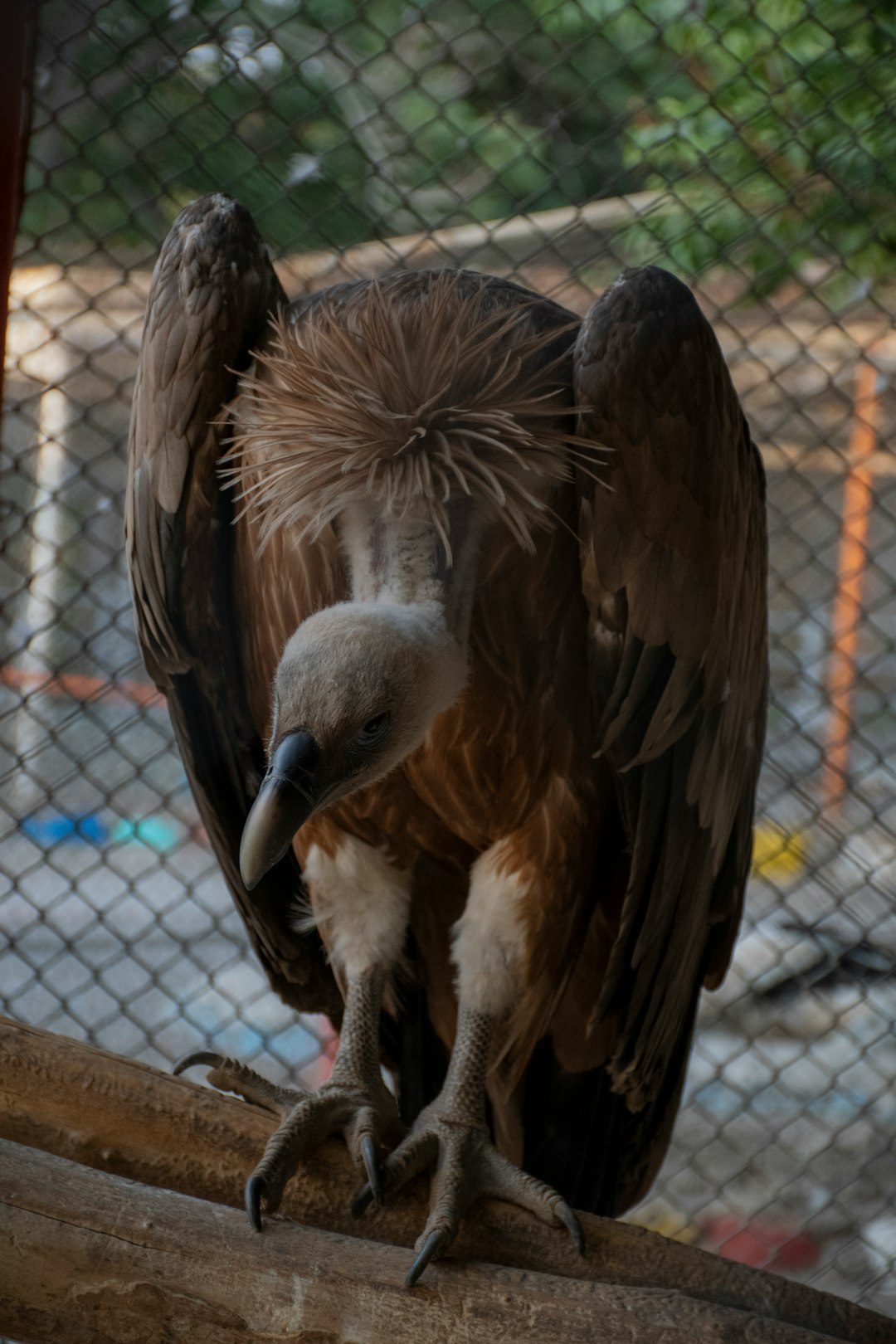
If there is one main villain in the California condor story, it is lead. Condors are scavengers, evolved to feed on the carcasses of large animals, from marine mammals to deer and elk. In the modern West, many of those carcasses come from animals that have been shot with lead ammunition, leaving behind tiny metal fragments scattered through flesh and organs. When condors feed on these remains, they ingest those fragments, and even small amounts of lead can be fatal to a bird that can live for many decades.
Wildlife veterinarians routinely test free-flying condors for lead levels, and the results are sobering. In some years, a substantial portion of the wild population requires emergency treatment for lead exposure, involving chelation therapy and, in severe cases, extended care in specialized facilities. Picture a bird that evolved to glide over canyon country for hours suddenly tethered to an IV line in a clinical room; it is both a hopeful and heartbreaking image of modern conservation. Lead ammunition bans and voluntary non-lead programs in parts of California and the Southwest have helped, but they have not eliminated the problem. As long as lead bullets and shot are used in condor country, this threat hangs over every free-flying bird.
Slow Lives on a Fast-Changing Planet: Reproduction and Biology
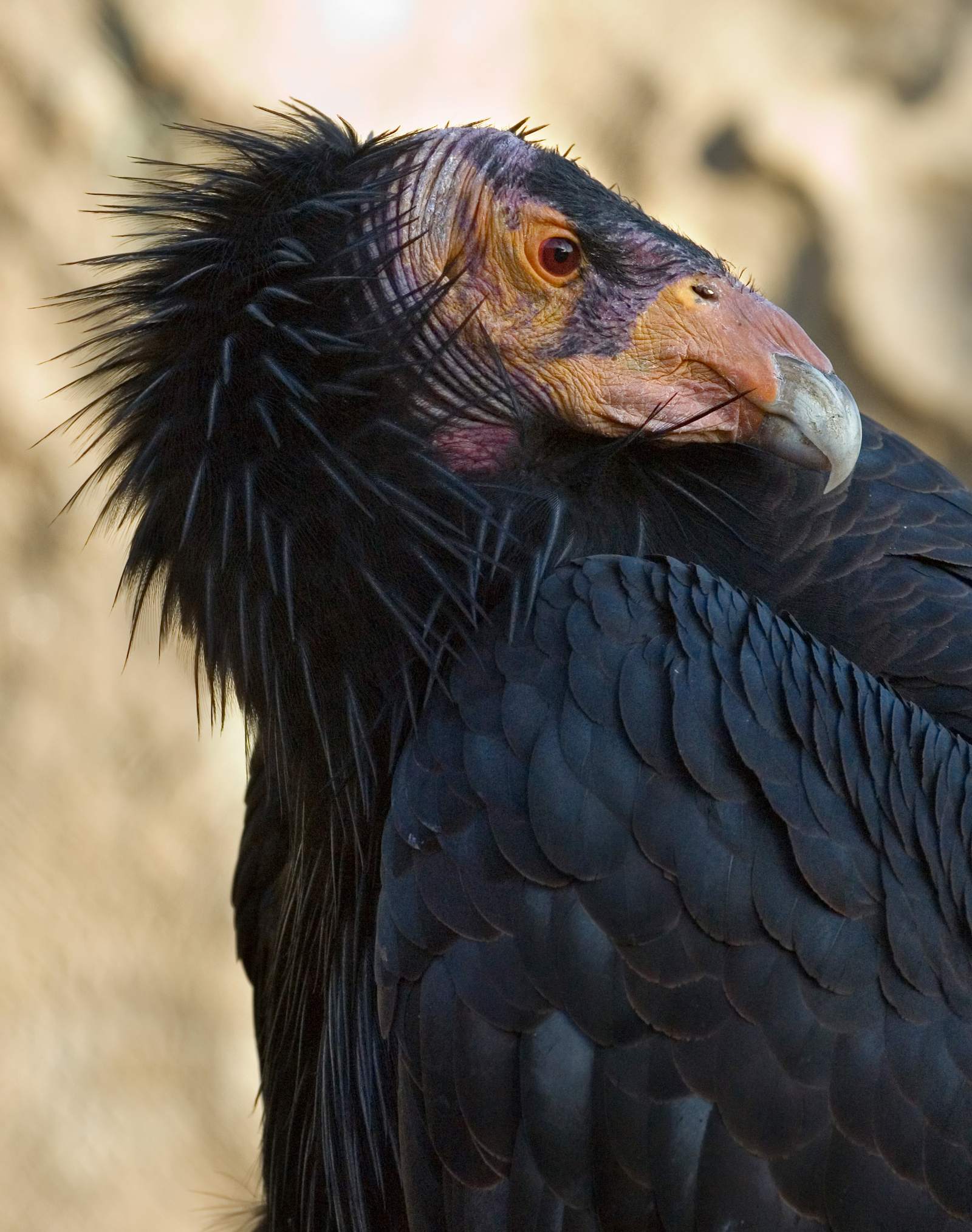
The California condor lives life in slow motion, and that biological pace is a big part of why it is still in danger. Condors take many years to reach breeding age, often not reproducing until they are in their mid to late single digits. Even then, a pair usually produces only one egg at a time, and sometimes they do not breed every year. This makes them the opposite of “bounce back quickly” species; losing even a few adults can more than erase the gains from an entire breeding season.
Biologists sometimes describe condors as following a “long game” strategy, trading fast reproduction for longevity that can stretch for many decades in the wild. That strategy worked beautifully when vast landscapes and abundant carcasses buffered them from sudden changes. In today’s world of rapid habitat alteration, pollution, and climate shifts, though, that built-in slowness becomes a liability. Captive breeding programs partly compensate by encouraging more frequent laying, including through egg-pulling techniques that stimulate second clutches. But in the wild, there is no shortcut; condors can only replace themselves at the pace encoded in their genes, even as pressures mount faster than ever.
Wires, Wind, and Wildfires: Modern Hazards in a Fragmented West
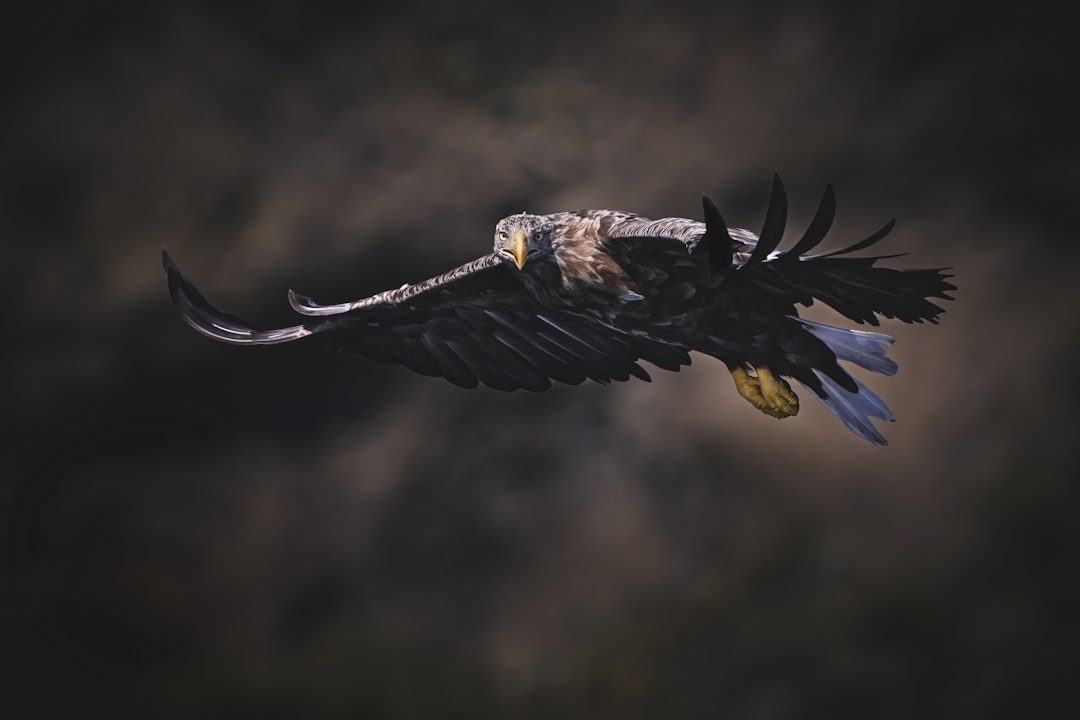
Look up in condor country now and the sky itself has changed. Power lines cross canyons, wind turbines spin along ridges, and human activity has pushed development into valleys and foothills that once offered relatively undisturbed habitat. For a bird with a ten-foot wingspan and limited familiarity with modern infrastructure, these changes come with serious risks. Collisions and electrocutions on power lines have killed condors, and conservation teams now invest heavily in “power pole aversion” training and retrofitting dangerous structures to reduce those threats.
Then there are wildfires, which have become more intense, more frequent, and more destructive across the West. Some condor release sites and nest territories have been hit by major fires in recent years, wiping out perches, nest trees, and foraging areas almost overnight. While condors can move long distances to find new roosts, young birds and nesting pairs are especially vulnerable to sudden habitat changes. Add in vehicle strikes when birds feed near roads and disturbances from recreation or development, and you get a hazardous, fragmented landscape that challenges a species built for soaring over open, largely undisturbed country.
Invisible Enemies: Microtrash, Toxins, and Disease
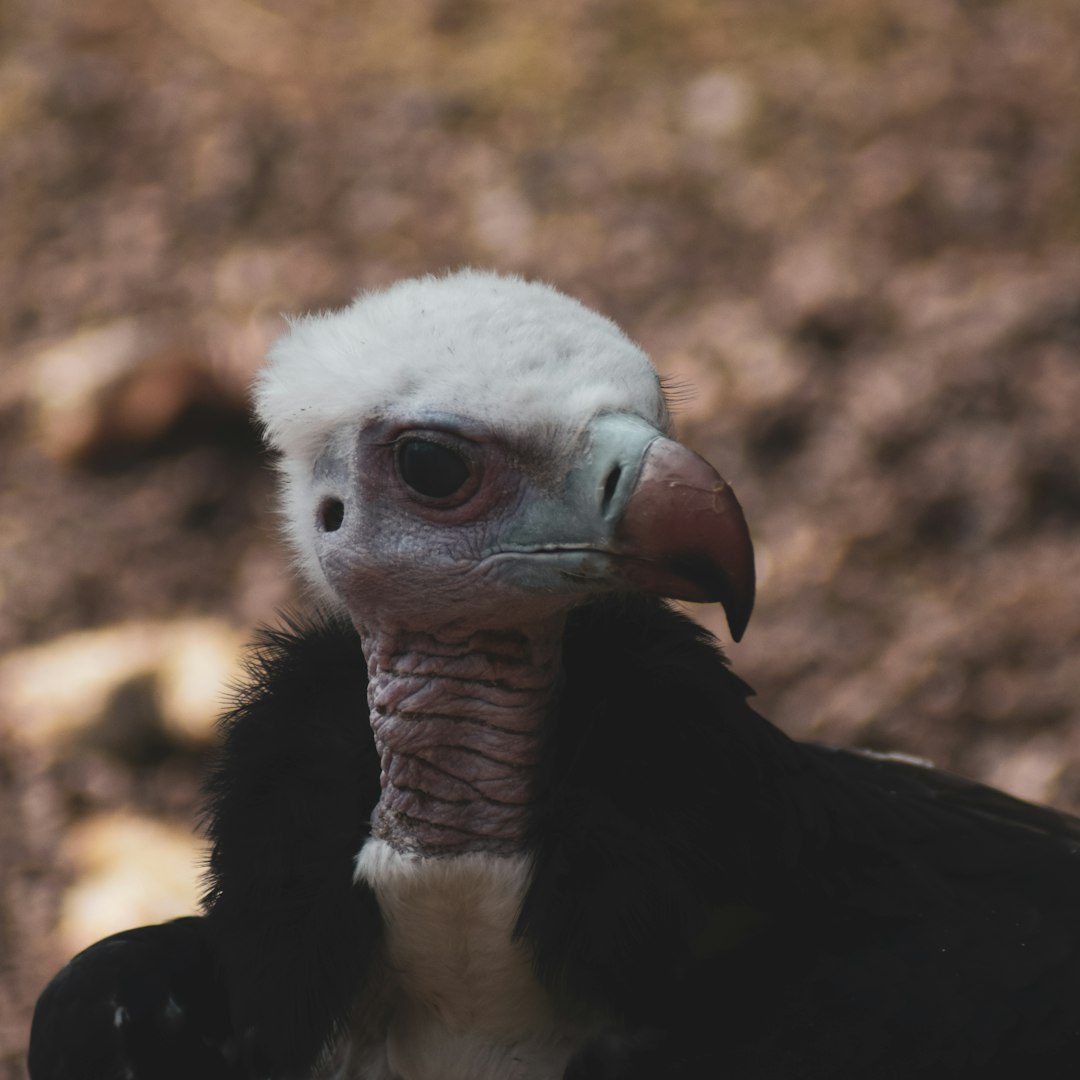
Not all threats to condors are as obvious as a power line or a bullet fragment. One of the more unsettling discoveries in condor recovery has been the problem of “microtrash” – small bits of glass, metal, plastic, and other debris that birds pick up and sometimes feed to their chicks. Researchers have found bottle caps, wires, and other junk in condor nests, and in worst cases, these items can injure or kill young birds by blocking or tearing their digestive systems. It is a gut-level reminder that even our smallest, most casual litter can echo up the food chain to the largest birds in the sky.
Beyond trash, condors also face chemical and biological threats. Exposure to pesticides and industrial pollutants can weaken immune systems, while emerging diseases, including those carried by other birds or by human activity around release sites, loom as ongoing concerns. In some cases, condors have been exposed to toxins from marine mammals that themselves are contaminated, linking ocean health directly to raptor survival. Each new hazard adds another variable for biologists to track in an already complex recovery program. The result is a constant balancing act: keeping birds wild enough to live independently, but monitored enough to catch these invisible enemies before they spread.
Why It Matters: A Living Fossil and a Measure of Our Priorities
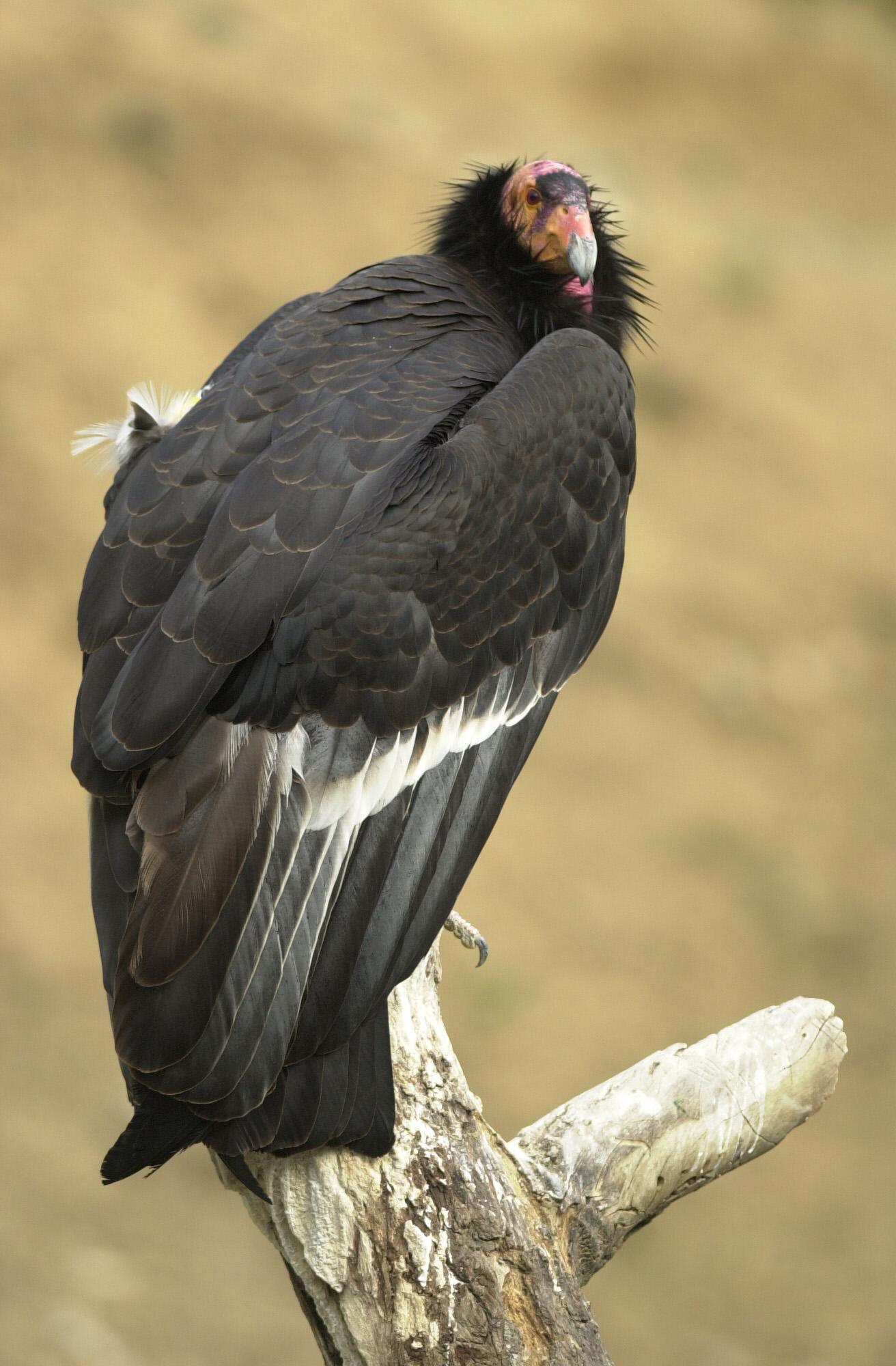
It is fair to ask why so much money, time, and emotional energy goes into saving a single bird species, especially one that currently cannot survive without substantial human help. Part of the answer lies in what the California condor represents. This raptor is often described as a living fossil, a survivor from a Pleistocene world of giant mammals and open, carcass-rich plains. To watch a condor glide over the Grand Canyon or the cliffs of the Central Coast is to glimpse a version of North America that existed long before highways and skyscrapers.
Condors also function as powerful indicators of ecosystem health. If a landscape can support these large scavengers, it usually means there are intact food webs, enough wild or semi-wild open space, and relatively clean environmental conditions. In that sense, condors are like the canaries in the coal mine, but for entire Western landscapes. Losing them would not just be the loss of a species; it would be a statement about what we are willing to let disappear from our shared natural heritage. Keeping them aloft demands that we rethink long-standing practices, from the kind of ammunition used in hunting to how we design energy infrastructure, making condor recovery a test case for how serious we are about coexistence.
The Future Landscape: Tech, Climate, and Hard Choices Ahead
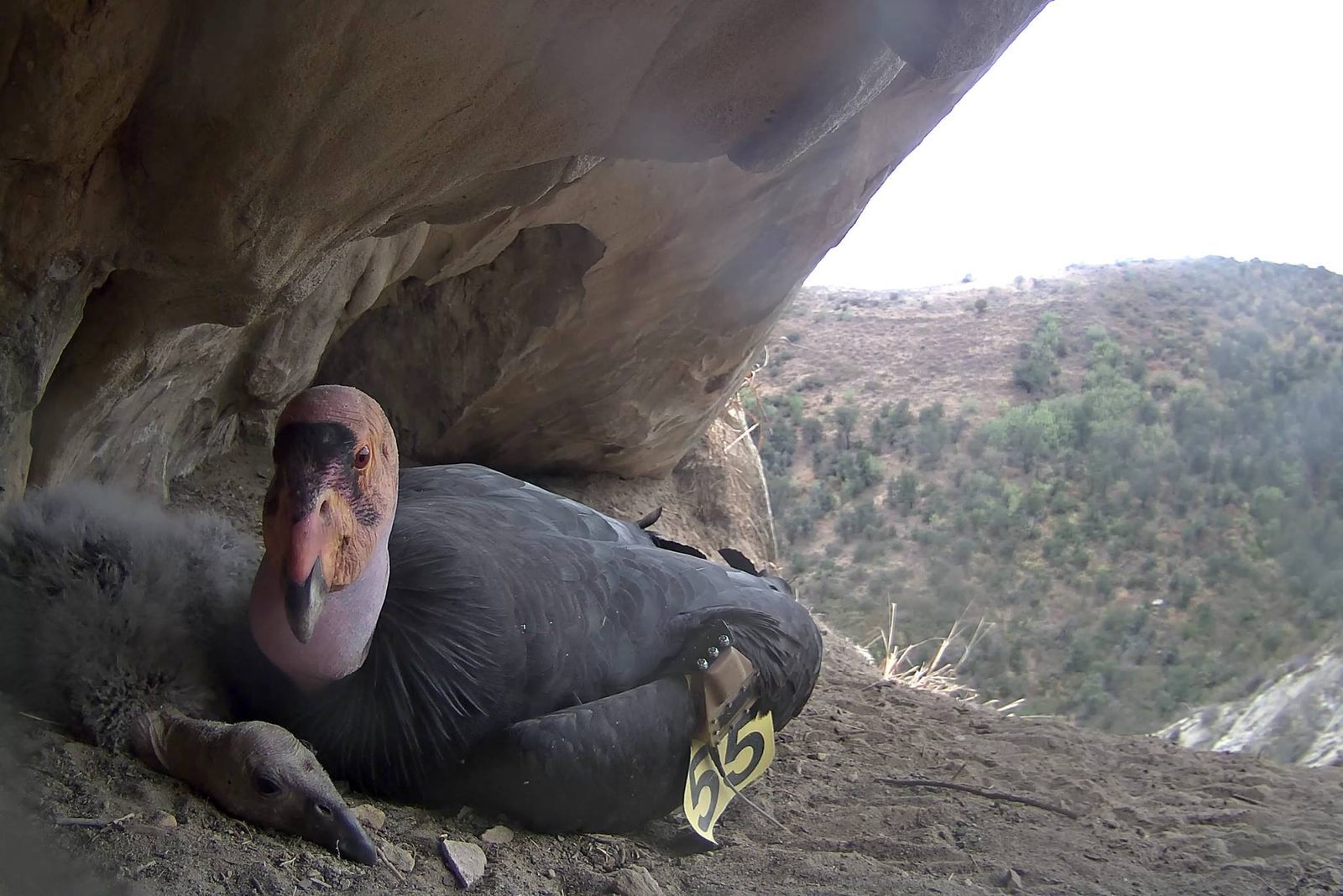
Looking ahead, the California condor’s fate will be decided by a mix of new tools and old dilemmas. On the technology side, researchers are using GPS transmitters, genetic analyses, and sophisticated health monitoring to track individual birds almost in real time. These tools help managers detect lead exposure earlier, identify breeding pairs that are especially valuable for genetic diversity, and map risky areas such as particular power lines or shooting hotspots. Some conservationists are even exploring whether new forms of non-lead ammunition and smarter carcass management in ranching and hunting communities can drastically cut poisoning cases.
But technology cannot erase the big-picture challenges. Climate change is reshaping Western ecosystems, altering wind patterns, wildfire regimes, and the distribution of key food sources like marine mammals and large ungulates. As droughts intensify and heatwaves grow more common, some traditional condor habitats may become less suitable, forcing managers to think creatively about future release sites and corridors. There is also a more philosophical challenge: how long, and to what extent, should humans keep a species alive that depends so heavily on active management? For now, most people working with condors seem comfortable with an answer that leans toward continued intervention, on the argument that our actions caused the crisis and our actions should help resolve it.
From Awe to Action: What You Can Do for Condors
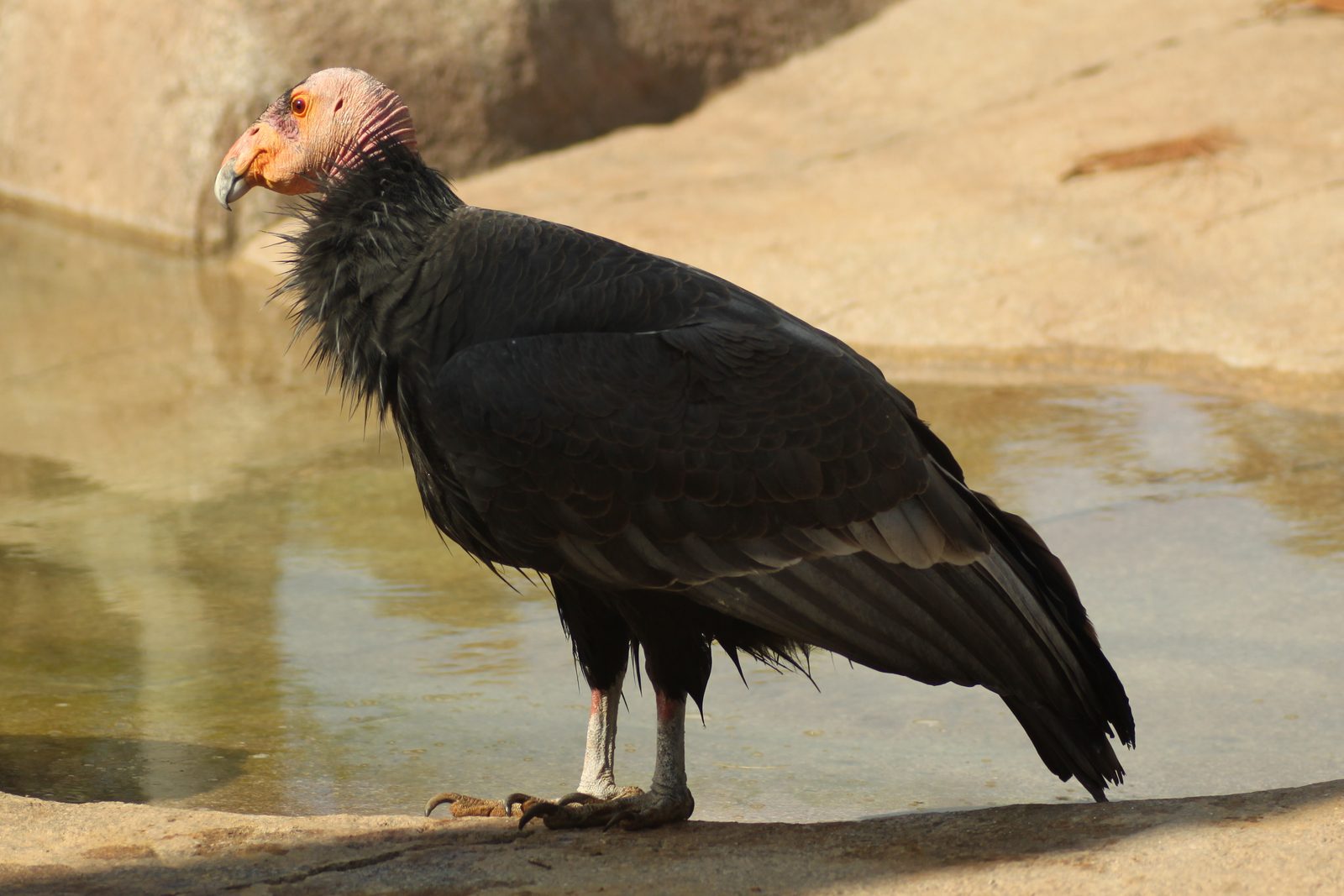
The good news is that you do not have to be a field biologist rappelling into cliff nests to play a role in the California condor’s story. One of the simplest, most powerful steps is supporting the shift away from lead ammunition in condor country, whether through personal choices if you hunt or by backing policies and programs that promote non-lead alternatives. Visiting condor viewing sites – such as those along California’s Central Coast or near the Grand Canyon – can also help, since tourism dollars often support local conservation partners and raise the profile of recovery work. Many nonprofit organizations involved in condor research and rehabilitation offer membership, volunteer opportunities, or citizen science projects that connect curious people directly with ongoing efforts.
Equally important is something more intangible: keeping the story of the California condor alive in our culture. Talk about these birds with friends and family, share reliable information, and help shift the narrative from “lost cause” to “difficult but worthwhile rescue.” In a time when environmental news can feel overwhelmingly bleak, the condor is both a warning and a source of hard-earned hope. Its survival hangs on a series of choices, many of them small and scattered, made by people who may never see one in flight. The question that lingers is simple and disarming: knowing what you know now, what kind of sky do you want future generations to look up into?