Have you ever thought that doctors knew everything about your body? Think again. Even in an age where we can edit genes and transplant organs, scientists are still discovering structures within you that have been hiding in plain sight for centuries. Your body holds secrets that challenge everything we thought we knew about human anatomy.
Let’s be real, the idea that major organs could escape detection in 2025 sounds crazy. Yet that’s exactly what has happened multiple times in recent years. These discoveries aren’t just academic curiosities. They’re reshaping how doctors treat diseases, how surgeons operate, and how we understand the most fundamental aspects of being human. Ready to meet some body parts you never knew you had?
The Interstitium: Your Body’s Hidden Highway
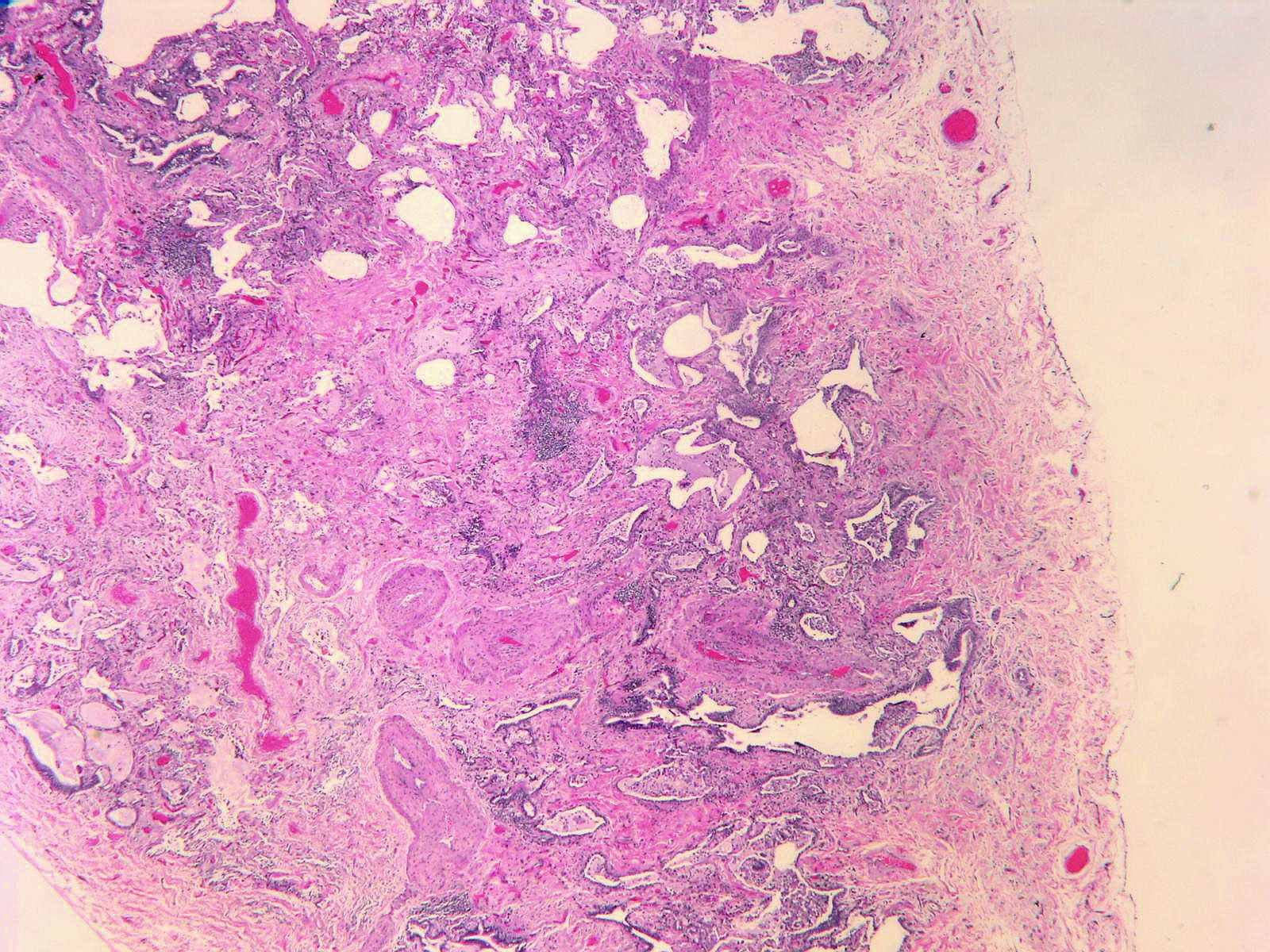
Imagine a network of fluid-filled compartments running throughout your entire body, just below your skin and wrapping around your digestive, respiratory, and urinary systems. That’s the interstitium, and until 2018, doctors had no idea it existed as one continuous structure. You’d think after centuries of anatomy studies, we’d have found every major component, right?
The discovery happened almost by accident when doctors using a new laser microscope technology spotted strange interconnected cavities in a patient’s bile duct that didn’t match any known anatomy. Here’s the wild part: previous examination methods drained away fluids from tissue samples, so what appeared as small tears or cracks were actually the collapsed remnants of this massive fluid-filled network.
This discovery revealed fluid-filled spaces in connective tissues all over your body, including below your skin’s surface, lining your digestive tract, lungs, and urinary systems, and surrounding your muscles. Understanding the interstitium could lead to a reconsideration of how many other organs work. Honestly, it’s shocking that something this extensive stayed hidden for so long.
The Mesentery: Your Digestive System’s Forgotten Anchor
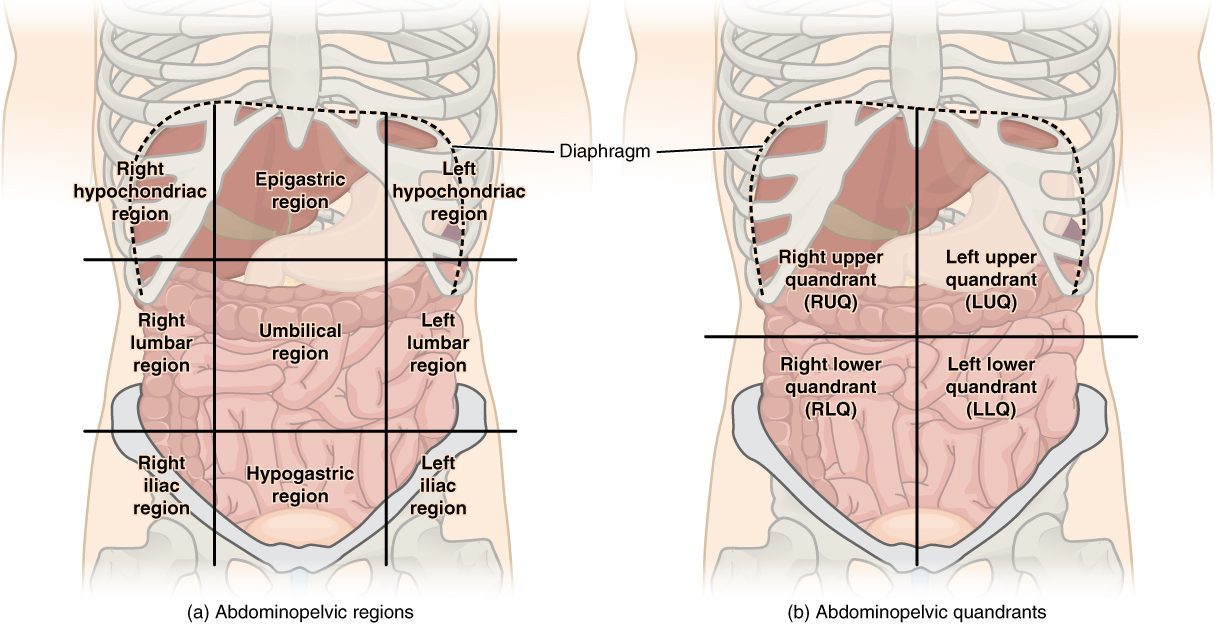
The mesentery is an intricately folded collection of tissues that joins the organs of your digestive system, and it was only classified as an organ in 2017. For hundreds of years, anatomists mistakenly saw it as fragmented membranes rather than one continuous structure. Leonardo da Vinci actually got it right back in the Renaissance, but his insight was ignored.
The turning point came when Dr. J. Calvin Coffey at the University of Limerick demonstrated through detailed examination of patients undergoing colorectal surgery that the mesentery is a single, continuous structure. This research, published in 2016, provided the evidence to propose its reclassification as an organ. Medical students now learn that the mesentery is a distinct organ, and Gray’s Anatomy has been updated to include the new definition.
What does your mesentery actually do? It attaches your intestines to the wall of your abdomen, keeping your intestines in place and preventing them from collapsing down into your pelvic area. Lymph nodes embedded in the mesentery are critically important in determining inflammatory and immunological activities in your intestinal mucosa.
The Glymphatic System: Your Brain’s Nighttime Cleaning Crew
Your brain produces waste just like any other organ, but here’s the thing: throughout most of your body, a complex system of lymphatic vessels cleanses tissues of harmful metabolic waste products, but the central nervous system lacks a lymphatic vasculature. So how does your brain stay clean?
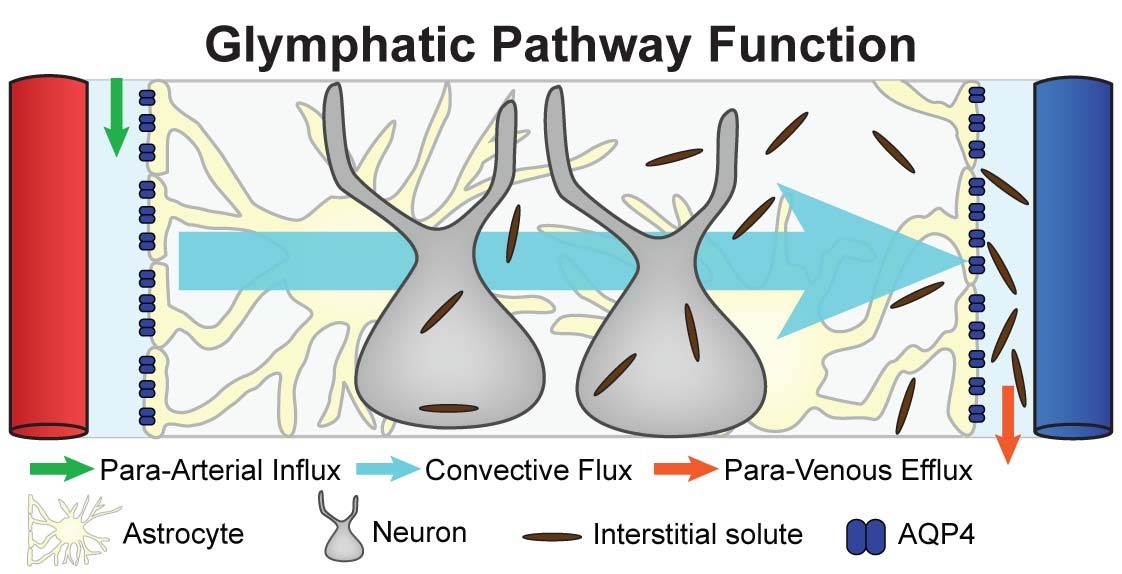
The glymphatic system is an organ system for metabolic waste removal in the central nervous system. Cerebrospinal fluid flows into the paravascular space around cerebral arteries, contacts and mixes with interstitial fluid within the brain parenchyma, and exits via cerebral venous paravascular spaces. The name came about because the system depends on glial cells performing a lymphatic-like cleansing function.
The glymphatic system functions mainly during sleep and is largely disengaged during wakefulness. The biological need for sleep across all species may therefore reflect that the brain must enter a state of activity that enables elimination of potentially neurotoxic waste products, including beta-amyloid. Studies found that the glymphatic system works best during stage 3 NREM deep sleep, when interstitial space cells get bigger, allowing for more efficient flow of cerebrospinal fluid. This might explain why chronic sleep deprivation feels so terrible.
Tubarial Salivary Glands: The Spit Producers You Never Knew About
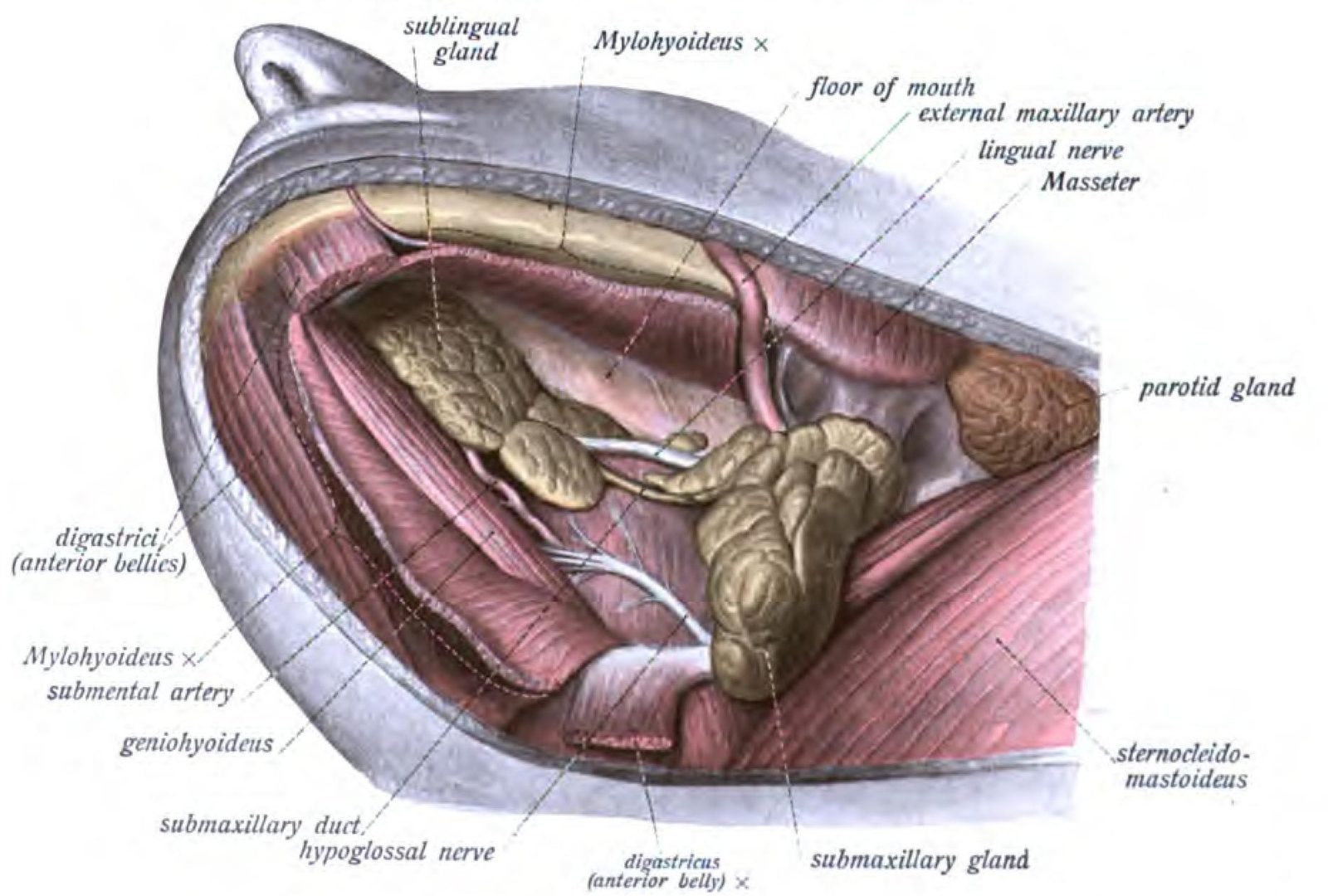
According to standard anatomy textbooks, your body has just three major sets of salivary glands: one under the tongue, another below the jaw, and the third near the ears. But a potential fourth pair sits near where the nasal cavity meets the throat. A team of scientists at the Netherlands Cancer Institute discovered this possible new organ in 2020, tucked away where the nasal cavity meets the throat.
The researchers call them tubarial glands, referring to their anatomical location above the torus tubarius. These glands were seen to exist in PSMA PET/CT scans of all 100 patients examined in the study. Tubarial glands are packed with predominantly mucinous acini and can release mucinous fluid that coats and moistens the mucosal surface of the pharynx. Due to their location at the posterior-superior aspect of the nasopharynx, they serve as a “spout” of glandular tissue that can effectively provide protective coverage to a large area of the pharynx.
The discovery has practical implications. Knowledge of these glands means doctors can try to avoid delivering radiation to this newly discovered location during cancer treatment, which could reduce side effects and benefit patients’ overall quality of life after treatment.
The Hemifusome: A Cellular Recycling Center Discovered in 2025
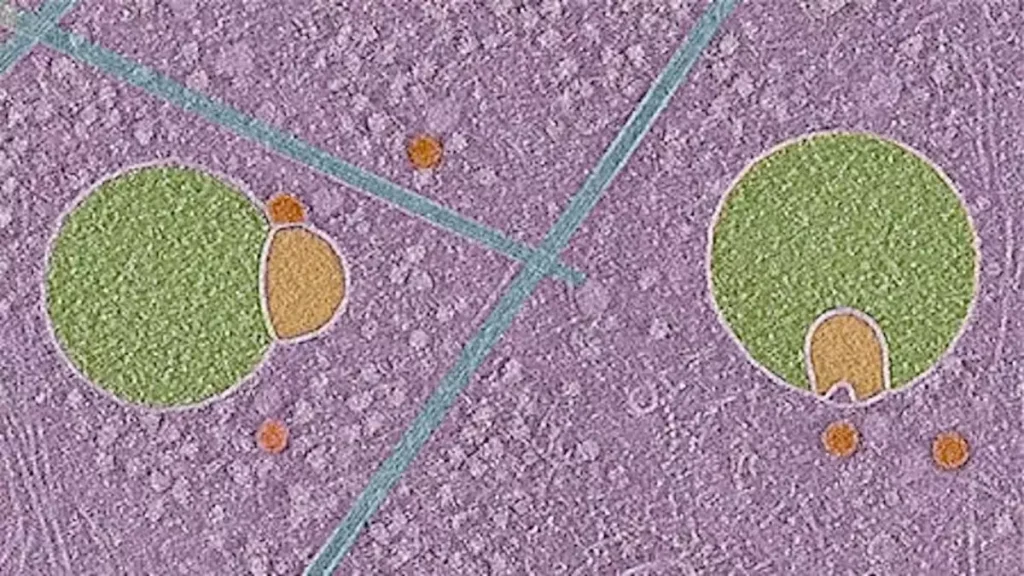
After centuries of mapping the human body in ever-finer detail, scientists are still making discoveries. In 2025, a previously unknown cellular structure that could be vital to our health was just added to the anatomy books. It’s called a hemifusome, and the membrane-bound organelle appears to play a huge role in helping cells sort, discard, and recycle their contents.
A team of researchers used cryogenic electron tomography to study different kinds of mammalian tissue from monkey, human, rat, and mouse. In all four cell types they studied, they found multiple sacs that facilitate the formation of pairs of vesicles divided by a wall called a hemifusion diaphragm. Think of it as discovering a new room in a house you thought you knew inside and out.
Meningeal Lymphatic Vessels: The Brain’s Immune Connection
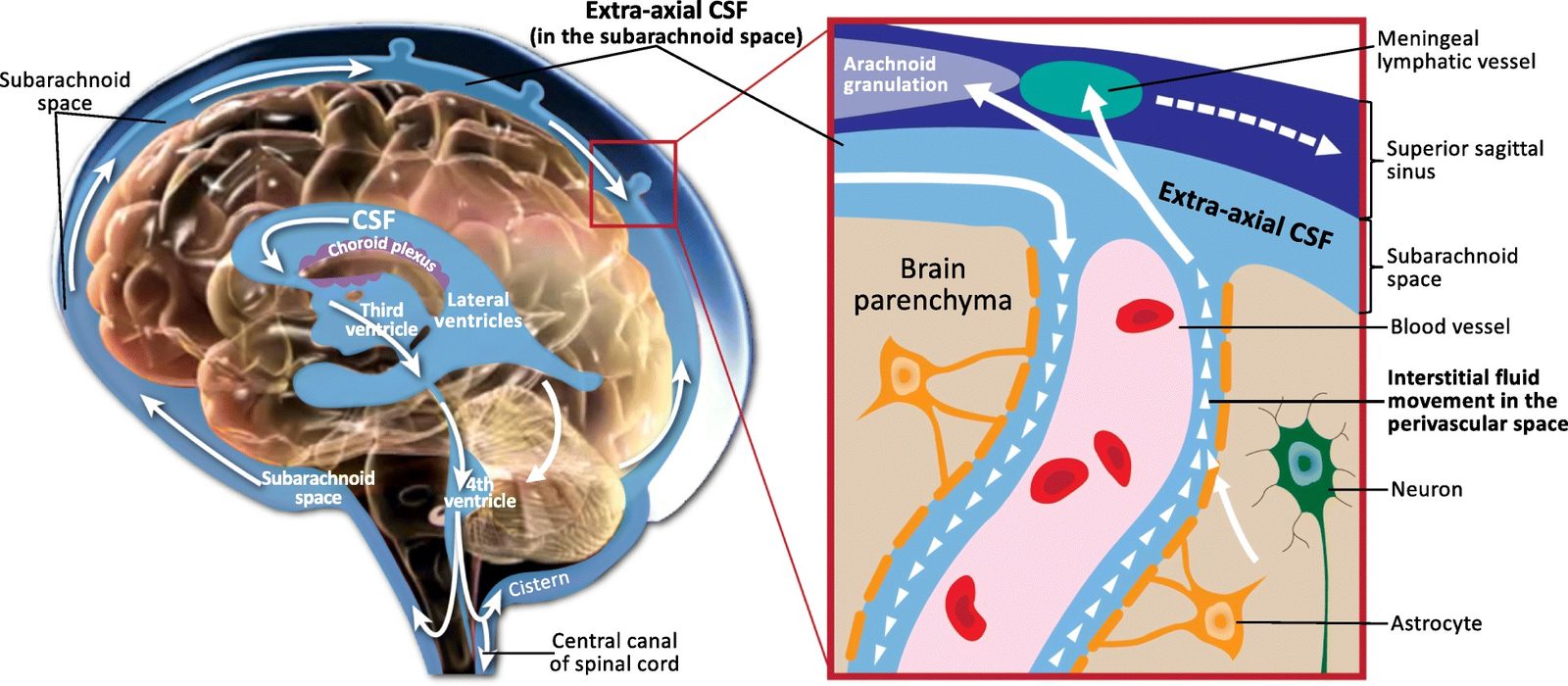
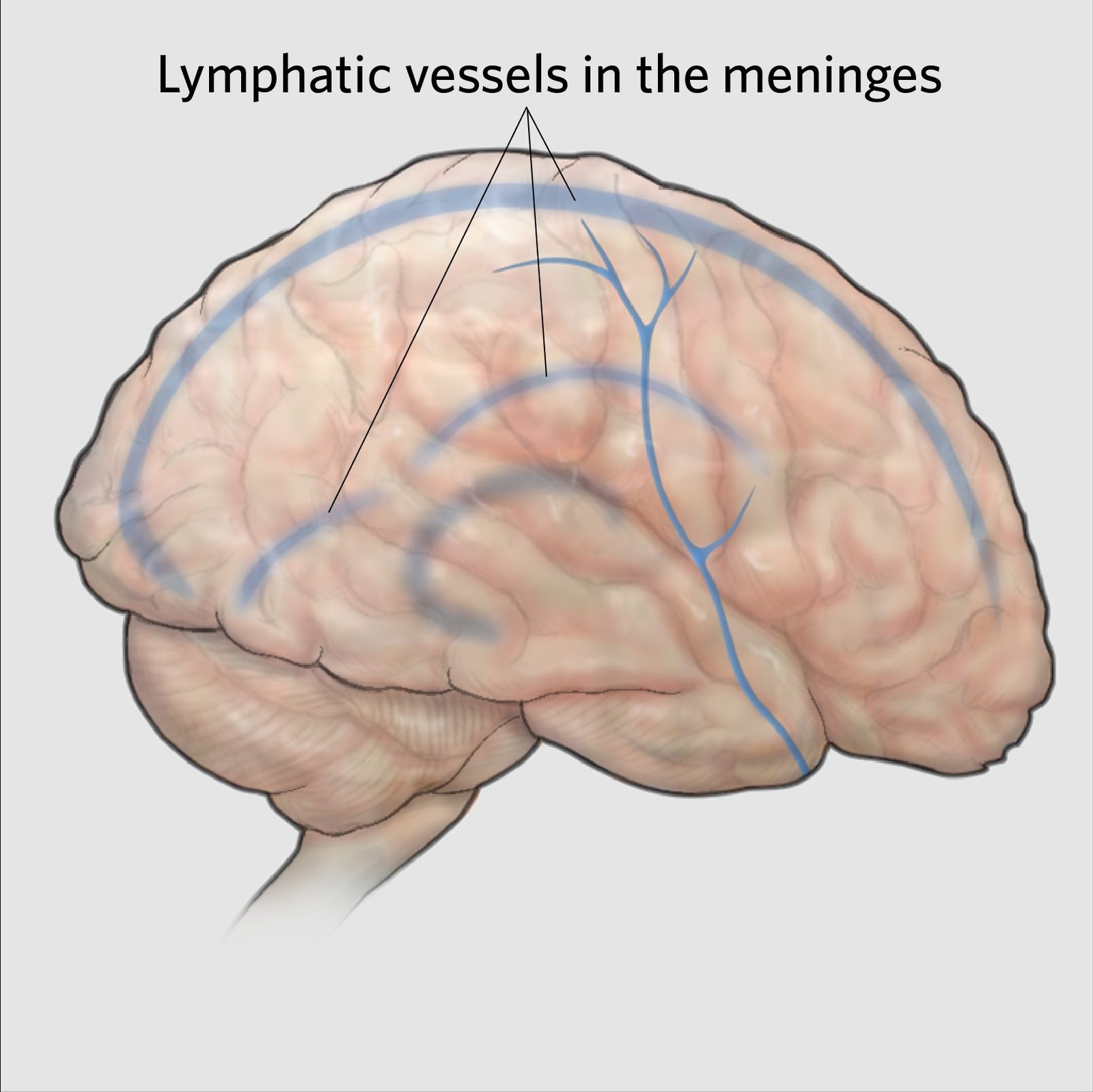
For decades, neuroscientists believed the brain was immune privileged, meaning it operated in isolation from the body’s immune system. The discovery of the meningeal lymphatic vessels has challenged the long-lasting dogma that the central nervous system lacks a lymphatic system and therefore does not interact with peripheral immunity. In 2015, the presence of a meningeal lymphatic system was first identified. Downstream of the glymphatic system’s waste clearance, the meningeal lymphatic system drains fluid from the glymphatic system to the meningeal compartment and deep cervical lymph nodes.
The mixed cerebrospinal fluid and extracellular fluid flows towards the venous perivascular spaces and perineuronal spaces, clearing waste products and excess fluid into meningeal and cervical lymphatic vessels. These drainage systems also transport brain antigens and immune cells, providing a direct route for immune-related communication between the central nervous system and peripheral immune system.
This discovery has reshaped our understanding of neurological diseases. These discoveries have provided novel insights into the pathology behind common neurodegenerative disorders such as Alzheimer’s disease, Parkinson’s disease, and multiple sclerosis, which are driven by uncleared toxic proteins and overactive immune cells.
Periarterial Spaces: The Brain’s Fluid Highways
The glymphatic system allows central nervous system perfusion by the cerebrospinal fluid and interstitial fluid. But how exactly does this work? The pathway consists of a para-arterial influx mechanism for cerebrospinal fluid driven primarily by arterial pulsation, which massages the low-pressure fluid into the denser brain parenchyma, and the flow is regulated during sleep by changes in parenchyma resistance due to expansion and contraction of the extracellular space.
From the subarachnoid space, cerebrospinal fluid is driven into the Virchow-Robin spaces by a combination of arterial pulsatility, respiration, and cerebrospinal fluid pressure gradients, and the loose fibrous matrix of the perivascular space can be viewed as a low resistance highway for fluid influx. Your arteries are literally pumping fluid through your brain with every heartbeat.
Aquaporin-4 Water Channels: The Glymphatic System’s Gatekeeper
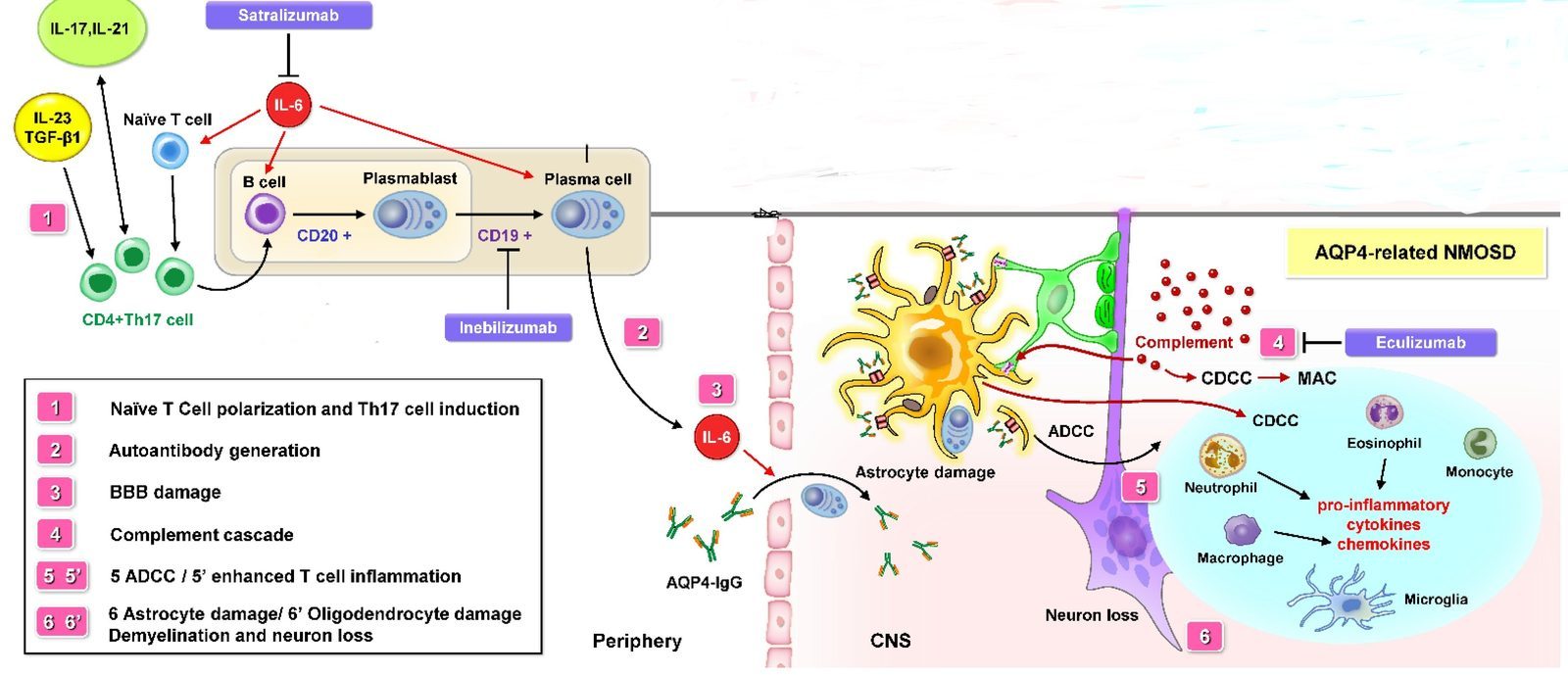
Here’s where things get microscopic but fascinating. Clearance of soluble proteins, metabolites and excess extracellular fluid is accomplished through convective bulk flow of interstitial fluid, facilitated by astrocytic aquaporin-4 water channels. The final puzzle piece came in the form of astrocytes, specifically long projections they extend that envelop the brain vasculature. These end-feet densely express the water channel aquaporin-4, which allow astrocytes to act as intervening couplers of a bulk interstitial fluid flow. Transgenic animals that lacked aquaporin-4 exhibited a 70 percent reduction in the clearance of large solutes, such as amyloid-beta peptide.
In 2012, it was shown that aquaporin-4 is essential for paravascular cerebrospinal fluid and interstitial fluid exchange. Analysis of genetically modified mice that lacked the aquaporin-4 gene revealed that the bulk flow-dependent clearance of interstitial solutes decreases by 70 percent in the absence of aquaporin-4. Without these tiny channels, your brain would drown in its own waste.
The Interstitium as a Cancer Highway
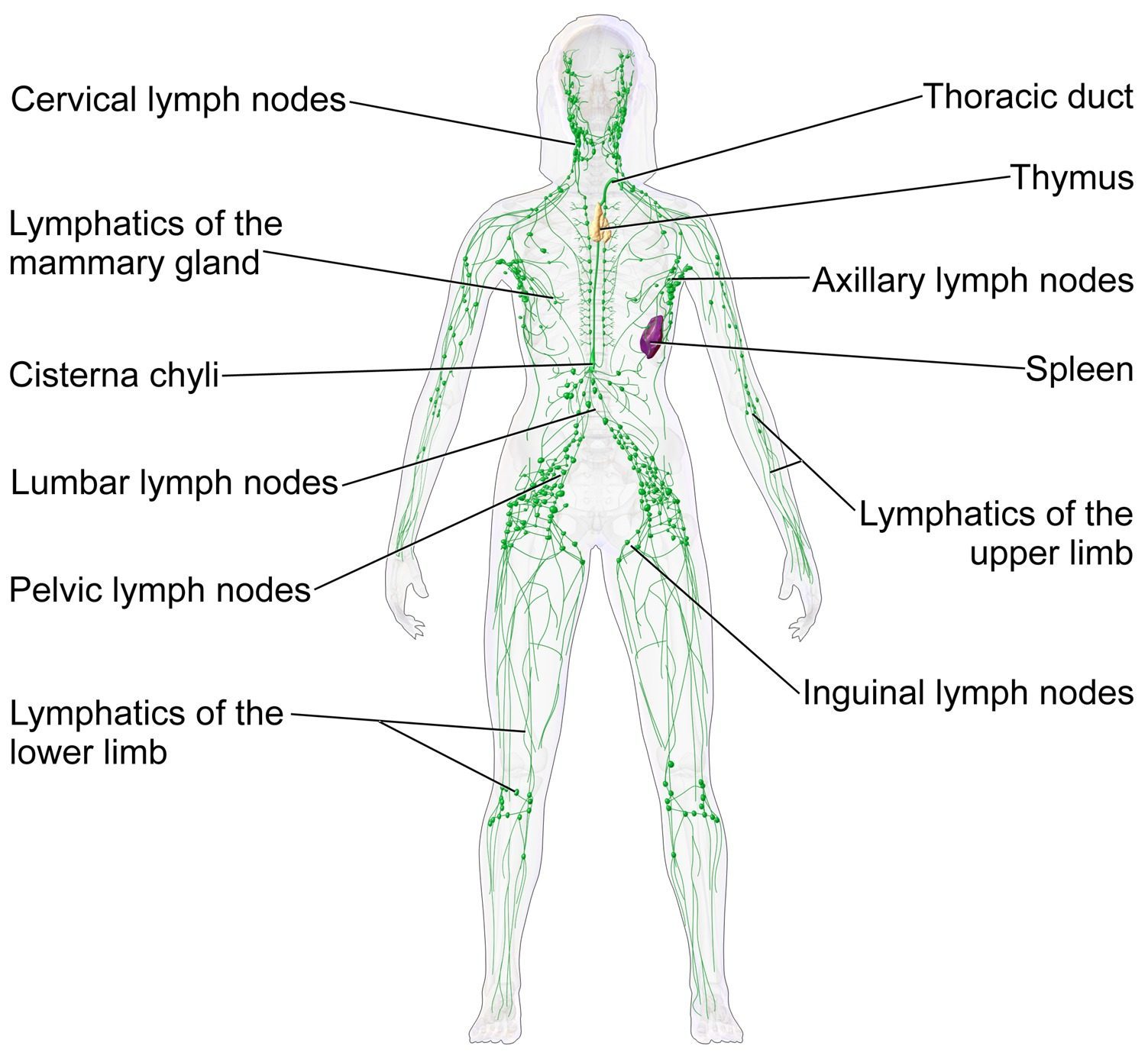
Understanding the interstitium could be particularly significant in diagnosing and tracking the spread of cancers and other diseases that spread throughout the body. Interstitial fluid is the source of lymph, which dispatches white blood cells, the body’s immune system infection fighters, to wherever they’re needed. But there’s a darker side to this discovery.
The findings appear to explain why cancer tumors that invade this layer of tissue can spread to the lymph nodes. This occurs because these fluid-filled spaces are a source of a fluid called lymph and drain into the lymphatic system. It’s also a conduit for cancer spread. Turns out that cancer cells moving through the interstitium’s channels are fast. The very system that keeps you healthy can also become a superhighway for disease.
The Fractal Nature of Your Internal Fluid Systems
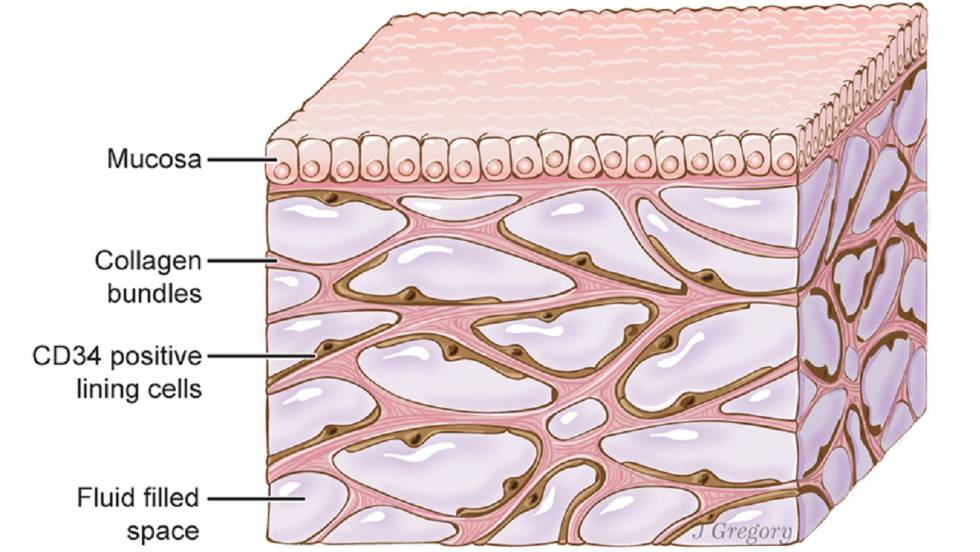
The structure of the interstitium is fractal, exhibiting the same pattern at various scales. While scientists had seen glimpses of this mesh-like network before, they had not realized that it connected the entire body, just underneath the skin and wrapping around organs, arteries, capillaries, veins, head to toes. It moves four times more fluid through the body than the vascular system does. The fluid isn’t blood, it’s a clear and pre-lymphatic substance, carrying within it nutrients, information, and new kinds of cells that are only just being discovered.
This fractal organization isn’t just beautiful. It’s efficient. The same patterns repeat at different scales, creating a resilient network that can function even when parts are damaged. Researchers think that the fluid-filled spaces may act as shock absorbers to protect tissues during daily functions.
Conclusion: Your Body Still Has Secrets
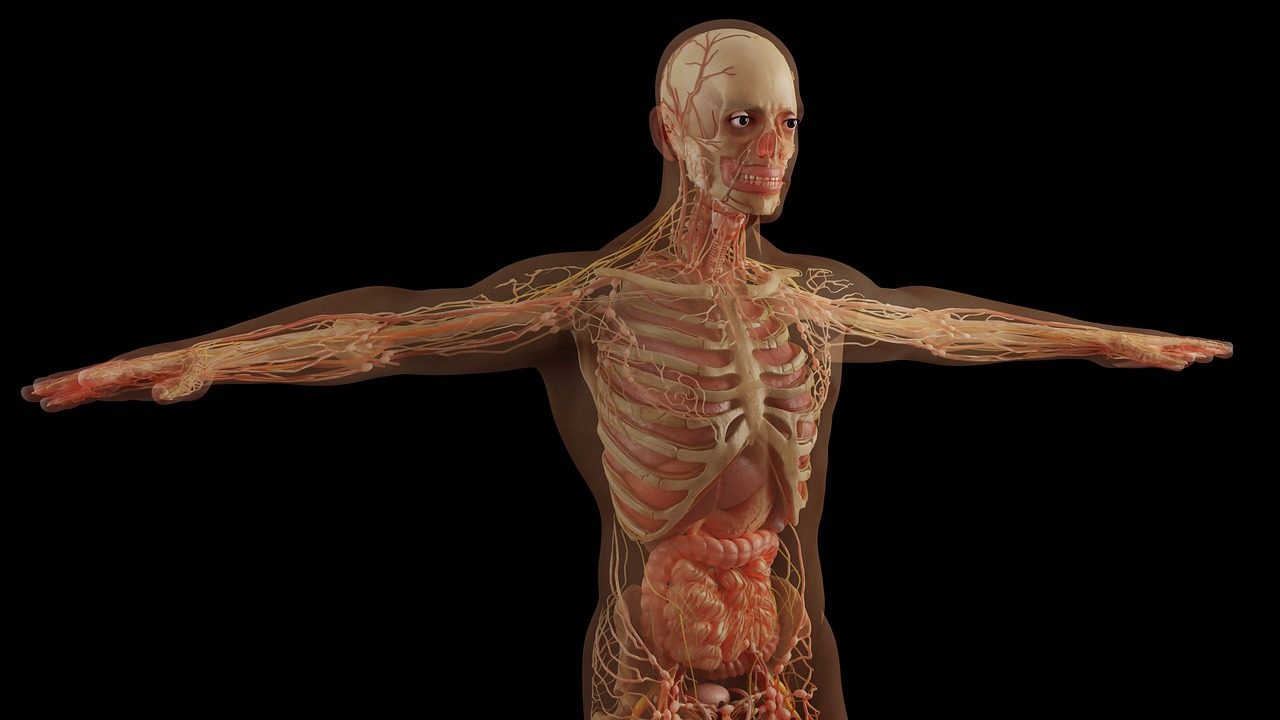
So there you have it. Ten structures within your own body that science either missed entirely or fundamentally misunderstood until very recently. From the interstitium’s vast fluid network to the brain’s nighttime cleaning system, from newly discovered salivary glands to microscopic cellular recycling centers, your body continues to surprise even the experts.
These discoveries remind us that human knowledge is never complete. Every answer leads to new questions. What else might we be missing? What other systems are hiding in plain sight, waiting for the right technology or the right question to reveal them?
The next time someone tells you that science has figured everything out, remember these hidden wonders. Your body is more mysterious, more complex, and more amazing than even the most detailed anatomy textbook suggests. Did you know you were walking around with all these secret systems working away inside you?