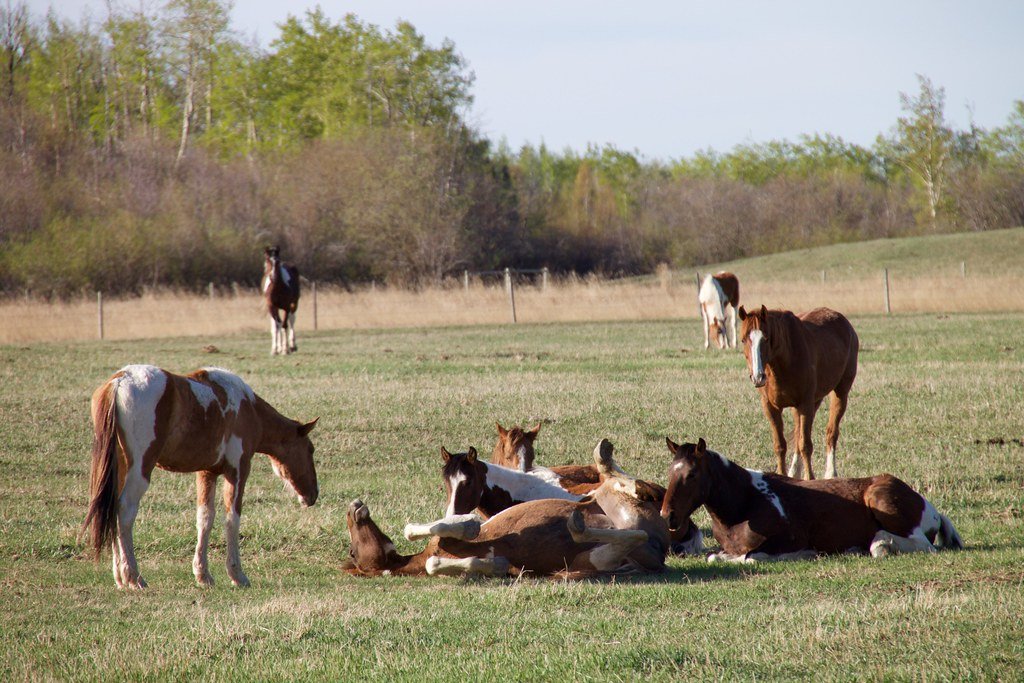

When you think about horses in America, you might picture wide open plains, sprawling ranches, or maybe even a famous racetrack. Throughout the country, millions of these majestic animals live, work, and compete in various environments. From coastal regions to mountain valleys, horses have found their place in American life.
The distribution of horses across the nation is anything but random. Certain states have emerged as true equine powerhouses, housing hundreds of thousands of horses within their borders. Let’s dive into which states lead the pack when it comes to horse populations.
Texas: The Undisputed Leader
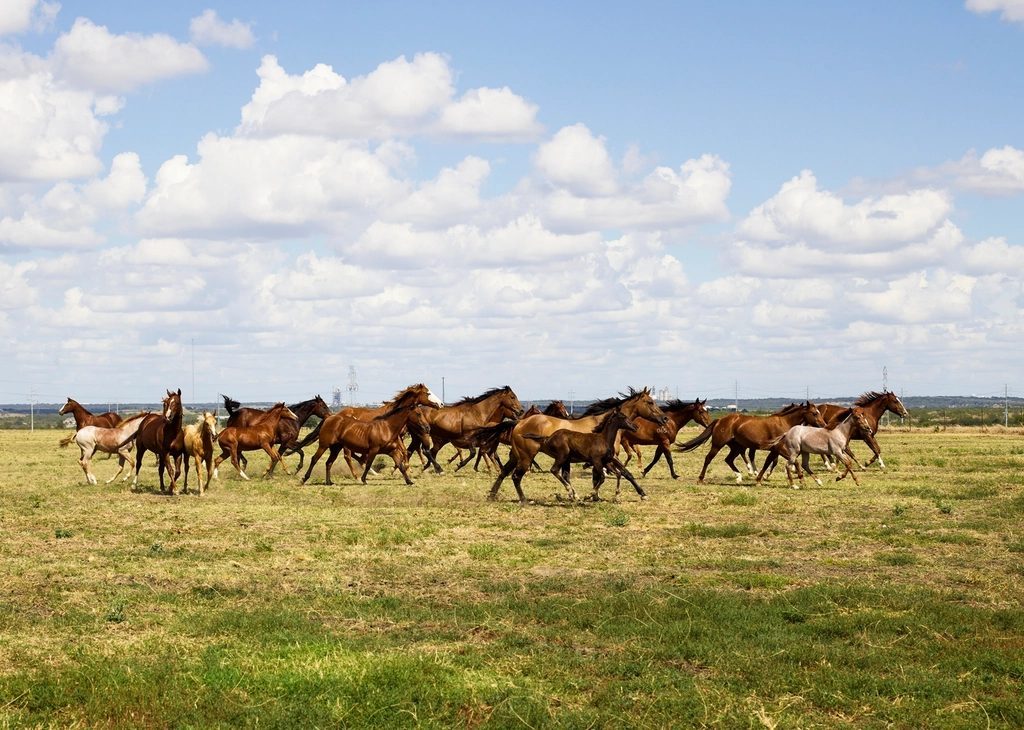
Texas has the largest horse population in the United States, with approximately 748,829 horses, cementing its reputation as true horse country. Everything really is bigger in Texas, including its equine community. Texas leads with 978,822 horses, according to certain American Horse Council reports.
The Lone Star State has earned its equestrian dominance through sheer size and a culture deeply rooted in ranching traditions. Texas hosts thousands of horse events annually, from rodeos to cutting competitions and cattle shows. The state’s diverse geography, spanning coastal prairies to desert landscapes, provides varied habitats where horses thrive. It is estimated that 252,326 horses in Texas are used for recreational purposes, with trail riding as the main equine recreational activity.
California: A Surprising Runner-Up
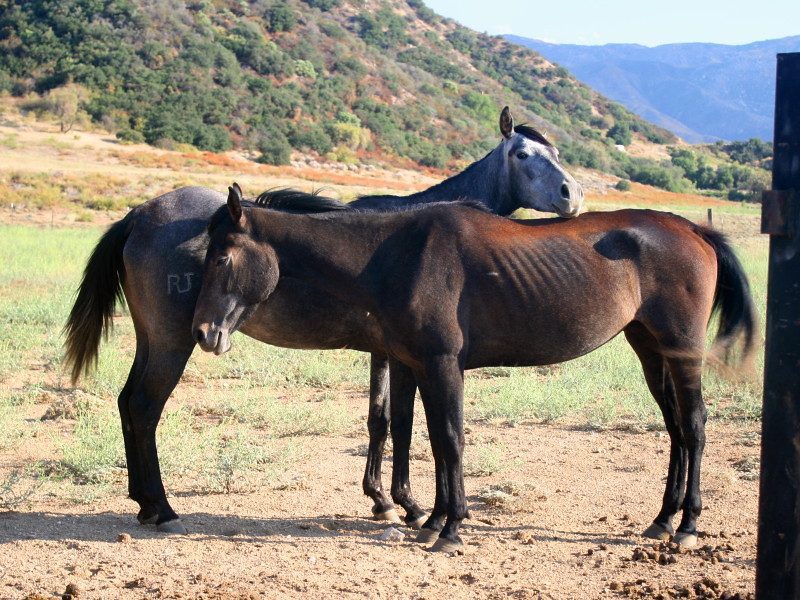
You wouldn’t necessarily associate California with horses given its reputation for tech companies and entertainment. Yet California has 477,400 horses, making it the second highest state in terms of equine population. According to other data, California has 698,345 horses, showcasing significant variation in counting methods.
California may be known for Hollywood and the tech industry, but it has large patches of rural farmland, and horses are seen all over the state’s farms and ranches. The state’s Central Valley and coastal regions support substantial agricultural operations where horses work alongside other livestock. From the thoroughbred racing circuit to Western riding traditions, California’s horse culture is as diverse as its landscape.
Florida: The Sunshine State’s Equestrian Hub
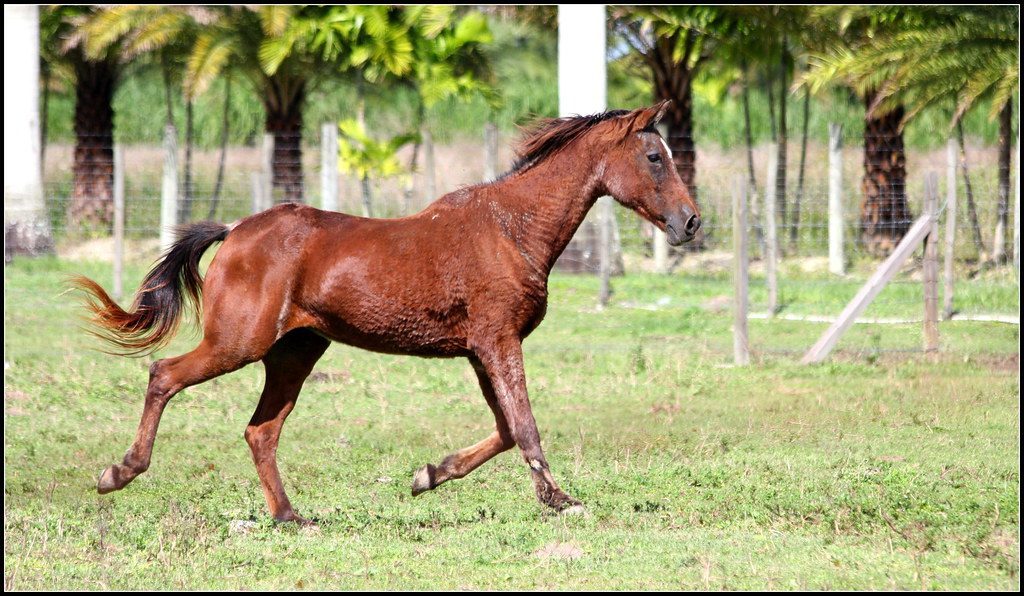
Florida follows with 500,124 horses, making it the third most horse-populated state in America. The climate alone makes Florida particularly attractive for horse breeding and training operations. Marion County, located in central Florida, has earned the title of Horse Capital of the World.
Marion County, FL, known as the “Horse Capital of the World,” leads with 23,900 horses, thanks to its world-renowned thoroughbred breeding farms, training facilities, and equestrian events. Florida’s limestone-rich soil helps horses develop strong bones, while the year-round temperate climate allows for continuous training and competition schedules that northern states can’t match. The state attracts serious breeders, trainers, and competitive riders from across the globe.
Oklahoma: Small State, Big Horse Population
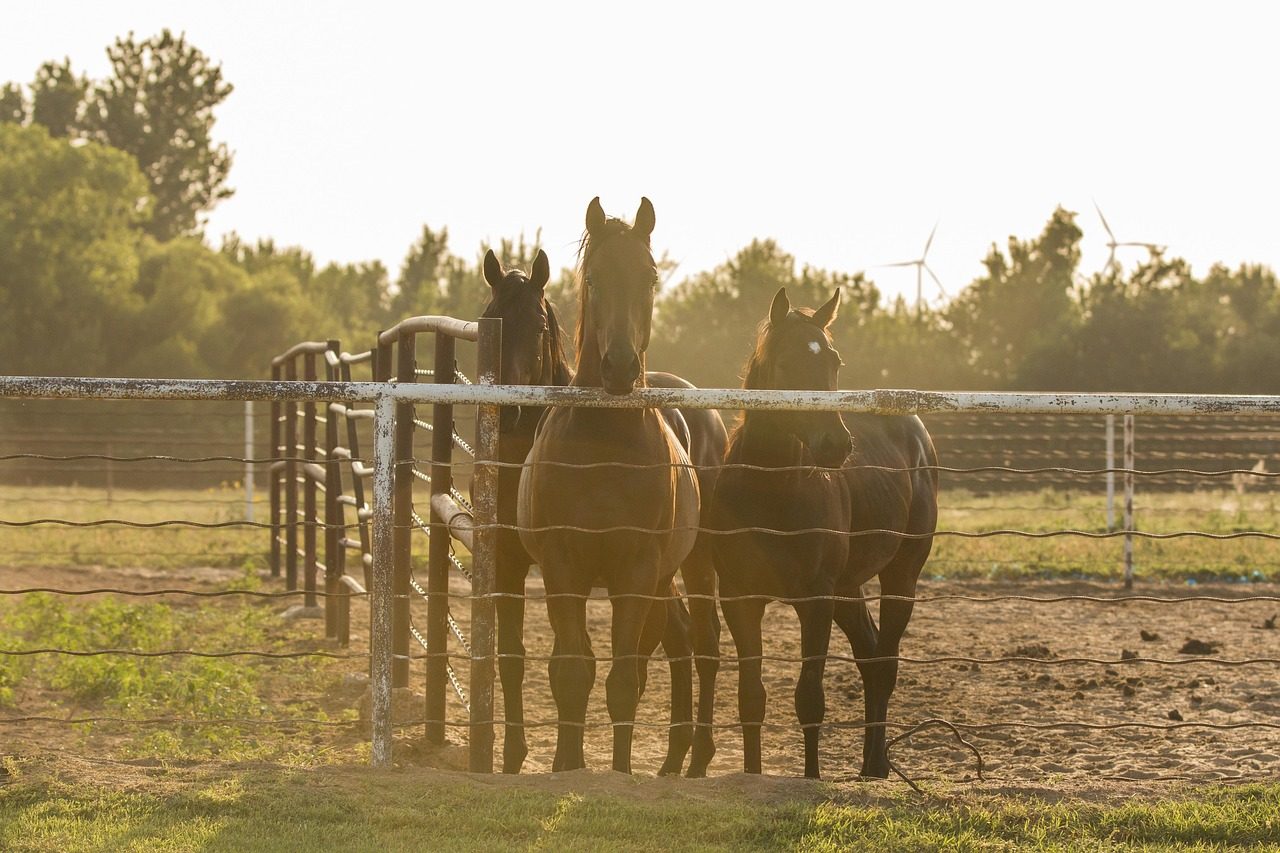
Oklahoma might not be the largest state geographically, yet its horse population is surprisingly robust. Oklahoma has 326,134 horses, securing its position as the fourth most horse-populated state. What’s even more impressive is Oklahoma’s per capita horse ownership.
Only Oklahoma ranked higher than Kentucky for horses per capita, demonstrating how integral horses are to Oklahoma culture. The state’s ranching heritage runs deep, and many families maintain horses as part of their daily agricultural operations. Quarter Horses are particularly popular here, used for ranch work, rodeo competitions, and recreational riding throughout the state’s rolling prairies.
Kentucky: The Thoroughbred Epicenter
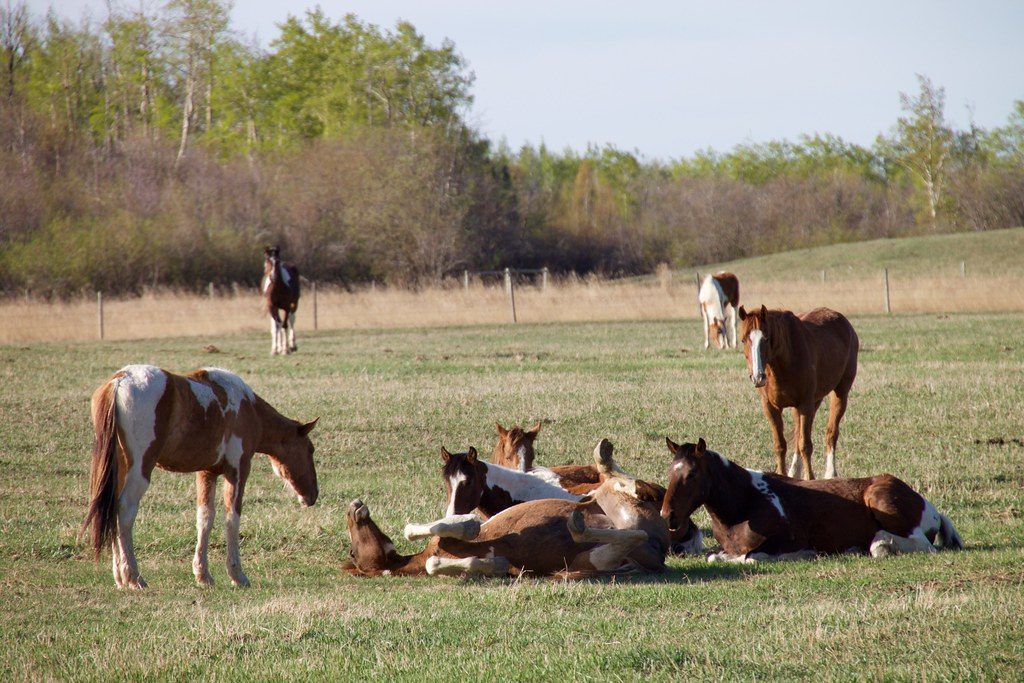
If you’ve heard of one horse state, it’s probably Kentucky. Kentucky has 320,173 horses, placing it fifth nationally. The state’s reputation extends far beyond these numbers, though. Kentucky has cultivated an identity around horse breeding, particularly thoroughbreds destined for racing glory.
Lexington proudly calls itself the Horse Capital of the World, competing with Florida for that distinction. The city hosts the Kentucky Horse Park, a facility dedicated to equestrian sports and education. Kentucky is home to the famous Kentucky Derby, which some people have called the “most exciting two minutes in sports”. The state’s bluegrass pastures, mineral-rich soil, and generations of breeding expertise have created an environment where champion racehorses are born and trained.
Ohio: The Midwest’s Equine Leader
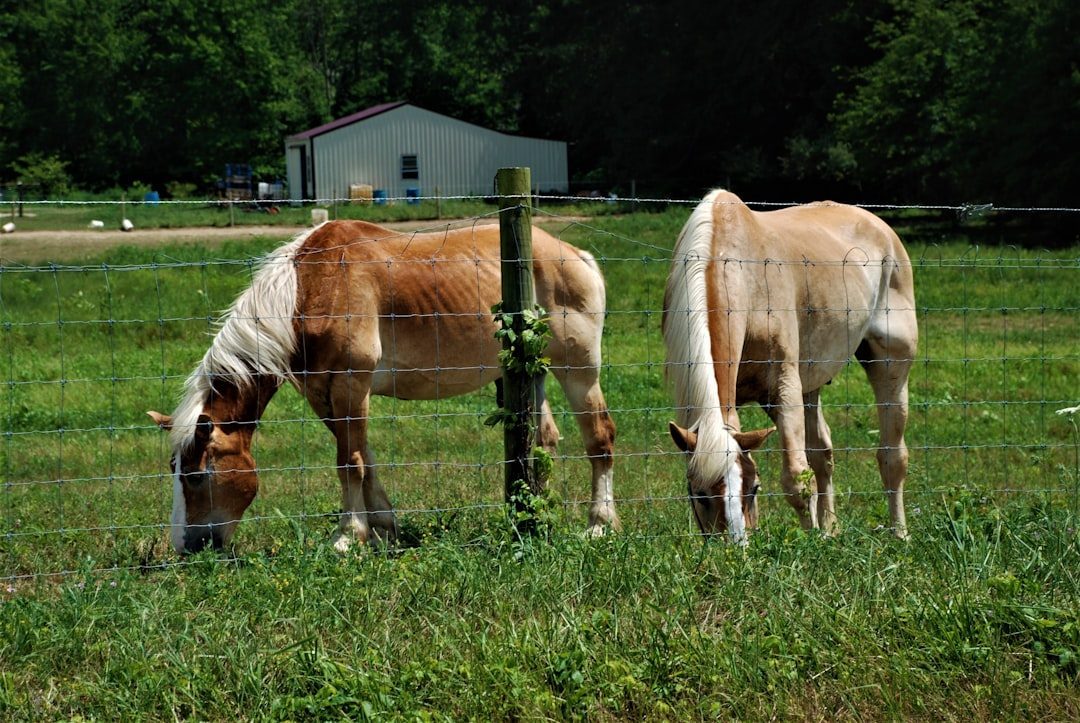
Ohio rounds out the top six with 306,898 horses, representing the Midwest’s significant contribution to America’s horse population. Ohio’s diverse landscape and agricultural traditions support a thriving equine community that many overlook when considering horse states.
The state hosts numerous horse farms, boarding facilities, and riding clubs spread across its rural counties. From the Amish communities in the eastern part of the state, where horses still pull buggies daily, to competitive show barns in suburban areas, Ohio demonstrates how horses remain relevant in modern American life. The state’s central location also makes it an ideal hub for horse shows, auctions, and equestrian events drawing participants from across the eastern United States.
Conclusion
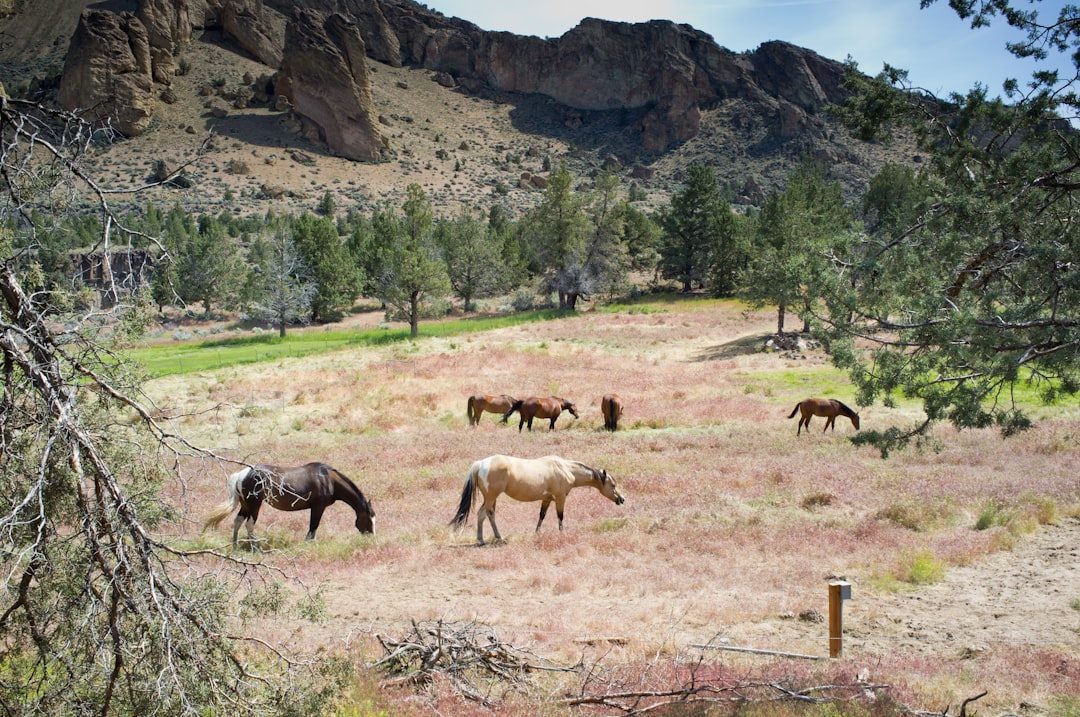
The geographic distribution of horses across these six states tells a story about American culture, history, and landscape. From Texas’s vast ranches to Kentucky’s bluegrass farms, each state has carved out its unique equestrian identity. The United States is home to over 6.7 million horses, with these six states housing a substantial portion of that population.
The horse industry continues evolving, yet these states remain at the forefront, balancing tradition with modern equestrian pursuits. Whether you’re passionate about racing, ranching, or recreational riding, these six states offer unparalleled opportunities to experience America’s enduring connection with horses. Which of these states surprised you most?
Hi, I’m Andrew, and I come from India. Experienced content specialist with a passion for writing. My forte includes health and wellness, Travel, Animals, and Nature. A nature nomad, I am obsessed with mountains and love high-altitude trekking. I have been on several Himalayan treks in India including the Everest Base Camp in Nepal, a profound experience.