
The night sky has always doubled as a clock and a canvas, but for ancient civilizations it was also a warning system, a political adviser, and sometimes a courtroom witness. Long before satellites and climate models, priests and scholar-astronomers scanned the heavens for signs that could make or break empires. Today, it is tempting to dismiss those practices as superstition, yet new research in archaeology and the history of science shows a surprisingly rigorous logic behind many of these sky-watching traditions. The real story is not that our ancestors were irrational, but that they were desperate to pull patterns from chaos in the only data-rich environment they had: the stars. Understanding how they did this not only reframes ancient history, it also exposes how modern societies still fall in love with patterns in the sky, just with more powerful tools.
The Hidden Clues Above the Horizon
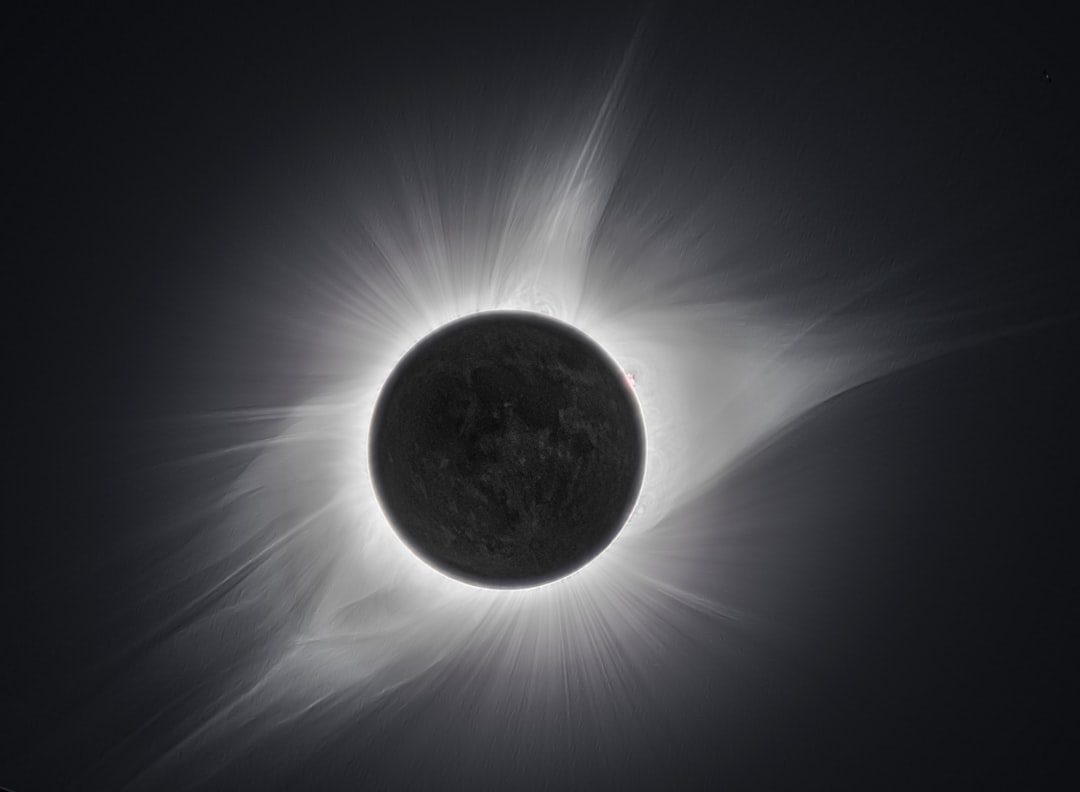
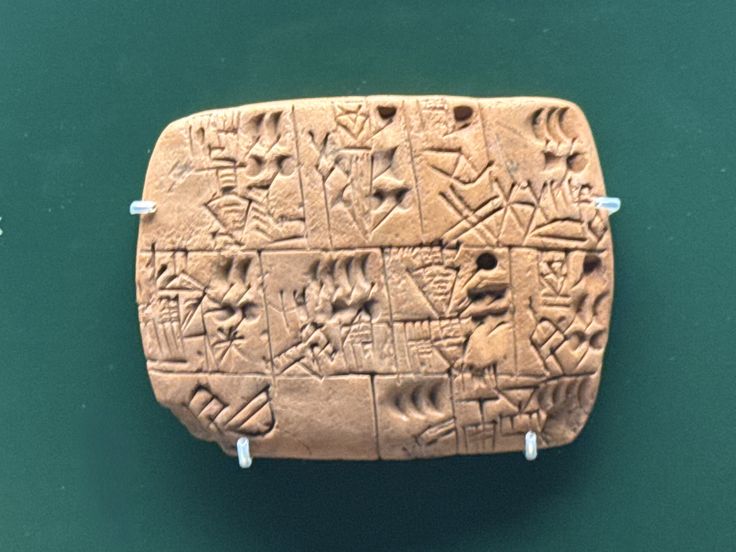
Imagine standing on a Mesopotamian temple roof four thousand years ago, watching a blood-red lunar eclipse creep across the sky while a king waits for your verdict. For Babylonian scholar-priests, these were not random spectacles but coded messages: an eclipse near a certain constellation could spell danger for a ruler, famine, or invasion. They compiled thousands of clay-tablet records linking celestial events with earthly outcomes, building what was essentially one of the earliest long-term observational databases. Over generations, those records hardened into rules, like a grim rulebook saying that a particular eclipse in a particular month meant the king might die.
Those ominous forecasts had real political consequences. In some cases, kings reportedly appointed a “substitute king” during a predicted dangerous eclipse period, elevating a stand-in figure to absorb the bad omen before quietly removing them later. That sounds brutal, but it highlights how seriously these societies took their sky-based predictions and how tightly astronomy, astrology, and statecraft were intertwined. When nearly every crop, tax, and battle depended on fickle weather and fragile alliances, reading hidden clues in the heavens felt less like mysticism and more like risk management with the best tools available at the time.
From Omens to Algorithms in Ancient Mesopotamia
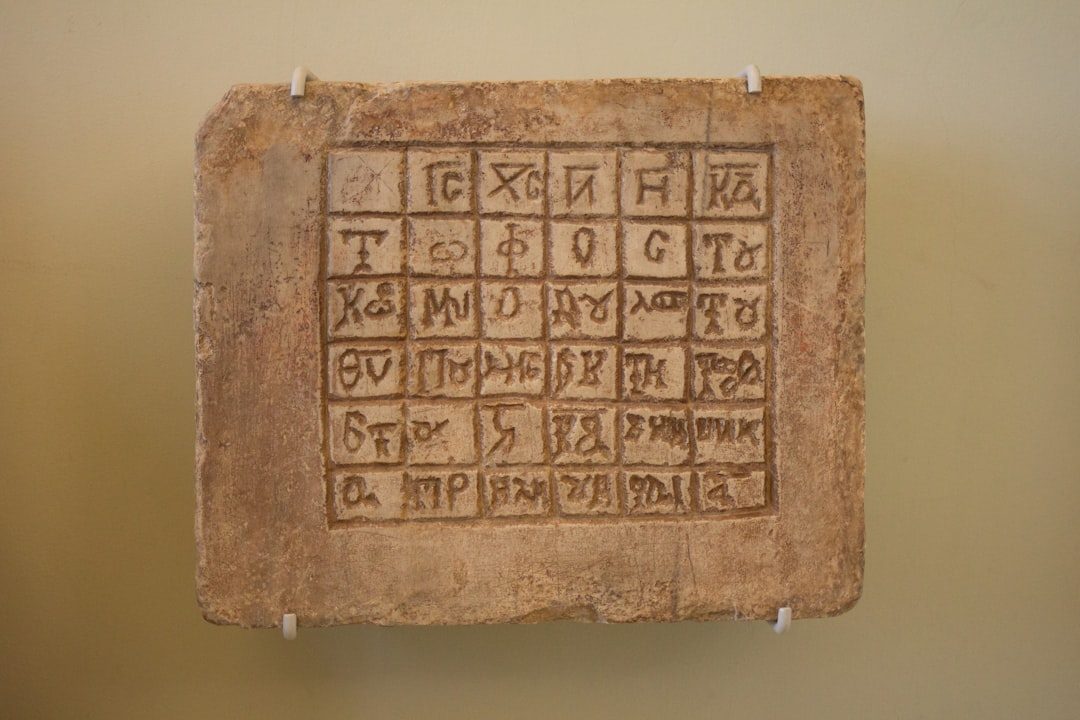
If you skim through translations of the Babylonian omen series today, they can feel like a strange spreadsheet written in clay: if Mars is bright, then war; if Venus disappears, then plague; if an eclipse starts on the west, then trouble in that region. Behind this apparently magical thinking was a consistent attempt to correlate repeated sky patterns with repeated events on Earth. Over centuries, scribes refined these associations, deleting omens that seemed unreliable and adding new ones that matched fresh political shocks or natural disasters. It was a crude, pre-statistical version of pattern recognition – systematic if not scientifically controlled by modern standards.
What stands out to historians is how early Mesopotamians combined precise observations with interpretive leaps. They could calculate planetary positions with striking accuracy, yet those numbers were always funneled into the framework of omen texts designed for royal decision-making. In a way, they had data and algorithms, but the output was not a weather report or a stock forecast; it was a verdict on the fate of a kingdom. That duality – careful measurement feeding into culturally loaded predictions – echoes uncannily in our own era of climate models, financial risk tools, and algorithmic forecasting, even if our underlying physics is far more robust.
Egypt, Calendars, and the Politics of Perfect Timing
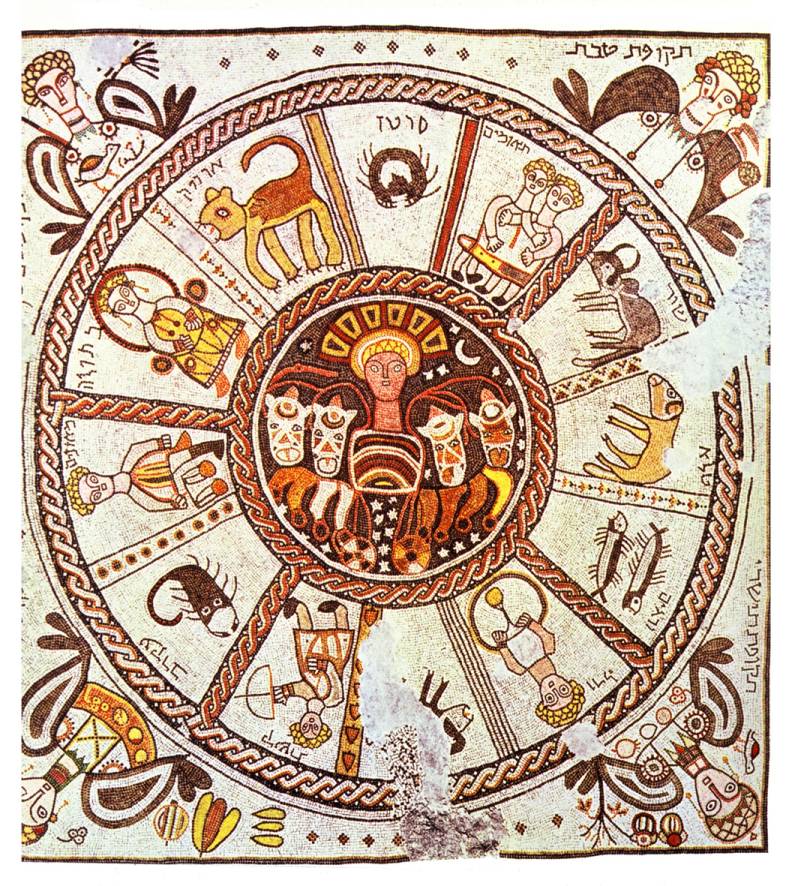
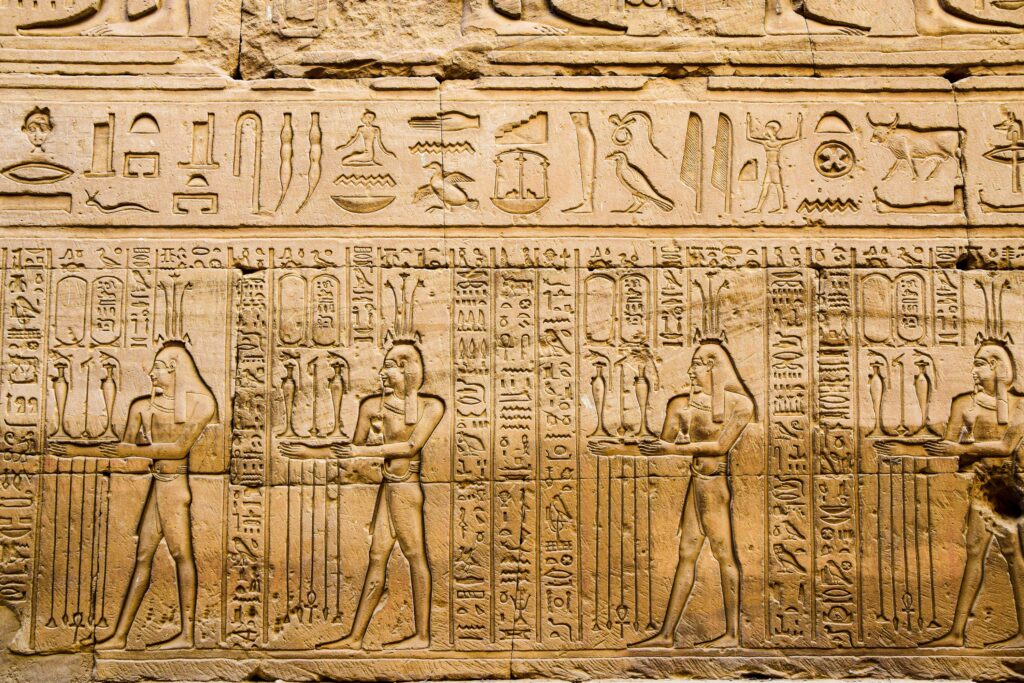
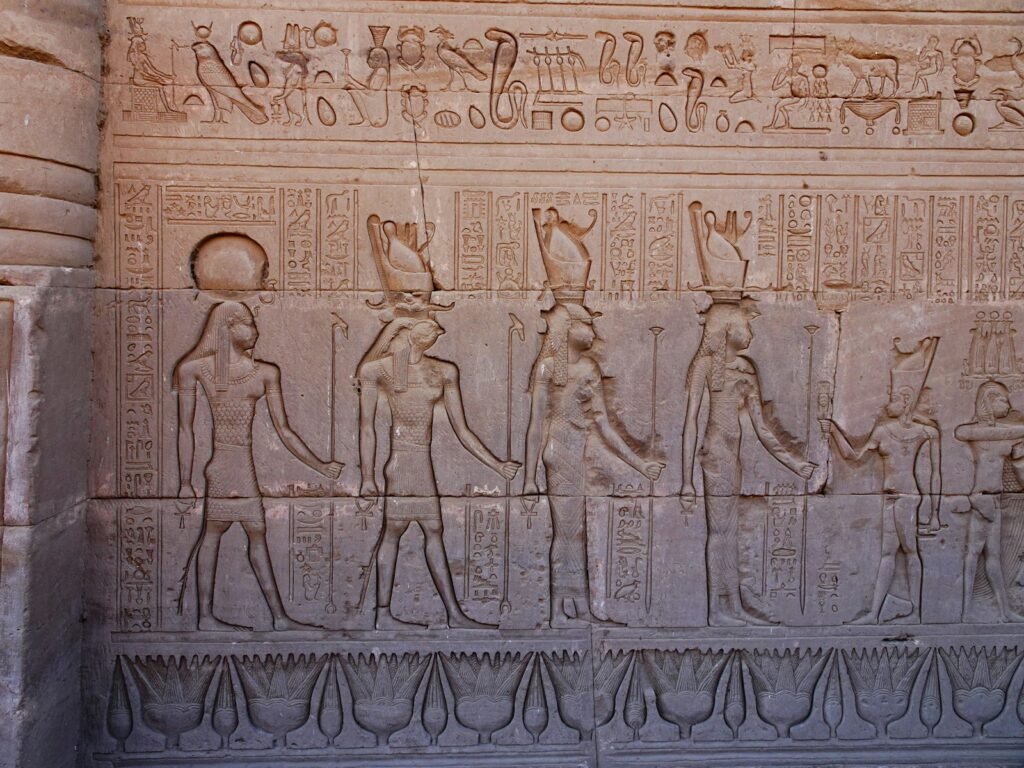
In ancient Egypt, predicting the future was often less about disasters and more about timing things perfectly, especially the life-or-death question of the Nile flood. Egyptian priests watched the heliacal rising of Sirius, the star that reappears in the dawn sky after weeks of invisibility, as a key signal that the annual inundation was near. This alignment became so central that it helped structure one of the earliest solar-lunar calendar systems, linking celestial cycles to tax schedules, religious festivals, and agricultural work. The ability to say, with some confidence, when the river would rise was a kind of predictive power that underpinned the state itself.
Astrology in Egypt also moved into the realm of individual lives, with star charts and horoscopes emerging in later periods as tools for personal fate. But at the societal level, the real predictive revolution was the marriage of sky-based calendars and hydraulic engineering. Being off by even a few weeks could mean fields planted too late, lost harvests, and cascading instability. By synchronizing temple rituals and bureaucratic planning with Sirius and the sun, Egyptian elites effectively turned the night sky into a political instrument – part clock, part prophecy engine, and part public-relations display of cosmic order.
Imperial China and the High Stakes of Celestial Error
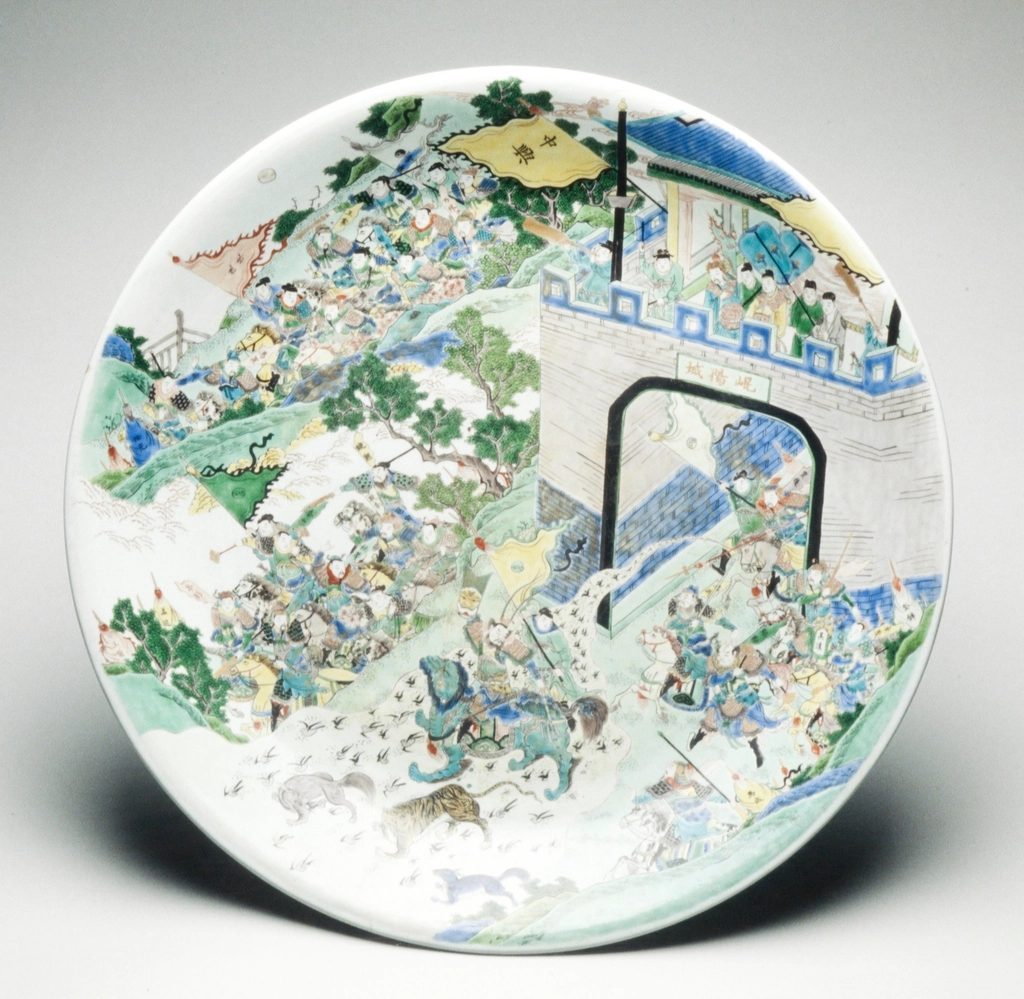
In imperial China, getting the sky wrong could cost you your job or your life. Court astronomers were charged with predicting eclipses, comets, and unusual planetary alignments, and these events were seen as celestial verdicts on the emperor’s moral legitimacy. A surprise eclipse that went unpredicted could be interpreted as a sign that the throne was losing heaven’s favor. This made astrology a critical arm of governance, with detailed records and calculations preserved across dynasties to minimize embarrassing mistakes.
Chinese sky-watchers developed sophisticated mathematical methods and instruments to track the movements of the sun, moon, and planets with remarkable precision. At the same time, their interpretations followed a structured logic linking certain configurations to earthquakes, famines, or political upheaval. The stakes were not abstract: a badly timed rebellion, a devastating flood, or a failed harvest could be retrospectively blamed on ignored or misread celestial omens. In that context, astrology was less a hobby and more a high-pressure forecasting office, where scientific skill and political survival were inseparable.
Greeks, Romans, and the Birth of Systematic Horoscopes

By the time astrology spread through the Greek and later Roman worlds, it began to take the form most modern readers would recognize: personalized horoscopes cast for the moment of birth. Hellenistic scholars in places like Alexandria blended Babylonian planetary mathematics with Greek geometry and philosophical ideas about fate and the cosmos. They created elaborate charts assigning each planet, sign, and house a set of meanings that could be used to predict a person’s character, career prospects, and even political destiny. For rulers and generals, these readings were anything but trivial entertainment.
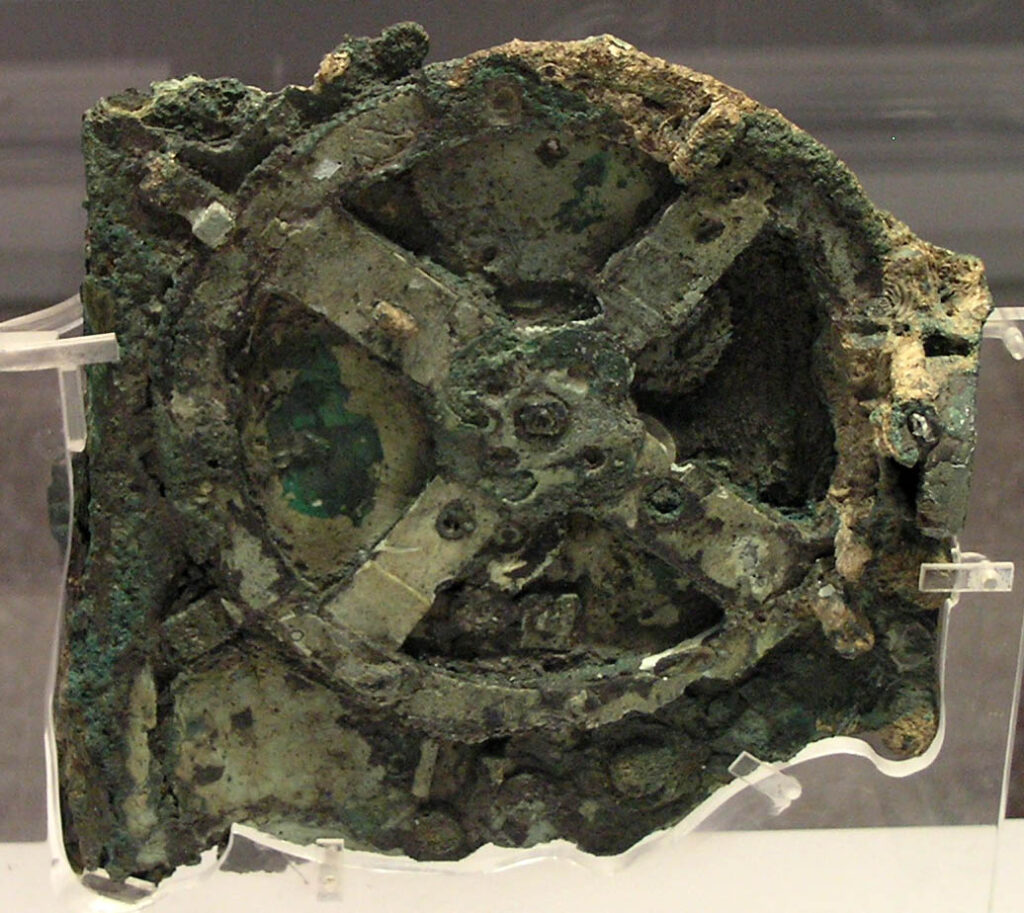
Roman elites sometimes consulted astrologers before major campaigns or political gambits, searching for auspicious times to act or warning signs to hold back. While some emperors banned or executed astrologers when predictions cut too close to treason, others relied on them behind the scenes. The irony is that this new, more individualized astrology emerged alongside genuine advances in geometry, planetary theory, and mechanical devices like early astronomical calculators. It shows how, in antiquity, the line between scientific astronomy and predictive astrology was not a clear border but a shared, often contested frontier.
Why It Matters: Ancient Pattern-Hunting and Modern Science

It is easy to scoff at the idea that an eclipse could topple a king or that a star’s reappearance could bless a tax system, but the deeper story is about how humans everywhere learn to trust or mistrust patterns. Ancient astrologers were operating without controlled experiments or statistical tests, yet they were among the first to systematically record long-term observational data. In that sense, their clay tablets and star catalogues laid conceptual groundwork for the later emergence of astronomy as a true physical science. At the same time, their missteps – seeing causation where there was only coincidence – are exactly the cognitive traps modern science fights against.
When we look at how societies today respond to long-range climate projections or pandemic modeling, some of the same tensions appear. People crave certainty from forecasts, yet they often misunderstand probabilities, margins of error, and the difference between correlation and causation. Ancient astrology is a vivid case study in both the power and peril of pattern-hunting: it could stabilize empires by coordinating calendars and rituals, but it could also justify deadly decisions based on illusory cosmic messages. Studying that history sharpens our sense of why evidence, reproducibility, and transparent methods matter so much now, especially when projections influence policies affecting millions of people.
From Star Omens to Space Telescopes: A Changing Toolset
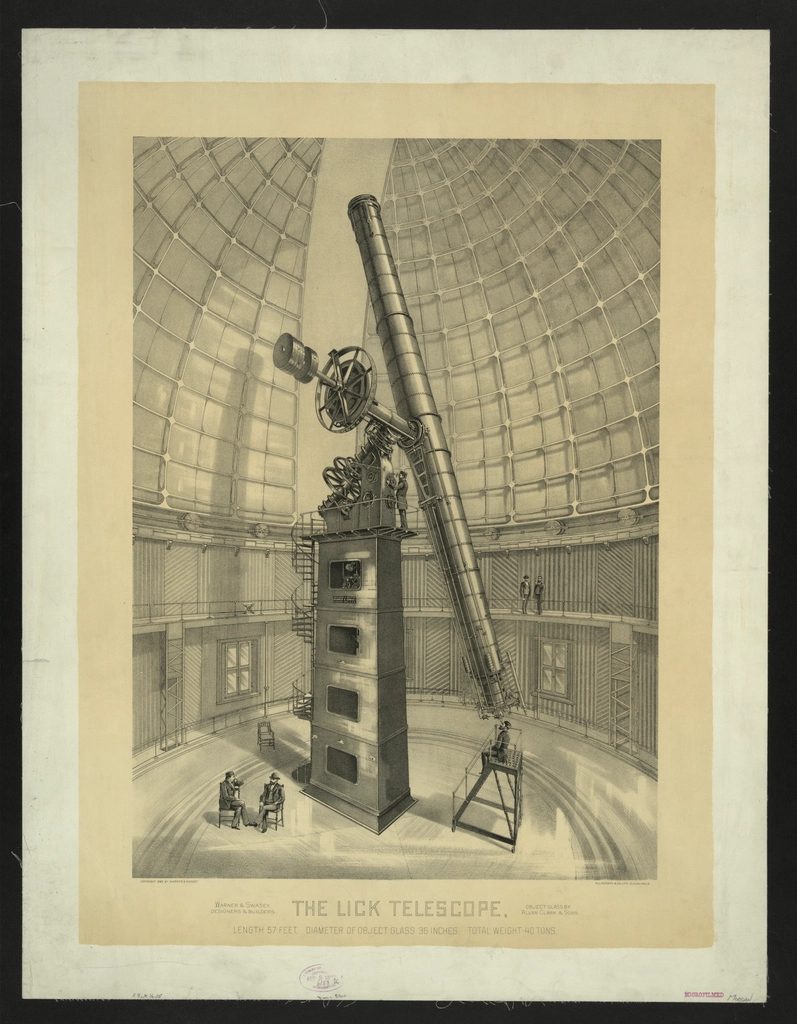
One striking continuity between ancient and modern sky-watchers is the drive to build better tools, from temple sightlines and stone circles to bronze armillary spheres and ultimately to orbital observatories. Babylonian and Chinese astronomers refined their predictions with careful naked-eye measurements and reference tables, effectively upgrading their predictive “software” with each generation. Today, space telescopes map exoplanets, track near-Earth asteroids, and monitor solar storms that could disrupt power grids and communications. The focus has shifted from reading personal destinies to modeling physical processes, but the underlying hunger to anticipate cosmic threats and opportunities remains.
At the same time, many ordinary people still turn to zodiac apps and horoscopes as informal guides in daily life, a reminder that the emotional appeal of personalized cosmic stories has not vanished. The divergence between data-driven astrophysics and belief-driven astrology is now sharper than ever, yet they share a common ancestry in those ancient nights of sky-watching. Seeing that shared origin can make both sides easier to place in context: one as a powerful, testable method for understanding the universe, the other as a cultural practice that once served as a proto-scientific predictive system before drifting apart from empirical checks.
The Future Landscape: New Skies, Old Instincts
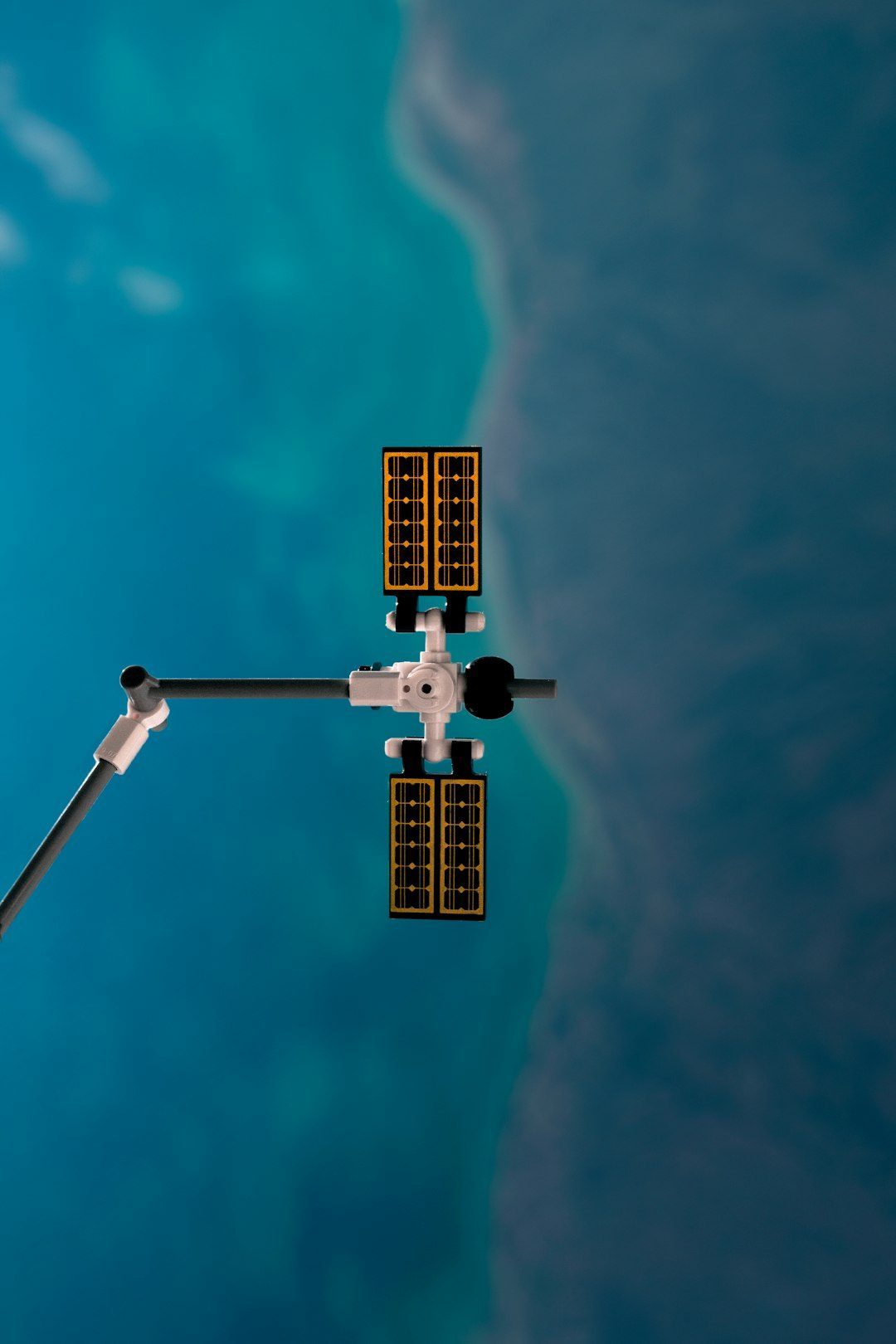
Looking ahead, our relationship with the sky is entering another transformative phase, as constellations of satellites and planned lunar and Martian settlements radically change what the heavens look like. Astronomers worry that crowded orbits and light pollution will make it harder to conduct the very observations that once defined both astrology and astronomy. At the same time, advanced machine learning systems are being trained on vast streams of space data, from asteroid trajectories to stellar flares, allowing automated systems to flag potential dangers faster than any human watcher. In a way, we are outsourcing the role of the ancient sky-priest to algorithmic sentinels.
Yet the psychological pull of cosmic meaning is not going away. As commercial spaceflight and planetary missions expand, it is easy to imagine new forms of “space-age astrology” emerging, offering forecasts about the best time to launch, invest, or even emigrate off-world, dressed up in futuristic jargon. The challenge for science communicators and policymakers will be helping the public distinguish between robust, physics-based risk assessment and the old, seductive pattern-seeking that once crowned and condemned kings. Our tools may be new, but the human instinct to look up and ask what it all means is as old as the first recorded omen on clay.
How Readers Can Engage with the Science Behind the Stars
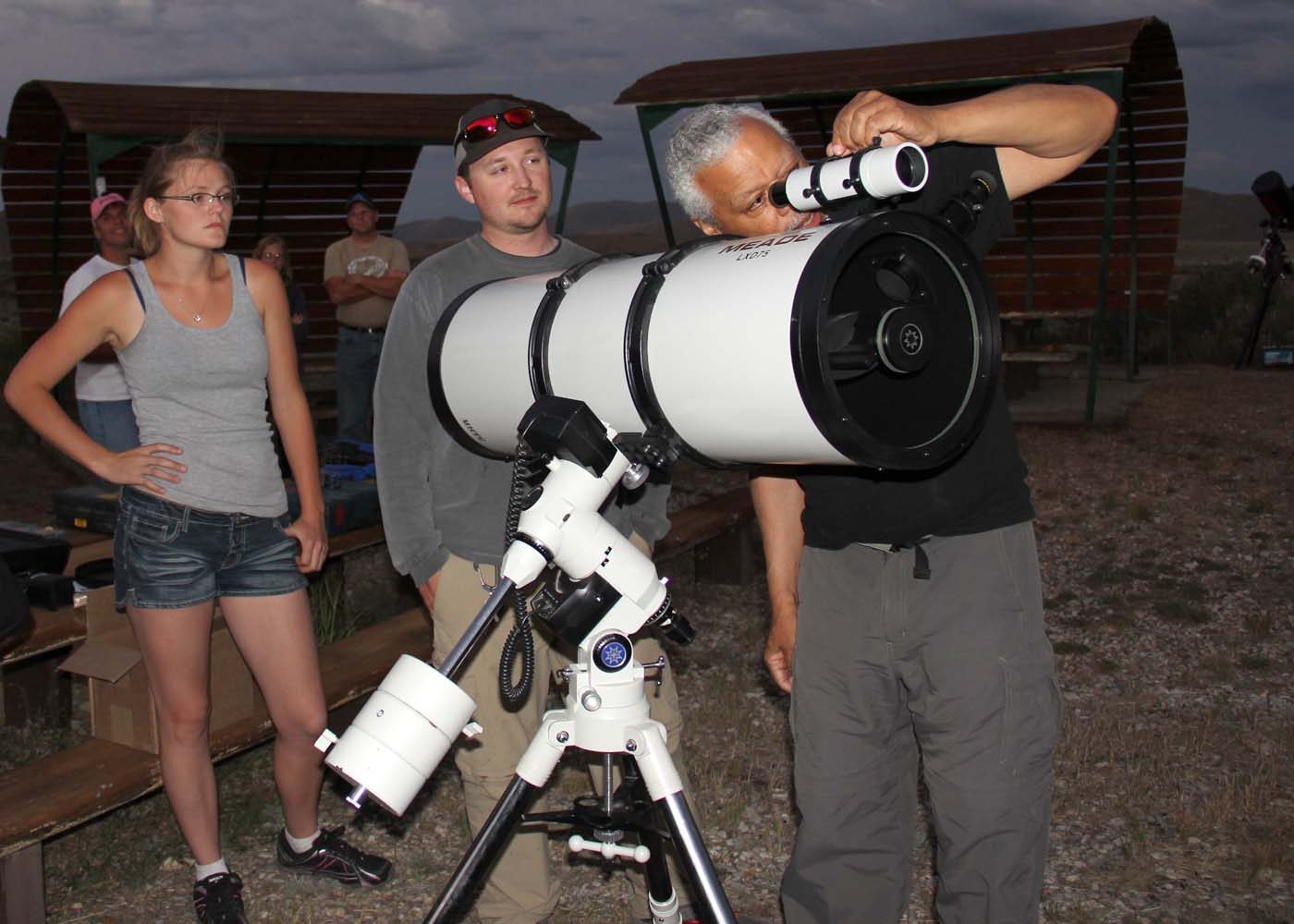
You do not need a telescope on your roof or an advanced degree to start engaging with the real science hidden in these ancient sky traditions. Visiting a local planetarium, joining a community stargazing night, or simply tracking the phases of the moon and planetary positions with a modern app can turn abstract history into something you feel in your own routine. Paying attention to how often headlines about eclipses, meteor showers, or planetary alignments still frame them as dramatic turning points is also eye-opening. It reveals just how much of the old omen language lingers quietly in modern media and conversation.
If you are curious about the boundary between astrology and astronomy, one practical step is to compare historical astrological claims with what current physics-based models actually say. Supporting science education organizations, museum programs, or citizen-science projects focused on variable stars, asteroid tracking, or light pollution can help ensure that our future relationship with the sky is grounded in evidence rather than wishful thinking. The next time you read a horoscope or see a viral post about a “rare cosmic event,” you might pause and ask yourself: is this an echo of a world where the sky ruled kings, or a doorway into understanding the real mechanics of the universe just a little better?
Suhail Ahmed is a passionate digital professional and nature enthusiast with over 8 years of experience in content strategy, SEO, web development, and digital operations. Alongside his freelance journey, Suhail actively contributes to nature and wildlife platforms like Discover Wildlife, where he channels his curiosity for the planet into engaging, educational storytelling.
With a strong background in managing digital ecosystems — from ecommerce stores and WordPress websites to social media and automation — Suhail merges technical precision with creative insight. His content reflects a rare balance: SEO-friendly yet deeply human, data-informed yet emotionally resonant.
Driven by a love for discovery and storytelling, Suhail believes in using digital platforms to amplify causes that matter — especially those protecting Earth’s biodiversity and inspiring sustainable living. Whether he’s managing online projects or crafting wildlife content, his goal remains the same: to inform, inspire, and leave a positive digital footprint.