You think you’ve got a good eye for spotting things, right? Think again. Nature has created some of the most brilliant illusionists on the planet, creatures so masterful at blending in that you could be standing right next to them without the slightest clue. These animals haven’t just learned to hide – they’ve perfected the craft of becoming invisible.
Let’s be real, camouflage isn’t just about looking pretty. It’s a matter of life and death. Whether they’re dodging hungry predators or sneaking up on unsuspecting prey, these incredible animals have evolved some truly mind-blowing tricks. From color-changing cephalopods to shape-shifting reptiles, the natural world is packed with creatures that make Hollywood special effects look amateur. So let’s dive in and discover which animals have truly mastered this ancient art of disappearing in plain sight.
Cuttlefish: The Lightning-Fast Color Changers
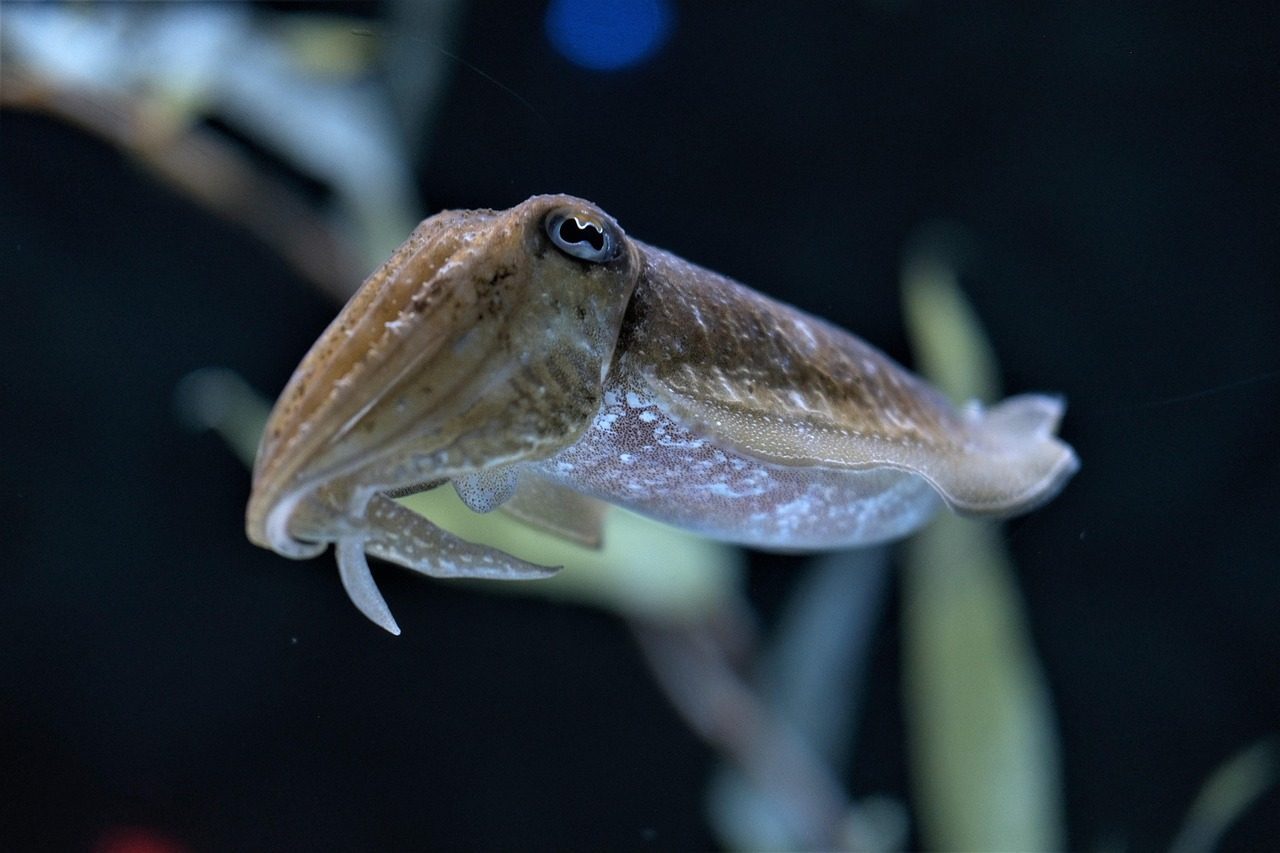
Cuttlefish can change their skin’s color, brightness, contrast and pattern in as little as 200 milliseconds – faster than a human eyeblink. These remarkable marine animals aren’t just changing colors; they’re orchestrating millions of tiny performers beneath their skin. They possess up to millions of chromatophores, each of which can be expanded and contracted to produce local changes in skin contrast, allowing cuttlefish to transform their appearance in a fraction of a second.
Here’s where it gets really wild. Leucophores and iridophores sit underneath the chromatophores as reflecting plates that can reflect whatever light is available at the time, and cuttlefish can turn these reflectors on or off in seconds to minutes, controlling the spacing to select the color. Think of it as having built-in mood lighting, except their survival depends on getting it right every single time. These clever creatures use their camouflage not just for hiding, but for hunting, avoiding predators, and even communicating with each other.
Octopus: The Ultimate Shape-Shifter
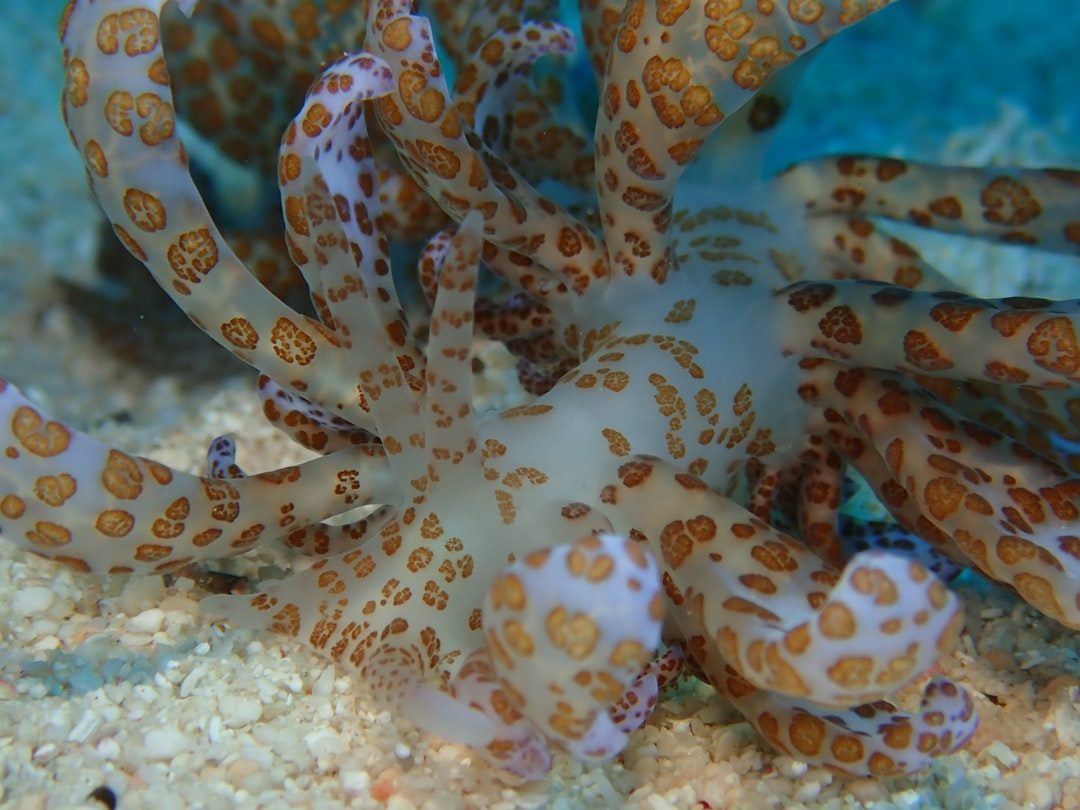
The octopus is a true shape-shifter and color-changing marvel with specialized skin cells called chromatophores that allow octopuses to instantly change their color, pattern, and even texture to match rocks, corals, or sand. What makes octopuses particularly fascinating is their intelligence – these creatures have massive brains for invertebrates and can make split-second decisions about which disguise to wear.
An octopus must carefully orchestrate 10 million to 20 million chromatophore organs in its skin as well as another million or so iridescent cells and perhaps several thousand skin bumps called papillae to tailor its camouflage pattern to every specific microhabitat. The control required is staggering. What’s equally perplexing is that cephalopods are color-blind yet seem to have color-coordinated patterns for a wide range of colorful backgrounds. How they pull this off remains one of nature’s most intriguing mysteries. Watching one disappear before your eyes truly feels like witnessing magic.
Mimic Octopus: Nature’s Master Impersonator
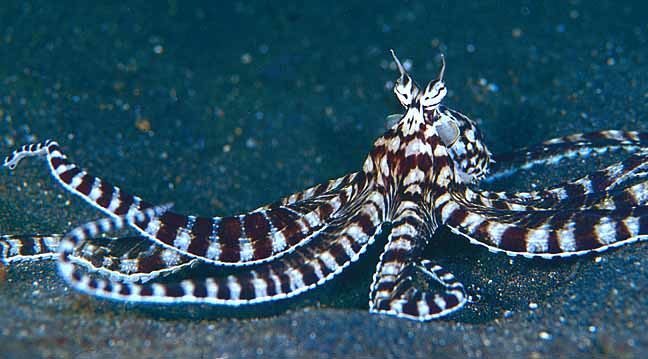
Mimic octopuses stand out from other octopus species because they can switch between various disguises – up to 18 different marine animals – and they do this not by just changing their color, but also their shape and behavior. This Indonesian marvel takes camouflage to a whole new level by actually pretending to be other creatures entirely.
Among the animals mimicked are lionfish, sea snake, jellyfish, and zebra sole. Honestly, it’s hard to wrap your head around the intelligence required for this. The octopus may be able to intelligently use its mimicry based on the situation – for example, a mimic octopus which was being harassed by damselfish mimicked a banded sea snake, a known damselfish predator. It’s like carrying around a mental catalog of dangerous animals and knowing exactly which costume to pull out at the right moment. The mimic octopus doesn’t just survive; it outsmarts its enemies with theatrical flair.
Leaf-Tailed Gecko: The Living Dead Leaf
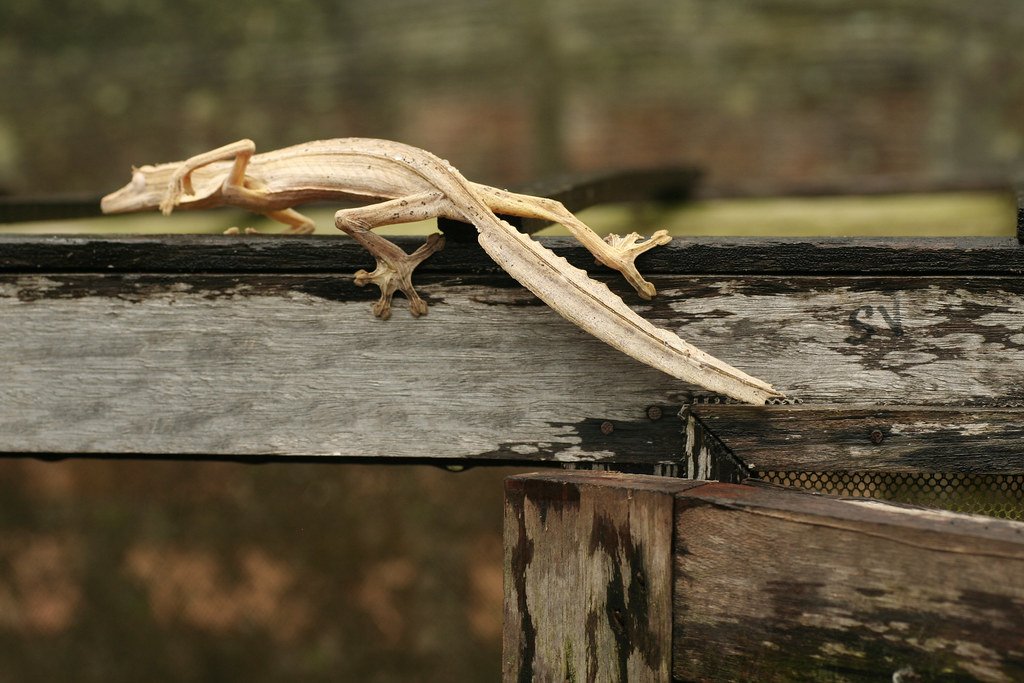
The satanic leaf-tailed gecko is a master of camouflage native to Madagascar, notable for pointed head scales which resemble horns and its remarkably leaf-like appearance. These small reptiles look absolutely uncanny when resting on tree bark. Their elaborate camouflage includes patches that resemble lichen, ridges that look like leaf veins, and missing chunks to mimic bits of a dead leaf that have broken off.
Some geckos even have notches in their tails to further mimic a decaying leaf, which is also thought to be a form of sexual dimorphism, as the trait seems more common in males. During the day, these nocturnal hunters press themselves flat against branches, becoming virtually invisible to predators. Should a predator get too close, the gecko has a backup plan: it will open its jaws wide, revealing a bright red tongue and mouth, and let out a loud cry in hopes of scaring off birds and snakes. Now that’s what I call a dramatic reveal.
Mossy Leaf-Tailed Gecko: The Bark Mimic Extraordinaire
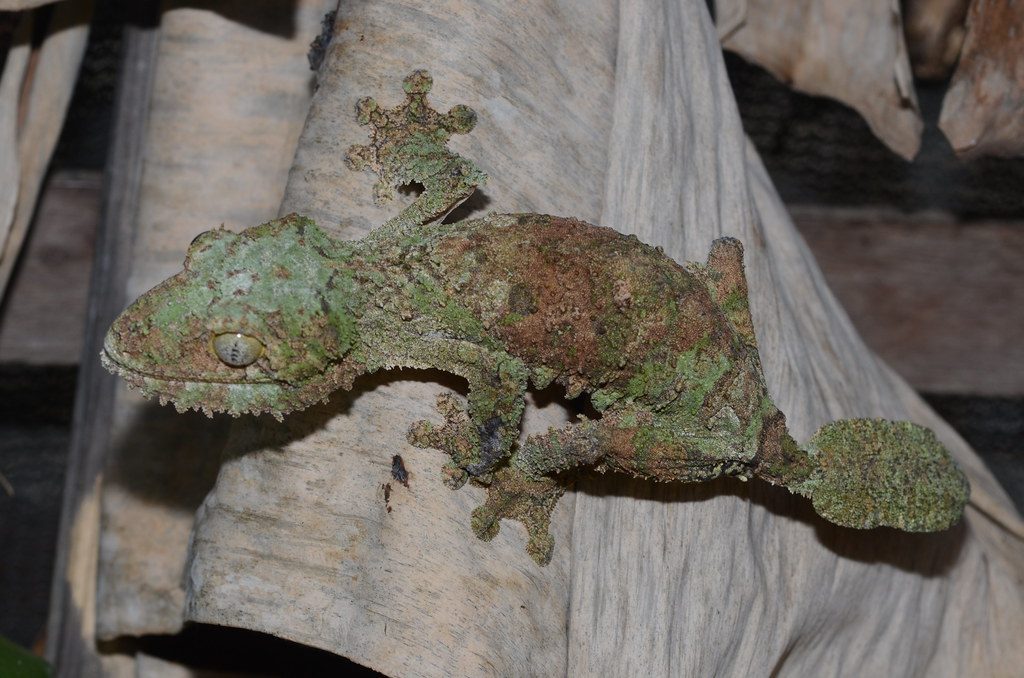
The mossy leaf-tailed gecko has coloration developed as camouflage, most being grayish brown to black or greenish brown with various markings meant to resemble tree bark, down to the lichens and moss found on the bark. Unlike its satanic cousin, this species specializes in imitating bark rather than leaves. The resemblance is so convincing that even experienced naturalists can walk right past them.
These geckos have flaps of skin running the length of their body, head and limbs, known as the dermal flap, which they can lay against the tree during the day, scattering shadows, and making their outline practically invisible, plus they have a limited ability to alter their skin color to match their surroundings. Mossy leaf-tailed geckos have incredible night vision – they can see about 350 times better than humans in total darkness and can see colors at night. These Madagascan specialists are living proof that sometimes the best offense is simply not being seen at all.
Arctic Hare: The Seasonal Quick-Change Artist
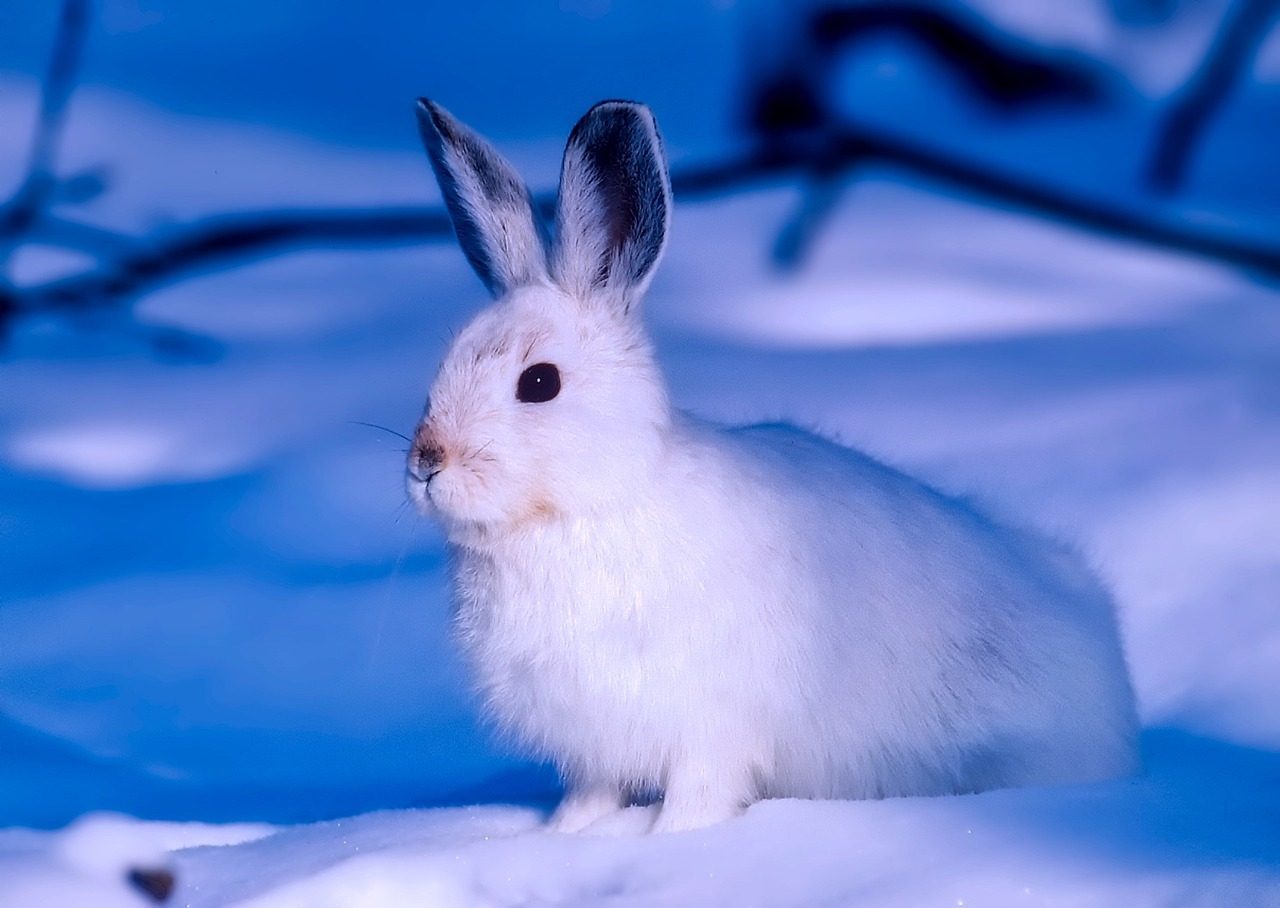
In Newfoundland and Southern Labrador, the Arctic hare changes its coat color, moulting and growing new fur, from brown or grey in the summer to white in the winter, and this seasonal moulting also enables other Arctic animals to remain camouflaged as the environment changes. It’s nature’s version of a seasonal wardrobe change, but infinitely more crucial for survival.
What’s particularly clever is the geographical variation. Arctic hares in the far north of Canada, where summer is very short, remain white all year round. In winter, their coat is a brilliant white color that not only keeps them warm, but also acts as camouflage, making it harder for predators like wolves, foxes, polar bears and snowy owls to see them in the snow. These hefty lagomorphs are among the largest of their kind, and their ability to blend seamlessly into the Arctic landscape is what allows them to thrive in one of Earth’s harshest environments. The whole molting process is triggered by changing day length or temperature – a biological calendar that never fails.
Stonefish: The Deadly Rock Impersonator
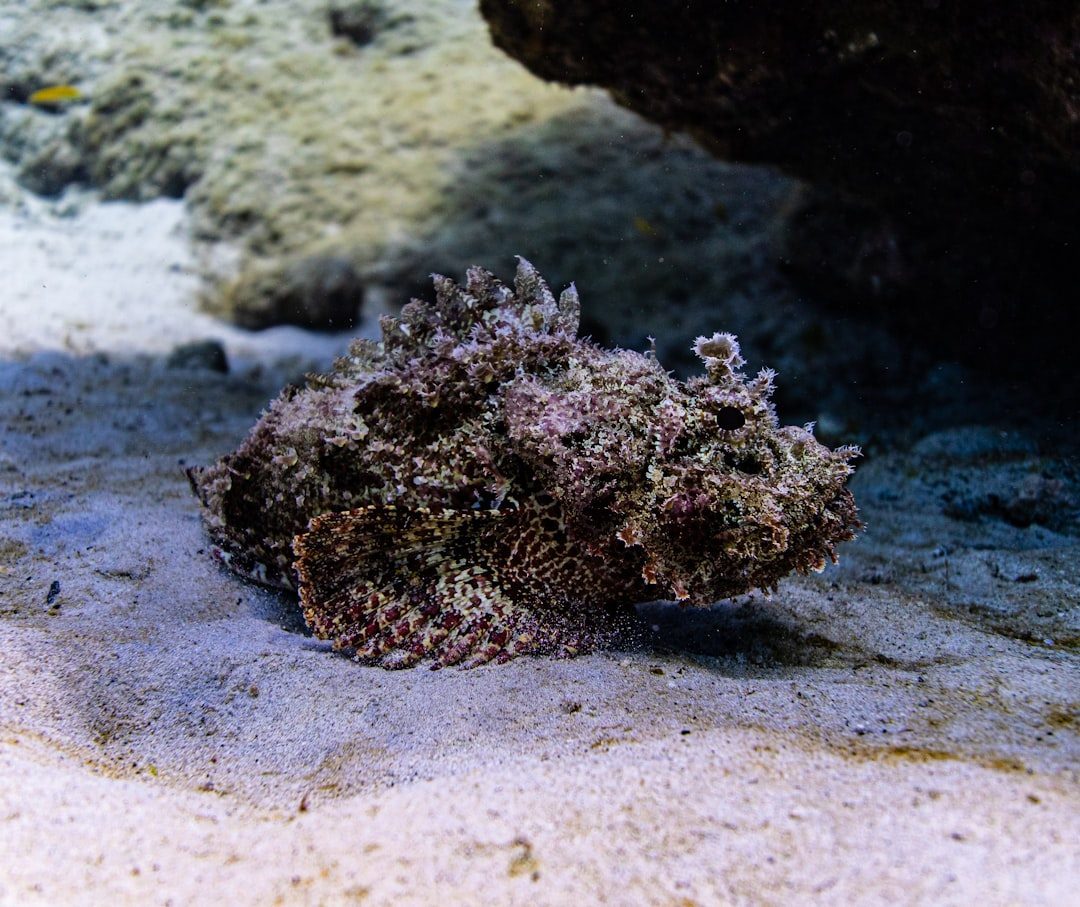
The stonefish looks like a harmless stone, but it’s covered with venomous spikes. This is probably the most terrifying entry on our list because it’s not just hiding – it’s lying in wait with one of the most potent venoms in the ocean. Stonefish inhabit coral reefs and rubble in the Indo-Pacific and are incredibly hard to detect, blending perfectly with rocks, dead coral and algae-encrusted surfaces.
The stonefish could easily take home the trophy for most likely to be stepped on, as this camouflage expert is so adept at blending into its rocky ocean floor habitat that swimmers and marine predators often pass by none the wiser. Their stillness is part of the illusion – they can wait motionless for hours until prey swims within striking distance. It’s hard to say for sure, but they might be the most patient hunters in the entire ocean. Divers in places like Komodo National Park have to be exceptionally careful about where they put their hands and feet, because what looks like a harmless rock could deliver an agonizing sting.
Stick Insect: The Twig That Walks
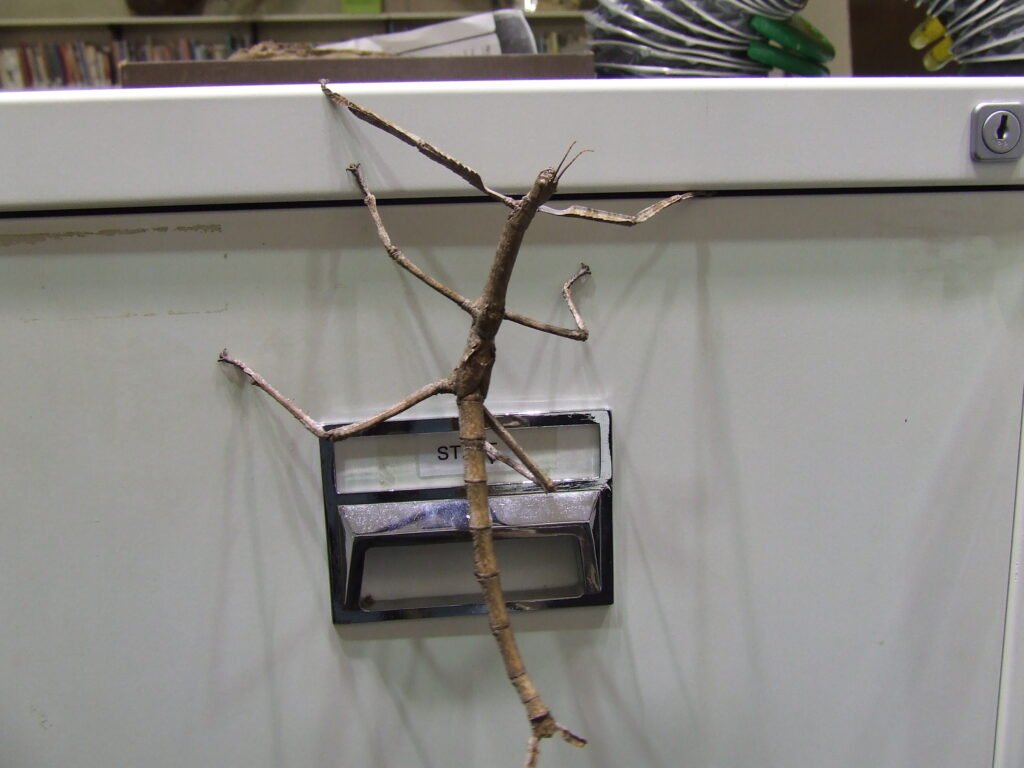
At first glance, a stick insect looks exactly like a twig or branch, with its long, slender body and brown or green coloring making it one of the most convincing mimics in the animal kingdom. These masters of stillness take the phrase “freeze in place” to a whole new level. The Northern walking stick is practically indiscernible from an actual stick, with its long legs making it look like a small branch, and its joints even resembling the knots found on tree branches.
But here’s the thing – stick insects don’t just stay still. Some species even gently sway to mimic the movement of branches in the wind. This behavioral camouflage is absolutely brilliant because it accounts for the natural motion of their environment. Some species can grow up to 20 inches long, which makes their ability to disappear even more remarkable. If discovered, many will play dead to further confuse predators, because apparently looking like a stick wasn’t enough – they need to be a broken stick.
Peppered Moth: The Industrial Evolution Icon
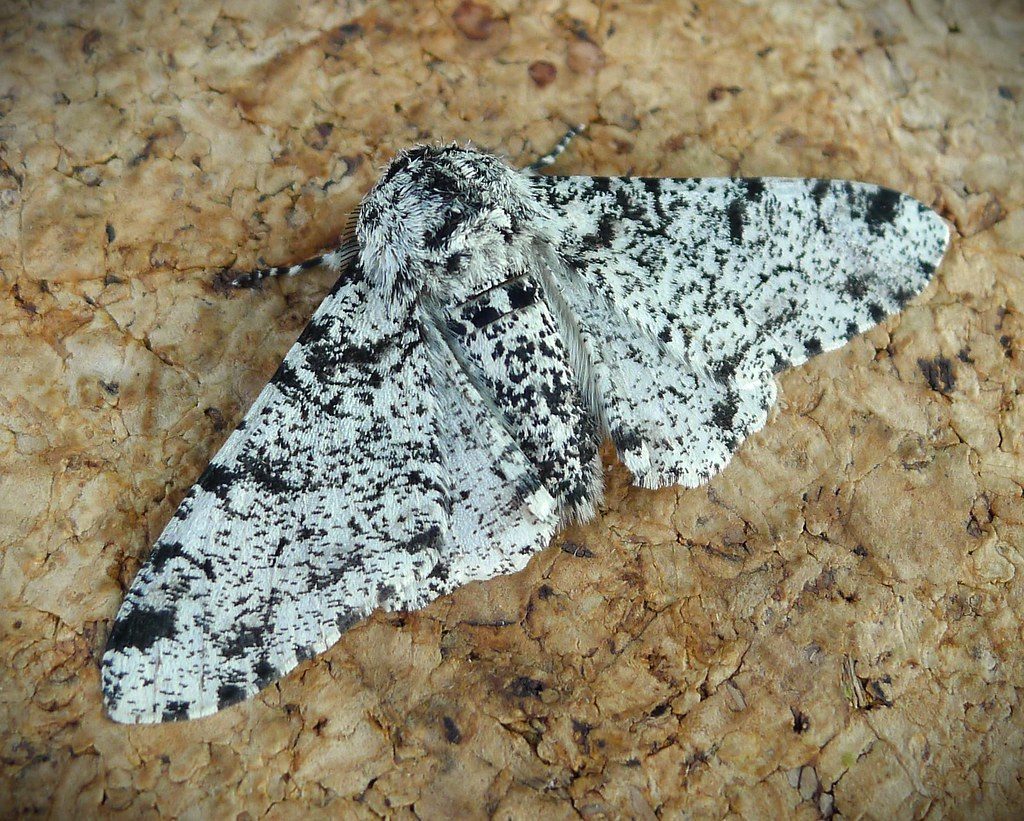
The peppered moth’s monochrome wings are its best survival tool, and peppered moths are active at night and practically invisible during the day. These unassuming insects became famous in biology textbooks for demonstrating evolution in action during the Industrial Revolution. Their coloring allows them to blend seamlessly with the bark of a tree, making them imperceptible to passing predators, and some moths have darker hues while others are lighter, which helps them blend in with lichen-covered tree trunks.
The peppered moth is also a notable example of an animal that has adapted to environmental changes – before its evolution, the moth’s lighter colors predominantly gave it camouflage against trees, but as regions became more polluted, its colors slowly changed to blend in with urban environments, allowing peppered moths to blend in with sooty or dust-covered trees and buildings. It’s one of the fastest documented cases of natural selection, proving that evolution isn’t just something that happened millions of years ago – it’s happening right now, in response to human activity. Nature adapts, even when we change the rules.
Pygmy Seahorse: The Accidental Discovery
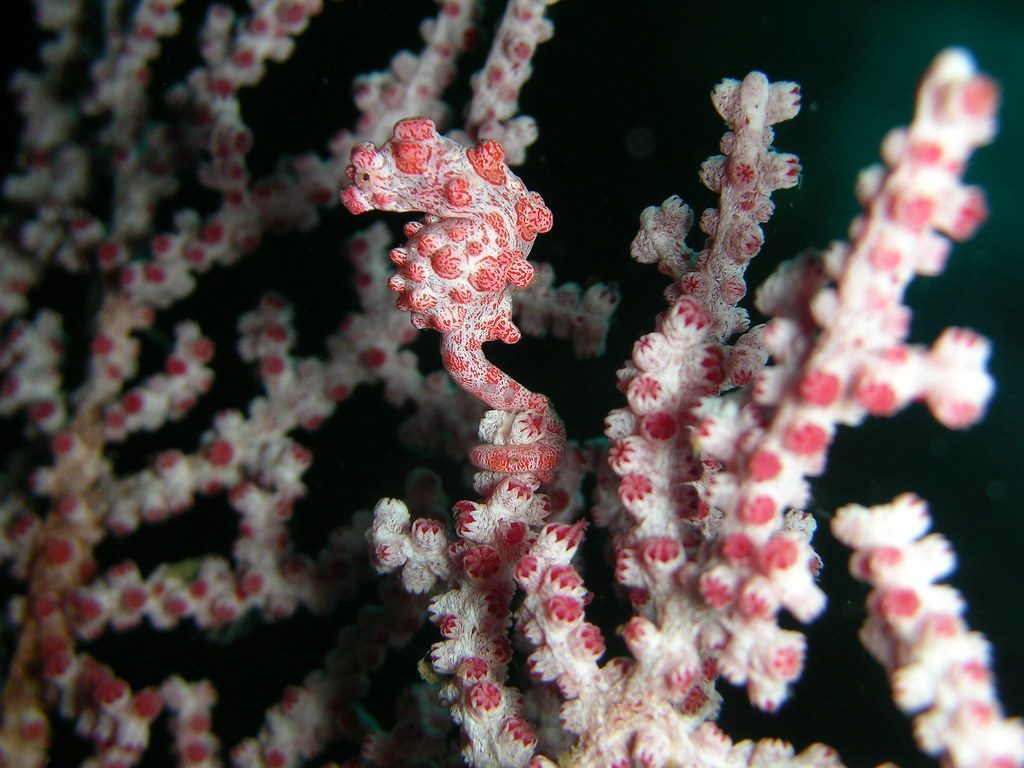
The pygmy seahorse camouflages so well with its surroundings that it was discovered entirely by accident when an expert named Georges Bargibant realized he’d unintentionally captured a tiny seahorse while collecting pieces of gorgonian coral, and this species can mimic coral so well that it remained undiscovered for a long time. Think about that for a moment – an entire species went unnoticed because they were simply too good at hiding.
The pygmy seahorse may be small, but its background matching skills are among the best, with its pink camouflage making it indistinguishable from aquatic life in the coral reef. These tiny creatures spend their entire lives on sea fans, matching not just the color but also the texture of their chosen coral host. Even experienced dive guides need considerable time to locate them. What would you have guessed – that something this small and delicate could be one of nature’s greatest camouflage artists? The pygmy seahorse is living proof that size doesn’t matter when it comes to mastering the art of invisibility.
Conclusion: Nature’s Invisible Masters
These ten remarkable animals represent the pinnacle of evolutionary adaptation. From the split-second transformations of cuttlefish to the patient stillness of the stonefish, each species has developed its own unique approach to the ancient challenge of survival. What’s truly astounding is the variety of techniques employed – color change, texture modification, behavioral mimicry, and even seasonal molting all serve the same fundamental purpose: to avoid being seen.
The world around us is filled with creatures that have spent millions of years perfecting their disappearing acts. Some, like the mimic octopus, use intelligence and flexibility to actively impersonate dangerous species. Others, like the leaf-tailed geckos of Madagascar, have evolved bodies that look exactly like inanimate objects. The Arctic hare has even figured out how to change its wardrobe with the seasons, ensuring it stays invisible whether surrounded by tundra vegetation or pristine snow.
What strikes me most about these camouflage champions is how they remind us that nature is always watching, always adapting, and always surprising us with solutions we never imagined. These animals aren’t just surviving – they’re thriving by becoming masters of disguise. Did you expect that some of the ocean’s smallest creatures would be its most accomplished illusionists? What do you think about these incredible adaptations? Tell us in the comments.