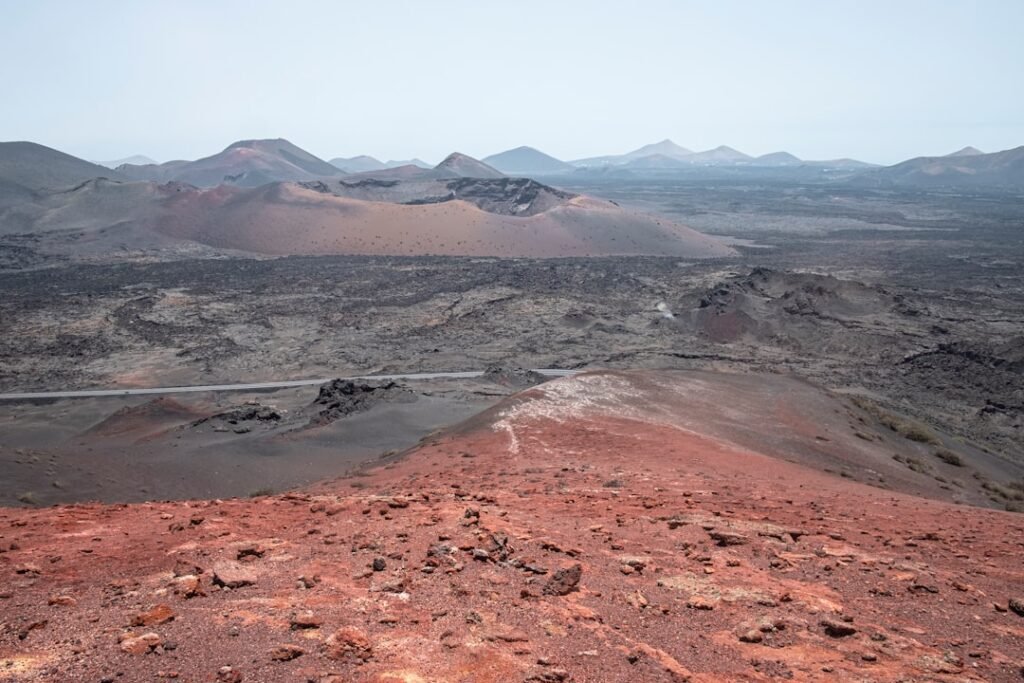

Picture this. You wake up tomorrow morning, pull back your curtains, and the world looks different. Really different. The vast blue expanses that once dominated our planet are gone. No crashing waves, no coral reefs, no endless horizons of water. Just empty basins stretching across the globe where oceans used to be.
Sounds like something straight out of a nightmare, right? Here’s the thing though: the oceans aren’t just pretty backdrops for beach vacations. They’re the beating heart of our planet’s entire life support system. Take them away, and you’re not left with some dusty version of Earth. You’re left with a dead world. Let’s dive into what would actually unfold in this terrifying scenario.
The Air You Breathe Would Vanish
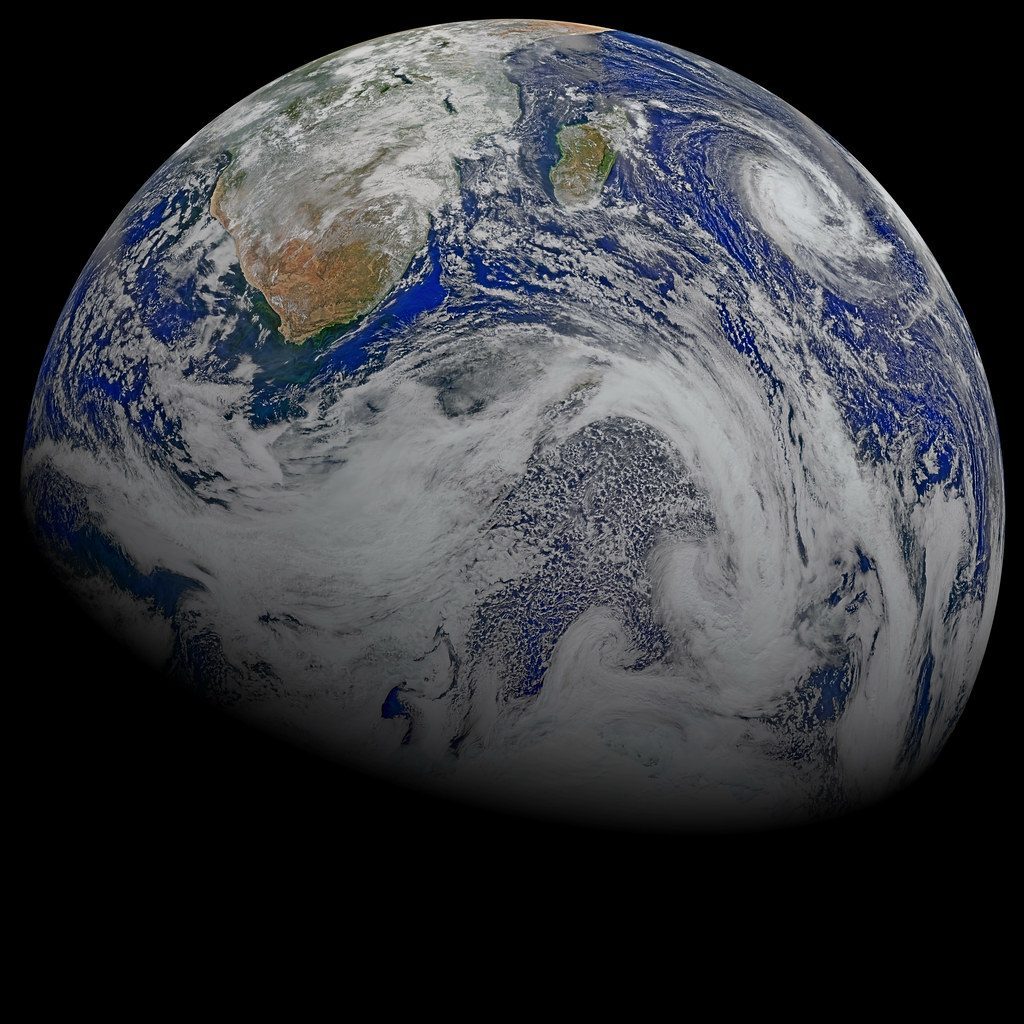
You might think trees and forests are responsible for most of the oxygen you’re breathing right now. That’s what most people assume. The reality is far more surprising and honestly a bit unsettling.
Roughly half of Earth’s oxygen comes from the ocean, produced by microscopic organisms called phytoplankton. Prochlorococcus, a tiny cyanobacterium, is responsible for producing about one fifth of the oxygen in our entire atmosphere. These invisible heroes drift through ocean waters, converting sunlight and carbon dioxide into oxygen through photosynthesis.
Without oceans, these oxygen factories would be wiped out instantly. Between 50 to 80 percent of Earth’s oxygen comes from oceanic plants and algae, and a greenhouse gas effect like that on Venus would take hold of the planet. Your lungs would still work for a while, sure. There’s oxygen already in the atmosphere. Still, over time, carbon dioxide levels would skyrocket with nothing to absorb them, and breathing would become increasingly difficult.
Temperatures Would Become Absolutely Unbearable
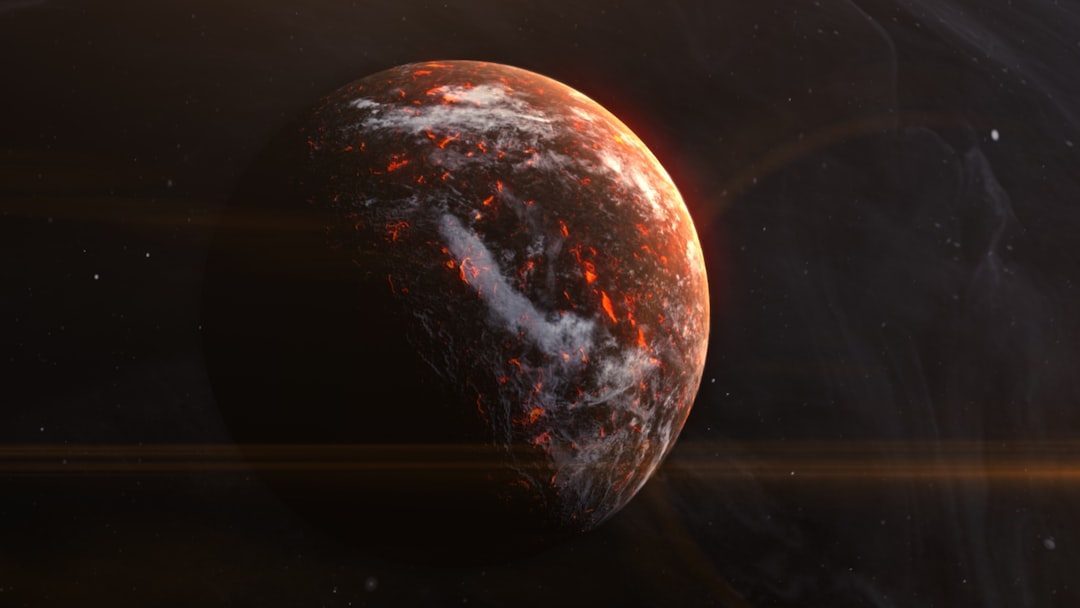
Think the hottest summer day you’ve ever experienced was bad? You haven’t seen anything yet. Without water, harsh rays from the sun would bake the equator while distributing almost no energy to the poles, and the oceans regulate temperatures around the Earth by absorbing and redistributing solar energy.
The sun would continue to pound the equator, and the average temperature on Earth would be 153 degrees Fahrenheit, making surface life impossible even for the hardiest desert animals. Greenhouse gases from the world’s fires would trap the sun’s energy close to the ground. Meanwhile, the polar regions would become frigid wastelands without the warming influence of ocean currents.
Ocean currents act like a massive planetary thermostat. They carry warm water from the tropics toward the poles and return cold water to the equator. Remove this system, and you get extreme temperature zones where nothing can survive.
Rain Would Become a Distant Memory
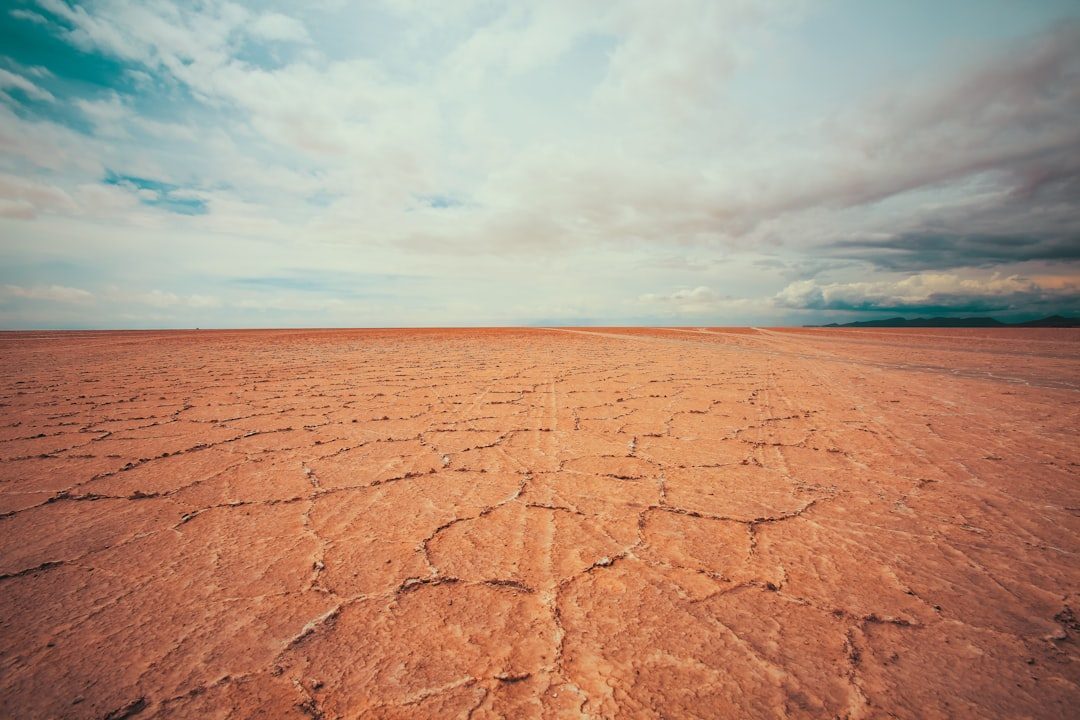
Almost all rain that falls on land starts off in the ocean. When ocean water evaporates, it rises into the atmosphere, forms clouds, and eventually falls as precipitation. It’s a cycle that’s been running for billions of years.
Ice caps, lakes and rivers would total only about 2 percent of our present water supply, and that’s not enough to get a decent worldwide water cycle going. Without clouds forming over the ocean, rain would be incredibly rare, and the planet would become desert.
Agriculture would collapse immediately. Crops need water, and without regular rainfall, farmland would turn to dust. Rivers would dry up. Lakes would evaporate. The small amount of groundwater remaining would be fought over desperately, though it wouldn’t last long.
You’d See the Most Bizarre Landscape Ever
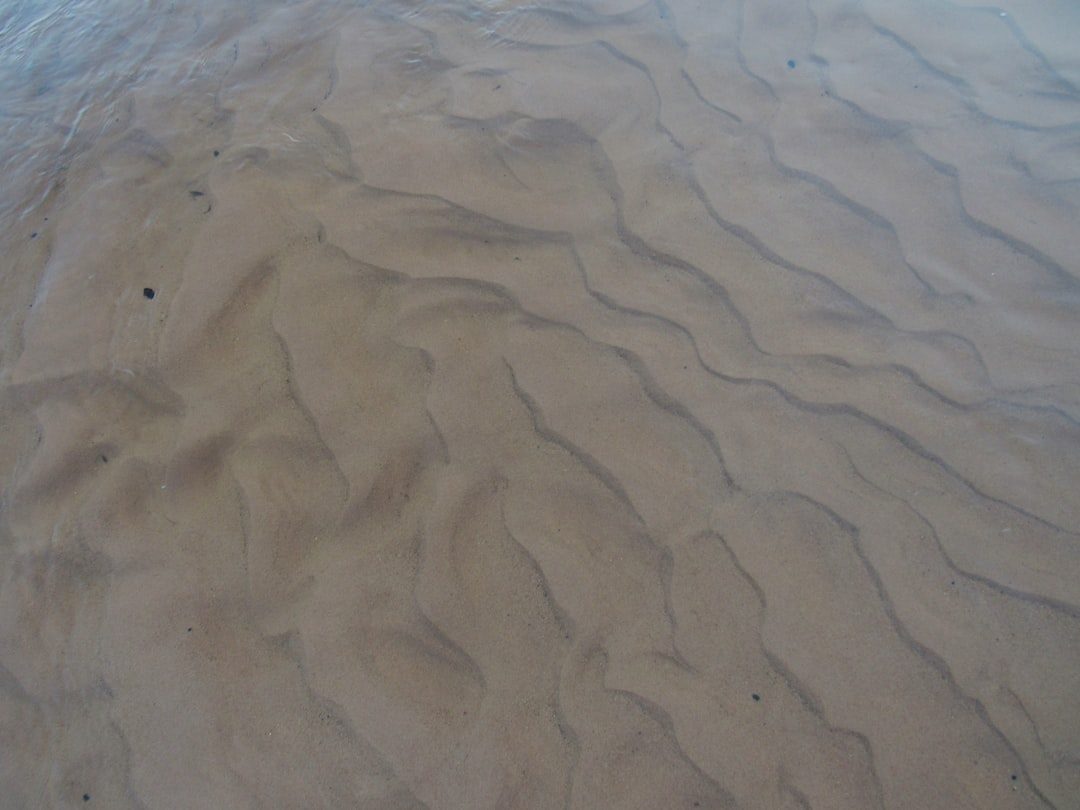
Imagine standing at what used to be the edge of California and looking out over the exposed Pacific Ocean floor. What would you see? An underwater landscape as complex as anything on land, with an average ocean depth of 2.3 miles, now completely revealed.
The mid-ocean ridge, an underwater mountain range over 40,000 miles long, would rise to an average depth of 8,200 feet, forming the longest mountain range on Earth. Abyssal plains covering 70 percent of the ocean floor would be interrupted by features like hills, valleys, and seamounts. You’d see deep trenches, submarine canyons, and vast sediment-covered plains stretching to the horizon.
The Mariana Trench, normally hidden under miles of water, would become the deepest canyon on the planet. Shipwrecks from centuries past would sit exposed on the seafloor, rusting monuments to humanity’s maritime history.
The Air Itself Would Change Pressure
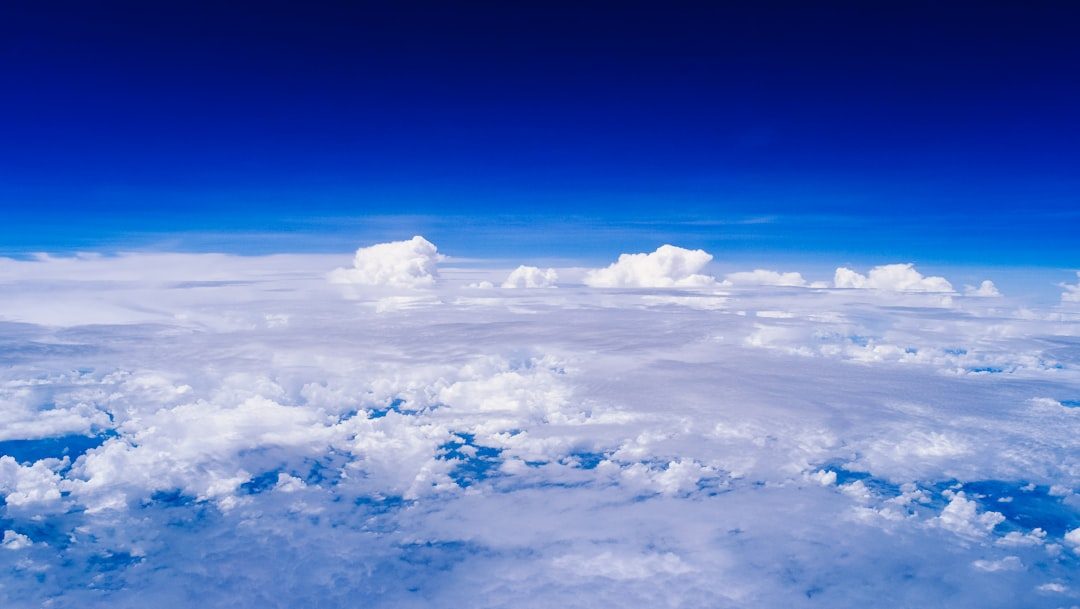
Here’s something you probably haven’t considered. Air doesn’t just float around randomly. It settles based on gravity and the shape of the land. Right now, sea level defines our baseline atmospheric pressure at one atmosphere.
Take away the oceans, and suddenly you have massive basins thousands of feet below current sea level. Air would slide down to really deep places, and cities would effectively be eight miles high, the altitude that jets fly, and everyone in the cities would suffocate from lack of air.
The atmosphere would pool in the deepest trenches, creating pockets of dense, heavy air surrounded by thin, unbreathable atmosphere at higher elevations. Current coastal cities would find themselves perched on cliff edges with barely enough oxygen to survive. Mountain ranges would become even more inhospitable than they already are.
The Climate System Would Completely Collapse
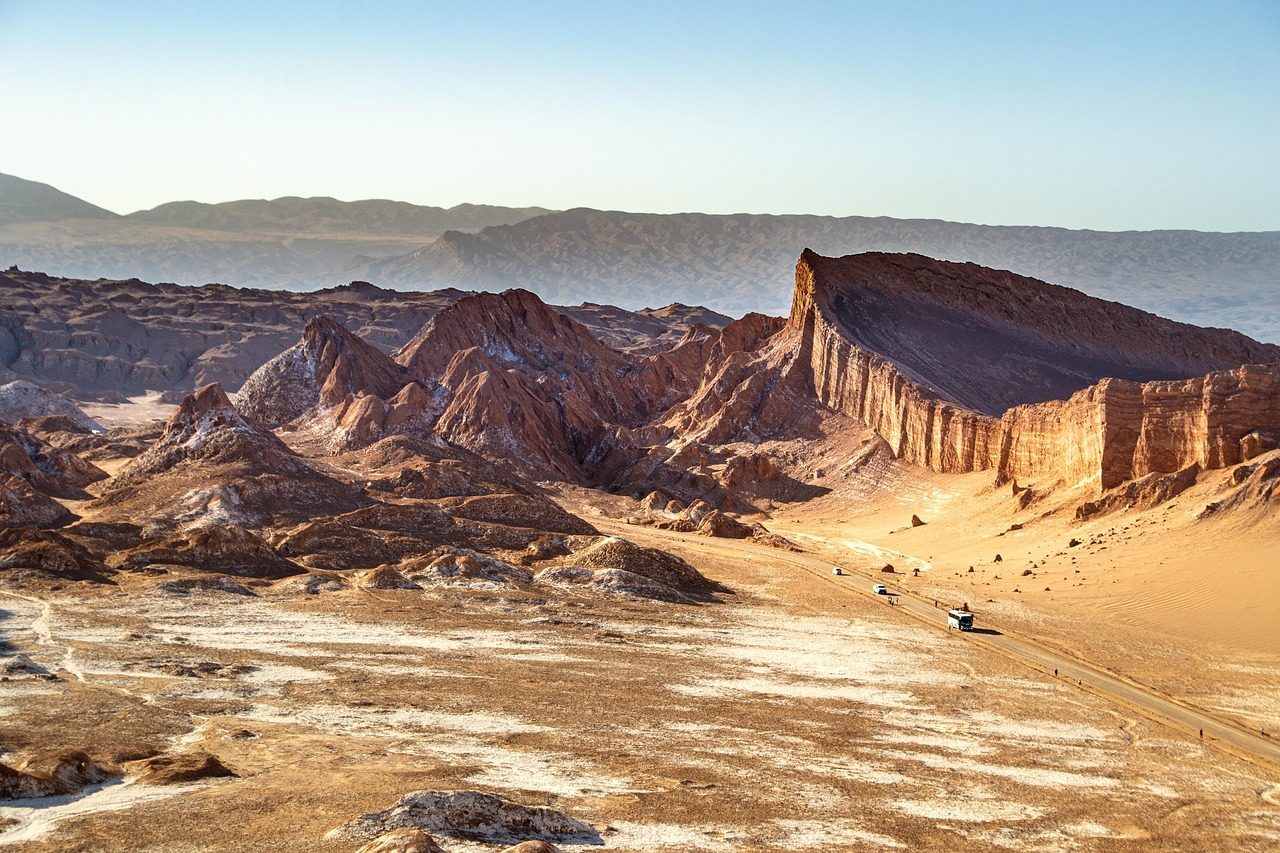
The impact on global climate would be unimaginable, as the oceans absorb heat from the sun and distribute it around the world, and without this vital mechanism, temperatures would fluctuate wildly and weather patterns would become completely unpredictable.
The ocean doesn’t just regulate temperature. It regulates the concentration of carbon dioxide in the atmosphere by absorbing, storing and releasing the greenhouse gas, and contains 50 times more carbon than the atmosphere. Without this carbon sink, atmospheric carbon dioxide would surge to levels not seen in hundreds of millions of years.
Weather as we know it would cease to exist. No more seasonal patterns, no predictable storm systems, no monsoons bringing life-giving rain to half the world’s population. Instead, you’d have violent, chaotic atmospheric conditions driven purely by extreme temperature differences between scorched equatorial regions and frozen poles.
Humanity Would Face Extinction Within Months
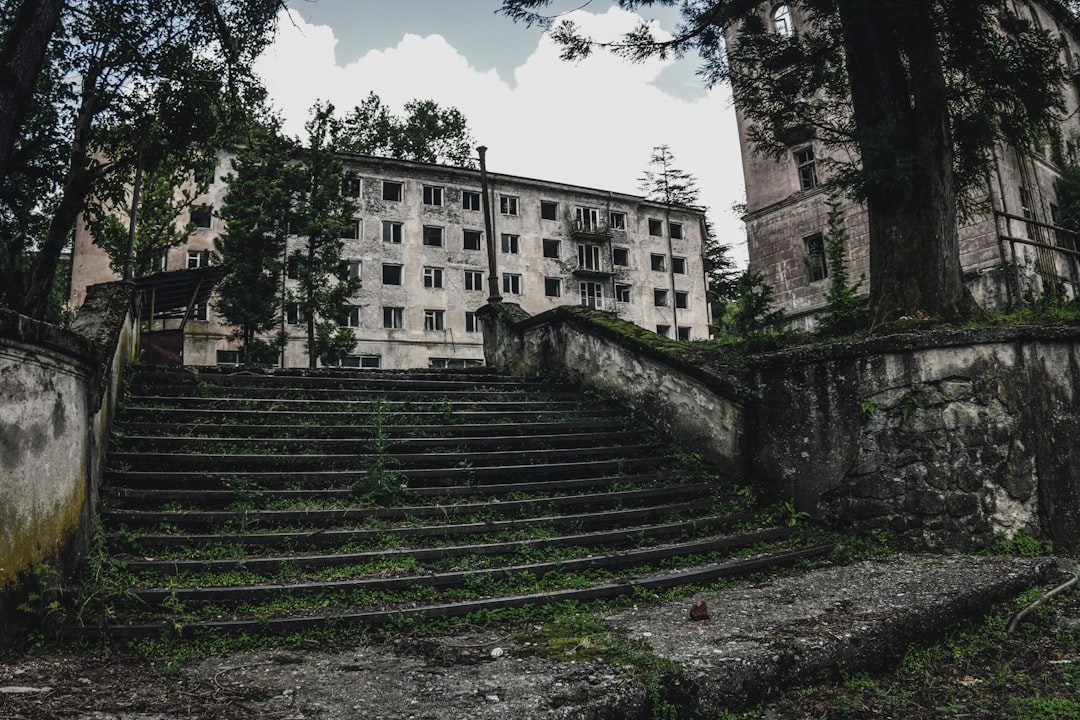
Let’s be real about this. Humanity’s only hope would be massive migrations to the Southern Hemisphere while the Antarctic ice sheet was still intact, and all energy would go toward collecting Antarctic ice underground where it would be safe from evaporation.
As humans ran out of resources, we’d die off, and Earth’s only survivors would be small colonies of chemosynthetic bacteria hidden underground in hot springs, because without oceans, everyone else dies.
Think about it. No water means no food production. No rainfall means no crops. No oceans means no fish. The few remaining freshwater sources would be fought over with desperate violence. Temperature extremes would make most of the planet completely uninhabitable. Even if you managed to find shelter and water, the thinning oxygen supply would eventually suffocate you.
A Final Warning From This Nightmare Scenario
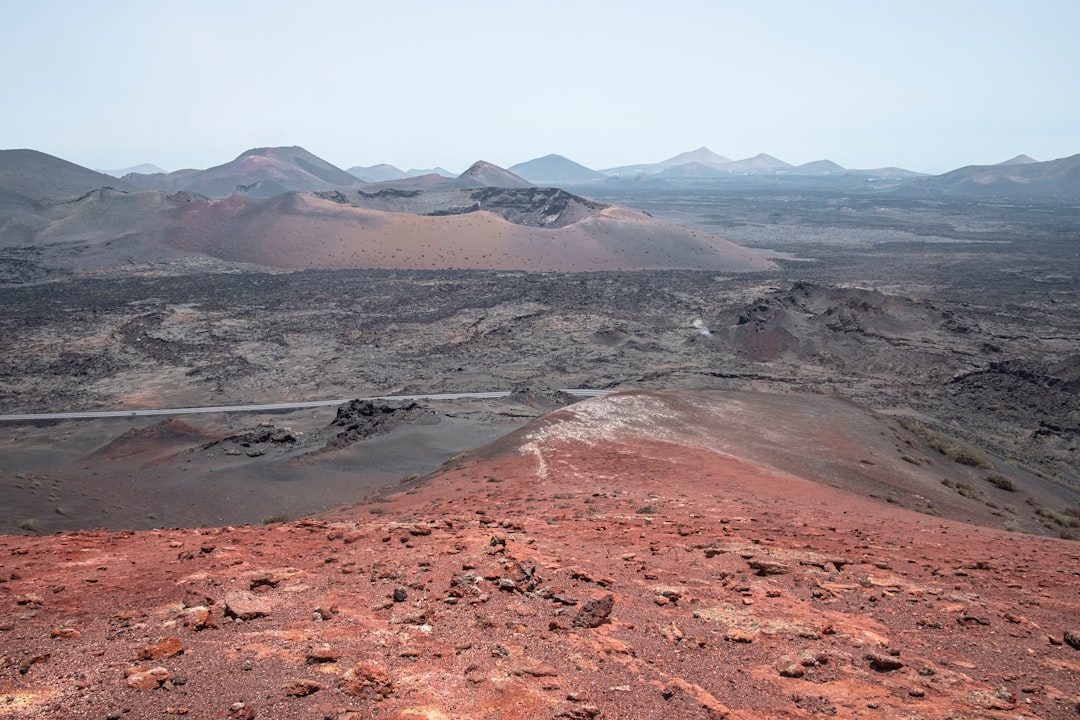
This catastrophic scenario is purely hypothetical, thankfully. The oceans aren’t going to disappear overnight. Still, this thought experiment reveals something critical: how utterly dependent we are on Earth’s oceans.
The oceans cover over 70 percent of Earth’s surface and play a central role in regulating the planet’s climate, providing food and livelihoods for millions of people, and supporting an enormous array of marine and terrestrial life. Without oceans, Earth would be a desolate wasteland with no way to support any organisms.
Climate change, ocean acidification, pollution, and overfishing are real threats facing our oceans right now in 2025. While they won’t make the oceans vanish, they can damage the crucial systems that keep our planet livable. The oceans regulate our climate, produce our oxygen, provide our food, and make Earth the blue marble we call home. Protecting them isn’t just about saving marine life or pretty beaches. It’s about ensuring our own survival.
Makes you think differently about those vast blue waters, doesn’t it? What would you miss most if the oceans disappeared tomorrow?