Every night, nearly every human on Earth willingly surrenders consciousness, becoming temporarily paralyzed, hallucinating vividly, and remembering only fragments of the experience. For something so strange, sleep is astonishingly non-negotiable: miss enough of it, and the body and mind begin to fall apart in ways that are as dramatic as they are invisible. Over the past few decades, researchers have gone from treating sleep as a passive “off switch” to recognizing it as one of the most active, highly orchestrated processes in biology. Yet for all the brain scans and lab rats wired to electrodes, one fundamental question still lingers: why, exactly, do we need to spend roughly about one third of our lives unconscious? As new studies uncover what happens when we cut corners on sleep, the enigma is shifting from “why do we sleep?” to “how did we ever think we could get away without it?”
The Hidden Clues Inside a Sleeping Brain
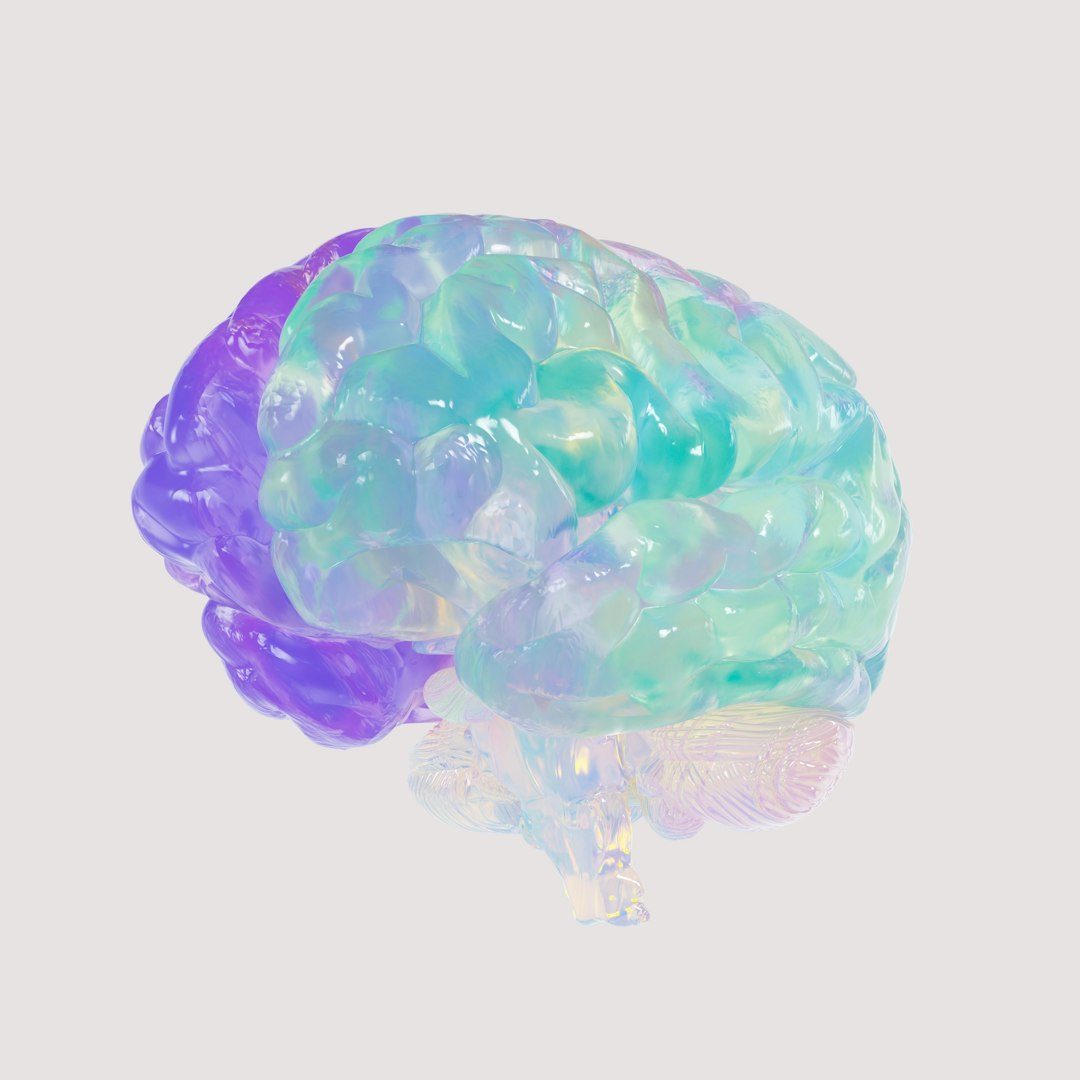
Walk into a modern sleep lab at midnight and you will not find quiet darkness but a scene that feels more like a mission control room. Volunteers lie in darkened rooms with caps of electrodes on their scalps, belts around their chests, sensors on their fingers, while researchers watch lines of brain waves march across screens in the next room. Instead of a brain going offline, the electroencephalogram tells a different story: sleep is a series of distinct stages, from light dozing to slow, synchronized deep waves to the chaotic, waking-like activity of rapid eye movement sleep. Each stage seems to play a different role, like movements in a symphony, from consolidating memories to fine-tuning emotional circuits to performing cellular “maintenance” on neurons and glial cells.
One of the most striking clues about why sleep matters comes from what the brain does with its trash. During deep slow-wave sleep, the spaces between brain cells expand and cerebrospinal fluid pulses through more freely, washing away metabolic waste products including beta-amyloid, the same molecule that forms sticky plaques in Alzheimer’s disease. Animal research and human imaging studies suggest that when we chronically shortchange sleep, this nightly cleaning cycle is disrupted, and misfolded proteins and toxins can accumulate over time. In that sense, staying up late night after night is a bit like skipping garbage day in a crowded city: you might not notice the problem after a few days, but eventually the entire system starts to smell, slow, and fail.
From Ancient Beliefs to Brain Scans
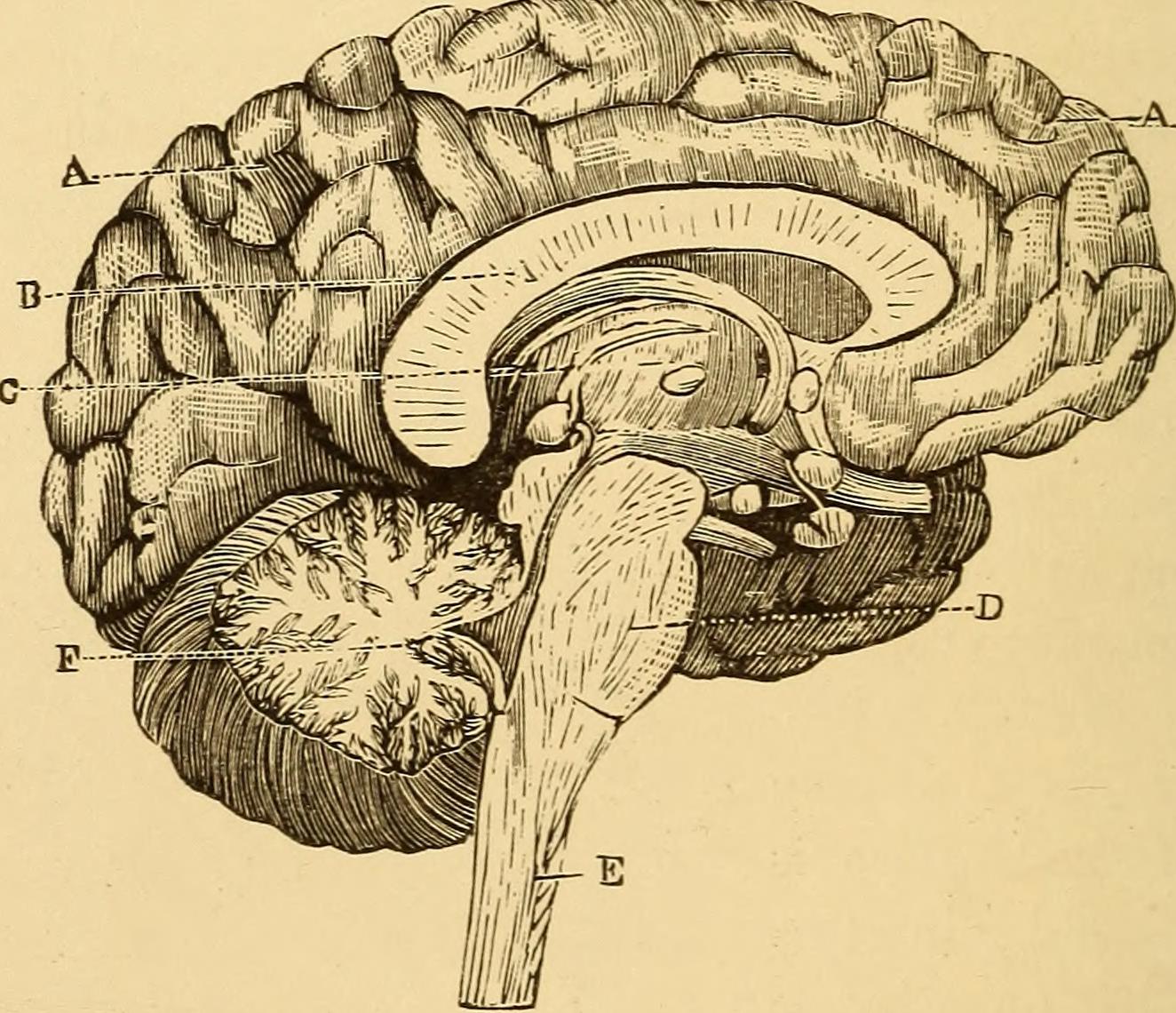
Humans have been arguing about sleep for as long as we have been recording our thoughts, and those arguments reveal how much we have misunderstood it. Ancient medical traditions sometimes viewed sleep as a kind of temporary withdrawal of the soul, while early modern philosophers saw consciousness as an on–off light switch that simply flipped down at night. Even in the early twentieth century, some scientists framed sleep as a passive shutdown caused by a build-up of mysterious “sleep toxins” in the blood. The invention of the electroencephalogram in the 1920s and 1930s blew that idea apart by showing that the sleeping brain has rich internal dynamics, cycling predictably between stages across the night.
By the late twentieth century, researchers had discovered that depriving animals of sleep entirely could kill them in a matter of weeks, even if they had food and water, hinting that sleep is as essential as eating. At the same time, large-scale human studies began to track how sleep duration was linked to outcomes like heart disease, depression, metabolic health, and even how long people lived. Many of those studies converged on a familiar-looking curve: people who habitually sleep far less than seven hours a night, and those who regularly sleep much longer, tend to have higher risks of illness and death. We still argue about where the healthy “sweet spot” lies for each person, but the old idea that sleep is wasted time has been steadily eroded by evidence that it is more like routine maintenance on a jet engine – skip it at your peril.
How Sleep Keeps the Body Alive and the Mind Sane
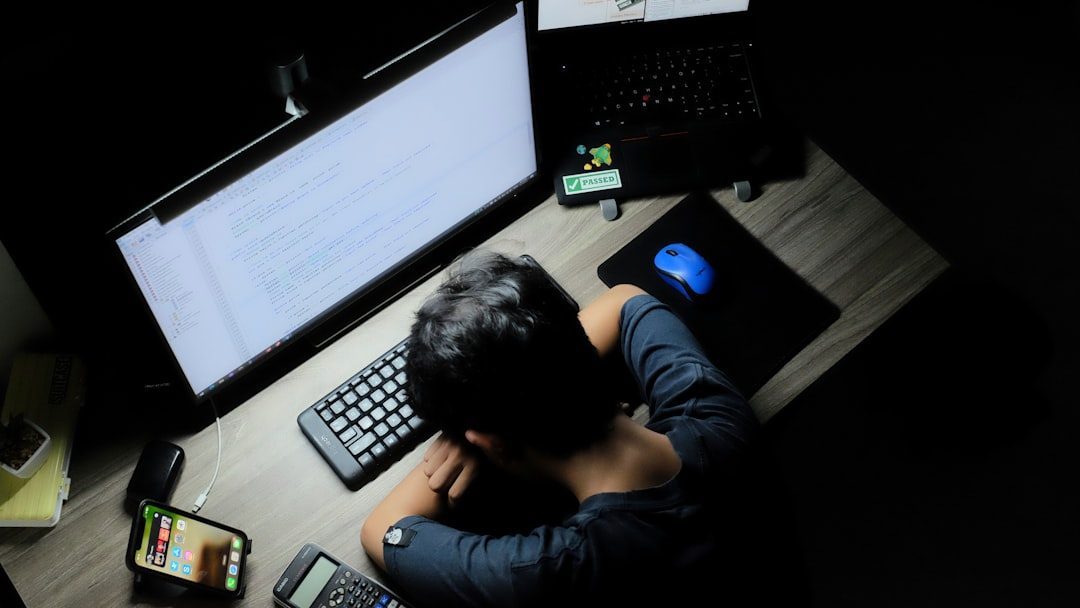
If you want to see what sleep really does, you can start by taking it away. Controlled lab experiments that restrict people to four or five hours of sleep a night for several nights find that reaction times, attention, and decision-making plummet to levels similar to being legally drunk. Immune markers shift, with inflammation rising and the body’s ability to respond to vaccines and fight infections dropping. Hormones that regulate hunger and metabolism tilt out of balance, nudging people toward craving high-calorie foods and making it harder for the body to use insulin effectively. Over weeks and months, these subtle shifts add up, increasing the risk of obesity, type 2 diabetes, high blood pressure, and cardiovascular disease.
The mind does not escape unscathed either. People who are chronically short on sleep report more anxiety, irritability, and depressed mood, and brain imaging studies show that emotional centers like the amygdala become more reactive when sleep is curtailed. Meanwhile, the prefrontal cortex, the region that normally helps us regulate impulses and think ahead, starts to function less efficiently. That combination – overactive threat detection and underactive self-control – helps explain why sleep-deprived people snap at loved ones, make riskier choices, and feel emotionally on edge. In extreme cases, like prolonged sleep deprivation, people can experience hallucinations and temporary breaks with reality, underscoring that stable, waking consciousness itself is built on a foundation of regular, quality sleep.
Sleep in a 24/7 World: A Global Experiment
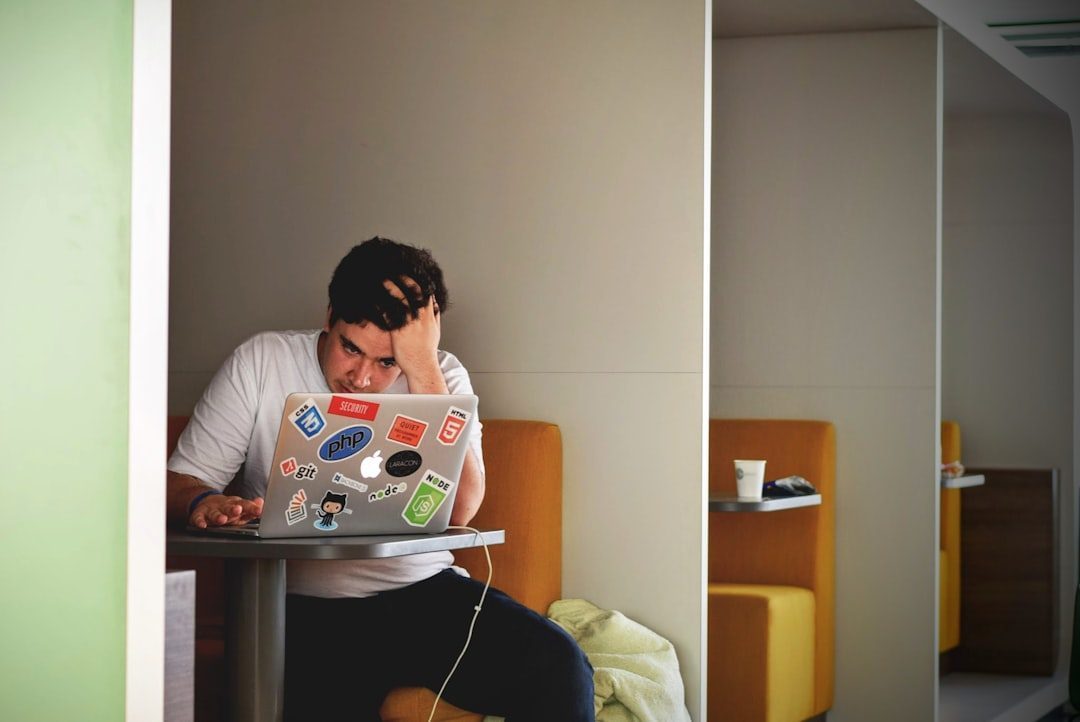
For most of human history, night meant darkness, and darkness meant sleep. In the last century, electrification, shift work, smartphones, and streaming entertainment have turned that simple equation on its head, and we are now running what some researchers call a global experiment on the limits of human sleep. Surveys in industrialized countries suggest that a large portion of adults regularly sleep fewer than seven hours a night, with many pushing far less on workdays. Blue light from screens, late-night email, and gig-economy shifts that run into the small hours keep brains wired at the very time our internal clocks are trying to wind them down. The result is a culture where being “tired but wired” is so common that genuine wakefulness feels almost like a luxury product.
The cost of that experiment shows up not just in individual health records, but in public safety data. Studies have linked sleep-deprived driving to a significant share of traffic accidents, with some estimates suggesting that drowsy drivers are responsible for thousands of crashes each year in the United States alone. Workplace errors in industries like healthcare, aviation, and transportation have also been traced in part to fatigue and disrupted sleep schedules. At a societal level, the economic toll from lost productivity, healthcare expenditures, and accidents tied to insufficient sleep runs into the hundreds of billions of dollars annually. Without really voting on it, many countries have built economic systems that quietly assume humans can function like machines that never need to shut down, and the biology is pushing back.
The Brain’s Night Shift: Memory, Emotions, and the Glymphatic System
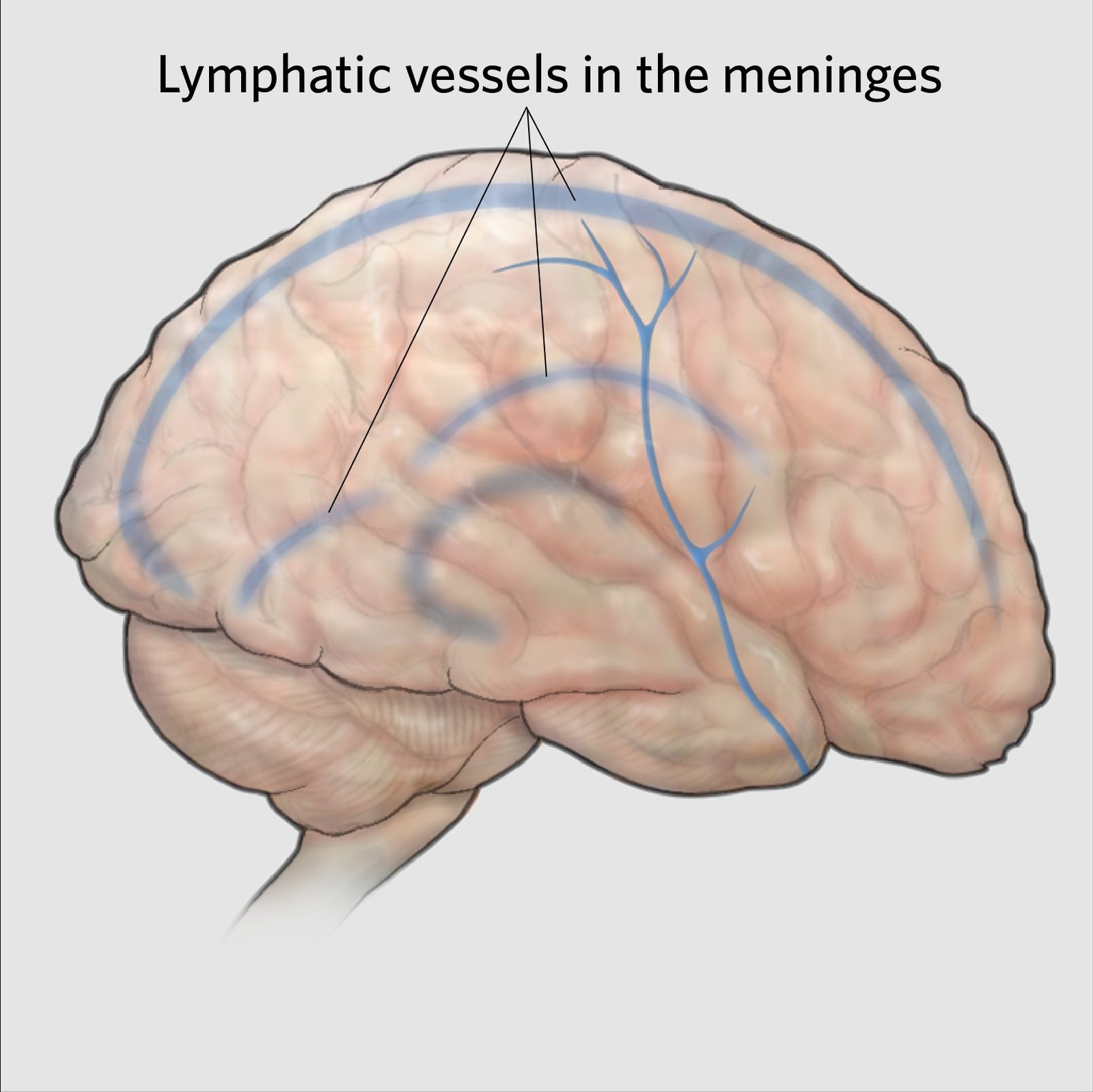
One of the most elegant discoveries of modern sleep science is that the brain works the night shift in ways that directly shape who we are when we wake up. During deep non-REM sleep, neurons in the hippocampus and cortex replay patterns of activity associated with recent experiences, strengthening new memories and weaving them into older networks. When people are allowed to sleep after learning a new skill or set of facts, they tend to retain more and perform better the next day, compared to those forced to stay awake. Rapid eye movement sleep, with its vivid dreams and waking-like brain activity, seems particularly important for processing emotional memories and helping us blunt the sting of painful experiences.
At the same time, the brain’s cleaning crew goes to work through what is called the glymphatic system, a network of channels that clear away metabolic waste more efficiently during sleep. Animal studies have shown that fluid containing waste products like beta-amyloid is flushed out more rapidly when animals are in deep sleep, and human imaging suggests similar mechanisms may operate in our brains. When deep sleep is fragmented – by conditions like sleep apnea, nighttime noise, or frequent awakenings – this cleaning and memory-consolidation process may be less effective. Over years and decades, disrupted sleep has been associated with higher risks of neurodegenerative conditions and cognitive decline. What looks from the outside like peaceful stillness is in reality a kind of overnight data backup and janitorial shift, and skimping on it means leaving files half-saved and trash cans overflowing.
Why It Matters: Sleep as the Missing Piece in Modern Health
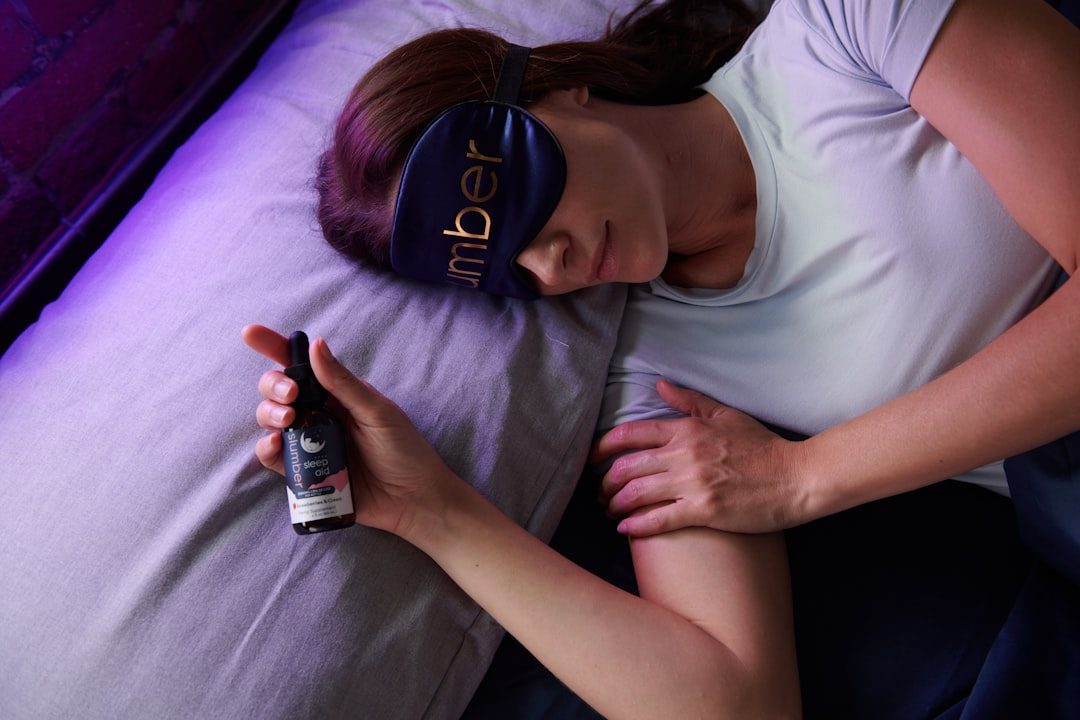
In medicine and public health, we are comfortable talking about diet, exercise, and smoking, but sleep has long been treated as an afterthought, almost a personal quirk rather than a central pillar of health. That attitude is changing as study after study shows that poor sleep amplifies the risks of nearly every major chronic disease, from heart attacks to strokes to depression. When researchers adjust for age, weight, and other lifestyle factors, people who consistently sleep well tend to have better cardiometabolic profiles, sharper cognition, and lower rates of mood disorders. Sleep is increasingly viewed not just as one more factor among many, but as a kind of force multiplier for everything else we do for our health.
Compared with interventions like new drugs or surgical procedures, improving sleep has a strikingly low cost and high potential payoff. It does not require expensive technology so much as rewiring our daily habits and social norms: setting consistent bedtimes, protecting dark and quiet hours, and treating sleep disorders like insomnia and apnea as serious conditions that deserve treatment. There is also an equity dimension: people working multiple jobs, night shifts, or in noisy, unsafe neighborhoods often have the least access to restorative sleep, yet carry some of the highest health burdens. Framing sleep as a core public health priority, rather than a personal luxury or weakness, could help knit together policies on work hours, lighting, housing, and healthcare into a more humane society. I think of it as finally acknowledging that the third of life we spend asleep is not disposable time but the foundation on which the other two thirds are built.
The Future Landscape: Tech, Therapies, and Ethical Headaches
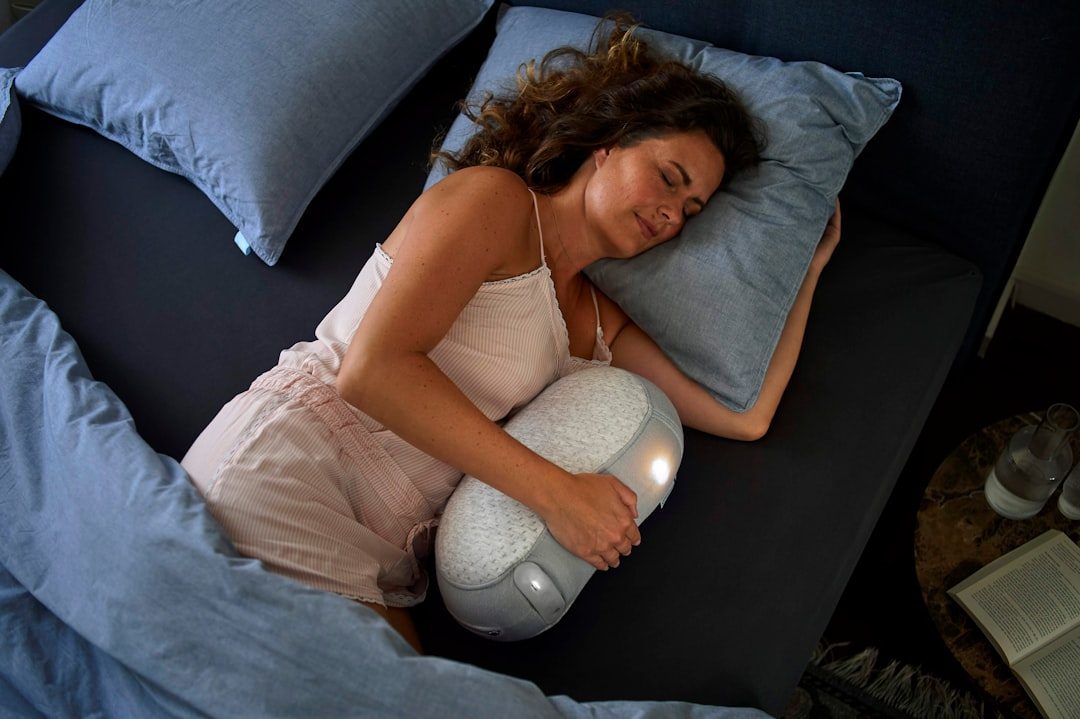
As our understanding of sleep deepens, a wave of technologies is rushing in to measure, manipulate, and sometimes monetize it. Consumer wearables and smart rings now promise to track every toss and turn, estimating how much light, deep, and REM sleep you get each night. Neurotechnology companies are experimenting with gentle electrical or acoustic stimulation timed to brain waves, trying to enhance deep sleep and potentially boost memory or slow cognitive decline. Pharmacological research is exploring drugs that might selectively mimic some benefits of sleep, such as memory consolidation or metabolic regulation, without fully knocking people out – a tantalizing but controversial prospect.
Alongside those innovations come ethical questions that scientists and policymakers are only beginning to grapple with. If employers can monitor sleep data, will they pressure workers to hit certain “sleep targets,” or penalize those with insomnia or caregiving responsibilities? Could military or corporate interests push for medications that let people function longer on less sleep, despite what that might do to long-term brain health? There is also the risk that over-reliance on gadgets may worsen anxiety about sleep, making people feel like they are constantly failing an invisible exam. The most promising future, in my view, is one where tech supports our biological rhythms rather than trying to override them – a future where good sleep is designed into our cities, workplaces, and schools, not strapped on as a digital bandage.
What Happens When We Don’t Sleep: The Slow-Motion Crash
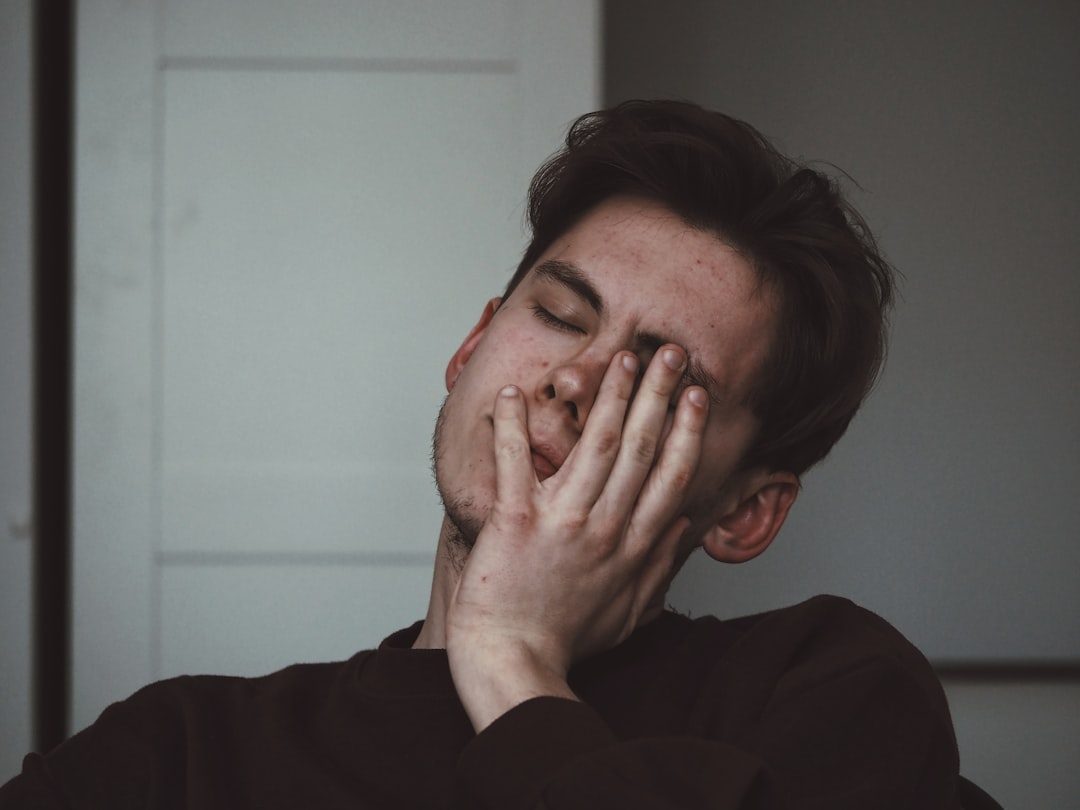
Not sleeping enough does not usually cause a dramatic collapse overnight; it is more like a slow-motion crash that unfolds over years. In the short term, most of us feel the familiar fogginess, clumsiness, and short temper that follow a bad night, but then we adapt and call that new baseline “normal.” Experiments show, however, that cognitive performance continues to decline with each additional night of restricted sleep, even as people insist they are doing fine. The scary part is that our ability to judge our own impairment drops, so we become less accurate at noticing how tired we really are. That mismatch is exactly what makes a sleep-deprived driver or surgeon so dangerous: they feel merely “a bit tired” while their brain is operating in slow motion.
Over the longer term, chronic sleep loss acts like a kind of quiet accelerant on existing vulnerabilities in the body. Blood pressure creeps higher, blood sugar control erodes, inflammatory markers tick upward, and arteries stiffen, creating fertile ground for heart attacks and strokes. In the brain, repeated disruptions of deep sleep and REM can interfere with emotional regulation, increasing the risk of anxiety and depressive disorders and worsening symptoms in people who already live with them. Evidence is also mounting that poor sleep may speed up age-related cognitive decline, perhaps via the accumulation of toxic proteins that are not cleared efficiently. Skipping sleep, in other words, is less a harmless time hack and more a gradual dismantling of the systems that keep us alive and sane.
What You Can Do Tonight: A Practical Call to Action

The mystery of why we sleep may not be fully solved, but we already know enough to start treating sleep with the same respect we give to food or exercise. On an individual level, that means creating what sleep researchers call “sleep opportunity”: going to bed at roughly the same time each night, keeping your bedroom dark and cool, and giving yourself enough time in bed to realistically get seven to nine hours of sleep if that is what your body needs. It can also mean setting a digital “curfew” an hour before bed, dimming screens and lights so your brain is not blasted with the blue-rich light that tells your internal clock it is still noon. If you snore loudly, gasp in your sleep, or feel exhausted despite spending ample time in bed, it is worth talking with a healthcare professional about conditions like sleep apnea or insomnia, which have effective treatments.
On a broader level, we can push for cultures – at work, in schools, and in our communities – that do not glorify exhaustion as a badge of honor. That might look like later school start times for teenagers whose biology naturally runs later, or workplace policies that limit overnight emails and long shifts. Supporting research on sleep, advocating for quieter and safer neighborhoods, and backing public health campaigns that highlight sleep as a vital health behavior are all ways to move the needle. We may never fully unravel every secret of what happens when the lights go out in the brain, but we do not have to wait for perfect knowledge to start sleeping better. Tonight, when you choose whether to scroll one more time or turn out the light, you are casting a small but real vote in favor of your future self.
Suhail Ahmed is a passionate digital professional and nature enthusiast with over 8 years of experience in content strategy, SEO, web development, and digital operations. Alongside his freelance journey, Suhail actively contributes to nature and wildlife platforms like Discover Wildlife, where he channels his curiosity for the planet into engaging, educational storytelling.
With a strong background in managing digital ecosystems — from ecommerce stores and WordPress websites to social media and automation — Suhail merges technical precision with creative insight. His content reflects a rare balance: SEO-friendly yet deeply human, data-informed yet emotionally resonant.
Driven by a love for discovery and storytelling, Suhail believes in using digital platforms to amplify causes that matter — especially those protecting Earth’s biodiversity and inspiring sustainable living. Whether he’s managing online projects or crafting wildlife content, his goal remains the same: to inform, inspire, and leave a positive digital footprint.