
Long before circuit boards and satellites, humans were already hacking physics, chemistry, and geometry to reshape the world around them. Ancient engineers quietly built machines and systems that could topple cities, irrigate empires, and synchronize entire populations. Many of these inventions were so effective that we still rely on their core principles in 2025, even if the materials and scale have changed. Tracing these technologies is like reading a blueprint for how power, knowledge, and survival evolved together. And in a moment when our own tools are transforming society at breakneck speed, looking back at these early breakthroughs tells us something uncomfortable but vital about who really controls technology – and who gets left behind.
Siege Engines: When Geometry Became a Weapon
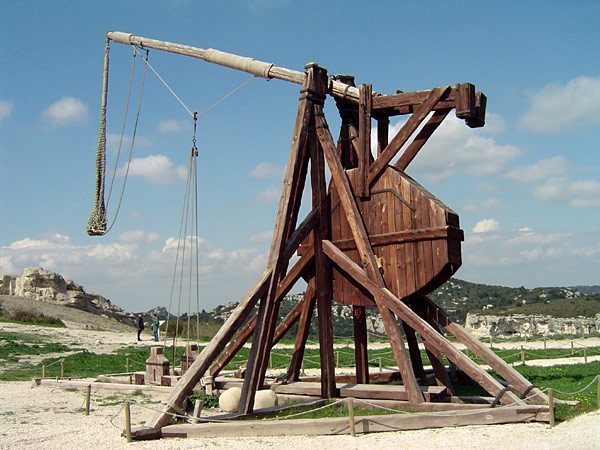
Imagine standing behind your city walls, thinking stone ramparts make you safe, and then watching a machine hurl a boulder straight through them from hundreds of meters away. That is the kind of psychological and physical shock siege engines brought to ancient warfare, turning geometry and tension into raw destructive force. From Assyrian battering rams to Greek and Roman torsion catapults, these machines exploited leverage, stored energy, and carefully calculated trajectories. Engineers experimented with twisted rope bundles, arm lengths, and projectile mass in what was essentially early applied physics. Warfare changed from grueling, close-quarters clashes to methodical, engineering-driven campaigns.
What made siege engines revolutionary was not just their power, but their logistics and planning demands. Armies needed specialized builders, carpenters, and mathematicians who could assemble and maintain these devices on campaign. That requirement nudged states to professionalize engineering roles and create more organized military infrastructures. In a modern sense, siege engines are the ancestors of long-range artillery and missile systems, expressing the same idea: use physics to break an enemy before your soldiers even arrive at the wall. They forced cities to rethink defense, pushing architecture toward thicker, angled, and later star-shaped fortifications. Every time a new machine appeared, an arms race of stone and wood followed behind it.
Bronze and Iron Metallurgy: The Arms Race That Built Civilizations
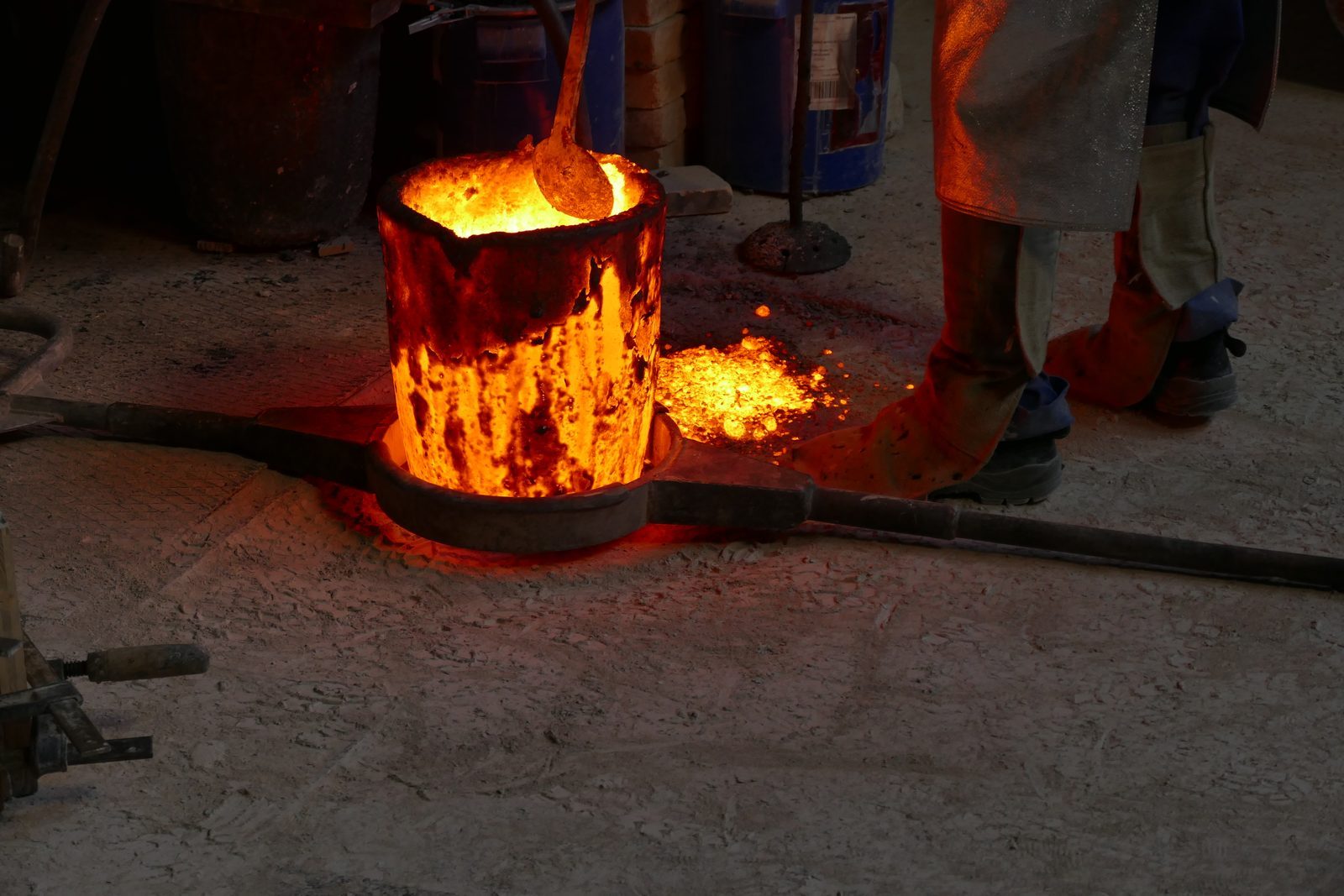
The shift from stone to metal tools seems obvious in hindsight, but at the time it was nothing short of a technological revolution. Bronze, a carefully tuned alloy of copper and tin, allowed for sharper blades, tougher armor, and more reliable tools that lasted longer in everyday use. That meant farmers could till harder soils, carpenters could work tougher woods, and soldiers could strike with weapons that were less likely to shatter. The societies that mastered metalworking first suddenly had an edge not just on the battlefield, but in agriculture, crafts, and trade.
Iron took that transformation even further by being far more abundant, if trickier to smelt and shape. Learning how to control furnace temperatures, carburize iron, and eventually produce steel became a closely guarded kind of state-level knowledge. In my mind, metallurgy is where you see science, secrecy, and state power first truly intertwine. Control the ore, the furnaces, and the smiths, and you controlled the capacity to project power over huge regions. Even today, when we launch rockets with advanced alloys or build skyscrapers with steel frameworks, we are still living inside a story that started with those first smoky furnaces and glowing ingots on anvil stones.
Road Networks: The Hidden Arteries of Empires
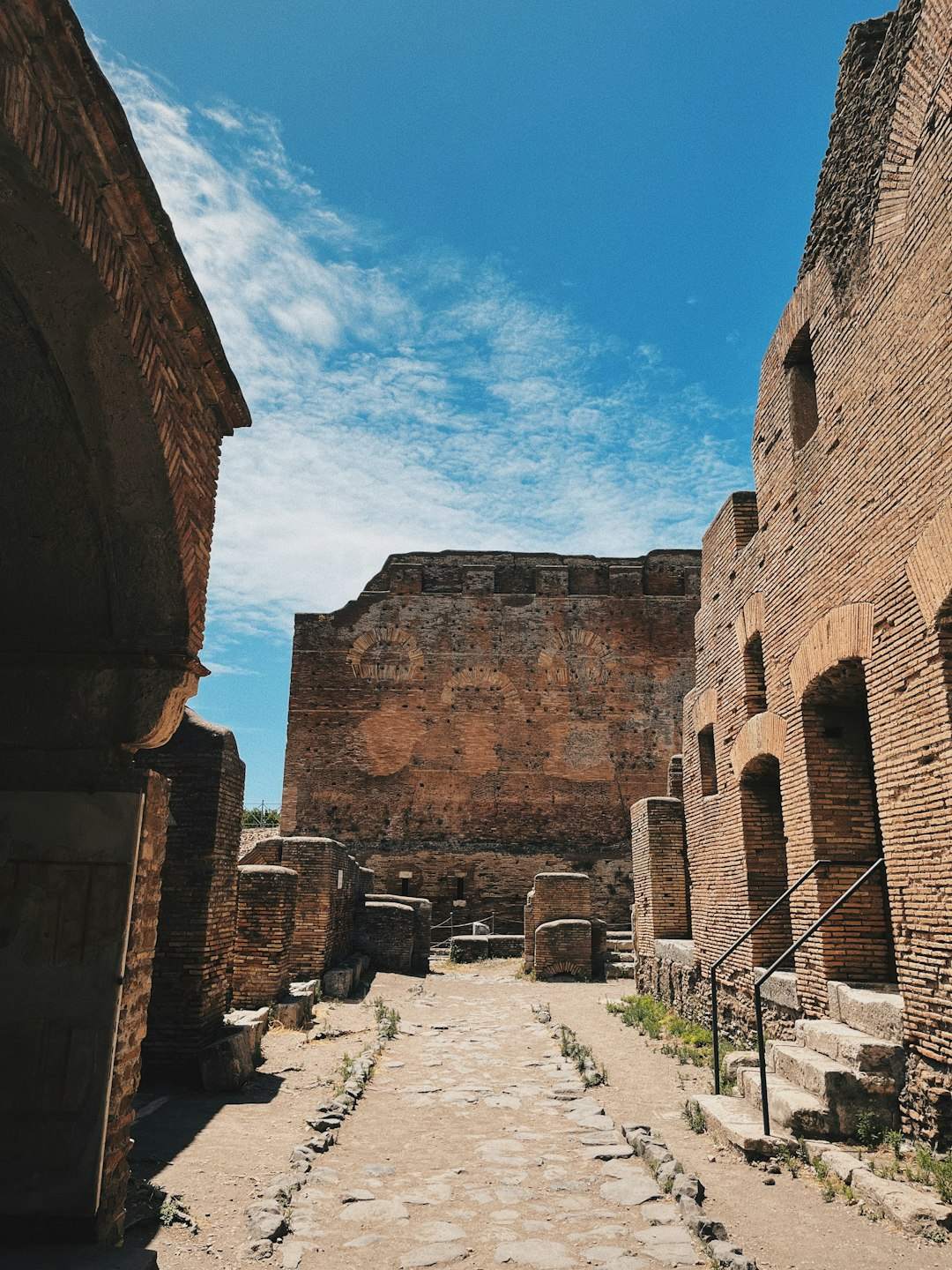
It is hard to overstate how radical it was to carve straight, durable roads across hills, rivers, and mountain passes in an age without bulldozers. The Roman road network is the textbook example, stitching together Europe, North Africa, and parts of the Middle East into a single, navigable grid of stone and gravel. But similar ideas appeared in other civilizations, from the Persian Royal Road to the intricate routes of the Inca connecting their Andean highlands. These roads started as military assets, designed to move legions or messengers faster than any enemy could respond.
Very quickly, though, roads became something much bigger than military highways. They turned into channels for trade caravans, religious pilgrims, migrating families, and information. Ideas, languages, diseases, and innovations all traveled along the same pathways as soldiers and tax collectors. You can almost think of ancient road systems as analog versions of the internet: once the infrastructure existed, it began carrying far more than its designers originally intended. In 2025, when we talk about supply chain fragility or digital connectivity, we are still echoing that same ancient insight – that whoever maintains the roads, literal or metaphorical, has enormous influence over what kind of society can exist.
Aqueducts and Irrigation: Engineering Water into Power
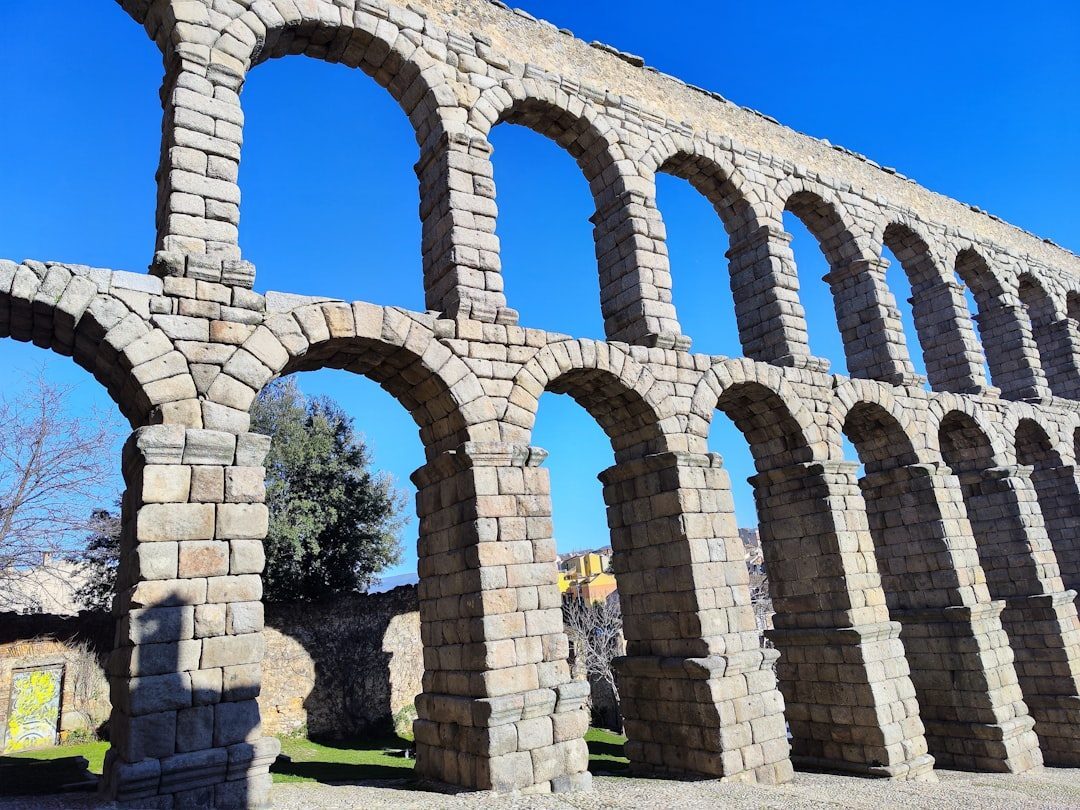
Water engineering might be the most quietly revolutionary technology humans have ever developed. Aqueducts, canals, and irrigation networks turned unpredictable rivers and seasonal rains into something like programmable resources. The Romans famously used arcades, siphons, and precisely graded channels to deliver clean water to cities many kilometers away, powering fountains, baths, and even early watermills. Long before that, Mesopotamian, Egyptian, and Indus Valley engineers were cutting channels and building levees to coax crops out of floodplains and arid soils.
These systems did far more than just quench thirst or water fields. They allowed cities to grow larger than local springs would otherwise permit, concentrating populations and accelerating specialization and innovation. They also created new kinds of vulnerability: sabotage a canal or cut an aqueduct, and you could cripple an enemy without swinging a single sword. From my perspective, water infrastructure is where you see technology fully fused with social control and class structure – those upstream decided who downstream would thrive. Today’s massive dams, urban water grids, and even climate adaptation projects are still riffing on those same ancient principles of capturing, redirecting, and rationing water as a form of power.
Writing Systems and Bureaucracy: The Original Information Technology
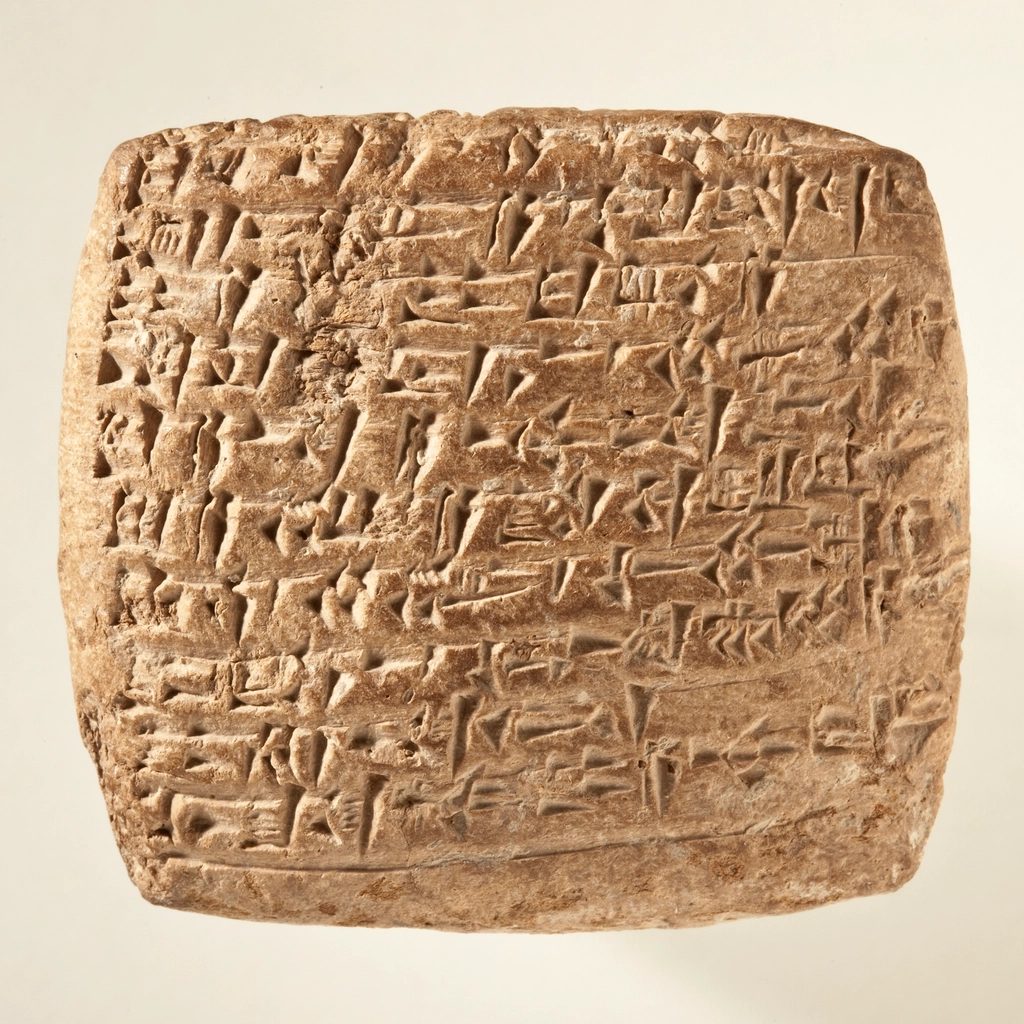
We do not often list writing under “technology,” but that is exactly what it is: a human-made system for storing and transmitting information across time and space. Early scripts in Mesopotamia, Egypt, China, and Mesoamerica emerged from practical needs like tracking grain, recording debts, and documenting laws. Once marks on clay tablets, papyrus, or bone could reliably stand in for spoken words, governments could suddenly coordinate far-flung territories. Soldiers’ rations, tax quotas, and diplomatic treaties could all be logged, checked, and enforced.
It is a little chilling to realize how quickly writing and bureaucracy began to shape daily life. A farmer who missed a tax payment no longer faced a negotiable conversation; there was a record, an entry, a tally that followed them. At the same time, writing preserved myths, philosophies, and scientific observations that would otherwise vanish in a single generation. In many ways, our current world of databases, cloud storage, and algorithmic decision-making is just an extreme continuation of that first leap. Ancient scribes might have spent their days hunched over reeds and ink rather than keyboards, but they were already building the first true information infrastructures, long before we coined that phrase.
Coinage and Standardized Money: Turning Metal into Trust
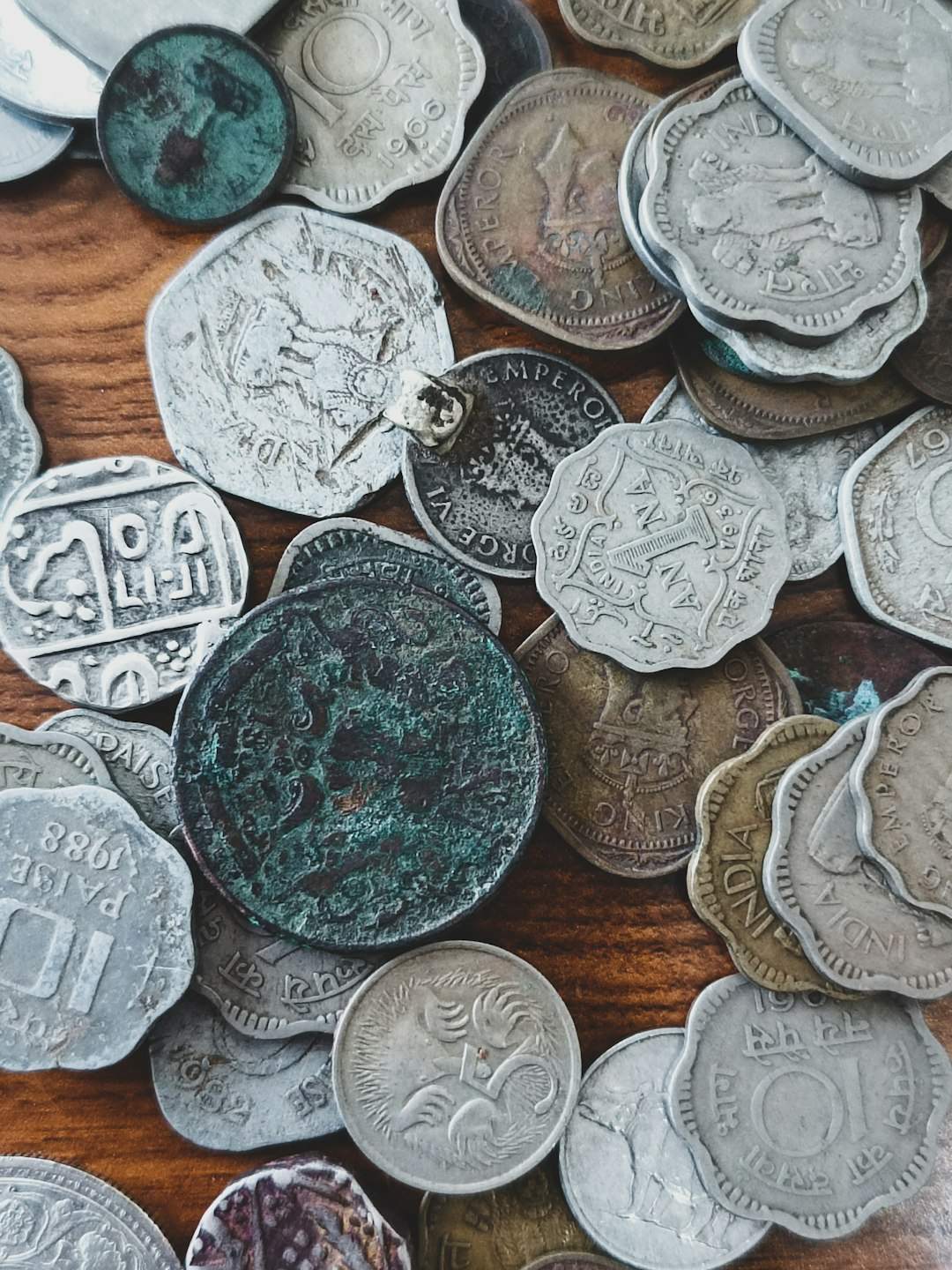
Before coins, trade depended on barter, weighed metal, and highly local agreements about value, all of which made long-distance commerce slow and risky. The innovation of standardized coinage – metal discs stamped with recognizable symbols and guaranteed by an authority – was like creating a portable certificate of trust. Early coins from Lydia, followed by Greek and Persian issues, condensed complicated negotiations into quick transactions. A soldier in a foreign garrison, a traveling merchant, or a tax collector could all rely on roughly agreed values without reweighing every lump of metal.
Once standardized money appeared, economies and states began to change shape. Governments could levy taxes in coin, pay armies with regular salaries, and fund large-scale infrastructure more systematically. That monetary layer also made it easier for inequality to crystallize, as wealth could now be accumulated and stored in compact, countable forms. I find it striking how modern debates about digital currencies and central bank policies rhyme with those first decisions to stamp a ruler’s mark on a piece of metal. At every stage, money is less about the metal itself and more about the social agreement that it means something – and that lesson is as ancient as it is urgently current.
Gunpowder: Chemistry That Rewired Global Power
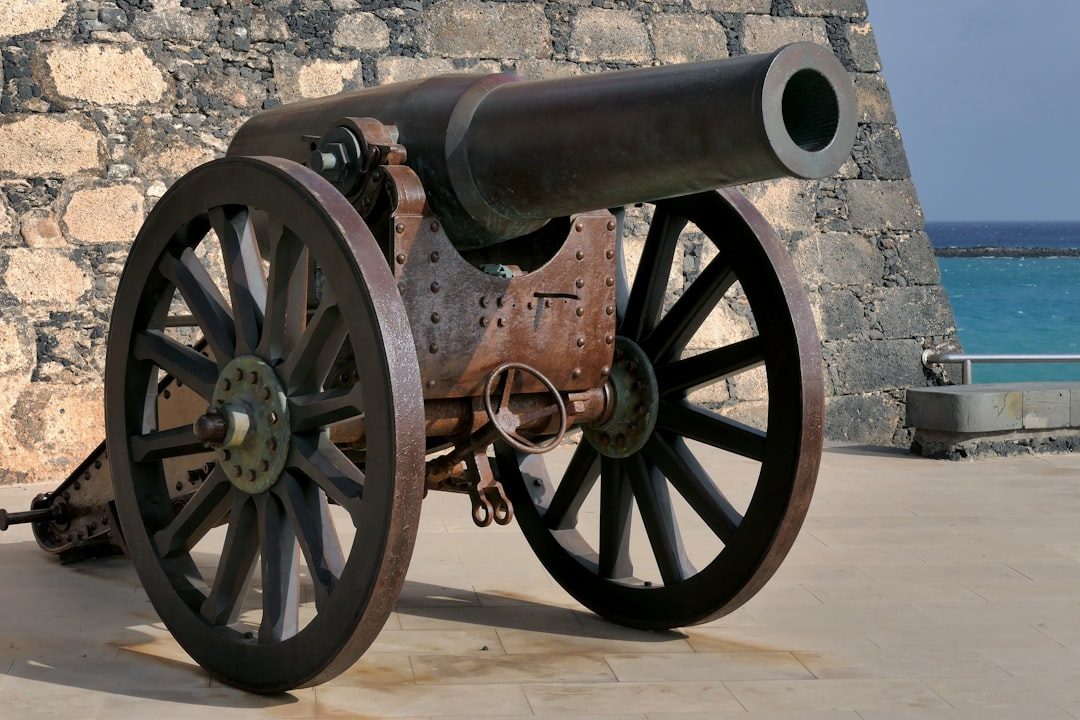
When Chinese alchemists accidentally discovered gunpowder while searching for elixirs, they opened a door that would eventually redraw the world’s political map. Early uses in fireworks and simple incendiary weapons gradually evolved into bombs, rockets, and firearms. Once gunpowder weaponry spread along trade and conquest routes, it undercut the military dominance of heavily armored elites and fortified castles. A disciplined infantry with muskets and cannons could challenge mounted knights and traditional city walls in ways that would have been unthinkable a few centuries earlier.
The ripple effects went far beyond the battlefield. States that mastered casting cannons, drilling gun units, and supplying powder at scale could project power across oceans and continents. European colonial expansion leaned heavily on gunpowder technology, but it built on knowledge first developed in East Asia. I still remember standing in front of an old cannon at a museum and realizing it embodied not just violence, but a fusion of chemistry, metallurgy, logistics, and mathematics. In a grim way, gunpowder marks the moment when scientific experimentation became tightly coupled to global power projection – a pattern that continues through nuclear weapons and now into cyber and autonomous systems.
Why These Ancient Technologies Still Matter Today
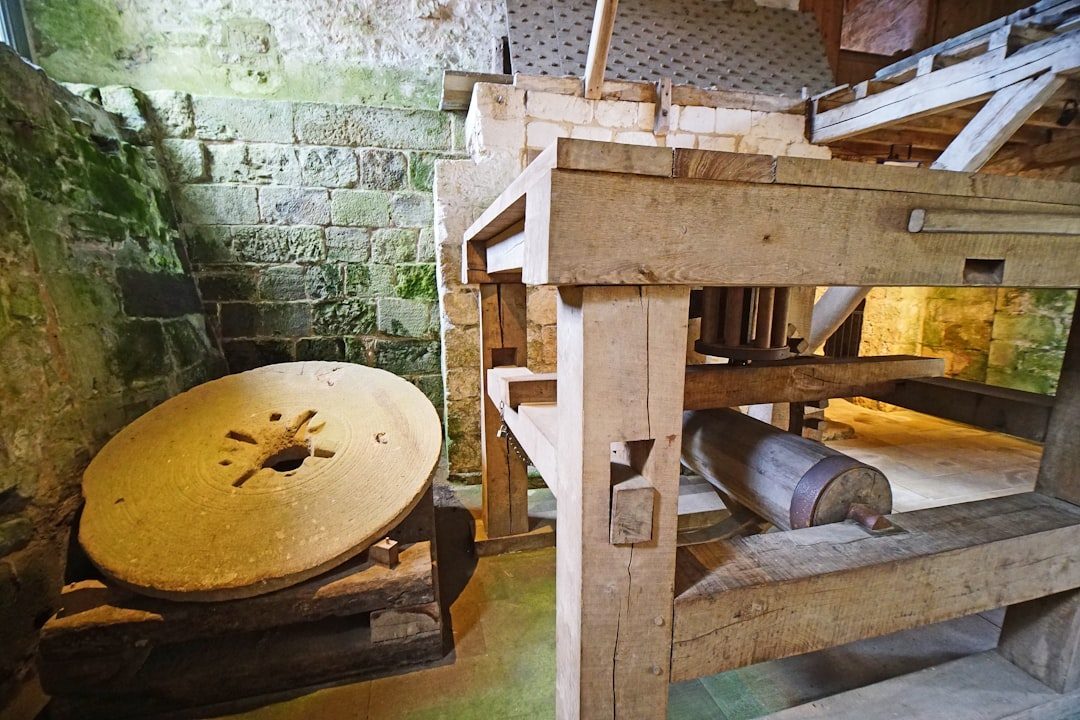
It is tempting to file these inventions away as distant curiosities, but the truth is that we are still living inside their logic. Modern highways, fiber-optic cables, and satellite networks are just faster, more fragile descendants of early roads and messengers. Our financial systems, with their digital ledgers and algorithmic trades, still rely on the same core idea as the first coins: encode trust in a standardized unit and move it around. Even the way nations invest in research for military advantage echoes the arms races around siege engines, metallurgy, and gunpowder.
Comparing ancient and modern technologies also forces us to ask who benefits and who pays the price. Aqueducts brought clean water to city elites while rural communities might still struggle; today, desalination plants and climate tech raise similar questions about access. Writing systems once belonged to scribal elites; now the digital divide separates those with reliable connectivity from those without. From my perspective, the deeper scientific importance of studying ancient technologies lies in recognizing recurring patterns: how new tools centralize power, create new forms of dependency, and then slowly become invisible infrastructure. Once you see that pattern, it is hard not to look at any new gadget or platform with sharper, more historically informed eyes.
The Future Landscape: From Ancient Blueprints to Emerging Tech

Looking ahead from 2025, it is striking how many of our cutting-edge technologies feel like amplified echoes of ancient breakthroughs. Autonomous weapons systems and hypersonic missiles are, at their core, vastly more complex siege engines: machines designed to extend reach and reduce risk to those who wield them. Smart grids, desalination megaprojects, and climate adaptation infrastructure all grow from the same impulse that drove aqueduct and irrigation builders – to tame an unpredictable environment through engineering. Our data centers and global cloud networks are essentially imperial archives at planetary scale, running on electricity instead of oil lamps.
The challenges are similarly scaled up versions of old dilemmas. Just as controlling iron or gunpowder once shifted regional power balances, control over advanced semiconductors, AI models, and rare earth minerals now shapes global geopolitics. There is also a risk that we repeat ancient mistakes, building powerful systems without adequately planning for failure, inequity, or misuse. Personally, I find that thinking in ancient terms is oddly grounding: it reminds us that tools have always been double-edged, capable of liberation and domination at the same time. The future landscape will be shaped not only by what we can build, but by how honestly we confront the history embedded in every new piece of technology we celebrate.
How You Can Engage With the Legacy of Ancient Technology

You do not need to be an archaeologist or engineer to start interacting meaningfully with these stories. Visiting museums, ruins, or even well-designed online exhibits can give you a visceral sense of how massive, clever, and labor-intensive ancient technologies really were. Supporting local science and history education – through volunteering, donations, or simply showing up – helps keep these narratives alive for the next generation. If you work in tech, policy, or engineering, you can consciously fold historical thinking into how you design or regulate new systems, asking who gains power and who might be made more vulnerable.
On a more personal level, you can treat technology, old or new, as something to be questioned rather than just adopted. The next time you hear hype about a “revolutionary” tool, try mentally placing it alongside aqueducts, road networks, or coinage and asking what patterns repeat. Read widely from historians, anthropologists, and science writers who connect ancient innovation to present dilemmas, and share those ideas in your own circles. The more of us who see the long arc from bronze to broadband, the harder it becomes for powerful technologies to hide their consequences behind shiny marketing. And maybe that is the quiet, modern way of continuing a very old tradition: using knowledge as a tool to shape what kind of society we build next.
Suhail Ahmed is a passionate digital professional and nature enthusiast with over 8 years of experience in content strategy, SEO, web development, and digital operations. Alongside his freelance journey, Suhail actively contributes to nature and wildlife platforms like Discover Wildlife, where he channels his curiosity for the planet into engaging, educational storytelling.
With a strong background in managing digital ecosystems — from ecommerce stores and WordPress websites to social media and automation — Suhail merges technical precision with creative insight. His content reflects a rare balance: SEO-friendly yet deeply human, data-informed yet emotionally resonant.
Driven by a love for discovery and storytelling, Suhail believes in using digital platforms to amplify causes that matter — especially those protecting Earth’s biodiversity and inspiring sustainable living. Whether he’s managing online projects or crafting wildlife content, his goal remains the same: to inform, inspire, and leave a positive digital footprint.