
Before humans wrote their first myths on clay tablets, some trees were already standing silent watch over the planet. While empires rose and crumbled, while writing, cities, and modern science emerged, these organisms simply kept growing rings, weathering storms, and outliving our stories. Today, scientists are finally learning how to read the clues locked in their wood, turning these ancient beings into time machines for climate, geology, and even human history. Yet many of these trees now stand on the edge of crisis, threatened by logging, development, and a rapidly warming planet. The question is no longer whether they will outlive us – it is whether we will give them the chance.
The Bristlecone Elder: Methuselah and Its Secret Siblings
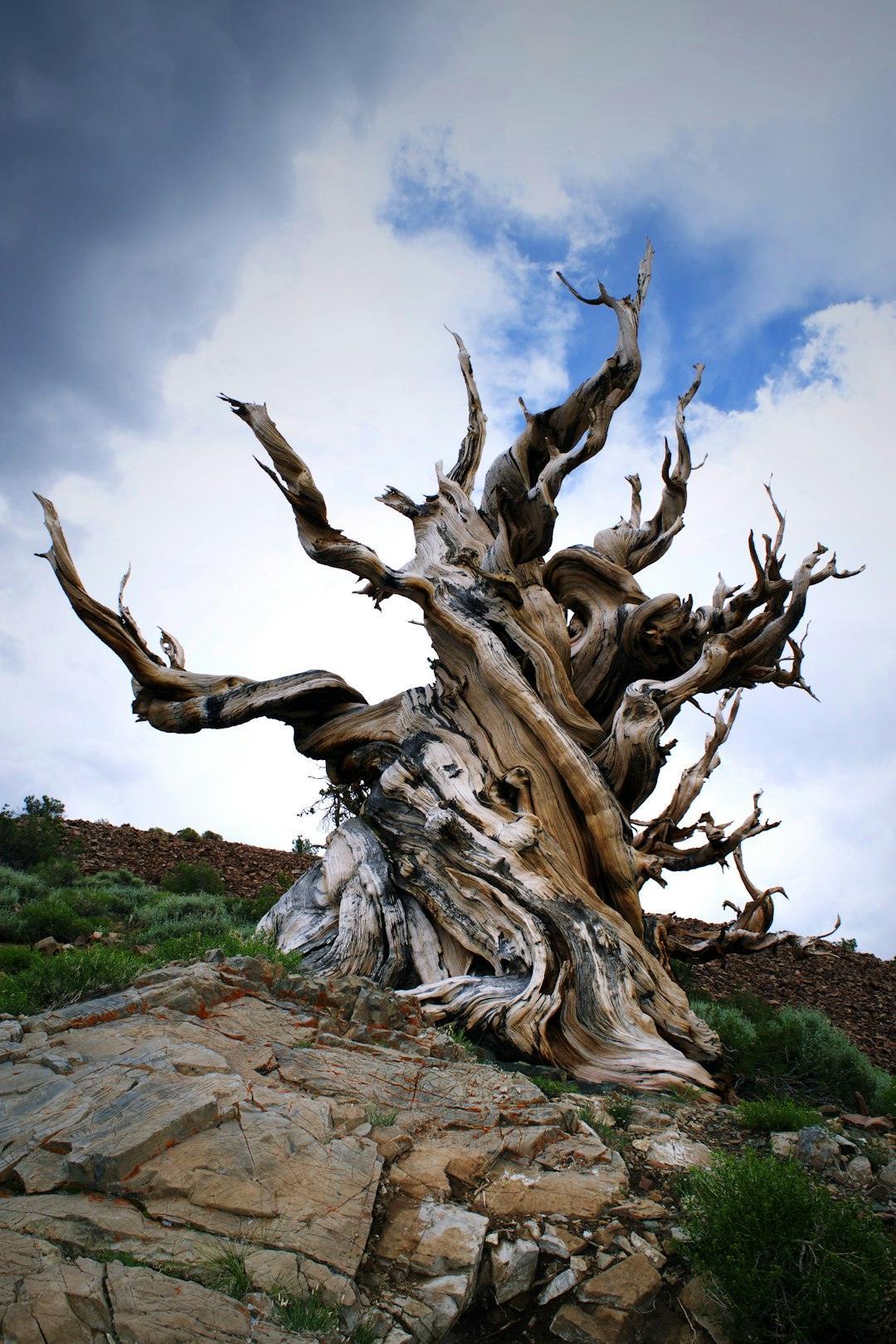
If you could take a time-lapse of the White Mountains of California over the last five thousand years, Methuselah would appear like an anchor while everything else flickered in and out of existence. This Great Basin bristlecone pine, estimated at more than four and a half millennia old, was already rooted when the pyramids were under construction in ancient Egypt. Scientists discovered its staggering age in the mid‑twentieth century using tree‑ring dating, a method that counts and analyzes annual growth rings like pages in a biography. The wood of bristlecone pines is so dense and resin‑rich that it can resist decay for thousands of years, which means dead trunks nearby are almost as informative as the living giants.
What still unsettles me slightly is that Methuselah’s exact location is kept secret to protect it from vandalism, like hiding a celebrity behind an anonymous trail marker. Dendrochronologists have cored not only Methuselah but many of its ancient neighbors, using pencil‑thin drills that remove columns of wood without killing the tree. In those cores, narrow rings mark years of drought, while wider bands testify to rare bursts of favorable weather. Collectively, these trees have given scientists one of the longest continuous climate records on Earth based on a single species. It is hard not to feel that they remember a version of the planet we can barely imagine.
The Immortal Grove: Pando, the Trembling Giant
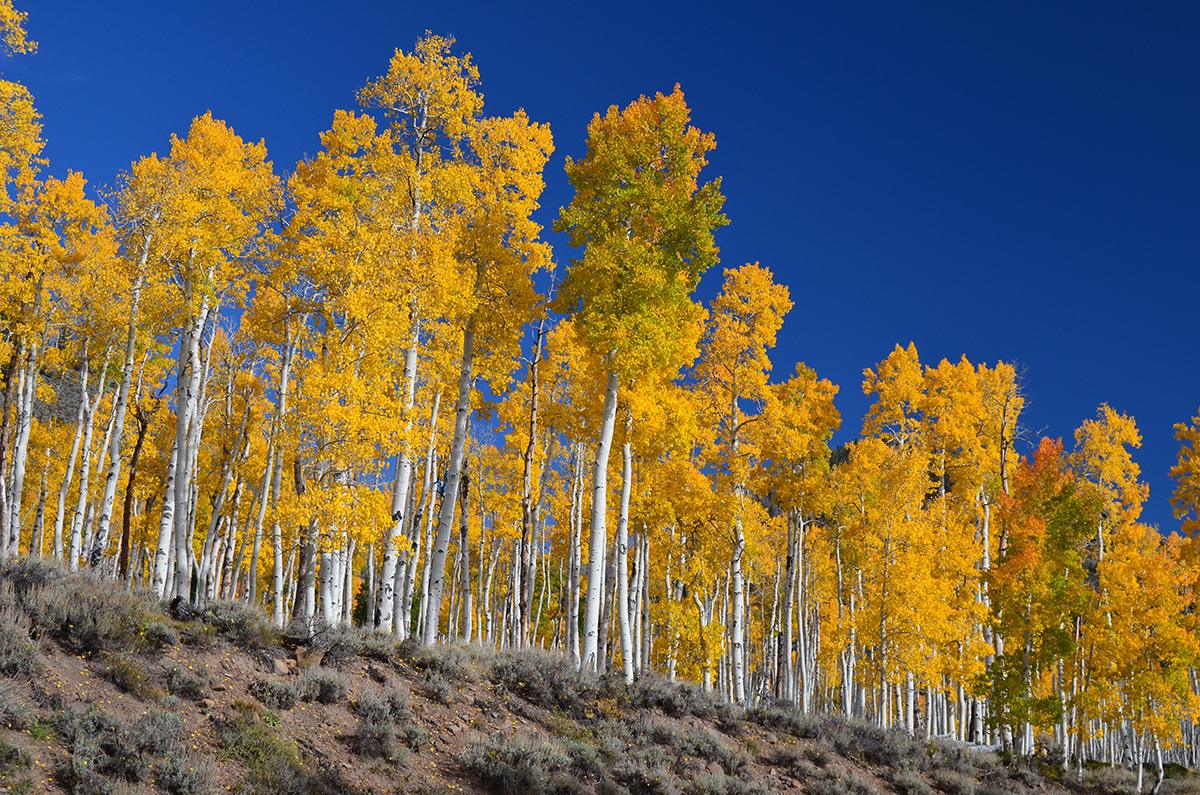
At first glance, Pando in Utah looks like an ordinary grove of quaking aspens shimmering in the wind, the kind you might drive past without a second thought. But genetically, those approximately 47,000 tree trunks are all clones, shoots from a single vast root system that may be tens of thousands of years old. Unlike a solitary ancient tree, Pando’s age hides underground, stored in a sprawling network of roots that has survived fires, cold snaps, and the arrival of humans on the continent. Some estimates suggest this organism began spreading before the end of the last Ice Age, making it older than agriculture and older than any written language.
Standing in Pando feels strangely like stepping into the body of a sleeping giant, every rustling leaf a kind of slow heartbeat. Scientists study its growth patterns to understand how forests regenerate and how clonal species may cope with climate change. Yet for all its resilience, Pando is now struggling under a mix of human pressures, from grazing deer and cattle to land‑use changes that interrupt its natural cycles. Researchers have fenced off sections to see whether reducing grazing will allow new shoots to thrive again. The fate of this “immortal” grove now depends on whether our management can keep pace with the stresses we have introduced.
The African Baobab Ancients: Hollow Giants of Time
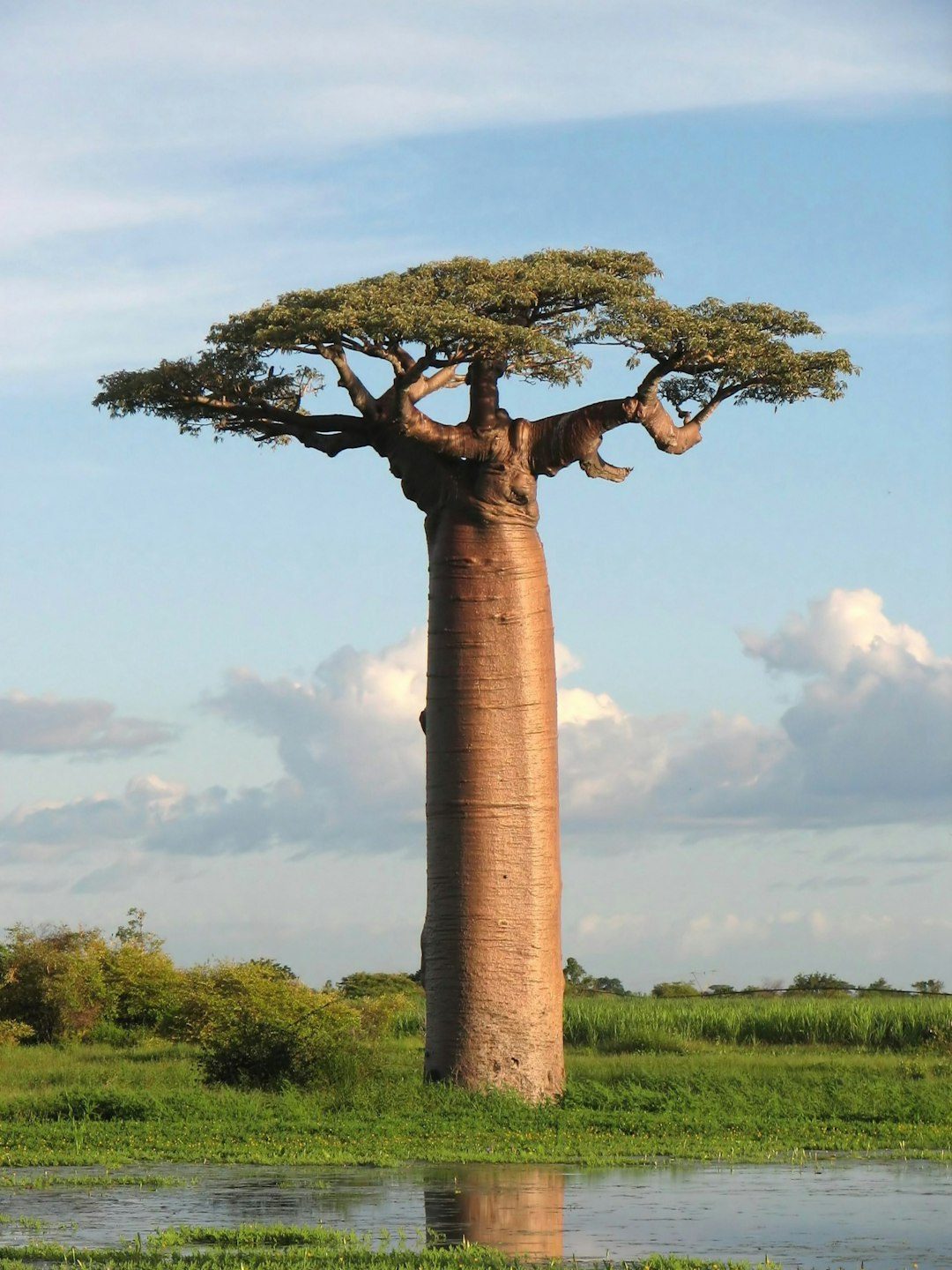
African baobabs have an almost mythic presence, with swollen trunks that look like upside‑down root systems thrust into the sky. Some of the oldest known baobabs, scattered across southern Africa, have been dated to more than two thousand years old, and a few likely exceed that by a wide margin. Unlike many conifers, baobabs do not lay down neat, easily counted annual rings, so scientists have turned to radiocarbon dating of their inner wood to estimate their ages. These hollow giants have sheltered people and animals for centuries, serving as gathering places, water storage, and even makeshift chapels in some communities.
In the past two decades, though, an unsettling pattern has emerged: several of the largest and oldest baobabs have collapsed or died unexpectedly. Researchers suspect that climate stress – particularly hotter, drier conditions – is a key driver, though the exact mechanisms are still being untangled. For communities who grew up under their shade, losing a baobab is like losing both a landmark and a relative. From a scientific perspective, each fallen trunk represents a lost chapter of paleo‑climate information etched into its tissues. Watching them fail feels like a warning light blinking on the dashboard of a warming continent.
On the island of Crete, surrounded by younger groves and modern farms, the Olive Tree of Vouves twists toward the sky in dense whorls of gnarled wood. Estimates of its age vary, but many botanists place it somewhere between two and three thousand years old, meaning it may have been sprouting as early Greek city‑states were first emerging. Its trunk is sculpted into elaborate hollows and ridges, the result of centuries of pruning, storms, and regrowth layered over one another. Yet every year, this tree still bears olives, which is an almost absurd reminder that something so old is also quietly productive.
Local residents treat the tree as both a neighbor and a monument, weaving it into ceremonies and tourism with a kind of casual reverence. From a scientific angle, ancient olives like this one reveal how long‑lived crops can maintain resilience through genetic diversity and traditional cultivation practices. Researchers studying Mediterranean tree rings and growth patterns have used old olives to reconstruct past droughts and shifts in regional climate. In a region where modern heatwaves and water shortages are intensifying, these ancient trees offer living evidence that adaptation is possible – but not guaranteed. Their continued survival depends on how carefully people manage the landscapes around them.
The Fitzroya Giants of Patagonia: Southern Sentinels
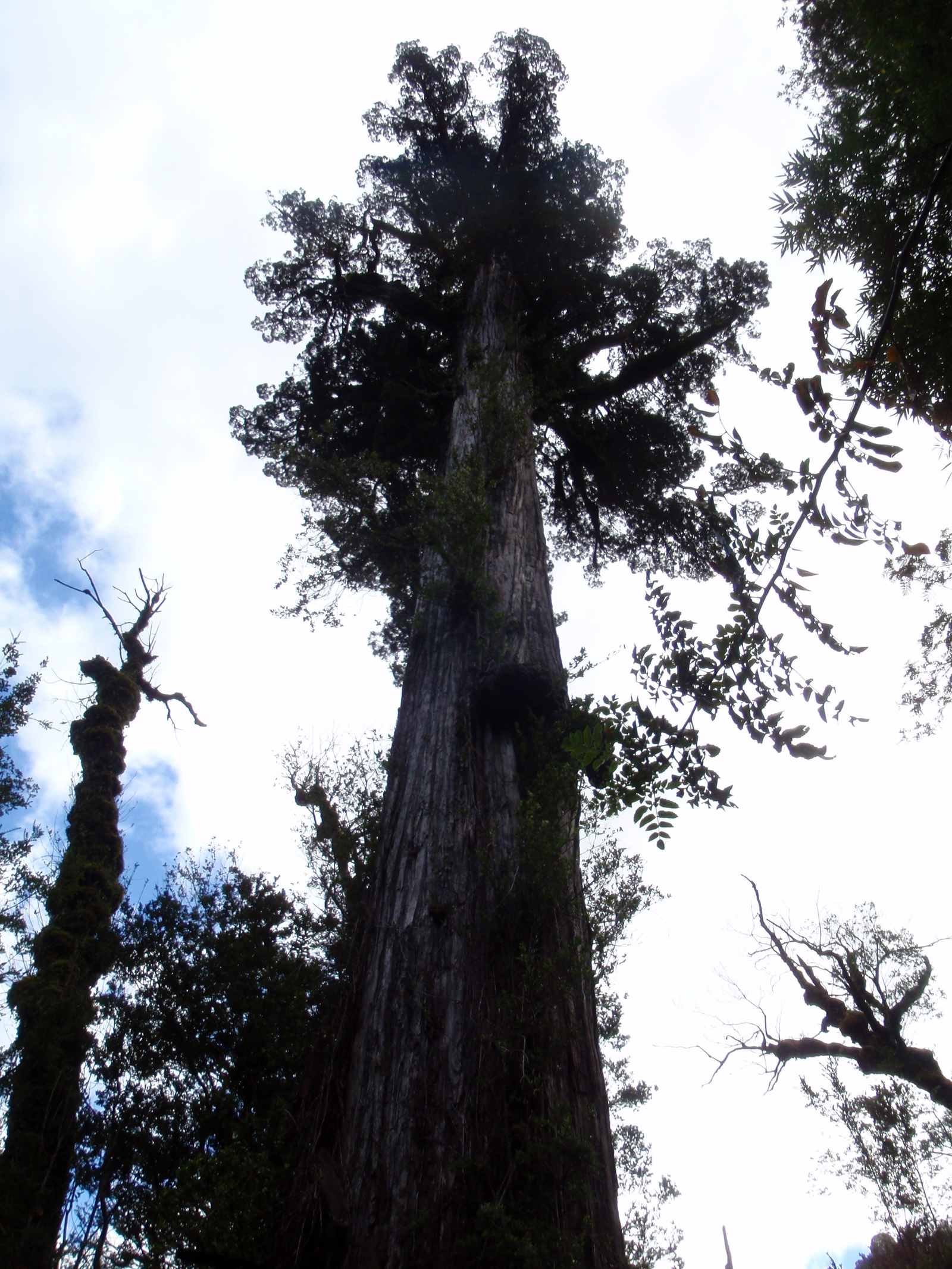
In the cool, wet forests of Chile and Argentina, the alerce tree – Fitzroya cupressoides – grows with a kind of understated majesty. Some individuals have been dated to more than three and a half millennia, placing them alongside bristlecone pines among the oldest known non‑clonal trees. Their reddish wood once made them targets for intense logging, especially in the nineteenth and early twentieth centuries, when alerce timber was prized for its durability. That history left many ancient stands fragmented or gone entirely, a reminder that age alone is no shield against human demand.
Today, protected national parks and reserves shelter some of the remaining elders, and scientists are using their rings to reconstruct detailed records of past rainfall and volcanic activity in Patagonia. Each ring acts like a thin, wooden diary entry: narrow bands during El Niño‑linked droughts, slightly wider ones during wetter decades. These data feed into global climate models that help predict how southern South America might change in the coming centuries. For me, there is something deeply moving about the idea that a single tree, rooted in a remote valley, is quietly influencing the equations that shape international climate policy. It turns an isolated forest into a node in a global conversation.
The Ancient Yews of Europe: Trees That Outlived Kingdoms
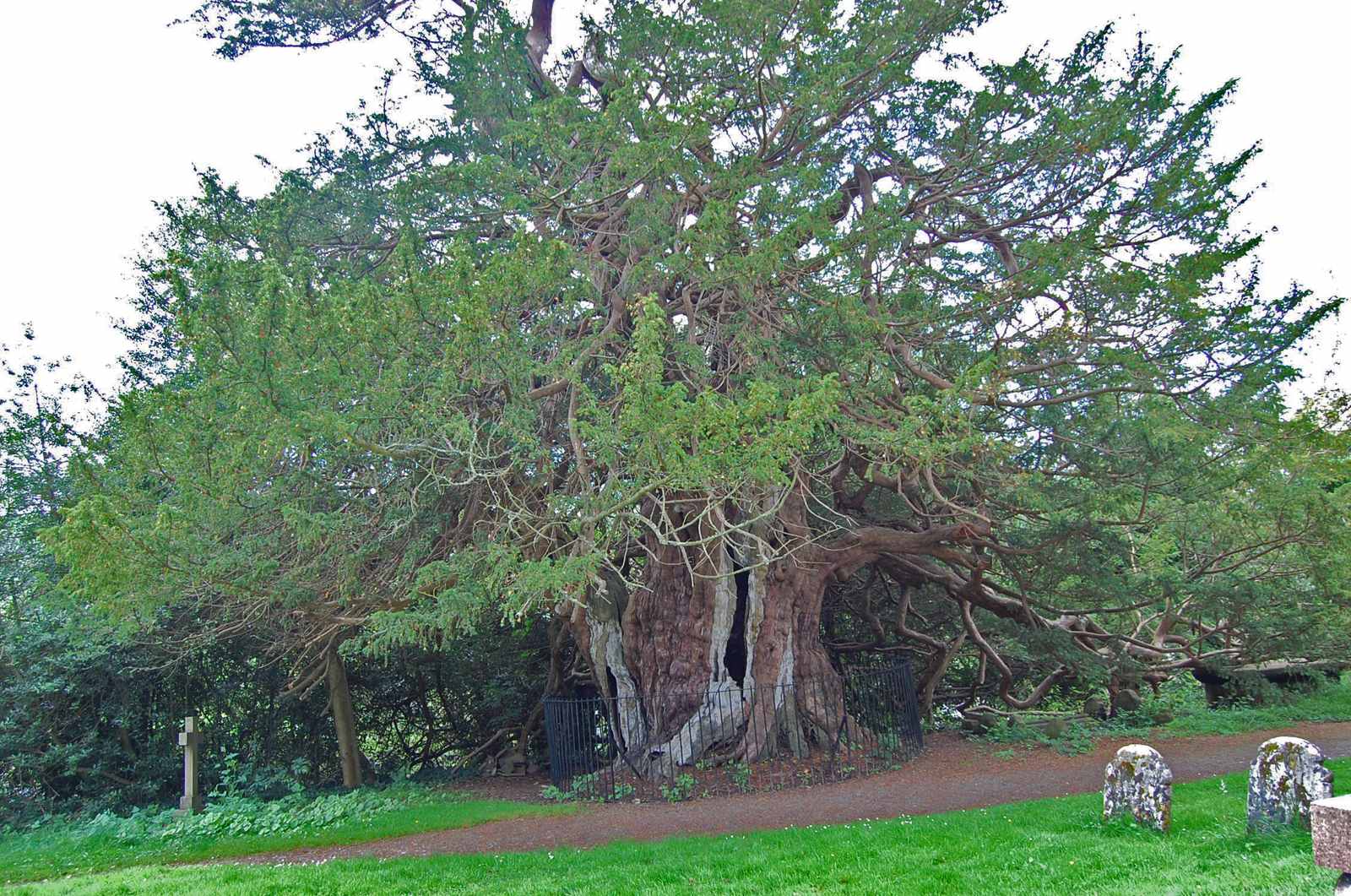
European yews almost seem designed to confuse our sense of time. Their trunks split, twist, partially die, then regenerate from living tissue that wraps around decaying heartwood, creating a shape that looks more like an evolving sculpture than a single organism. Some churchyard yews in Britain, such as those in Wales and England, are estimated to be several thousand years old, predating the Christian sites that now surround them. Because yews can hollow out completely while still producing new growth, pinning down their exact age is notoriously difficult, but genetic and structural studies support their extreme longevity.
What fascinates me most is how these trees have been reinterpreted over and over by the cultures that inherited them. Pre‑Christian communities treated them as sacred or ominous, and later, church builders often chose to construct near existing yews rather than the other way around. Modern biologists, meanwhile, are more interested in the chemistry of yew bark and needles, which have yielded compounds used in cancer therapies. So one and the same tree can be, over time, a pagan relic, a Christian symbol, and a pharmaceutical goldmine. That layered cultural history makes ancient yews feel less like relics and more like quiet participants in Europe’s unfolding story.
From Ancient Tools to Modern Science: How We Date the World’s Oldest Trees
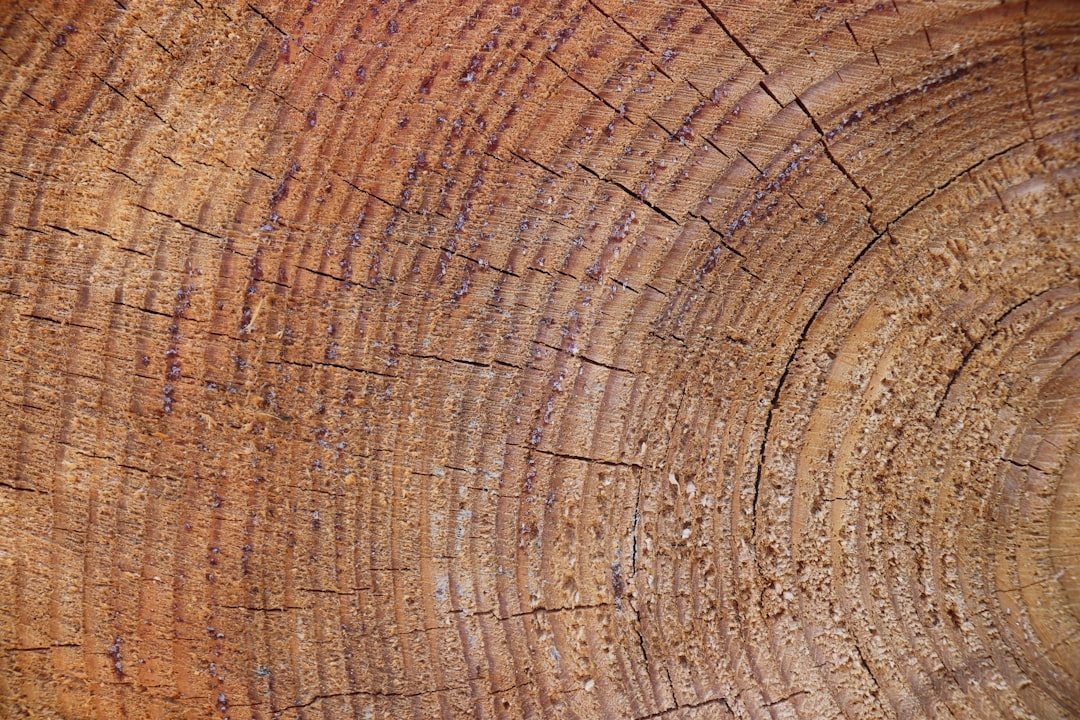
None of these legendary ages would mean much if scientists could not back them up with solid methods, and that is where the craft of tree‑ring science comes in. Dendrochronology started out as a way to date wooden beams in old buildings but quickly expanded into a powerful tool for reconstructing past climates and dating living and dead trees. In its simplest form, it involves counting rings in a cross‑section of wood, but for very old trees, the work becomes more like assembling a jigsaw puzzle of overlapping ring patterns from living and ancient specimens. By matching sequences of narrow and wide rings across many samples, researchers can build continuous timelines that stretch far beyond any one trunk’s lifespan.
For species that do not form clear rings or for trees that are hollow at the core, scientists often pair ring studies with radiocarbon dating, which measures the decay of naturally occurring radioactive isotopes in the wood. Some key techniques and reasons this matters include:
- Building long climate records that extend back many thousands of years.
- Anchoring archaeological timelines when wooden tools, beams, or artifacts are found.
- Testing and refining computer models of atmospheric carbon and climate behavior.
Each new method – whether microscopic imaging of ring cells or isotope analysis of specific years – adds more resolution, turning ancient trees into some of the most precise natural archives we have. The tools have changed, but the raw data source is the same: patient growth, year after year, etched in wood.
Why It Matters: Ancient Trees in a Rapidly Changing World
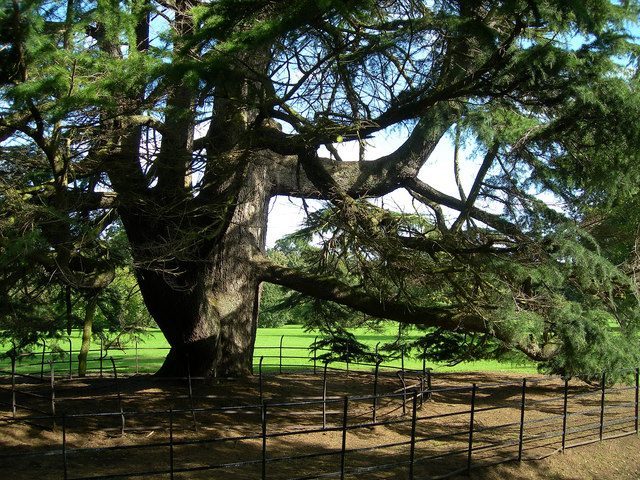
It is tempting to treat these very old trees as curiosities, the biological equivalent of museum pieces, but that completely undersells their importance. In ecological terms, an ancient tree is not just one organism – it is a habitat hub that supports fungi, insects, birds, mammals, and countless microbes. Studies in different forests have shown that larger, older trees can store vastly more carbon than younger ones, meaning that protecting a relatively small number of giants can have an outsized effect on climate mitigation. They also harbor genetic traits that allowed them to survive past extremes, traits that could be crucial for breeding or regenerating forests in a hotter world.
Compared with traditional conservation that often focused on protecting total forest area, there is growing recognition that the age structure of a forest is just as critical. A landscape of evenly aged, fast‑growing plantation trees cannot replace the functions of a mixed‑age, old‑growth system anchored by a few very old individuals. Losing these elders is like deleting the oldest backups from a hard drive: the forest may keep running for a while, but it becomes more vulnerable to shocks. Personally, I find that thinking about ancient trees in this way – less as isolated wonders and more as structural pillars – sharpens the ethical stakes. Protecting them is not nostalgia; it is a forward‑looking survival strategy.
The Future Landscape: Can These Elders Survive the Anthropocene?
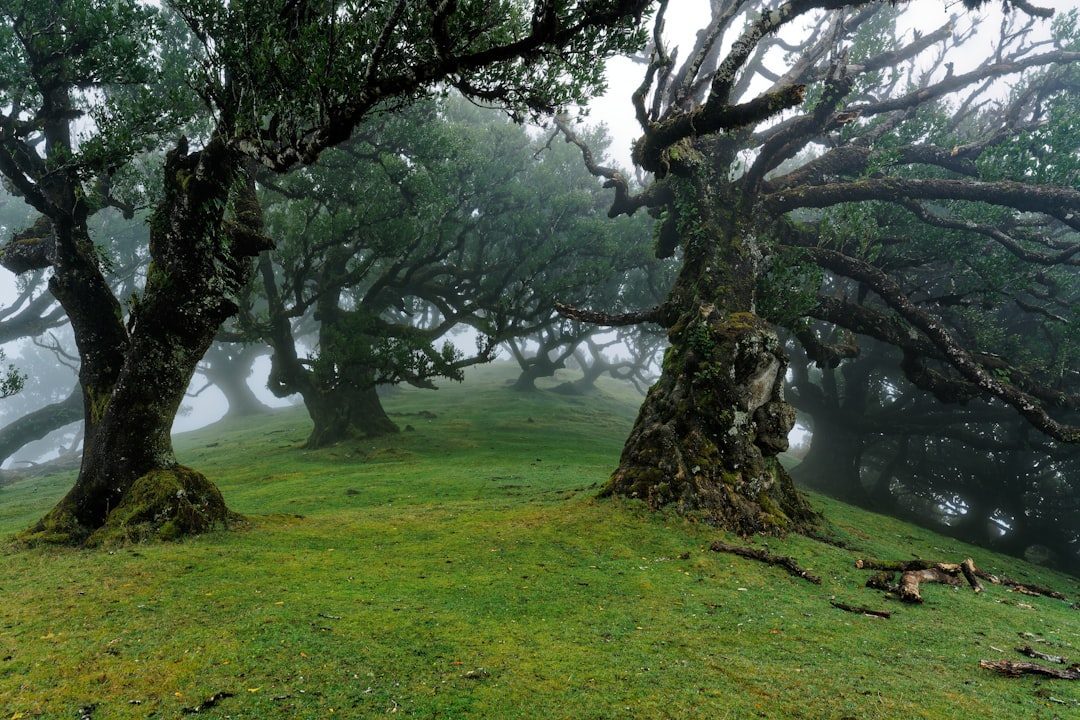
Looking ahead, the hardest truth is that time, which once worked entirely in favor of these long‑lived trees, is now stacked against them. Climate change is moving faster than their slow generation times can adapt to, pushing temperature and rainfall patterns beyond anything they have experienced in millennia. Even hardy bristlecones and baobabs are facing combinations of heat, drought, pests, and diseases that their evolutionary playbook may not cover. On top of that, human pressures such as land clearance, tourism, and pollution chip away at their remaining strongholds.
Yet there are glimmers of hope in how science and conservation are responding. Researchers are mapping and monitoring ancient trees with high‑resolution satellites, drones, and on‑the‑ground surveys, creating living inventories that can guide protection. Some projects are collecting seeds, cuttings, and even genomic data from the oldest individuals to preserve their unique lineages in seed banks and experimental plantings. There is an ongoing debate about assisted migration – helping tree species or genotypes move to cooler, more suitable regions – but applying that to thousand‑year‑old lineages raises thorny ethical questions. Every choice we make about energy, land use, and conservation over the next decades will tilt the odds for or against these elders. Their continued presence in the twenty‑second century is not a given; it is a decision in progress.
How You Can Stand With the World’s Oldest Trees
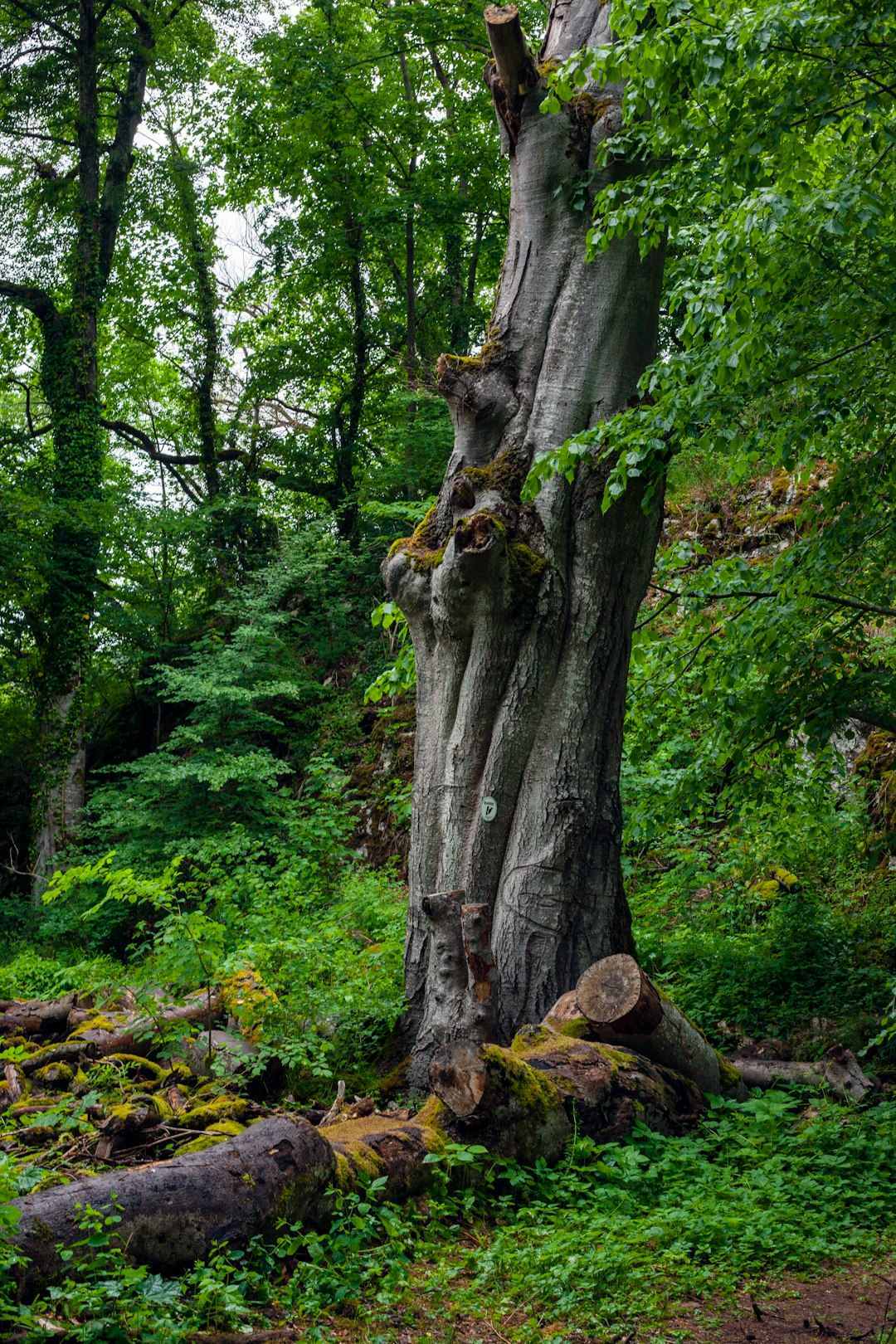
For most of us, the closest we will get to Methuselah, Pando, or a Patagonian alerce is a photograph and a line of text, but that does not mean we are powerless. One of the simplest but most underrated steps is just learning where ancient trees and old‑growth forests still exist, in your own region and globally, and why they are unique. Supporting organizations that focus specifically on old‑growth protection – rather than only on tree planting – helps shift the conversation from counting saplings to safeguarding irreplaceable giants. As I started digging into this topic myself, I realized how often well‑meaning campaigns talk about numbers of trees planted while saying almost nothing about the age or quality of the forests we are losing.
Individual choices also scale up in ways that matter, even if they feel small in the moment. Reducing demand for products linked to deforestation, backing policies that protect intact forests, and encouraging science funding for long‑term ecological monitoring all feed into the same outcome: buying time for these elders. If you have the chance to visit a very old tree, treat it less like an attraction and more like a meeting with someone whose life story no human could fully grasp. The next time you see a sapling in a city park or a backyard, it is worth wondering who – or what – it might quietly outlive if we give it the chance. Among all the things our species could be remembered for, would there be anything stranger, or more hopeful, than deciding to let other beings grow old?
Suhail Ahmed is a passionate digital professional and nature enthusiast with over 8 years of experience in content strategy, SEO, web development, and digital operations. Alongside his freelance journey, Suhail actively contributes to nature and wildlife platforms like Discover Wildlife, where he channels his curiosity for the planet into engaging, educational storytelling.
With a strong background in managing digital ecosystems — from ecommerce stores and WordPress websites to social media and automation — Suhail merges technical precision with creative insight. His content reflects a rare balance: SEO-friendly yet deeply human, data-informed yet emotionally resonant.
Driven by a love for discovery and storytelling, Suhail believes in using digital platforms to amplify causes that matter — especially those protecting Earth’s biodiversity and inspiring sustainable living. Whether he’s managing online projects or crafting wildlife content, his goal remains the same: to inform, inspire, and leave a positive digital footprint.