Picture this: you wake up tomorrow morning, glance up at the sky, and notice something is terribly wrong. The Moon, our celestial companion that has watched over Earth for billions of years, is nowhere to be found. It’s simply vanished into the cosmic void, leaving behind only stars scattered across the darkness.
What follows this hypothetical disappearance wouldn’t be the end of the world, but it would certainly mark the beginning of profound changes that would reshape life as we know it. From the rhythm of our oceans to the very seasons that guide our lives, the Moon’s absence would have some good, bad and ugly consequences straight away, but hardly apocalyptic. Yet the most dramatic effects would unfold gradually, creating a cascade of transformations that would touch every corner of our planet.
The Immediate Tidal Chaos
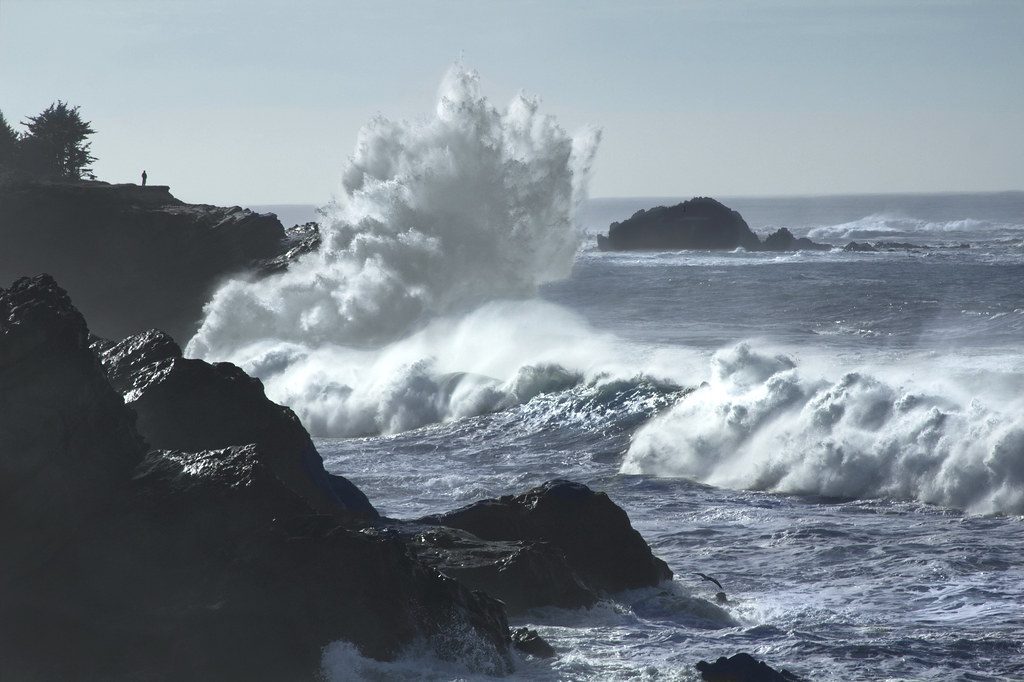
The first thing you’d notice ed wouldn’t be in the sky at all. Instead, you’d see it along coastlines worldwide, where something fundamental about our oceans would change overnight. Earth’s oceans would have much smaller tides – about one-third the size of what they are now.
Think of it this way: tides are the result of the gravitational tug from the Moon and Sun that the Earth feels, with the Earth’s oceans facing the Moon bulge up in response to the lunar gravitational force. Without our lunar partner, tides would be much weaker – about one-third the current size, roughly 67% lower than they are today, leaving only the sun’s gravity to do all the heavy lifting. Surfers would have a tough time finding decent waves, and many coastal communities would notice the difference immediately.
Here’s the thing though: if the Moon vanished instantly, we might experience something far more dramatic than just smaller tides. Lunar tides means water is pulled up by about 0.4 meters / 1.5 feet in mid-ocean, and ed instantly, that would likely result in fairly large tsunamis at the shore as this kind of water displacement is similar to that caused by major earthquakes.
Coastal Ecosystems in Crisis
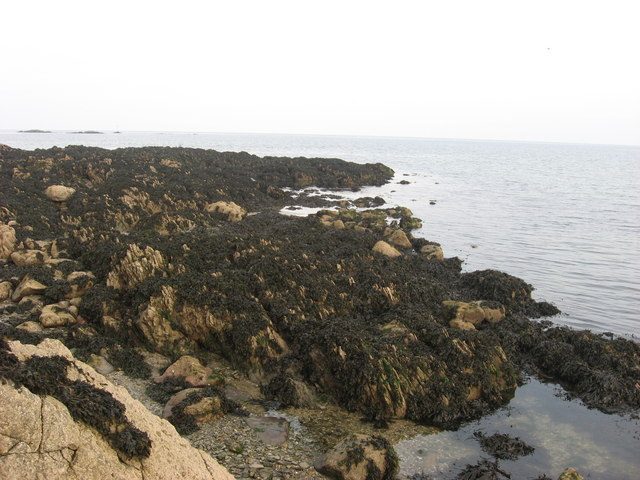
Tides churn up material in the oceans, which allows coastal ecosystems to thrive, and animals in these environments – crabs, mussels, starfish, snails – rely on the tides for survival. Without the Moon’s powerful gravitational pull, these creatures would face an existential crisis. Imagine trying to maintain your daily routine when the very foundation of your environment suddenly shifts.
With no strong tug from the Moon influencing the tides, animal life – particularly in the intertidal zone – would have to adapt fast, as the intertidal zone is a concentrated band where certain species thrive between the ecological communities of the sea and the land, and weaker tides would cause this band to become narrower, increasing competition and jeopardising survival.
Consider the California grunion fish, which has evolved one of nature’s most precise timing mechanisms. The California grunion fish and various types of sea turtle would be lost if the Moon were to disappear, as they have evolved to be highly attuned to the rising and falling tides. These remarkable creatures have synchronized their entire reproductive cycle with lunar phases, and without that celestial timekeeper, their survival would hang in the balance.
Climate and Weather Patterns Disrupted
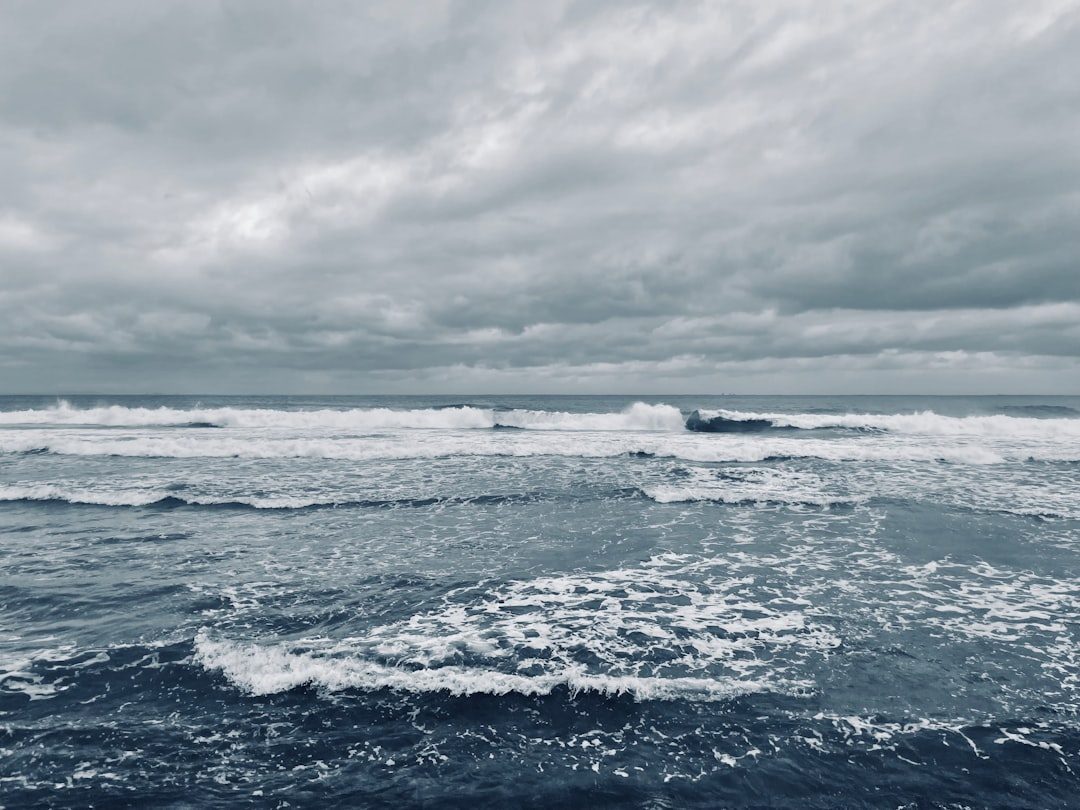
Tidal movements help stabilise Earth’s climate, as ocean currents are driven by the tides, which distribute warmer water around the globe and influences the global climate, and temperatures could potentially be more extreme on the Earth without this influence. This isn’t just about slightly different weather patterns; we’re talking about fundamental changes to how heat moves around our planet.
Tidal motion helps to stabilize Earth’s climate, because it drives ocean currents that propel Earth’s global ocean conveyor that moderates weather and temperature, and climate stability has enabled civilizations to thrive since the last Ice Age. Without these tidal-driven currents, regional climates could become more extreme, with some areas experiencing harsher winters and more scorching summers.
Earth’s Rotation Would Speed Up
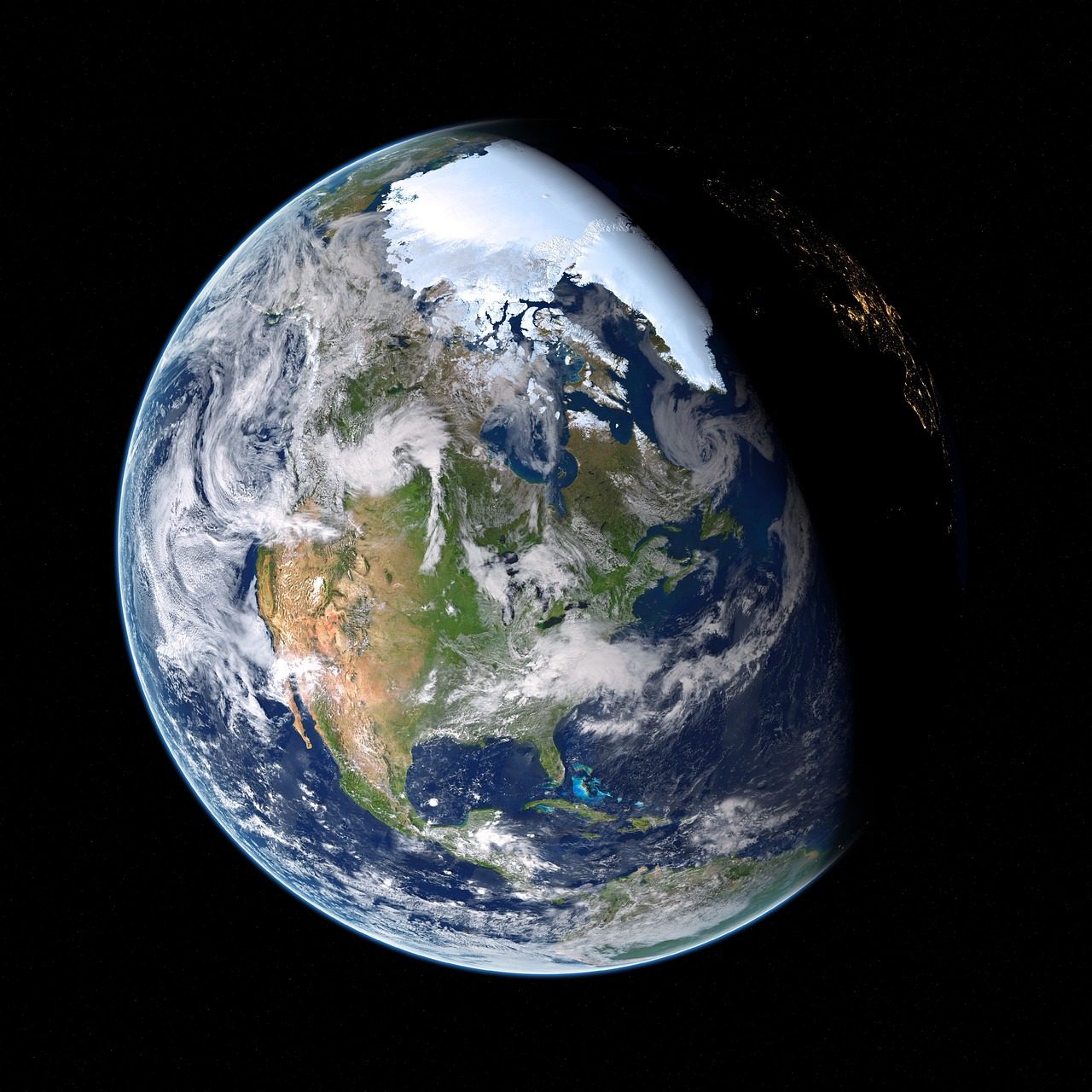
Here’s where things get really interesting from a physics perspective. Early on, Earth had 6-8 hour rotations, which the Moon slowly and persistently slowed to the 24-hour days we know now, and without the Moon’s presence all those years, we’d still be spinning much faster – and feeling even more like there weren’t enough hours in a day.
But what would happen ed tomorrow? The immediate effect on our day length would be subtle. The rotation of the Earth wouldn’t speed up, it just wouldn’t slow down as quite as quickly, and there’d be nothing to notice over a decade or a century, but perhaps after a few million years you might notice that the day was only five minutes longer, instead of 10.
However, if Earth had never had a Moon to begin with, the story would be drastically different. An Earth day would be only 8-10 h long, with no moon to slow it down, and the faster rotation would cause winds of 160-200 km to sweep Earth’s surface. Imagine trying to live on a planet where hurricane-force winds were just part of the normal weather pattern!
Seasonal Chaos and Axial Instability
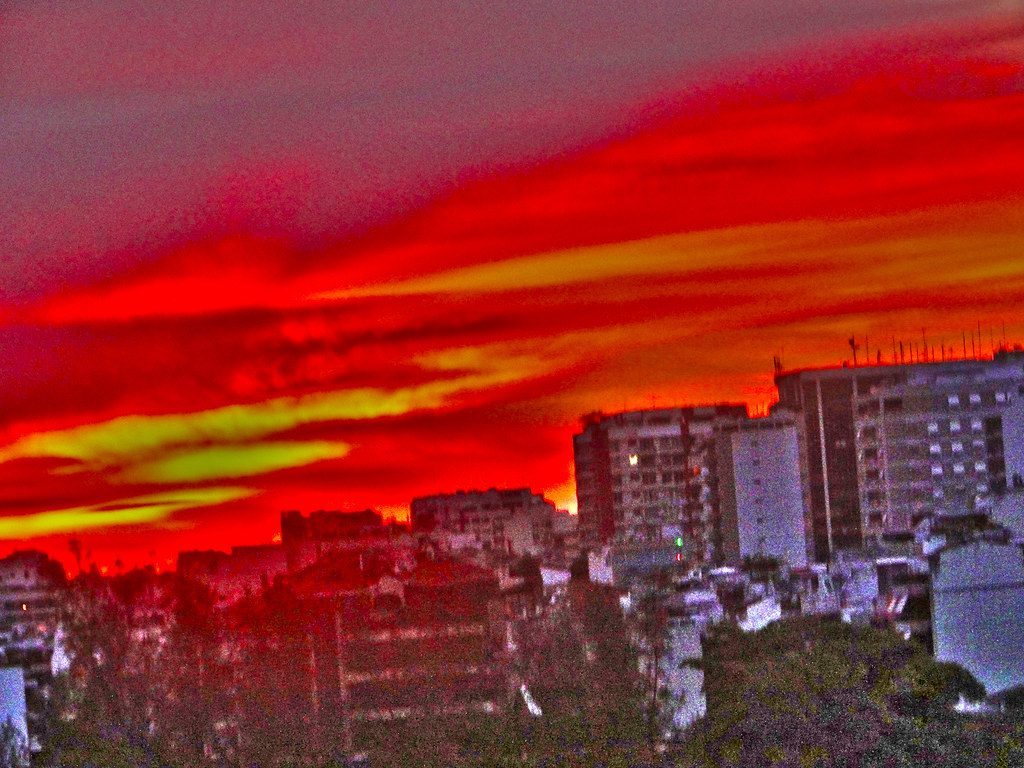
The most worrying long-term consequence involves something you might not expect: It is the pull of the Moon’s gravity on the Earth that holds our planet in place, and without the Moon stabilising our tilt, it is possible that the Earth’s tilt could vary wildly. Our current stable seasons depend on Earth maintaining its precise 23.5 degrees axial tilt.
This tilt is held steady by the moon, and without it, the seasons would be completely out of whack as the planet’s axis would wobble anywhere from 10º to 45º, and this wouldn’t happen instantly if the moon vanished since Earth has huge momentum, but it would gradually happen and perhaps fast enough not to give life enough time to adapt.
Picture what extreme seasonal variations would mean: Without that steadying hand, Earth would wobble much more, dramatically affecting the planet’s seasons and climate, as “Everything we know about the seasons would be completely out of whack,” and at a certain angle, “Some places on the planet would hardly ever see the sun at all, and at others the sun would be overhead for months on end.”
The Night Sky Would Transform Forever
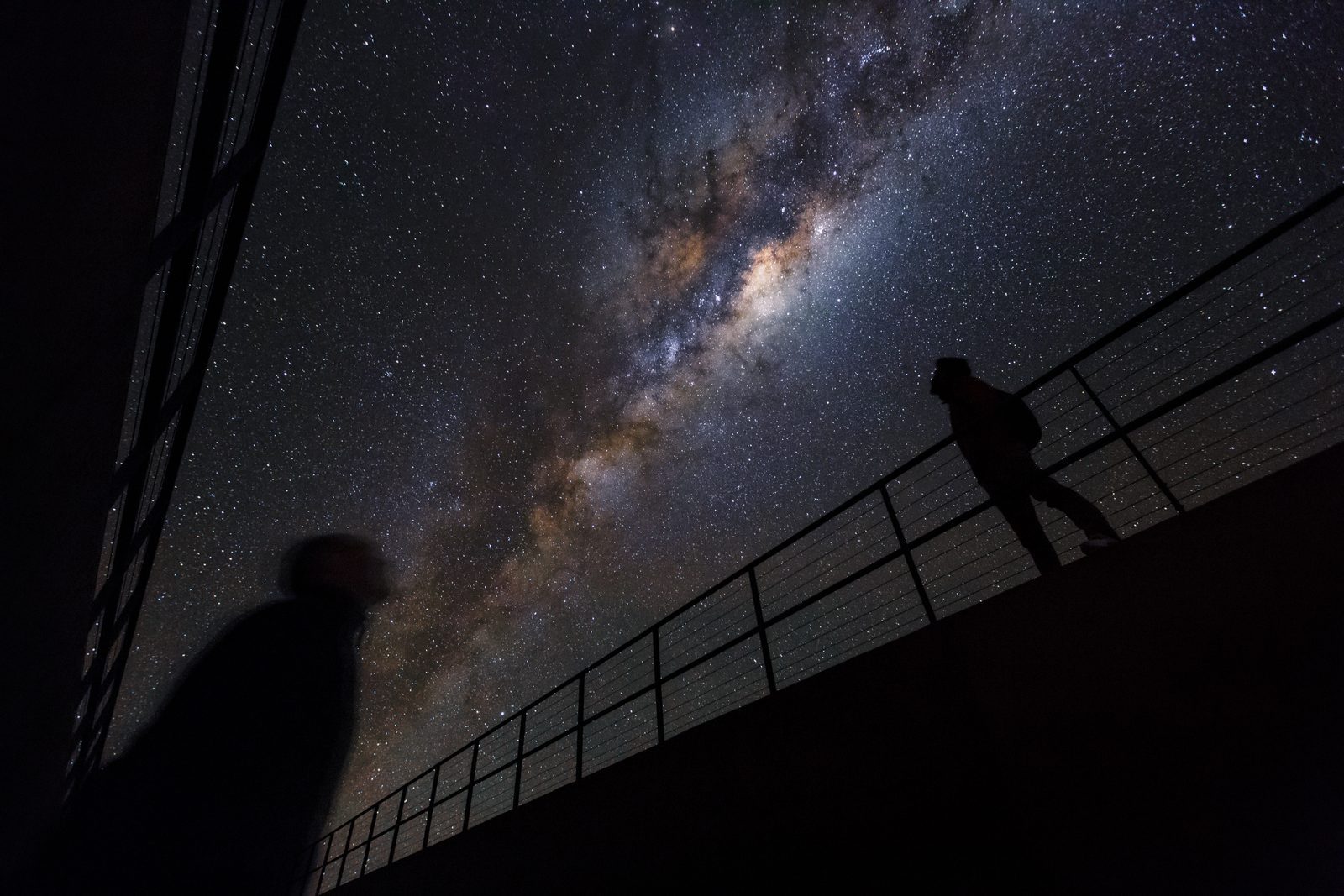
The moon reflects about 12% of the sunlight that hits it, but that’s enough to make things at least partially visible during the night, and without the moon, it would be darker than during a new moon and many nocturnal animals like owls and lions would be terribly confused – some would go extinct pretty fast, being unable to acquire food.
The ecological implications would ripple through entire food webs. Predators rely on both the darkness of night and a small amount of moonlight to effectively hunt, without any light at night, prey would likely thrive because predators would have a harder time spotting them, and just like the tides, this could cause a drastic change in ecosystem, and potentially lead to the extinction of certain predatory animals.
Interestingly, there’d be some winners too, though, as rodents, for instance, tend to cower more when the moonlight is near its peak, so they’d be well suited to a moonless world. Evolution would need to work overtime to help species adapt to this fundamentally different nighttime environment.
Marine Life Reproduction Cycles Collapse
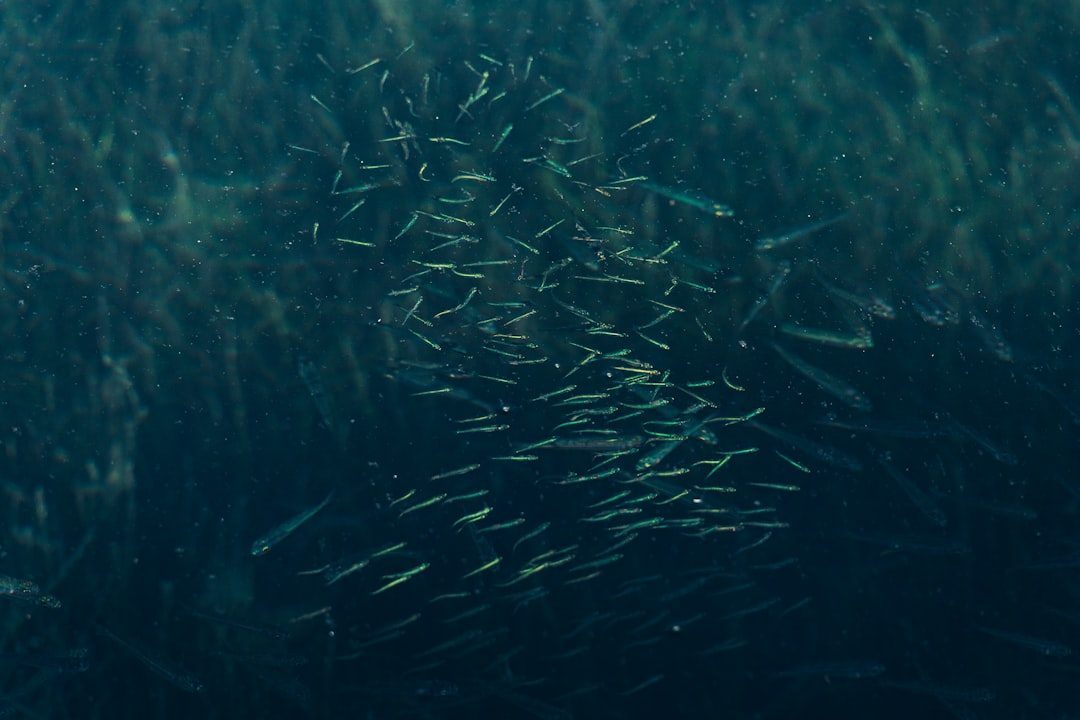
Many marine species have evolved incredibly sophisticated biological clocks synchronized with lunar cycles. For instance, twice a month from March through August, thousands of silvery grunions lunge onto the shore to mate, and this mating ritual is perfectly timed with the tides – and so are the hatchlings, some 10 days later, as according to biologists, the emergence of these larvae every two weeks coincides with the peak high tide – which occurs twice a month when the moon and the sun are perfectly aligned and combine their gravitational tug against Earth.
Without the Moon’s gravitational rhythms, these precisely timed reproductive events would fall apart. Many other animals, regardless of whether they’re nocturnal or not, rely on lunar cues to reproduce. Sea turtles, coral spawning events, and countless other marine breeding cycles would lose their cosmic conductor, potentially leading to population crashes across ocean ecosystems.
Long-term Geological and Atmospheric Changes
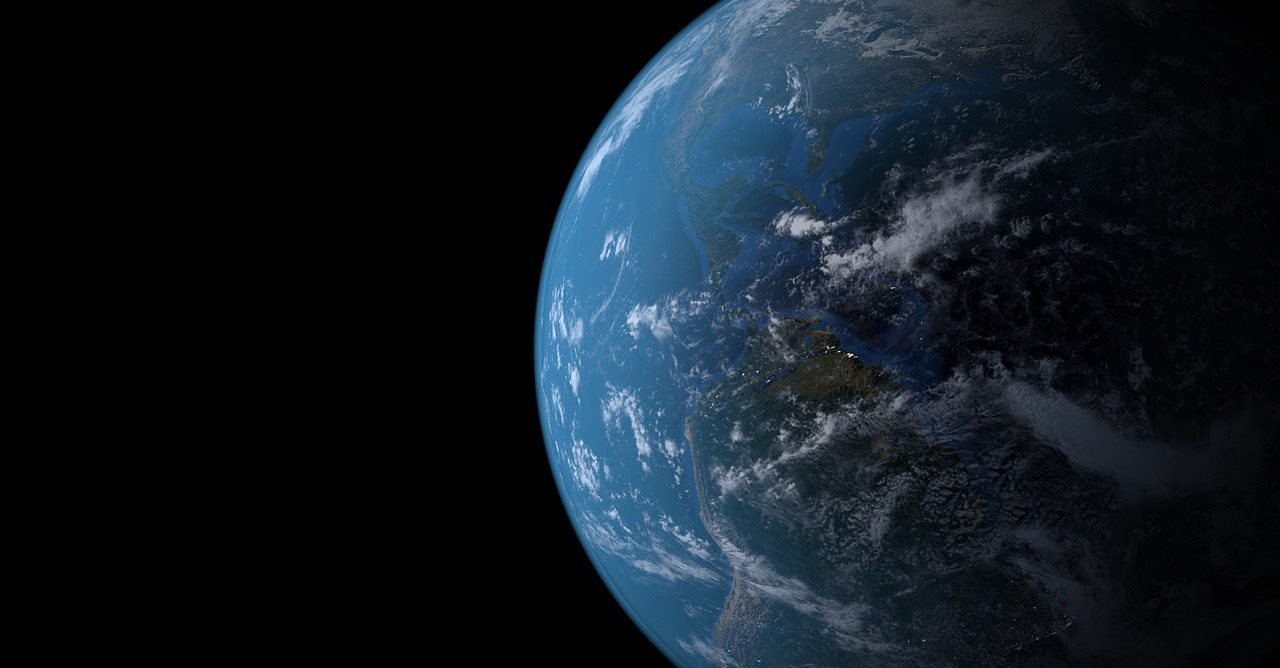
The Moon’s influence extends far beyond what we see on the surface. The biggest impact would take time to manifest: destabilising the Earth’s rotation. Over millions of years, without the Moon’s stabilizing presence, our planet would become increasingly unpredictable in its movements through space.
Without the Moon to stabilize our earth the wobble and angular tilt would be erradic, and would result in extreme seasons, weather and incredible high and low tides, as a good example of a planet without a moon is Mars which really wobbles from time to time and does not have any real moon to speak of other than tiny Phobos and Deimos which are moot because they cannot stabilize its wobble.
The atmospheric consequences would be severe. If the Moon were to disappear, Earth days would become shorter and the animals would need to adapt to the shorter daily rhythm, but the real challenge would come from the chaotic weather patterns that would emerge from our planet’s unstable wobble.
Without the Moon, Earth would become a fundamentally different world. The immediate changes might not end civilization, but the long-term consequences would create a cascade of challenges that would test life’s remarkable ability to adapt. From the smallest tidal pool creatures to the largest marine mammals, from the rhythm of the seasons to the length of our days, every aspect of life on Earth has been shaped by our celestial companion.
The next time you look up at the Moon hanging in the night sky, remember that you’re not just seeing a beautiful celestial object. You’re witnessing one half of a cosmic partnership that has made Earth the stable, life-supporting world we call home. What started as a chance cosmic collision billions of years ago continues to quietly orchestrate the rhythm of life on our planet every single day.