

For all the talk about precision medicine and gene editing, the truth is a little humbling: our own bodies still keep some of their biggest secrets from us. In labs and hospitals around the world, doctors quietly face cases that simply refuse to fit the textbooks, while common phenomena like chronic fatigue or long COVID continue to defy neat explanations. These mysteries are not fringe curiosities; they shape the lives of millions, strain health systems, and expose the limits of what science can currently see. At the same time, each puzzle is a live experiment in real time, pushing new technologies, fresh hypotheses, and sometimes, completely new fields of research. What follows is a tour through ten of the most baffling medical mysteries still haunting modern science – and the clues that might finally crack them.
The Hidden Clues in Long COVID

In emergency rooms and clinics, the acute phase of COVID-19 has mostly faded from headlines, but long COVID has become the quieter, more unsettling sequel. Months or even years after an infection, people report crushing fatigue, brain fog, chest pain, abnormal heart rhythms, digestive issues, and a grab-bag of neurological symptoms that can upend daily life. The strange part is how wildly symptoms vary, from marathon runners who suddenly cannot climb stairs to teenagers who forget words mid-sentence. Standard blood work often comes back “normal,” leaving patients trapped in a limbo between subjective suffering and objective tests. This disconnect has fueled frustration, disbelief, and at times open conflict between patients and systems that still struggle to recognize conditions without clean biomarkers.
Researchers are racing to decode what is happening under the surface, and several leading hypotheses are jostling for attention. Some evidence points toward tiny blood clots and damaged microcirculation that could suffocate organs at the cellular level. Other groups have found signs of lingering viral fragments in tissues, suggesting the immune system may be stuck in a low-grade war against ghosts. There are also hints that autoimmunity, where the body attacks its own cells, plays a role in at least a subset of patients. The mystery is not simply “what causes long COVID” but whether it is one disease with many faces or a cluster of distinct syndromes disguised under a single label. For now, that uncertainty makes diagnosis and treatment feel like detective work rather than routine medicine.
From Ancient Epilepsy Myths to Modern Sudden Death
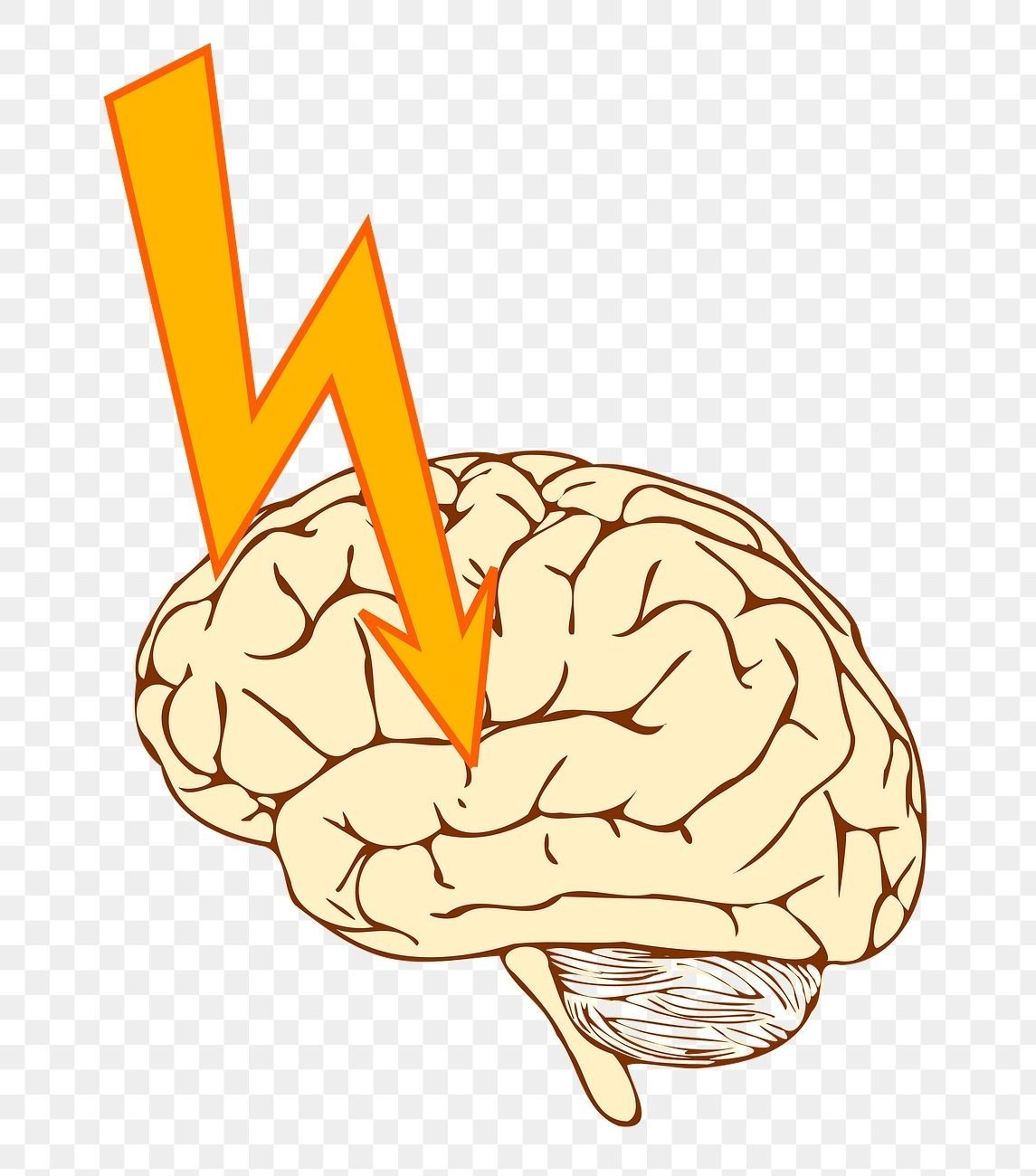
Epilepsy has long occupied a strange place in human history, once interpreted as spiritual possession and now recognized as a complex neurological condition. Most people with epilepsy live full lives thanks to modern medications and surgery, but one of its most terrifying complications, sudden unexpected death in epilepsy (SUDEP), still defies prediction. In SUDEP, an otherwise stable person with epilepsy dies suddenly and often unwitnessed, without a clear structural cause on autopsy. Families are left with a haunting question: how can someone living with a known diagnosis vanish overnight without a traceable reason. That abruptness feels like a throwback to an earlier era of medicine, when sudden death was chalked up to fate or mystery rather than mechanisms.
Scientists suspect that SUDEP involves a lethal intersection of seizure activity with breathing and heart control in the brainstem, but the sequence of events remains murky. Post-seizure apnea, where a person stops breathing, and dangerous heart rhythm changes seem likely culprits, yet not everyone with severe seizures experiences SUDEP. Risk factors such as uncontrolled generalized tonic-clonic seizures and nighttime seizures are known, but they are blunt instruments rather than fine-grained predictive tools. This leaves clinicians in a difficult spot: they can warn in general terms, optimize medication, and consider devices that detect nighttime seizures, but they cannot yet say with confidence who is truly at highest risk. Until we can reliably track brain, heart, and respiration in real-world conditions and link those data to outcomes, SUDEP will remain one of neurology’s most painful unknowns.
Why Chronic Pain Sometimes Refuses to Heal
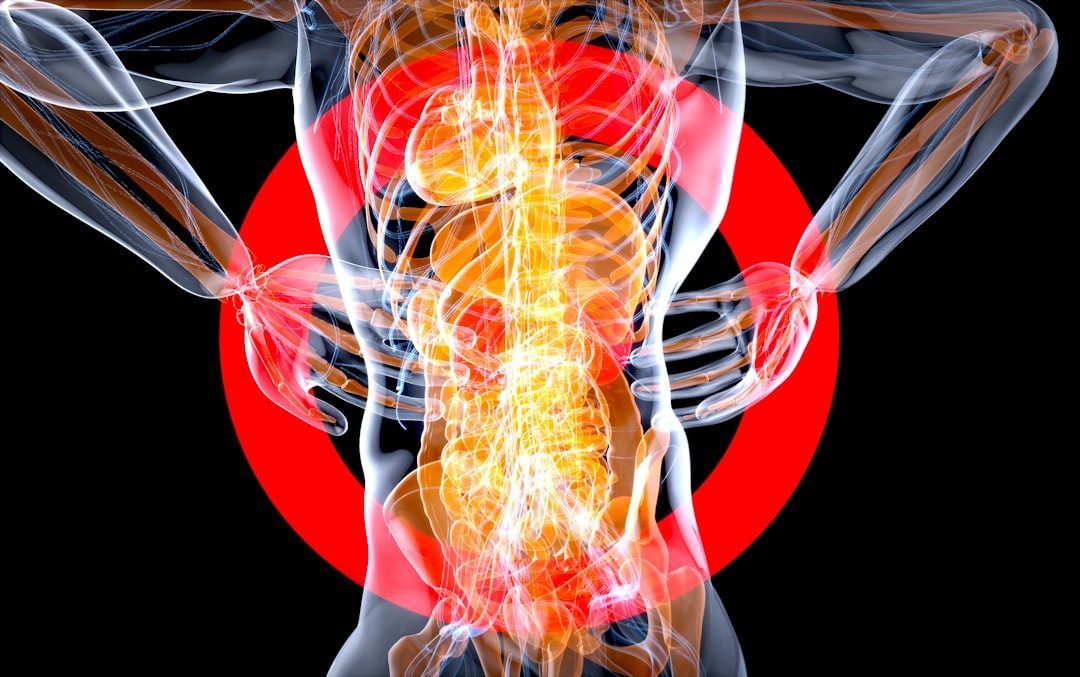
Most of us grow up with a simple model of pain: you get hurt, it hurts for a while, and then it gets better as the tissue heals. Chronic pain shatters that story. In conditions like fibromyalgia, neuropathic pain, or chronic low back pain without clear structural damage, the nervous system itself seems to become stuck in an overprotective mode. The injury may have faded or even fully resolved, but the sensation of pain persists or worsens, outlasting every X-ray and scanner image. For patients, it can feel like living with a fire alarm that will not shut off, no matter how many times firefighters prove the house is safe. This mismatch between ongoing suffering and inconclusive tests often leads to stigma and the harmful suspicion that the pain is “all in someone’s head.”
Yet brain imaging and neurophysiology tell a different story: circuits in the spinal cord and brain can actually rewire to amplify signals over time. Regions responsible for processing pain, emotion, and attention can become tightly entangled, making the experience feel overwhelming, inescapable, and exhausting. On top of that, factors like stress, poor sleep, trauma, and social isolation can turn up the volume even further. Standard painkillers aimed at damaged tissue often fail here, because the main problem is the software, not the hardware. Newer approaches – such as targeted nerve stimulation, mind–body therapies, and rehabilitation programs that gently retrain the nervous system – show promise but are far from perfect. The deeper mystery is why some people’s pain systems recalibrate after injury, while others spiral into years-long hypersensitivity with no clear off-switch.
The Enigma of ME/CFS and Post-Exertional Crashes

Myalgic encephalomyelitis/chronic fatigue syndrome (ME/CFS) is one of the most polarizing diagnoses in modern medicine, and its central feature, post-exertional malaise, is as strange as it sounds. People with ME/CFS can be pushed into days or weeks of debilitating symptoms by activities that would barely register for others: a short walk, a phone call, even a hot shower. This delayed, disproportionate crash has been documented in exercise tests where patients show a dramatic drop in performance on the second day, unlike healthy controls. Still, for decades the illness was dismissed as psychological or purely stress-related, leaving sufferers to navigate skepticism on top of their symptoms. I remember interviewing a researcher who compared ME/CFS to a cellphone battery that suddenly drops from half-full to zero after opening one extra app; it was the first analogy that made the condition’s cruelty click for me.
Recent years have brought more serious biological investigation, but not yet a unifying answer. Studies have reported abnormalities in energy metabolism, including signs that cells might be stuck using less efficient pathways to generate fuel. Others have found immune system quirks, such as changes in certain cytokines or immune cell exhaustion, though results often vary between cohorts. Some researchers now suspect that ME/CFS, long COVID, and other post-infectious syndromes may represent overlapping responses to viral triggers in genetically susceptible people. That is a tantalizing idea but also a methodological nightmare, because these conditions are defined by symptoms rather than a single blood test or scan. Until science can pin down a reliable biomarker – and test treatments in rigorous trials – ME/CFS will remain a mystery that blurs the line between infection, immunity, and energy itself.
When the Immune System Turns on the Brain
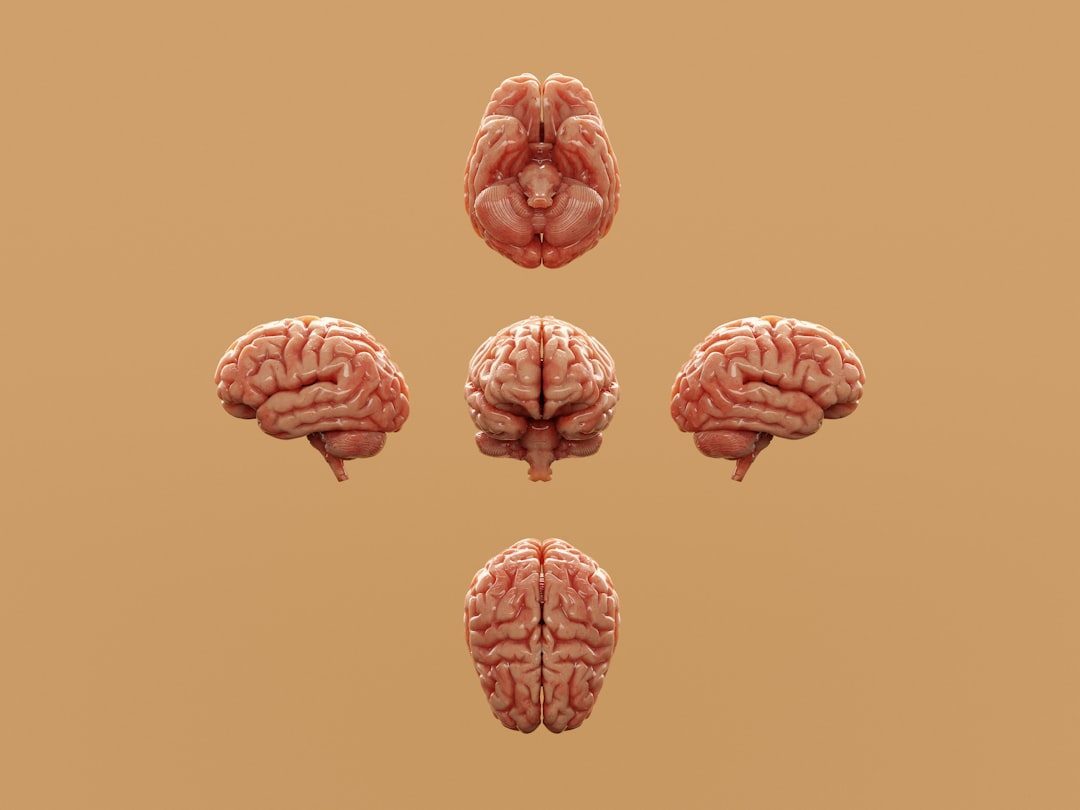
One of the most unsettling frontiers in medicine is the discovery that the immune system can hijack the brain in ways that look like pure psychiatry from the outside. In autoimmune encephalitis, antibodies mistakenly target receptors in neurons, leading to hallucinations, seizures, movement disorders, and swings between agitation and catatonia. Many of these patients once would have been locked in psychiatric wards, their conditions written off as severe psychosis or functional illness. Now, spinal fluid tests and antibody panels are revealing that at least some of them are experiencing a treatable, immune-driven assault on the brain. This shift has forced a difficult question: how many “purely psychiatric” conditions are actually hiding immunological fingerprints we have not yet learned to see.
The most famous form, targeting the NMDA receptor, often begins with flu-like symptoms and anxiety before erupting into bizarre behavior and neurological decline. Treatment with immunotherapies – steroids, plasma exchange, and other agents that strip or suppress harmful antibodies – can be life-saving, yet not all patients fully recover. On top of that, researchers are now exploring potential links between autoimmunity and disorders like psychosis, depression, or obsessive-compulsive symptoms in a small subset of patients. The evidence is still early and sometimes contradictory, with studies finding immune markers in some groups and not in others. But the mere possibility that an overzealous immune system can rewire personality and perception raises profound scientific and ethical questions. It also underlines how incomplete our traditional divide between “neurological” and “psychiatric” really is.
The Puzzle of the Human Microbiome and Mental Health
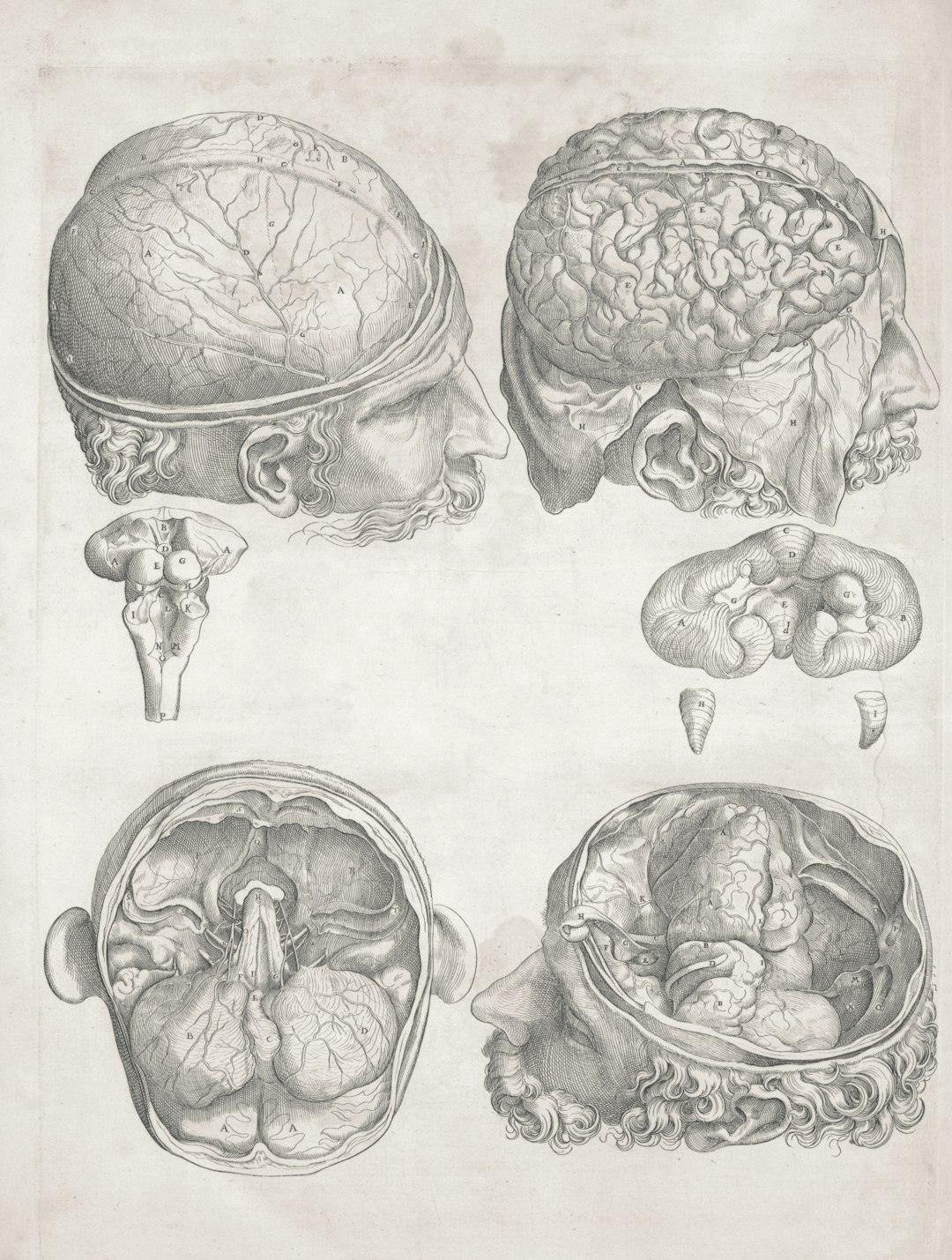
The idea that gut bacteria might shape our mood once sounded like fringe speculation, but it is edging closer to the mainstream. The human gut hosts trillions of microbes that help digest food, produce vitamins, and interact with our immune system. Over the past decade, a wave of studies has linked changes in gut communities to conditions ranging from obesity and inflammatory bowel disease to anxiety and depression. Animal experiments have provided some of the most dramatic findings, showing that transplanting gut microbes from anxious or overweight donors can transmit similar traits to healthy animals. Still, translating these results to people has been slow and messy, with many unanswered questions about cause and effect.
Some researchers now talk about a “gut–brain axis,” a complex communication network involving nerves, hormones, and immune signals that allows intestinal microbes to influence brain function. Yet we do not know whether most microbiome changes seen in mental health conditions are drivers, passengers, or both. Fecal microbiota transplants and designer probiotics are being tested in small trials, but results are mixed and sometimes underwhelming. Gut ecosystems are also highly individual, shaped by diet, geography, medications, and early life exposures, which makes one-size-fits-all interventions unlikely. The enduring mystery is whether we can reliably steer this microbial universe in ways that meaningfully improve mental health without unintended consequences elsewhere. For now, the microbiome sits at a tantalizing crossroads of psychiatry, immunology, and nutrition, rich in promise and uncertainty at the same time.
Why It Matters: What These Mysteries Reveal About Modern Medicine

It is tempting to view each of these conditions – long COVID, ME/CFS, SUDEP, chronic pain syndromes, autoimmune brain diseases, microbiome puzzles – as separate medical oddities. In reality, they expose shared blind spots in how modern medicine is built and where its tools fall short. Traditional diagnostics are excellent at spotting structural damage, clear infections, or single-gene disorders, but they struggle with diffuse, fluctuating, and multi-system problems. When symptoms cross boundaries between neurology, immunology, psychiatry, and metabolism, patients often get bounced between specialists who each see only a slice of the puzzle. That fragmentation can feel dehumanizing, especially when tests come back normal but daily life is clearly anything but.
These mysteries also highlight how heavily medicine has leaned on visible lesions and crude averages rather than subtle patterns and outliers. Many of the conditions described here affect large numbers of people, yet they have historically received far less research funding and professional attention than diseases with simpler lab markers or clear commercial incentives. At the same time, they challenge old narratives that draw sharp lines between body and mind, organic and functional, real and imagined. If an immune storm can trigger psychosis, or if a viral infection can embed years of fatigue into the nervous system, then our categories need to change. Grappling with these baffling cases is not a side quest; it is a stress test of whether medicine can adapt to a more networked, data-rich, and patient-centered understanding of health.
From Scalpels to Sequencers: How Science Is Fighting Back
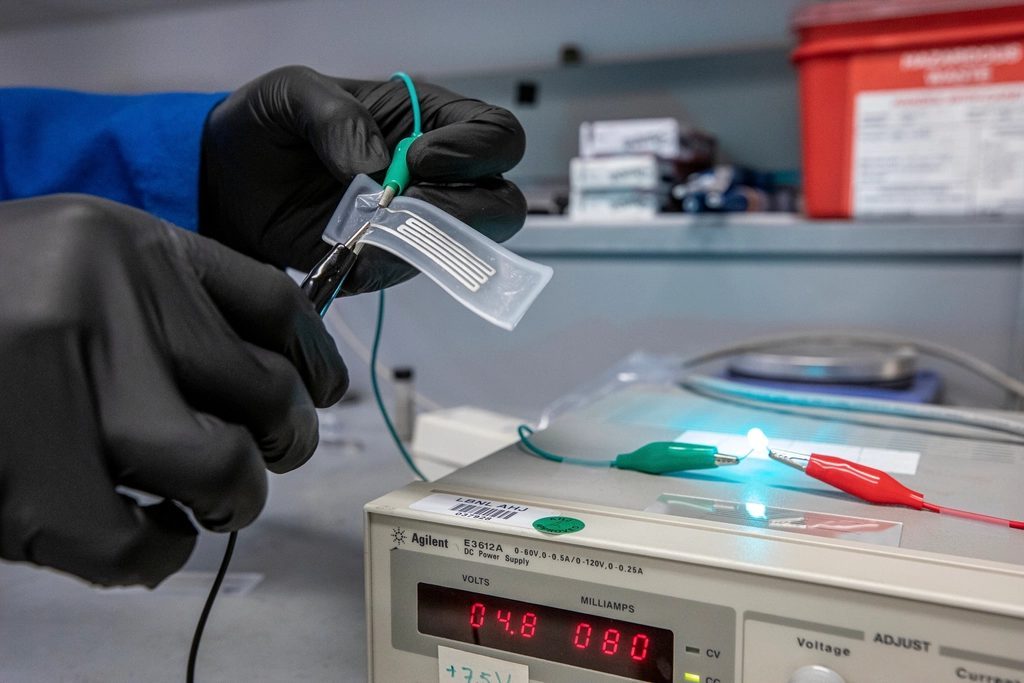
For much of the twentieth century, medical breakthroughs came from what you could see and cut: tumors on scans, blocked arteries, damaged joints. Today’s search for answers to these mysteries looks very different, driven by a wave of tools that peer into genes, proteins, cells, and circuits in fine detail. High-throughput sequencing allows researchers to scan entire genomes and immune repertoires in people with unusual conditions, searching for rare variants or misfiring pathways. Advanced imaging can track inflammation or subtle structural changes in the brain that would have been invisible on older scanners. Meanwhile, wearable devices and smartphone apps generate real-world data on sleep, heart rate, activity, and symptoms that can be linked to lab findings.
These technologies have already delivered some striking wins, such as identifying specific antibody targets in autoimmune encephalitis or uncovering microclot signatures in subsets of long COVID patients. But they also create a firehose of information that is easy to misinterpret if not handled carefully. Many apparent signals vanish under larger, better-controlled studies, and the risk of chasing false leads is very real. There is also a widening gap between research insights and what everyday clinicians can realistically measure or act on in busy practices. Bridging that gap will require not just better tools, but better ways of integrating data into care so that patients with baffling conditions are not left waiting years for the science to trickle down.
The Future Landscape: Cracking Complex Illness in a Connected World

Looking ahead, some of the most ambitious efforts to solve these medical mysteries are betting on scale and collaboration rather than lone-genius breakthroughs. Large biobanks and longitudinal cohorts are collecting blood, tissue, symptom diaries, and digital health data from tens or hundreds of thousands of volunteers. By following people over time, researchers hope to catch the transition points when an ordinary infection turns into long COVID or ME/CFS, or when intermittent seizures tip toward dangerous patterns. Machine learning models are being trained to sift through this complexity, picking out combinations of markers that might predict who is at risk of SUDEP or which chronic pain patients will respond to specific therapies. In an optimistic scenario, these tools could turn today’s baffling cases into tomorrow’s stratified, more treatable subtypes.
Yet the future is not guaranteed to be neat or equitable. Access to cutting-edge diagnostics and personalized treatments may be limited to wealthier health systems unless there is a conscious push for broader inclusion. There are also thorny ethical questions about what to tell patients when predictive models suggest risk without clear solutions, such as algorithms that flag a higher chance of sudden death or severe disability. On top of that, many of the key technologies – from gene editing to immune-modulating biologics – carry their own uncertainties and long-term unknowns. The challenge will be to harness this growing power without overpromising or sidelining the lived experience of patients whose conditions currently resist easy categorization. If we get it right, these mysteries could drive a more humble, collaborative, and adaptable medicine; if we do not, they may simply deepen existing gaps.
How You Can Engage With These Medical Frontiers

It is easy to feel powerless in the face of illnesses that even top researchers cannot fully explain, but ordinary people have more influence than it might seem. One of the most direct ways to support progress is through participation in research, whether that means joining a study, contributing health data, or supporting patient organizations that help shape research priorities. For those living with these conditions, carefully documenting symptoms, triggers, and responses to treatment can provide invaluable information to clinicians and scientists alike. Even simple actions like filling out questionnaires, using tracking apps, or donating samples to biobanks can add up across thousands of participants. These contributions help shift baffling conditions from scattered anecdotes to analyzable patterns.
Beyond research, there is a cultural role to play in how we talk about unexplained or poorly understood illness. Listening to people describe their experiences without reflexively minimizing or psychologizing their symptoms is a quiet but powerful form of support. Sharing high-quality information, questioning stigma, and pushing for better training around complex conditions can gradually change how health systems respond. Advocacy for research funding, especially for chronic and post-infectious illnesses, also matters, because budgets often lag far behind the real-world burden of these diseases. None of this solves the mysteries overnight, but it helps build the conditions under which better answers become possible. In a world where even our own bodies can surprise us, what role do you want to play in the next chapter of discovery?
Suhail Ahmed is a passionate digital professional and nature enthusiast with over 8 years of experience in content strategy, SEO, web development, and digital operations. Alongside his freelance journey, Suhail actively contributes to nature and wildlife platforms like Discover Wildlife, where he channels his curiosity for the planet into engaging, educational storytelling.
With a strong background in managing digital ecosystems — from ecommerce stores and WordPress websites to social media and automation — Suhail merges technical precision with creative insight. His content reflects a rare balance: SEO-friendly yet deeply human, data-informed yet emotionally resonant.
Driven by a love for discovery and storytelling, Suhail believes in using digital platforms to amplify causes that matter — especially those protecting Earth’s biodiversity and inspiring sustainable living. Whether he’s managing online projects or crafting wildlife content, his goal remains the same: to inform, inspire, and leave a positive digital footprint.