Our planet holds secrets that continue to baffle geologists and captivate anyone who encounters them. While we’ve mapped nearly every corner of Earth, some natural formations still make scientists scratch their heads in wonder. These aren’t your typical mountain ranges or valleys. These are geological mysteries that challenge our understanding of how nature works.
From rocks that seemingly move on their own to giant crystal caves that shouldn’t exist, you’re about to discover formations that blur the line between science and magic. Let’s dive into these mind-bending wonders that prove Earth still has plenty of surprises up its sleeve.
The Sailing Stones of Death Valley: When Rocks Move by Themselves
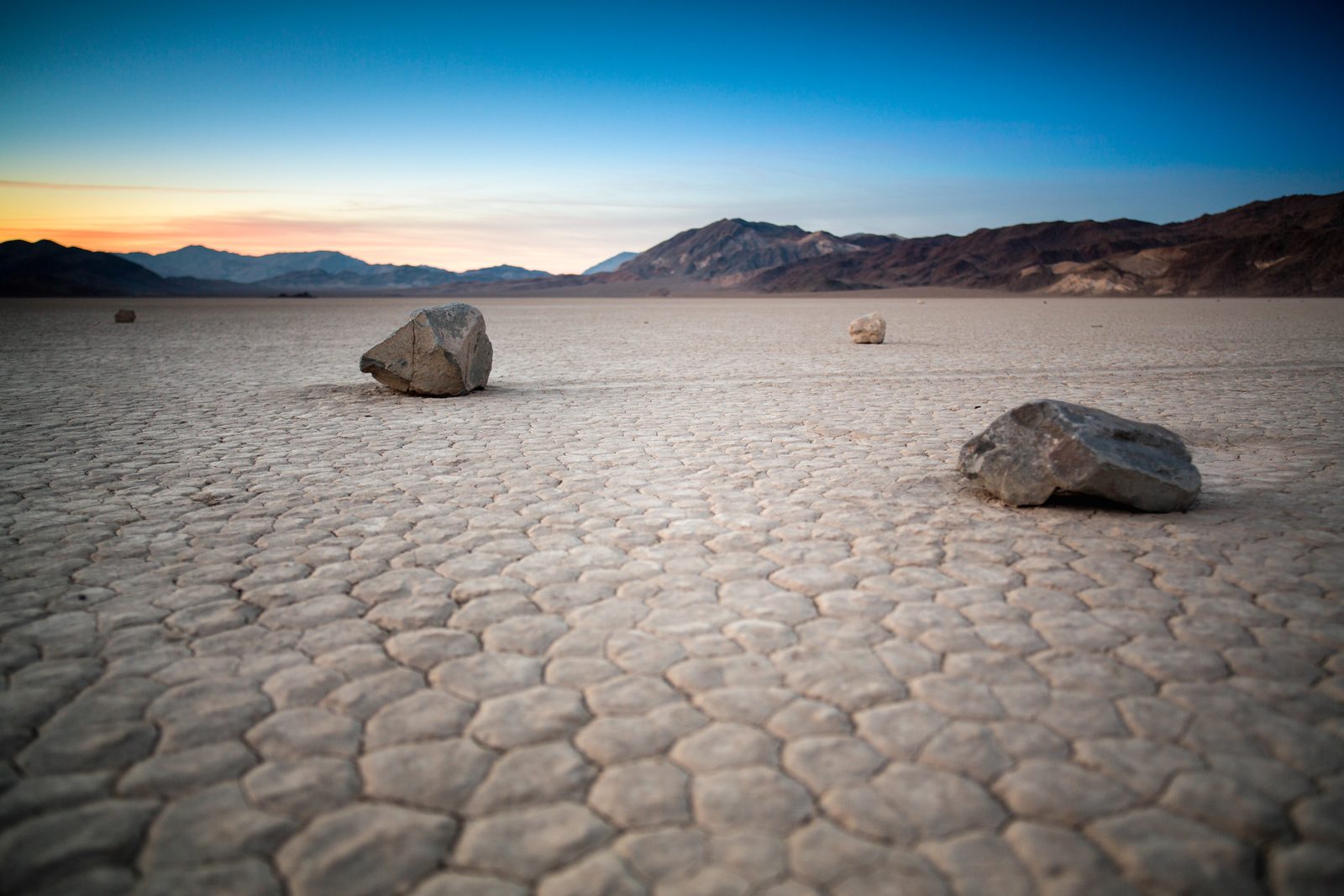
Deep within Death Valley National Park lies Racetrack Playa, a huge, dry lake bed that serves as the stage for a perplexing geological mystery. Sailing stones are a geological phenomenon found in Death Valley’s Racetrack Playa. The stones slowly move across the surface of the playa, apparently without human or animal intervention, and they leave telltale tracks as they go.
What makes this truly mind-bending is that they have never been seen or filmed in motion – until now. For over a century, the sailing stones have been observed and studied since the early 1900s, yet nobody could explain how boulders weighing up to 700 pounds could carve trails across the desert floor. In 2014, scientists were able to capture the movement of the stones for the first time using time-lapse photography. The results strongly suggest that the sailing stones are the result of a perfect balance of ice, water, and wind.
The answer turned out to be deceptively simple yet remarkably precise. Their work showed that the rocks are nudged into motion by melting panels of thin floating ice, driven by light winds, in winter. Think of it as nature’s most elaborate game of air hockey, where paper-thin ice sheets push massive boulders around like they’re weightless.
The Eye of the Sahara: A Perfect Bull’s Eye in the Desert
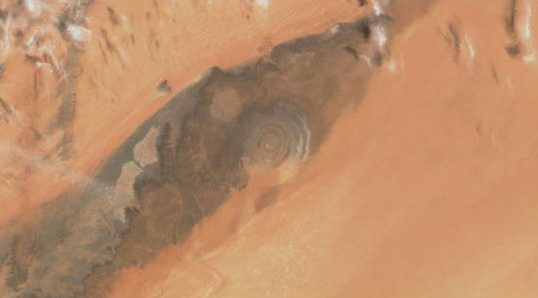
The Eye of the Sahara, also known as the Richat Structure, is a 30-mile-wide site of huge concentric circles found in the western African nation of Mauritania. From space, this formation looks exactly like someone took a cosmic compass and carved perfect circles into the desert. The mysterious formation is large enough for early space missions to have used it as a landmark.
Here’s what makes scientists lose sleep: Geologists initially thought the site was created by an asteroid impact, but there isn’t enough melted rock among the rings to support this theory. Similarly, there’s no evidence to suggest a volcanic eruption. So what created these impossibly perfect concentric circles? The short answer is nobody knows for certain.
While geologists suspect it’s the result of uplift and erosion over millions of years, the sheer perfection of the structure remains unexplained. New Age enthusiasts hint that the Eye of the Sahara could represent the remains of the mythical sunken island of Atlantis. Though this theory lacks scientific support, you can understand why people’s imaginations run wild when confronted with such geometric perfection in nature.
The Tsingy of Madagascar: Nature’s Razor-Sharp Stone Forest
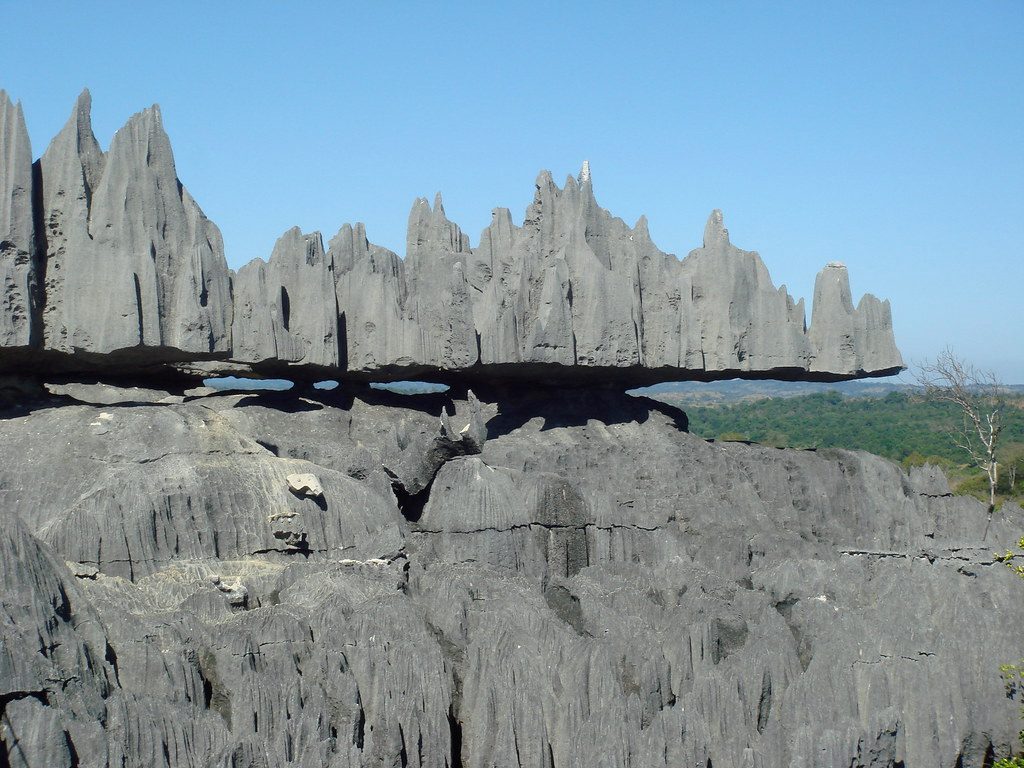
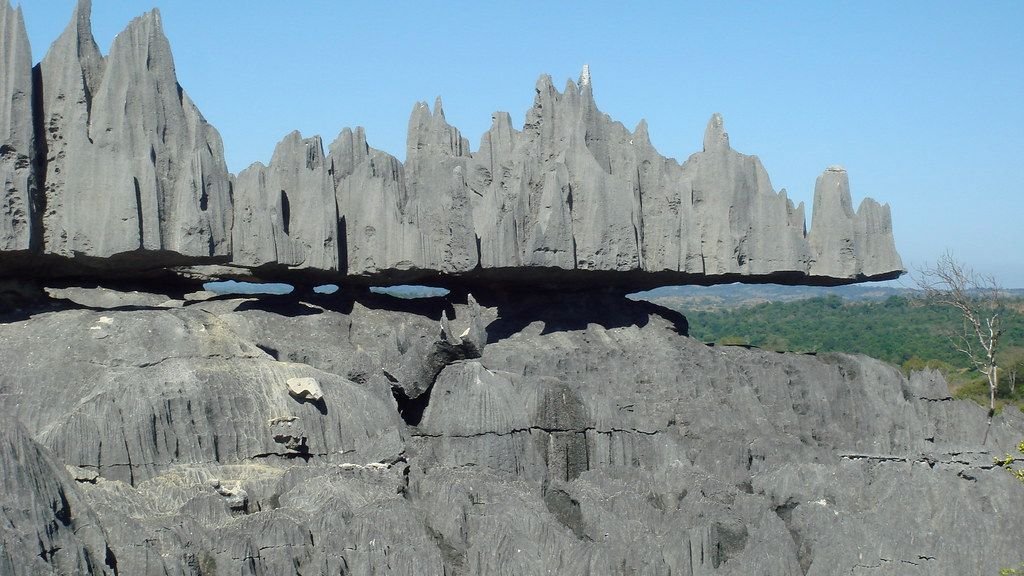
Madagascar holds one of the most dangerous and beautiful geological formations on Earth. The word refers to tall, thin, needle-like rock formations that can be found throughout the country. Not to freak you out, but just one misstep through a tsingy forest could impale somebody. Tsingy is a Malagasy word meaning ‘where one cannot walk barefoot’.
The name “Tsingy” originates from the Malagasy word meaning “walking on tiptoes.” These formations were created over millions of years through the process of erosion, resulting in a maze of sharp limestone pinnacles, deep canyons, and razor-sharp ridges. Imagine a landscape where every surface could slice through your equipment like butter.
The formation of these unusual rocks actually began some 200 million years ago when layers of calcite accumulated at the bottom of a Jurassic lagoon, forming a thick limestone bed. Over millions of years, water, rich in carbon dioxide, seeps through the cracks in the limestone and dissolves the rock over time. As the water dissolves the limestone, it creates underground channels, caves, and sinkholes.
Some of the rock pinnacles can reach 2,600 feet high, creating what can only be described as a stone cathedral built by geological forces beyond human comprehension.
The Great Unconformity: A Billion Years of Missing Time
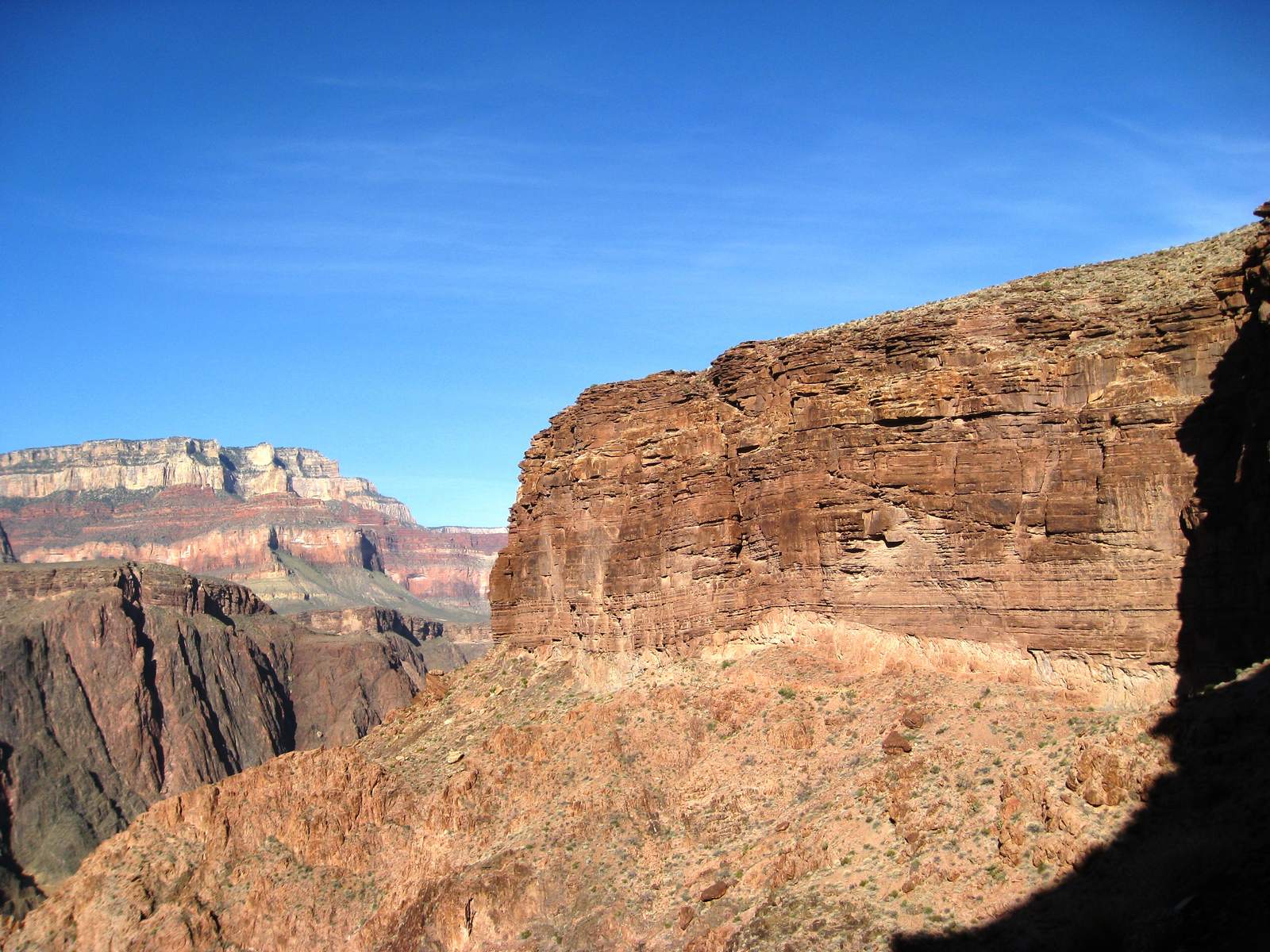
The Great Unconformity is a huge gap in the geological record: Layers of rock dating from about 1.2 billion to 520 million years ago are completely missing from certain areas around the globe. Think about that for a moment. Nearly a billion years of Earth’s history just vanished.
This enormous chunk of lost time can be seen clearly in the stratigraphy of the Grand Canyon in Arizona. Geologists studying the anomaly there have noted that there is plenty of rock, full of fossils, from the Cambrian period (540 million years ago) but the layer beneath it is basement rock, formed roughly 1 billion years ago and empty of fossils.
What could make such massive amounts of rock disappear? An emerging theory – “Snowball Earth” – may explain where the rock disappeared to. Around 700 million years ago, Earth was encased in snow and ice. Moving glaciers peeled off the planet’s crust with the help of lubricating sediments, pushing it into oceans, where it was reabsorbed by subducting tectonic plates.
The Mima Mounds: Washington’s Mysterious Prairie Bubbles
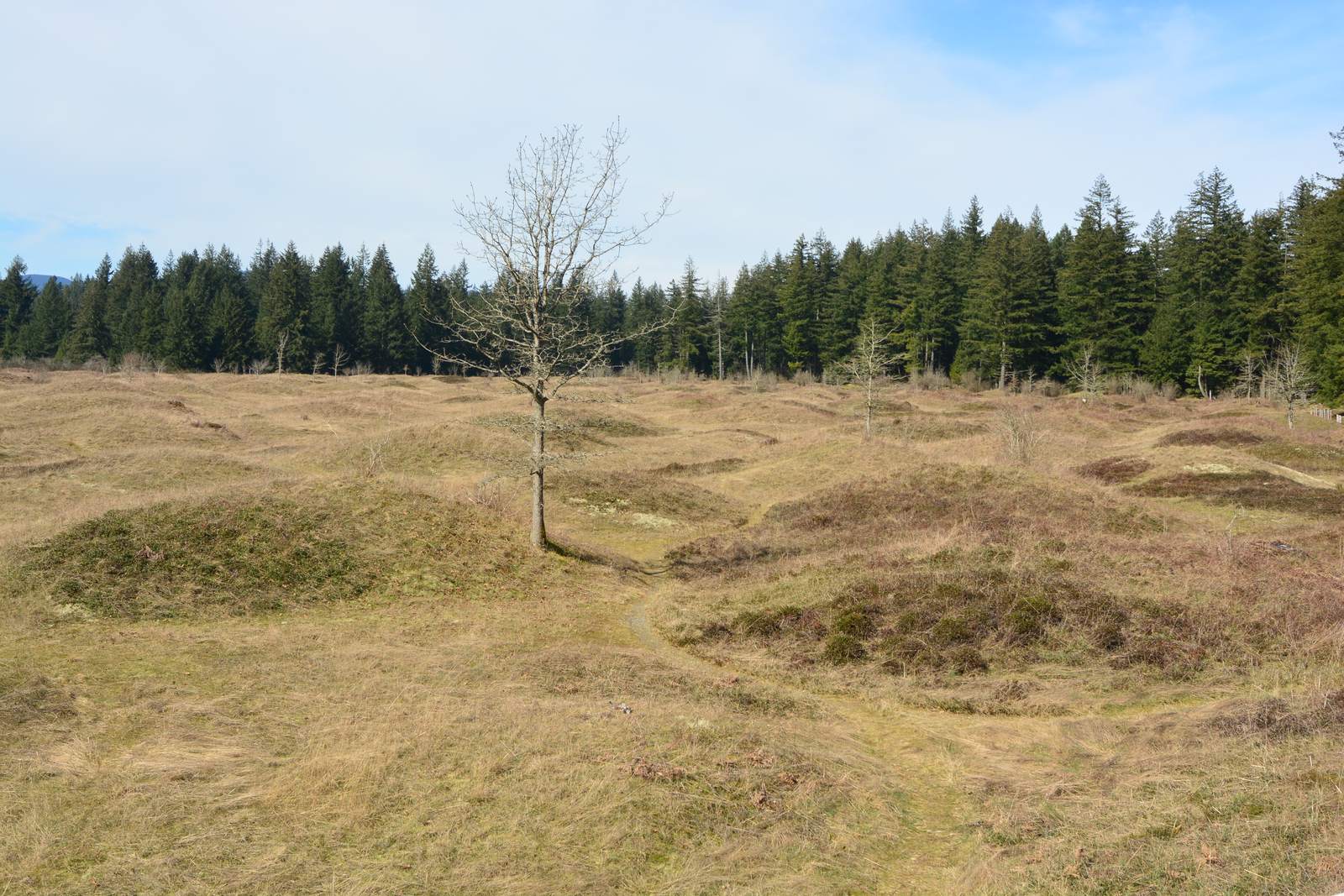
The Mima Mounds are mysterious, uniform undulations in the grasslands of Washington State near Olympia, ranging from 10 to 164 feet in diameter and up to 6.5 feet tall. Picture perfectly spaced bumps scattered across the landscape like giant gopher hills, except no gopher could create anything this large or uniform.
When American explorer Charles Wilkes set eyes on them in 1841, he believed they were human-made burial mounds and had three of them excavated, only to find them filled with loose stones. That was the first clue that these formations didn’t fit any known geological process.
What makes the Mima Mounds truly puzzling is their almost mathematical precision. Scientists have proposed everything from earthquakes to pocket gophers as explanations, yet none fully account for their uniformity and distribution. Some researchers suggest they’re created by a combination of frost action and soil movement over thousands of years, though the exact mechanism remains hotly debated.
Giant’s Causeway: Nature’s Perfect Hexagonal Architecture
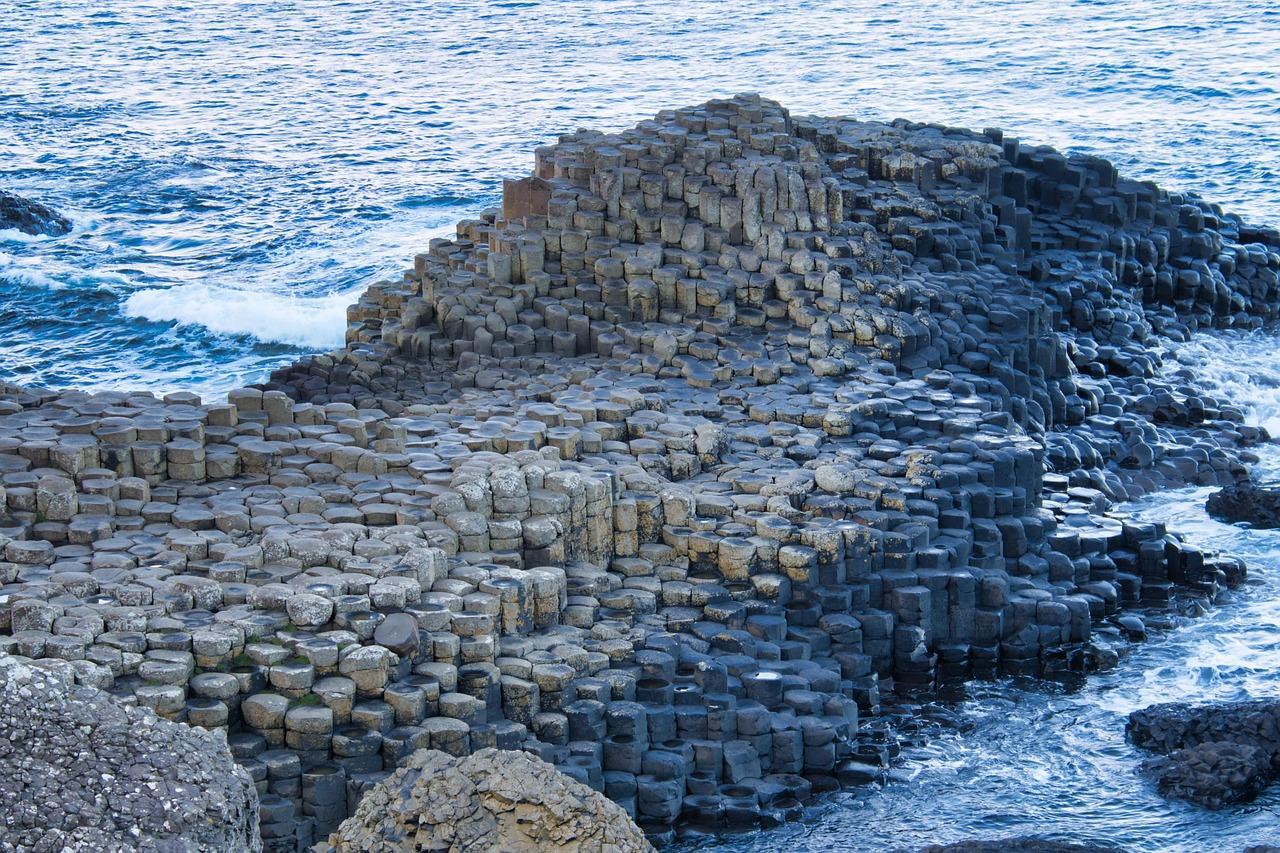
The Giant’s Causeway is an area of about 40,000 interlocking basalt columns, the result of an ancient volcanic fissure eruption. It is about 50-60 million years old. Located in Northern Ireland, this formation looks like nature tried its hand at architecture and created something more perfect than human engineering.
Giant’s Causeway is a natural geological formation located in Northern Ireland that consists of over 40,000 hexagonal basalt columns that are interlocked like puzzle pieces. The columns are made of cooled and hardened lava that was erupted from a volcanic fissure about 60 million years ago. The basalt columns vary in height and width, with some reaching as high as 39 feet.
The unique hexagonal shape of the basalt columns is due to the way the lava cooled and solidified as it flowed into the sea. As the lava cooled, it contracted and cracked, forming the distinctive polygonal shapes that make up the columns. What’s remarkable isn’t just that lava can form hexagons, but that it did so with such incredible consistency across thousands of columns.
The Hudson Bay Arc: Canada’s Mysterious Half-Circle
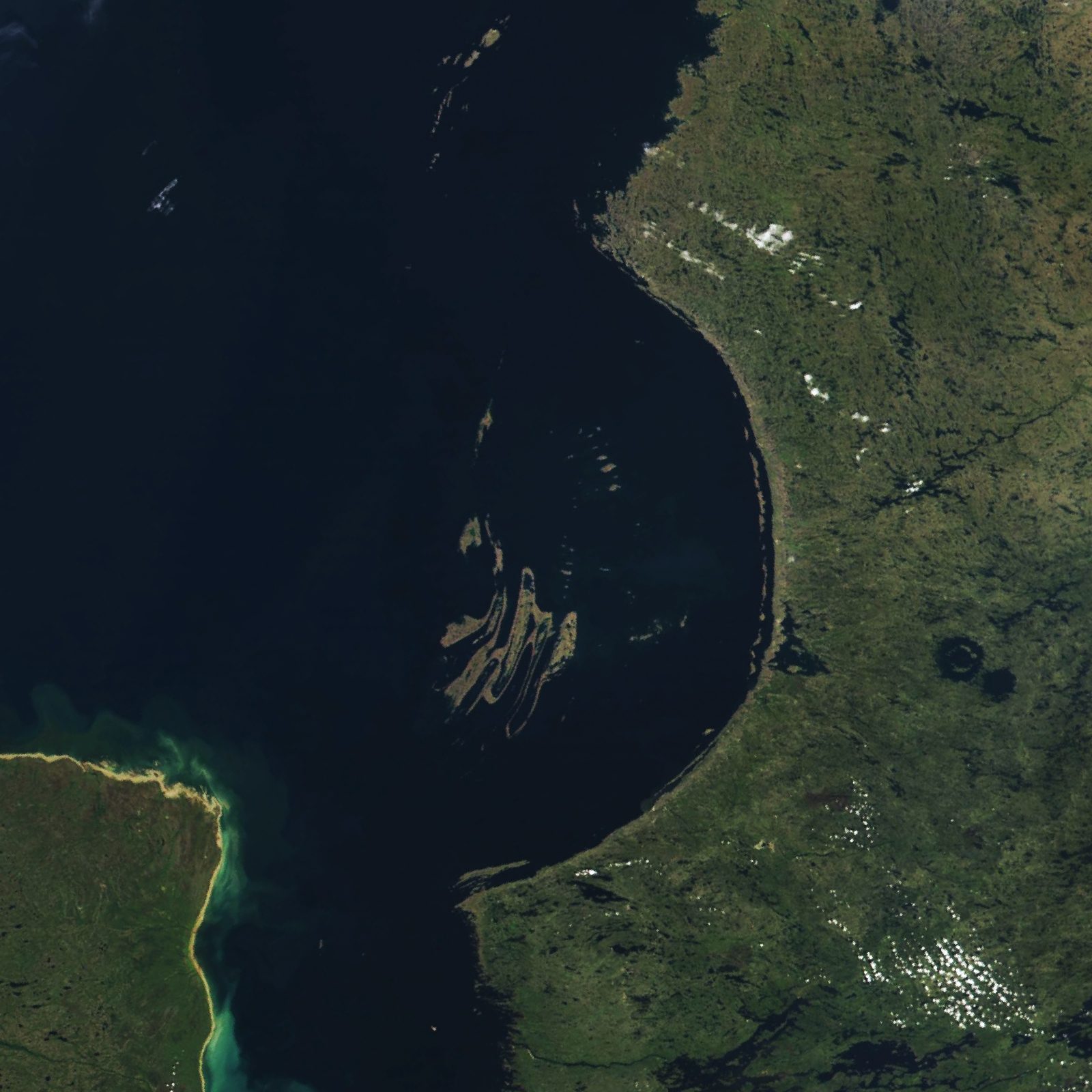
In the southeast corner of Hudson Bay, Canada, lies a near-perfect arc. The mysterious half-circle, also known as the Hudson Bay Arc, was first thought to be an impact crater from a meteorite. From aerial views, it looks like someone took a gigantic compass and drew a perfect semicircle in the Canadian wilderness.
But none of the usual confirming evidence, such as shatter cones or unusual melted rocks, has been found in the vicinity. This absence of impact evidence threw scientists for a loop. If it wasn’t a meteorite, what could create such a perfect arc?
The most commonly accepted theory for the arc, based on geological evidence collected in the 1970s and later, is that it is a boundary formed when one shelf of rock was pushed under another other. That doesn’t explain how or why is it’s so perfectly round – so the Nastapoka Arc remains subject to ongoing study.
The Cave of Crystals: Mexico’s Underground Crystal Cathedral
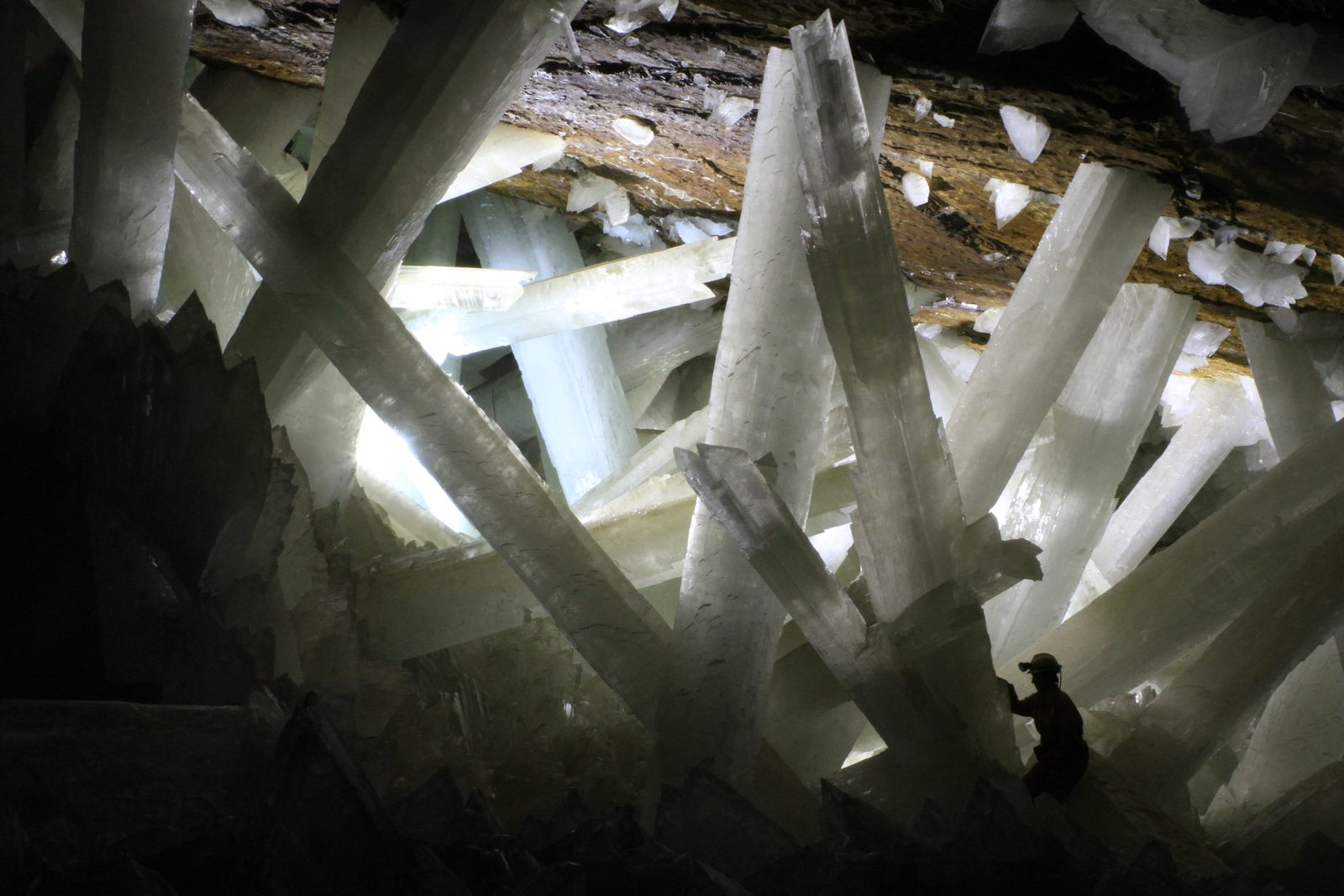
The otherworldly crystals in the Cave of the Crystals in Mexico can reach sizes larger than houses, by far the largest such crystals known on the planet. They apparently grow at incredibly slow rates, gypsum formations that take as long as a million years to reach more than two stories tall.
Located 300 meters beneath the Naica Mine in Mexico, this cave challenges everything we thought we knew about crystal formation. These aren’t the small, delicate crystals you find in gift shops. We’re talking about selenite crystals that dwarf human beings and create an alien landscape that seems impossible on Earth.
Researchers speculate that microscopic pockets of liquid within these giant crystals might hold microbes. The cave’s extreme conditions, with temperatures reaching 136°F and humidity near 100%, make exploration incredibly dangerous, yet scientists continue to study this underground wonder that defies conventional understanding of crystal growth.
Moeraki Boulders: New Zealand’s Mysterious Stone Spheres
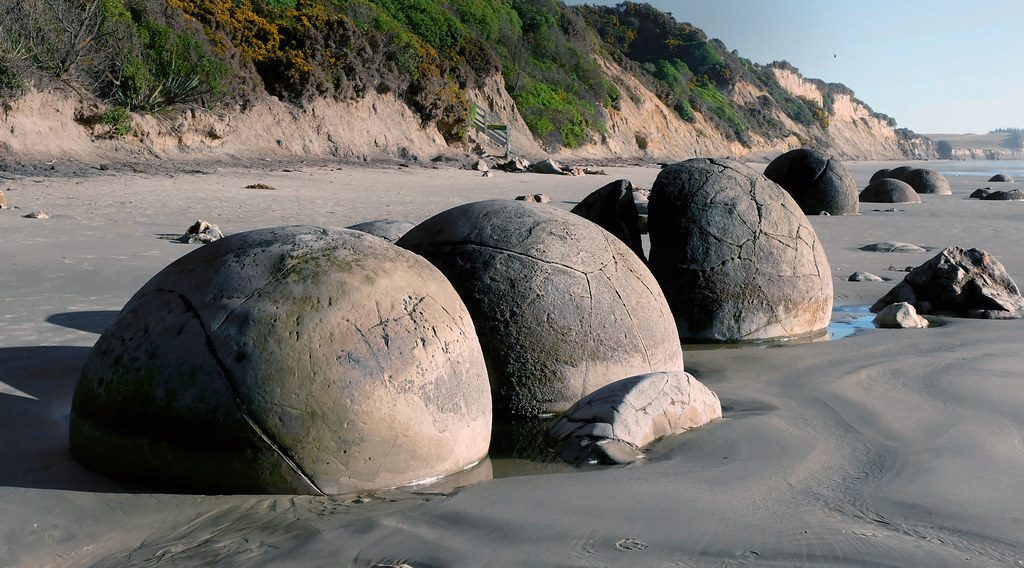
Mysterious Moeraki Boulders occupy the leading position among the unique natural attractions of New Zealand. These geological curiosities, formed from ancient sea sediments, have fascinated visitors for years with their nearly perfect shapes and mysterious origins.
Scattered across Koekohe Beach on New Zealand’s South Island, these massive spherical boulders look like giant marbles left behind by some cosmic game. Some measure up to two meters in diameter and weigh several tons. What makes them extraordinary isn’t just their size, but their almost perfect spherical shape.
Scientists believe the Moeraki Boulders formed through a process called concretion, where minerals gradually accumulated around a core over millions of years. Yet this explanation doesn’t fully account for their remarkable uniformity and near-perfect spherical geometry. The Maori people have their own explanation, believing they’re the remains of gourds and sweet potatoes from an ancient canoe wreck, which honestly seems just as plausible given their mysterious perfection.
Tessellated Pavement: Tasmania’s Natural Tile Floor
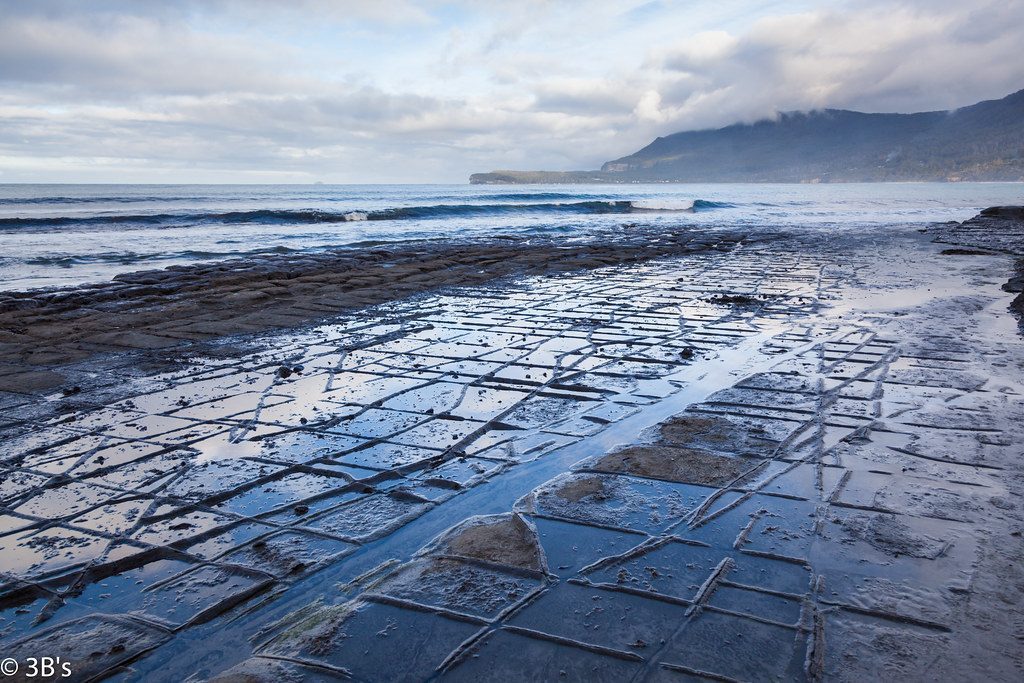
One might easily wonder if the unusual grid of the Tessellated Pavement of Eaglehawk Neck, Tasmania, is completely unnatural. Apparently, this rare geological feature formed when the underlying siltstone cracked in blocks resembling tiles, approximately 250 million years ago during the Permian period.
When seawater covers the platform, sand and wave action erodes the rock. The surface of the stone can erode faster between the rims of the tiles than on the rims themselves. This creates what looks exactly like a perfectly laid tile floor stretching along the coastline.
What’s mind-bending about this formation is how natural processes created something that appears completely artificial. The geometric precision rivals the best human stonework, yet it was carved entirely by waves, weather, and time. Standing on the tessellated pavement feels like walking across a giant’s bathroom floor, complete with grout lines and everything.
The more we study our planet, the more we realize how much we still don’t understand. These geological mysteries remind us that Earth continues to surprise even our most experienced scientists. From rocks that dance across desert floors to crystal caves that seem borrowed from science fiction, our planet holds secrets that challenge everything we think we know about geology.
What fascinates me most is how these formations force us to expand our understanding of what’s possible in nature. They’re not just pretty landscapes or tourist attractions. They’re puzzles that push the boundaries of geological science and remind us that our planet is far stranger and more wonderful than we ever imagined. Which of these mind-bending formations surprised you the most?