You’ve probably seen amazing nature documentaries that showcase the incredible abilities of animals. Yet some adaptations are so extraordinary, so perfectly engineered, that they push the boundaries of what science can fully explain. From creatures that literally freeze themselves alive to animals that navigate using electricity we can barely detect, the natural world continues to challenge our understanding of biology.
These remarkable adaptations aren’t just survival tools. They represent evolutionary solutions so complex and refined that researchers are still unraveling their mysteries. Whether it’s pinpoint navigation across thousands of miles or the ability to detect electrical fields weaker than those in your smartphone, these animals possess capabilities that seem almost supernatural.
Wood Frogs: The Masters of Controlled Death
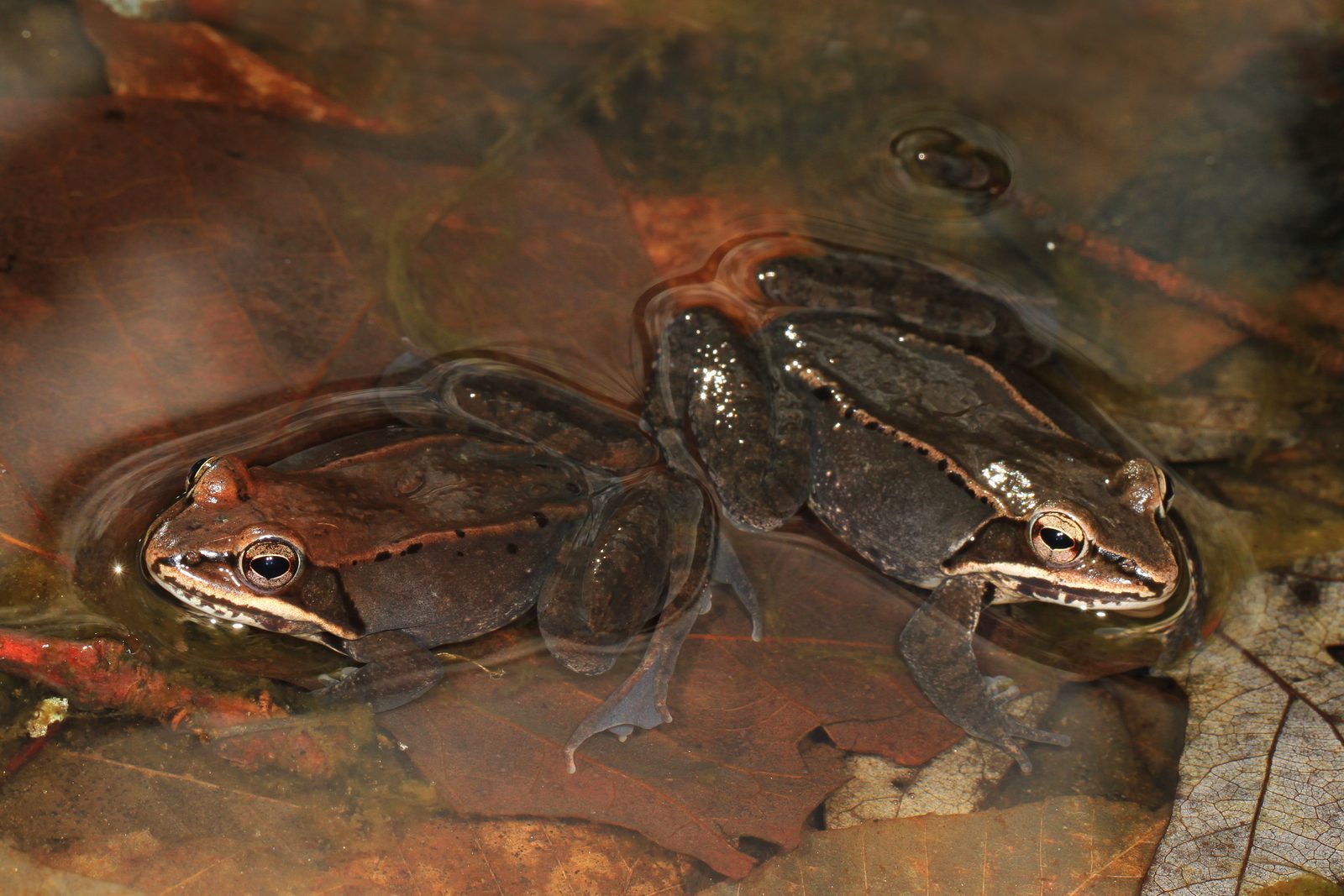
Wood frogs can freeze up to 60% of their bodies during winter, withstanding temperatures as low as -8 degrees Celsius (around 18 degrees Fahrenheit). In the first few weeks, ice fills their abdominal cavity and forms between their layers of skin and muscle.
While this happens, the frog’s liver produces large amounts of glucose, which prevents their cells from freezing and binds water molecules to prevent dehydration. When they’re hibernating, wood frogs have no heartbeat and do not breathe. In spring, once they thaw, their hearts start beating again.
What baffles scientists isn’t just that these frogs can survive being frozen solid. It’s how they precisely control which parts of their bodies freeze and which parts remain protected. The biological mechanisms that allow them to switch between life and death states with such precision remain poorly understood.
Sea Turtles: Biological GPS Systems
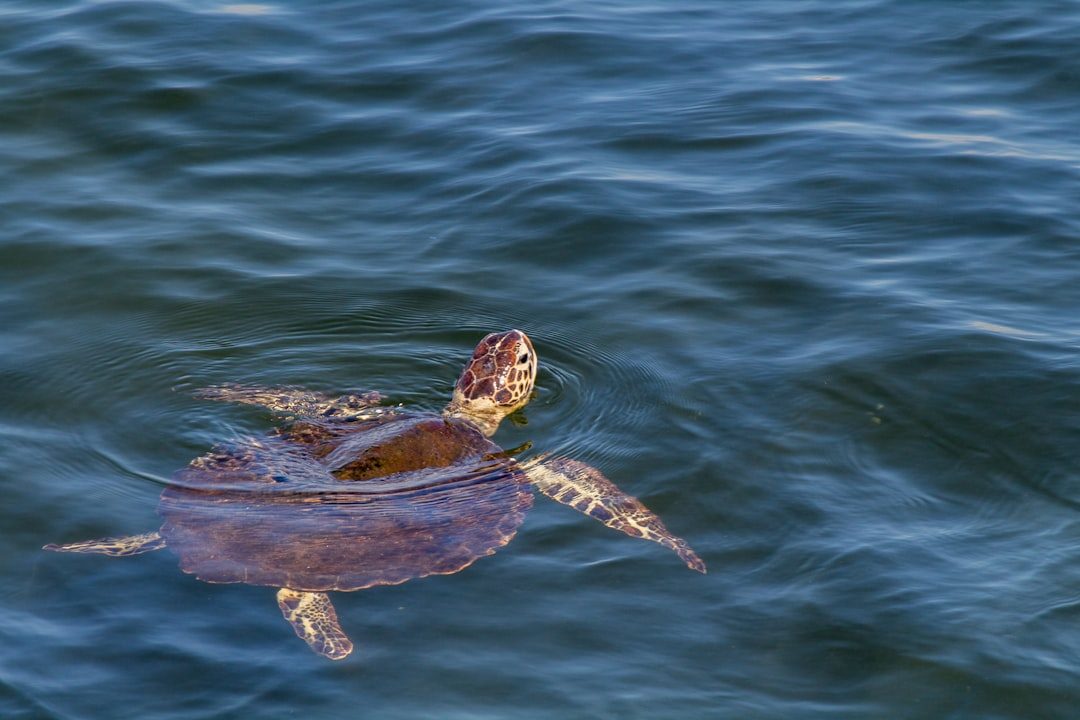
Scientists have identified several mechanisms these turtles use, including detecting Earth’s magnetic field to determine latitude and longitude, and potentially imprinting on the distinct chemical signature of their natal beach. However, these explanations don’t fully account for the remarkable precision of their navigation. The magnetic field of Earth constantly shifts, yet turtles adapt their routes accordingly.
Some species cross entire ocean basins with no visible landmarks, maintaining straight courses even through strong currents and storms. Additionally, beaches change significantly over the decades between a turtle’s birth and its return to nest, raising questions about how they recognize dramatically altered coastlines.
While we understand pieces of this navigational ability, the complete picture of how sea turtles achieve this extraordinary feat of biological GPS remains incomplete. Their ability to maintain course corrections over thousands of miles with accuracy that rivals modern technology continues to mystify researchers.
Platypuses: The Electric Detectives
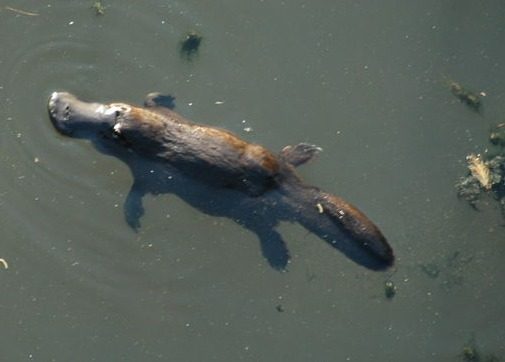
About 40,000 specialized electroreceptor skin cells are arranged in stripes on the top and underside of its bill. Other types of cell (electroreceptors within mucous glands) can detect extremely slight electric fields with strengths as low as 20 microvolts per square centimeter. That means they could detect a signal less than a millionth of the voltage of one AA battery.
The platypus appears to use electroreception along with pressure sensors to determine the distance to prey from the delay between the arrival of electrical signals and pressure changes in water. Using a side-to-side motion of its head, the platypus gauges the direction and distance of its next meal by collecting, and combining, these flows of sensory information.
While physiologists like Dr. Uwe Proske, of Monash University in Clayton, Australia, still lack a complete understanding of how these amazing sensors work, Proske and his colleagues know that they do more than just locate prey. They also detect the ambient electrical field emanating from underwater objects like rocks or other obstacles. The integration of electrical and mechanical sensing in real-time remains a biological mystery.
Monarch Butterflies: Generational Memory
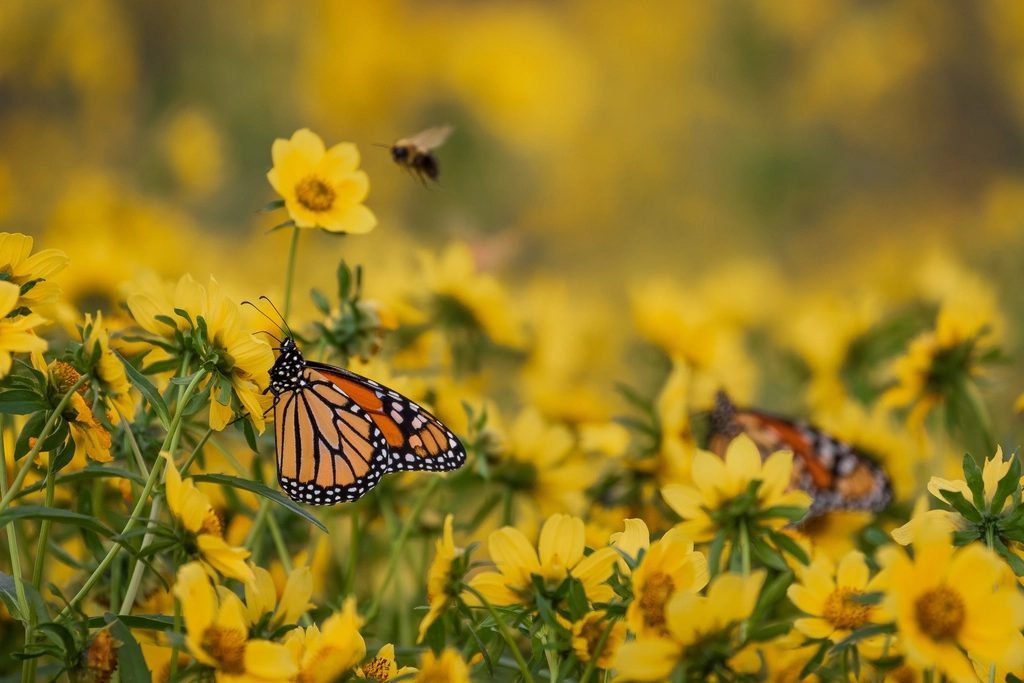
Monarch butterflies embark on an epic journey spanning thousands of miles from Canada to Mexico each year. What’s baffling is that the butterflies making the return journey have never been to their destination before. Some researchers believe that monarchs use a combination of environmental cues, such as the position of the sun, and an internal biological clock to guide them. However, the specifics of their navigation system are still not fully understood.
Their ability to find their way across continents without previous experience is truly baffling. What makes this even more extraordinary is that the butterflies completing the northward journey in spring are several generations removed from those who made the original southward trip.
The mystery deepens when you consider that monarch butterflies somehow pass down precise geographical information through their DNA. How genetic coding can contain detailed navigation instructions across multiple generations defies current understanding of hereditary behavior patterns.
Bombardier Beetles: Chemical Warfare Engineers
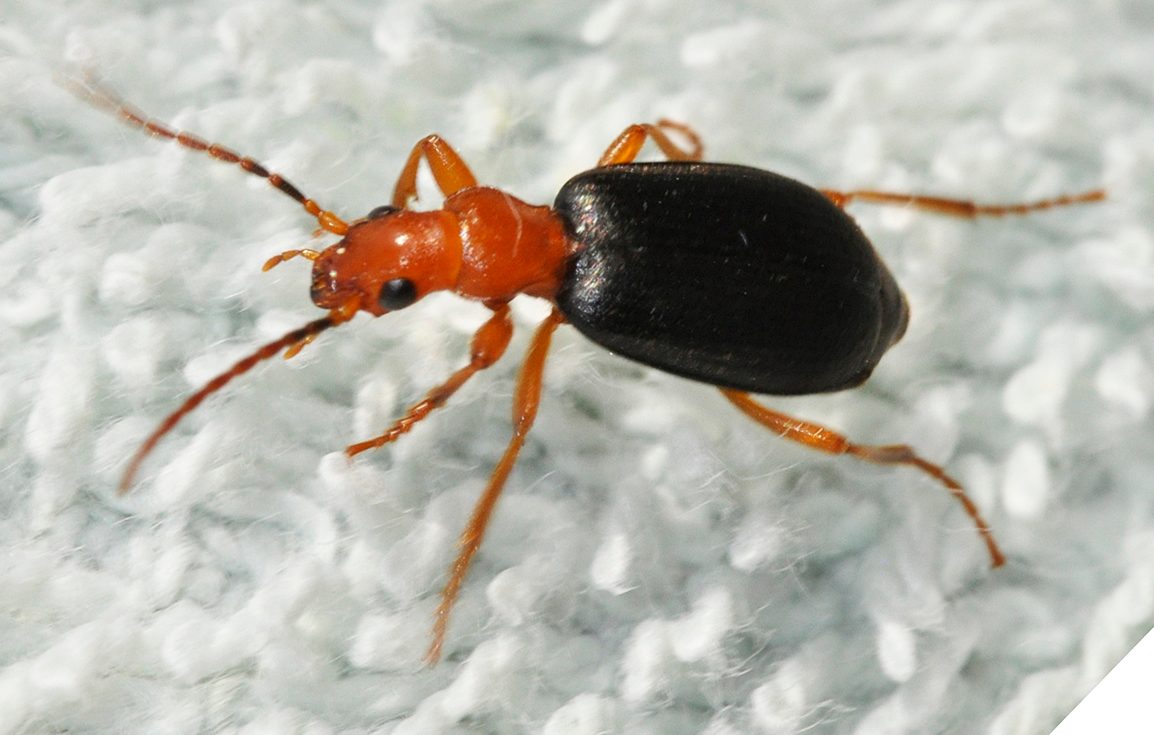
The Bombardier Beetle has developed a powerful chemical defense mechanism to deter predators. When threatened, it ejects a hot, noxious chemical spray from the tip of its abdomen. This spray is produced by rapidly mixing two chemical substances (hydroquinone and hydrogen peroxide) stored in separate reservoirs in the beetle’s abdomen, which react explosively when combined.
The chemical reaction that powers the Bombardier Beetle’s defensive spray reaches temperatures of up to 100°C (212°F). The reaction chamber in the beetle’s abdomen can withstand this high temperature and pressure, an example of natural chemical engineering.
Researchers studying this mechanism have gained insights into materials resistant to chemical corrosion and thermal damage, showcasing the potential for biomimicry in developing new materials and technologies. Yet scientists still can’t fully explain how the beetle’s body manages to contain reactions that would destroy most biological tissues, or how it controls the precise timing and direction of its chemical weapon.
Mantis Shrimp: The Ultimate Strikers
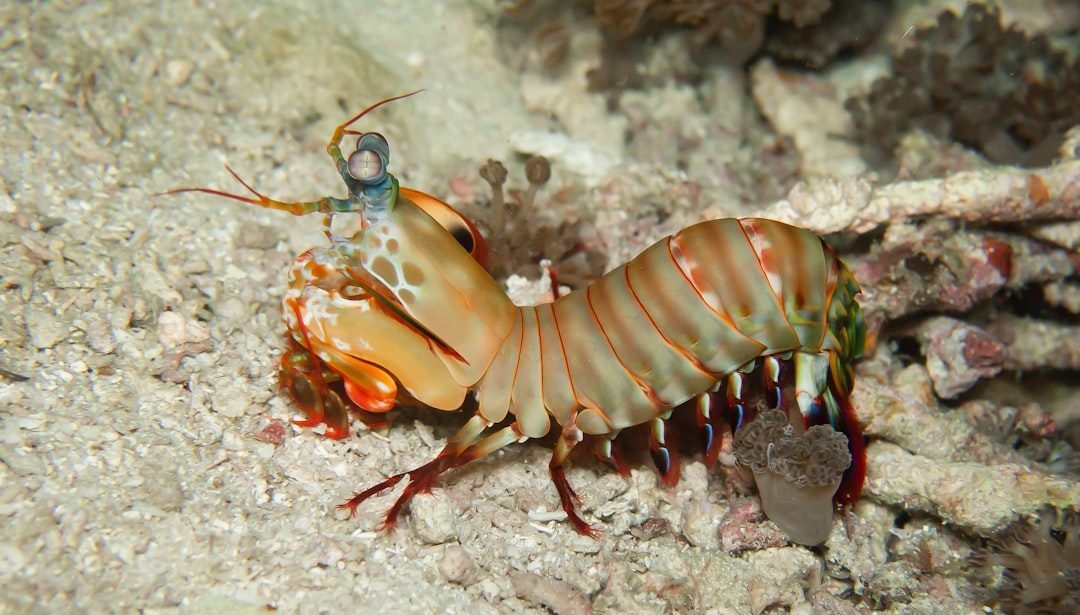
They are, pound for pound, one of the strongest animals in the world. Using the clubs at the ends of their forelegs, these crustaceans pack a punch of 100 times their bodyweight – the strongest self-powered strike of any animal. The mantis shrimp can strike their prey with an acceleration similar to a .22-caliber bullet. That’s 50 times faster than the speed of a blink!
The strike of this shrimp is so quick that it causes vapor bubbles to erupt around the club, effectively doubling the power of the punch. This phenomenon, called cavitation, creates a secondary shockwave that can stun or kill prey even if the initial strike misses.
What puzzles researchers is how the mantis shrimp’s body can generate and withstand such tremendous forces without destroying itself. The biomechanics of storing and releasing this energy, combined with the materials that make up their striking clubs, represents engineering principles that human technology is only beginning to understand.
Starling Murmurations: Collective Intelligence in Flight
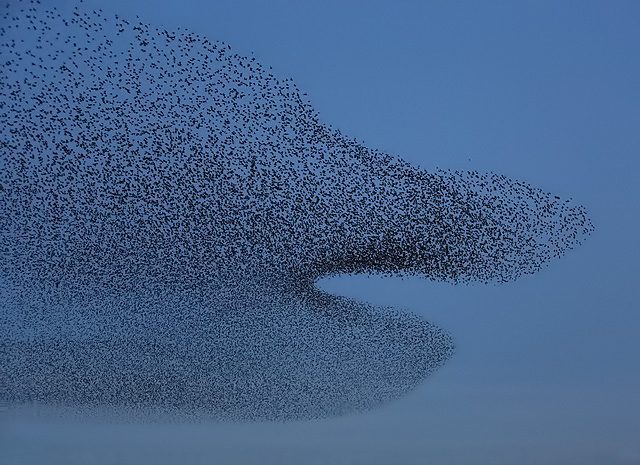
The reaction time required is remarkably fast, around 20-40 milliseconds, representing efficient neural coordination. Furthermore, scientists still cannot explain how these murmurations maintain their cohesive patterns even when attacked by predators or how they achieve their remarkable density without mid-air collisions.
Computer models suggest these movements follow principles similar to systems at critical phase transitions in physics, but why starlings evolved this particular behavior when other flocking birds don’t show the same complex patterns remains unknown.
The murmurations may serve multiple purposes including predator confusion, warmth conservation, and pre-roosting communication, but their extraordinary complexity continues to challenge complete scientific explanation. Thousands of birds move as one fluid entity, making split-second decisions that ripple through the entire flock faster than nerve impulses should allow.
Cuttlefish: The Colorblind Camouflage Artists
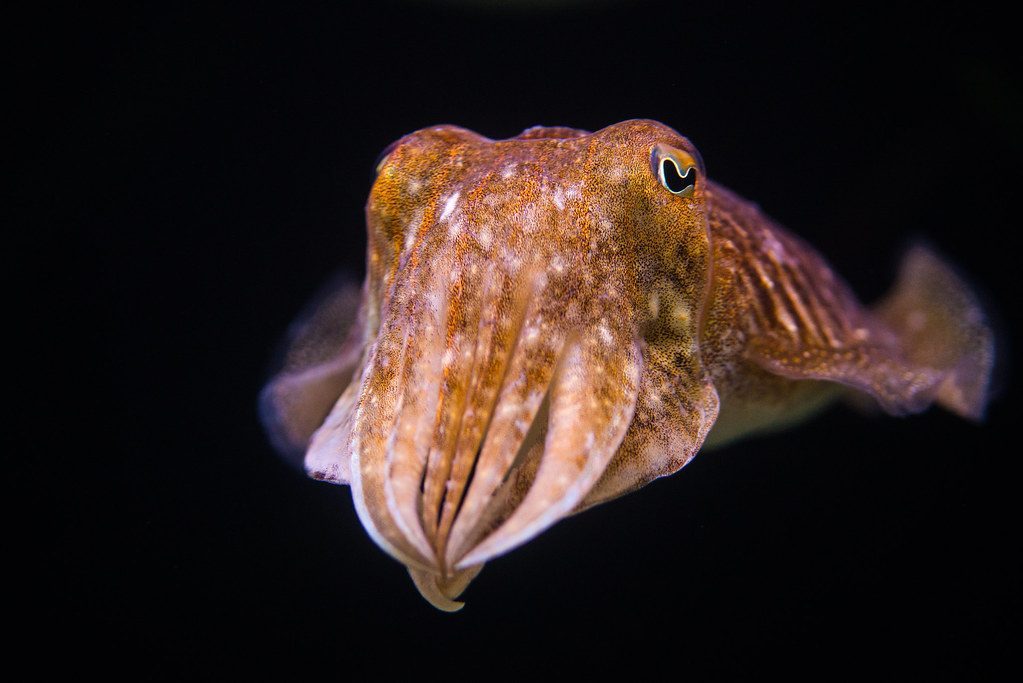
Undergoing a much less permanent transformation, cuttlefish and octopuses can shapeshift into their surroundings, thanks to three specialized layers of skin. The lowest level serves as a reflective background for the upper two. Believe it or not, octopuses and cuttlefish are colorblind. So how do they know what color to adopt? The truth is, we don’t know for sure.
One idea is that they can feel color. Both animals have a special chemical in the tiny fibers on their arms that allows them to sense light. This may help them determine color from the changes in wavelength of light reflected from a surface. It’s also possible the “u” shape of their pupils allows them to perceive differences in color. Their vision blurs when viewing white light because it reflects all colors. Primary colors, like red and yellow, however, appear in focus.
The paradox of colorblind animals creating perfect color matches in real-time remains one of biology’s most intriguing puzzles. Their ability to instantly replicate textures, patterns, and colors they theoretically cannot see challenges our understanding of sensory perception and neural processing.
Conclusion
These eight incredible adaptations represent just a glimpse into the mysteries that still surround us in the natural world. Each one challenges our scientific understanding and pushes the boundaries of what we thought was biologically possible. From chemical reactions that should destroy living tissue to navigation systems more precise than our best technology, these animals possess abilities that seem to defy the laws of physics and biology.
Perhaps what’s most humbling is realizing how much we still don’t know. Despite centuries of scientific advancement, nature continues to surprise us with solutions so elegant and complex that we can barely comprehend them, let alone replicate them. These adaptations remind us that evolution has had billions of years to perfect its designs, creating living systems that operate on principles we’re only beginning to understand.
What do you think about these mysterious animal abilities? Which one amazed you the most?