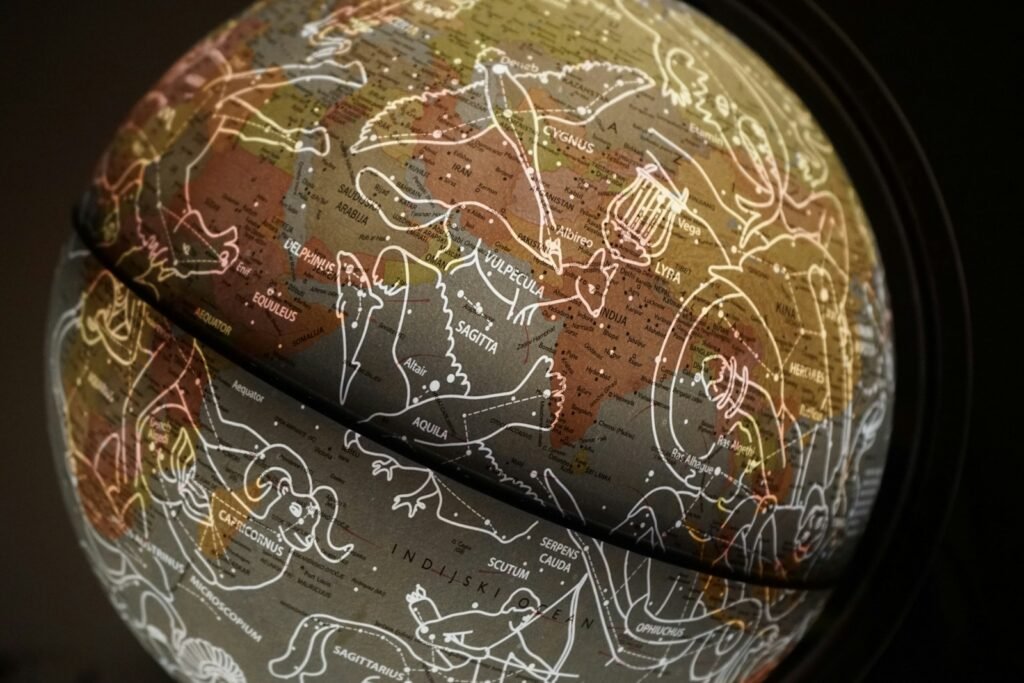

For all the apps, tests, and personality quizzes we use to figure out who we are, one of the most enduring tools for self-discovery is also one of the oldest: the zodiac. To some, horoscopes are harmless fun; to others, they are a guiding framework for love, career, and purpose. But a growing body of research on personality, pattern-seeking, and belief suggests something more intriguing is going on beneath the surface. What if the real power of your zodiac sign is not in the stars themselves, but in the way it nudges your brain to recognize and cultivate hidden strengths? In an age obsessed with self-optimization, science is finally starting to ask a surprisingly serious question about a very old system.
The Hidden Clues: How Zodiac Stories Shape Self-Perception
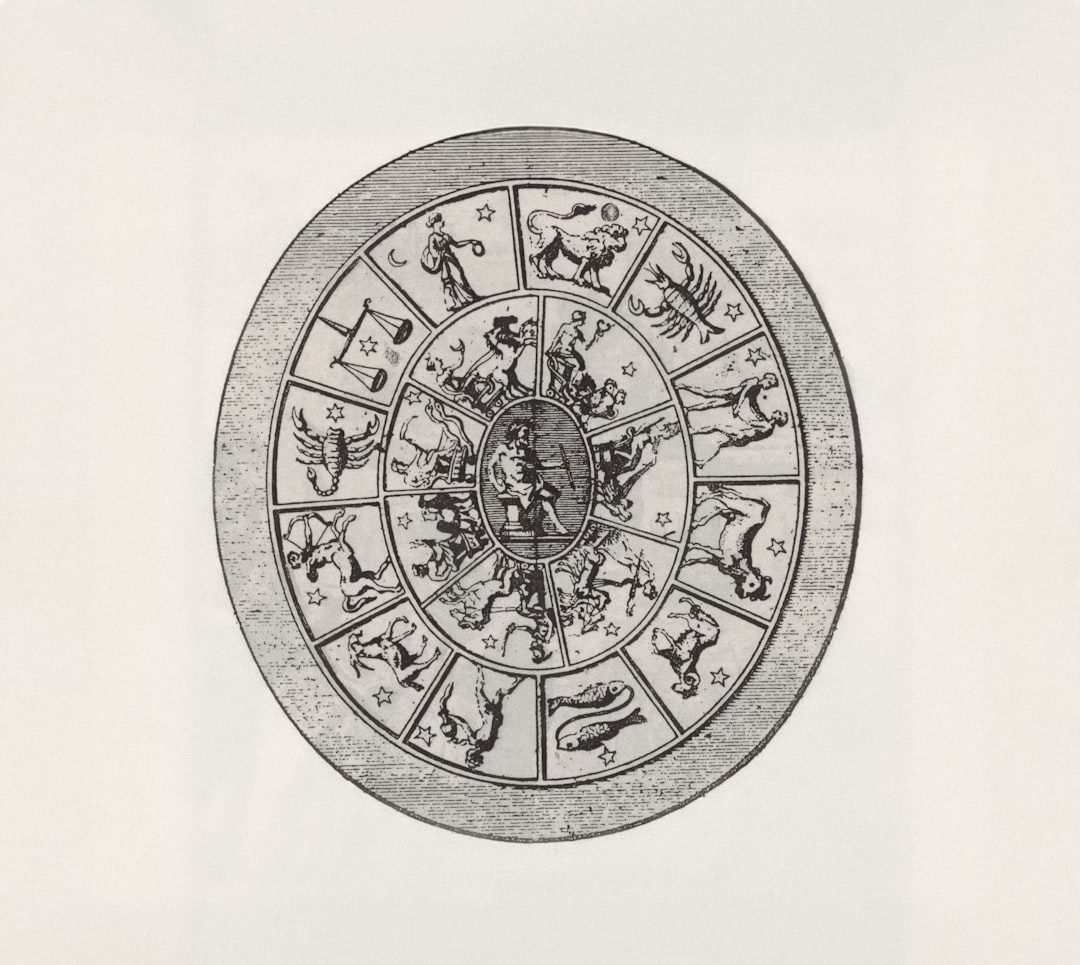
There is something strangely magnetic about reading a description of your sign and thinking, that really sounds like me. Psychologists have long studied this phenomenon under what is known as the Forer or Barnum effect, where people see vague, general statements as uniquely tailored to them, especially when those statements are slightly flattering. When someone who identifies as a Virgo reads that they are detail-oriented and analytical, it does not create that trait out of thin air, but it can act like a spotlight, drawing attention to moments when they behaved that way. Over time, these repeated moments of recognition can turn into a narrative: I am good with details, I love systems, I notice what others miss. That narrative can influence how people choose classes, careers, and even hobbies.
What looks like mysticism from the outside can feel like pattern recognition on the inside. If you grow up hearing that Cancers are nurturing, you may be more likely to notice your own caregiving moments and less likely to dismiss them as ordinary. The zodiac, in that sense, functions less like a cosmic instruction manual and more like a set of sticky labels your mind uses to tag experiences. Those labels can help you notice strengths that formal schooling or standard personality tests never spotlighted. In a world where many people feel overlooked or flattened into categories like introvert or extrovert, the fine-grained language of zodiac archetypes can feel unexpectedly validating.
From Ancient Sky Maps to Modern Personality Science
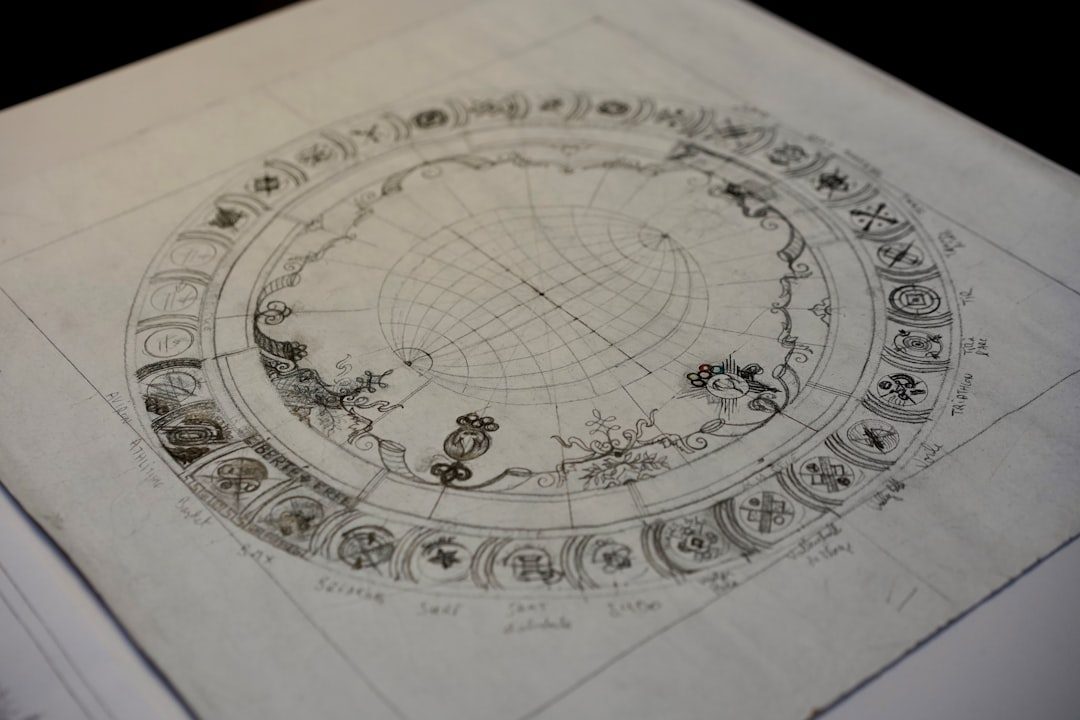
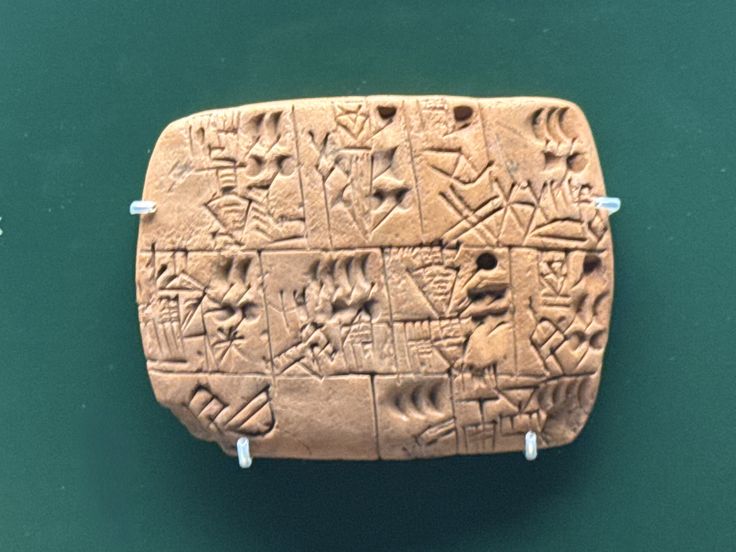
Astrology began as an attempt to find order in a frighteningly unpredictable world, long before modern physics, genetics, or neuroscience existed. Ancient sky watchers in Mesopotamia and later in Greece tracked planetary movements and linked them to events on Earth, building elaborate systems to predict harvests, wars, and individual destinies. For centuries, astrology and astronomy were essentially the same practice; stargazers constructed careful charts and mathematical tables to map heavenly patterns. Only in the last few hundred years did astronomy split off as a testable, quantitative science, leaving astrology in the realm of cultural tradition, symbolism, and belief.
Meanwhile, the science of personality took a very different path. Modern psychology relies on large statistical studies, factor analysis, and standardized assessments like the Big Five personality model, which measures traits such as openness, conscientiousness, and extraversion. When researchers compare zodiac signs to measured personality traits, the results are clear: there is no robust, reproducible evidence that your birth sign predicts your personality better than chance. Yet that is not the end of the story. Interestingly, studies do find that people who strongly believe in astrology often report feeling better understood and more satisfied when reading sign-based descriptions, pointing to a powerful psychological effect that science cannot ignore.
What Neuroscience Suggests About “Destiny” and Talent
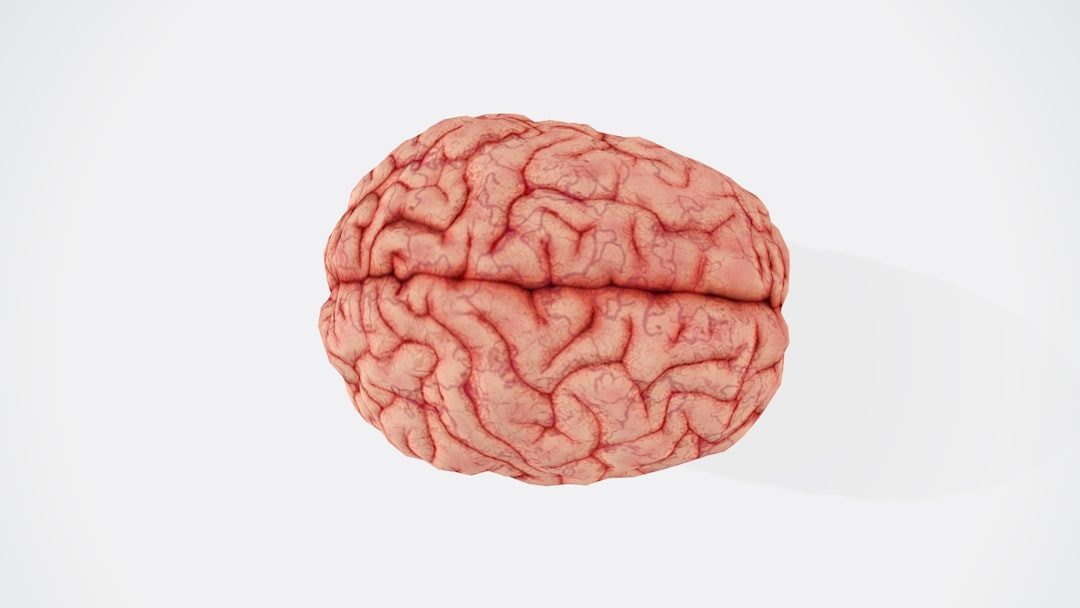
Modern neuroscience cannot tell you whether a Leo is naturally dramatic, but it can tell you how belief and attention reshape the brain. When you repeatedly focus on certain aspects of yourself, such as being creative, bold, or empathic, you reinforce the neural pathways associated with those behaviors. Over time, this kind of focused practice and self-expectation can act like a self-fulfilling prophecy. If you think of yourself as a natural communicator because your sign is known for it, you might speak up more, volunteer for presentations, or practice storytelling. Each of those experiences trains your brain’s networks for language, confidence, and social cognition.
Researchers studying mindset have shown that how you frame your abilities can dramatically change what you attempt and how you persist. People who believe their talents are malleable rather than fixed tend to take on more challenges, bounce back faster from failure, and ultimately perform better. In this light, zodiac-based identities can play a curious role. They provide a script that you can either cling to rigidly or use as a launch pad to explore, experiment, and grow. The real magic is not in planetary positions but in the brain’s remarkable capacity to rewire itself around the stories we keep repeating.
The Hidden Talents We Overlook: What Zodiac Archetypes Actually Highlight
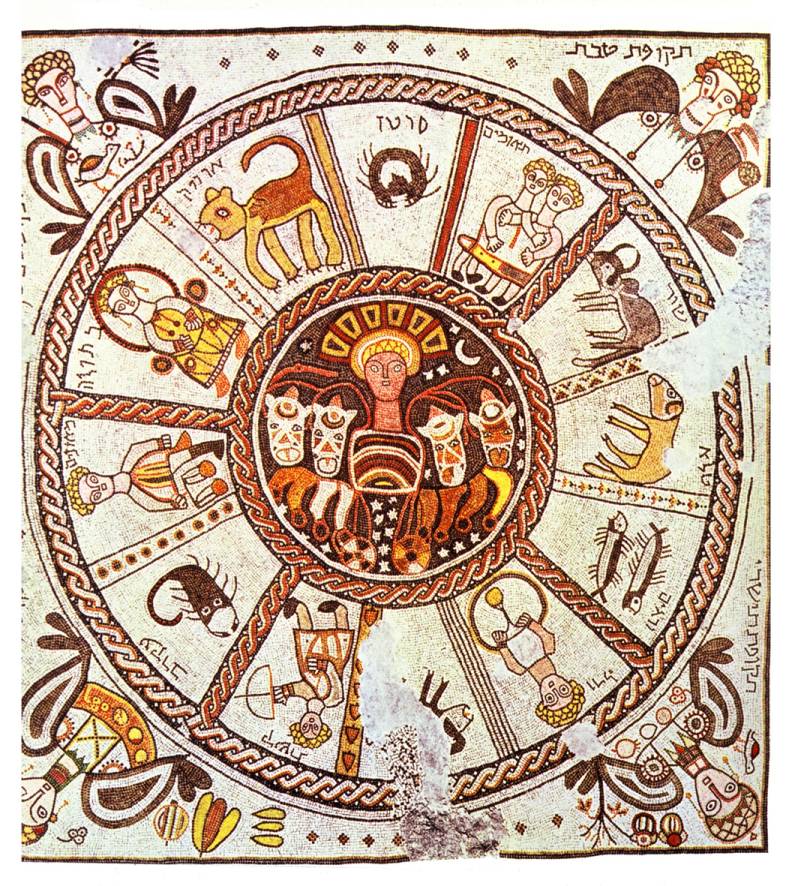
Strip away the celestial backstory for a moment, and what you are left with in most zodiac descriptions is a rich menu of human strengths. Aries is often associated with courage and initiative, Taurus with persistence and sensory appreciation, Gemini with curiosity and flexibility, and so on. These archetypes loosely echo traits that psychologists measure, but they present them in more vivid, narrative form. Instead of calling someone high in conscientiousness, you might see them as a meticulous Virgo who spots flaws others ignore. That narrative language can make abstract traits feel more concrete and actionable.
What makes this interesting from a scientific angle is how these archetypes sometimes draw attention to underappreciated abilities. Signs associated with emotional depth, like Cancer or Pisces, implicitly highlight skills in empathy, listening, and emotional pattern recognition – capacities that modern workplaces increasingly value but still rarely measure formally. Signs tied to creativity or imagination may nudge people toward artistic or unconventional paths they otherwise would have dismissed as impractical. In this way, zodiac systems act like unofficial catalogs of talents, especially the softer, harder-to-quantify ones that traditional testing tends to miss.
Why It Matters: Beyond Horoscopes and Toward Better Self-Knowledge
It is tempting to shrug off astrology as entertainment, but that misses a deeper question: why do so many people turn to it when trying to make sense of their lives? In an era of data-driven everything, from streaming algorithms to hiring software, many people feel reduced to scores and categories that say little about their inner world. Zodiac frameworks, for all their scientific weaknesses, offer something those tools often lack: a sense of narrative, nuance, and mythic meaning. They let you cast yourself as a character with a backstory, strengths, weaknesses, and a path to growth, and that alone can be a powerful psychological anchor.
From a science perspective, the real stakes are not about proving or disproving star signs, but about understanding how people construct identity and find motivation. If a self-description feels resonant, people are more likely to act in line with it, practice relevant skills, and reinterpret setbacks as part of a larger journey. Compared with traditional career tests that spit out a list of jobs, zodiac-inspired reflection invites ongoing curiosity: does this description fit me, where does it miss, and what does that say about who I want to become? Used critically, it can complement evidence-based tools, encouraging people to engage more actively with their own development instead of waiting passively for an assessment result to define them.
Global Perspectives: A World of Star Systems and Self-Stories
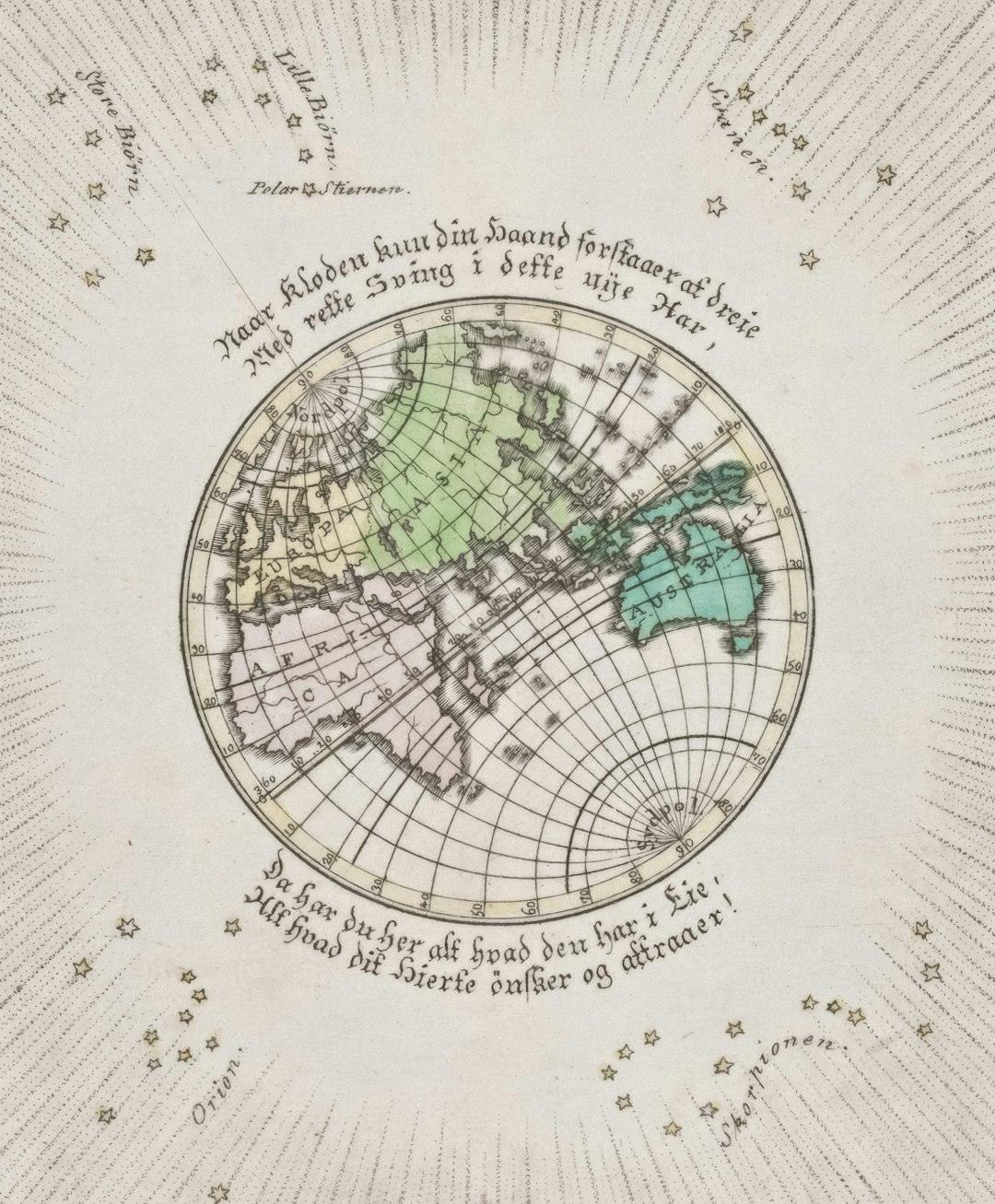
Astrology is not a single, uniform system, but a global patchwork of traditions and star-based storytelling. Western zodiac signs are only one example; in China, the twelve-year cycle of animal signs shapes how generations think about personality and compatibility. In India, Vedic astrology uses a different sky map and calculations, folding destiny and duty into an intricate spiritual framework. Indigenous cultures around the world have linked seasonal stars with stories about animals, ancestors, and natural cycles, often using them to teach children about behavior and community values. Across these traditions, the common thread is the use of the sky as a giant narrative canvas for human traits.
What is striking is not whether any one system is factually correct, but how consistently people reach for these frameworks to talk about who they are. In many communities, your sign becomes part of your social shorthand, joining your name, family background, and profession as a piece of identity. That can create both comfort and pressure. Some people feel boxed in by expectations tied to their sign, while others feel seen in a way that standardized psychological language never provided. For scientists studying belief, culture, and behavior, this global persistence of star-based identity is a signal that astronomy alone cannot explain away.
Science vs. the Stars: What Studies Actually Show
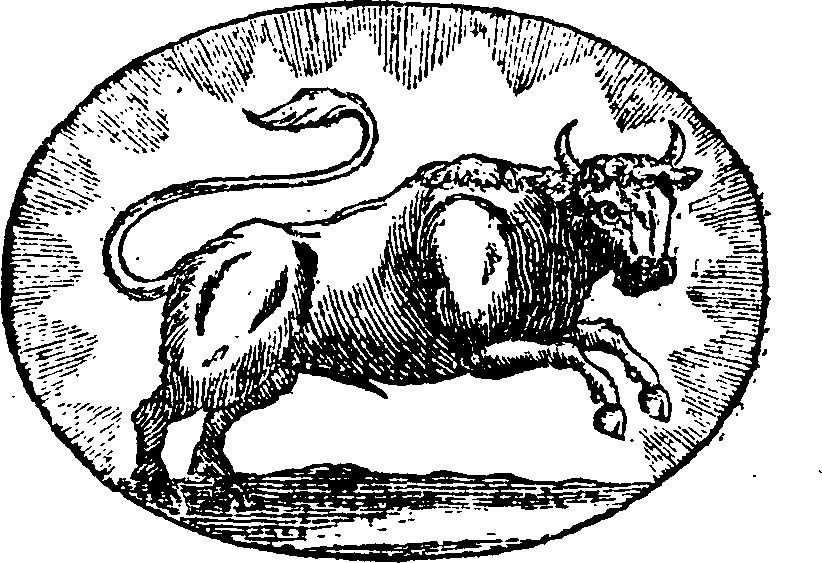
When researchers put astrology to the test under controlled conditions, the results are consistently sobering for true believers. Well-designed studies have found that astrologers do not match charts to real individuals better than chance when they lack identifying information. When people are given descriptions supposedly tailored to their exact birth chart but actually identical across participants, the vast majority still rate them as highly accurate. This shows how hungry the human mind is to find itself in any rich, flattering description. From the standpoint of predictive science, zodiac signs simply do not outperform random guessing.
Yet those same studies also reveal why astrology remains so sticky. People often use horoscope-style material as a starting point for reflection rather than as a strict prediction. They cherry-pick what resonates, discard what does not, and weave the rest into their existing life story. This is not unique to astrology; people do the same with personality tests, self-help books, and even scientific articles about behavior. The difference is that astrology wears its mythic nature openly, while other systems feel more official. In both cases, the real work of self-discovery happens in the conversation you have with yourself afterward.
The Future Landscape: Can Tech Turn Star Stories into Useful Tools?
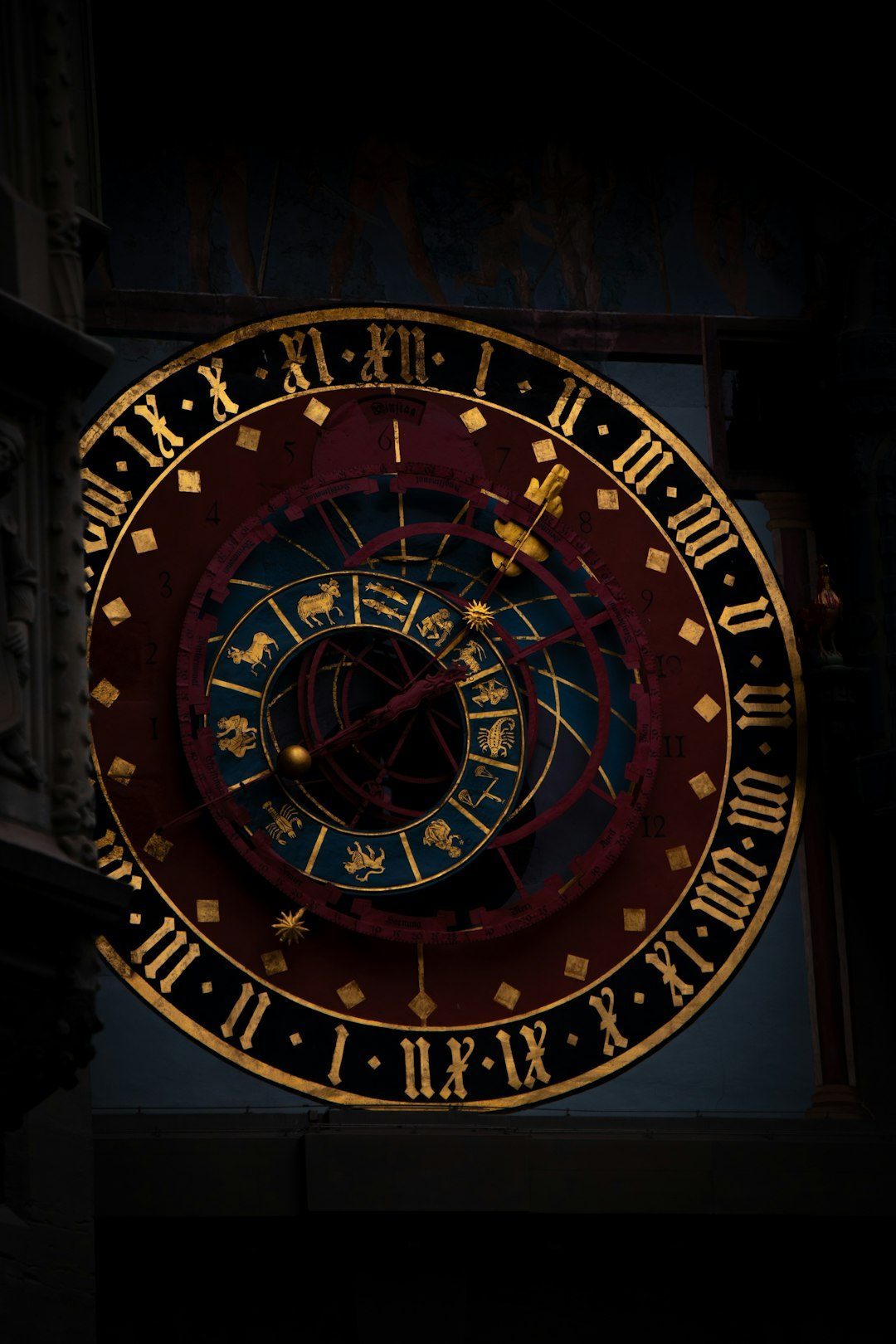
Looking ahead, the most interesting developments are unlikely to be in proving horoscopes right, but in merging narrative frameworks with rigorous data. Already, apps blend zodiac content with journaling prompts, mood tracking, and behavioral nudges, encouraging users to turn vague archetypes into specific daily actions. Imagine a system that takes your self-described sign traits, compares them with evidence-based personality and strengths assessments, and then suggests concrete exercises. If you lean into your so-called Leo confidence, the app might pair that narrative with research-backed public speaking practice or leadership micro-challenges. The astrology becomes a familiar entry point; the science provides the scaffolding.
At the same time, there are serious questions to answer about ethics, accuracy, and psychological impact. Any tool that claims to decode your personality, whether rooted in data or in myth, risks encouraging fatalism if used carelessly. There is also the danger of companies using sign-based content as another layer of personalization for marketing, nudging people in ways that feel intimate but are ultimately driven by profit. The challenge will be to design systems that respect the symbolic, cultural power of astrology while staying honest about what is and is not supported by evidence. If that balance can be struck, the future might see star-inspired tools that help people explore talents more creatively without surrendering critical thinking.
Taking It Personally: How to Use Zodiac Insight Without Losing Your Skepticism
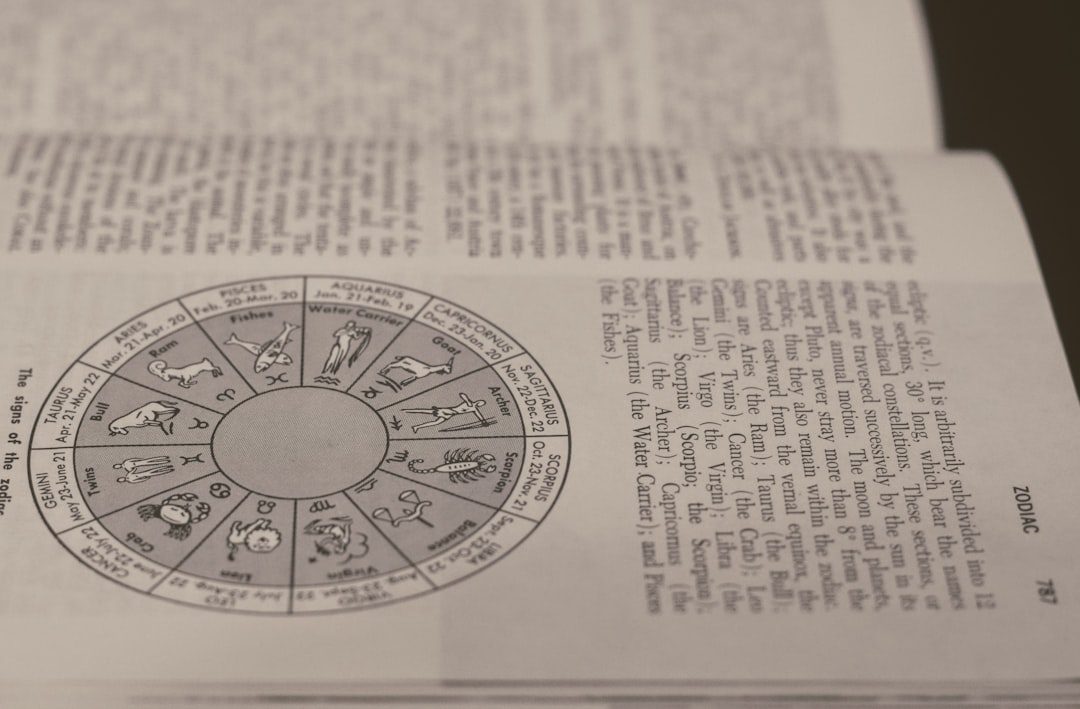
If you are curious about whether your zodiac sign hides clues to your talents, the most productive approach is both playful and skeptical. Treat sign descriptions as prompts rather than prophecies. When you read that your sign is innovative, nurturing, strategic, or artistic, ask yourself where you have actually seen those qualities in your life, even in small ways. Then test them. Try a new project, volunteer role, or creative outlet that fits that theme and see how it feels in practice. In this way, your sign becomes less a rulebook and more like a brainstorming partner.
It can also help to flip the script and look for traits you supposedly lack. If your sign is said to be impulsive, explore moments where you have been cautious and thoughtful. This challenges the tendency to cram your whole identity into a single story, whether that story comes from astrology, a personality test, or a social label. Combining zodiac narratives with grounded tools – such as skills inventories, feedback from trusted friends, or structured reflection – can give you a fuller map of your abilities. The goal is not to obey the stars, but to use every language available, mythic and scientific alike, to see yourself more clearly.
Conclusion: Turning Star Stories into Real-World Experiments
The next time you check your horoscope or read about your sign, resist the urge to ask whether it is objectively true. Instead, ask a different question: how can I turn this into a testable experiment in my own life? Pick one quality often linked with your sign that feels even slightly plausible – persistence, creativity, empathy, boldness – and design a simple, real-world challenge around it this week. Share your intention with a friend, teammate, or family member and ask for honest feedback on what they actually observe. Treat the outcome as data rather than destiny, and adjust your self-story accordingly.
You can also support a more thoughtful culture around personality and talent by championing evidence-based tools alongside the narratives people already love. Encourage conversations that ask not just what sign someone is, but what strengths they have noticed in themselves lately and how they are practicing them. If you enjoy astrology, keep enjoying it, but let it be the beginning of your inquiry, not the end. Your hidden talents are not written in the sky; they are written, slowly and experimentally, in what you decide to notice, nurture, and repeat.
Suhail Ahmed is a passionate digital professional and nature enthusiast with over 8 years of experience in content strategy, SEO, web development, and digital operations. Alongside his freelance journey, Suhail actively contributes to nature and wildlife platforms like Discover Wildlife, where he channels his curiosity for the planet into engaging, educational storytelling.
With a strong background in managing digital ecosystems — from ecommerce stores and WordPress websites to social media and automation — Suhail merges technical precision with creative insight. His content reflects a rare balance: SEO-friendly yet deeply human, data-informed yet emotionally resonant.
Driven by a love for discovery and storytelling, Suhail believes in using digital platforms to amplify causes that matter — especially those protecting Earth’s biodiversity and inspiring sustainable living. Whether he’s managing online projects or crafting wildlife content, his goal remains the same: to inform, inspire, and leave a positive digital footprint.