Every year, billions of birds embark on journeys that would humble the most seasoned traveler. From tiny hummingbirds crossing vast mountain ranges to Arctic terns flying from pole to pole, these creatures accomplish feats that push the boundaries of what we might consider physically possible. Long-distance migrants typically move from breeding ranges in the United States and Canada to wintering grounds in Central and South America, migrating birds can cover thousands of miles in their annual travels, often traveling the same course year after year with little deviation.
Picture this: a four-ounce bird crossing entire oceans without stopping, navigating with pinpoint accuracy to return to the exact same nesting site year after year. Arctic terns undertake pole-to-pole roundtrips spanning approximately 44,000 miles – a record, believed to be the world’s longest migration of any animal. The mystery isn’t just how they do it, but why they bother at all. Let’s dive into the fascinating world of bird migration and uncover the remarkable reasons behind these epic journeys.
The Primary Driving Force: Food and Survival
Finding food generally is believed to be the main driver. Additional motivations could include to escape from inclement weather and to reduce exposure to predators or parasites, especially during breeding season. Think of migration as nature’s ultimate restaurant hopping strategy. The northern hemisphere experiences an explosion of protein-rich insects during the long days between May and August, which make ideal food for growing chicks.
When winter arrives and food becomes scarce in northern regions, birds face a simple choice: adapt to survive on limited resources or travel to where food remains abundant. Most choose the journey. The primary motivation for migration appears to be food; for example, some hummingbirds choose not to migrate if fed through the winter. In addition, the longer days of the northern summer provide extended time for breeding birds to feed their young.
This isn’t just about convenience. In northern regions such as Canada and Scandinavia, and temperate regions, such as the UK, about half the species migrate – especially insect-eaters. These species visit in spring to take advantage of the high numbers of insects, but wouldn’t have enough food if they stayed here through winter. In tropical regions, such as the Amazon rainforest, a lower proportion of species migrate long distances, since the climate and food supply there are more abundant and consistent all year round.
The Quest for Perfect Breeding Conditions
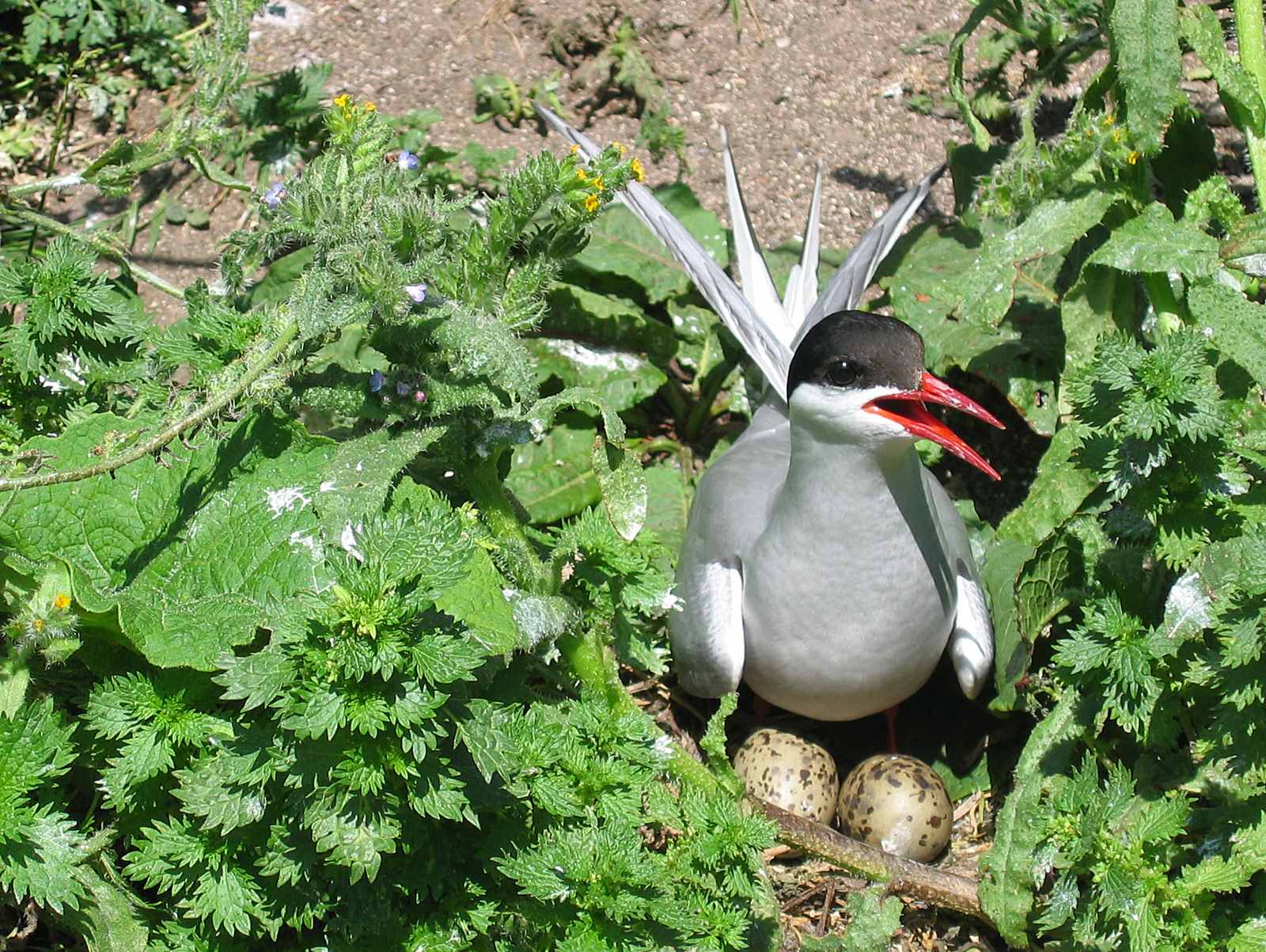
Migrating for food goes hand-in-hand (or in this case, wing-in-wing) with another major reason birds migrate: nesting. Birds migrate to find a mate, make a nest, lay their eggs, and raise their young where there are ample resources to support them. Breeding and nesting are the most important things birds do from a biological and evolutionary perspective, and they need a lot of resources to do it successfully. The Arctic provides something tropical regions simply cannot: nearly endless daylight during summer months.
Imagine trying to feed hungry chicks with only twelve hours of daylight versus having nearly twenty-four hours to hunt for food. This helps diurnal birds to produce larger clutches than related non-migratory species that remain in the tropics. As the days shorten in autumn, the birds return to warmer regions where the available food supply varies little with the season.
The timing is everything. Birds have evolved to synchronize their breeding with peak food availability in their chosen locations. Many species return to the same nesting territories year after year, sometimes even the same tree or cliff face. This site fidelity ensures they’re returning to proven successful breeding locations rather than gambling on unknown territory.
Climate Patterns and Weather Systems

In a NASA-led study published in the Bulletin of the American Meteorological Society, scientists have linked this variability to large-scale climate patterns originating thousands of miles away. They found that variability in the west region was strongly linked to regional air and sea surface temperature in the adjacent (Pacific) Ocean. They found that variability in the east region, however, was more strongly linked to large-scale atmospheric disturbances called Rossby waves. Weather isn’t just a challenge birds must overcome during migration – it’s actually one of the triggers that initiates their journey.
Migration can be triggered by a combination of changes in day length, lower temperatures, changes in food supplies, and genetic predisposition. Birds are essentially living weather stations, capable of detecting atmospheric pressure changes and temperature shifts that signal the approach of seasonal changes. Above-average temperatures are causing birds to migrate earlier in the spring.
Rossby waves can be triggered in the tropical Pacific, thousands of kilometers away, and propagate all the way over to the U.S., providing the climatic conditions we associate with these bird migration patterns. This ultimately impacts bird migration in both regions. These global weather patterns create favorable wind conditions that birds have learned to exploit, turning what could be an energy-draining flight into a more efficient journey.
Genetic Programming and Inherited Instructions

They’ve evolved over thousands of years and are controlled at least partially by the genetic makeup of the birds. Perhaps most remarkably, young birds often make their first migration completely alone, following instructions encoded in their DNA. They also inherit from their parents the directions in which they need to fly in the autumn and spring, and if the parents each have different genetically encoded directions, their offspring will end up with an intermediate direction. For example, if a southwest-migrating bird is crossed with a southeast-migrating bird, their offspring will head south when the time comes.
First-year birds often make their very first migration on their own. This genetic programming is like having a built-in GPS system that activates at specific times of the year. In their first autumn, young birds follow inherited instructions such as “fly southwest for three weeks and then south-southeast for two weeks.” If they make a mistake or are blown off course, they are generally unable to recover because they do not yet have a functioning map.
The precision of this genetic programming is astounding. Birds inherit not just the general direction to travel, but also the duration of each leg of their journey. Many long-distance migrants appear to be genetically programmed to respond to changing day length. This internal clock ensures they begin their journey at the optimal time, neither too early when conditions might be harsh, nor too late when food sources at their destination might be depleted.
The Sophisticated Navigation System

They have at least three different compasses at their disposal: one allows them to extract information from the position of the sun in the sky, another uses the patterns of the stars at night, and the third is based on Earth’s ever present magnetic field. Birds possess what might be the most sophisticated navigation system in the natural world, combining multiple sensory inputs to maintain their course across thousands of miles.
Our experimental evidence suggests something extraordinary: a bird’s compass relies on subtle, fundamentally quantum effects in short-lived molecular fragments, known as radical pairs, formed photochemically in its eyes. That is, the creatures appear to be able to “see” Earth’s magnetic field lines and use that information to chart a course between their breeding and wintering grounds. They literally see magnetic fields as visual patterns overlaid on their normal vision.
Many use obvious physical landmarks like mountain ranges, river valleys or coastlines to guide them. Others travel more directly, even if this means crossing dangerous stretches of desert or sea. The combination of magnetic, celestial, and landmark navigation creates a redundant system that ensures birds can find their way even when one navigation method becomes unreliable due to weather conditions or other factors.
Energy Efficiency and Wind Exploitation

Scientists recently discovered the birds make several thousand-mile detours to capitalize on global wind patterns and preserve energy. The sprawling migration represents a necessary hunt for resources. What might appear to be inefficient wandering is actually sophisticated energy management. Birds take seemingly indirect routes that actually minimize energy expenditure by riding favorable wind currents.
Rather than taking the most direct route between poles, these birds follow a complex S-shaped pattern, taking advantage of prevailing global wind systems to conserve energy. This strategic use of global wind patterns helps the birds minimize energy expenditure during their marathon migration. Think of it like planning a road trip where you choose routes based on traffic patterns and gas stations rather than pure distance.
Some large broad-winged birds rely on thermal columns of rising hot air to enable them to soar. These include many birds of prey such as vultures, eagles, and buzzards, but also storks. These birds migrate in the daytime. Different species have evolved different energy-saving strategies. While some birds rely on thermal updrafts during the day, others have adapted to migrate at night when wind patterns are more favorable and predator pressure is reduced.
Extreme Migration Records
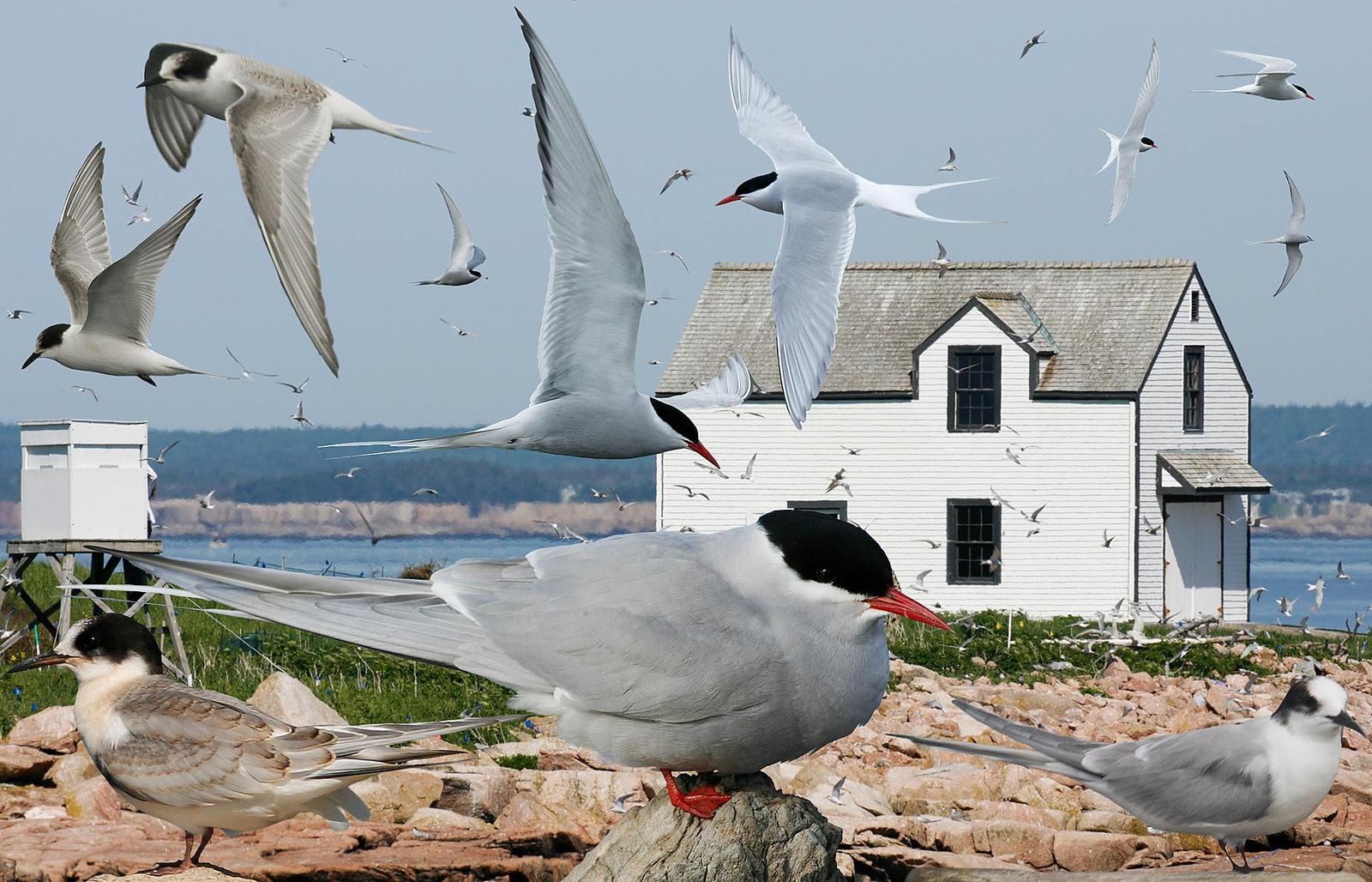
Arctic Terns can travel over 44,000 miles during their annual migration from Arctic to Antarctic regions and back, representing one of the longest migrations recorded – the equivalent of flying around the circumference of the Earth twice, plus 10,000 miles. These numbers are almost beyond comprehension for land-bound humans.
A bar-tailed godwit (Limosa lapponica), known by its tag number “234684”, flew 13,560 kilometres (8,435 miles) from Alaska to the Australian state of Tasmania without stopping for food or rest, breaking the record for the longest non-stop migration by a bird. According to the 5G satellite tag attached to its lower back, the epic journey started on 13 October 2022 and continued for 11 days and one hour without the bird landing once.
The Arctic Tern often lives 30 years or more, and according to researchers, an arctic Tern may migrate over 1 million miles during its lifespan. Interestingly, this distance equals three trips to the moon and back. To put this in perspective, a single Arctic tern will travel farther in its lifetime than most humans will travel in multiple lifetimes combined, even with modern transportation.
Physical Adaptations for Long-Distance Flight
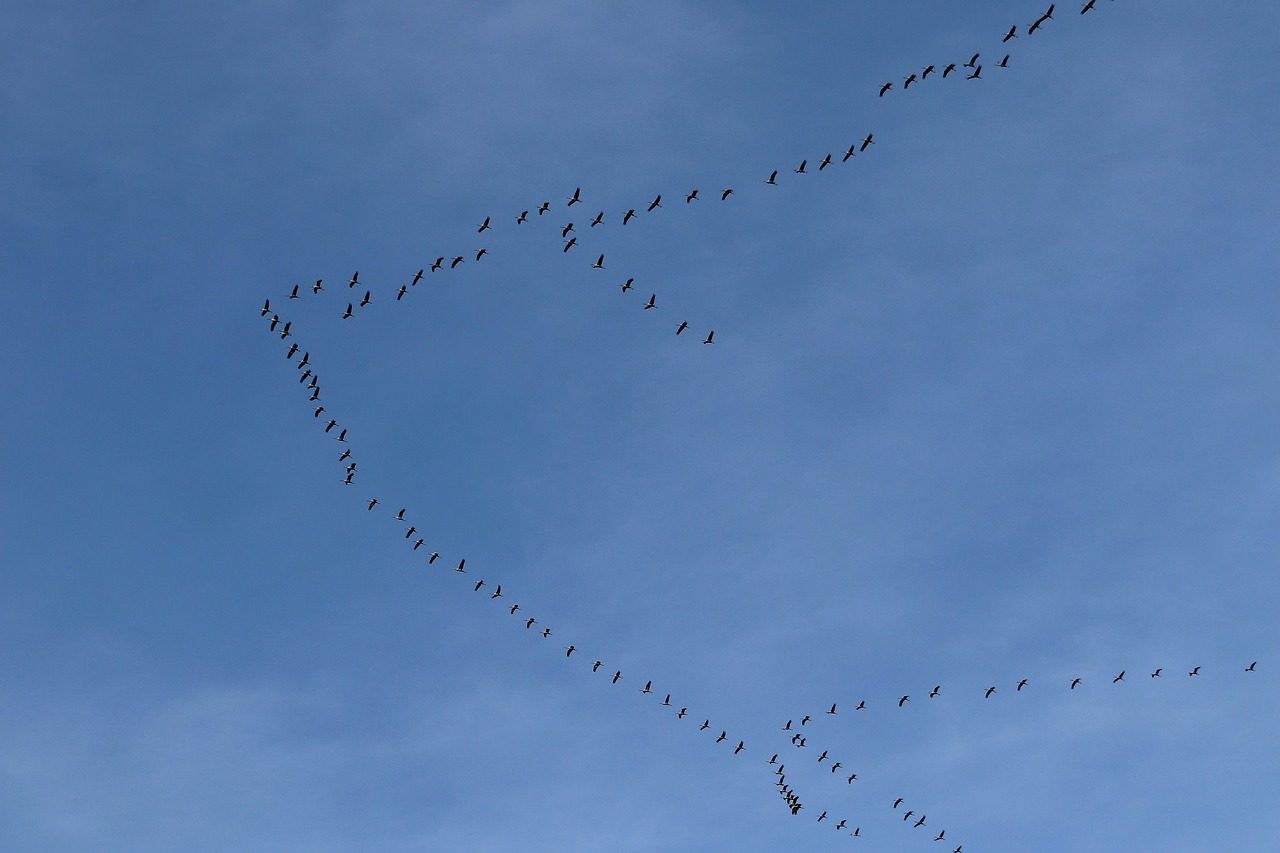
They undertake the longest non-stop migrations of any bird, and to fuel they carry the greatest fat loads of any migratory bird so far studied, reducing the size of their digestive organs to do so. Birds undergo remarkable physical transformations before migration that would be impossible for most other animals to survive.
To prepare for this marathon flight, godwits nearly double their body weight before departure, converting much of their internal organs into fuel during the journey – an extreme physiological adaptation. Imagine if you had to shrink your stomach and intestines to make room for energy storage, then live off your own body fat for eleven days straight while running a marathon.
Birdlife Tasmania convenor Eric Woehler said the bird probably lost “half or more of its body weight during continuous day and night flight.” These birds become flying fuel tanks, converting nearly every available space in their bodies into energy storage. During the flight, they gradually consume not just their fat reserves but actually metabolize parts of their own organs that they can temporarily live without.
Climate Change Impacts on Migration Timing
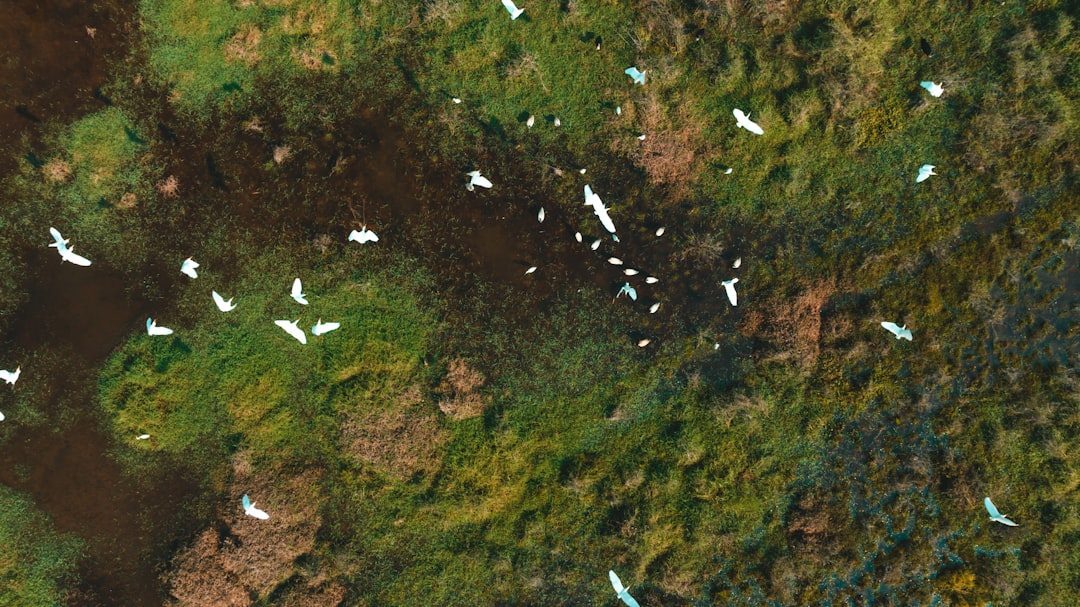
However, with warm weather arriving earlier each spring on average for the last several decades, the annual green-up of trees and shrubs and the seasonal boom of insects are arriving earlier as well. Climate change has also increased the frequency of severe weather events like “false springs,” which can spell disaster. The delicate timing that birds have relied on for thousands of years is being disrupted by rapid climate change.
As climate change pushes insect emergence earlier in the spring, birds face pressure to adjust their migration timeline or risk arriving exhausted from their journey after the peak hatching has already ended. This creates a dangerous mismatch between when birds arrive and when their food sources are most abundant.
Insect hatches are advancing much more rapidly than bird migration and breeding, and bird species that breed later in the season like Purple Martins and Tree Swallows may miss critical foraging windows if they are unable to advance their egg-laying dates to keep pace. Some bird species are adapting by adjusting their migration timing, but not all species are equally flexible. Those that rely on day length as their primary migration trigger may struggle more than those that can respond to temperature changes.
Conservation Challenges and Human Impact

The physical stress of the trip, lack of adequate food supplies along the way, bad weather, and increased exposure to predators all add to the hazards of the journey. In recent decades long-distant migrants have been facing a growing threat from communication towers and tall buildings. Migration has always been dangerous, but human activities have added new hazards that birds haven’t had time to evolutionarily adapt to.
Sea level rise threatens critical coastal stopover habitats used by many long-distance migrants, with studies suggesting that significant portions of important shorebird refueling sites could be threatened by sea level rise by 2100. These stopover sites are like gas stations along a transcontinental highway – lose too many of them, and the entire journey becomes impossible.
But fewer and fewer of them are returning each year, with Cuckoos, Turtle Doves and Spotted Flycatchers all in real decline. There are many reasons behind these declines, but it’s clear climate change and habitat loss are playing a key part. The birds that have been making these incredible journeys for millennia now face challenges they’ve never encountered before in their evolutionary history.
Bird migration represents one of nature’s most extraordinary phenomena, driven by the fundamental needs for food and successful reproduction. Taking a journey that can stretch to a round-trip distance of several thousand miles is a dangerous and arduous undertaking. It is an effort that tests both the birds’ physical and mental capabilities. These incredible journeys showcase the remarkable adaptations that evolution can produce over thousands of years.
As we face an era of rapid environmental change, understanding and protecting these migration patterns becomes increasingly crucial. The challenges facing these migratory champions highlight the need for international conservation efforts that span political boundaries, much like the birds themselves. In an age of rapid environmental change, these remarkable journeys stand as powerful reminders of nature’s resilience and ingenuity – and of our responsibility to ensure these epic travelers can continue.
What do you think about these incredible journeys? Have you ever witnessed the spectacle of migrating birds passing overhead during their epic travels?