
Black holes used to live mostly in science fiction paperbacks and late-night documentaries, but in the last decade they’ve crashed into the headlines like cosmic celebrities. Telescopes on Earth and in orbit are now catching them in the act: colliding, feeding, warping space and time in ways that still leave seasoned astronomers stunned. At the same time, black holes sit at the heart of some of the biggest mysteries in physics, from how galaxies form to what happens to information in the universe. As our tools sharpen, the picture gets weirder, not simpler. Here are ten of the most jaw-dropping truths we’ve learned so far about these dark engines of the cosmos.
The Monster in Our Backyard: There’s a Black Hole at the Center of the Milky Way
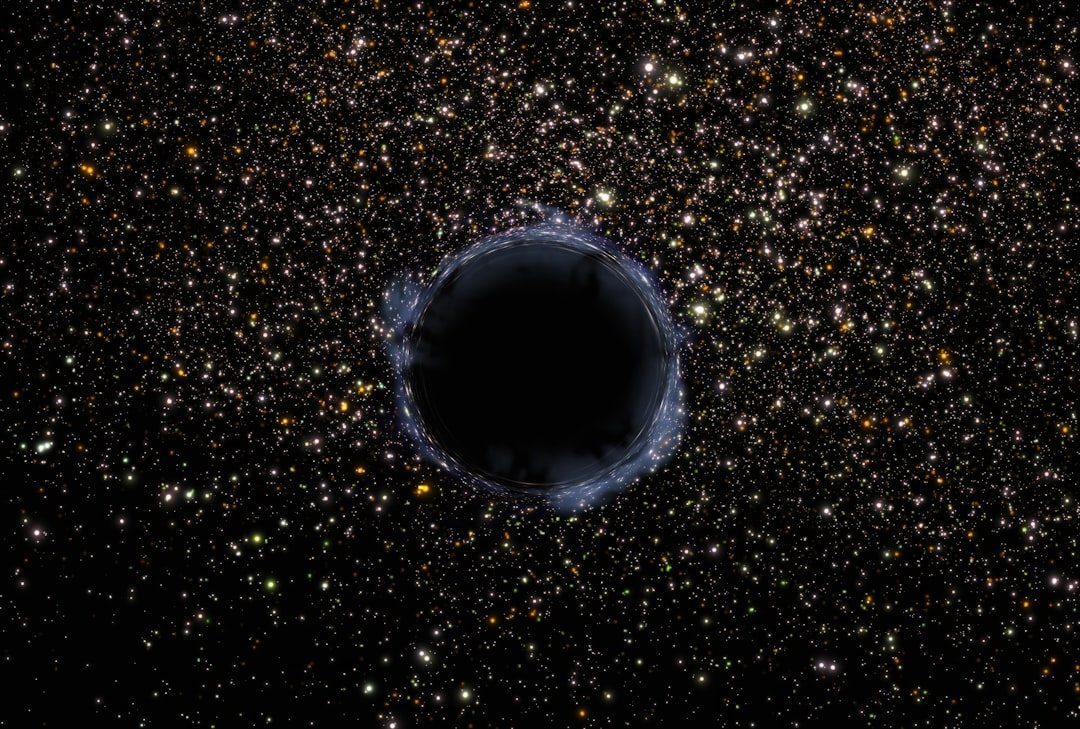
It sounds like a horror tagline, but it’s literally true: our galaxy is orbiting a black hole roughly four million times more massive than the Sun. This object, called Sagittarius A*, lurks about twenty-six thousand light-years away in the direction of the constellation Sagittarius, hidden behind clouds of gas and dust. Astronomers proved it was there by tracking stars whipping around an invisible point at breakneck speeds, like fireflies slingshotting around a campfire you cannot see. One star, known as S2, orbits the black hole in just about sixteen years and dives closer to it than Pluto does to our Sun. To pull that off without flying apart, something incredibly compact and heavy has to be doing the yanking – and a supermassive black hole is the only thing that fits the bill.
When the Event Horizon Telescope collaboration released the first image of Sagittarius A* in 2022, it felt almost surreal: a ring of glowing gas framing a dark central shadow. This was the silhouette of the event horizon itself, the point of no return where gravity becomes inescapable. For many astronomers, seeing the picture was like finally meeting a character you’d only ever known from theory and math. The fact that our entire galaxy, including our Solar System, is swirling around this dark anchor is unsettling and oddly comforting at the same time. We owe the Milky Way’s structure in part to a gravitational monster we can never see directly with our eyes.
Black Holes Can Weigh as Much as Billions of Suns
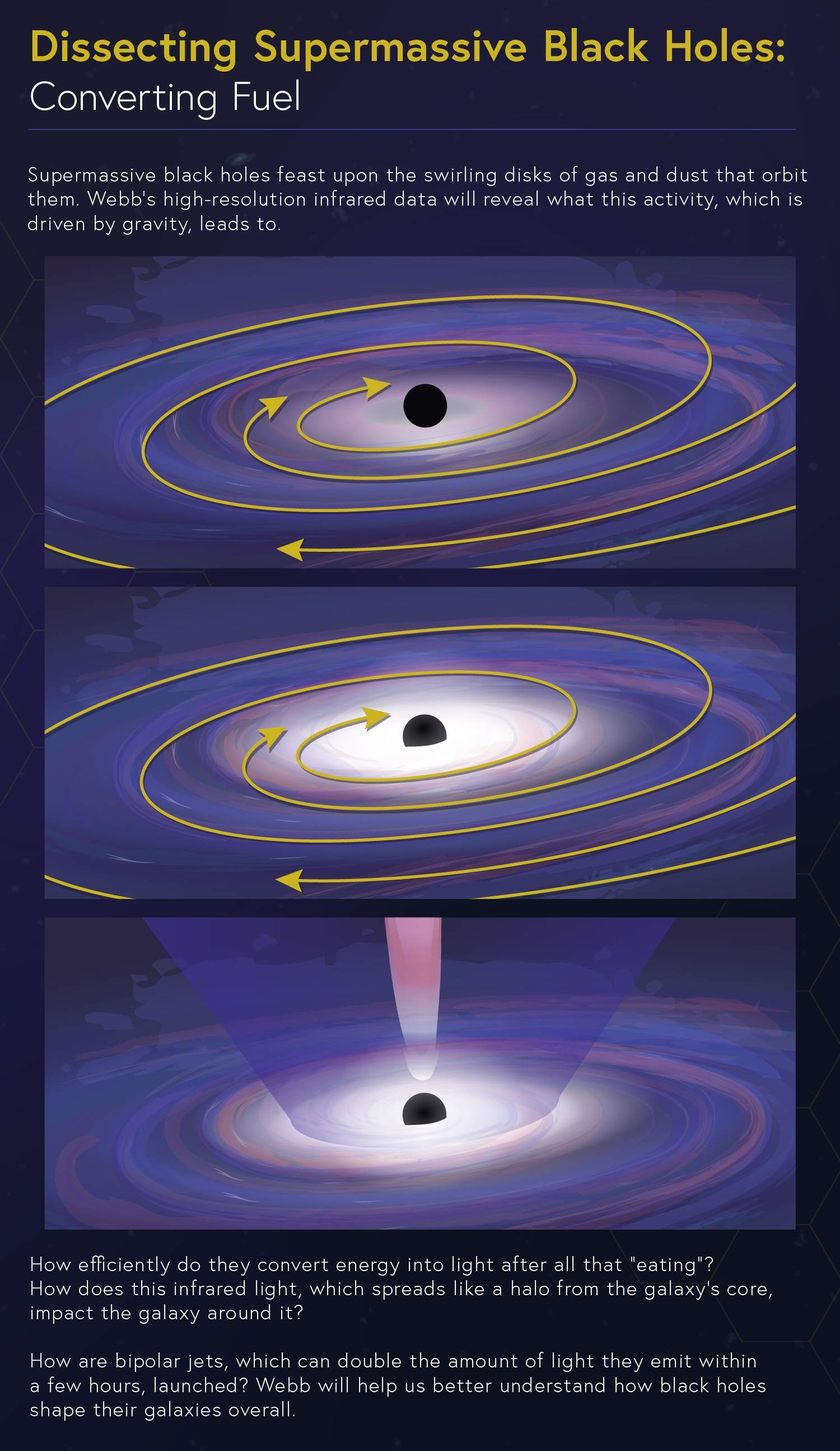
If a four-million-solar-mass black hole sounds big, it’s a lightweight next to the true giants. At the centers of distant galaxies, astronomers have found black holes so massive they make Sagittarius A* look like a rounding error. Some tip the cosmic scales at billions of times the mass of the Sun, crammed into a region no bigger than our Solar System. To put that in human terms, it’s like packing the mass of all the people on Earth into a single grain of sand, then multiplying that compression by an unimaginable factor. These are the supermassive black holes that power quasars, the brightest continuous beacons in the universe.
Even more mind-bending is how quickly some of these behemoths appear to have grown. Observations of quasars when the universe was still in its cosmic childhood show objects that already weighed hundreds of millions of solar masses. That means they somehow bulked up astonishingly fast after the Big Bang, defying early expectations of how slowly black holes should grow by swallowing gas and stars. Researchers are now scrambling to understand whether they were born large, perhaps from the collapse of gigantic primordial clouds, or whether exotic growth spurts are at play. Either way, these heavyweight champs are reshaping theories about how the first galaxies assembled.
Time Really Does Slow Down Near a Black Hole
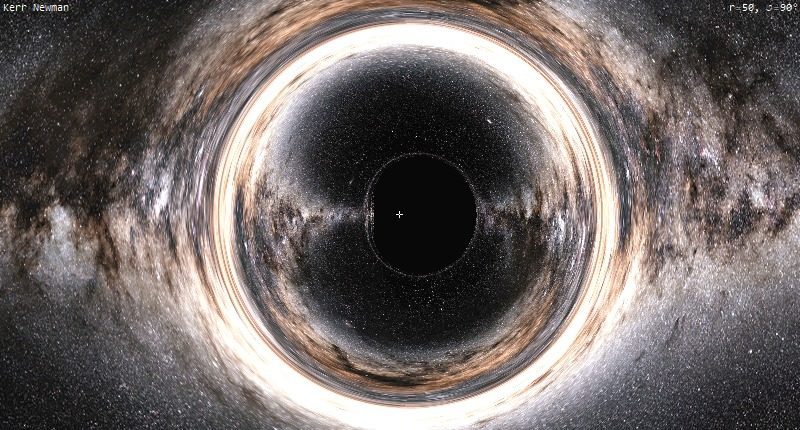
The idea that time itself can stretch and warp sounds like philosophy, but around a black hole, it’s cold, hard physics. Einstein’s general relativity predicts that strong gravity slows the passage of time relative to regions where gravity is weaker, and black holes are the ultimate test case. If you watched a clock falling toward a black hole, you’d see its ticks get farther and farther apart as it approached the event horizon. From your distant vantage point, the clock would seem to freeze at the edge, never quite crossing over. To the falling clock, though, nothing special would happen at that exact boundary – it would tick on, unaware that the outside universe had effectively hit fast-forward.
This time-stretching isn’t just theoretical hand-waving; we already correct for milder versions of it in GPS satellites orbiting Earth. Near a black hole, the effect becomes so extreme that science fiction plots about time travel start to feel uncomfortably plausible. Spend an hour skimming just outside the event horizon of a supermassive black hole and, depending on the details, many years could pass for someone waiting safely far away. That sort of cosmic jet lag raises eerie questions about what “now” even means when gravity can carve different timelines through the same universe. Black holes force us to admit that time is not the even, universal river we once thought – it’s more like a landscape of shifting currents and whirlpools.
Some Black Holes Spin Almost as Fast as the Speed of Light
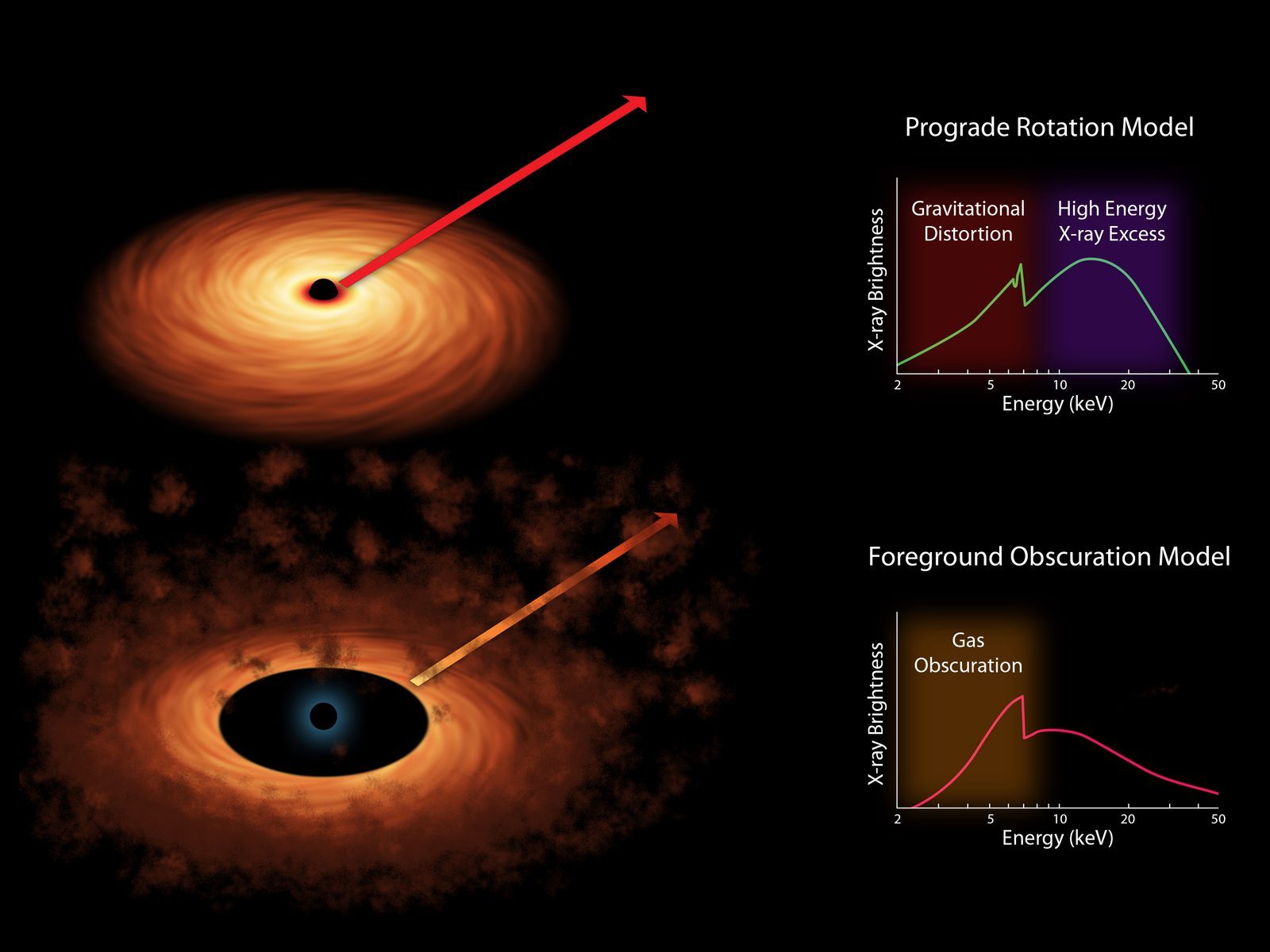
It’s wild enough that space can collapse into a black hole, but many of them also spin at staggering rates. When a massive star collapses or galaxies collide, angular momentum gets trapped along with the mass, and the resulting black hole can end up whirling like a cosmic figure skater pulling in their arms. Measurements of X-rays from hot gas spiraling around certain black holes suggest that their event horizons are spinning at close to the speed of light. The faster they spin, the more they drag surrounding spacetime into a twisted, corkscrew motion, a phenomenon called frame dragging. It’s as if the black hole grips space itself and forces it to rotate.
This rotation is not just a technical detail; it determines how much energy a black hole can release into its environment. Rapidly spinning black holes can power colossal jets that blast out from galaxy centers, shooting charged particles across millions of light-years. They may also be key players in gravitational-wave fireworks, since spin affects the signals produced when black holes merge. In a way, each spinning black hole is like a cosmic flywheel, storing rotational energy that can be tapped under the right conditions. That picture turns black holes from passive sinks into dynamic engines, capable of shaping entire galaxies.
Black Holes Can Collide – and We Can Hear Them
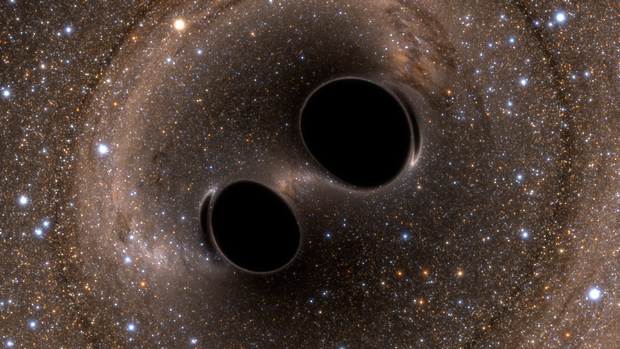
For most of human history, the idea that we could “listen” to colliding black holes would have sounded like fantasy. That changed in 2015, when the Laser Interferometer Gravitational-Wave Observatory (LIGO) picked up a faint ripple in spacetime from two black holes merging more than a billion light-years away. These ripples, called gravitational waves, are distortions in the fabric of space produced by violent cosmic events, a prediction of general relativity that had gone undetected for a century. What made the discovery especially gripping was how it turned abstract math into an audible signal that scientists could literally convert into a sound. The final moments of the collision produced a brief chirp, rising in pitch as the black holes spiraled together.
Since that first detection, observatories in the United States, Europe, and Japan have recorded dozens of black hole mergers, building a new kind of astronomy that doesn’t rely on light at all. Each event tells a story about the masses, spins, and orbits of the black holes involved, offering clues about how they formed. In some cases, the merged object is heavier than expected, hinting that it may have already been through a previous collision. In others, the data suggest weird tilts and twists, as if the black holes came together in chaotic environments like star clusters. Gravitational-wave astronomy is still in its early days, but it’s already revealing a hidden population of black holes we never knew existed.
Black Holes Might Help Explain How Galaxies Grow
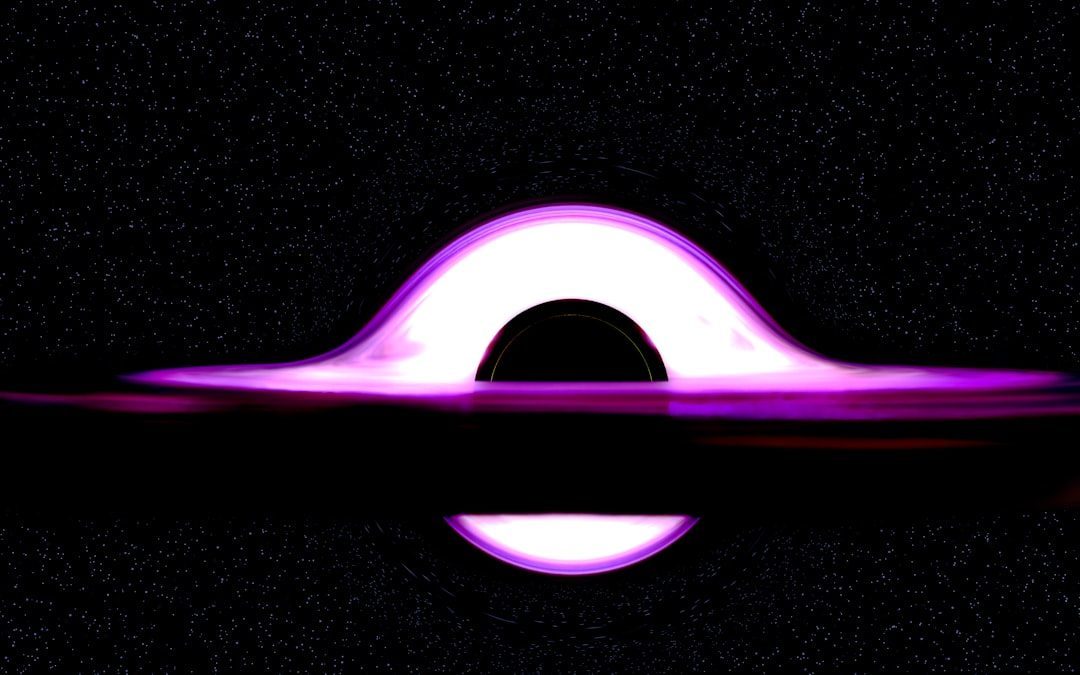
One of the most surprising twists in modern cosmology is the tight relationship between black holes and the galaxies that host them. Observations show that the mass of a galaxy’s central black hole is closely linked to properties of the galaxy’s bulge of stars, even though the black hole itself is tiny compared with the galaxy. That suggests a deep feedback loop: as the black hole feeds on gas, it can blast energy back out in the form of radiation and jets, which in turn shape star formation across the entire galaxy. In a sense, a relatively small object at the core acts like a thermostat, regulating the growth of the much larger system around it. Without that regulation, many galaxies might look radically different today.
This idea has flipped the old picture on its head. For a long time, black holes were treated as end-of-life curiosities, the cosmic leftovers of dead stars. Now they look far more like architects, influencing how much gas remains available for new stars and how structures assemble over billions of years. Galaxy clusters show dramatic examples, with giant black holes inflating cavities in hot gas that can stretch for hundreds of thousands of light-years. By pumping energy into their surroundings, they keep that gas from cooling too quickly and turning into stars. It’s a counterintuitive role for something famous for swallowing everything near it: sometimes, by feeding, black holes prevent galaxies from growing out of control.
Why It Matters: Black Holes Push Physics to Its Breaking Point
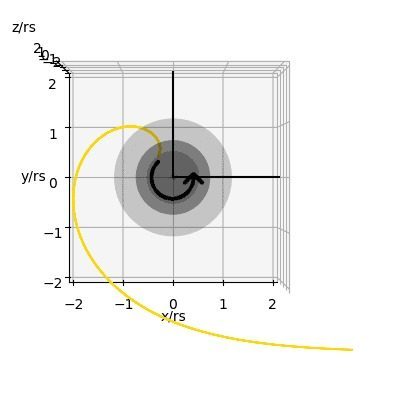
It’s fair to ask why humans on a small blue planet should care about distant objects that swallow light. The blunt answer is that black holes sit exactly where our current theories of reality start to fall apart, and that makes them priceless. At their centers, traditional general relativity predicts a singularity where density and curvature go to infinity, a clear sign that the math has been pushed beyond its zone of validity. At the same time, when you try to describe black holes using quantum mechanics, you run into vicious paradoxes about what happens to information that falls in. This clash between gravity and quantum theory is not just an academic spat – it’s a warning that our patchwork understanding of nature is incomplete.
Studying black holes is like stress-testing the universe’s operating system to see where it crashes. Any future theory that successfully unifies gravity with quantum physics will have to make sense of black holes, including puzzles like Hawking radiation and the so-called information problem. That, in turn, could ripple through other areas, from the Big Bang to dark energy. On a more immediate level, the technologies built to hunt black holes, from ultra-stable lasers to sophisticated data analysis tools, already spill over into other fields. When we chase these dark beasts, we’re not just filling in an astronomical checklist; we’re probing the limits of what reality can be.
The Future Landscape: Next-Generation Eyes on the Dark
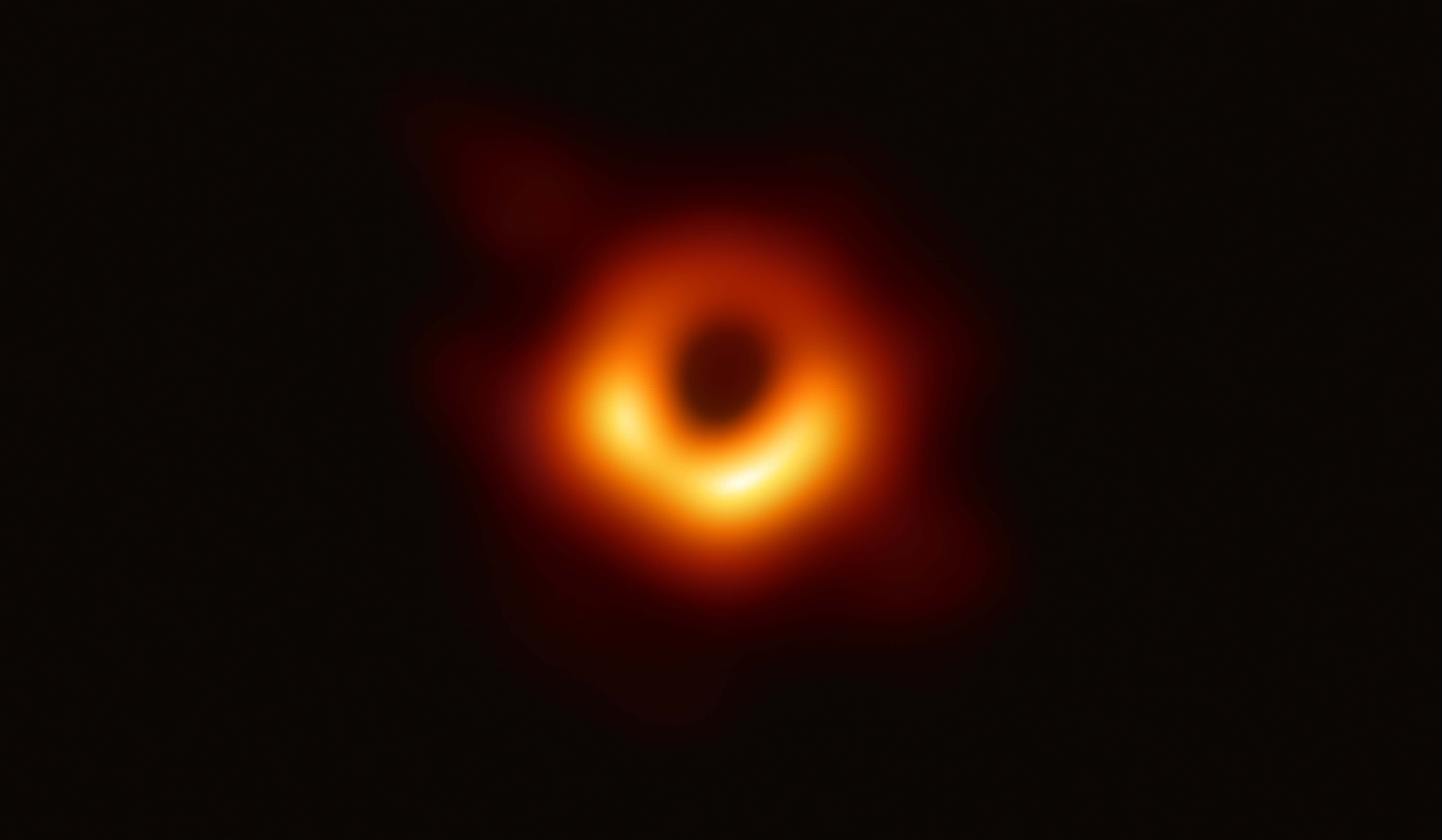
Despite the leaps of the last decade, we are probably still at the “early radio” stage of black hole exploration, the equivalent of hearing only the loudest stations through static. That is set to change dramatically with the next wave of observatories. The planned space-based gravitational-wave mission known as LISA will be sensitive to much lower frequencies than current detectors, ideal for catching supermassive black holes colliding at the hearts of galaxies. On the electromagnetic side, new X-ray telescopes and radio arrays will sharpen our images of gas swirling around event horizons, turning fuzzy rings into high-definition movies. These missions will not just detect more black holes; they will dissect their behavior in real time.
With better data will come new headaches and new opportunities. We may find black holes in mass ranges once thought impossible, or in environments that break current formation models. Cosmologists are already wondering whether a hidden population of primordial black holes formed shortly after the Big Bang could help explain some dark matter puzzles. Machine-learning tools are being trained to sift through torrents of gravitational-wave and telescope data, flagging oddities humans might miss. What emerges over the next twenty or thirty years could be a far stranger black hole zoo than anything imagined today, forcing textbook rewrites and, quite possibly, a rethink of cosmic history.
How You Can Engage with the Black Hole Revolution
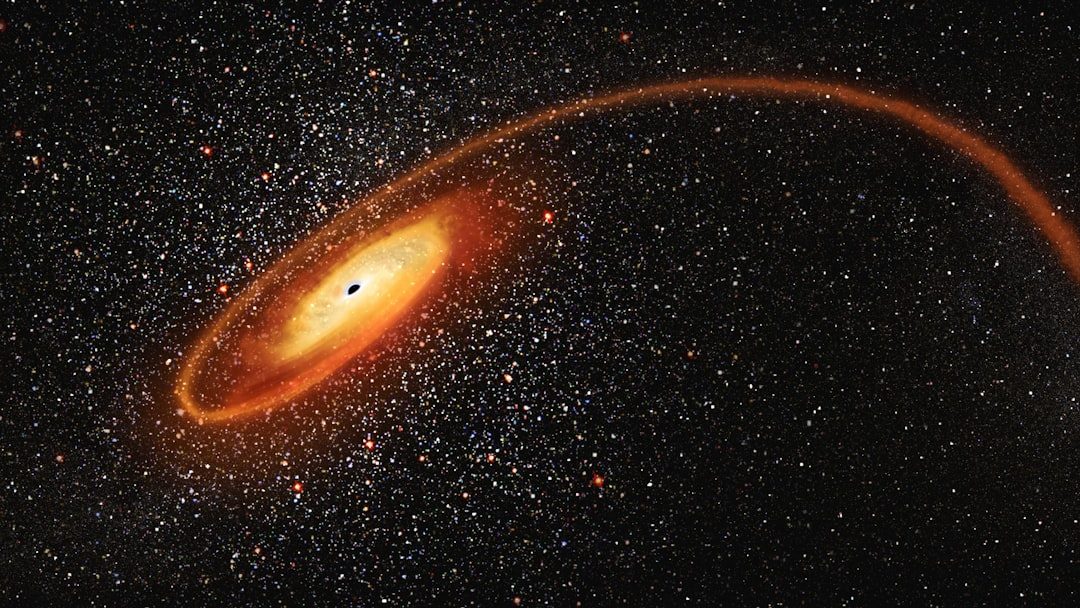
Black holes might feel impossibly distant, but engaging with this field is easier than it has ever been. Public data from gravitational-wave observatories, major telescopes, and sky surveys are increasingly open to anyone with curiosity and an internet connection. Citizen-science platforms often host projects where volunteers help classify galaxies, spot unusual events, or comb through light curves looking for hidden signals. On a simpler level, following major astronomy collaborations and observatories on trusted channels can turn your news feed into a front-row seat on fresh discoveries. The next dramatic black hole announcement you see might be one you had a small role in enabling.
If you’re drawn to the deeper questions, supporting science education and basic research – through local institutions, scholarships, or outreach programs – has real impact. Many of the most spectacular black hole findings were made with instruments planned and funded decades ago, long before anyone knew exactly what they would reveal. Keeping that pipeline alive means backing projects whose payoff may come far in the future. Even something as low-key as visiting a planetarium with a friend, or sharing clear, accurate explanations on social media, can help push public understanding away from myths and toward the awe-inspiring reality. In a universe where darkness hides some of the most amazing physics, your curiosity is a surprisingly powerful light.
Suhail Ahmed is a passionate digital professional and nature enthusiast with over 8 years of experience in content strategy, SEO, web development, and digital operations. Alongside his freelance journey, Suhail actively contributes to nature and wildlife platforms like Discover Wildlife, where he channels his curiosity for the planet into engaging, educational storytelling.
With a strong background in managing digital ecosystems — from ecommerce stores and WordPress websites to social media and automation — Suhail merges technical precision with creative insight. His content reflects a rare balance: SEO-friendly yet deeply human, data-informed yet emotionally resonant.
Driven by a love for discovery and storytelling, Suhail believes in using digital platforms to amplify causes that matter — especially those protecting Earth’s biodiversity and inspiring sustainable living. Whether he’s managing online projects or crafting wildlife content, his goal remains the same: to inform, inspire, and leave a positive digital footprint.