Skyscrapers, dams, and bridges tend to steal the spotlight when we talk about great engineering, but some of the most astonishing builders on Earth never pour a single drop of concrete. All over the planet, animals are quietly raising towers, digging mega-tunnels, and designing climate-controlled cities using nothing more than instinct, cooperation, and local materials. For decades, scientists dismissed much of this as “just instinct,” but that story is changing fast. New tools in field biology, imaging, and computational modeling are revealing strategies that look uncannily like those used by human architects and civil engineers. The result is a growing realization: if we want to design smarter buildings and infrastructure, we might need to start treating animals as our rival engineers – and sometimes, as our teachers.
Living Skyscrapers: Termite Mounds With Built-In Air Conditioning
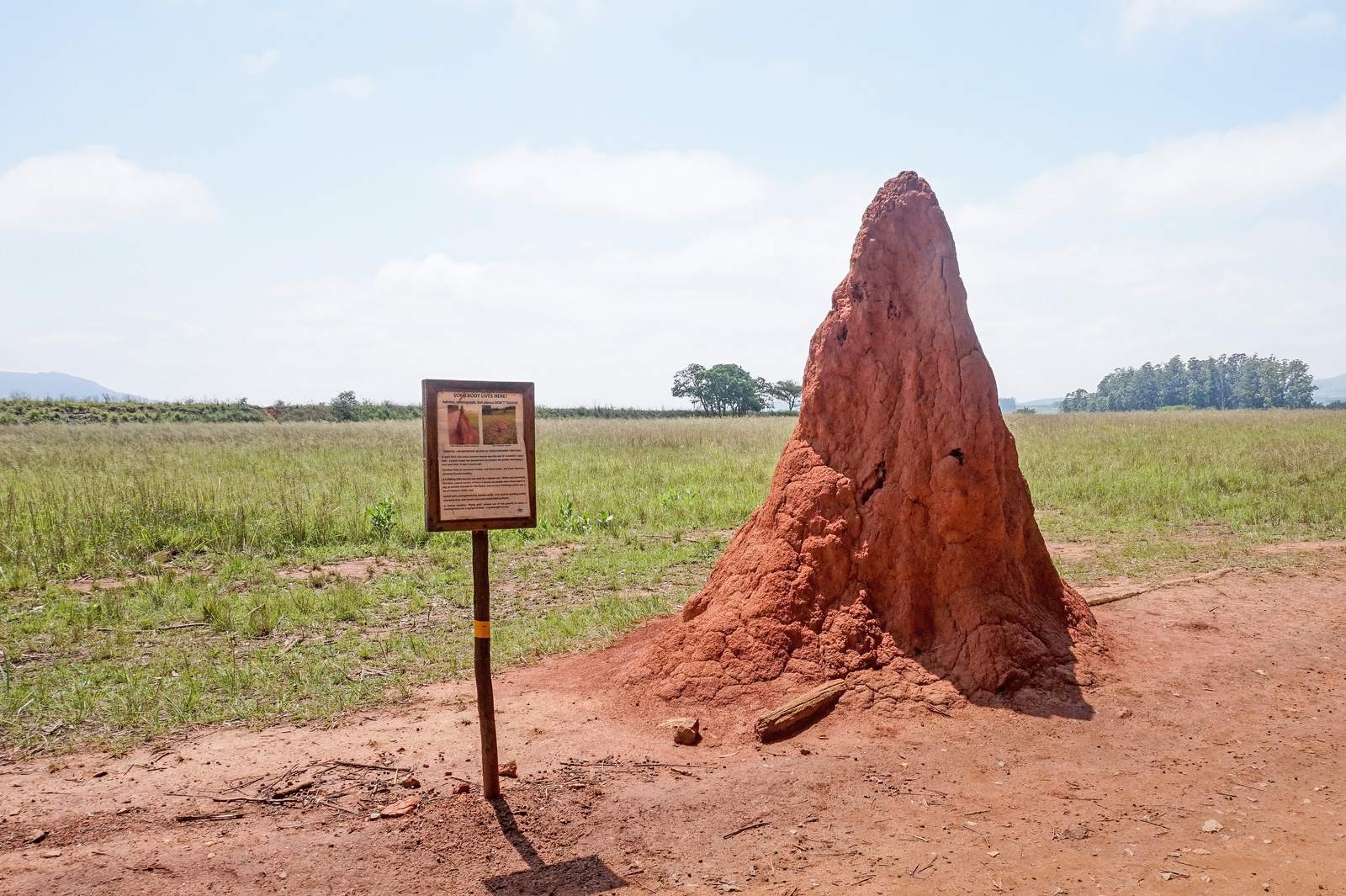
Walk across the African savanna or parts of northern Australia and you might stumble upon what looks like a cluster of clay skyscrapers, some taller than a person, all built by insects that each weigh less than a raindrop. These are termite mounds, and far from being simple dirt piles, they’re intricately ventilated structures that keep the nest interior remarkably stable despite scorching days and chilly nights. Inside, millions of termites live, farm fungus, and rear their young in a climate hovering around a narrow temperature and humidity range. To do that, they rely on a labyrinth of vents, shafts, and porous walls that manage airflow almost like a natural mechanical system.
Researchers using sensors and 3D scans have found that many mounds exploit daily temperature shifts and wind patterns to drive convection currents, drawing in fresh air and flushing out carbon dioxide. The walls act as both insulation and a kind of breathable membrane, allowing tiny pressure differences to move air without fans or pumps. Human architects have started taking notes, with some office buildings now modeled on termite mounds to reduce reliance on air conditioning. What looks, at first glance, like mindless mud-work turns out to be decentralized, evolutionary engineering that solves the same problem faced by any high-rise in Phoenix or Dubai: how to keep the inside livable while the outside swings wildly.
Subterranean Mega-Cities: Naked Mole-Rats and Prairie Dogs as Master Excavators
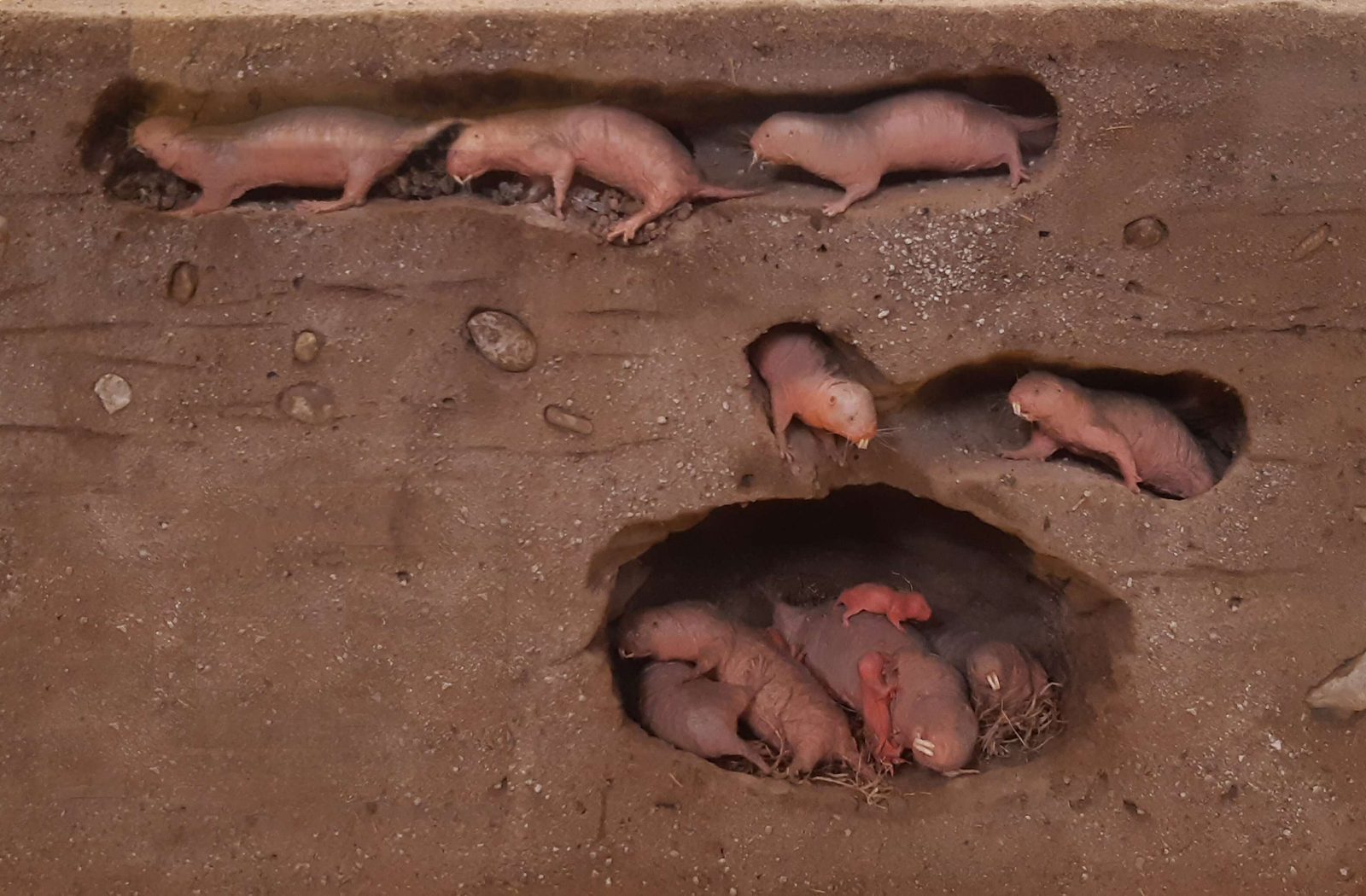
Beneath grasslands and semi-arid regions, societies of small mammals have carved out networks that would put many subway maps to shame. Naked mole-rats in East Africa and prairie dogs in North America create tunnel systems stretching for hundreds, sometimes thousands, of feet, with junctions, side rooms, dedicated nesting chambers, and even waste dumps. These are not random burrows; they’re organized spaces where air, food, and social life all have to flow efficiently. For a human engineer, digging such a network would require surveying, ventilation plans, and structural support. For these animals, the blueprints are encoded in behavior and refined by natural selection.
Studies using ground-penetrating radar and careful excavations reveal that these tunnels are often optimized for minimal energy cost: foraging branches radiate from central “highways,” so animals can reach food patches with the least amount of digging. Ventilation is managed by opening and closing specific entrances, using pressure differences created by wind and temperature gradients. Some prairie dog towns have been documented spanning many acres, with population structures and disease dynamics reminiscent of human cities. When urban planners talk about walkability, connectivity, and efficient use of space, they are grappling with problems that mole-rats and prairie dogs have already “solved” with tooth and claw.
Architects of Water: Beavers and Their Landscape-Scale Engineering
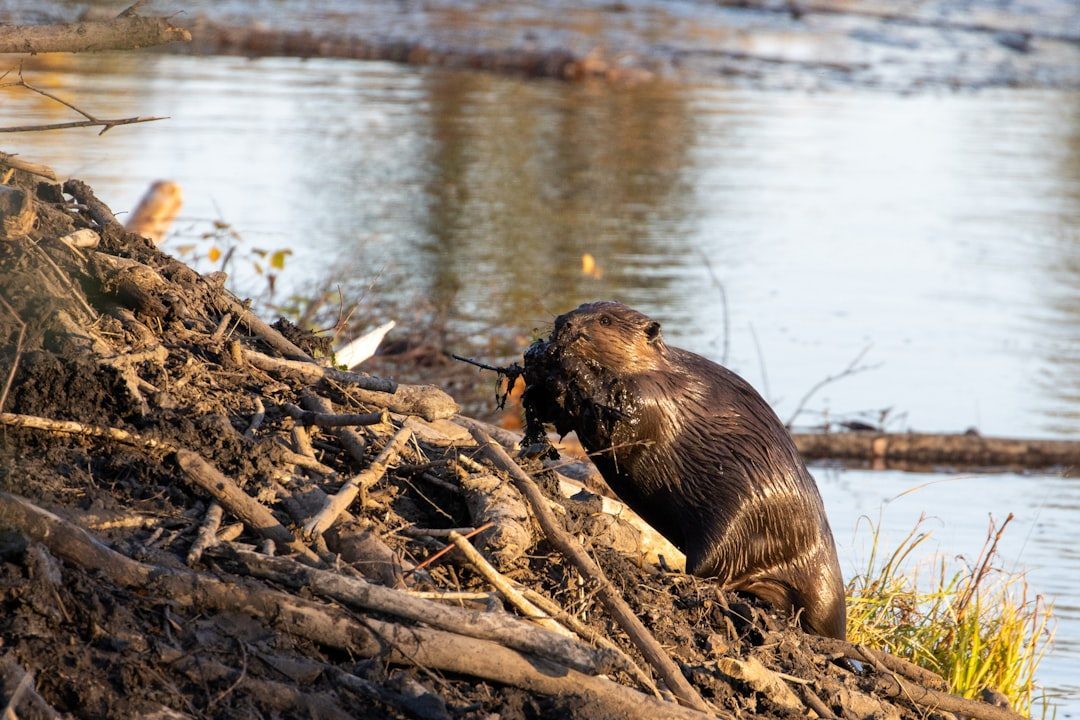
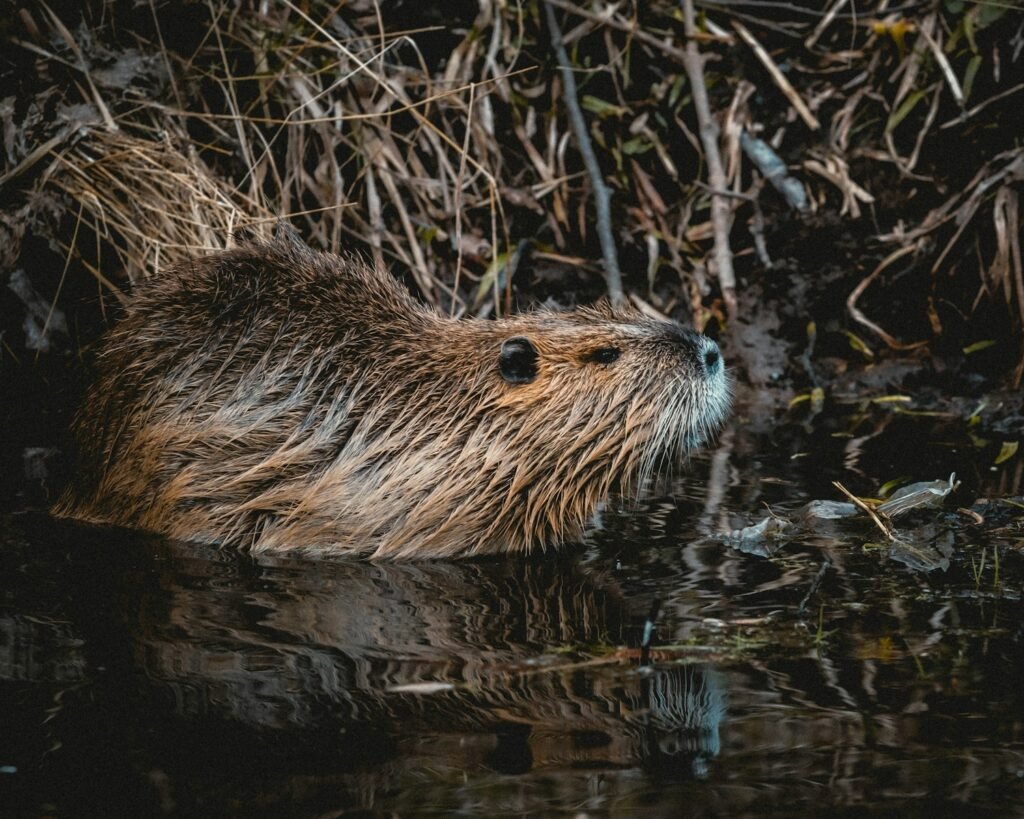
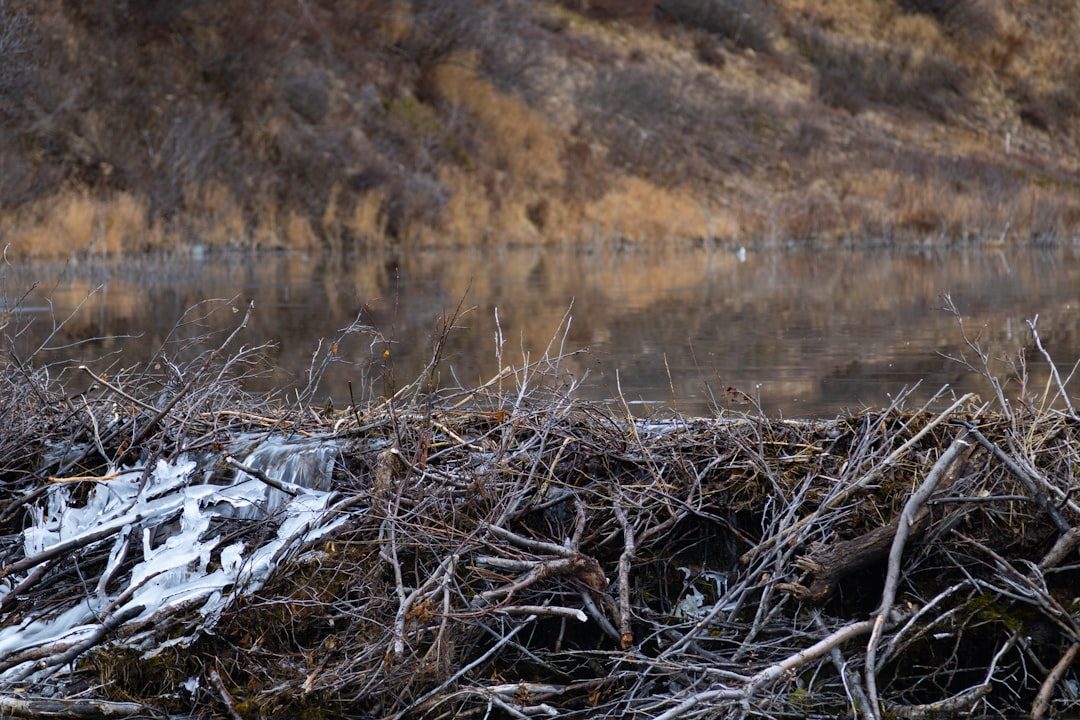
If there’s one animal that clearly rivals human civil engineers, it’s the beaver. Using nothing more than teeth, mud, and sheer determination, beavers build dams that can stretch for hundreds of meters, slowing rivers and creating deep ponds. These dams back up water to form wetlands that store vast amounts of carbon, reduce downstream flooding, and create habitats for fish, birds, insects, and amphibians. In satellite images, you can see beaver complexes reshaping entire valleys, turning narrow streams into sprawling mosaics of open water and marsh.
Ecologists and hydrologists have begun describing beavers as ecosystem engineers because they literally rewire hydrological systems. Their dams act like natural water infrastructure, holding back flows during storms and releasing water slowly over time, much like a series of small, distributed reservoirs. In places like the American West, land managers are now installing artificial “beaver dam analogs” to restore degraded streams, essentially copying the animals’ designs when the real builders are absent. Compared to many human dams – massive, concrete-heavy, and ecologically disruptive – beaver structures are modular, repairable, and flexible, adapting as floods, ice, and sediment reshape the channel. It’s hard not to see a quiet design critique there.
Paper Cities: Wasps and Hornets as Master Material Scientists
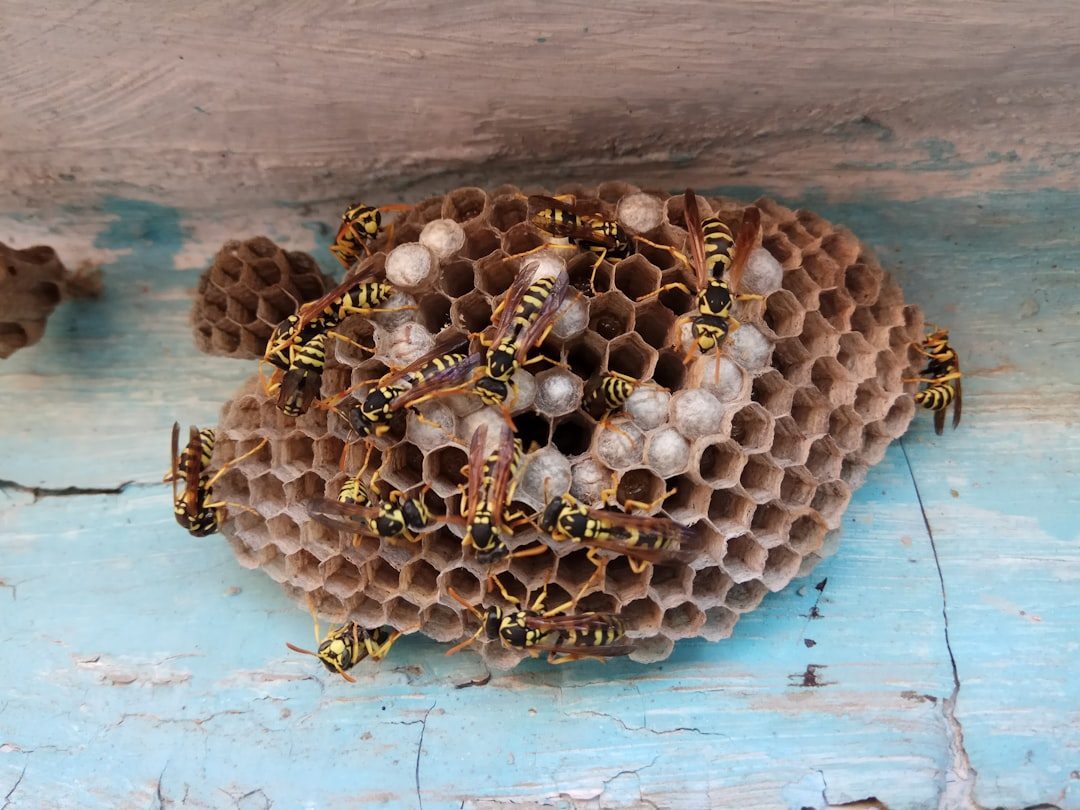
The next time you duck under a roof eave and spot a wasp nest, you’re looking at a paper factory and architectural office rolled into one. Many wasps and hornets chew wood fibers from fences, branches, or cardboard, mix them with saliva, and spread the pulpy paste layer by microscopic layer. The result is a lightweight, yet surprisingly strong, paper-like material that insulates the colony and stands up to rain and wind. Inside, combs of hexagonal cells host eggs and larvae, each chamber precisely sized and arranged to maximize space.
Materials scientists have studied this animal-made paper to understand how such thin layers can be combined for strength, impact resistance, and thermal performance. The fibers are often oriented to create a kind of natural composite, with properties that rival some human-made fibrous boards. Social wasps also adjust their building behavior based on temperature and crowding, expanding the nest in certain directions to improve airflow. While we manufacture paper and cardboard in energy-intensive mills, these insects do it at ambient temperatures using renewable inputs and zero fossil fuels. In an age hungry for sustainable materials and bio-based composites, the “factories” hanging under our balconies suddenly look a lot more interesting.
Underwater Domes and Silk Anchors: Spiders and Fish as Fluid Engineers
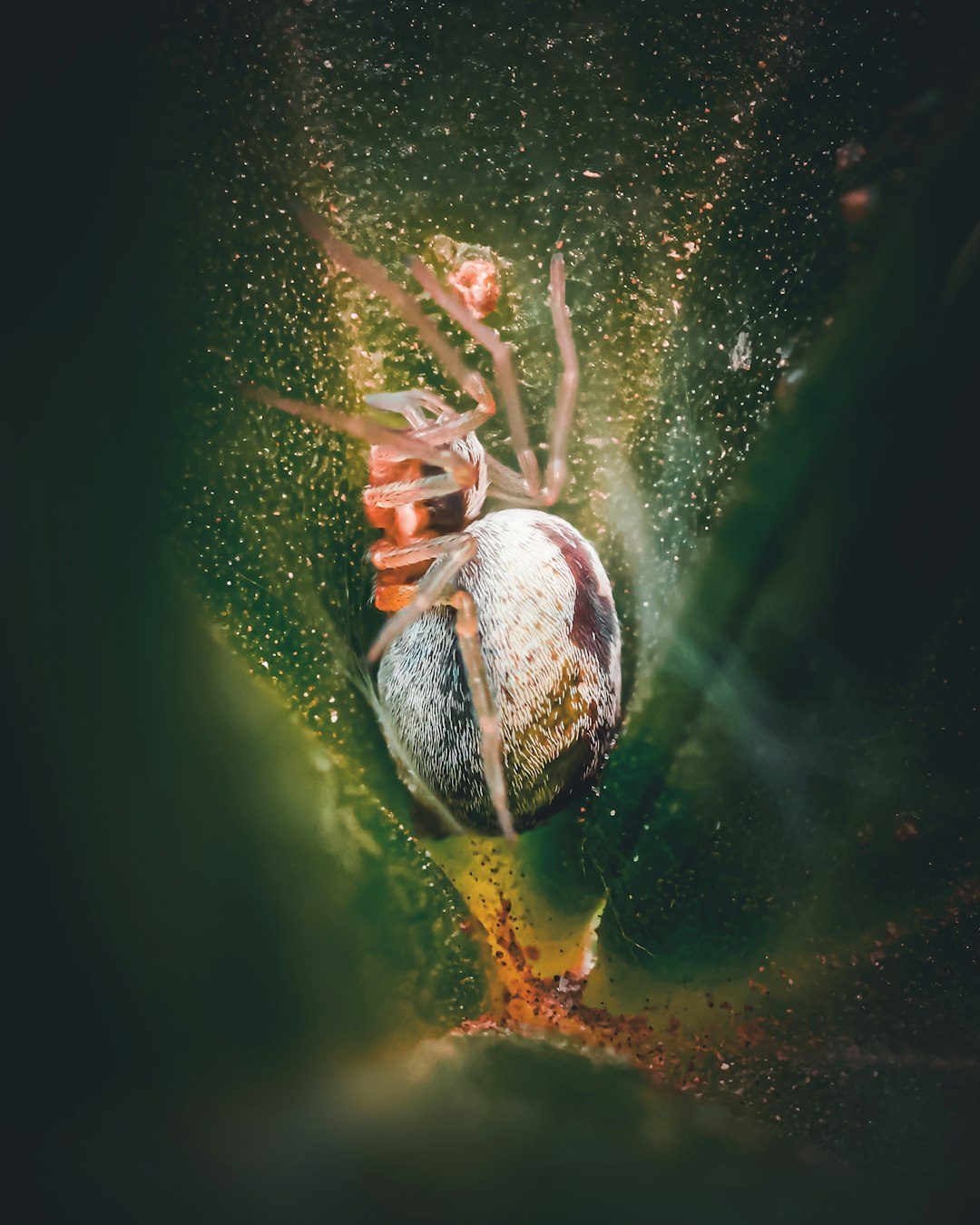
Engineering in water might be even harder than on land, yet a few small creatures do it with startling finesse. Some spiders, like the European diving bell spider, weave silken domes underwater, then ferry air bubbles from the surface and trap them inside. The resulting bell works like a flexible diving helmet, creating a breathable pocket that can last for days. The spider manages gas exchange through a delicate balance: oxygen diffuses in from the surrounding water while carbon dioxide leaves, and the spider periodically tops up the air as the bubble slowly shrinks.
Fish and aquatic invertebrates also build with fluid physics in mind. Caddisfly larvae, for example, glue together pebbles, sticks, or shell fragments into portable cases and anchored tubes, using silk with adhesion properties that have caught the eye of biomedical engineers. Some reef-building fish and crustaceans carefully stack and glue corals or shells, changing water flow and sediment patterns over entire reef patches. These underwater constructions alter currents, create refuges for other species, and shape where nutrients settle. Compared to many human underwater projects – which often fight corrosion, biofouling, and shifting sands – the animal approach looks like judo: using water’s quirks rather than trying to overpower them.
Living Bridges and Reinforced Homes: Ants, Birds, and Cooperative Design
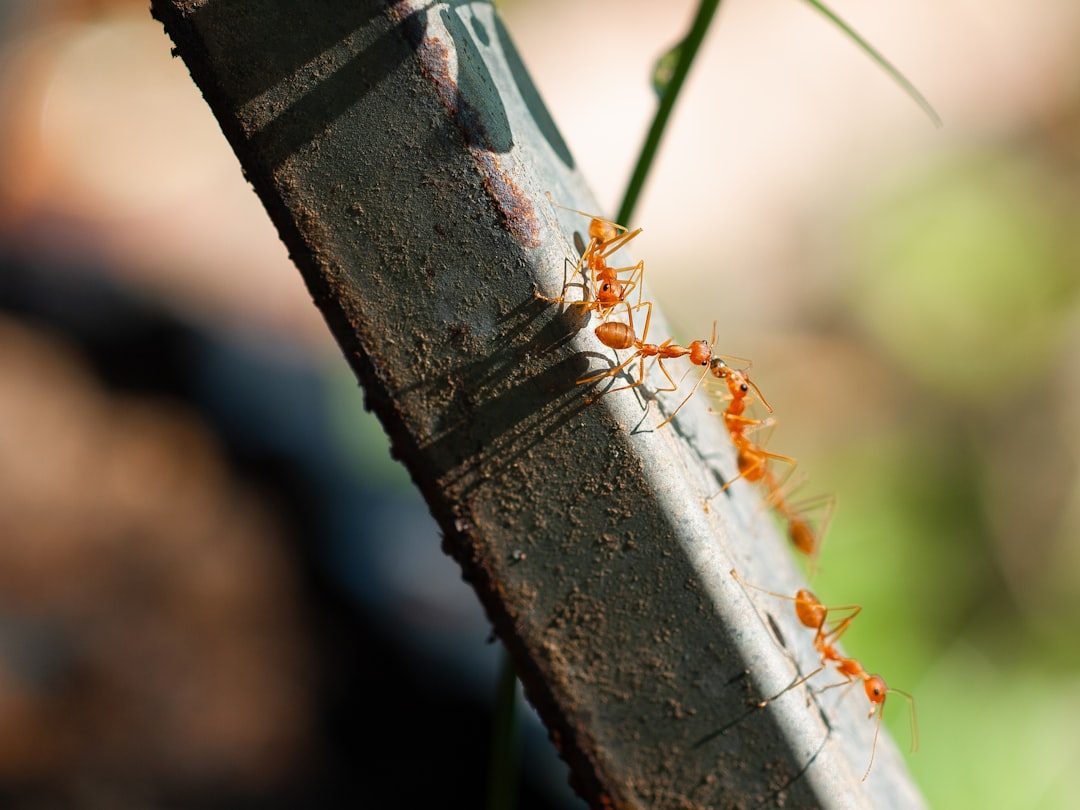
Ants are famous for their discipline, but their cooperative engineering is even more impressive than their marching lines suggest. Some arboreal ants lock their bodies together to form living chains and bridges, allowing columns to cross gaps or build temporary structures in seconds. Field measurements show that these bridges are often positioned to balance travel distance and structural cost, suggesting a kind of emergent optimization. Instead of blueprints, the system relies on simple rules: attach when traffic is heavy, detach when it lightens, adjust when forces shift.
Birds, too, have pushed home construction into territory that looks almost like structural engineering. Weaver birds create hanging nests of carefully knotted grass, sometimes with multiple internal chambers and strategic entry tunnels that deter predators and manage drainage. Some species adjust their materials depending on local availability and weather, just as a human builder might swap concrete for timber or steel. When we study these projects, we see problem-solving: wind load, predator defense, thermal comfort, and resource constraints all being “handled” by instinct tuned through evolution. The fact that no bird or ant ever studies a plan set does not make their designs any less rigorous.
The Hidden Mathematics: How Animals Optimize Without Calculus
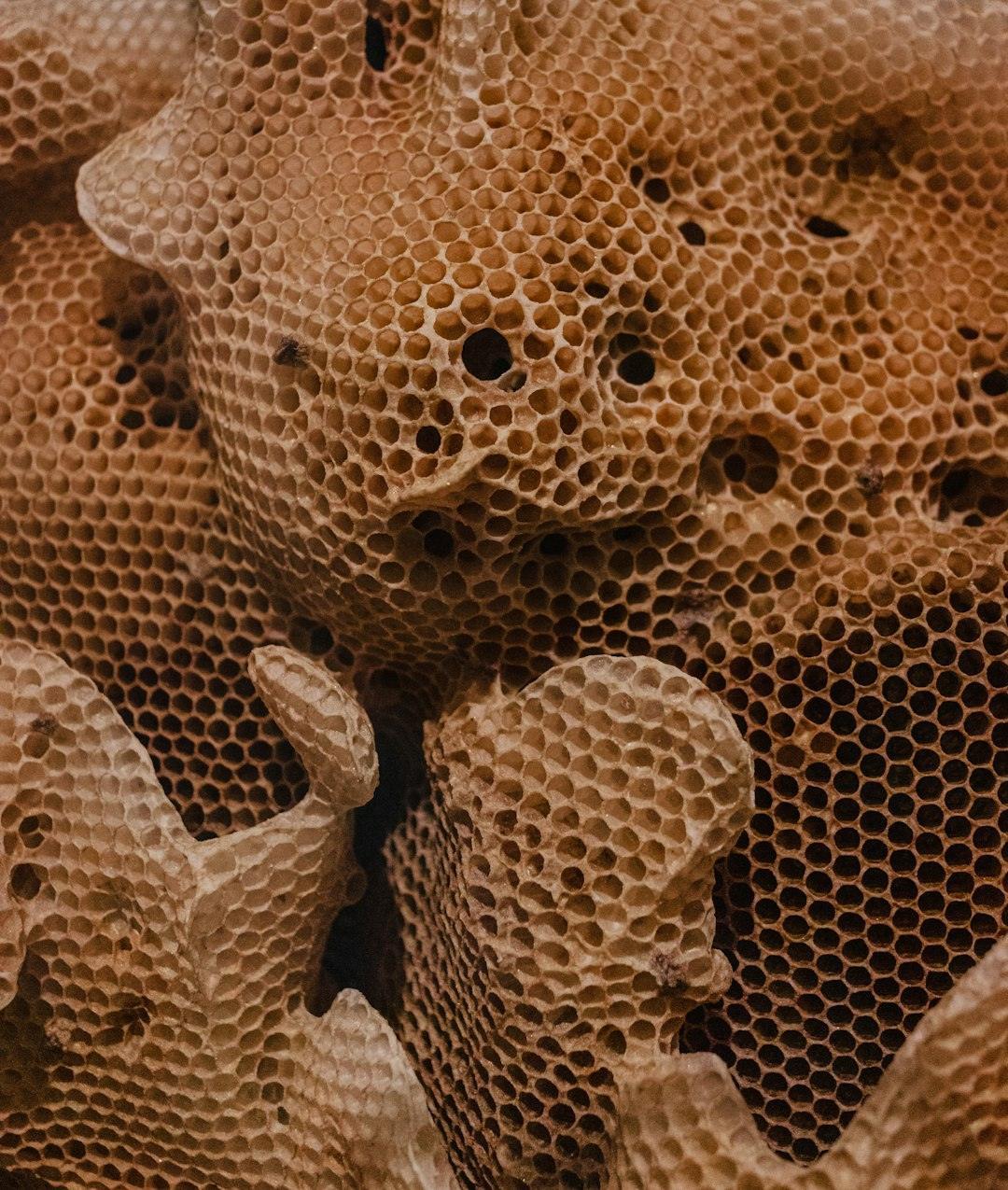
One of the most surprising revelations in animal engineering is how often their structures hint at underlying mathematical efficiency. Honeybees famously build hexagonal honeycombs, a shape that partitions space efficiently while minimizing material use – a kind of built-in calculus of variations. Termites and ants carve tunnels that match patterns seen in optimal transport networks, where paths are minimized while maintaining robustness. Beavers distribute dam-building effort along streams in a way that spreads out water storage, much like a human-designed system of small flood-control structures.
What makes this remarkable is not that animals are doing math in their heads, but that evolution and collective behavior act like a kind of distributed optimization engine. Individual builders respond to local cues – humidity, pheromone trails, water sound, material resistance – and the large-scale patterns emerge from countless small decisions. Computer scientists have borrowed algorithms from ant trail formation and termite mound growth to design more efficient routing, search, and even robotic swarm behaviors. When we overlay animal-built networks with human infrastructure, we sometimes find that the animals have arrived at solutions we might call “near optimal” without ever writing down an equation. That should be humbling for any engineer.
Why It Matters: Rethinking Who Counts as an Engineer
It might be tempting to treat all this as cute trivia – fun facts for dinner parties – but the stakes are higher than that. Our buildings and infrastructure are under growing stress from climate change, resource limits, and biodiversity loss. Animal engineers have been stress-testing their designs for thousands to millions of years under shifting climates, predators, and catastrophes. Their success or failure is written directly into survival and extinction, a much harsher performance review than any human building code.
By recognizing beavers, termites, and wasps as genuine engineers, we also change how we value their habitats. A beaver pond is no longer just a messy swamp but a multifunctional water-management system. A termite mound becomes a natural lab for passive cooling techniques that could lower energy use in rapidly warming cities. This perspective urges conservationists, urban planners, and architects to work together, seeing animal-built structures as part of shared infrastructure rather than background scenery. In a world where more than half of humanity already lives in cities and that proportion is still rising, ignoring this reservoir of design wisdom looks less like oversight and more like negligence.
The Future Landscape: Bio-Inspired Cities and Wild Collaborators
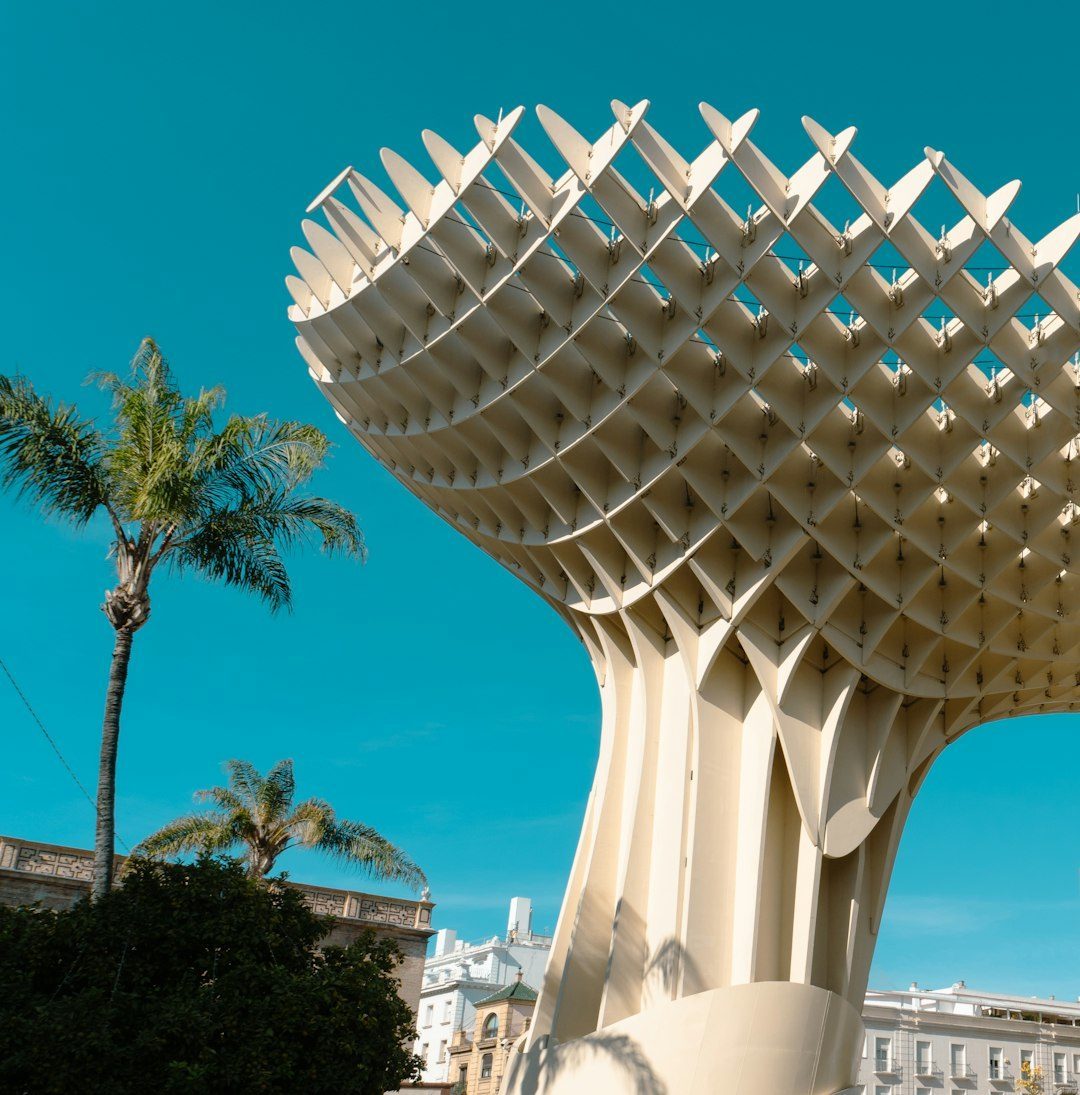
Looking ahead, the line between human and animal engineering may blur even further. Architects are already collaborating with biologists to design buildings that mimic termite ventilation, beaver-informed floodplains, and wasp-like composite materials. Emerging technologies in 3D printing and soft robotics could soon allow us to “grow” parts of buildings or let swarms of small machines construct structures using rules borrowed from ant colonies. The trend is toward decentralized, adaptive systems that can repair themselves and adjust to changing conditions, rather than rigid, static designs.
At the same time, land managers and city planners are experimenting with inviting animal engineers back into landscapes we once pushed them out of. Beaver reintroduction projects are underway to buffer droughts and wildfires; some urban areas are leaving space for burrowing animals that aerate soils and improve water infiltration. These experiments are not without conflict – dams can flood roads, burrows can undermine levees – but they force us to confront a key question: do we want to be the only species allowed to shape the physical world? As we face more frequent floods, heatwaves, and resource shocks, partnering with nature’s builders may go from novel idea to basic survival strategy.
How You Can Support the World’s Greatest Non-Human Engineers
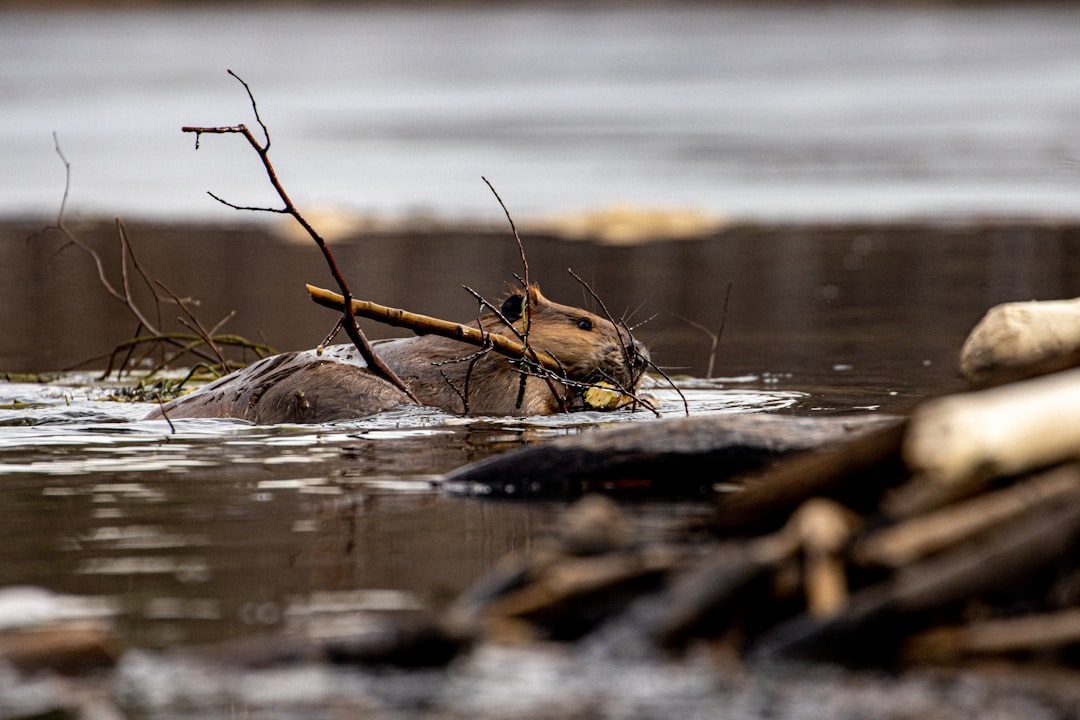
For most of us, the easiest way to engage with animal engineering is simply to notice it. That might mean pausing to look closely at a wasp nest, spotting the vents of a termite mound on a nature documentary, or recognizing a beaver dam on a hiking trail as purposeful infrastructure, not just a messy pile of sticks. Curiosity is the first step: once you start seeing these constructions as designed solutions, it becomes hard to unsee them. You may even find yourself comparing a nearby office block to a termite mound and wondering which is doing a better job at staying cool without massive energy use.
Beyond awareness, there are practical actions anyone can take. Supporting local conservation groups that work on wetland restoration, grassland protection, or species reintroduction helps keep animal engineers on the landscape doing their work. Simple choices, like backing development plans that leave room for natural waterways instead of burying them in concrete, align human projects with beaver hydrology and amphibian habitat. Educators and parents can fold these stories into school visits and family outings, turning science into lived experience rather than abstract facts. The more we learn to see animals as co-engineers instead of background characters, the more options we have for building a livable future together.