On the dry, shimmering plateaus that stretch around Okanagan Lake, a different story of North America is written in bitterroot petals, salmon bones, and rock markings that are older than many European cities. For the Syilx Okanagan people, this landscape is not a backdrop but a living relative, encoded with teachings that Western science is only just beginning to translate. Yet outside British Columbia and the inland Northwest, many people have never even heard the name Syilx, let alone understood their sophisticated ecological knowledge and legal traditions. As climate change accelerates and wildfires, drought, and species loss reshape the region, researchers and communities are finally turning to Syilx knowledge systems for answers. What they are uncovering is not nostalgia for a vanished past, but a dynamic scientific worldview that has been field‑tested for thousands of years.
The Hidden Clues: Syilx Territory Is a Seam of Biodiversity, Not Just Wine Country
Most visitors know the Okanagan as a place of vineyards, orchards, and lakeside tourism, but Syilx territory actually cuts across a remarkable ecological transition zone. It stretches from the sagebrush steppe and semi‑arid grasslands of what is now southern British Columbia, Washington, and northern Idaho up into subalpine forests and high mountain basins. This means that within a relatively short distance, you move from rattlesnakes and prickly pear cactus to cold, mossy forests where lynx and mountain caribou once roamed. Biologists describe such regions as biodiversity seams, where species from different climate zones overlap and interact in surprisingly complex ways. For Syilx people, this seam is not an abstract concept but a daily reality encoded in stories, seasonal movements, and place‑based responsibilities.
Because the territory spans borders and multiple climate bands, it has also become an early warning system for environmental change. Species that live at the edges of their range are often the first to respond to shifting temperatures and altered water regimes. In recent decades, Syilx Elders and land users have reported changes in the timing of salmon runs, flowering of key plants, and movement of animals – observations that align with climate data but often precede it by years. Scientists now see these local reports as crucial “hidden clues” that help refine climate models and conservation plans for the broader Pacific Northwest. In a sense, the landscape is speaking through both satellites and stories, and the message is getting harder to ignore.
From Ancient Trade Networks to Modern Borders: A Science of Movement
Long before there was a Canada‑United States border slicing through their homelands, the Syilx were part of a vast inland trade network that linked coast, plateau, and plains. Archaeological evidence from the Columbia Plateau shows long‑distance movement of obsidian, dentalia shells, and specialized stone tools, suggesting highly organized exchange systems. For Syilx people, these trade routes doubled as knowledge highways, moving new techniques for fishing, plant processing, and land management along with materials. Rather than being isolated “tribes,” they were participants in a regional scientific conversation about how to live well with salmon rivers, fire‑dependent grasslands, and harsh winters. This mobility was not random wandering but a carefully timed system based on ecological cues like snowmelt, berry ripening, and fish migrations.
Modern borders disrupted this circulation of people and knowledge, especially once crossing between British Columbia and Washington or Idaho required passports and paperwork. Many communities suddenly found key fishing spots, ceremonial sites, or plant‑harvesting areas on the other side of an international line. Over the past few decades, Syilx leaders have been pushing back against these constraints by organizing cross‑border gatherings and joint resource‑management projects. These efforts have a scientific dimension as well: shared salmon‑monitoring, habitat‑restoration, and fire‑management initiatives blend local field observations with Western ecology. In a region where political boundaries do not match watersheds, the Syilx concept of movement – as relationship, not just travel – is quietly rewriting how conservation is done.
Reading the Land Like a Library: Sophisticated Seasonal Food Systems
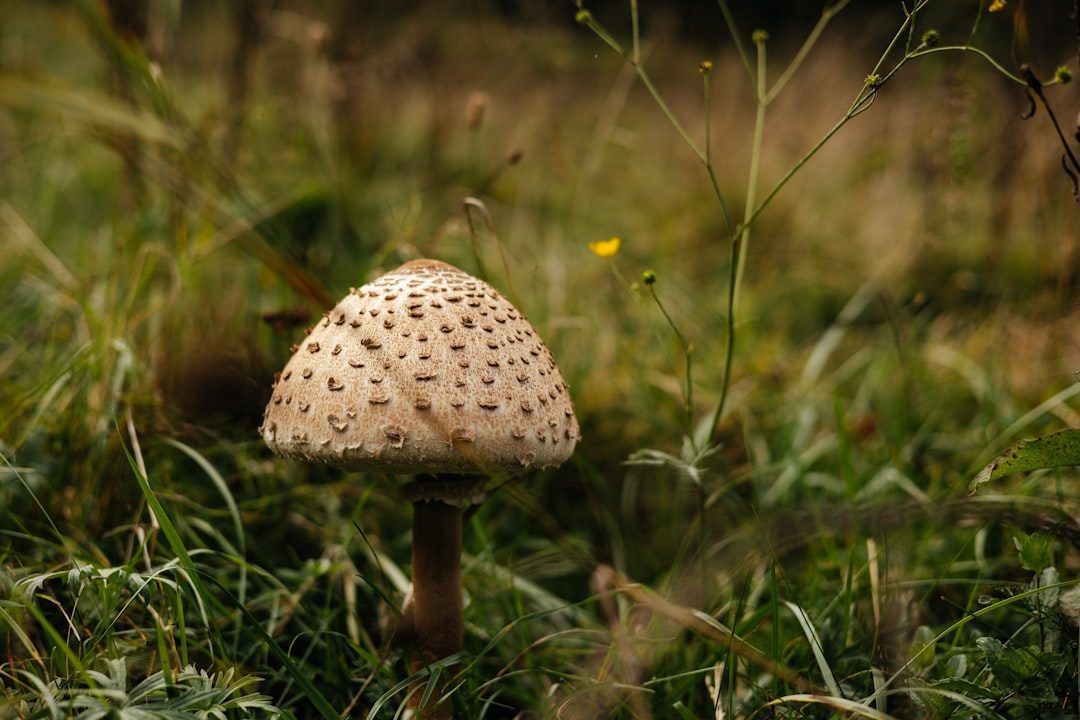
To someone who only visits in summer, the semi‑arid Okanagan can look like a place of scarcity: dry hills, dusty soils, and a few ribbons of irrigated green. Syilx seasonal food systems tell a very different story. Over the course of a year, families historically moved through a finely tuned round of harvesting salmon, deer, roots, berries, and seeds, guided by a calendar tied to natural events rather than fixed dates. In this view, the arrival of a certain bird might signal that it is time to dig bitterroot, while the blooming of a particular shrub could mean that salmon are nearing the upper rivers. Contemporary ethnobotany and nutrition research has shown that this seasonal diet is not only diverse but carefully balanced in proteins, fats, and micronutrients, contradicting stereotypes of pre‑contact diets as crude or opportunistic.
Some of the key food species in this system are now recognized as ecological keystones. For example, salmon link ocean and inland ecosystems, transporting marine nutrients hundreds of kilometers upriver to feed forests, bears, and people. Root crops such as balsamroot, camas, and bitterroot stabilize soils and provide early‑season food for pollinators as well as humans. When Syilx knowledge holders describe “reading the land,” they are summarizing an integrated ecological monitoring system that tracks everything from snowpack to pollinator behavior. Modern scientists often rely on satellite images or remote sensors, but increasingly they are realizing that long‑term human observation, passed down orally, can detect subtle shifts that instruments might miss or misinterpret.
Fire as a Healing Tool, Not Just a Threat
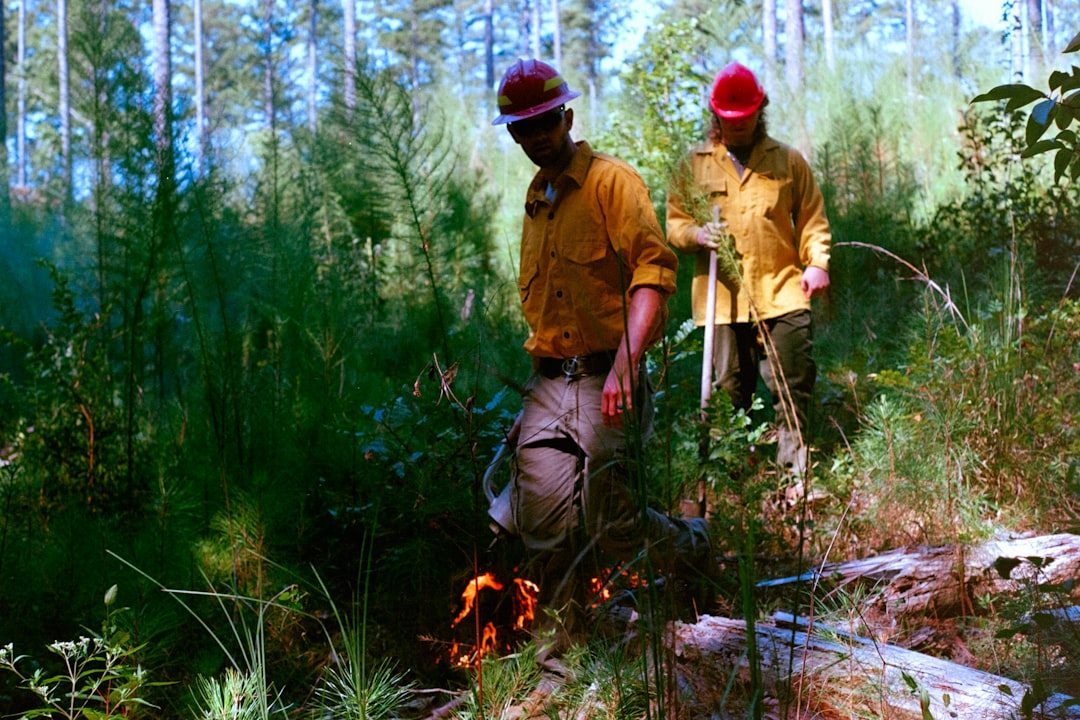
In recent summers, images of catastrophic wildfires in the Okanagan have dominated news feeds, reinforcing a narrative of fire as pure destruction. Syilx teachings offer a radically different perspective: fire, when used with skill and respect, can be a healing medicine for the land. Historically, cultural burning was used to maintain open grasslands for deer, encourage the growth of edible roots and berries, and protect important village sites from high‑intensity fires. Low, frequent burns reduced fuel loads and created patchy mosaics of habitat, which many plant and animal species depend on. Oral histories and early settler records both describe a landscape that looked more like a well‑tended garden than the overgrown forests that now dominate many hillsides.
Ecologists studying fire regimes across western North America increasingly support this view, showing that a century of aggressive fire suppression has contributed to the larger, hotter wildfires we are seeing now. In parts of Syilx territory, partnerships between First Nations, provincial agencies, and municipalities are beginning to reintroduce cultural burning under carefully controlled conditions. These projects often combine satellite mapping, fuel‑load modeling, and climate projections with traditional protocols about timing, ceremony, and community involvement. The early results are promising: reduced fire risk near communities, increased biodiversity in burned areas, and the return of culturally important plants. In a climate‑stressed West, the idea of fire as a healing tool rather than an enemy may be one of the most consequential “unknown facts” the Syilx bring to the broader conversation.
Law on the Land: Syilx Legal Traditions as Environmental Governance
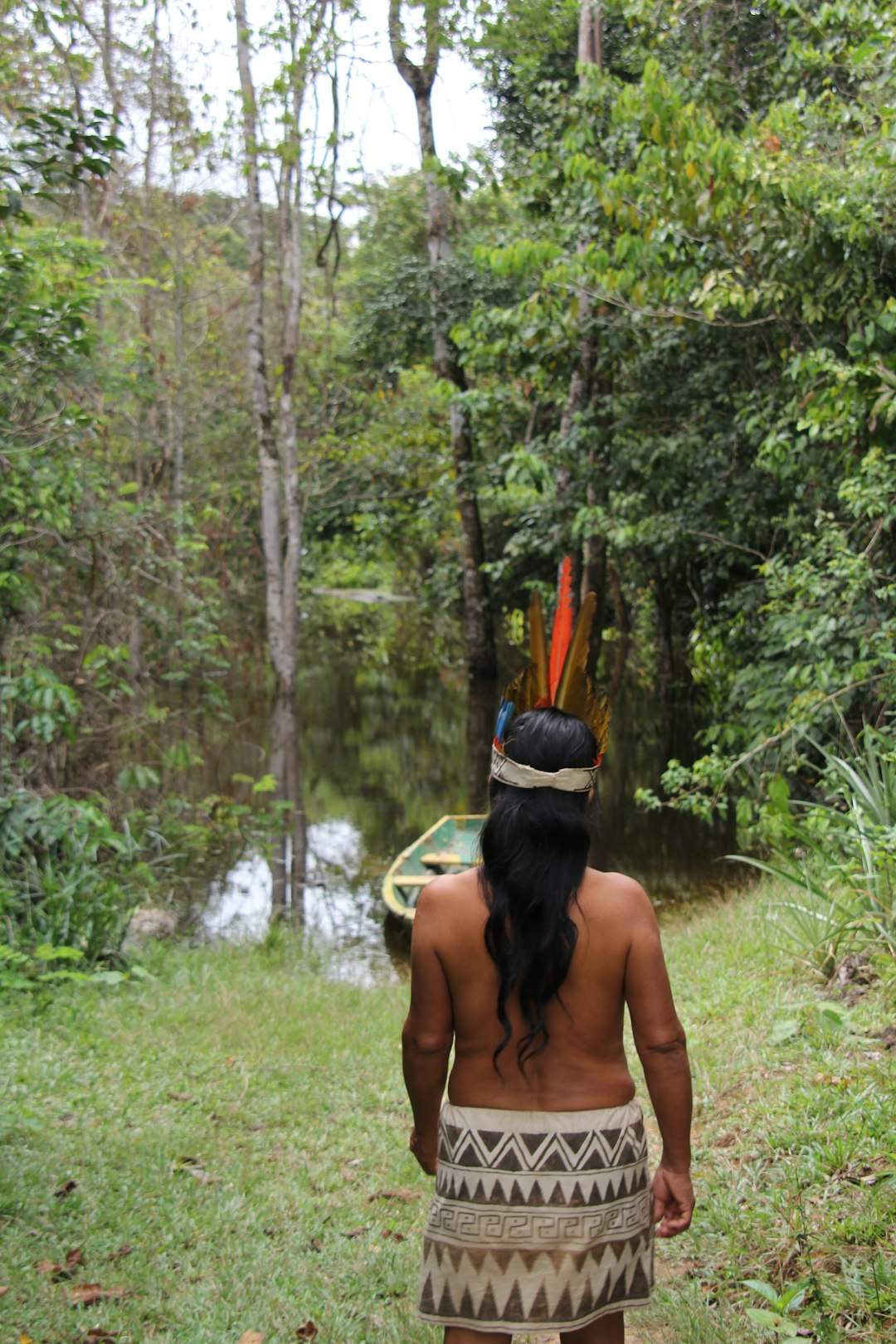
When people hear the word law, they often picture courtrooms and printed statutes, but Syilx legal traditions are written into stories, songs, and place names scattered across the territory. Many of these narratives describe powerful beings shaping the world, but they also encode rules about how to behave toward water, animals, and other people. For example, a story about overharvesting at a salmon weir might end with a catastrophe that serves as a lasting warning against greed. Rather than being purely symbolic, such tales function like case law, guiding decisions about when and how much to harvest or which places require special care. Legal scholars in Canada have begun to examine these systems as coherent bodies of law, not just folklore.
In recent years, Syilx communities have used these legal principles to negotiate co‑management agreements over water, fisheries, and land planning. This can look very different from conventional regulatory frameworks that focus on permits and penalties. A Syilx‑informed governance approach might prioritize restoring relationships with a damaged river before calculating maximum allowable extraction. It might also require ceremonies or community gatherings before major decisions, ensuring that the social fabric is considered alongside economic and ecological data. Environmental scientists are starting to pay attention, noticing that places governed under Indigenous legal orders often show higher ecological integrity. In this way, Syilx law is quietly influencing the design of new conservation models that seek to balance human needs with the rights of more‑than‑human relatives.
Why It Matters: A Different Kind of Science in a Hotter, Drier World
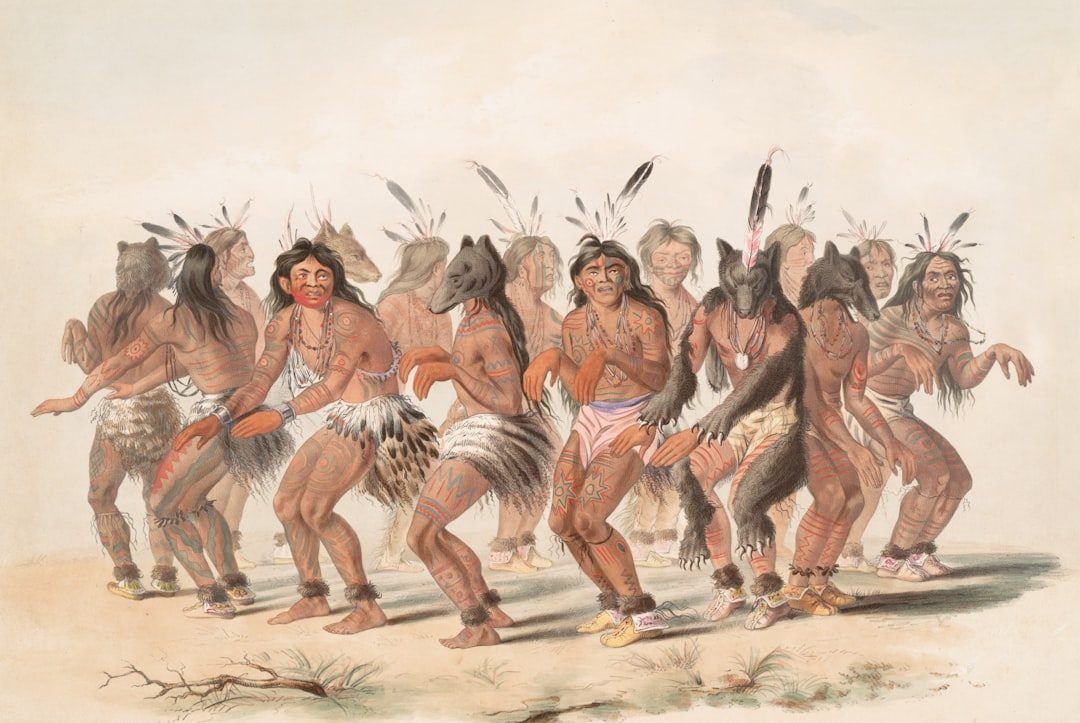
There is a lingering assumption in mainstream culture that science arrived in North America with European instruments and laboratories, while Indigenous knowledge sits in a separate, “traditional” category. The Syilx experience pushes hard against that divide. Their knowledge system is built on long‑term observation, hypothesis testing in the field, and adaptive management of complex ecosystems – core principles any scientist would recognize. What differs is the framework: rather than treating land and species as objects of study, Syilx science treats them as relatives, with ethical obligations embedded into research and practice. In a world grappling with climate breakdown, this combination of empirical rigor and moral responsibility is more than just interesting – it may be essential.
Compared with many Western environmental policies that chase short‑term economic gains, Syilx approaches are unabashedly long‑view. Decisions are evaluated in terms of their effects on many generations, not just the next fiscal quarter or election cycle. That shift in time horizon is especially crucial in semi‑arid regions like the Okanagan, where water scarcity, wildfire risk, and species loss are projected to intensify. When governments or researchers ignore Indigenous science, they are not just dismissing culture; they are discarding detailed, location‑specific data gathered over thousands of years. In the struggle to keep communities livable and ecosystems functioning, that kind of data gap can be fatal.
Global Perspectives: Syilx Knowledge in a Worldwide Indigenous Resurgence
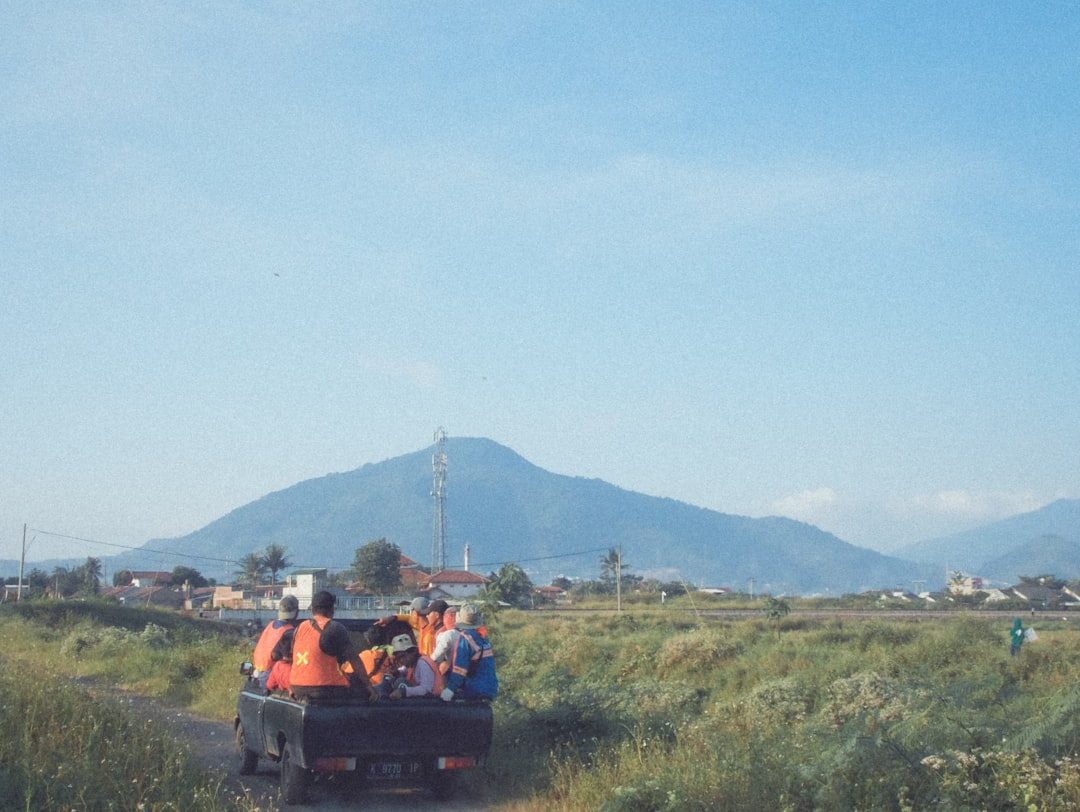
What is happening in Syilx territory is part of a broader pattern across the globe, where Indigenous nations are asserting their governance rights and scientific authority. From Maori co‑management of rivers in Aotearoa New Zealand to Indigenous‑led fire programs in Australia and California, a quiet revolution is underway in how societies think about expertise. The Syilx contribute a distinctive semi‑arid, salmon‑river perspective to this global conversation, showing what it looks like to govern and study a landscape that is both drought‑prone and water‑rich in specific corridors. International conservation organizations increasingly recognize that areas under Indigenous stewardship often overlap strongly with global biodiversity hotspots. This is not a coincidence; it is the result of place‑based systems that refuse to separate culture from ecology.
For climate scientists and policy makers, the Okanagan can serve as a test case of how to integrate local Indigenous knowledge into broader regional strategies. Lessons from Syilx approaches to water allocation, fire, and cross‑border movement are relevant to other transboundary basins, from the Rio Grande to the Mekong. At the same time, there is a risk of oversimplifying or extracting this knowledge without proper relationships or consent. Many Indigenous scholars warn that true collaboration requires power‑sharing, not just consultation. The global spotlight can be a double‑edged sword, offering support and visibility but also inviting appropriation. How Syilx communities navigate this tension will shape not only their own future, but also the credibility of Indigenous‑led science on the world stage.
The Future Landscape: Salmon Reintroductions, Language Revitalization, and High‑Tech Partnerships
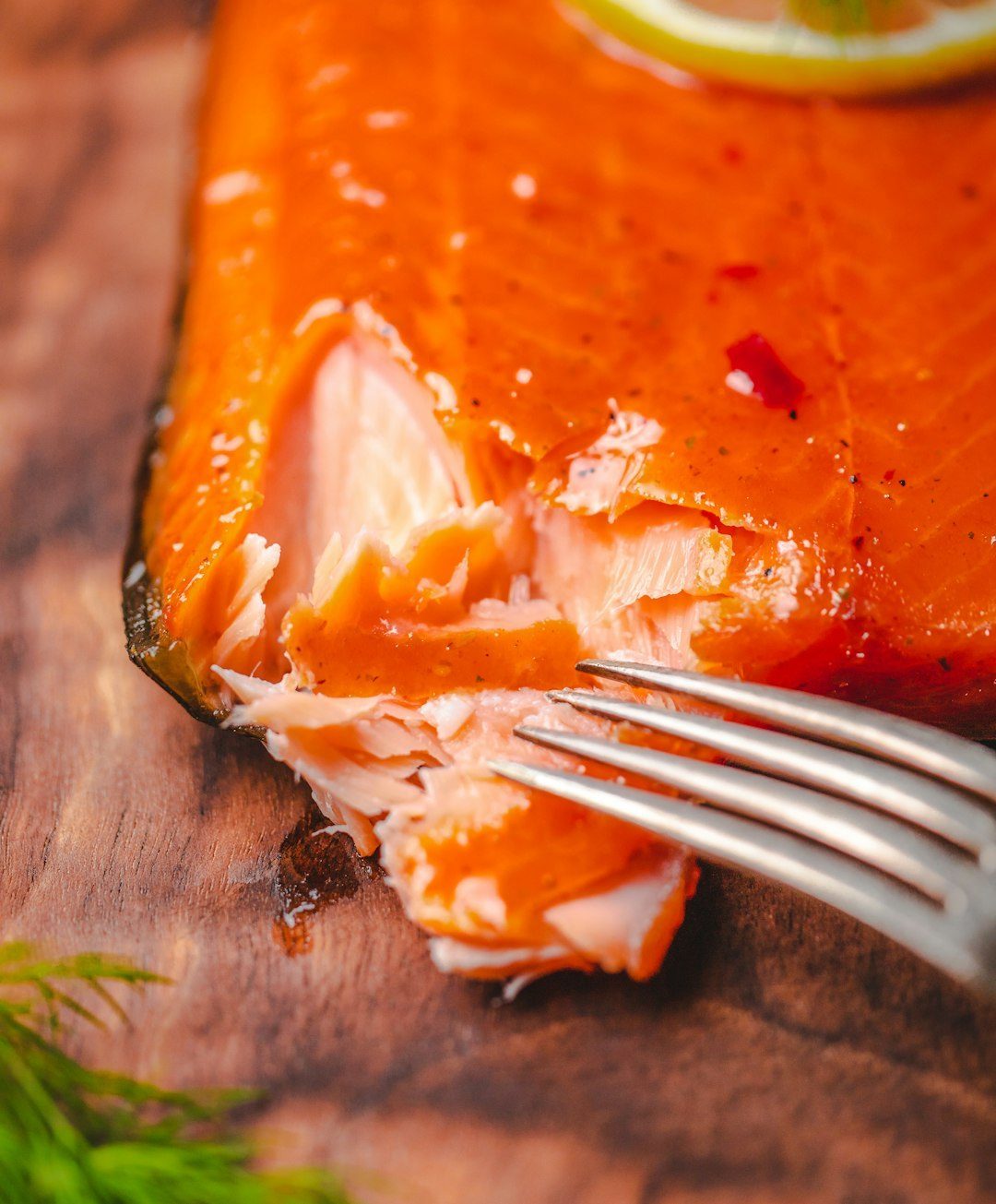
Looking ahead, some of the most ambitious Syilx‑driven projects sit at the intersection of cutting‑edge technology and ancient commitments. One major focus is the reintroduction and strengthening of salmon runs into upper reaches of the Columbia Basin, where dams and habitat loss have devastated populations. Syilx communities are working with biologists and engineers to explore fish passage technologies, habitat restoration, and changes to dam operations that could reopen long‑blocked migration routes. These are not just ecological experiments; they are efforts to repair a foundational relationship that feeds both bodies and spirits. If successful, they would also challenge long‑held assumptions about what is “economically realistic” in large river systems.
At the same time, language‑revitalization programs are bringing the Nsyilxcən language back into daily use, including in scientific and policy discussions. This matters because many key concepts in Syilx law and ecology simply do not translate cleanly into English. Digital tools, from mobile apps to GIS mapping, are being used to link place names, stories, and ecological data into living archives accessible to youth and Elders alike. Climate‑adaptation plans are beginning to incorporate both climate‑model projections and traditional indicators like the timing of certain blooms or bird arrivals. Far from being a nostalgic return to the past, this is a forward‑looking experiment in how to carry an old world into a rapidly changing new one.
How You Can Engage: Listening, Supporting, and Rethinking “Local Knowledge”
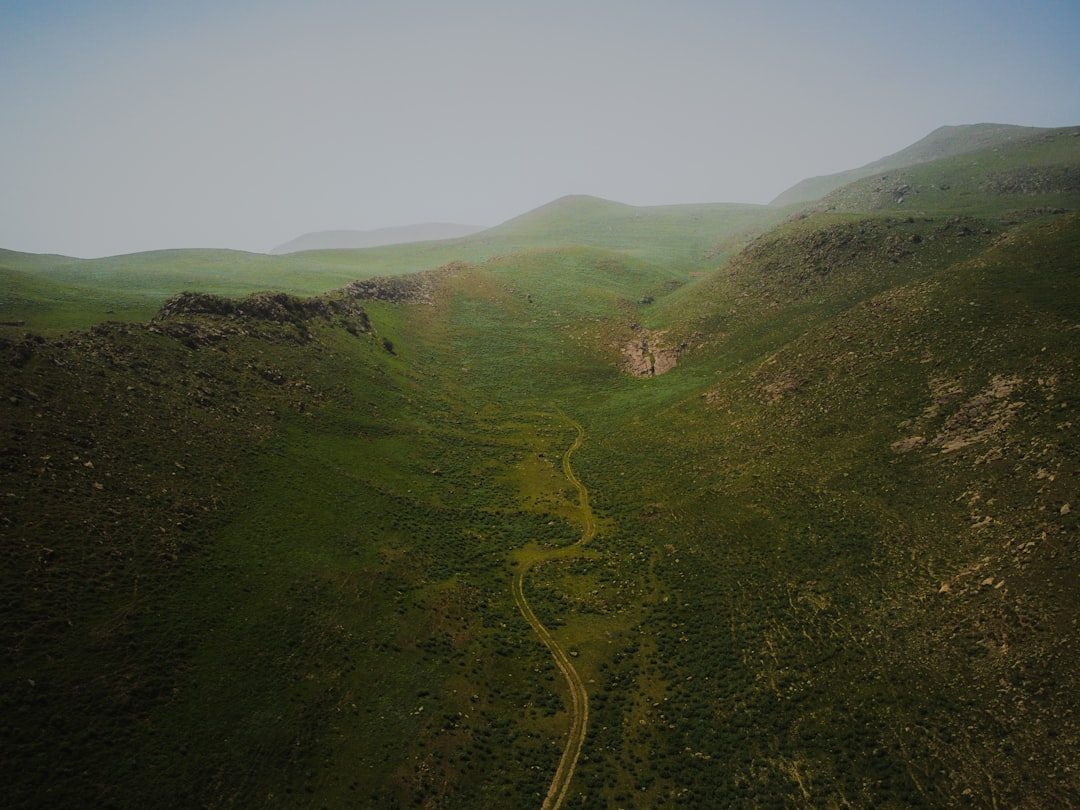
For readers far from the Okanagan, it can be tempting to treat the Syilx story as an interesting regional case study and leave it at that. But there are concrete ways to engage that go beyond curiosity. If you live or travel in Syilx territory, you can start by learning where you are, whose lands you are on, and what local First Nations are saying about water, fire, and land use. Many communities host public cultural events, publish educational materials, or share updates on environmental projects that welcome respectful participation. Even small actions – like supporting Indigenous‑led conservation groups or paying attention to Indigenous perspectives in local news – help shift the balance of whose science is heard.
There is also a more personal challenge here: to rethink what counts as expertise in your own backyard. Chances are, wherever you live in North America, there is an Indigenous nation whose laws, stories, and ecological knowledge still shape the landscape in ways that are not always visible. Seeking out those voices, supporting language‑revitalization efforts, and advocating for Indigenous leadership in environmental policy are all tangible steps. For scientists and students, that might mean building research partnerships that share authority and credit rather than simply extracting data. For everyone else, it starts with a simple, unsettling question: what crucial local knowledge might be living all around you, unseen, because you were never taught how to recognize it?