
For as long as humans have told stories, we’ve wrestled with the same impossible wish: to stay young, or at least to outrun the clock a little longer. Today, that ancient desire has migrated from myth into the lab, where biologists, geneticists, and AI scientists are quietly attempting something that once sounded like fantasy. Aging, long treated as an inevitable slide toward decline, is now being probed as a biological process that might be slowed, reshaped, or even partially reversed. The stakes are enormous, touching everything from personal health to the structure of global economies. And buried in Petri dishes, protein structures, and massive genomic datasets, there are hints that aging may not be as fixed as we once believed.
The Hidden Clues: Why Some Creatures (and People) Barely Seem to Age
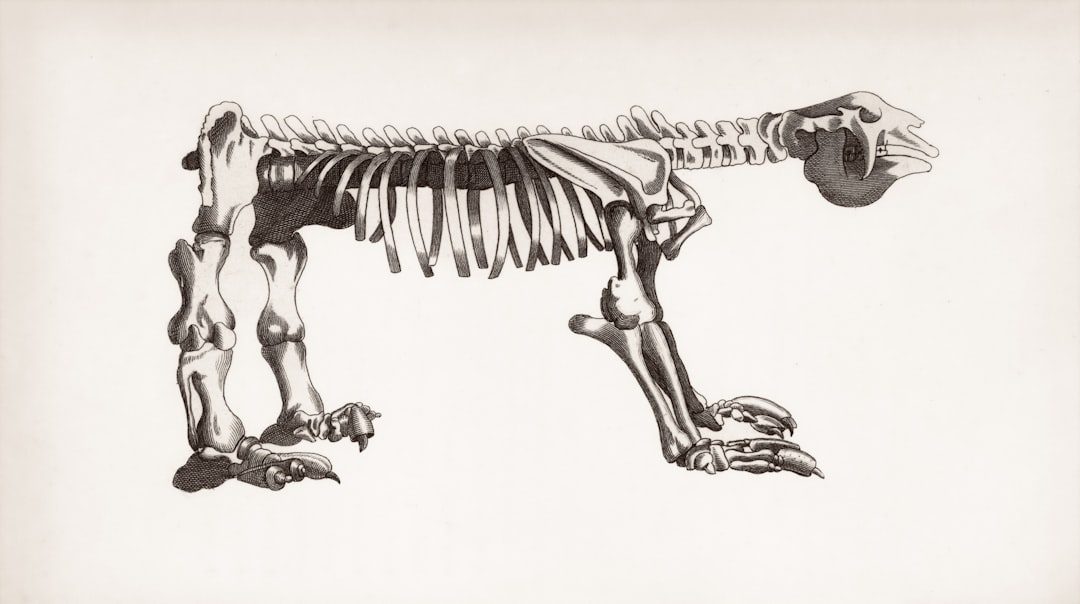
The quest to understand aging often begins with the outliers, the organisms that seem to ignore the usual rules of time. Biologists love to point to naked mole rats, which can live for three decades with surprisingly low rates of cancer and a stubborn resistance to age-related decline. Then there are Greenland sharks, whose lifespans may stretch for centuries, and certain jellyfish species that can revert their cells to a more youthful state under stress. These creatures are not immortal in a magical sense, but they bend the biological rules in ways that force scientists to rethink what “normal” aging really means.
Humans have outliers too: centenarians and so‑called “super‑agers” whose bodies and brains function like those of people decades younger. Large studies of such populations suggest that a mix of genes, lifestyle, and sheer luck shapes who ages more slowly and who does not. Researchers have identified gene variants linked to better DNA repair, cardiovascular resilience, and more efficient cellular cleanup processes. The message is subtle but powerful: aging is not perfectly uniform or entirely random. Hidden in these exceptions are clues that aging is pliable, not absolute.
From Ancient Elixirs to Modern Molecular Science

Long before we could name a single gene, humans chased immortality with herbs, rituals, and dubious potions promising to “restore youth.” Those efforts mostly failed, but the impulse behind them now drives an evidence-based revolution in biomedicine. Around the late twentieth century, scientists began teasing apart the molecular hallmarks of aging: DNA damage, shortened telomeres, chronic inflammation, and misfolded proteins that pile up like trash in a neglected city. Instead of searching for a single magic bullet, researchers realized they were dealing with a complex, interconnected network of failures that accumulate over time.
Out of that shift came the field of geroscience, which treats aging itself as the central risk factor behind many chronic diseases rather than as an untouchable backdrop. Animal experiments have shown that tweaking nutrient-sensing pathways, stress responses, or cellular cleanup systems can extend lifespan and healthspan in worms, flies, and mice. Calorie restriction, for instance, has been known for decades to lengthen the lives of many animals, hinting that our cells have built-in programs that respond dramatically to environmental cues. The modern twist is that instead of starving ourselves, we’re learning to target those same pathways with precisely designed drugs and genetic tools. The search for immortality has traded alchemy for biochemistry.
Cracking the Cellular Code: Senescent Cells, Epigenetic Clocks, and Rejuvenation
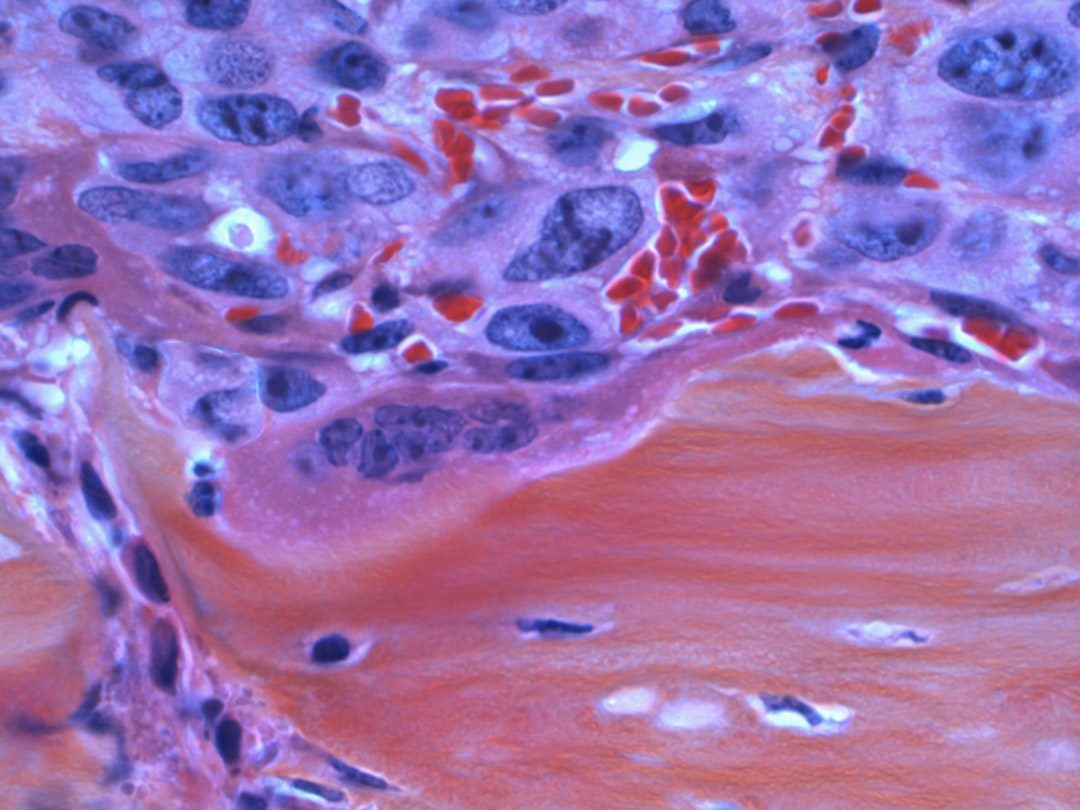
One of the most striking modern discoveries is that certain “zombie” cells may help drive aging from within. These senescent cells stop dividing when damaged or stressed, which protects against cancer in youth but becomes a problem when they accumulate. They secrete inflammatory molecules that can disrupt nearby tissues, a phenomenon some researchers compare to a few toxic neighbors spoiling an entire block. In mice, clearing out senescent cells with so‑called senolytic drugs has extended healthy lifespan and improved heart, kidney, and brain function.
In parallel, scientists have built epigenetic clocks – biological timekeepers based on chemical tags that latch onto DNA and turn genes on or off. These clocks can estimate a person’s “biological age,” which sometimes diverges sharply from the number of birthdays they have celebrated. Intriguingly, certain interventions, including intense lifestyle changes and experimental therapies, appear to nudge these clocks backward in early studies. Add to this the tantalizing work on partial cellular reprogramming, where specific gene factors can push cells toward a more youthful state without fully turning them into stem cells. Put together, these threads suggest aging is written in code that can, at least in theory, be edited.
Experimental Longevity: Drugs, Diets, and Daring Trials

If you scan the landscape of longevity research right now, it looks like a crowded bazaar of ideas, from the soberly plausible to the distinctly speculative. A class of drugs originally developed for diabetes, such as molecules that tweak how cells sense nutrients and insulin, are being repurposed to see if they can delay age-related diseases. Other laboratory compounds, including some derived from the biology of rapamycin or related pathways, appear to extend lifespan in multiple animal models by dialing down growth signals and turning up cellular maintenance. None of these are validated fountain-of-youth pills for humans, but they are giving researchers clear, testable levers to pull.
Beyond drugs, there is intense interest in interventions like time-restricted eating, exercise “prescriptions,” and carefully calibrated protein intake that may influence the same molecular pathways. Early human trials are exploring how these strategies affect markers of inflammation, mitochondrial function, and epigenetic aging. A quiet but significant development is the rise of longevity clinics and personal biomarker tracking, sometimes veering into hype but also generating useful real-world data. The risk is that enthusiasm can outpace the evidence, with people self-experimenting based on animal data that might not translate cleanly to humans. The challenge now is to move from scattered experiments to rigorous, long-term trials that answer the only question that really matters: do people actually live healthier, longer lives as a result.
Why It Matters: More Than Just Living Longer

At first glance, the quest to slow aging can sound like a luxury project for people who already have plenty. Look more closely, and it becomes a public health story as consequential as vaccines or clean water. Age is the single strongest risk factor for heart disease, dementia, cancer, and many forms of disability; slowing the rate of aging even modestly could mean fewer years spent in frailty and dependence. Economists who model these scenarios argue that adding more healthy years of life could reshape labor markets, retirement systems, and healthcare spending in ways far more dramatic than curing any single disease. It is not just about extending the tail end of life, but lifting the entire curve of health upward.
There is also a deeply human dimension that statistics struggle to capture. Many people have watched a parent, partner, or friend fade under the weight of age-related illness and felt the quiet rage of helplessness. If science can delay that decline, even without granting anything close to immortality, the emotional and social impact could be immense. Of course, there are hard questions too: who will get access to these treatments, and will they widen or narrow existing inequities. The quest for longevity forces us to face what we truly value – years at any cost, or years lived with dignity, autonomy, and meaning.
Ethical Fault Lines: Inequality, Identity, and the Shape of a Life

As aging science edges closer to practical interventions, ethical debates are no longer hypothetical. If new drugs or gene therapies can significantly extend healthy lifespan, access will almost certainly be uneven at first, mirroring existing gaps in healthcare. There is a real risk that the most privileged groups could gain extra decades of vitality while others struggle with the old burdens of disease and poverty. Some bioethicists warn that we may create not just a wealth gap, but a longevity gap, with all the political and social tensions that implies. That tension becomes especially stark in countries already grappling with strained healthcare systems and aging populations.
There are psychological questions as well: how does our sense of identity change if middle age stretches for sixty years instead of thirty. Rituals that anchor life – education, careers, parenting, retirement – would need to be reinvented for a timeline we have never experienced. On a more personal level, some people quietly admit they are not sure they want a dramatically longer life if it means watching generations stack up around them in unfamiliar ways. Others see the possibility of extra healthy decades as a chance to pursue several different lives in one. However it unfolds, aging research will not just rewrite biology; it will pressure-test our assumptions about what makes a life feel complete.
The Future Landscape: From Gene Editing to AI-Guided Longevity
Looking ahead, the most transformative advances in aging research may come from the convergence of disciplines rather than any single breakthrough. Gene editing tools, including highly precise next-generation CRISPR systems, are being refined to correct disease-causing mutations and potentially adjust genes tied to resilience and repair. Meanwhile, stem cell and tissue engineering technologies are inching toward lab-grown organs and personalized cell therapies that could replace or rejuvenate failing tissues. Layered on top of this is a wave of AI-driven analysis, which can sift through vast datasets of genomes, medical records, and lifestyle metrics to spot patterns no human researcher could see alone.
On the horizon, scientists talk about building detailed “digital twins” of human physiology – computational models that could be used to test how an individual body might respond to a given intervention before trying it in real life. In theory, this could allow personalized longevity plans that adjust in real time as a person’s biology changes. But there are formidable obstacles: regulatory frameworks, data privacy protections, and the simple biological complexity of human beings. There is also the possibility of unintended consequences, such as increasing cancer risk by pushing cells too hard toward growth or regeneration. The future of aging science is less a straight road to immortality than a branching path filled with both astonishing opportunities and very real hazards.
What You Can Do Now: Small Levers in an Aging World

While much of the high-tech longevity story unfolds in labs and clinical trials, ordinary people are not just passive spectators. The same pathways that cutting-edge drugs target – metabolism, inflammation, cellular stress – are also influenced by familiar choices around sleep, movement, and diet. Regular physical activity, for example, acts like a system-wide signal to maintain muscle, blood vessels, and brain circuits, and it remains one of the most reliable ways to add healthy years to life. Patterns of eating that avoid constant overeating and ultra-processed foods appear to reduce the chronic, low-level inflammation linked to accelerated aging. None of this is as glamorous as gene editing, but for now, it is where the strongest day-to-day evidence lies.
Beyond personal habits, there are ways to engage with the broader story of aging science. People can support clinical research by volunteering for well-designed studies or by backing organizations that advocate for equitable, evidence-based longevity policy. Paying attention to how we talk about aging – resisting both fatalism and hype – also matters, because public attitudes shape funding decisions and regulation. Even simple conversations with family members about long-term health preferences can shift how aging is experienced at the individual level. In a sense, each of us is already running a lifelong experiment in how we age; the question is how intentional we choose to be about it.