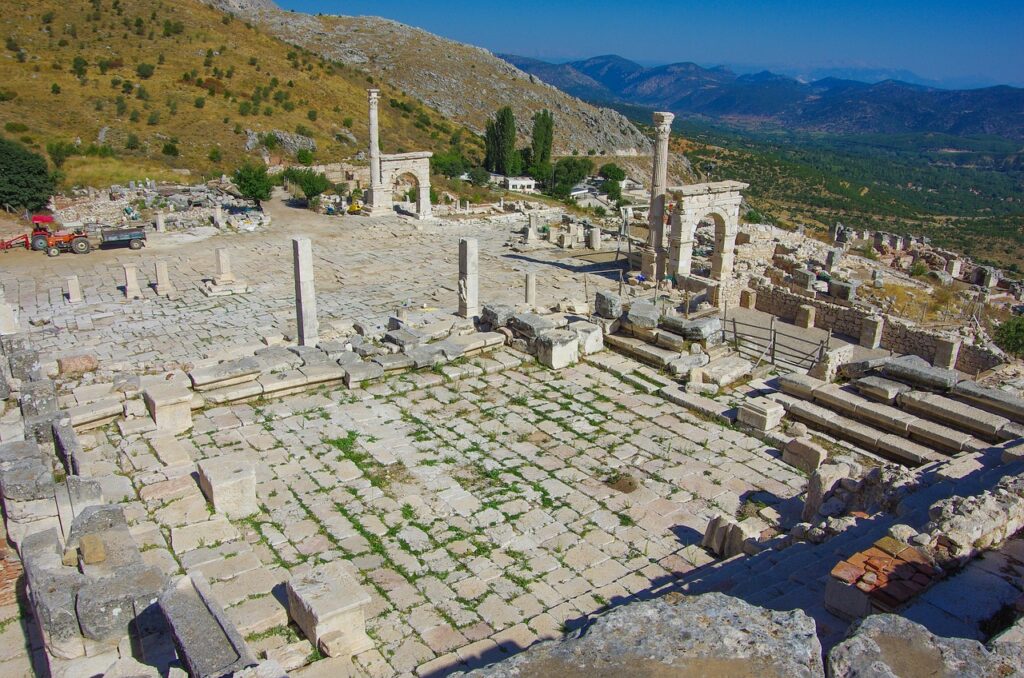

On a hot afternoon at the pyramids of Giza, you can watch tourists shade their eyes and ask the same question people have been asking for centuries: how on Earth did they do this without cranes, steel, or engines? From Peru’s mountaintop citadels to Mesopotamia’s ziggurats, ancient builders raised millions of tons of stone with nothing more than human labor, clever physics, and materials that would fit in a village workshop. For a long time, modern observers answered that feat with hand-waving, speculation, or outright myths. But over the past few decades, archaeologists, engineers, and experimental builders have begun to piece together a much more grounded story. The emerging picture is not of lost civilizations with magic technology, but of human communities that learned to hack gravity itself – with ropes, ramps, water, and an uncanny sense of organization.
The Hidden Clues in Stone and Soil
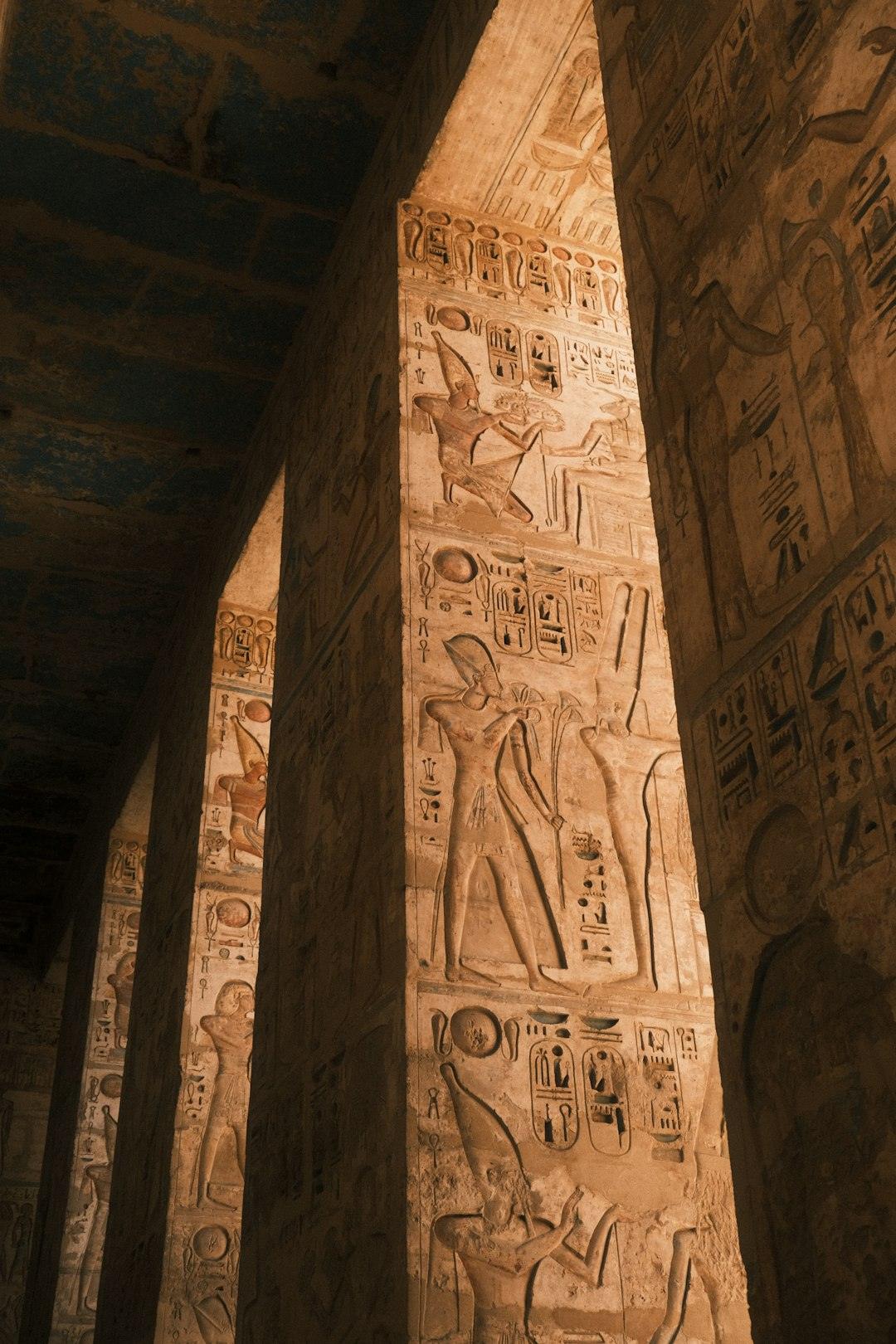
Walk close to an ancient wall and you realize the real story is not the skyline silhouette but the microscopic scars on every block. Chisel marks, abrasion patterns, and the way stones fit together like 3D puzzles are a forensic record of how ancient workers shaped and moved their materials. Archaeologists now use high‑resolution 3D scanning and microscopy to read those traces the way a detective reads fingerprints, distinguishing copper chisels from harder stone tools and even identifying sequences of cuts. In many Egyptian quarries, you can still see half-freed blocks, tool grooves, and ramps carved into the bedrock, effectively freezing the construction process mid‑step. Those frozen moments are crucial because ancient builders rarely left instruction manuals; instead, their methods are encoded in the scars of extraction and assembly.
Soil and landscape around monuments offer equally revealing clues. Subtle depressions, compacted surfaces, and buried layers of gravel or mudbrick often map out vanished roads and work platforms used for hauling heavy loads. At sites like Stonehenge and various Mesopotamian cities, ground-penetrating radar and magnetometry have detected old trackways and staging areas leading straight toward monumental centers. When researchers overlay these invisible pathways on modern terrain, a pattern emerges: ancient engineers were not just stacking stones, they were choreographing entire landscapes. That combination of microscopic detail and broad spatial planning is what lets modern scientists reverse-engineer feats that once looked almost supernatural.
Moving Mountains: Ramps, Rollers, and Raw Human Power
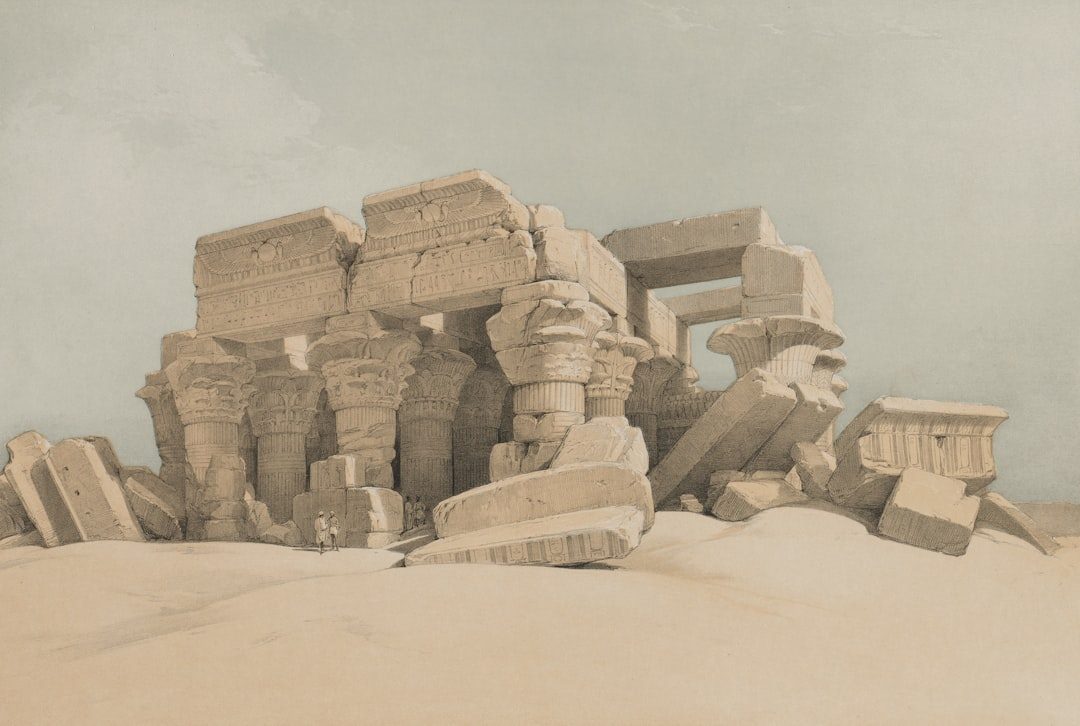
If there is one misconception about ancient engineering, it is the idea that monuments rose through brute force alone. In reality, civilizations from Egypt to Mesoamerica used a tight blend of physics and logistics to squeeze the most out of every worker and animal. Simple machines – the lever, the inclined plane, sledges, and rollers – appear again and again in reconstructions, not as abstract textbook diagrams but as life-or-death tools for moving stones the weight of train cars. Experimental archaeologists have shown that with the right sledges and lubrication, small teams can slide multi-ton blocks over prepared tracks, especially when the route is carefully graded and packed. Rather than conquering gravity, they redirected it in their favor.
Recent studies suggest that moisture was a secret weapon. Experiments inspired by tomb paintings indicate that wetting sand in front of sledges dramatically reduces friction, meaning ancient crews could pull heavier loads with fewer people. In other regions, logs, bundled reeds, or even compacted clay served as makeshift rollers, turning the ground into a conveyor belt. To modern eyes, this can feel almost disappointingly simple, but that is precisely the point: these societies did not need steel or diesel engines. They needed organized labor, deep practical knowledge of materials, and a willingness to reshape roads, canals, and fields into giant temporary machines that existed solely to raise the next layer.
From Mudbrick to Megalith: Materials Science Before the Lab
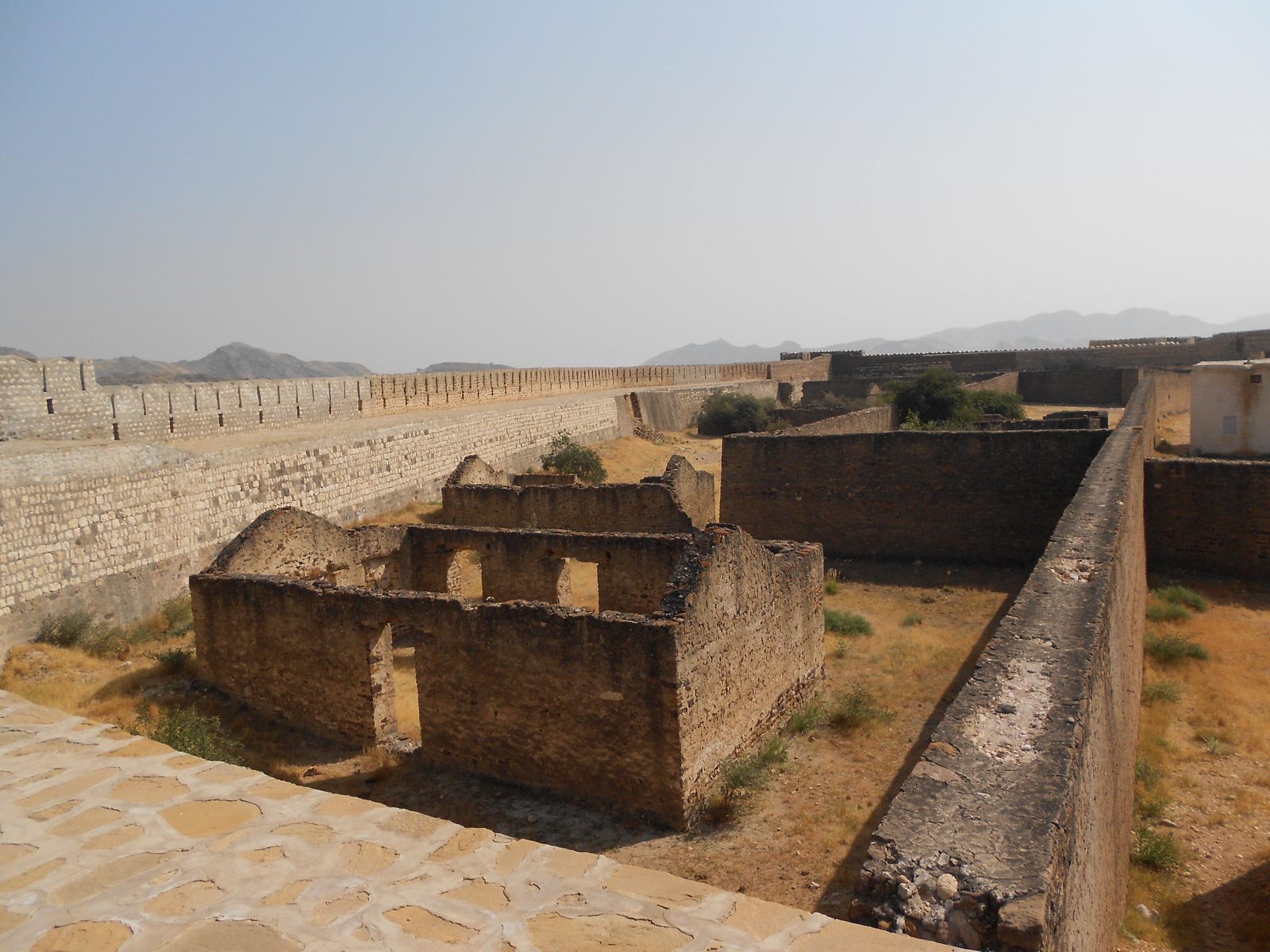
Before there were chemistry degrees, there were potters, plasterers, and brick-makers who understood heat, moisture, and minerals with almost uncanny precision. Many of the world’s earliest cities, especially in Mesopotamia, grew out of humble mudbrick – sun‑dried blocks made from river clay mixed with straw and silt. At first glance, mudbrick seems fragile compared to stone, yet entire ziggurats and city walls reached impressive heights with it, layered in ways that allowed for drainage and gradual settling. Builders controlled the ratio of clay to organic matter, the thickness of bricks, and the firing or drying times to balance strength, weight, and insulation. In a way, they were running an informal materials lab, generation after generation.
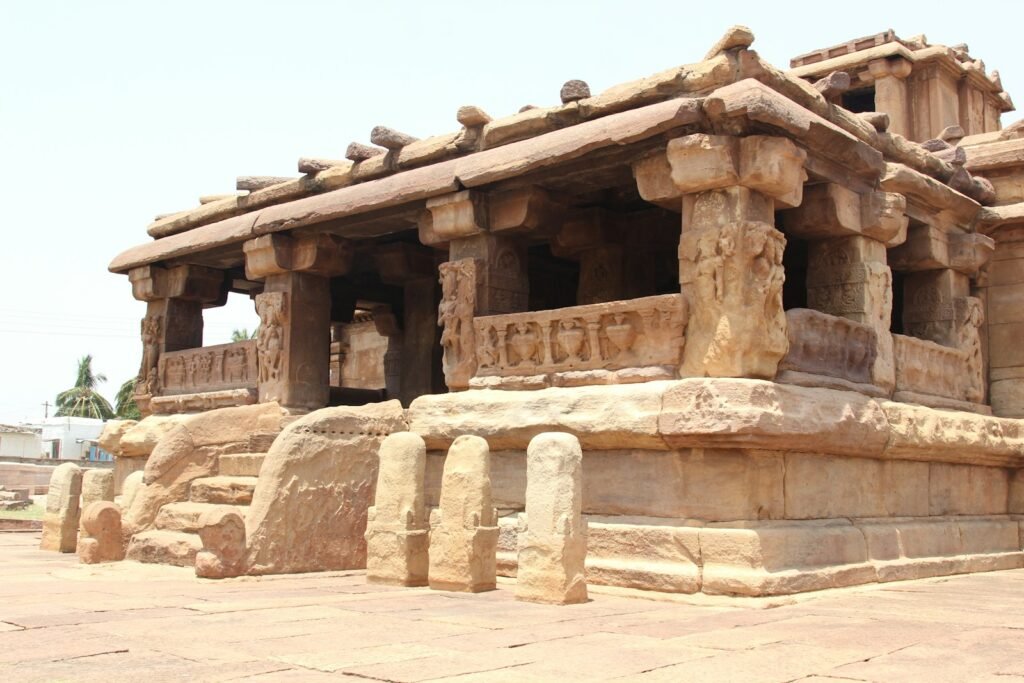
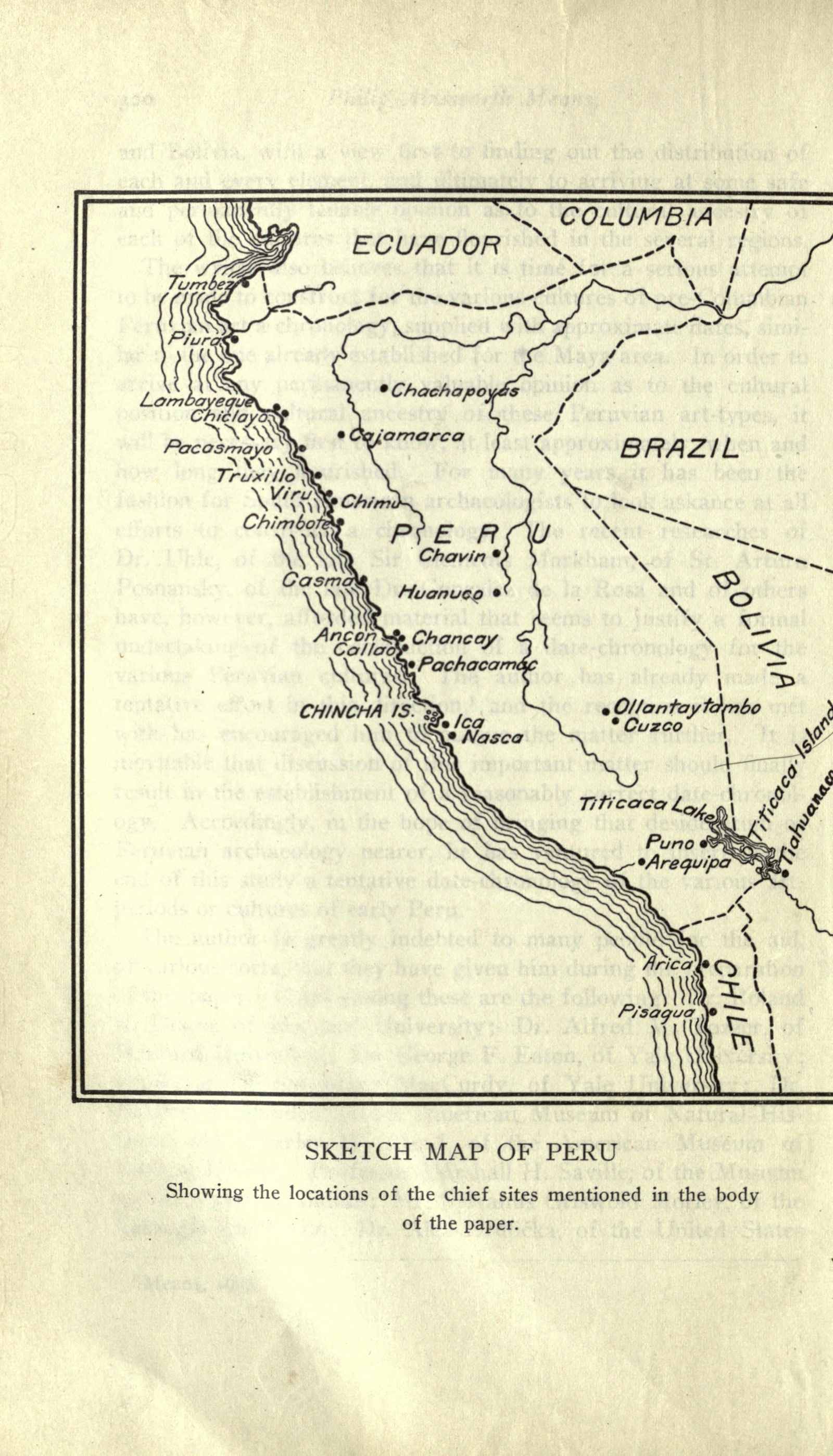
Elsewhere, stone challenged engineers to think like geologists. In Peru, the Inca empire mastered ashlar masonry, fitting irregular stones together so tightly that even a thin blade can barely slip between them. They exploited natural fracture lines in bedrock, used pounding stones to shape surfaces, and experimented with slight curvatures and interlocking shapes to resist earthquakes. Meanwhile, in ancient India and Southeast Asia, builders of rock-cut temples and cave complexes effectively reverse-engineered structures from the top down, carving entire pillars, halls, and facades directly from living rock. Without modern stress models, those choices required a keen intuitive grasp of how different rocks behaved, a kind of embodied materials science that still impresses engineers today.
Designing the Impossible: Geometry, Alignment, and Planning
Monuments are often framed as raw masses of stone, but underneath the mass lies math. Many early civilizations developed surprisingly sophisticated systems of measurement, surveying, and geometry to keep projects aligned over years or even decades. The builders of Giza, for example, managed to orient the Great Pyramid almost perfectly to the cardinal directions using nothing more than shadows, stars, and repeated observations. In Mesopotamia and later in the Greek world, surveyors used ropes knotted at regular intervals, stakes, and simple sighting tools to lay out right angles, straight avenues, and consistent foundation grids. These were not isolated feats; they were the backbone of urban planning and religious architecture.
Alignment was not just practical, it was symbolic and cosmological. Many temples, pyramids, and mounds align with solstices, equinoxes, or specific stars, turning the buildings into vast calendars and ritual instruments. That required long-term sky watching, record-keeping, and the ability to translate celestial events into ground-level lines and angles. Planning documents do not often survive, but the layouts themselves act like blueprints, revealing modular proportions and repeated design motifs across regions and centuries. To modern engineers, this looks strikingly familiar: a blend of standardization and custom adaptation, in which geometry serves both spiritual narratives and structural stability.
Organizing the Workforce: Logistics on a Civilizational Scale
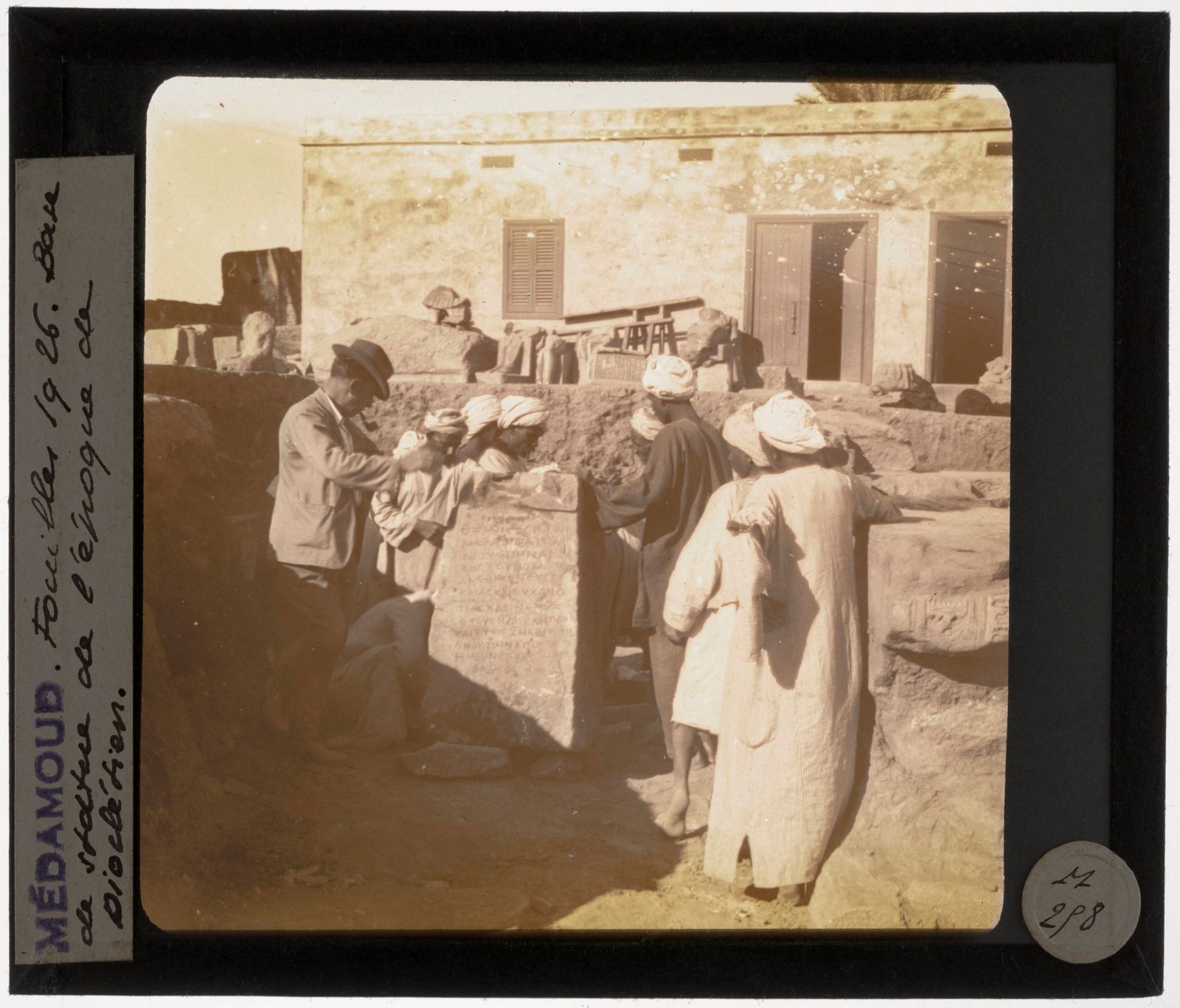
Even the smartest ramp or roller is useless without people to pull, shape, and place every block, and this is where ancient engineering shades into social engineering. To raise a pyramid, a ziggurat, or a massive earthen mound, leaders had to feed and coordinate thousands of workers over years, sometimes generations. Recent excavations around famous monuments have revealed large worker villages with bakeries, breweries, medical areas, and storage facilities. These findings undercut old images of anonymous slave labor and instead point toward more complex systems of seasonal work, corvée labor, and specialized crafts. The logistics – food supply, tool distribution, scheduling – were as critical as any ramp design.
From a systems perspective, these projects resembled modern infrastructure campaigns more than isolated stunts. Administrators tracked deliveries of stone, wood, and food, managed work teams, and resolved bottlenecks in quarrying or transport. Some evidence hints at early project management strategies, such as rotating crews, task specialization, and even rudimentary quality control on bricks or blocks. When sites show signs of projects started, altered, or abandoned, we are likely seeing the ancient equivalents of budget cuts, political shifts, or scope creep. Monumental architecture thus becomes a window into how early states experimented with large-scale coordination – and sometimes failed spectacularly.
Why It Matters: Rewriting Our Assumptions About Technology
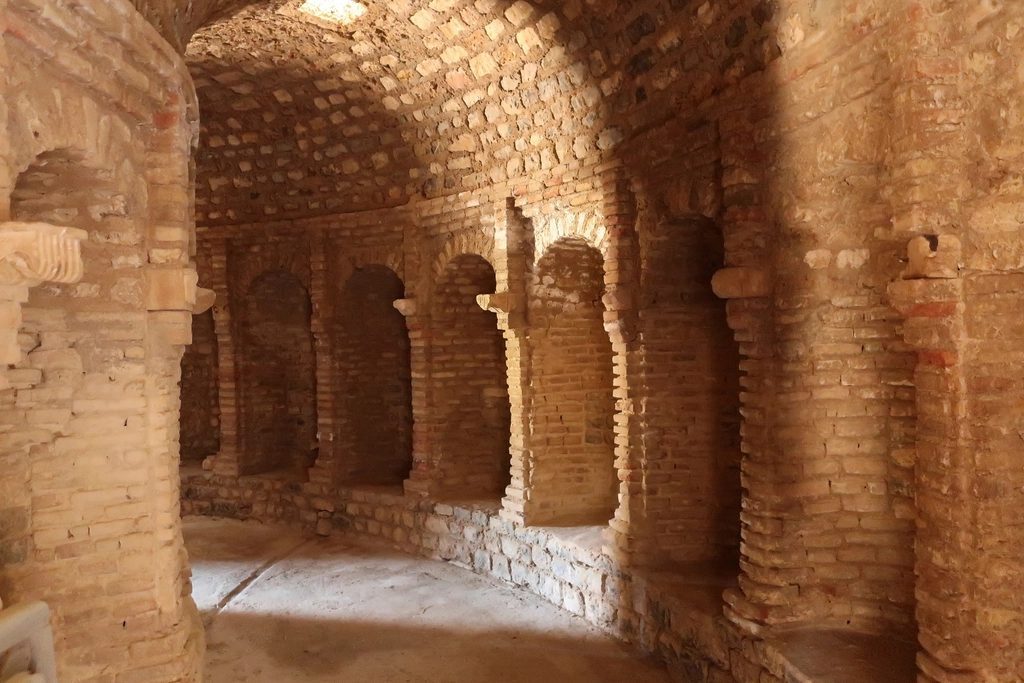
Understanding how ancient civilizations built their monuments is not just about solving historical puzzles; it forces us to rethink what technology actually means. We tend to equate technological sophistication with high-tech gadgets, metals, and machines, but these builders achieved staggering results with organic materials, stone, and human muscle. Their tools were often knowledge, organization, and patience more than devices in the modern sense. This challenges a quiet bias that assumes earlier societies were naïve or technically limited simply because they lacked modern materials. In many cases, they were optimizing under constraints we would struggle to accept today.
There is also a humbling parallel to contemporary engineering. Large infrastructure projects in the twenty-first century still wrestle with logistics, labor, political will, and environmental impact – the same themes that run through the archaeological record. By studying how ancient builders adapted to floods, earthquakes, and resource scarcity, we gain reference points for resilience and long-term thinking. Their monuments have endured thousands of years of weather and conflict, a durability record that many modern structures cannot match. Seeing those achievements clearly strips away both the mystical and the dismissive stories we tell about the past and replaces them with a more honest respect: they were not us, yet they wrestled with many of the same questions.
From Ancient Tools to Modern Science: Experimental Archaeology in Action
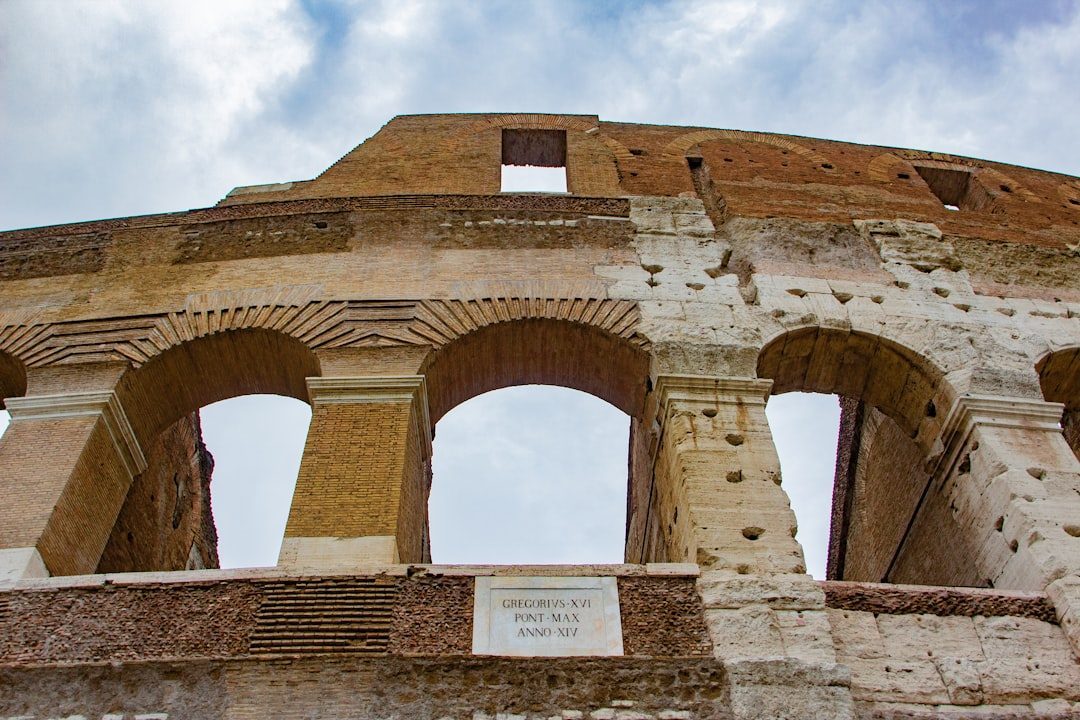
To move beyond speculation, many researchers now turn fields into laboratories, rebuilding ancient machines and methods at full scale. Experimental archaeology teams have dragged replica stones on sledges, tested different ramp designs, and even built small pyramids and megalithic circles to see what actually works. These experiments do not always yield neat answers, but they often reveal hidden constraints, such as how quickly ropes wear out, how easily soil deforms, or how much coordination a pulling team needs. In some cases, local craftspeople and traditional builders have joined the work, bringing in generational knowledge about working with earth, wood, or stone. That collaboration can spark techniques modern engineers might not have considered.
What makes this approach powerful is its feedback loop with digital modeling. Computer simulations of stress, friction, and workforce capacity can propose plausible scenarios, which teams then test in the field with real materials. When the results diverge, both the models and the historical assumptions are refined. Over time, this back‑and‑forth has killed off some once-popular but impractical theories and elevated others that align better with both physics and archaeological evidence. The result is not a single universal formula for how every monument was built, but a toolkit of tested strategies – ramps, sledges, cranes made of wood, counterweights – that ancient engineers likely mixed and matched to fit their terrain and politics.
The Future Landscape: What Ancient Engineering Can Teach Tomorrow’s Cities
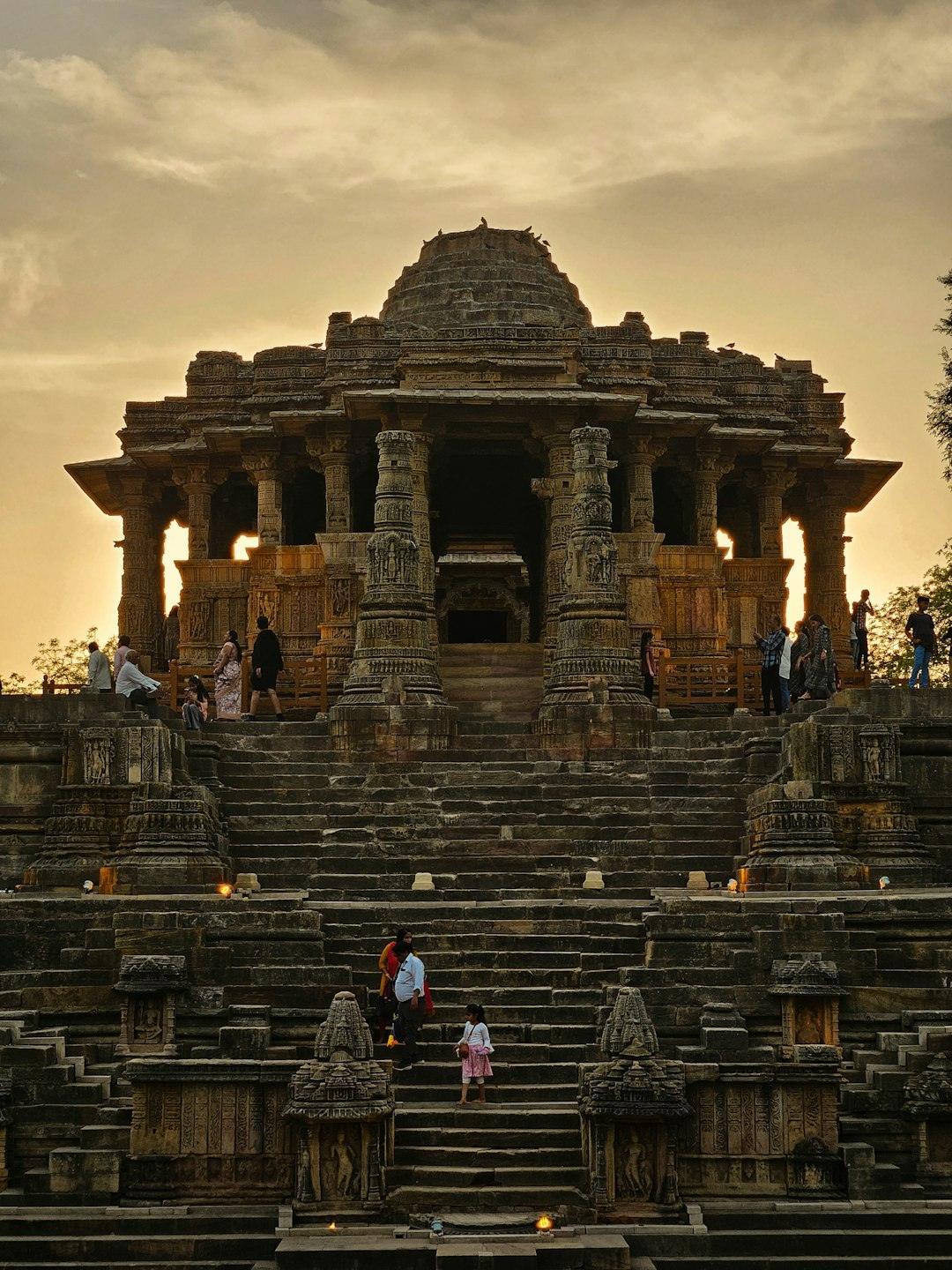
Curiously, the more we learn about early building methods, the more they start to look like prototypes for sustainable design in the twenty-first century. Many ancient projects relied on local materials, passive climate control, and structures tuned to their environment, not sealed off from it. Thick stone or mudbrick walls moderated temperature swings, courtyards funneled breezes, and orientation to the sun maximized light without overheating interiors. As cities now face extreme heat, energy constraints, and resource shortages, those low-tech, high-ingenuity strategies no longer seem quaint; they seem urgent. In a sense, ancient engineers were forced into circular economies and local sourcing that we are now trying to reinvent.
There is growing interest among architects and planners in learning from vernacular and monumental traditions alike. Insights from Inca earthquake-resistant masonry, Roman concrete durability, and Mesopotamian mudbrick cooling all feed into debates about how to build more resilient housing and infrastructure. At the same time, remote sensing and AI-powered analysis of archaeological sites are accelerating discoveries, uncovering previously unknown earthworks and structures hidden under forests or fields. Those new finds will expand the catalog of ancient solutions just as we most need them. The past is not a blueprint we can copy directly, but it is a vast library of tested responses to climate, scarcity, and social complexity.
How You Can Engage With Ancient Engineering Today
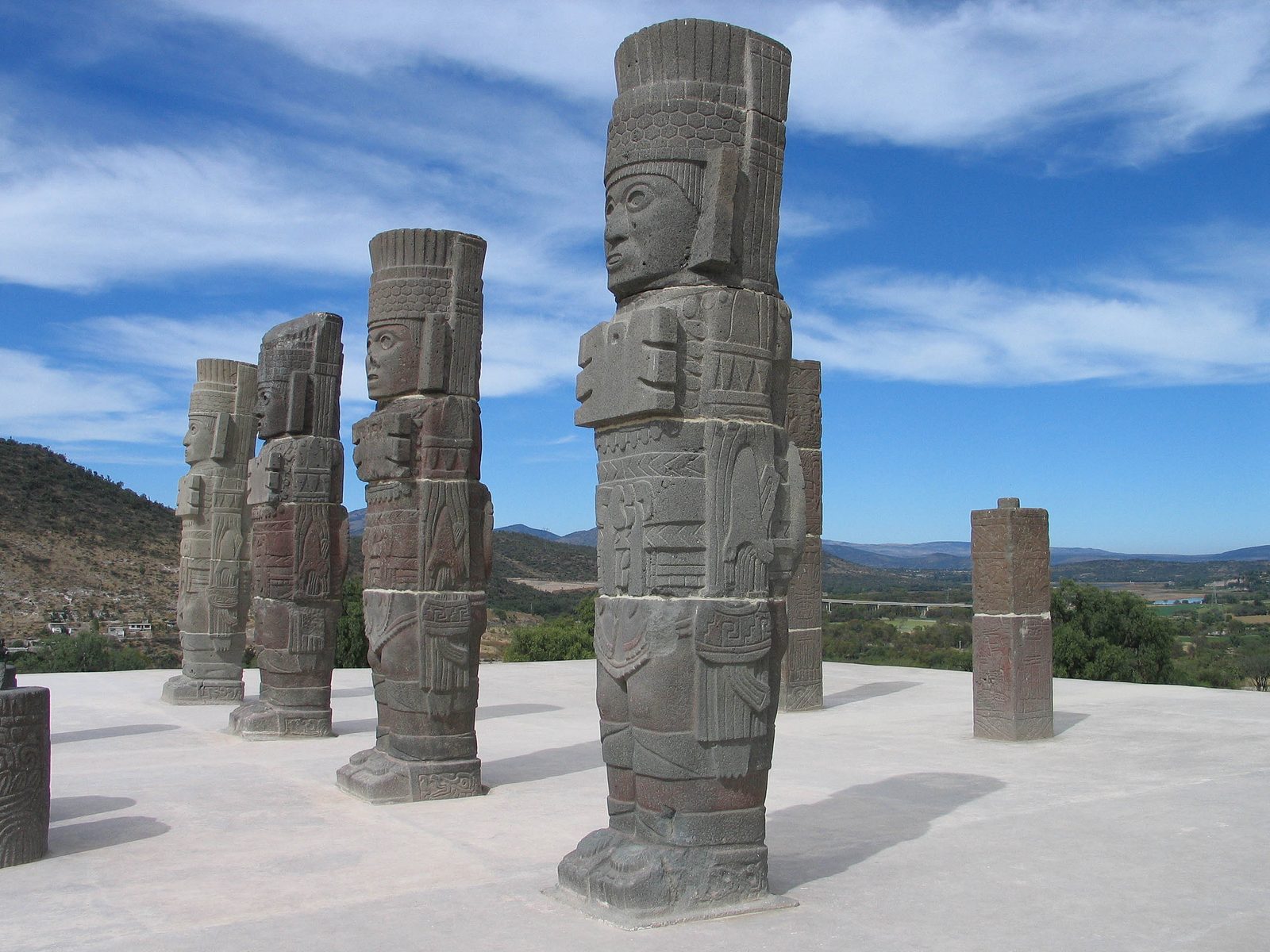
Engaging with ancient engineering does not require a trowel or a research grant; it starts with how you look at the world around you. Visiting a museum, a local mound site, or even a historic stone bridge becomes a different experience when you pause to ask: how did someone actually build this, step by step, with what they had? Reading public-friendly excavation reports or following field projects through reputable institutions can turn global sites into ongoing stories rather than static ruins. Many research teams now share updates, models, and reconstruction videos that make methods as visible as end results. That transparency invites non-specialists into the conversation about what really counts as technology and innovation.
There are also concrete ways to support the work that uncovers and protects these lessons from the past. Donations to archaeological conservation projects, UNESCO-linked initiatives, or science communication organizations help fund fieldwork, preservation, and open-access publications. Supporting local heritage protections and paying attention when development projects threaten archaeological landscapes can make a real difference. Even small choices – like choosing well-researched books over sensationalized pseudo-archaeology – shape the public narrative around ancient civilizations. In the end, every careful question about how something was made honors the ingenuity of people who, with no modern tools, still found ways to leave their mark in stone.
Suhail Ahmed is a passionate digital professional and nature enthusiast with over 8 years of experience in content strategy, SEO, web development, and digital operations. Alongside his freelance journey, Suhail actively contributes to nature and wildlife platforms like Discover Wildlife, where he channels his curiosity for the planet into engaging, educational storytelling.
With a strong background in managing digital ecosystems — from ecommerce stores and WordPress websites to social media and automation — Suhail merges technical precision with creative insight. His content reflects a rare balance: SEO-friendly yet deeply human, data-informed yet emotionally resonant.
Driven by a love for discovery and storytelling, Suhail believes in using digital platforms to amplify causes that matter — especially those protecting Earth’s biodiversity and inspiring sustainable living. Whether he’s managing online projects or crafting wildlife content, his goal remains the same: to inform, inspire, and leave a positive digital footprint.