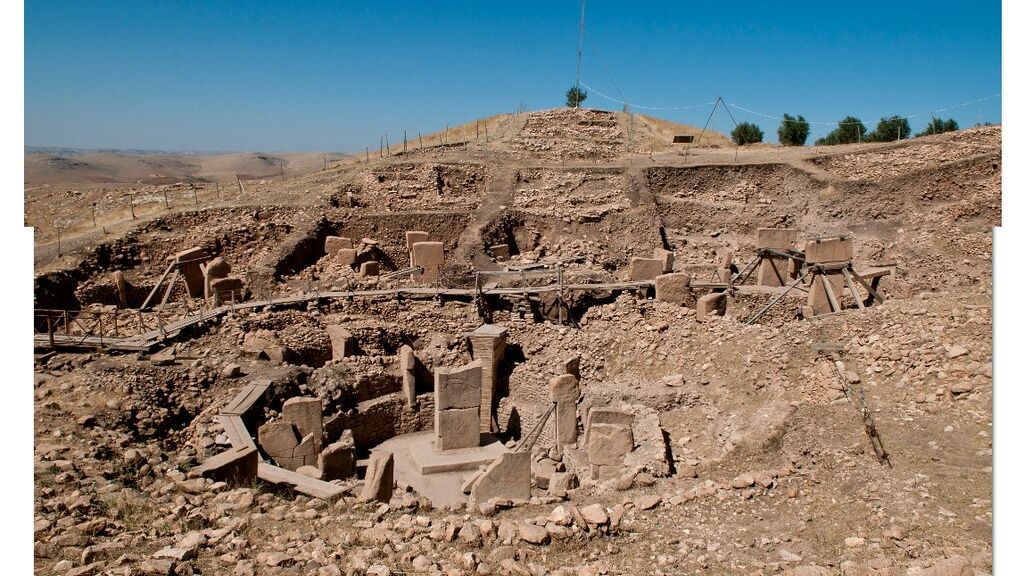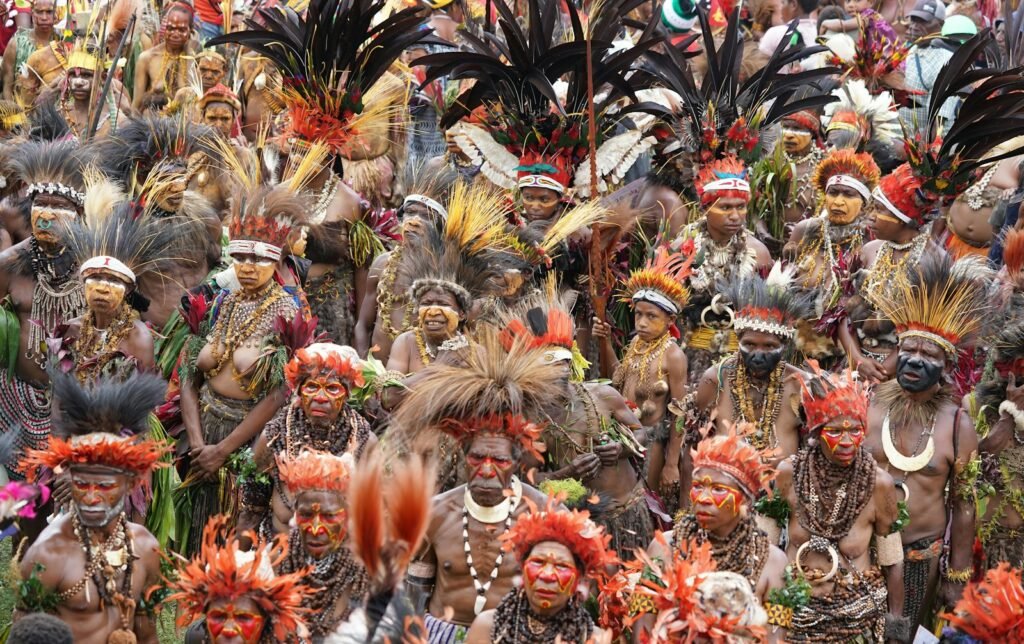

Across North America, the story of human survival, innovation, and identity has been shaped in profound ways by the continent’s Indigenous nations. Yet in classrooms, headlines, and even museums, only fragments of that story usually surface. Today, archaeologists, geneticists, linguists, and tribal knowledge-keepers are piecing together a richer picture that challenges old myths and reveals just how sophisticated these societies were – and still are. This is not a tale of vanished peoples, but of living nations whose histories stretch back thousands of years and whose futures are tightly bound to questions of climate, land, and cultural resilience. From complex city-building to advanced ecological engineering, the ten nations below represent just a glimpse of the immense scientific and cultural legacy of Native tribes in North America.
The Haudenosaunee Confederacy: Democracy Before the Republic
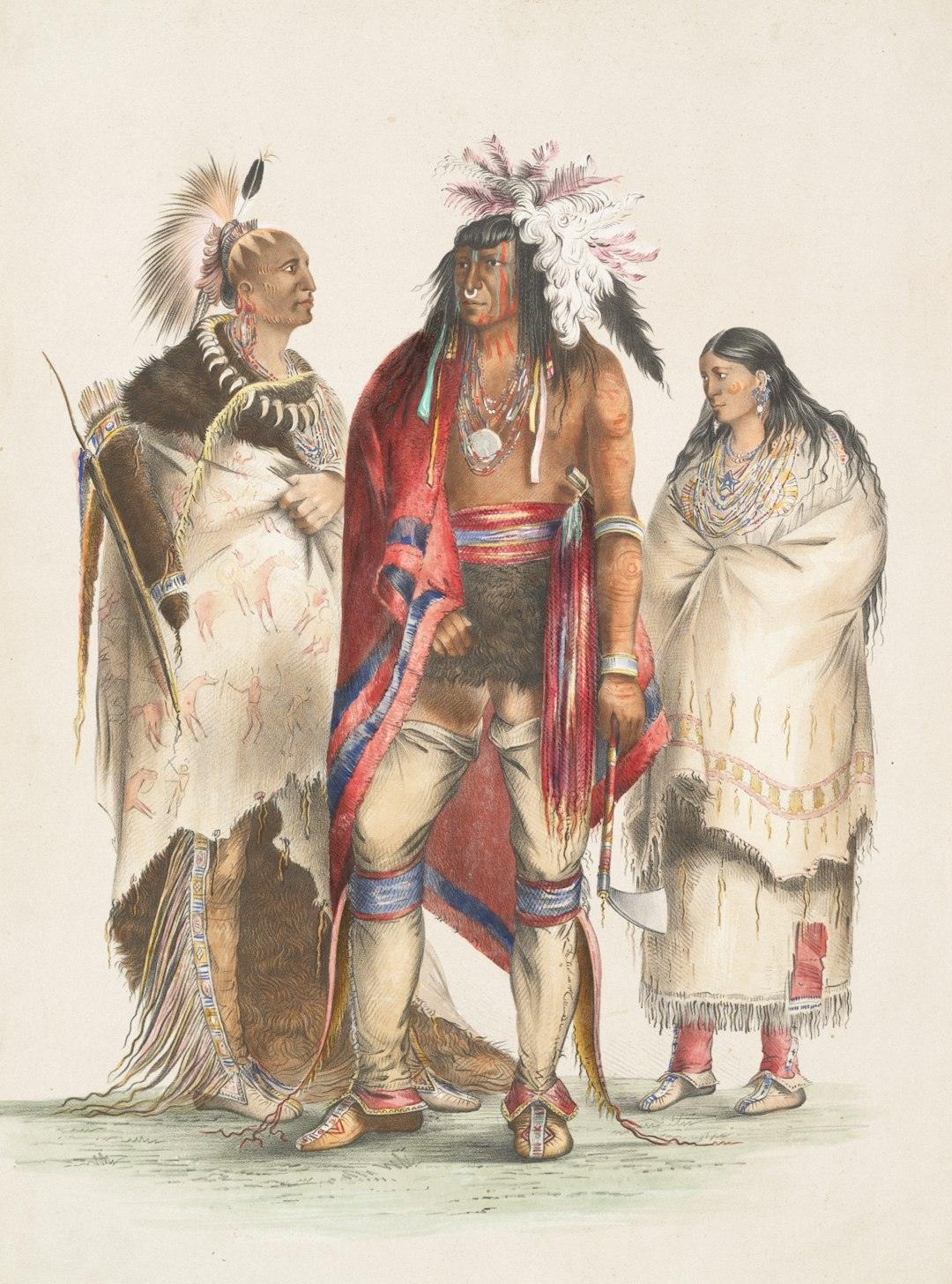
The Haudenosaunee, often called the Iroquois Confederacy, formed one of the most influential political systems in pre-contact North America. Long before the United States Constitution, they built a sophisticated alliance of nations – the Mohawk, Oneida, Onondaga, Cayuga, Seneca, and later the Tuscarora – bound by a Great Law of Peace. Their council system balanced local autonomy with confederate decision-making in a way that many historians argue helped inspire aspects of modern democratic governance in North America. Clan mothers held key authority in appointing and removing chiefs, illustrating a nuanced balance of gendered power that still surprises many political scientists.
Anthropologists and legal scholars analyze the Haudenosaunee not only as a cultural group, but as a political technology: a long-running experiment in conflict resolution, federalism, and consensus-building. Their traditions emphasize restorative approaches to justice, in stark contrast to the punitive systems that dominate many modern courts. Contemporary Haudenosaunee communities continue to navigate tensions between traditional governance and imposed state structures, offering real-time lessons in sovereignty and self-determination. When we talk about “innovation in governance,” the Haudenosaunee remind us that some of the most enduring models were forged in longhouses, not think tanks.
The Navajo Nation: Code, Cosmos, and Climate Resilience
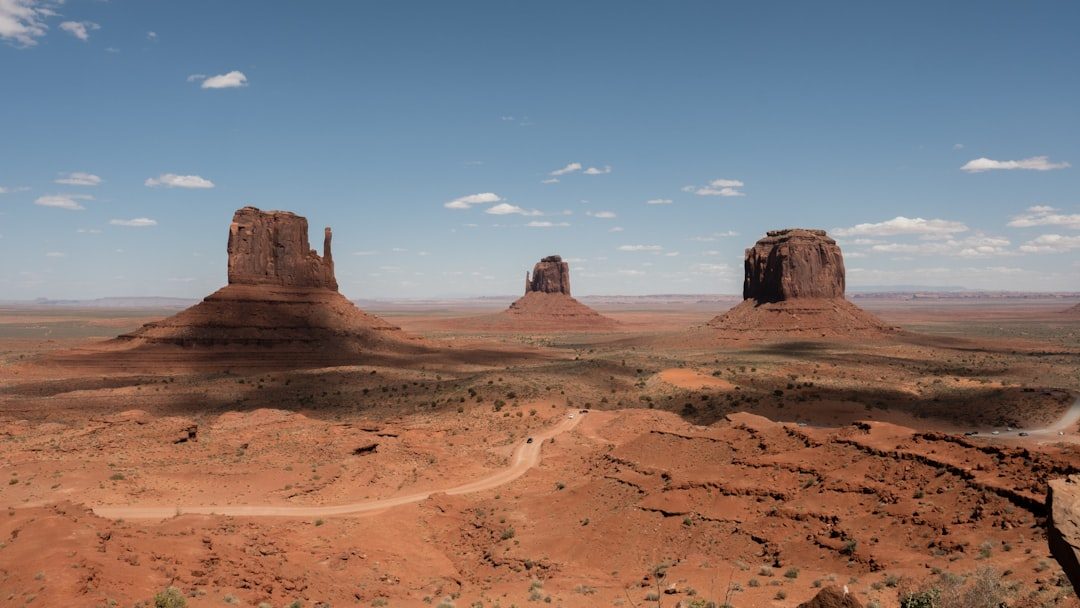
The Navajo, or Diné, occupy one of the largest reservation lands in the United States, spanning parts of Arizona, New Mexico, and Utah. Many people first encounter Navajo history through the famous World War II Code Talkers, whose radio messages in the Navajo language helped secure Allied victories in the Pacific. But their significance stretches far beyond military history, reaching into astronomy, ecology, and health science. Traditional Navajo cosmology maps the night sky into stories and moral frameworks, providing a kind of narrative astronomy that helps align human behavior with cycles of the environment.
Scientists and Navajo knowledge-keepers are now collaborating in fields like drought adaptation and public health. For instance, traditional land-use practices – rotational grazing, dryland farming, and careful water management – offer models for living in arid landscapes that twenty-first-century climate researchers are studying closely. At the same time, the legacy of uranium mining and environmental contamination on Navajo lands illustrates a stark intersection of science, policy, and environmental justice. The Navajo Nation sits at a crossroads: its ancestral knowledge is increasingly recognized as critical for climate resilience, even as its communities contend with the long-term health impacts of past industrial experiments. That tension makes the Navajo story one of both scientific promise and unresolved harm.
The Cherokee: Language, Law, and Forced Migration
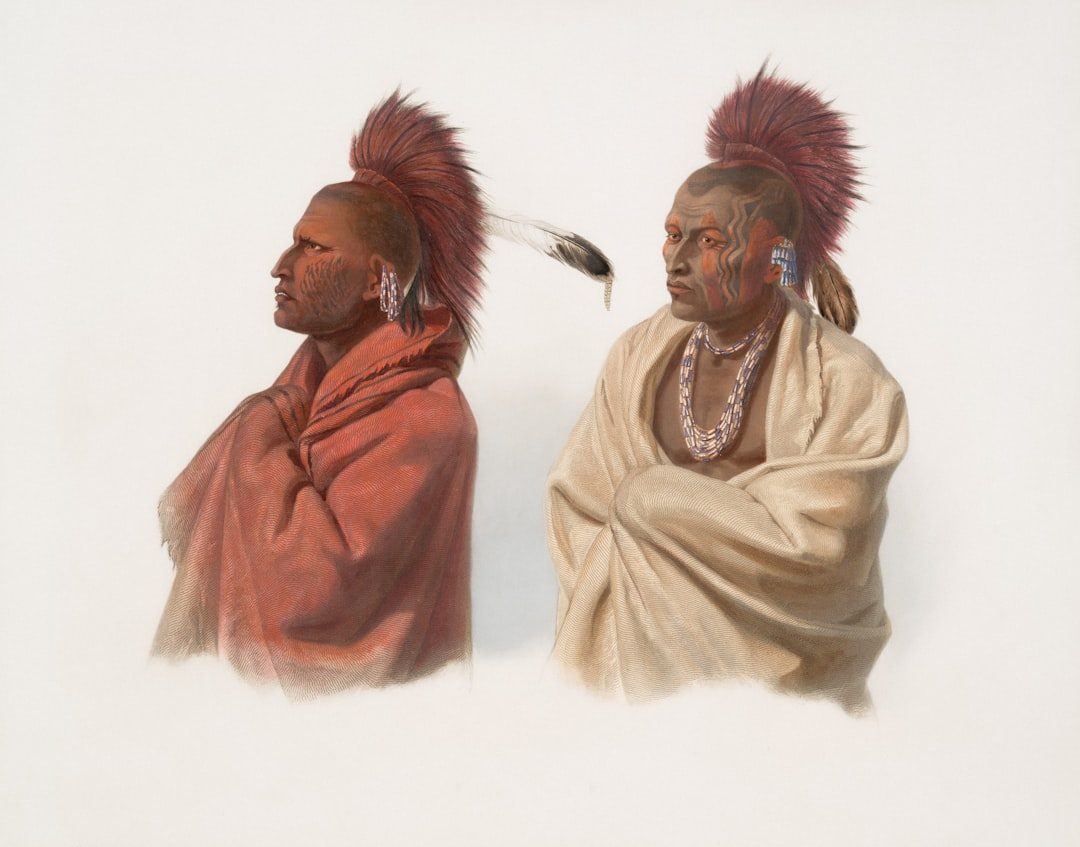
The Cherokee Nation’s story is often framed around the Trail of Tears, the brutal forced removal in the 1830s that killed thousands and pushed survivors from their homelands in the Southeast to what is now Oklahoma. But focusing only on that tragedy obscures the extraordinary intellectual and political achievements of the Cherokee people. By the early nineteenth century, the Cherokee had a written constitution, a bilingual newspaper, and a widely adopted syllabary invented by Sequoyah, which enabled rapid literacy in the Cherokee language. Linguists still marvel at how a single individual devised a system that made reading and writing accessible to an entire nation within a remarkably short span of time.
Today’s Cherokee Nation is a powerful example of how language and law can become tools of cultural survival rather than artifacts of the past. Language revitalization programs use immersion schools, digital apps, and community classes to stabilize a tongue once at risk of collapsing under assimilation pressures. Cherokee legal scholars play visible roles in debates over tribal sovereignty, jurisdiction, and land rights, often pushing U.S. courts to confront broken treaties and blurred legal boundaries. For scientists studying language loss, child development, or identity, the Cherokee experience provides a living case study in how policy, pedagogy, and community resolve can pull a language back from the edge.
The Lakota and Dakota Nations: Plains Warfare, Sacred Landscapes, and Memory
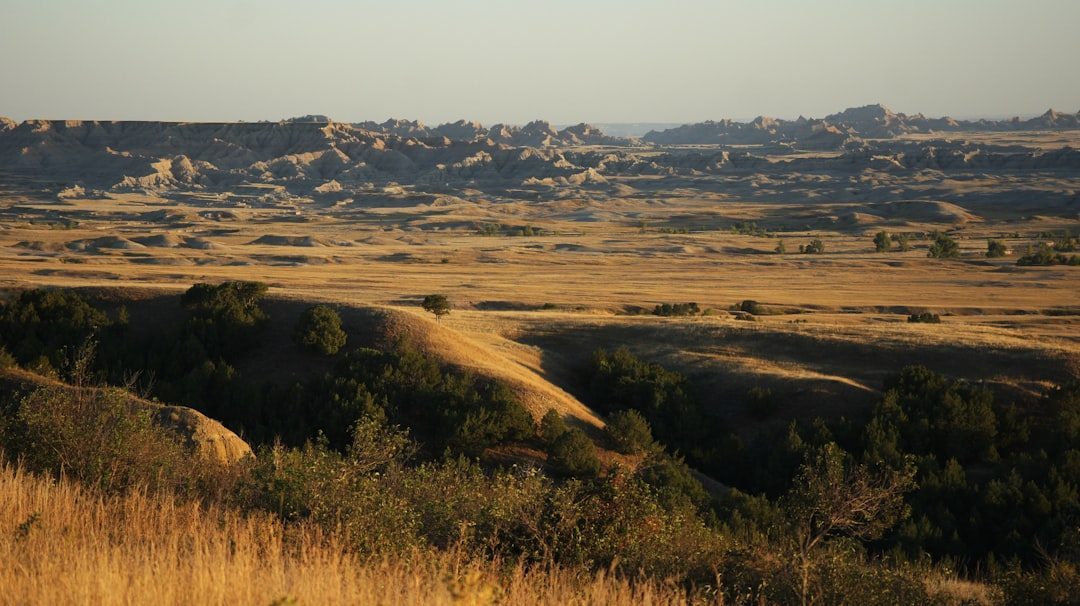
The Lakota and Dakota, often grouped as part of the Sioux, are frequently reduced in popular culture to stereotypes of horseback warriors on the Great Plains. Yet their history – and scientific significance – goes far deeper. Their cultures are tightly bound to specific landscapes, from the Black Hills to wide river valleys, places seen not simply as scenery but as sacred, storied entities with distinct responsibilities and powers. Archaeologists and ethnographers have documented complex patterns of seasonal movement, buffalo management, and star knowledge that reveal a sophisticated understanding of ecology and celestial cycles.
Modern Lakota and Dakota communities are active in legal and environmental battles, particularly around land rights and resource extraction. The resistance at Standing Rock against the Dakota Access Pipeline, for example, drew global attention not only as a political protest but as a clash between two fundamentally different models of land: one as commodity, the other as relative and teacher. For researchers in environmental ethics, climate policy, and social movements, the Lakota and Dakota highlight how spiritual and scientific views of nature can intersect and collide. Their story shows how memory – carried in songs, ceremonies, and place names – can function as both archive and blueprint for future action.
The Inuit: Arctic Science Partners in a Warming World
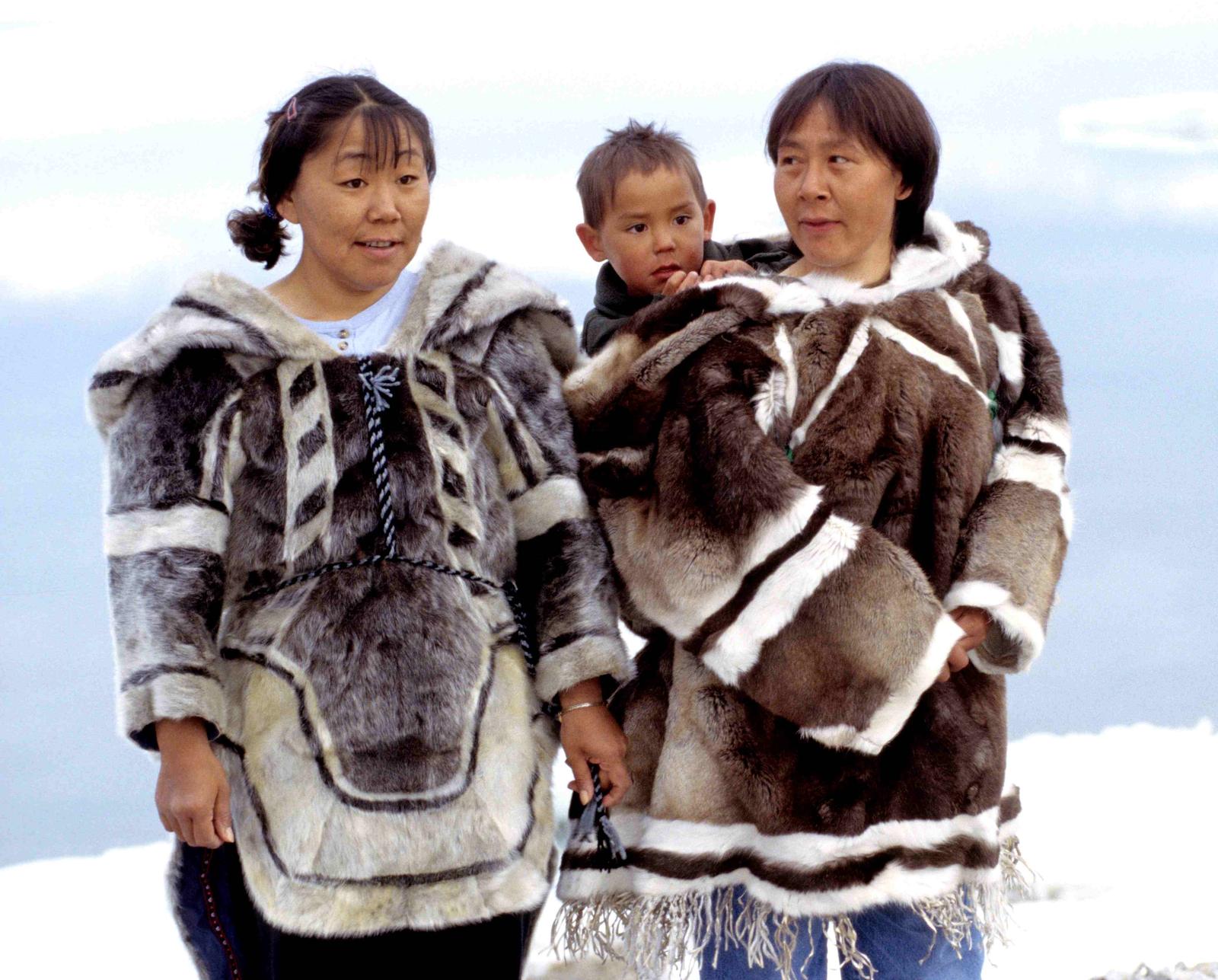
Inuit communities across Alaska, Canada, and Greenland have become crucial collaborators in climate science, whether or not they set out to be. As Arctic temperatures rise faster than in most other regions of the planet, Inuit hunters, elders, and youth provide front-line observations of changing sea ice, animal migrations, and coastal erosion. Scientists refer to this as Indigenous knowledge or traditional ecological knowledge, but to many Inuit, it is simply the cumulative result of generations of close attention to a harsh environment. Their knowledge can be astonishingly detailed: wind patterns tied to specific ice formations, small shifts in animal behavior that hint at larger ecological disruptions.
These observations are increasingly built into formal research on permafrost thaw, sea ice dynamics, and food security. Collaborative projects have yielded more accurate models of sea ice stability and better risk assessments for coastal communities facing relocation. At the same time, Inuit leaders warn that treating their knowledge as just another “data source” can erase its cultural and ethical dimensions. This tension raises important questions for the future of climate science: can we build research frameworks that treat Inuit knowledge systems as equal partners rather than field notes? The answer may determine not only how well we understand the Arctic, but how fairly we respond to its rapid transformation.
The Pueblo Peoples: Architecture, Water Engineering, and Ancestral Cities
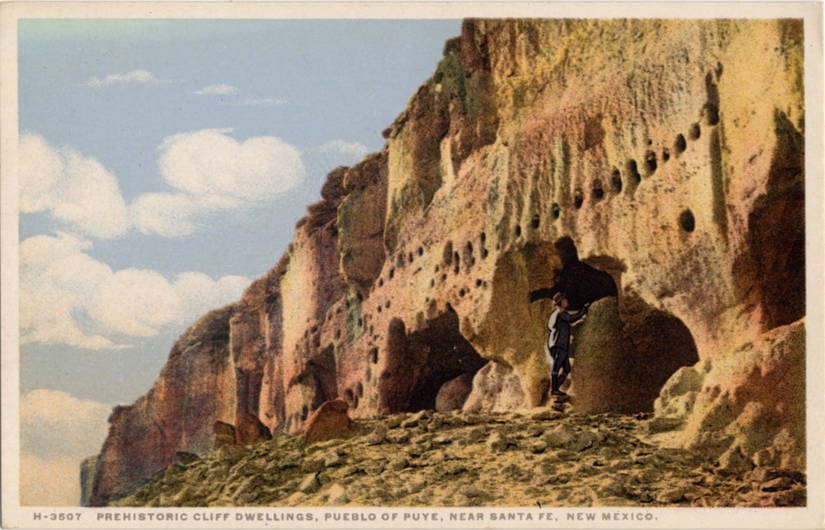
The Pueblo peoples of the American Southwest – such as the Hopi, Zuni, and communities along the Rio Grande – are heirs to one of the longest continuous traditions of settled village life in North America. Their ancestors built multi-story dwellings and ceremonial structures like kivas, engineered complex irrigation systems, and managed fragile desert ecosystems over centuries. Archaeological sites such as Chaco Canyon and Mesa Verde show evidence of astronomical alignments, regional trade networks, and social organization on a scale that rivals so-called “Old World” civilizations. Instead of stone pyramids or marble temples, we see dense, communal plazas and intricate masonry built directly into cliffs and mesas.
Researchers in hydrology and climate science study how these societies adapted to cycles of drought and abundance. Tree-ring records and sediment cores reveal periods of severe water stress that coincided with shifts in settlement patterns, offering a deep-time perspective on how societies respond to environmental shocks. Modern Pueblo communities continue to practice dry farming and ceremonial cycles tied to rainfall, blending spiritual and practical approaches to water stewardship. For a world sliding into more frequent droughts, their history offers both inspiration and warning about the fragility – and resilience – of human systems in arid lands.
The Mississippian Cultures and the Choctaw: Earthwork Empires and Living Nations
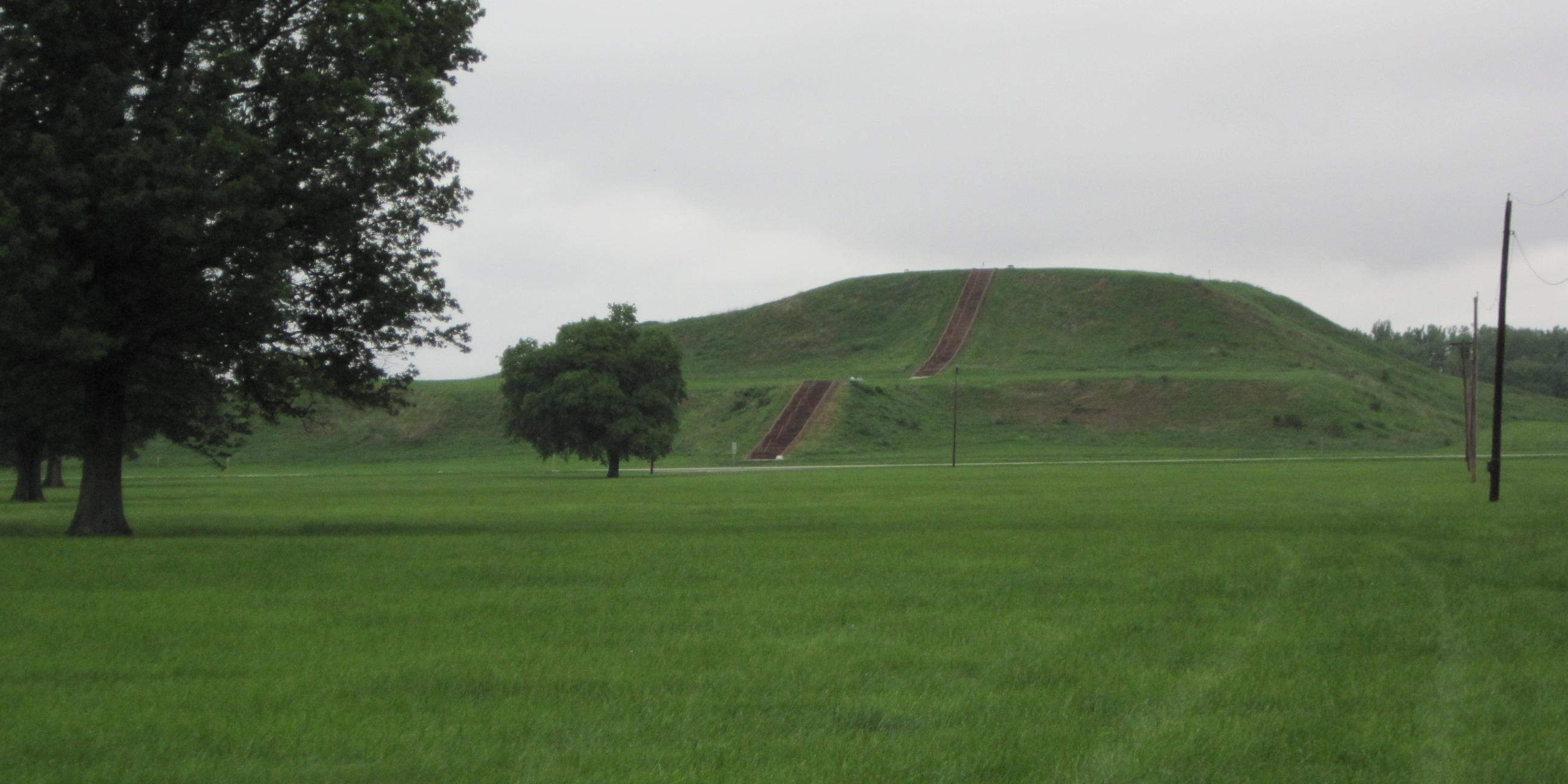
Centuries before European contact, the Mississippi River Valley and its tributaries were home to large, mound-building societies often grouped under the term Mississippian culture. Centers like Cahokia, near present-day St. Louis, featured massive earthen pyramids, plazas, and residential areas that likely housed thousands of residents, making it one of the largest urban centers north of Mexico. These societies practiced intensive agriculture, especially maize cultivation, and developed extensive trade routes reaching across the continent. Their monumental earthworks served political, ceremonial, and astronomical purposes, revealing a sophisticated understanding of both engineering and the cosmos.
Many Southeastern tribes today, including the Choctaw, share ancestral ties and cultural continuities with these Mississippian societies. The Choctaw in particular have played pivotal roles in both early American history and contemporary science collaborations, from agricultural knowledge exchange to public health research. After suffering forced removals and land loss, Choctaw communities have rebuilt strong tribal governments and educational systems that support language revitalization and cultural resurgence. For anthropologists and historians, the link between Mississippian mounds and modern Choctaw identity underscores a key point: these are not “lost civilizations,” but living nations rooted in deep archaeological time.
The Apache: Mobility, Adaptation, and Tactical Intelligence
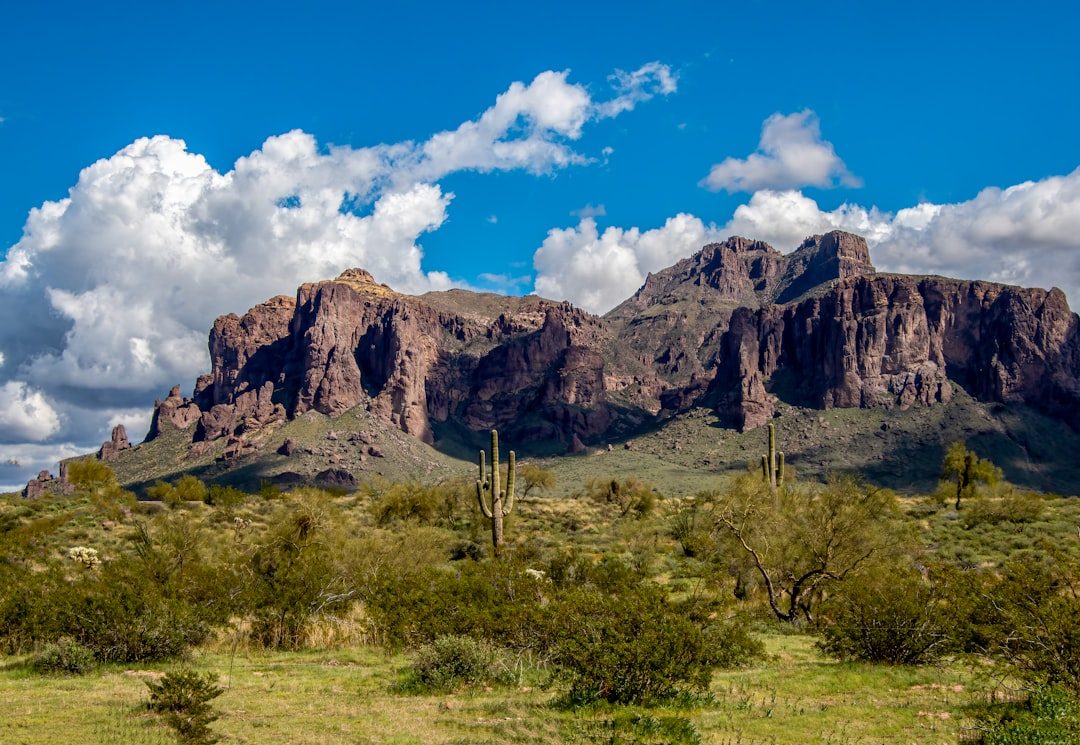
Apache groups across the Southwest, including the Western Apache, Chiricahua, and Mescalero, have long been portrayed in popular media almost exclusively through the lens of warfare. But their real significance lies in their mastery of mobility, landscape knowledge, and social adaptation in rugged environments. Apache survival strategies relied on acute familiarity with mountain passes, water sources, and plant resources over wide territories, functioning like a living geographic information system long before satellite maps. Their flexible band-level social organization allowed them to respond quickly to shifting threats and opportunities.
Ethnographers and cognitive scientists have been particularly interested in the way Apache place-naming and oral traditions encode spatial information and moral lessons. Stories tied to specific hills, springs, or rock formations help younger generations memorize complex routes and survival cues without ever sounding like a lecture. Modern Apache communities are using this same storytelling tradition in new formats – digital archives, radio, and classroom curricula – to preserve both language and ecological knowledge. Their history highlights a broader scientific insight: mobility itself can be a form of technology, one that leaves fewer ruins but no less intelligence.
Why It Matters: Rethinking Science, History, and Who Gets to Be an Expert
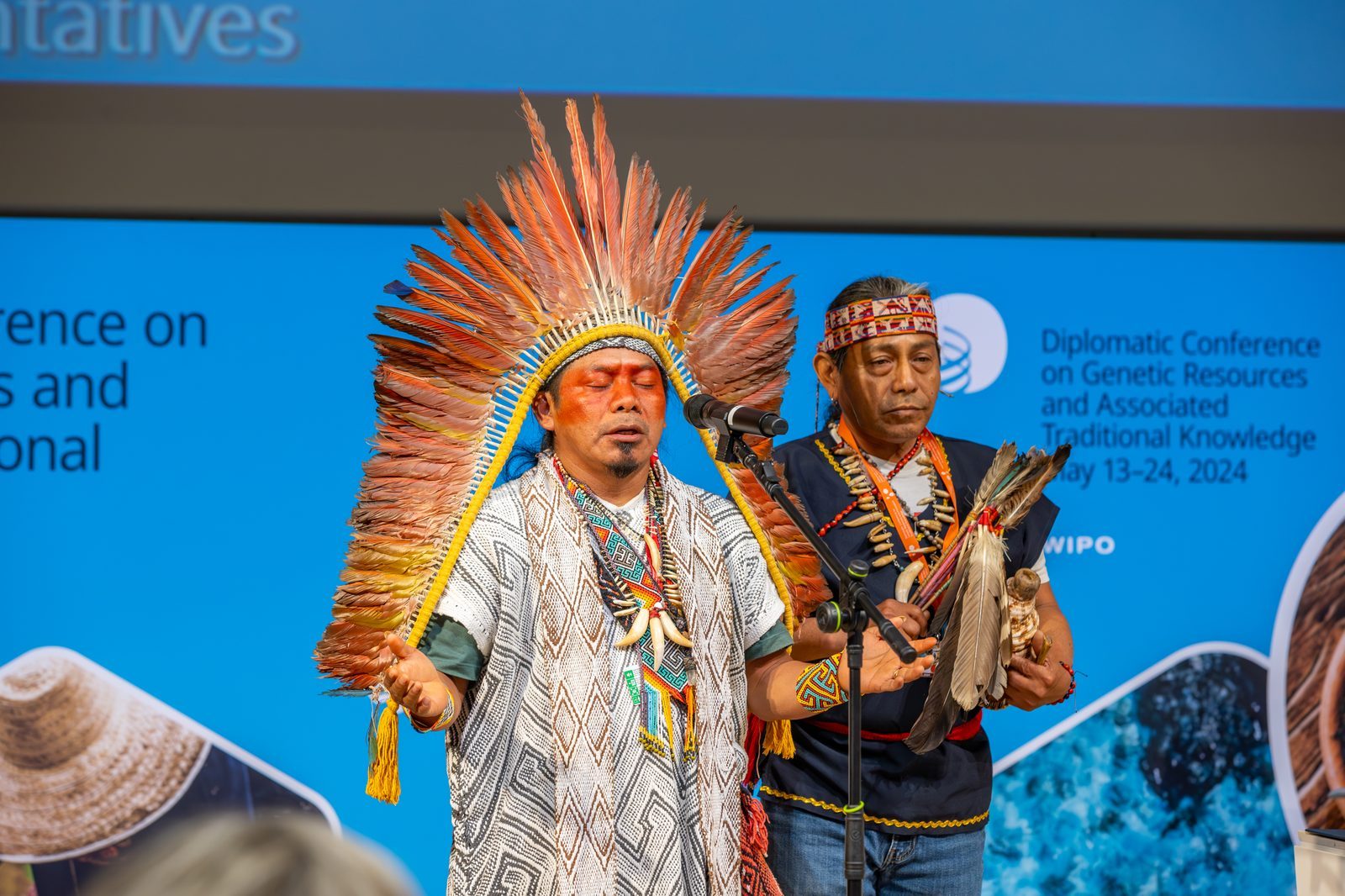
Highlighting these ten Native nations is not just an exercise in cultural appreciation; it directly challenges how we define science, progress, and expertise. For much of the last two centuries, Western institutions treated Indigenous knowledge as folklore at best, and as an obstacle to development at worst. Yet when we look closely at Haudenosaunee governance, Inuit climate observations, or Pueblo water management, we see systematic experimentation, long-term data collection, and complex theory-building in action. In many ways, these are parallel scientific traditions, built with different tools and values but still relentlessly focused on understanding and navigating the world.
Comparing these traditions to conventional Western science exposes both blind spots and opportunities. Western models often prioritize short-term, quantifiable results; Indigenous systems tend to emphasize long time scales, relational responsibilities, and ethical constraints. When climate models underestimate local ice conditions, or when legal systems ignore centuries of treaty history, it is not just a political failure – it is a failure of epistemology, of recognizing who counts as a knower. Integrating Indigenous knowledge into research is not about decoration or symbolism; it is about fixing a fundamental flaw in how we collect and value evidence. For readers and researchers alike, this shift forces a deeper question: what other answers have we missed because we dismissed the people who held them?
The Future Landscape: Co-Production of Knowledge and the Next Century of Collaboration
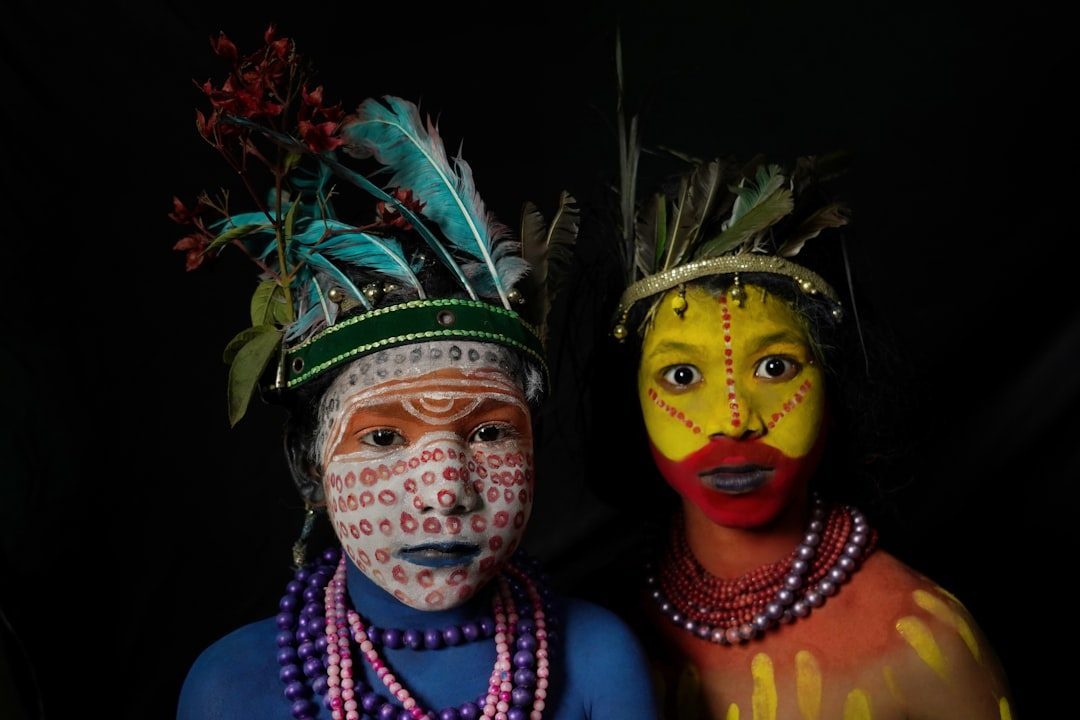
Looking ahead, the most significant scientific breakthroughs linked to Native nations may come not from isolated labs, but from genuine co-production of knowledge. That means research projects designed from the ground up with tribal governments and communities, where questions, methods, and outcomes are negotiated rather than imposed. In Arctic regions, for example, this can look like Inuit hunters guiding ice-monitoring routes and shaping how risk is defined for coastal villages. In the Southwest, it might mean Pueblo farmers and hydrologists jointly designing drought-resilient agriculture trials that honor ceremonial cycles.
These collaborations are not simple. Issues of data ownership, intellectual property, and historical mistrust can slow or even halt well-intentioned projects. Yet the stakes – climate adaptation, biodiversity loss, public health, and food security – are too high to cling to old, one-sided models of research. Native nations bring legal sovereignty, ethical frameworks, and generations of lived experience that can reshape how science is done, not just who is consulted. The next century of discovery in North America may depend less on brand-new technologies and more on how effectively we reconnect with knowledge systems that were sidelined, and sometimes violently suppressed, in the name of progress.
Call to Action: Learning With, Not Just About, Native Nations
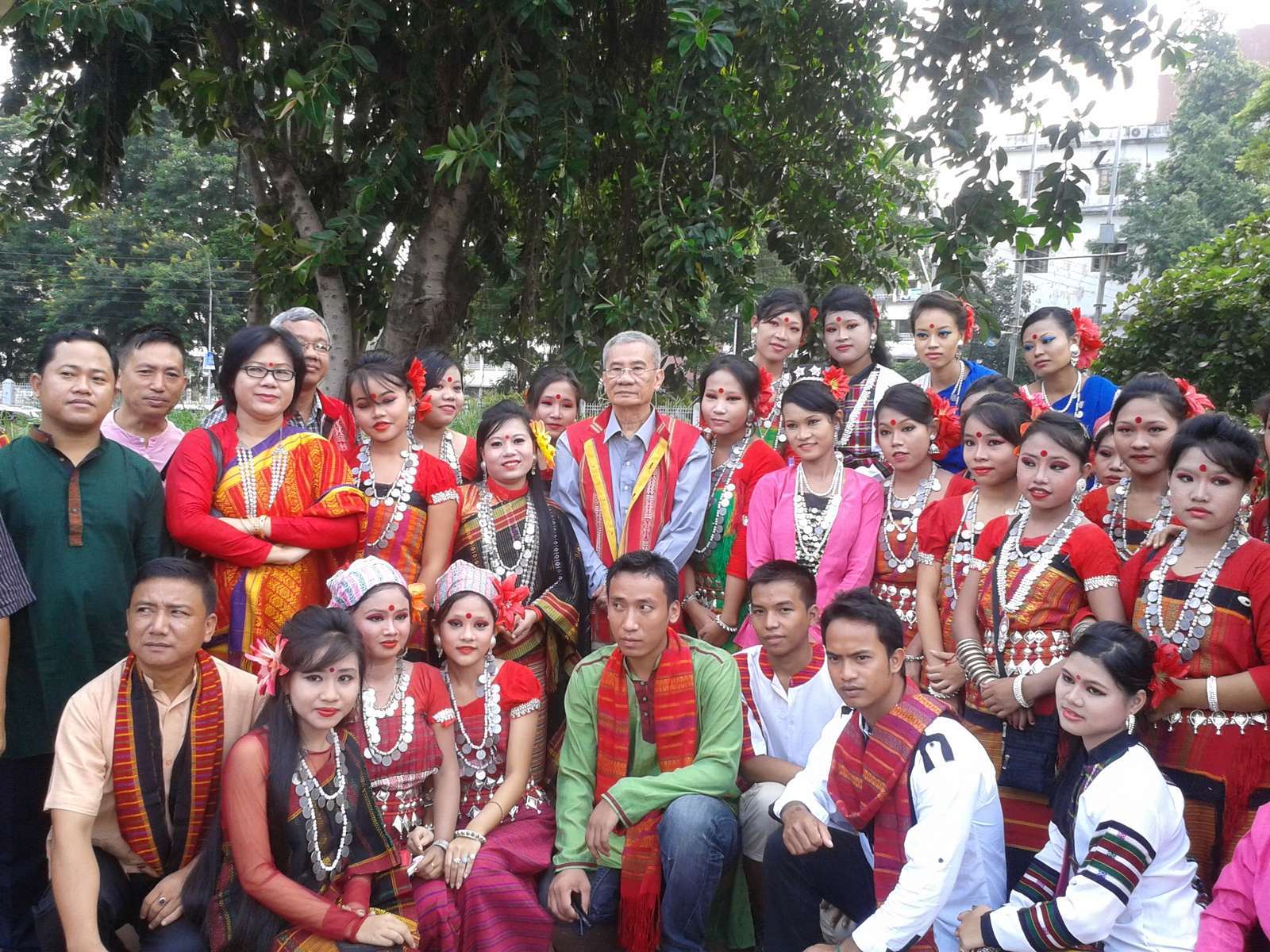
For most readers, the first step is simply to move from curiosity to commitment: from thinking of Native nations as distant subjects of history to recognizing them as present-day partners in shaping our collective future. That can start in small, practical ways – seeking out tribally run museums and cultural centers, supporting Native-led environmental organizations, or learning whose land you live on and what treaties govern it. If you work in science, education, or policy, it may mean rethinking how you design projects, who sits at the decision-making table, and how results are shared and credited. The point is not charity or symbolism, but a shift in who we recognize as fellow experts and co-authors of knowledge.
Readers can also support language revitalization efforts, which are often at the heart of cultural and scientific renewal. Many tribes run immersion schools, online classes, or community programs that welcome non-Native allies in appropriate roles, especially when it comes to advocacy and resources. Even small actions – choosing Native-authored books, following Indigenous journalists and scientists, or challenging stereotypes in everyday conversations – help create a public sphere where these nations are seen as modern and central, not relics at the margins. In a century defined by climate instability, political upheaval, and rapid technological change, listening seriously to the oldest living knowledge systems on this continent is not just respectful; it is rational. The open question is how quickly we are willing to act on that realization.
Suhail Ahmed is a passionate digital professional and nature enthusiast with over 8 years of experience in content strategy, SEO, web development, and digital operations. Alongside his freelance journey, Suhail actively contributes to nature and wildlife platforms like Discover Wildlife, where he channels his curiosity for the planet into engaging, educational storytelling.
With a strong background in managing digital ecosystems — from ecommerce stores and WordPress websites to social media and automation — Suhail merges technical precision with creative insight. His content reflects a rare balance: SEO-friendly yet deeply human, data-informed yet emotionally resonant.
Driven by a love for discovery and storytelling, Suhail believes in using digital platforms to amplify causes that matter — especially those protecting Earth’s biodiversity and inspiring sustainable living. Whether he’s managing online projects or crafting wildlife content, his goal remains the same: to inform, inspire, and leave a positive digital footprint.