

You might find yourself knocking on wood after mentioning good fortune, or crossing your fingers before an important exam. Perhaps you wear a lucky shirt to job interviews, even though you rationally know fabric can’t influence hiring decisions. Welcome to the fascinating world of human superstition.
These seemingly irrational behaviors exist in every culture across the globe, persisting despite scientific advancement and logical thinking. The truth is, your brain isn’t broken when it embraces these beliefs. Instead, superstitions reveal fundamental aspects of how your mind processes uncertainty, seeks control, and navigates an unpredictable world.
Your Brain’s Pattern Recognition Engine
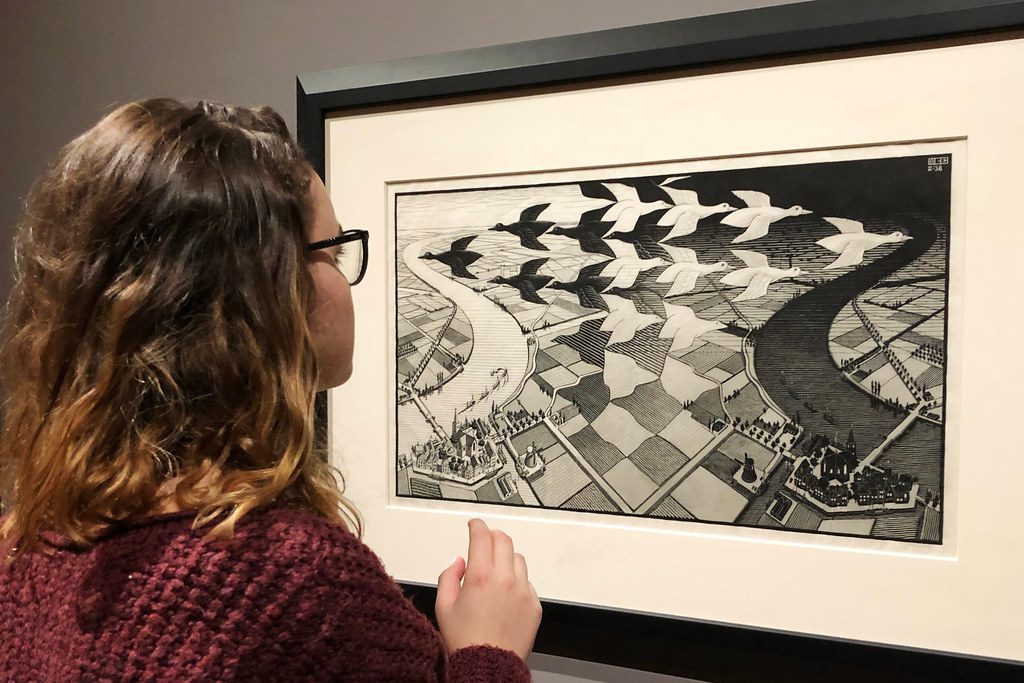
Your brain operates as a sophisticated pattern-matching machine, constantly searching for connections in everything you experience. This tendency to find meaningful patterns in meaningless noise, called “patternicity,” represents one of your most crucial survival mechanisms. Think of it as your mental equivalent of a smoke detector that’s slightly oversensitive.
Your brain continuously looks out for patterns and tries to associate them with each other. This ability helped your ancestors survive by predicting dangers and opportunities in their environment. The cost of believing that the rustle in the grass is a dangerous predator when it’s just wind is relatively low compared with the opposite, so natural selection favored believing most patterns are real.
However, this same system creates superstitions when your brain links patterns that are merely coincidental. Superstitions arise when your brain tries to relate patterns that occur together but are in no way related to each other. Your pattern recognition engine doesn’t come with a built-in fact-checker.
The Evolutionary Advantage of False Beliefs

Researchers have found that the inability to assign causal probabilities to all events forces you to lump causal associations with non-causal ones, and natural selection favors strategies that make many incorrect causal associations to establish those essential for survival and reproduction. In other words, it’s better to be wrong about harmless patterns than to miss life-threatening ones.
Consider how this plays out in modern life. You might avoid walking under ladders not because you truly believe it causes bad luck, but because the slight caution costs you nothing while potentially preventing accidents. Superstitions serve as personal coping mechanisms, offering an illusion of control and transforming the world into something more manageable by allowing you to feel equipped to influence outcomes.
This evolutionary programming explains why even highly educated people maintain superstitious behaviors. Your rational mind might reject these beliefs intellectually, yet your deeper survival instincts continue operating according to ancient logic.
The Dopamine Connection to Magical Thinking
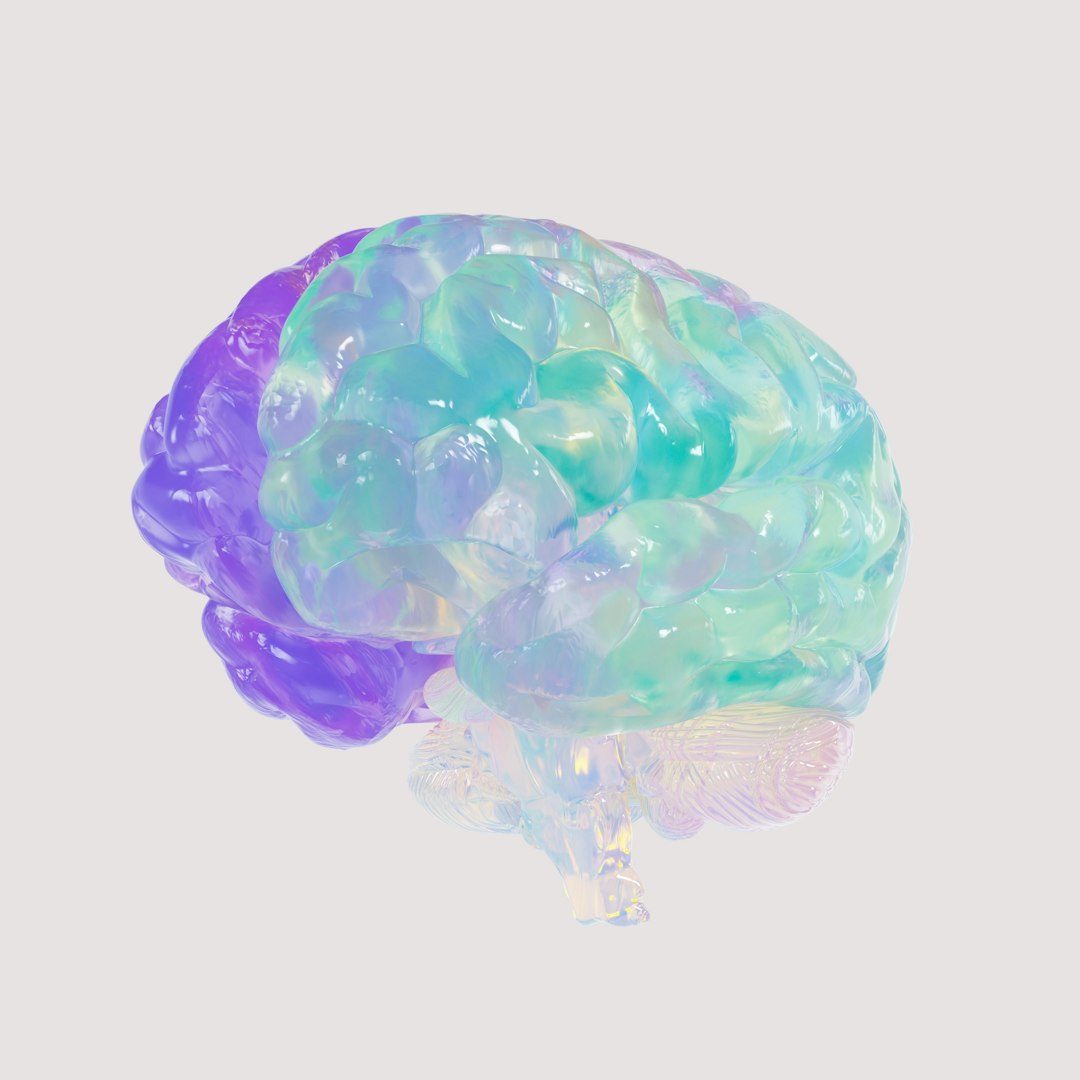
Neuroscience has uncovered a fascinating link between superstitious beliefs and your brain’s reward chemistry. The VMAT2 gene regulates the flow of serotonin, adrenaline, norepinephrine, and dopamine in the brain, and variations in this gene correlate with both spiritual experiences and pattern recognition abilities.
Those with more dopamine running around their brains are more likely to notice patterns where others see none and try to ascribe meaning to such things, even when detached from the rational world. Research shows that when people receive dopamine agonists, they become significantly more likely to perceive faces in scrambled images and report meaningful patterns in random stimuli.
Enhanced dopaminergic transmission produces less constrained firing patterns in brain neurons, generating more internal noise and promoting loosened associations and superstitious beliefs on the phenomenal level. This neurochemical basis helps explain why some individuals seem naturally more prone to supernatural thinking than others.
How Your Brain Creates Control Illusions
The illusion of control plays a crucial role in superstitious thinking, as individuals turn to these beliefs when faced with uncertainty or anxiety as a way to feel they can influence outcomes, providing comfort in situations where actual control is limited. Your brain desperately wants to believe you have more power over events than you actually do.
This psychological mechanism becomes especially pronounced in high-stakes environments. Consider the athlete who always wears the same pair of socks during championship games or the student carrying a lucky talisman during exams – these seemingly trivial rituals provide an emotional anchor and psychological bubble of safety.
When these superstitions appear to “work,” confirmation bias kicks in powerfully. Once established, you tend to notice and remember instances that support your superstitions while ignoring or forgetting contradictory evidence, making beliefs increasingly resistant to change over time. Your brain becomes a selective editor of your own experiences.
The Social Learning of Supernatural Beliefs

Superstitions don’t just emerge from individual pattern recognition errors. Direct teaching represents the most straightforward method of superstition transmission, with parents, family members, and cultural institutions explicitly passing down beliefs through verbal instruction and behavioral modeling during childhood development.
Observational learning occurs when you acquire superstitious behaviors through imitation without explicit instruction, watching others perform ritualistic behaviors like knocking on wood or crossing fingers and adopting these practices through social modeling. This explains how certain superstitions become deeply embedded in specific cultures while remaining foreign to others.
The power of social transmission becomes evident in experiments with animals. Studies show that groups can maintain superstitious behaviors across generations, even after the original environmental trigger has been removed. Your human capacity for complex social learning makes this effect even more pronounced and persistent.
The Anxiety-Reducing Power of Ritual

Rituals provide structure and order to potentially stressful events, with athletes often engaging in pre-game rituals to enhance focus or calm nerves, and studies showing rituals can reduce anxiety by providing a sense of control and predictability. Your brain craves predictability in an uncertain world.
Research from Harvard University demonstrates that people who engage in rituals before stressful tasks perform better and feel more confident. The mere act of following a prescribed sequence of behaviors, regardless of their logical connection to outcomes, triggers neurological responses that promote calm and focus. In high-stakes situations where pressure is immense, even a slight boost in confidence or reduction in anxiety can have a noticeable impact on behavior.
This anxiety-reducing function explains why superstitious behaviors often intensify during periods of stress or uncertainty. When you feel your control slipping away, your brain instinctively reaches for any available tool that might restore a sense of agency, even if that tool is objectively powerless.
When Pattern Recognition Goes Wrong
Research reveals that people with paranormal beliefs show a lower response criterion than skeptics, evidencing a tendency to say “yes” rather than “no,” favoring a Type I error over a Type II error strategy. In cognitive terms, you’d rather see something that isn’t there than miss something that is.
Unfortunately, humans didn’t evolve a built-in error-detection system to distinguish between true and false patterns, lacking an error-detection governor to modulate the pattern-recognition engine. This is why science, with its self-correcting mechanisms of replication and peer review, becomes so important for separating genuine patterns from illusory ones.
The challenge becomes even more complex when you consider that pattern recognition operates largely below conscious awareness. Your brain makes thousands of pattern-based decisions daily without your explicit involvement, creating fertile ground for superstitious associations to take root and flourish undetected.
The Adaptive Nature of “Irrational” Beliefs
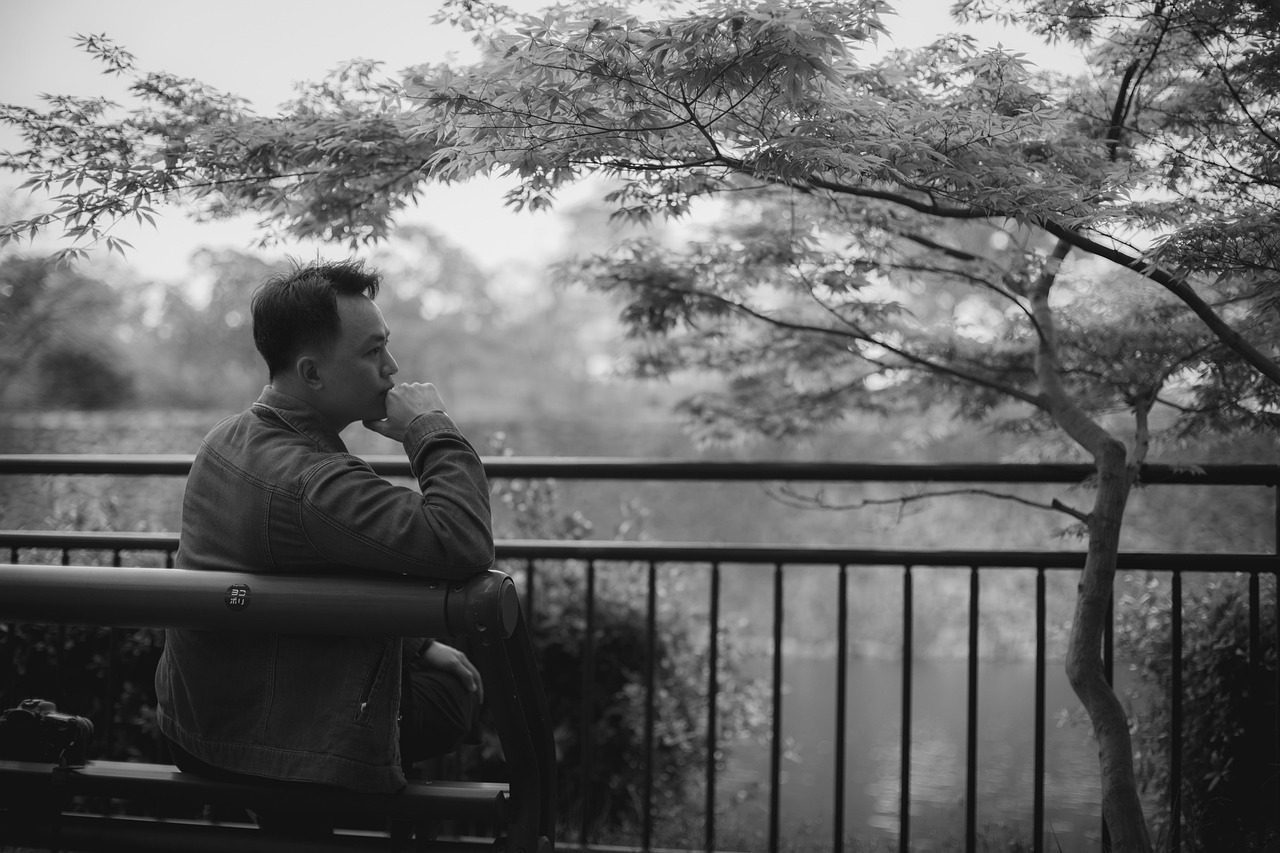
Superstitions make your brain feel safe and comfortable because you’re wired to recognize patterns and develop them, and you like seeing cause and effect even when it isn’t real. Rather than viewing superstitions as purely irrational mistakes, consider them as byproducts of otherwise highly adaptive mental processes.
The very cognitive ability that once safeguarded ancestors from threats transformed into rituals and beliefs that, while lacking empirical evidence, offer psychological comfort and order in a chaotic world. Your superstitious mind represents an ancient survival system operating in a modern context.
As long as your rituals remain flexible and you don’t take them too seriously, superstitions can be a reassuring and generally harmless way to cope with life’s unknowns. The key lies in maintaining awareness of their psychological function while appreciating their role in human experience.
Understanding the science behind superstition doesn’t necessarily diminish its power or utility. Instead, it reveals the remarkable complexity of your brain’s pattern-seeking machinery and its profound influence on daily life. These ancient cognitive processes continue operating beneath your rational awareness, seeking meaning and control in an uncertain universe.
Your superstitious behaviors reflect some of humanity’s most fundamental psychological needs: the desire for predictability, control, and meaning. Rather than dismissing these tendencies, perhaps you can appreciate them as windows into the fascinating architecture of human consciousness itself. What superstitions do you notice in your own life, and how might they be serving deeper psychological functions?
Hi, I’m Andrew, and I come from India. Experienced content specialist with a passion for writing. My forte includes health and wellness, Travel, Animals, and Nature. A nature nomad, I am obsessed with mountains and love high-altitude trekking. I have been on several Himalayan treks in India including the Everest Base Camp in Nepal, a profound experience.