
Your brain is wiring itself for happiness right now. Every smile, every moment of gratitude, every burst of laughter sends electrical signals racing through neural pathways that literally reshape your mind. This isn’t wishful thinking or positive psychology fluff – it’s hard science that’s revolutionizing how we understand joy.
Think about the last time you felt truly happy. Maybe it was watching a friend’s face light up, achieving a personal goal, or simply enjoying a perfect cup of coffee. What you probably didn’t realize is that your brain was orchestrating an intricate neurochemical symphony, releasing specific molecules that flood your consciousness with wellbeing. The remarkable truth is that happiness isn’t just an emotion we experience – it’s a biological process we can understand, measure, and even enhance.
Your Brain’s Chemical Factory of Joy
Your brain operates like a sophisticated pharmacy, producing four key neurotransmitters known as the “happy hormones”: dopamine, serotonin, endorphins, and oxytocin. Each plays a distinct role in creating your experience of wellbeing, working together in ways that scientists are only beginning to understand.
Dopamine, often misunderstood as the simple “happiness chemical,” actually drives anticipation more than satisfaction. Missing someone you love can trigger stronger dopamine responses than actually being with them, thanks to the excitement of anticipation. This helps explain why we sometimes feel more energized planning a vacation than actually taking it.
Serotonin acts as your mood’s steady regulator, supporting emotional stability and mental clarity. Unlike dopamine, serotonin doesn’t need external rewards to function – it creates feelings of confidence, self-worth, and social connection from within.
The Architecture of Happy Brains
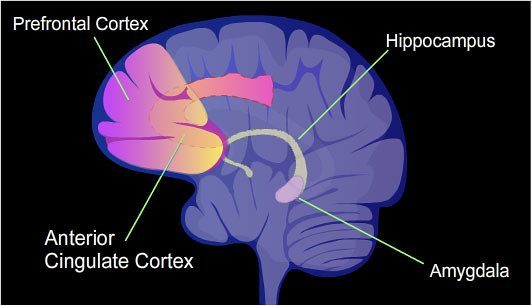
Research has identified specific brain regions crucial to positive emotions, with increased activity in the left prefrontal cortex strongly associated with happiness. Multiple brain regions, pathways, and circuits work together to create what we consciously recognize as happiness.
When you experience joy, your prefrontal cortex, amygdala, striatum, and limbic system activate in coordinated patterns. It’s like watching a city’s lights come alive at dusk – different neighborhoods illuminating in harmony. These activated regions work with neurotransmitter release to regulate pleasure, motivation, and social bonding.
Your brain’s reward system doesn’t just respond to big moments of triumph. When you help others, activity increases in brain regions involved in reward learning, particularly the ventral striatum where dopamine creates wanting to repeat rewarding activities. This explains why small acts of kindness can generate lasting mood improvements.
The Remarkable Power of Neural Plasticity
One of neuroscience’s most exciting discoveries is neuroplasticity – your brain’s ability to change and adapt throughout life, allowing you to literally train your brain for greater happiness. This isn’t a minor adjustment – we’re talking about fundamental rewiring of neural networks.
Neuroplasticity describes the brain’s continuous capacity to change throughout life, often compared to the muscle-building ability of the brain. It’s your brain’s capacity to reorganize itself by forming new connections and adjusting the strength of existing ones in response to your behavior.
This means the habits you build today are literally sculpting tomorrow’s brain. Choose meditation, and you’re strengthening focus pathways. Practice gratitude, and you’re reinforcing networks of appreciation. The implications are staggering – you’re not stuck with the brain you were born with.
Meditation’s Transformative Effects on Brain Structure

Harvard neuroscientists used MRI scans to measure brain changes in people taking an eight-week mindfulness course, comparing them with non-meditating controls. Results showed increased gray-matter density in the hippocampus for learning and memory, plus structures associated with self-awareness and compassion, while stress-related amygdala density decreased.
Research by Harvard’s Dr. Sara Lazar reveals that meditation dramatically increases cortical thickness in brain regions including areas near the hippocampus, with the magnitude determined by experience. Like an artist molding clay, meditation shapes your brain’s learning and memory center into something more beautiful and functional.
After just eight weeks of mindfulness exercises, brain volume increased in four key areas including the hippocampus, while the amygdala – responsible for triggering fight-or-flight responses – actually decreased in size. Think of it as upgrading your brain’s hardware while simultaneously reducing its anxiety alarm system.
The Neuroscience of Helping Others

Georgetown neuroscientist Abigail Marsh’s research demonstrates that helping others – even tiny acts of kindness – creates measurable happiness increases. There’s abundant evidence that helping others makes us happier through multiple mechanisms: vicarious pleasure from others’ joy, pride in meaningful actions, and strengthened social connections essential for genuine happiness.
This effect relates to the “warm glow” of helping, involving brain regions like the ventral striatum where dopamine is released during reward learning. Your brain literally rewards you for kindness with the same neurochemical pathways that respond to food, sex, and other survival-related pleasures.
Even observing others act altruistically creates ripple effects. Research shows that simply watching others help can improve your mood, energy levels, and desire to do good things yourself. It’s as if kindness is neurologically contagious.
How Exercise Rewires Your Brain for Joy

Exercise stands out as particularly effective for promoting new brain connections, helping generate new brain cells while increasing blood flow that boosts both grey and white matter. Research suggests 30 to 60 minutes of aerobic exercise daily, three days weekly, achieves positive neural effects.
Higher-intensity workouts create greater endorphin release, while laughter therapy can improve mental health by boosting dopamine and endorphin levels. The famous “runner’s high” comes from a surge of endorphins – your brain’s natural morphine derived from “endogenous” (within) and “morphine”.
You don’t need to become a marathon runner. A mere three hours of brisk walking weekly can prevent brain atrophy and promote new neural growth. Your brain treats movement as a signal to invest in itself, building stronger neural networks that support emotional resilience.
The Gratitude Effect on Neural Networks

Expressing gratitude triggers the release of both dopamine and serotonin, creating lasting positive effects on brain function, with studies showing regular gratitude practice improves sleep, strengthens immune systems, and increases joy. This isn’t about forced positivity – it’s about training your brain to notice what’s working.
Gratitude literally rewires your attention networks. When you consistently look for things to appreciate, you’re strengthening neural pathways that scan for positive experiences. Over time, this creates an automatic tendency toward optimism that operates below conscious awareness.
The most powerful gratitude practices are specific and personal. Instead of thinking “I’m grateful for my family,” try “I’m grateful for how my partner made me coffee this morning without being asked.” This specificity helps your brain encode the positive experience more deeply.
Social Connection and the Oxytocin System

Oxytocin is the neurochemical that enabled humans to become social creatures, responsible for empathy and encouraging social bonding during its release. When you spend time with someone you care about, hug loved ones, or even pet animals, oxytocin creates those warm, fuzzy feelings often called the “love hormone”.
Interestingly, oxytocin’s effects depend on context – the same chemical can create memories of positive or negative bonding experiences, with research showing it helps form social memories regardless of whether they’re good or bad. This explains why some people find social situations energizing while others find them draining.
Massage provides a unique neurochemical bonus, boosting all four happy hormones: dopamine, serotonin, oxytocin, and endorphins, whether from a professional therapist or a partner. Physical touch literally floods your system with wellbeing chemicals.
The Duration and Interaction of Happy Chemicals
The neurochemical rush from endorphins and dopamine lasts shorter periods, while serotonin and oxytocin boosts are more enduring, though all eventually return to baseline levels until new reward or motivation is needed. This is why “we always have to do more to get more” when it comes to happiness.
These four chemicals work as an interconnected team, interacting with and affecting each other to maintain careful balance within your body. Understanding this helps explain why sustainable happiness comes from multiple sources rather than any single activity or achievement.
The key insight is that different happiness strategies activate different neural systems. A workout might give you endorphins, while time with friends releases oxytocin, and completing a project triggers dopamine. Variety isn’t just the spice of life – it’s the recipe for neurochemical balance.
Music, Creativity, and Brain Chemistry

Studies show that listening to instrumental music, particularly music that gives you chills, can increase dopamine production in the brain. There’s something magical about how melody and rhythm bypass your logical mind and directly stimulate reward pathways.
Creative activities like making music, art, or writing provide unique neurochemical benefits. Natural ways to increase endorphins include laughing, creating music, art, or writing, along with eating spicy foods and regular exercise. Creative expression seems to activate multiple happiness systems simultaneously.
The act of creating something new, whether it’s a sketch, a song, or a poem, engages your brain’s reward system in ways that passive consumption cannot. You’re not just experiencing art – you’re literally building new neural pathways through the process of creation.
Building Your Personal Happiness Protocol

Understanding the neuroscience of happiness empowers you to design evidence-based interventions for your own wellbeing. Setting a goal to engage in daily mindfulness meditation for 15-20 minutes can contribute to positive changes in neural pathways associated with happiness, resilience, and emotional well-being.
Daily meditation in a quiet space, focusing on breath while observing thoughts without judgment, strengthens neural pathways linked to attention and emotional regulation over time. Even five minutes daily of breathwork, journaling, meditating, or stretching can create meaningful change.
Neuroplasticity thrives on regular, repeated practice, with each intentional breath and moment of self-awareness contributing to ongoing brain rewiring that empowers you to reclaim control of thoughts and actions. The science is clear: small, consistent actions compound into transformative neural changes.
Your brain is an incredibly sophisticated happiness-generating machine, far more powerful and adaptable than scientists once believed. Recent advances in neuroscience provide evidence-based insights into what makes us content and how we can cultivate more joy, with ongoing research continuing to reveal new optimization strategies for greater happiness and life satisfaction. The most remarkable discovery isn’t just that we can understand happiness scientifically, but that this understanding gives us concrete tools to enhance our wellbeing.
From meditation’s structural brain changes to exercise-induced neurogenesis, from gratitude’s network rewiring to social connection’s oxytocin release, you now possess a neuroscientist’s toolkit for wellbeing. The question isn’t whether your brain can change – it’s how you’ll choose to change it. What do you think you’ll try first? Tell us in the comments.