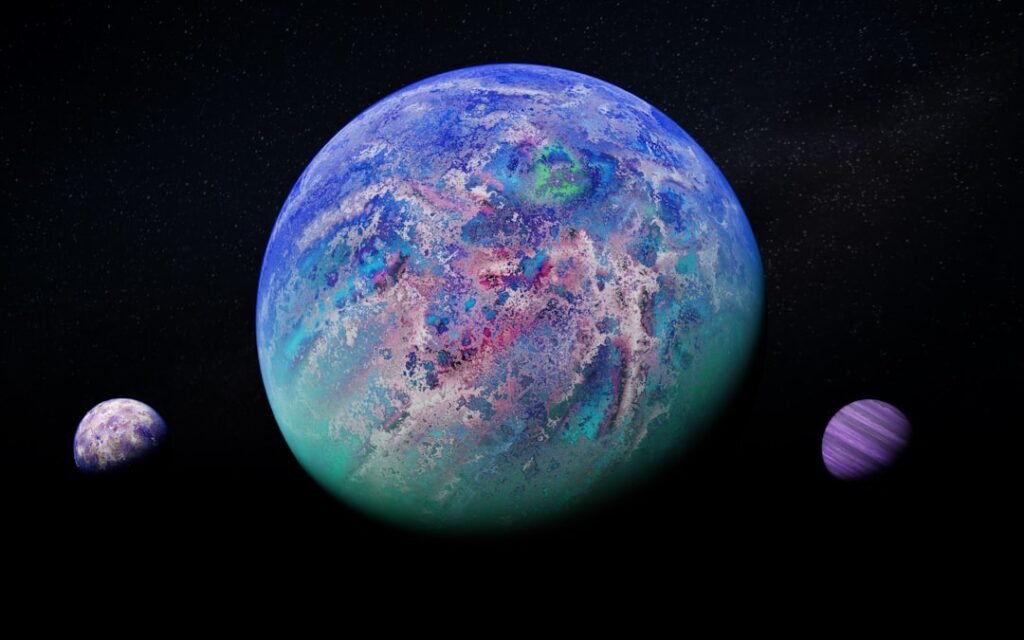
Picture this for a moment: you’re standing beneath a starlit sky, gazing upward at thousands of twinkling points of light, knowing that among them hide worlds where life might actually thrive. This isn’t science fiction anymore. We’ve discovered over 5,600 exoplanets as of 2024, and scientists are actively studying which ones might harbor life.
The James Webb Space Telescope is already analyzing the atmospheres of distant worlds, searching for chemical signatures that could indicate life. Meanwhile, researchers continue identifying potentially habitable planets at an unprecedented pace. You’re witnessing the dawn of a revolutionary era in our understanding of life beyond Earth. So let’s dive into what makes this possibility so thrilling.
The Goldilocks Zone: Not Too Hot, Not Too Cold

There’s a helpful concept we use to help understand what distance from a given star you might expect to find planets with liquid water on their surface – liquid water being essential for life as we know it. It’s called the habitable zone. Think of it as the cosmic sweet spot where conditions are just right for liquid water to exist on a planet’s surface.
Every star has a habitable zone, but where that zone lies is different for stars of different sizes and brightness. For massive, hot stars, this zone sits much farther out. Smaller, dimmer red dwarfs, the most common type in our Milky Way galaxy, have much tighter habitable zones that hug close to their stellar hosts.
You might be surprised to learn that K-dwarf stars are in the ‘sweet spot,’ with properties intermediate between the rarer, more luminous, but shorter-lived solar-type stars (G stars) and the more numerous red dwarf stars (M stars). If you are looking for planets with habitability, the abundance of K stars pump up your chances of finding life.
Super-Earths: Bigger Worlds, Better Chances?
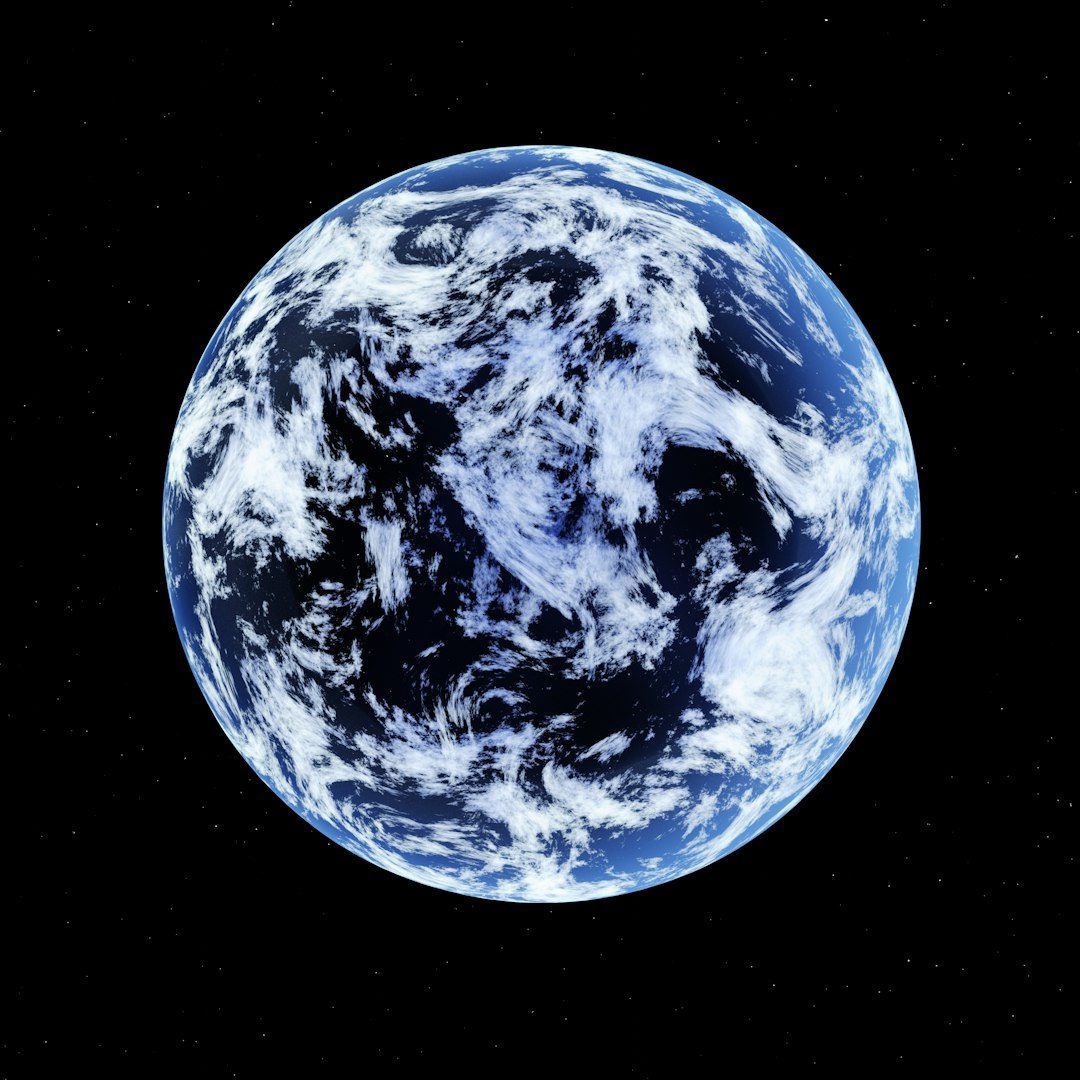
Here’s where things get really exciting. Scientists have dubbed certain exoplanets “super-Earths” as data suggest they have rocky compositions similar to Earth and are almost four times as massive. These worlds aren’t just theoretical anymore.
The new planet, named HD 20794 d, has a mass six times that of Earth and orbits a star similar to our sun, located just 20 light years away. Its orbit places it within the habitable zone of the system, meaning it is at the right distance from its star to sustain liquid water on its surface, a key ingredient for life as we know it.
The discovery of a possible “super-Earth” less than 20 light-years from our own planet is offering scientists new hope in the hunt for other worlds that could harbor life. They dubbed the exoplanet, named GJ 251 c, a “super-Earth” as data suggest it is almost four times as massive as Earth, and likely to be a rocky planet.
Rocky Planets Rule the Habitability Game
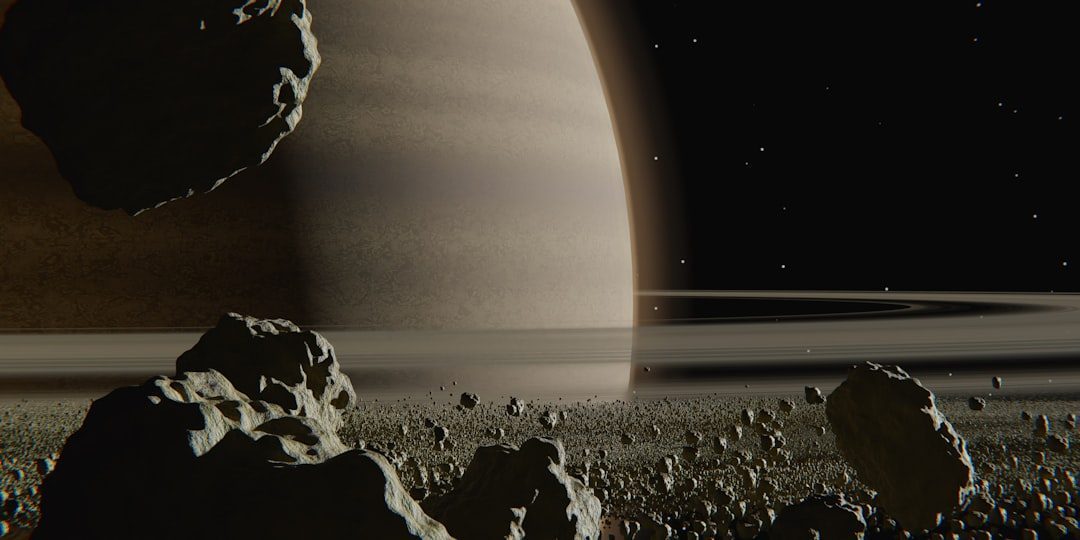
Our findings show that rocky exoplanets and super-Earths are more likely to exist in the habitable zone and possess an ESI greater than 0.8. This Earth Similarity Index measures how closely a planet resembles our home world in key characteristics.
Many rocky planets have been detected in Earth’s size-range: a point in favor of possible life. Based on what we’ve observed in our own solar system, large, gaseous worlds like Jupiter seem far less likely to offer habitable conditions. The reason is straightforward – rocky planets can maintain stable surfaces where liquid water might pool.
You’ll find it fascinating that while sub-Neptunes, sub-Jovians, and Jovians are also found within the Optimistic Habitable Zone and Conservative Habitable Zone, their lower ESI values indicate their low suitability for habitability. Size and composition matter tremendously when it comes to supporting life as we know it.
The Challenge of Red Dwarf Stars
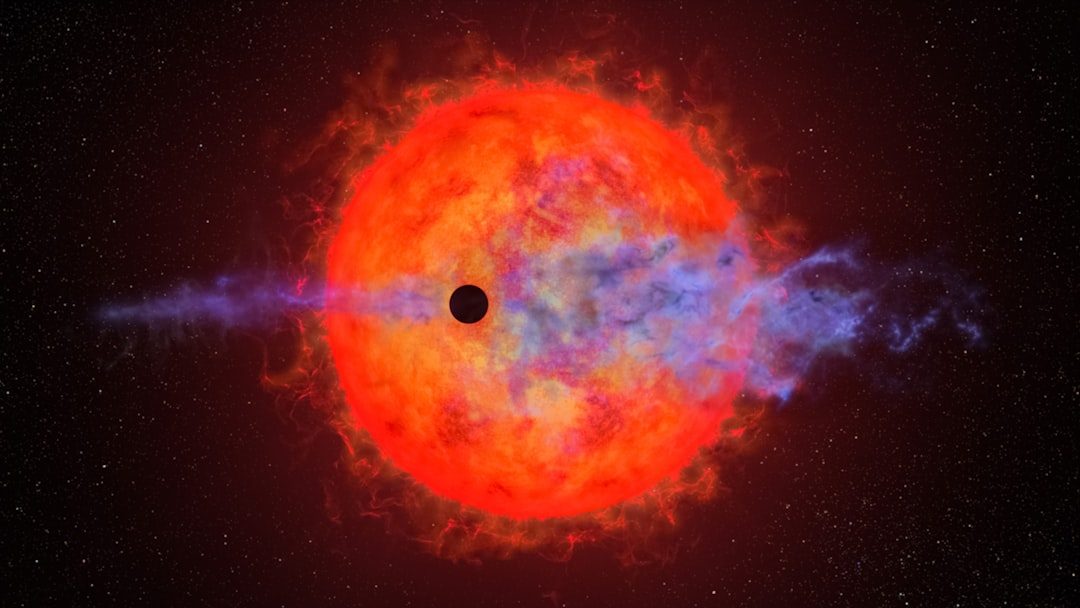
Most potentially habitable planets we’ve discovered orbit red dwarf stars, but this creates unique challenges. Planets in a red dwarf’s comparatively narrow habitable zone, which is very close to the star, are exposed to extreme levels of X-ray and ultraviolet (UV) radiation, which can be up to hundreds of thousands of times more intense than what Earth receives from the Sun.
The planet orbits an M-dwarf star, which is the most common and oldest type of star in the Milky Way. These stars are known for strong stellar activity, including starspots and flares. This activity can sometimes imitate the faint radial velocity signals that astronomers use to detect orbiting planets, potentially leading to false positives in exoplanet discovery.
Still, these challenges don’t rule out the possibility of life. Many scientists believe that planets with thick atmospheres or strong magnetic fields could protect any potential life from this harsh radiation.
Atmospheric Detective Work with James Webb
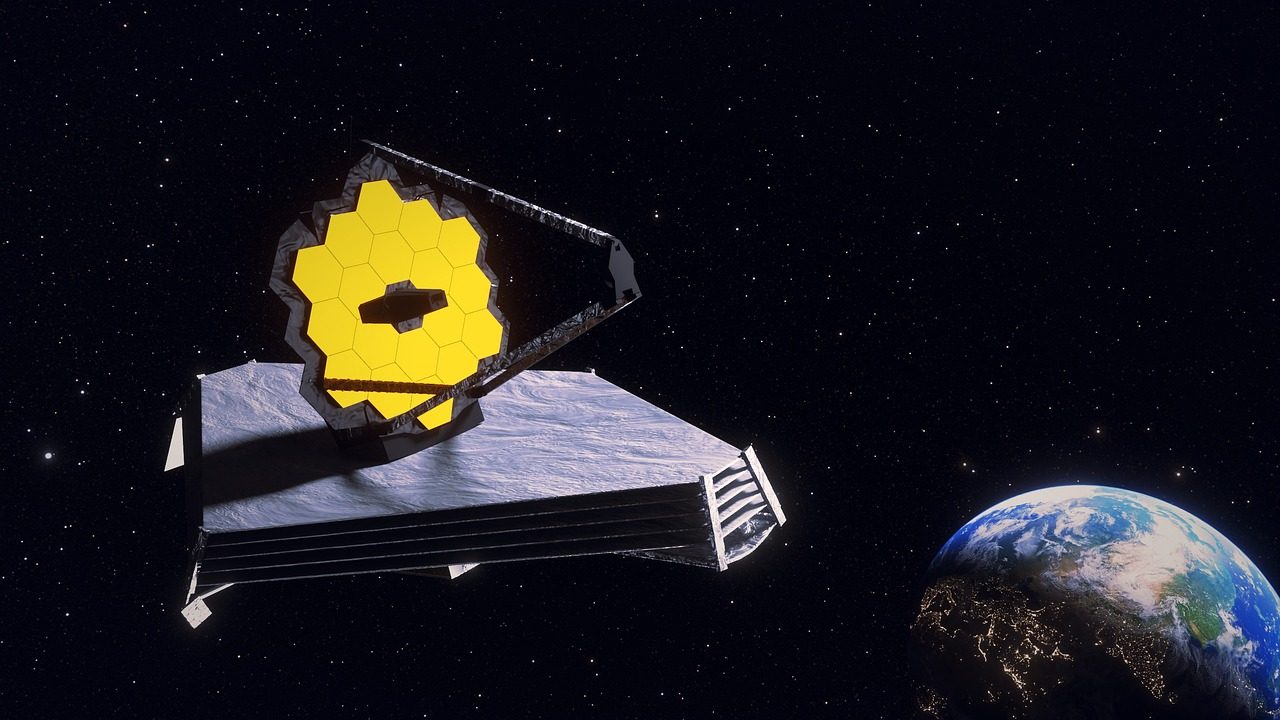
We now have our first real opportunity to search for exoplanet atmosphere biosignature gases with the recently operational James Webb Space Telescope. The search for signs of life in the Universe has entered a new phase with the advent of the James Webb Space Telescope. Detecting biosignature gases via exoplanet atmosphere transmission spectroscopy is in principle within JWST’s reach.
JWST has detected atmospheric molecules such as methane, water vapor, and carbon dioxide on multiple exoplanets – and has revealed entirely new atmospheric processes. This revolutionary telescope analyzes starlight filtering through planetary atmospheres as worlds pass in front of their host stars.
However, characterizing rocky or sub-Neptune-size exoplanets with JWST is an intricate task, and moves us away from the notion of finding a definitive “silver bullet” biosignature gas. Indeed, JWST results necessitate us to allow “parallel interpretations” that will perhaps not be resolved until the next generation of observatories.
Biosignatures: Chemical Clues to Life
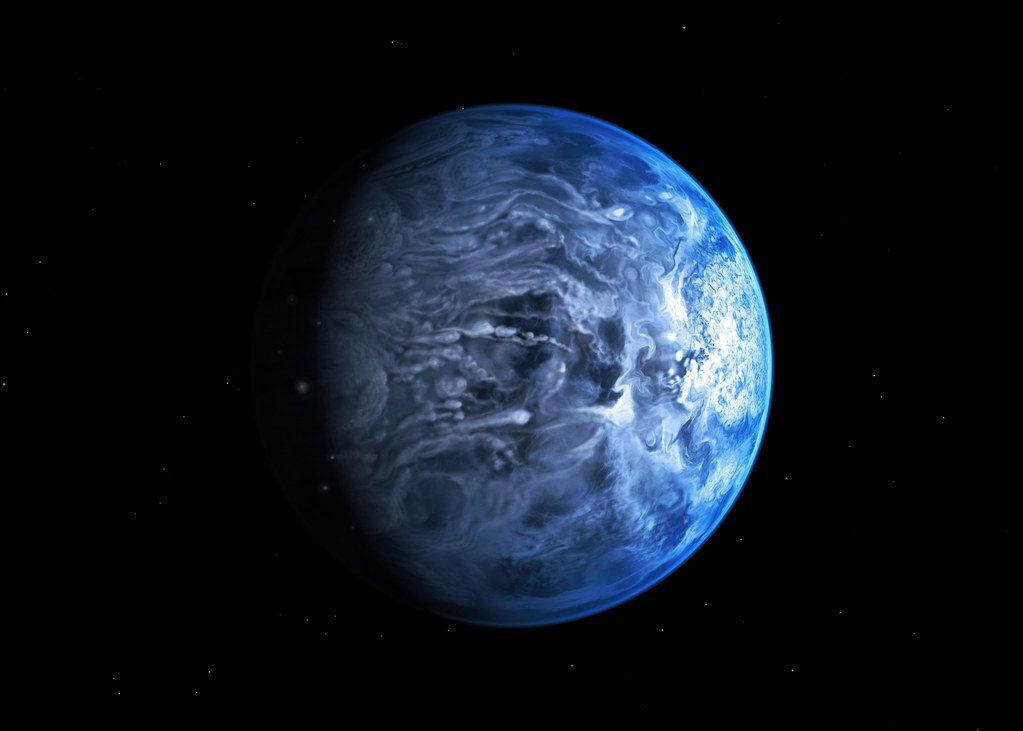
The most exciting development has been the potential detection of biosignatures – chemical fingerprints that might indicate life. Using data from the James Webb Space Telescope, astronomers have detected the chemical fingerprints of dimethyl sulfide (DMS) and/or dimethyl disulfide (DMDS), in the atmosphere of the exoplanet K2-18b, which orbits its star in the habitable zone. On Earth, DMS and DMDS are only produced by life, primarily microbial life such as marine phytoplankton.
The hope is that scientists will uncover biosignatures – chemicals like oxygen or methane that can indicate life. But it takes great care to determine whether these signals are due to life and not some other phenomenon mimicking life’s chemical fingerprint.
Yet we must remain cautious. Scientists are debating whether data from the James Webb Space Telescope is really pointing to biosignature gases in the atmosphere of planet K2-18b. But already, one independent check suggests the announcement was overhyped. Rather than seeing a bump or a wiggle that indicated a signal, “the data is consistent with a flat line,” according to some reanalyses.
Extreme Life on Earth Points to Possibilities Beyond

Microorganisms are found in nearly every environment on Earth, including some of the most extreme habitats where life was once thought to be impossible. These “extremophiles” thrive in conditions of extreme temperature, pressure, salinity, acidity, and radiation. By surviving and even flourishing in such harsh environments, extremophiles have evolved unique metabolic pathways and biochemical adaptations.
The Antarctic Plateau, a vast expanse of ice and snow more than 3000 m above sea level, is one of the most extreme environments on Earth. Low temperature and absolute humidity, together with high UV radiation during the summer, scarcity of liquid water and scarcity of nutrients, make the Antarctic Plateau an excellent natural laboratory for investigating the extremes of life on Earth. “This environment is perhaps the best terrestrial analog for studying the possibility of life on other worlds, such as the icy moons Europa (Jupiter) and Enceladus (Saturn).”
Thanks to these discoveries, astrobiology no longer focuses solely on Earth-like planets; it now also considers worlds with supervolcanoes, underground oceans, frozen giants, or atmospheres rich in toxic substances. In a vast universe filled with thousands of worlds yet to be explored, studying these organisms on Earth could be the vital key to discovering life in distant corners of the cosmos. If life can thrive in the most unforgiving places on our planet, then perhaps the universe itself is far more alive than we ever imagined.
The Diversity Challenge: Life Beyond Our Imagination
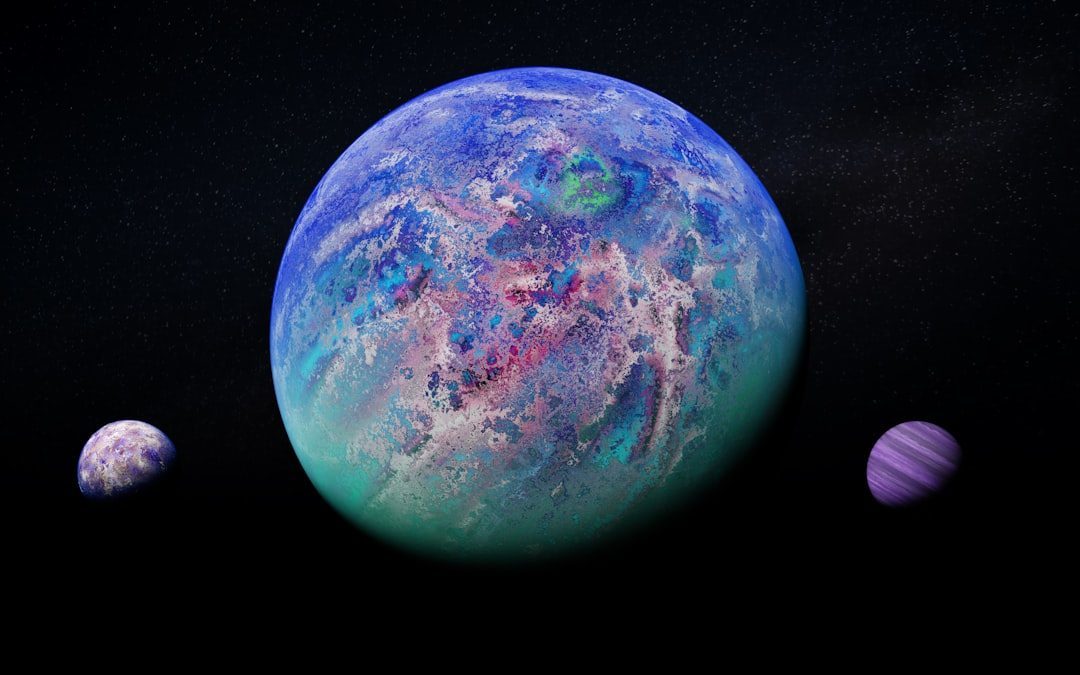
Thousands of exoplanets orbit nearby stars, showcasing a remarkable diversity in mass, size, and orbits. With the James Webb Space Telescope now operational, we are observing exoplanet atmospheres and aiming to reach down to small, habitable-zone exoplanets in search of signs of habitability and possibly even biosignature gases. Given the scarcity of targets, it is imperative to embrace the known diversity and consider the range of exoplanets that might host life.
We review how Earth life interacts with various atmospheric gases, noting that bacteria can survive in high concentrations of gases such as H2, He, CO2, and CO. Additionally, we consider the potential for life in alternative solvents and in cloud biospheres where rocky surfaces are excessively hot, as well as in hypothesized planetary global oceans. We highlight that life fundamentally requires metal ions for catalytic reactions, suggesting that environments without surface contact need meteoritic delivery to provide these essential elements.
There is also the possibility that exoplanet atmospheres host different forms of life. On Earth, for instance, elements essential for life are sourced from chemical reactions between predominantly silicate rocks and water. And life could be based on solvents other than water, like methane or ethane.
Next-Generation Telescopes: The Future of Discovery

Starting in 2030, the European Southern Observatory’s Extremely Large Telescope (ELT), currently under construction in Chile, will join the hunt. With a 39-meter primary mirror to JWST’s 6.5-meter mirror, the ELT will surpass JWST’s ability to resolve exoplanets directly and conduct high-resolution spectroscopy of their atmospheres. The ELT may even be capable of detecting the most suggestive ensemble of biosignatures – the pairing of oxygen and methane – in the atmospheres of rocky planets around M-dwarfs.
While not designed to search for life on other planets, Webb’s performance has made it the first observatory capable of characterizing the atmospheres of some of the most promising small planets orbiting cooler stars. These early observations are laying the scientific and technical foundation for future missions, such as NASA’s planned Habitable Worlds Observatory, which will specifically target Earth-like planets around Sun-like stars when it launches.
However, GJ 251 c’s proximity to Earth makes it an ideal target for future direct imaging studies with the University of California’s in-development Thirty Meter Telescope. The large size of TMT’s mirrors may enable it to directly image faint exoplanets like GJ 251 c and confirm the presence of water.
The evidence keeps mounting that life could indeed exist on planets beyond our solar system. From super-Earths in habitable zones to the chemical signatures we’re starting to detect in alien atmospheres, the pieces of this cosmic puzzle are falling into place. Finding life elsewhere in the universe is a process, and detection of a single potential biosignature would not constitute discovery of life. We would need follow-up studies and multiple converging lines of evidence to confirm true biosignatures and rule out false positives, possibly including independent data from multiple missions and extensive atmospheric modeling.
The question isn’t really whether life exists elsewhere – it’s when we’ll finally prove it. With advancing technology and our growing understanding of extreme environments, that moment might be closer than we think. What do you think about the possibility that we’re not alone in this vast universe? Tell us in the comments.